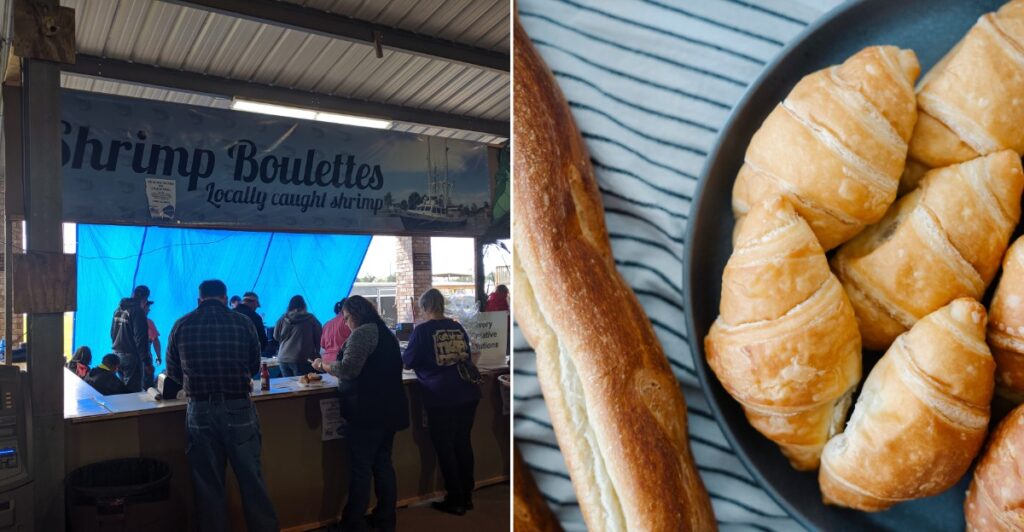
Fifty-one years of cooking on the bayou deserve a proper celebration. Larose delivers one every October.
The French Food Festival takes over the regional park and civic center on the last full weekend of the month with a menu that no chain restaurant can replicate. Crawfish étouffée sits next to gumbo on paper plates.
Gumbo sits next to boudin. The dance floor stays full from the first accordion note to the last.
Children run between the rides while their parents hold tall cups of sweet tea in the shade. The Bayou Civic Club has organized this event since the beginning, and the only thing that changed over five decades is the size of the crowd.
French settlers built this community, and the food they brought still fills the park every fall. Deep bayou country in Louisiana cooks the way it lives, which is to say without apology.
Mark The October Weekend
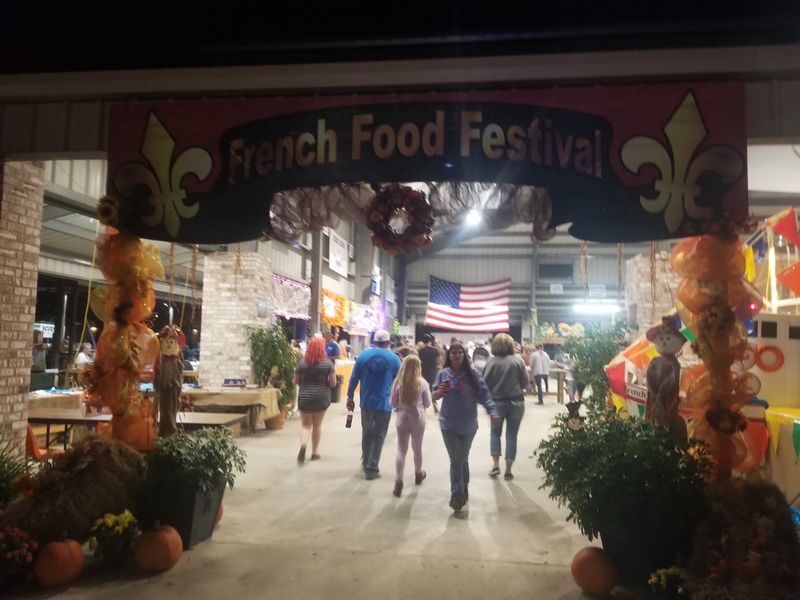
A calendar note can save you a disappointing drive. The French Food Festival is held during the last full weekend of October, and the 2026 event is scheduled for October 23 through 25.
That gives you three days to explore, rather than one hurried meal squeezed between other plans.
Check the festival’s official schedule before leaving home, since music times, activities, and booth offerings can change. If a favorite dish matters most, look for the current food information too.
The festival also has a kickoff event called Bon Temps & Bites before the main celebration, but its details are worth confirming separately.
October gives this gathering its familiar place on the Larose calendar. It was moved to that month in 1978.
Today, the weekend feels like a date set aside not just for food, but for neighbors to catch up.
Arrive With An Appetite And A Plan
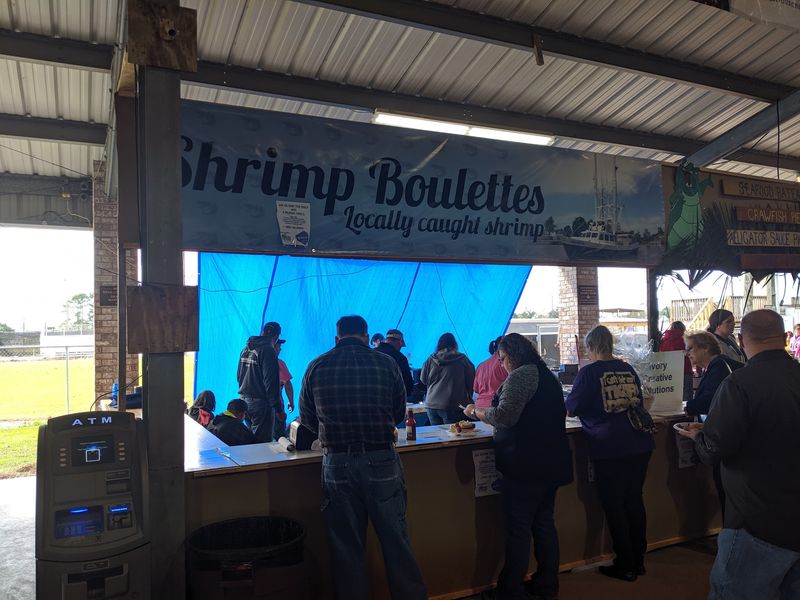
Twenty-two food booths make a strong case against buying the first full plate you see. Take a slow walk past the menus before choosing.
Sauce piquante, étouffée, jambalaya, pastalaya, gumbo, po’boys, and fried seafood are among the dishes associated with the festival, and deciding what to try can be its own pleasant problem.
A small first order leaves room for something unfamiliar later. Ask booth volunteers what is being served that day, especially if you have a food allergy or need to know how a dish is made.
Recipes and availability may differ from booth to booth.
The booths are mostly run by local volunteers, often drawing on family cooking traditions. That matters more than any grand promise of a secret menu.
Here, the interesting part is how many ways a community can feed people over one weekend.
Look Beyond The Famous Cajun Staples
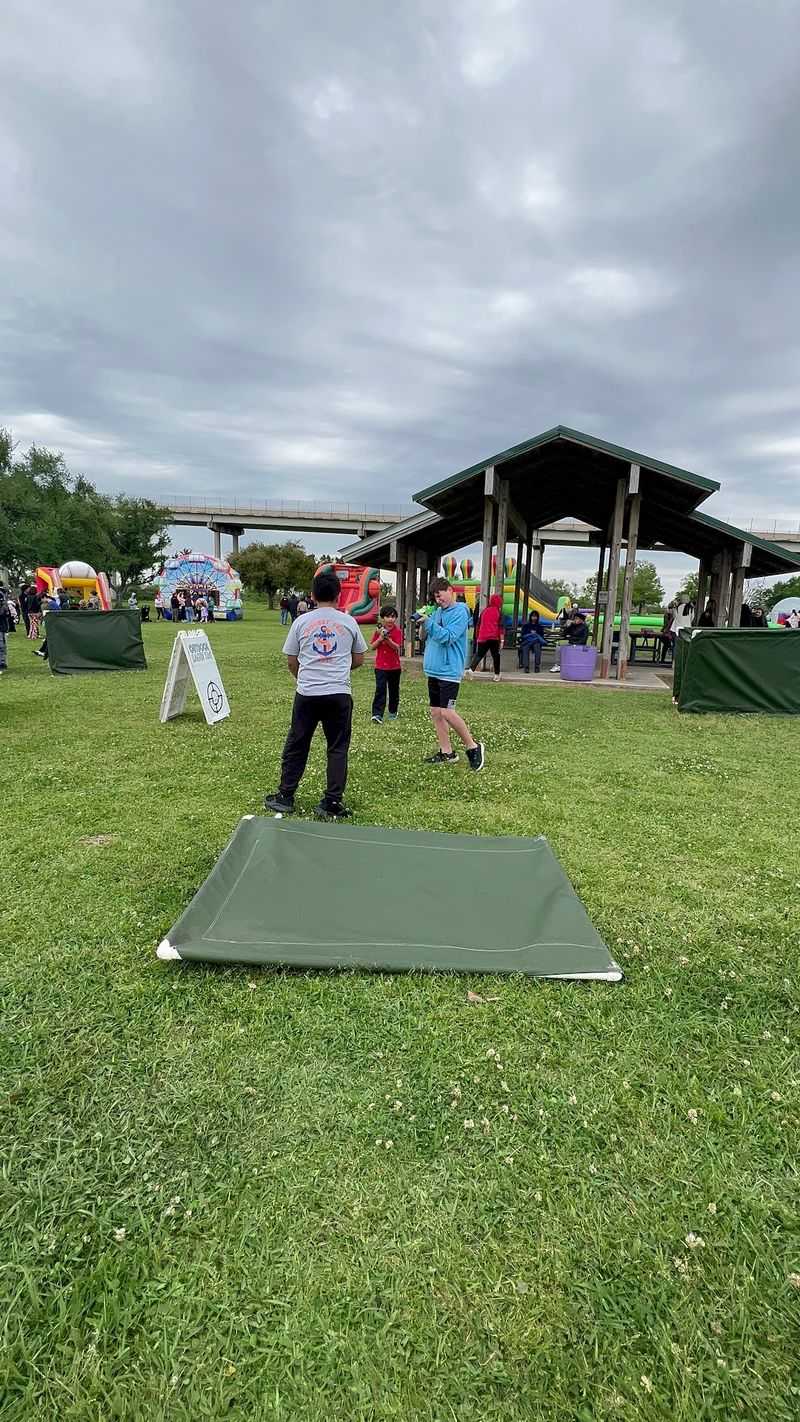
Gumbo deserves its reputation, but let the less familiar dishes interrupt your plans. Shrimp boulettes, white beans served with fried seafood, and crawfish fettuccine are among the specialties linked to the French Food Festival.
A menu board may teach you more about local tastes than a familiar order ever could.
If you are unsure what a boulette is, ask the people serving it. Food questions are welcome when asked with patience, especially at busy volunteer booths.
Keep an open mind about combinations too. White beans beside seafood may sound unusual to a visitor, yet it shows how a hearty home-style side can share a plate with the day’s catch.
Try one new dish alongside something you already know. You will still have a reliable favorite, plus a better sense of what makes the cooking here distinct.
Save Space For Custard Tart
Sweet endings can be easy to forget when a gumbo pot has your full attention. Watch for Tarte à la Bouillie, a custard tart associated with the festival’s food offerings.
Its French name may take a moment to say, but there is no quiz at the booth. Pointing politely works just fine.
Consider sharing a slice if you have spent the afternoon sampling savory dishes. That way, dessert stays part of the adventure rather than becoming a test of how much you can carry.
Ask about ingredients if you have allergies, since family recipes and preparation methods can vary.
The tart also offers a gentle reminder that Cajun food is not one single flavor. Alongside peppery sauces and fried seafood, there is room for a quiet, creamy finish.
Leave that room on purpose when you plan your meal.
Follow The Family Recipes
Behind a serving counter, a dish can carry more than its list of ingredients. Many French Food Festival cooks work from recipes passed through families, and volunteers have kept the booths going across generations.
That is a good reason to slow down when someone explains a plate.
Choose a quieter moment to ask whether a recipe has a family story. Do not expect a full cooking lesson when a line is forming.
A brief, kind exchange can still tell you why a particular dish belongs at this gathering. Thank the person serving you, then step aside so the next guest can order.
There is no need to treat every bite like a museum object. Eat while the food is ready, enjoy it, and remember that the living tradition here is people continuing to cook for one another.
Notice What Your Meal Supports
A plate of jambalaya has a job beyond lunch at this festival. The event is a community fundraiser, and its proceeds have historically helped support the Larose Community Center and Larose Regional Park.
Volunteers run the festival without salaries, making the link between the booths and local spaces especially direct.
Admission and parking are free, so you can set your own food budget before you arrive. Remember that carnival rides are separate from the festival’s volunteer-run fundraising model when you decide how to spend.
If you want to support the effort, buying a meal from a booth is a simple place to start.
Take a look around the grounds as you eat. The park and civic center are not just a backdrop for one busy weekend.
They are part of what this gathering works to sustain.
Give The Folk Life Exhibit Time
An old boat can explain a place in a way a road map cannot. The festival’s Folk Life Exhibit has featured regional history and skills, including cypress dugout pirogues made in the 1880s.
If the exhibit appears on the current schedule, make time for it between meals.
Look closely at how a dugout pirogue is shaped from wood, then think about the bayou setting around Larose. The exhibit connects everyday tools and craft to the people who used them.
Read the posted information rather than guessing at an object’s purpose, and ask an exhibit volunteer when someone is available.
Festival rides and music may be louder, but this stop offers a different kind of energy. It makes the celebration feel rooted in local knowledge, not only in what is being served for dinner.
Let The Music Set Your Pace
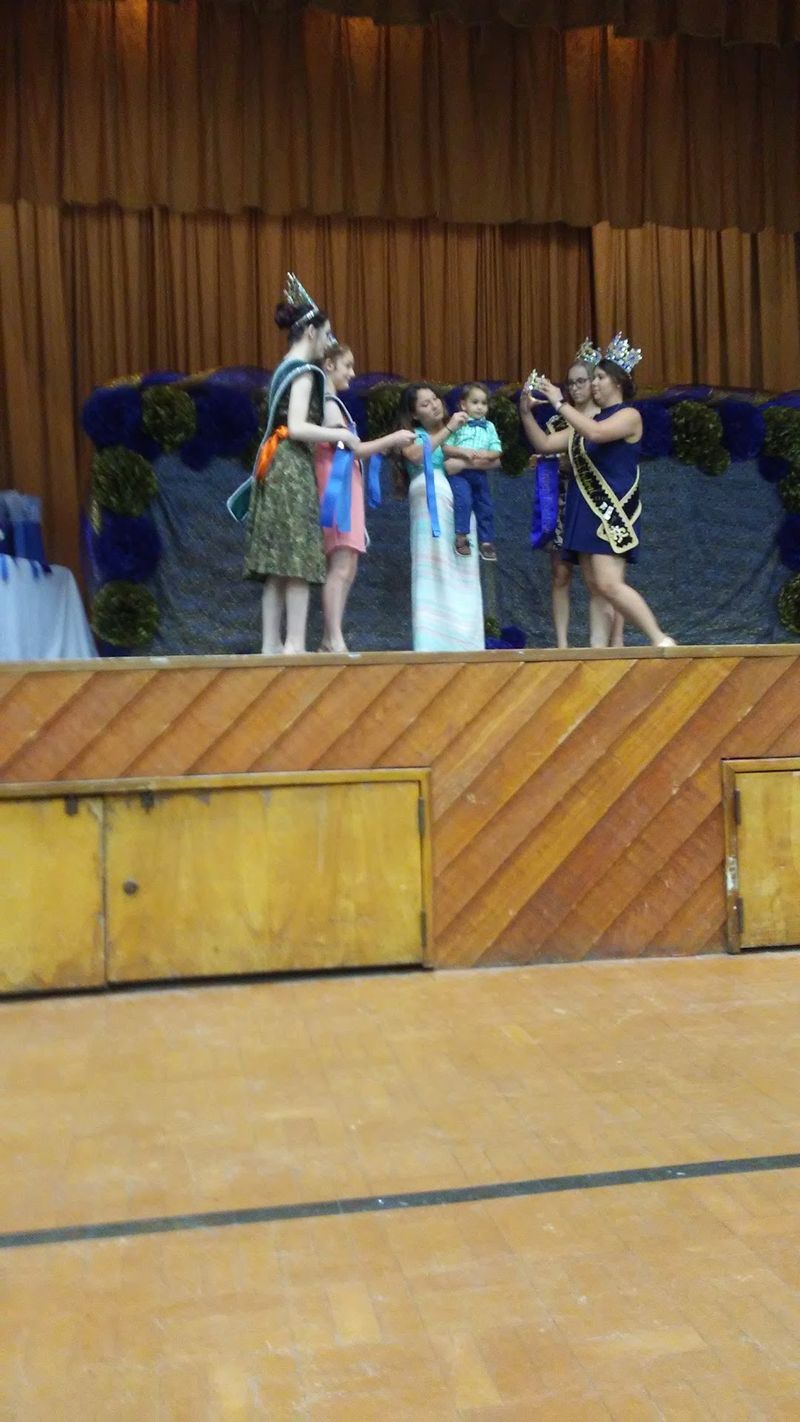
Sometimes the best route through a food festival starts with your ears. Live music is part of the French Food Festival, with local Cajun and Zydeco bands typically on the program.
Stop to listen before racing toward the next booth. A song gives you a natural break to finish a plate and watch the gathering change around you.
Check the current performance schedule if there is a group you hope to hear. Leave space near the music for people who want to dance, and be mindful of anyone trying to move through with food in hand.
Couples dancing are part of the festival’s community feel, not a show you need to crowd.
The music makes a useful reminder: a good visit is not measured by how many dishes you manage to try.
Use The Park As A Breathing Space
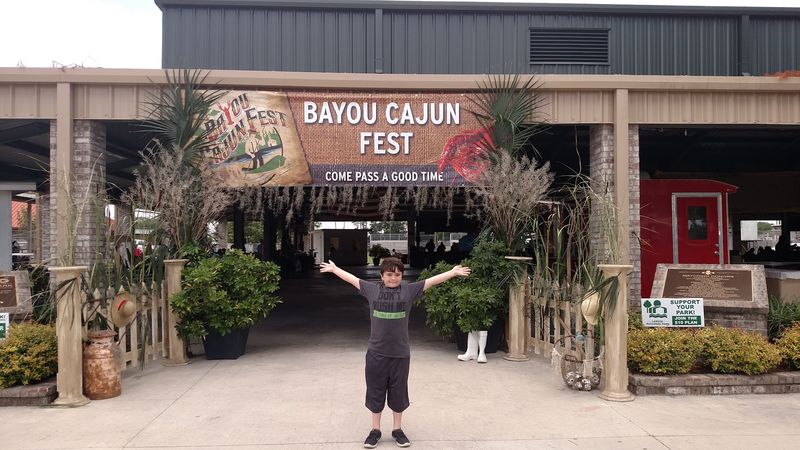
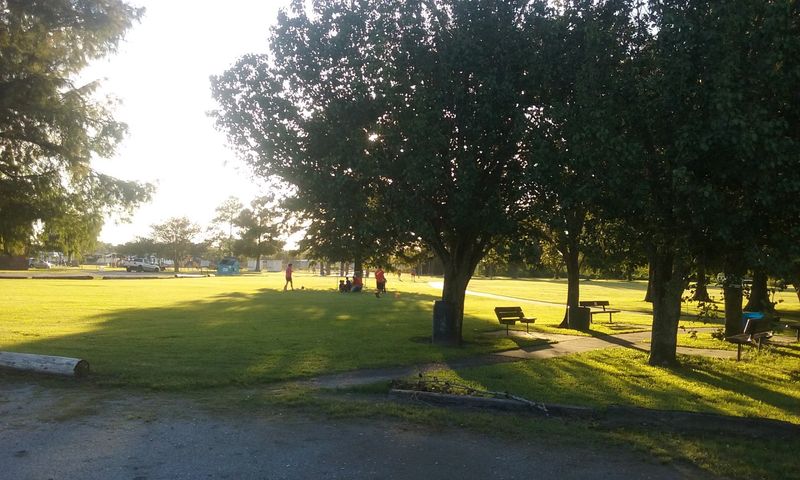
Festival grounds are easier to enjoy when you know where to pause. The event takes place at Larose Regional Park and Civic Center, 307 E 5th St, where a pavilion and park grounds give the gathering room to spread out.
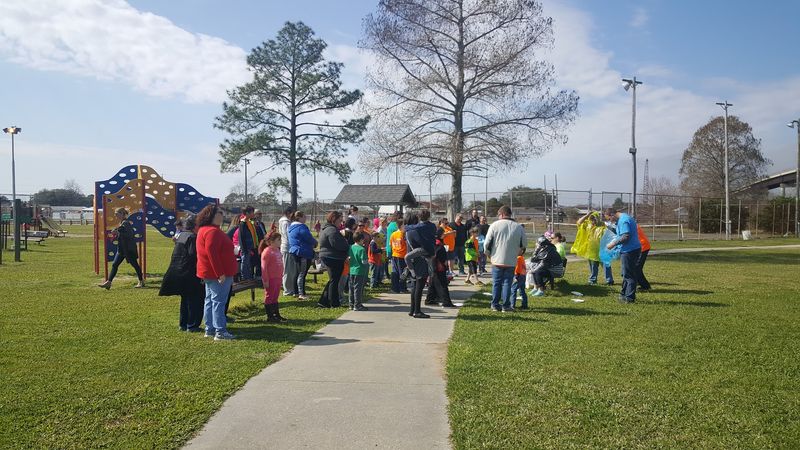
Get your bearings when you arrive, especially if you are meeting family or traveling with children.
Pick an easy landmark for regrouping, and check the festival layout for food, activities, and restrooms. The park has everyday recreational features, but do not assume each one is open or accessible during the festival.
Follow event signs and posted directions instead.
Larose sits where Bayou Lafourche and the Intracoastal Canal meet, a location that helps explain the community’s close ties to the water. Even a short pause between booths can make that setting feel more present.
Make Room For More Than Food
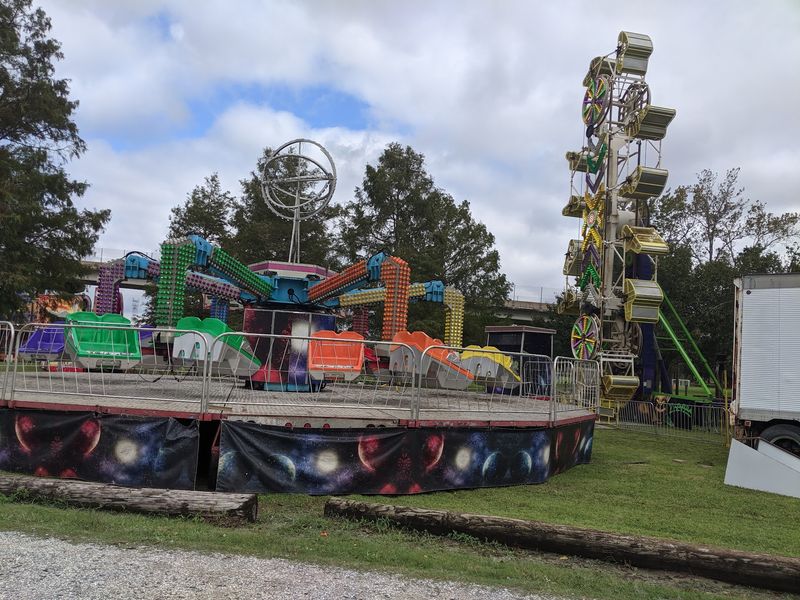
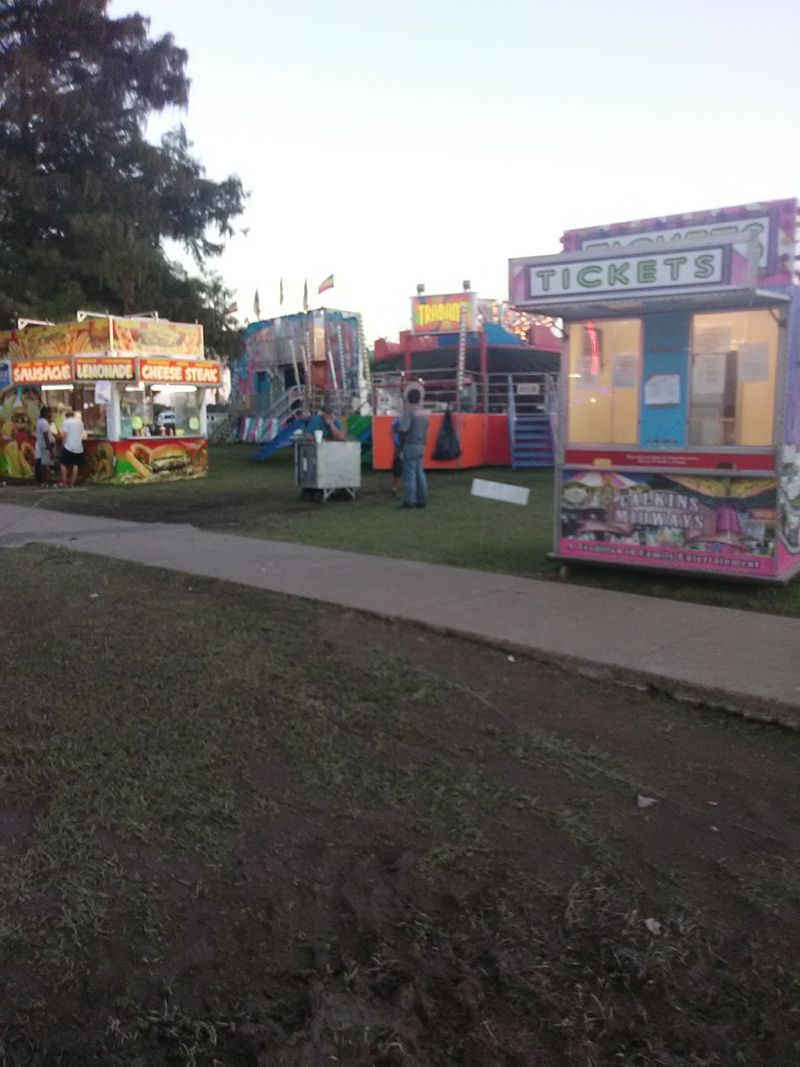
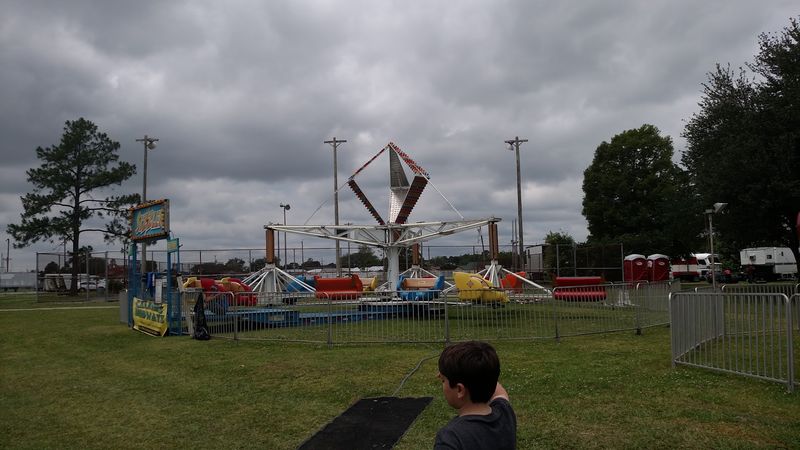
A second lap around the grounds may lead somewhere other than a food booth. The French Food Festival also features games, carnival rides, and a live auction.
Those activities help turn a meal into a longer visit, especially when different people in your group want different things from the day.
Set expectations before you arrive. Entry and parking are free, but that does not mean rides are free.
Check current prices and schedules on site, and decide in advance how much time your group wants to spend away from the food. If you plan to watch the auction, find out when it begins rather than relying on chance.
There is a pleasant balance here between eating, listening, and looking around. Nobody has to enjoy every activity to feel part of the weekend.
Remember How The Festival Began
Long before today’s menu of choices, the festival began with a different name. Weldon Matherne and his sister, Bernice Ordoyne, conceived the event through the Bayou Civic Club in 1973.
It started as the Bouillabaisse Festival, and heavy rain challenged that first gathering. Organizers changed the name to the Larose Civic Center Fair in 1976; the French Food Festival name reflects the celebration visitors know now.
Keep that history in mind while walking among the booths. What looks like a cheerful weekend also represents decades of people returning to cook, organize, and help.
The civic center has been part of Larose community life since 1981, and the festival has helped support it.
When you leave, carry away more than a favorite dish. The lasting story is a community choosing to make room for everyone at its table.