Retiring on a fixed income should not mean giving up beauty, breathing room, or a town that still feels like a real community. Utah may be famous for its booming cities and big-name destinations, but some of its most practical places to settle are quieter, smaller, and far easier on the budget.
These towns offer the kind of balance retirees actually need: manageable costs, slower days, scenic surroundings, friendly streets, and enough everyday convenience to keep life comfortable. The appeal is not about luxury.
It is about stretching Social Security further without feeling boxed in or priced out. From canyon country to farm valleys, the choices prove that affordable living can still come with character, fresh air, and a view worth waking up to.
Across Utah’s overlooked corners, retirement can feel less like compromise and more like a smart next chapter.
1. Castle Dale
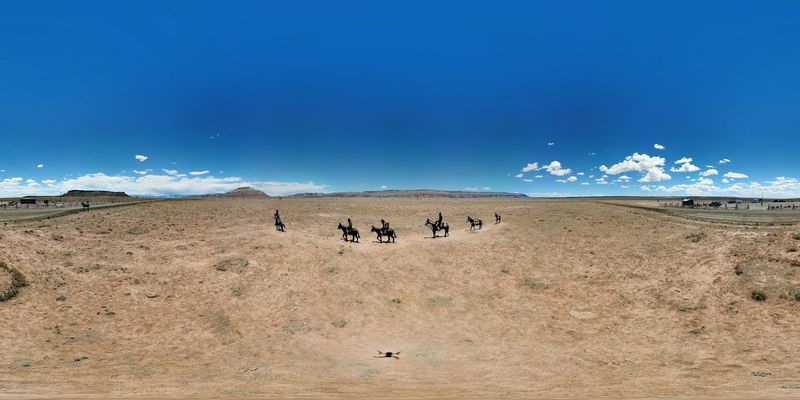
Castle Dale has the kind of quiet that people pay a lot of money to find, except here, it comes standard. Sitting in Emery County with a median home value of $218,200 and median rent of just $753, this town has one of the strongest affordability profiles in the entire state.
That is not a small thing when your monthly income has a ceiling.
The surrounding landscape does most of the heavy lifting when it comes to scenery. Red rock formations and open skies give the area a dramatic backdrop that feels more like a painting than a zip code.
You are essentially getting canyon country living at a fraction of what you would pay anywhere near Moab.
Everyday life here runs at a genuinely slow pace, which suits retirement beautifully. The town is small enough that neighbors know each other, and the county seat location means basic services are within reach.
Castle Dale is the kind of place where your Social Security check actually breathes a little, and that kind of financial ease adds up fast over a year.
2. Helper
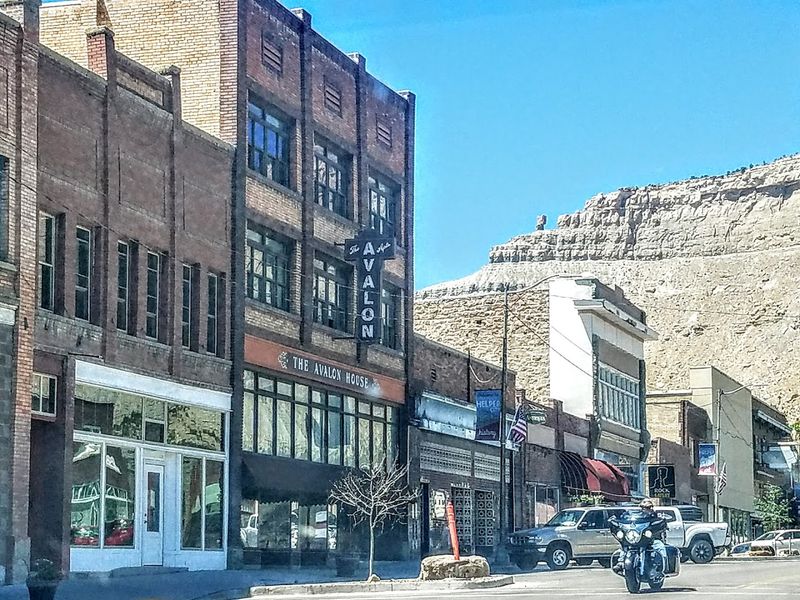
Helper earned its name from the days when extra locomotives were added here to help trains climb the steep canyon grades. That scrappy, working-class history never really left, and today the town wears it like a badge of honor.
With a median home value of $209,800 and median rent of $846, Helper sits among the most wallet-friendly addresses in Carbon County.
What makes Helper stand out from other affordable small towns is its creative streak. The main street has galleries, murals, and a surprisingly lively arts scene for a town this size.
It is the kind of place where retired teachers and artists feel right at home alongside longtime locals.
Mountain scenery wraps around the town on most sides, and the Price River runs nearby, giving the whole area a grounded, natural feel. You get the rare combination of cultural texture and rural affordability, which is genuinely hard to find.
Social Security dollars go noticeably further here than in Utah’s bigger cities, and the lifestyle trade-off is minimal. Helper rewards people who appreciate character over convenience.
3. Price
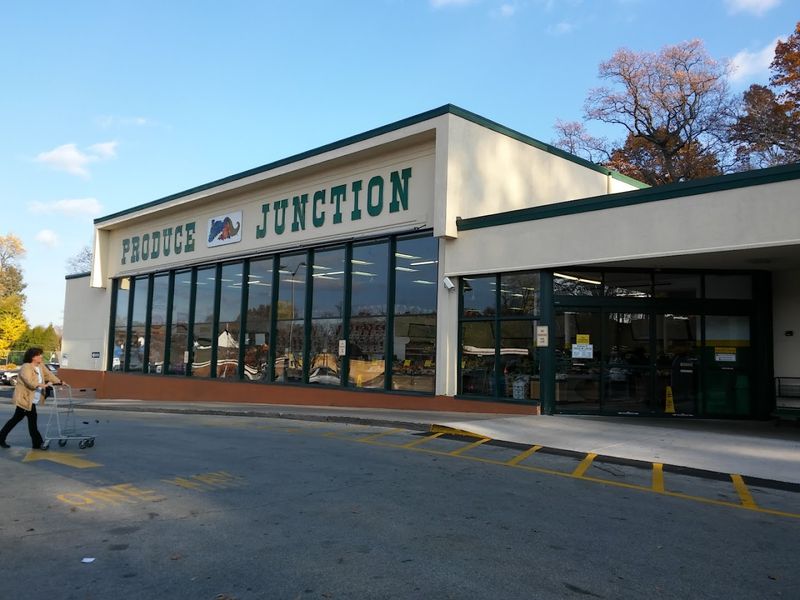
Price punches above its weight class. As the county seat of Carbon County, it offers more services than most rural Utah towns, including grocery stores, medical facilities, and a branch of Utah State University Eastern, all without the price tag of a Wasatch Front address.
Niche lists its median home value at $225,600 and median rent at $855, both firmly below national averages.
For retirees who want access to real-world conveniences without paying Salt Lake City rates, Price hits a practical sweet spot. You can run errands, see a doctor, and grab a decent meal without driving an hour in each direction.
That kind of self-contained small-city life is genuinely underrated.
The surrounding landscape adds unexpected drama to daily life. Nine Mile Canyon, one of the world’s longest art galleries of ancient rock art, sits within driving distance.
Price has a gritty, no-fuss personality that feels refreshingly honest. It is not trying to be a tourist destination, which is exactly why it works so well as a place to actually live.
Your Social Security check will feel more substantial here than almost anywhere along the I-15 corridor.
4. Delta
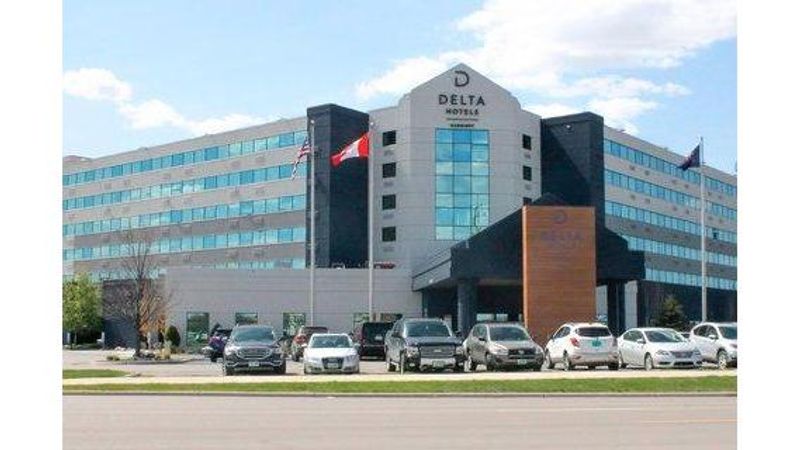
Delta sits in the middle of Millard County like a town that decided long ago to mind its own business and stick to it. The pace is unhurried, the landscape is wide open, and the housing costs reflect a community that has never chased trendiness.
Niche puts the median home value at $271,400 and median rent at $1,044, both still reasonable for what you get in terms of space and solitude.
One fun historical footnote: Delta is close to Topaz Mountain, famous among rockhounds for its gem-quality topaz crystals. It is also near the site of the Topaz War Relocation Center, a sobering piece of American history worth knowing.
The area rewards curious people who like to poke around.
Millard County living is not for everyone. If you need a coffee shop on every corner or a mall within ten minutes, Delta will test your patience.
But if the idea of wide skies, low traffic, and a genuinely affordable mortgage sounds like freedom rather than sacrifice, this town delivers exactly that. Social Security goes a real distance here, and the quiet is something you start to treasure.
5. Roosevelt
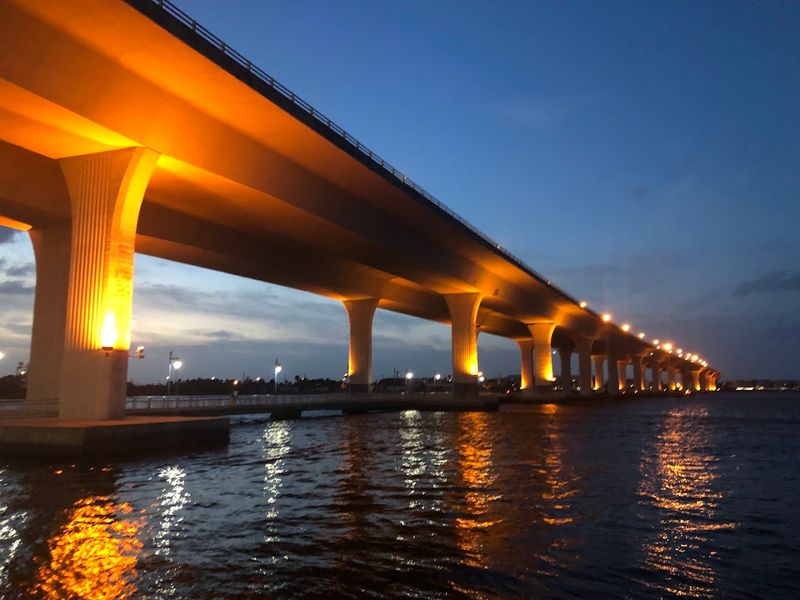
Roosevelt anchors the Uinta Basin in northeastern Utah with a steady, serviceable presence that retirees tend to appreciate more than they expected. It has grocery stores, clinics, and enough daily infrastructure to make life genuinely workable.
Niche puts the median home value at $282,500 and median rent at $977, which holds up well against Utah’s increasingly expensive metro areas.
The outdoor access around Roosevelt is quietly spectacular. The Uinta Mountains sit nearby, offering fishing, hiking, and camping that rival anything in the state.
Flaming Gorge is also within a reasonable drive, making weekend outings feel less like a chore and more like a reward for choosing well.
There is something grounding about living in a place where people actually know what a working week looks like. Roosevelt has an agricultural and energy sector backbone that gives it a no-nonsense character.
Retirees who grew up in working towns often feel immediately at home here. Your Social Security dollars have real purchasing power in Roosevelt, and the combination of practical amenities with serious outdoor scenery makes this northeastern Utah option worth a long, honest look.
6. Milford
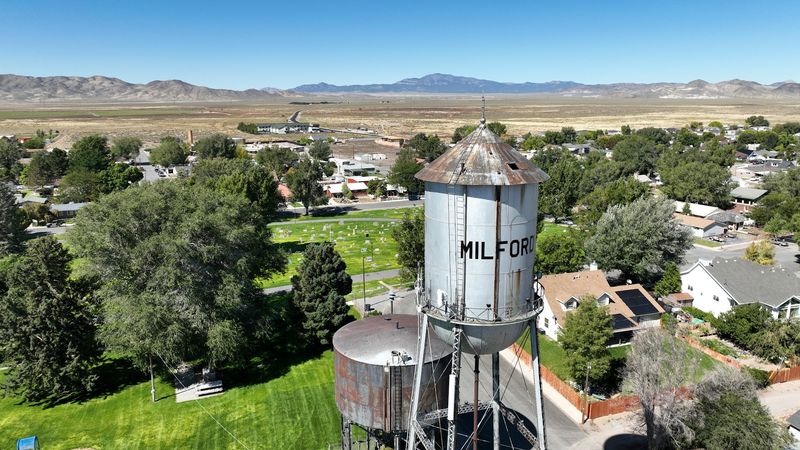
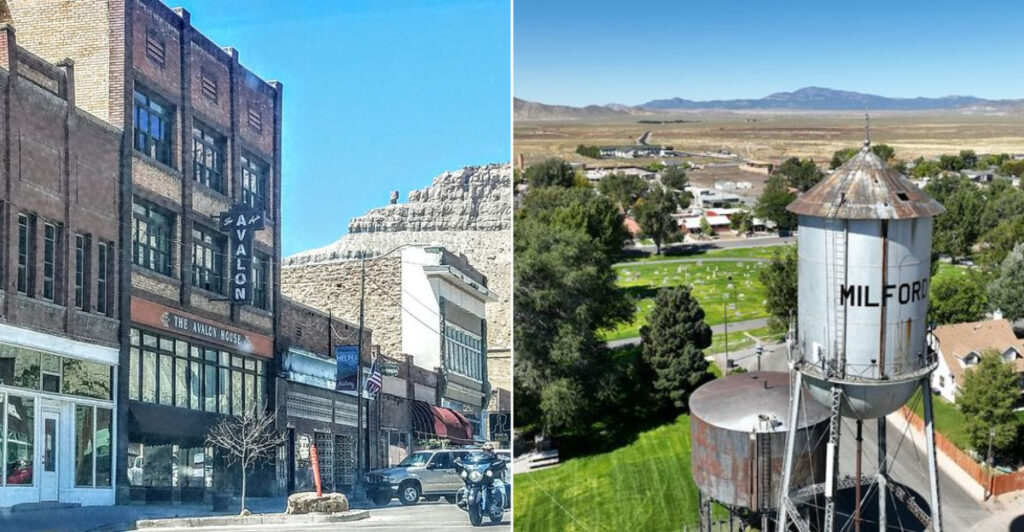
Milford is the kind of town that shows up on maps and makes people say, where exactly is that? It is tucked into Beaver County in southwestern Utah, far from the crowded housing markets that have pushed so many retirees to the margins.
With a median home value of $256,600 and median rent of $1,007, Milford offers the kind of breathing room that feels almost nostalgic.
Life here is genuinely small-scale. The population hovers in the low thousands, which means traffic is not a concept that applies in any meaningful way.
Nearby mineral hot springs and the remote Black Rock Desert give the area a rugged, unhurried personality that suits people who prefer their surroundings uncluttered.
Milford rewards a particular kind of retiree: someone who values simplicity, open space, and the satisfaction of knowing their neighbors by name. It is not trying to attract tourists or tech workers, and that honesty is part of its appeal.
If your retirement vision involves front porch evenings and genuinely low overhead, Milford checks those boxes quietly and without fanfare. Social Security stretches noticeably further here than in nearly any other Utah town on this list.
7. Beaver
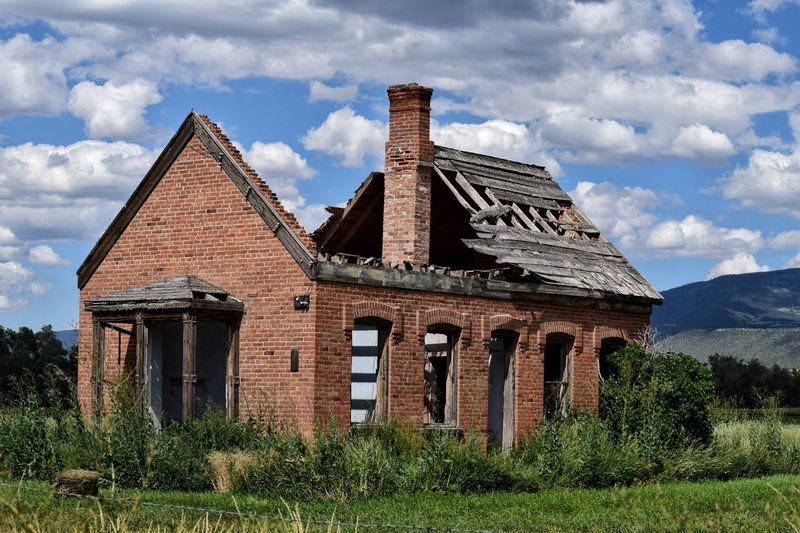
Beaver sits at the base of the Tushar Mountains in southern Utah with the kind of easygoing confidence that comes from knowing exactly what it is. It has local services, a historic downtown, and mountain access that would cost significantly more in trendier parts of the state.
Niche puts the median home value at $280,100 and median rent at $988, both comfortably below what you would pay in St. George or Cedar City.
The Tushars themselves are an underappreciated mountain range, offering some of Utah’s highest peaks without the crowds that follow the Wasatch or the Uintas. Hiking, fishing, and fall foliage are all genuinely accessible from Beaver’s doorstep.
That kind of outdoor proximity adds real lifestyle value to the affordability equation.
Beaver also sits right on Interstate 15, which means connecting to larger cities for medical appointments or family visits is straightforward without living in one of them full time. That highway access is a practical detail that matters more than people admit when evaluating retirement towns.
Beaver is quietly one of the smartest picks on this list for retirees who want mountain scenery, manageable costs, and a small-town feel that does not feel like a compromise.
8. Manti
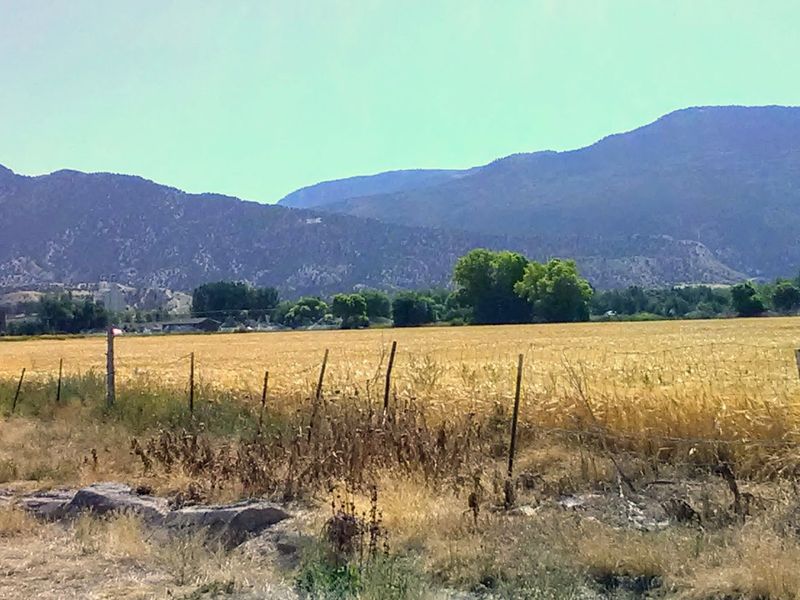
Manti has a landmark that stops people mid-drive: the Manti Utah Temple, a stunning nineteenth-century stone structure perched on a hill above the Sanpete Valley. It gives the town an almost storybook quality that you do not typically associate with affordability.
Yet Niche lists Manti’s median home value at $310,700 and median rent at just $995, keeping it within reach for retirees on fixed incomes.
The Sanpete Valley runs green and wide between mountain ranges, and Manti sits in it like it was placed there deliberately. The surrounding landscape shifts dramatically with the seasons, from snowy winter quiet to warm summer evenings that make sitting outside feel like a genuine pleasure rather than an afterthought.
Small-town life in Manti has real texture. The community is tight-knit, the streets are walkable, and the slower pace encourages the kind of daily rhythms that retirement is supposed to allow.
Retirees who want a place with visible history, natural beauty, and costs that do not quietly drain a fixed income will find Manti surprisingly satisfying. It is one of those towns where you arrive for the affordability and stay because the place itself earns your loyalty.
9. Richfield
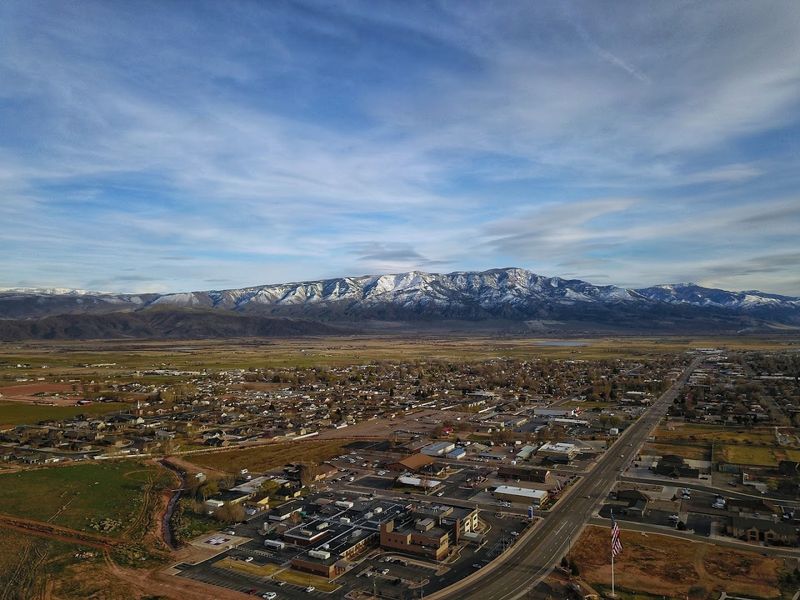
Richfield sits at the crossroads of central Utah with a practical self-sufficiency that most small towns only dream about. It has hospitals, grocery chains, restaurants, and a level of everyday infrastructure that makes retirement genuinely comfortable without the sticker shock of bigger Utah cities.
Niche lists the median rent at $915 and consistently ranks Richfield among Utah’s better places to buy a house.
The location is a hidden advantage. Capitol Reef National Park is roughly an hour east, Bryce Canyon is about ninety minutes south, and Fishlake National Forest is practically in the backyard.
For retirees who want national park access without national park prices, Richfield is a legitimate base camp for some of the Southwest’s best scenery.
There is a steadiness to Richfield that feels earned rather than manufactured. It has the services of a larger town wrapped in a small-city personality that moves at a manageable pace.
Retirees often find that the combination of real amenities, outdoor proximity, and lower costs adds up to something that feels less like settling and more like choosing wisely. Social Security holds its value here in a way that makes monthly budgeting feel like planning rather than survival.
10. Blanding
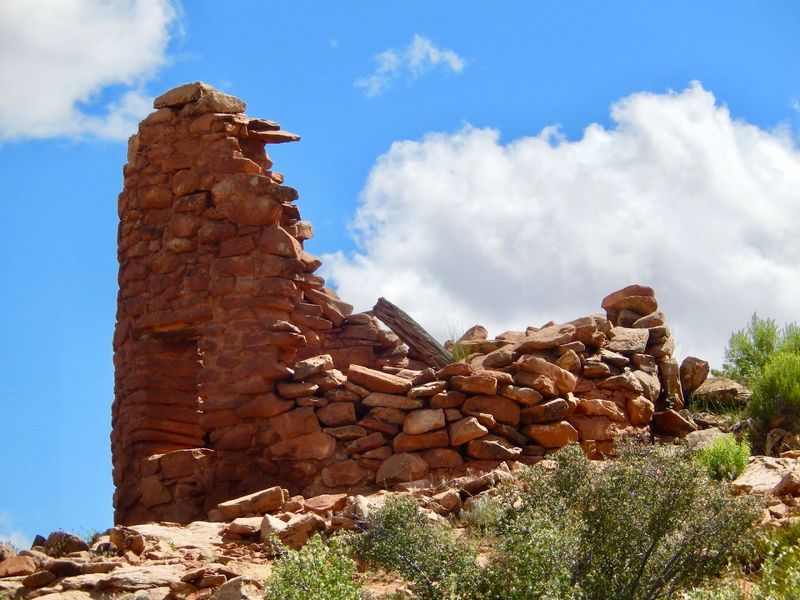
Blanding occupies a corner of southeastern Utah that most people fly over on their way to somewhere else, which is exactly why it has stayed affordable. Sitting in San Juan County at an elevation of around 6,000 feet, it has a cooler climate than the lower desert towns and a median home value of $305,800 with median rent at $842, making it one of the better rental bargains on this entire list.
The cultural depth around Blanding is remarkable. Edge of the Cedars State Park Museum, located right in town, holds one of the finest collections of Ancestral Puebloan artifacts in the country.
Bears Ears National Monument and Natural Bridges National Monument are both within easy reach, giving daily life an archaeological richness that is genuinely unusual.
Blanding is not Moab. There are no boutique hotels, no overpriced brunch spots, and no lines of rental Jeeps clogging the main road.
What it has instead is honest small-town life with extraordinary scenery just outside the door. For retirees who want to live near some of America’s most remarkable landscapes without paying Moab-adjacent prices, Blanding makes a compelling, unhurried case for itself.