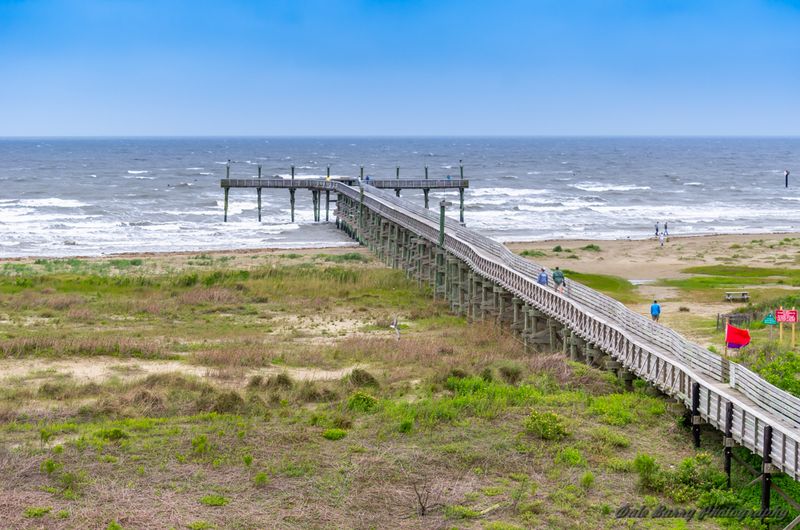
Every autumn, thousands of orange-and-black monarch butterflies pass through Louisiana on their long journey to Mexico. One of the best places to witness this natural wonder is Grand Isle State Park, a barrier-island beach at the very southern tip of the state.
Here, monarchs rest on live oaks and sip nectar before crossing the Gulf. Let’s explore what makes this quiet coastal park such a special stop for both butterflies and the people who come to see them.
A Barrier Island At Louisiana’s Southern Edge
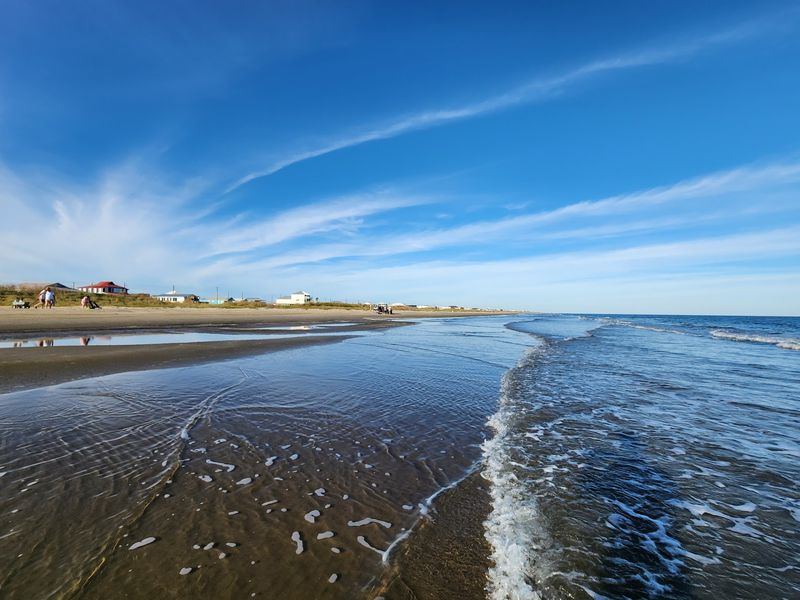
Perched at the far southern tip of Grand Isle, Louisiana, this state park sits right where the land meets the Gulf of Mexico. It’s a barrier-island beach known for its breakwaters, wildlife, and a peaceful stretch of shoreline that stays quiet even on busy weekends.
Visitors describe it as remote and tucked away, a true gem far off the beaten path. The park covers a wide beach backed by low dunes, with a 2.5-mile hiking trail winding through the natural landscape.
On one side you have the open water, and on the other a narrow band of greenery that shelters birds.
Because it stands directly on the coast, the park catches migrating monarchs as they funnel along the shoreline each fall. The address is 108 Admiral Craik Dr, and the drive down feels like a journey to the end of the road.
Regulars mention the sense of escape you get here, where the sound of waves replaces traffic noise. For anyone curious about coastal Louisiana, this southernmost park is a fitting introduction to a wild and windswept world.
The Monarch Migration That Passes Through Each Fall
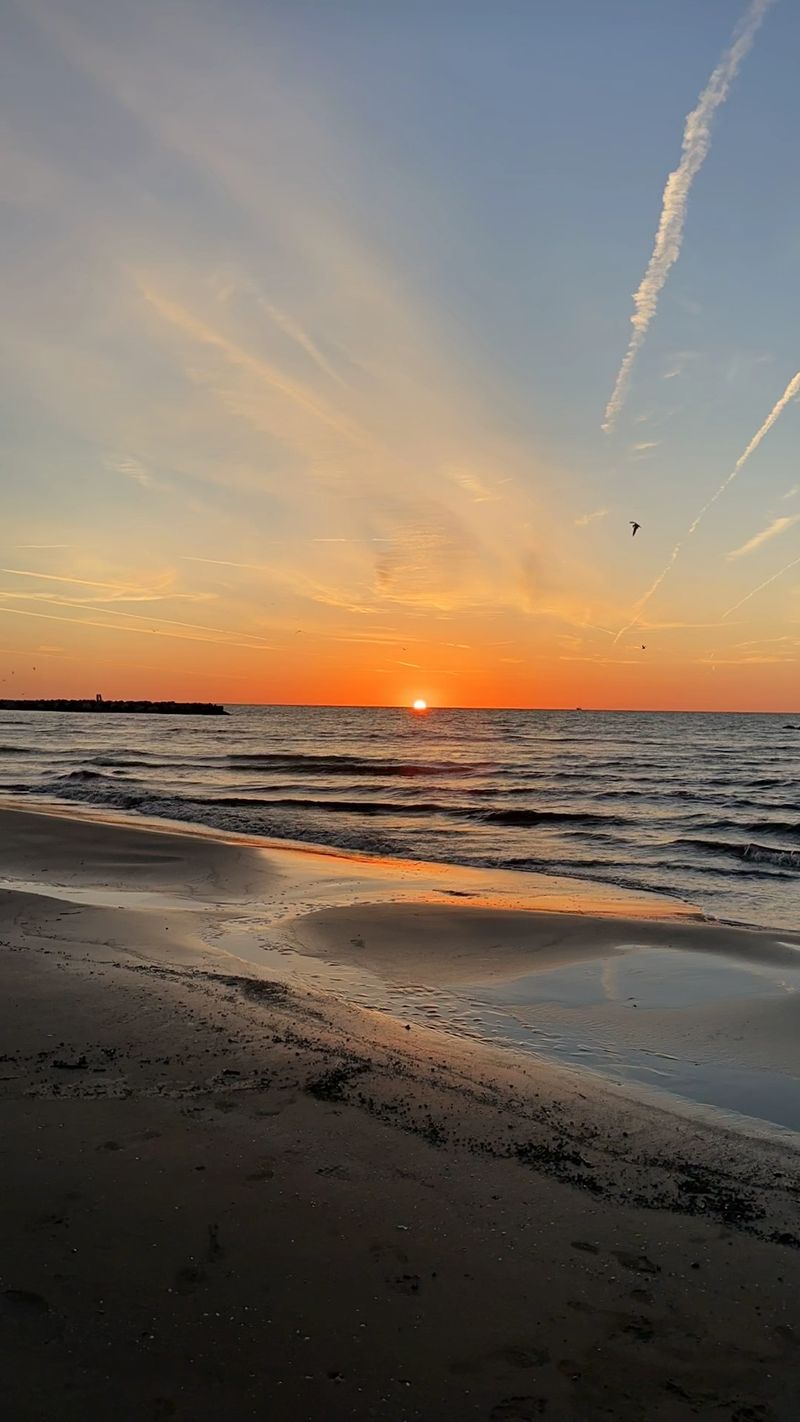
Picture the sky dotted with orange wings, all drifting in the same direction. That’s the scene that unfolds along Louisiana’s coast every autumn as monarch butterflies make their way toward central Mexico, sometimes traveling thousands of miles.
The peak of the migration usually falls between mid-October and early November. Along the Grand Isle shoreline, strong winds can push monarchs together until they cluster by the hundreds on live oaks, where they settle in for the night.
Coastal ridges like this one act as vital fueling and resting stops.
What makes these travelers so remarkable is that they belong to a special “super generation.” Unlike their parents and grandparents, these butterflies live much longer and delay starting families so they can save their energy for the journey ahead.
They fly mainly during the day, using the sun as a compass and riding warm thermal currents to conserve strength. Cold fronts and northerly winds can trigger big waves of them all at once.
Standing on this beach during migration season means witnessing one of nature’s most incredible journeys firsthand.
Live Oaks And Coastal Chenieres As Resting Spots
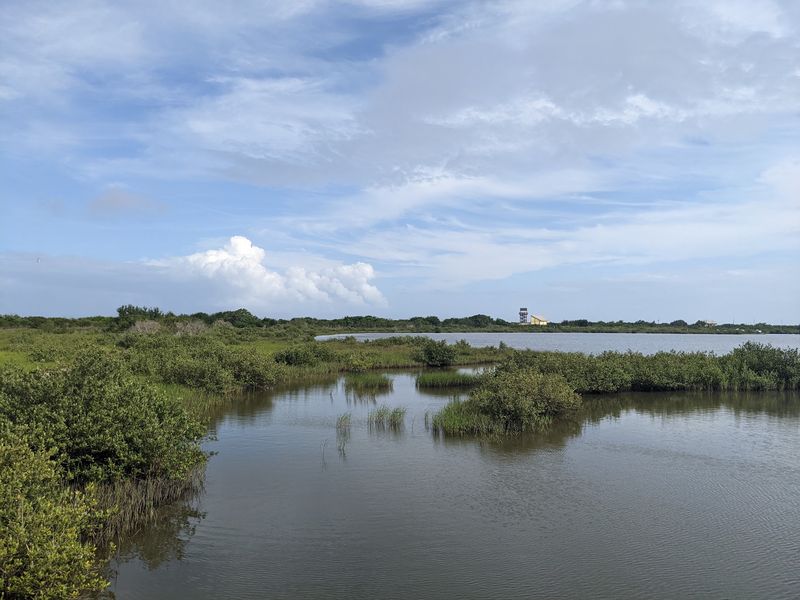
There’s something magical about a tree covered in resting butterflies, their wings folded like closed books. Along Louisiana’s coast, the live oaks growing on raised ridges called chenieres offer exactly that kind of shelter to weary monarchs.
These ancient oaks stand as some of the tallest trees on a mostly flat, windblown landscape. When gusts sweep in off the Gulf, monarchs seek out their sturdy branches, gathering by the hundreds for nighttime rest.
The dense canopy protects them from the wind and helps them hold onto warmth until morning.
Chenieres are old beach ridges left behind by shifting shorelines over thousands of years. They rise just slightly above the surrounding marsh, but that little bit of height and their clusters of trees make all the difference for migrating insects.
At Grand Isle, the narrow band of greenery beside the campsites shelters plenty of birds, and the same kind of coastal vegetation gives butterflies a place to pause. Watching monarchs settle into the oaks at dusk is a quiet reminder of how much wildlife depends on these slim strips of land.
Nectar Gardens That Fuel The Journey
Fueling up for a cross-Gulf flight takes serious energy, and monarchs find it in bright patches of blooming flowers. Louisiana’s coastal gardens and ridges serve as filling stations where the butterflies sip nectar to power the next stretch of their trip.
Fall migrants have favorites. Joe Pye weed, ironweed, asters, goldenrods, zinnias, and Tithonia all rank high on their menu.
Native plants such as showy goldenrod, seaside goldenrod, wingstem, frostweed, narrowleaf sunflower, smooth beggartick, eastern baccharis, and calico aster keep the buffet open from August clear through November.
Other valuable blooms include blue mistflower, dense blazing star, purple coneflower, slender mountainmint, field thistle, and yellow thistle. Each provides the sugary boost a monarch needs to keep flying.
The plant life around Grand Isle State Park adds to its appeal, and visitors often note the variety of vegetation dotting the dunes and trailsides. Planting native, nectar-rich flowers is one of the simplest ways anyone can help these travelers along.
A single well-timed bloom might just be the meal that carries a butterfly the final miles south.
Milkweed, The Only Food For Caterpillars
Before a monarch ever spreads its wings, it starts life as a hungry striped caterpillar with one very picky appetite. Milkweed is the only plant its larvae will eat, which makes these plants absolutely essential to the whole migration story.
In Louisiana, several native milkweeds do the job well. Butterfly milkweed with its bright orange flowers, swamp milkweed, and whorled milkweed all give caterpillars the food they need.
Aquatic milkweed suits coastal and wet areas like those found near Grand Isle.
There’s an important catch worth knowing. Gardeners are encouraged to skip non-native tropical milkweed.
In mild winters it keeps growing year-round, which can tempt monarchs to stay put instead of migrating, and that lingering can expose them to parasites that harm the traveling population.
Choosing the right milkweed is one of the biggest favors you can do for these butterflies. It supports the next generation right where they need it, along the coast and wetlands.
If you visit the park and spot a milkweed plant, take a closer look. You might just find a tiny future migrant munching away.
The Wide, Uncrowded Beach
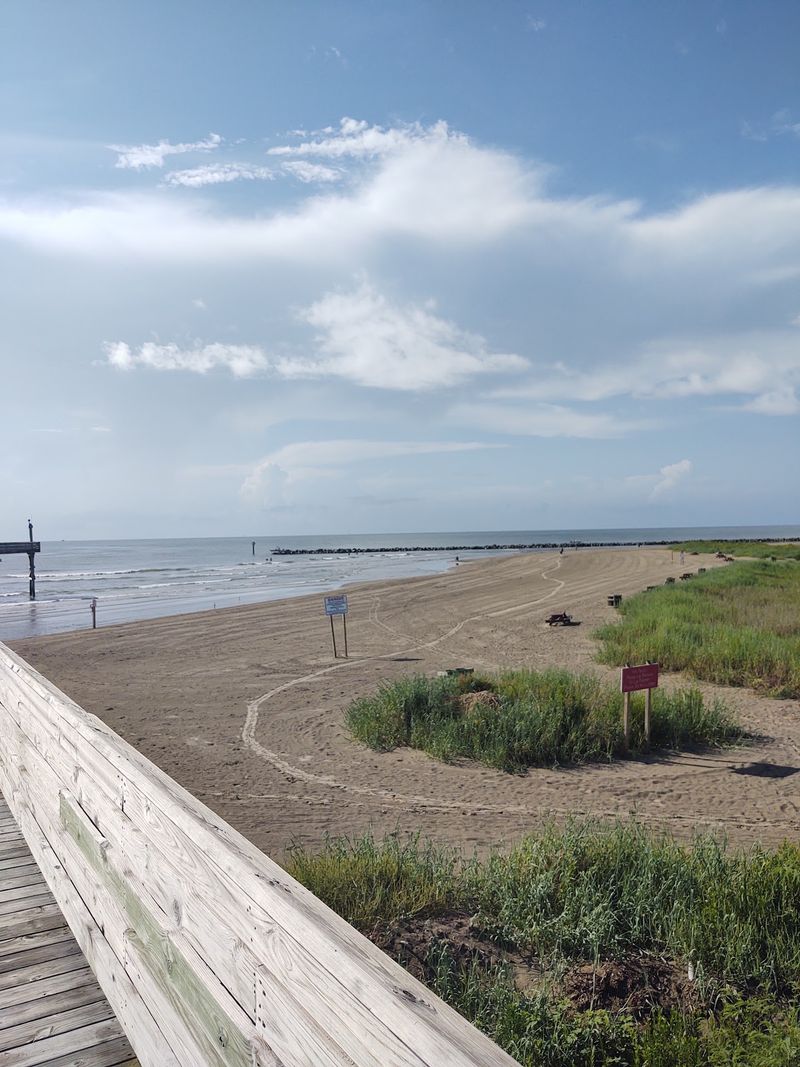
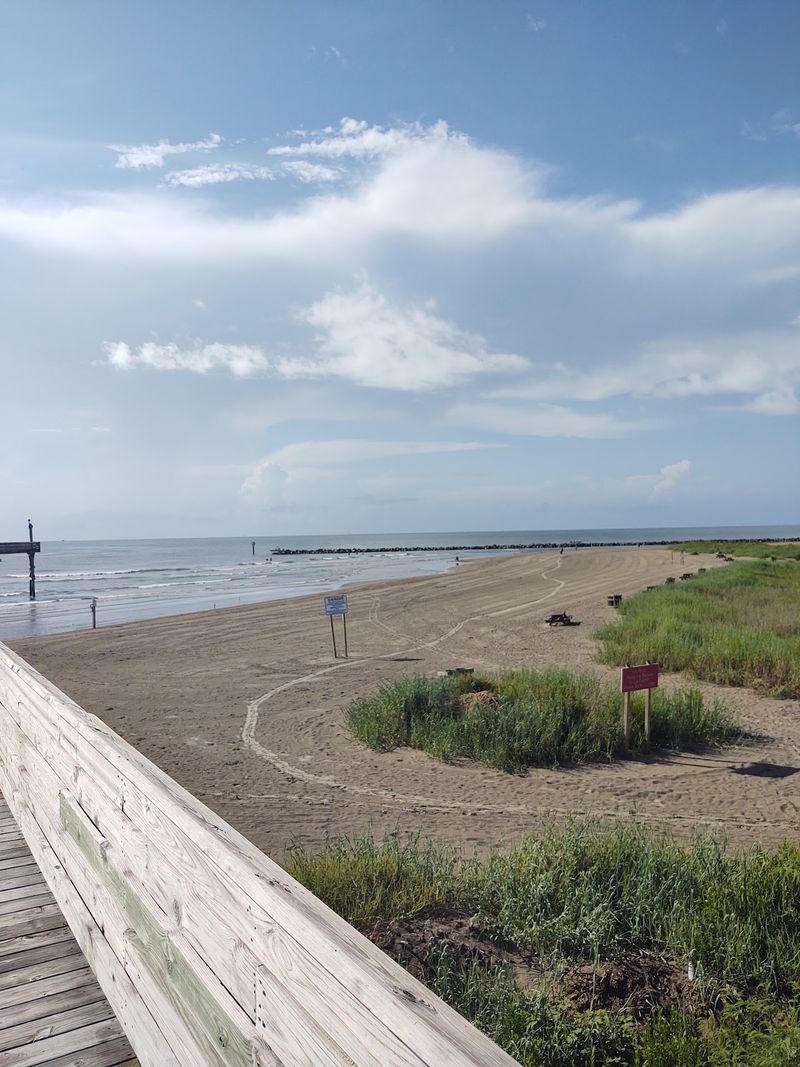
Imagine a beach so wide and empty you can stroll for miles and barely pass another soul. That’s the experience many visitors describe at Grand Isle State Park, where the shoreline stretches out generously and stays peaceful throughout the week.
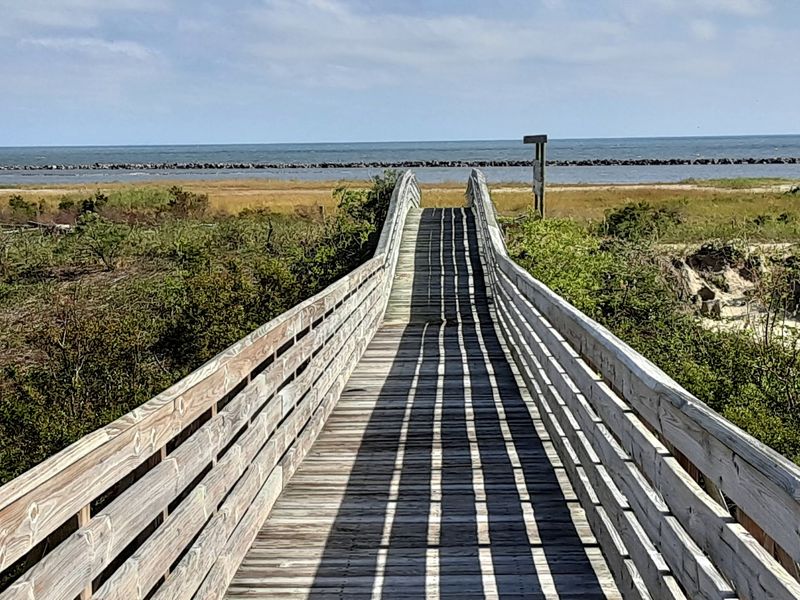
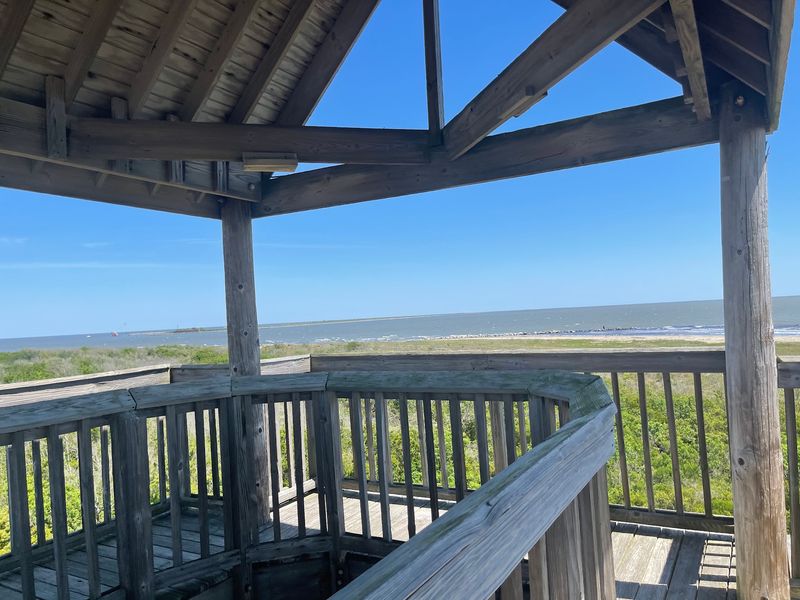
Reaching the sand takes only a short walk across the barrier dunes on a boardwalk. Once there, you can head west for as much as six miles or wander toward the inlet in the other direction.
Regulars call it a nature lover’s beach rather than a place for powder-soft sand.
The water tends to run a little murky, which is simply the character of a Louisiana coast. Even so, guests find the setting genuinely pretty, with breakwaters adding to the view and shells like small conch and shark eyes scattered along the tide line.
Some visitors say they had the whole beach to themselves, which feels rare these days. It’s clean, calm, and well maintained, a welcome respite from summer heat.
For quiet walks, wildlife watching, and taking in the salt air, this stretch of coast delivers exactly what it promises.
Birds, Dolphins, And Coastal Wildlife
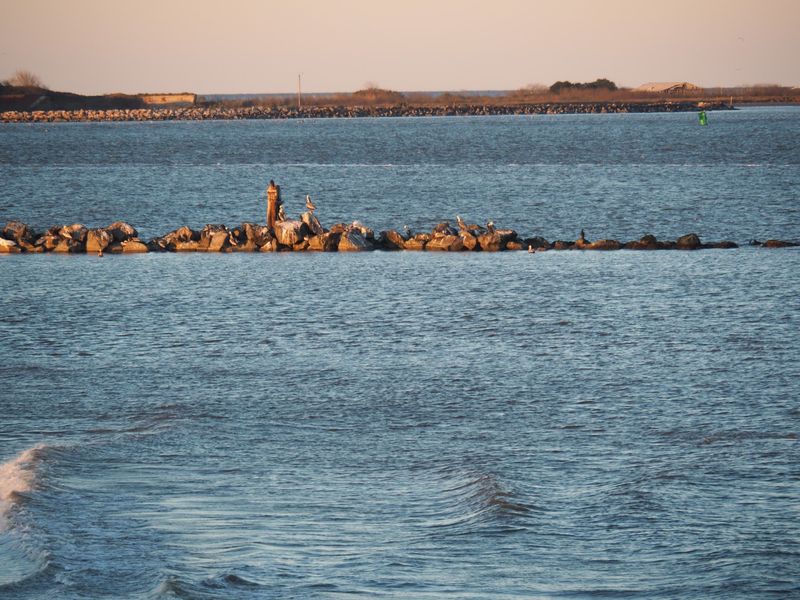
Birders and animal lovers tend to light up when they talk about this park, and it’s easy to understand why. Pelicans dive for fish nearly every day while dolphins play in the surf just offshore, putting on a free show for anyone paying attention.
The narrow strip of vegetation beside the campsites turns out to be a magnet for birds, making it a favorite among visitors who travel with binoculars. Guests mention spotting all kinds of species, and one described the park as a must-stop for fellow birders.
Down along the lagoon and hiking trails, the wildlife keeps coming. People have found hundreds of crabs scurrying in and around the water, fun to simply sit and watch.
Washed-up Portuguese man o’ wars sometimes appear on the sand, a reminder to look but not touch.
Beyond the resident creatures, the fall monarch migration adds another layer of color and movement. Between the fishing pelicans, playful dolphins, busy crabs, and drifting butterflies, there’s rarely a dull moment.
For families and solo travelers alike, the wildlife here is one of the biggest draws.
The 2.5-Mile Trail And Lagoon Boardwalk
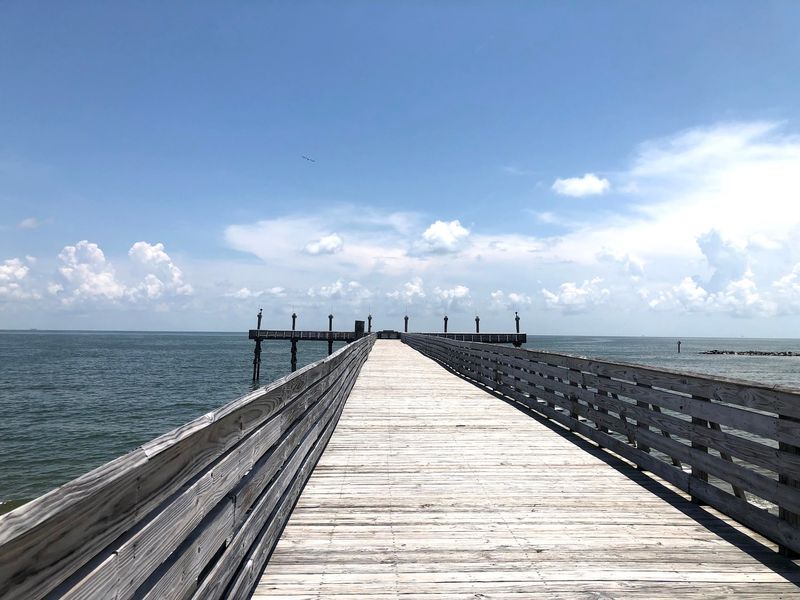
Stretching across the park, a 2.5-mile trail invites you to slow down and take in the coastal landscape on foot. Hikers describe the paths as perfect for an easy walk, with plenty of wildlife along the way to keep things interesting.
The route leads toward the lagoon, where visitors report seeing hundreds of crabs going about their business in and around the water. Watching them scuttle across the mud has become a small delight for many families who stop here.
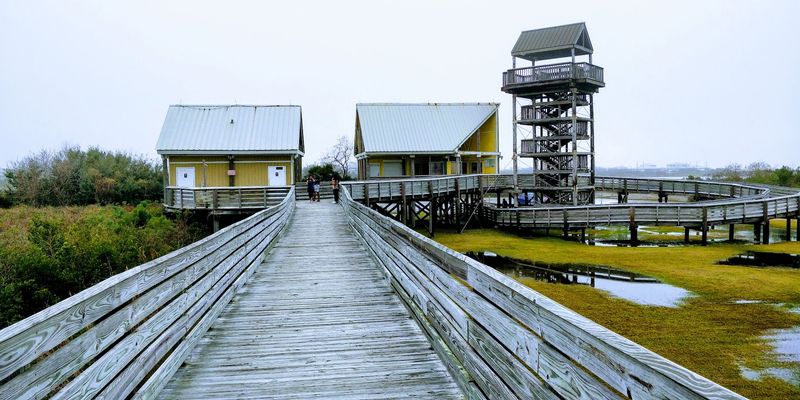
A boardwalk carries walkers over the dunes and delicate terrain, protecting the plants while giving everyone a clear path. Do note that the pedestrian bridge across the lagoon suffered storm damage and has been impassable, so parts of the crossing may still be affected.
Beyond hiking, there’s also a bike trail that loops around the island for those who prefer two wheels. The gentle terrain suits all ages and fitness levels, and the surrounding scenery of marsh, water, and sky makes the effort feel effortless.
Whether you’re chasing butterflies or just breathing fresh air, the trail offers a fine way to explore.
Camping Right Beside The Waves
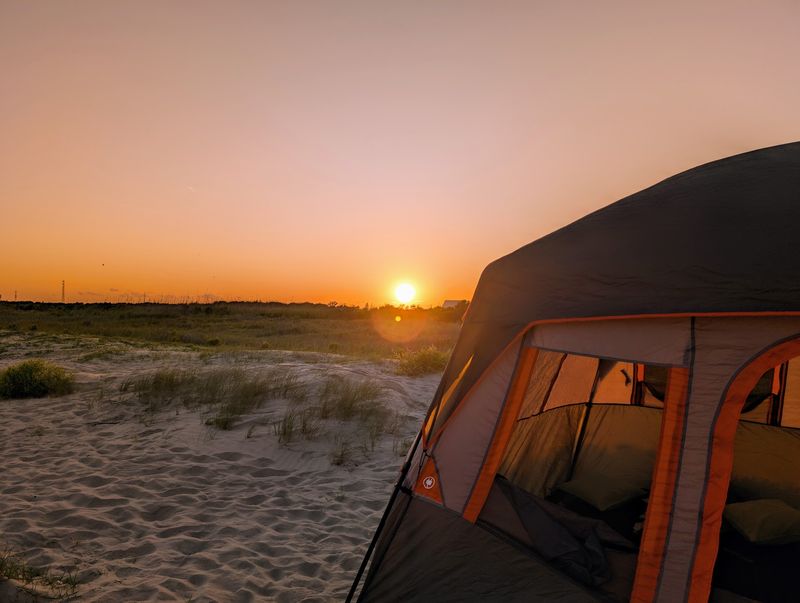
Falling asleep to the sound of waves is a simple pleasure, and campers here get to do it every night. The park is a beloved spot for beach camping, with folks returning year after year to unwind and recharge in the quiet.
The main campground offers around 50 large, paved pull-through sites, each spaced out nicely with electrical and water connections. Visitors praise how well maintained and flat the spots are, with a dump station close by and the beach just a short walk over the dunes.
For a more rugged experience, there are tent-only sites set right on the beach. You carry in everything you need since no driving is allowed on the sand, so packing light is the rule.
Each of these has a picnic table, trash can, and fire ring.
Camp hosts stationed at each end come by regularly, checking in and emptying trash, and guests describe them as friendly and helpful. Between the paved sites and the beachfront tents, the campground suits everyone from RV travelers to backpackers seeking a peaceful, wave-serenaded night.
Fishing, Crabbing, And The Pier
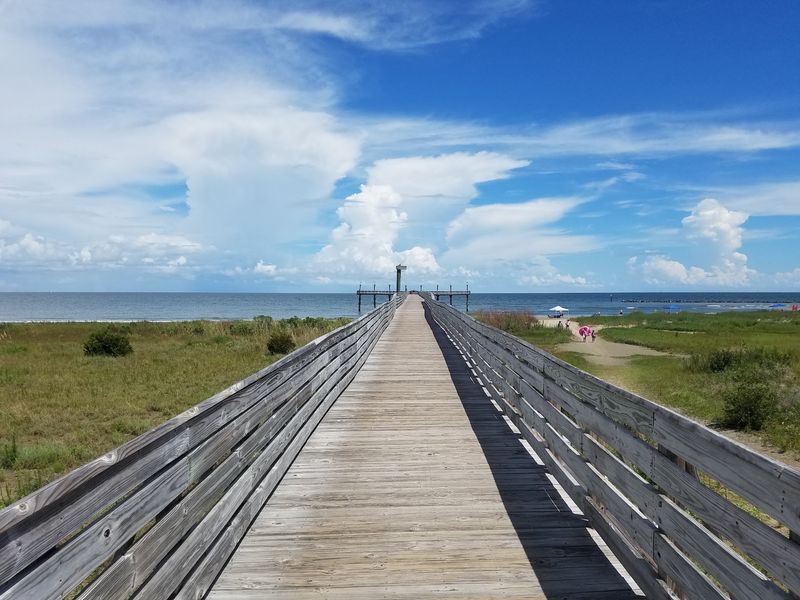
Come with a bucket and a net, and you might leave with dinner. Crabbing is a popular pastime here, and one group happily mentioned catching enough crabs to boil for thirteen people without needing to buy a single extra.
The park has long been known as a good place to fish and spend a relaxing day by the water. A fish cleaning station is available for those who reel in a catch, and the calm inlet areas draw plenty of anglers hoping for a bite.
Weather does play a role. When the wind picks up and the waves grow tall, fishing can get tricky, so timing your visit around calmer days helps.
Some guests found the conditions too rough on their trip but enjoyed everything else regardless.
One thing to keep in mind is that the fishing pier suffered heavy storm damage and has been closed. Even so, shoreline fishing and crabbing around the lagoon remain rewarding.
For anyone who loves casting a line or scooping up blue crabs, this coastal park still offers plenty of chances to fill a cooler.
Storm Recovery And Rebuilding
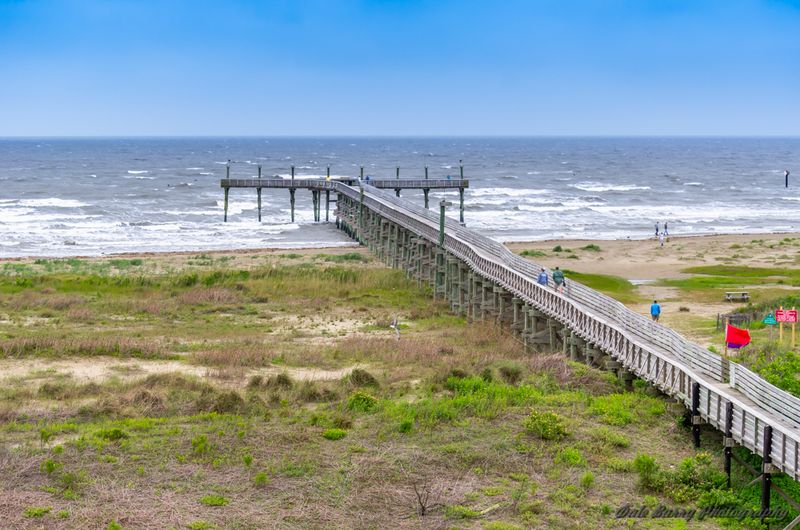
Scattered along the drive into Grand Isle stand rows of houses raised high on stilts, a striking sight that tells a story of resilience. The area took a hard hit from a major hurricane a few years back, and the marks of that event are still visible today.
Inside the park, some facilities are still working their way back to full strength. The fishing pier was demolished by the storm and the pedestrian bridge across the lagoon remains impassable.
At times, certain restrooms and the laundry have been out of service during repairs.
Even with these challenges, visitors say the park has done a phenomenal job rebuilding. One guest called the effort impressive despite the sadness of seeing lingering damage in the surrounding community.
The recovery is ongoing, so it’s smart to check ahead on which amenities are open before you go. What shines through, though, is how the natural beauty of the place has endured.
The beach, the wildlife, and the migrating monarchs continue their rhythms, proving that both the landscape and the people who care for it keep bouncing back.
The Scenic Drive Down To Grand Isle
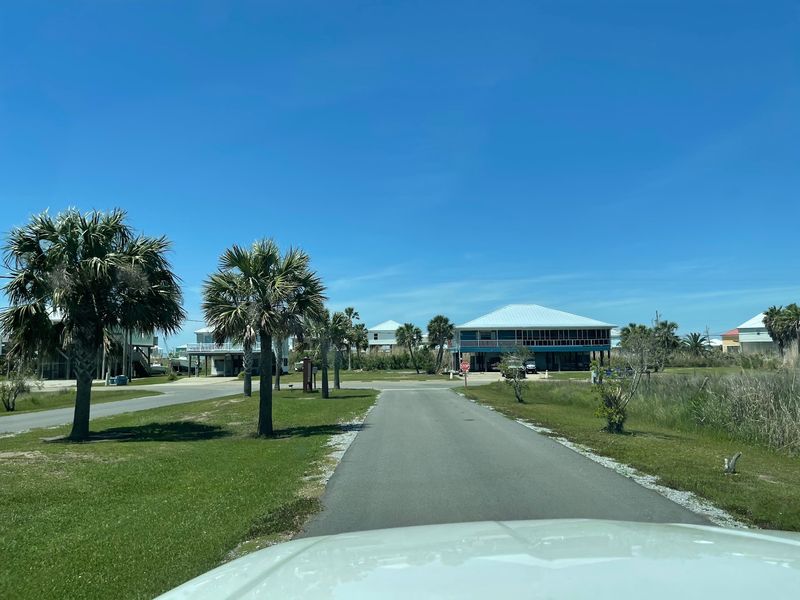
Some journeys are worth taking just for the road itself, and the trip to Grand Isle earns that praise easily. Travelers describe an easy, roughly two-and-a-half-hour drive from the New Orleans airport, on solid roads lined with colorful stilted homes.
The route crosses long bridges over water and marshes, and more than one visitor called the scenery stunning. One guest suggested coming out even if the drive is the only reason, since the views along the way are that memorable.
Despite an occasional nervous rumor, people who make the trip report a smooth and beautiful ride across the mangroves. The surrounding area can look dry and dusty with little foliage in spots, which only adds to the feeling of reaching somewhere remote and special.
Cell service thins out as you get closer, so downloading directions ahead of time is wise. The park sits at the east end of the island, making it a natural finish line for the drive.
By the time you arrive at that far southern tip, the peaceful setting feels like a well-earned reward for the journey.
Planning Your Visit: Hours, Facilities, And Tips
A little planning goes a long way at this remote park, and knowing the basics makes the trip smoother. Seniors aged 55 and up can enter free, a nice perk mentioned by grateful visitors.
You can reach the park office at +1 985-869-7275 or check details on the Louisiana State Parks website.
Facilities include bathrooms with showers at each end of the RV area, plus a laundromat that accepts coins and an app. Wi-Fi is available and comes in handy since cell service is limited.
Guests generally find the restrooms clean and well kept, though experiences with hot water and cleanliness have varied.
Bring bug spray, as mosquitoes are a common complaint. Wind can be strong, so pack accordingly, and note there’s a gate code you’ll want if leaving early in the morning.
The park works best for those seeking quiet rather than lots of nearby entertainment. There isn’t much to do in the immediate area beyond the beach, trails, and wildlife.
For campers, that stillness is exactly the point. Come prepared, and this southern retreat rewards you with calm and natural beauty.
Why This Coastal Escape Is Worth The Trip
Add it all up and Grand Isle State Park makes a compelling case for a visit, especially during the fall monarch migration. Between the fluttering orange wings, the fishing pelicans, and the playful dolphins, there’s a natural show waiting at every turn.
Guests keep returning for the same reasons: quiet, cleanliness, and a beautiful setting far from the crowds. Families who tent camp, RV travelers, birders, and butterfly watchers all seem to find something that suits them here.
The wide, uncrowded beach and gentle trails welcome nearly everyone.
Yes, a few rough edges remain as the park recovers from storm damage, and amenities can vary from one trip to the next. Checking ahead solves most of that.
What doesn’t change is the sense of peace this remote barrier island delivers.
If your idea of a great getaway involves waves lapping at night, salt air, and a chance to witness one of nature’s grand journeys, this park earns a spot on your list. Time your trip for mid-October through early November, pack your bug spray, and let the monarchs remind you how far a little pair of wings can travel.