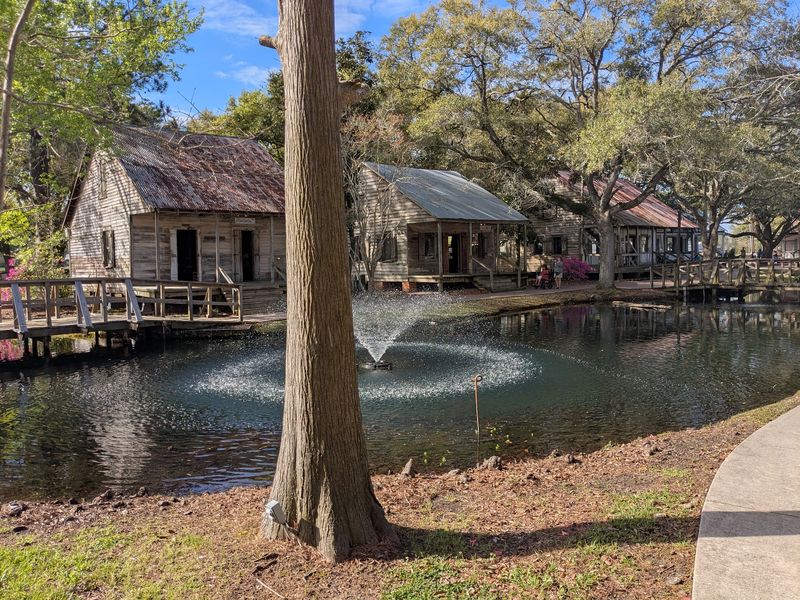
A trip to LARC’s Acadian Village feels a little like stepping into a storybook from south Louisiana. The old homes, quiet paths, and hands-on displays make Cajun history easier to picture than a page in a textbook ever could.
It matters because it keeps local culture alive in a way families, students, and travelers can actually walk through. If you want to see what ordinary life once looked like here, this is one of the clearest places to start.
A folk-life museum in the heart of Lafayette
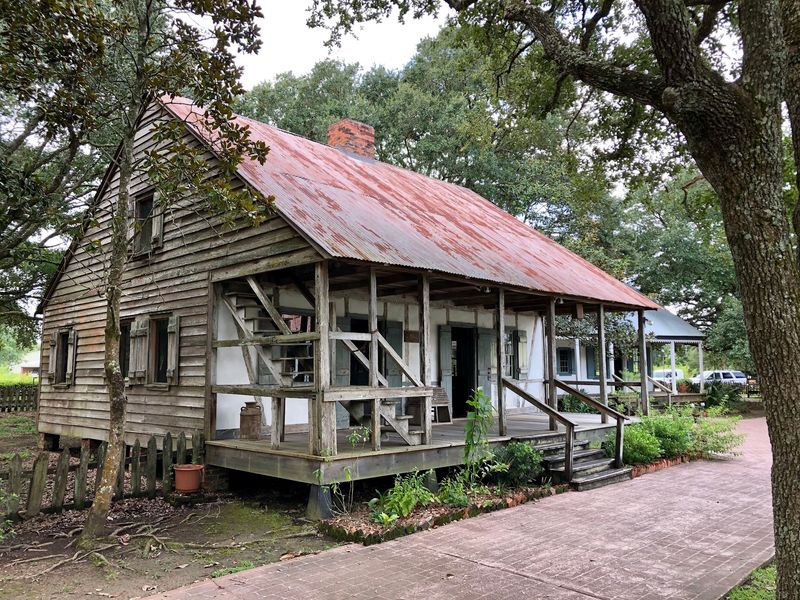
Just a few minutes from the busier parts of Lafayette, LARC’s Acadian Village offers something quieter and more rooted. The site at 200 Greenleaf Drive is a cultural center and living museum built to show what 19th-century Acadian society looked like in everyday life, not only in major moments.
Spread across 32 acres, the village gathers authentic period homes along with carefully made replica buildings so visitors can move through a small historic settlement at walking pace. Instead of presenting history from far away, it brings people close to front porches, work spaces, household objects, and the kinds of buildings that once shaped a Cajun community.
That closeness is part of what makes the place memorable. Visitors often say it feels less like a formal exhibit and more like a real village paused in time, with paths that invite slow strolling and signs that help explain what you are seeing.
For anyone curious about south Louisiana beyond food and festivals, the village gives a fuller picture. It introduces the rhythms of home, work, worship, and learning that helped Acadian culture take root and remain recognizable today.
The Acadian story preserved in place
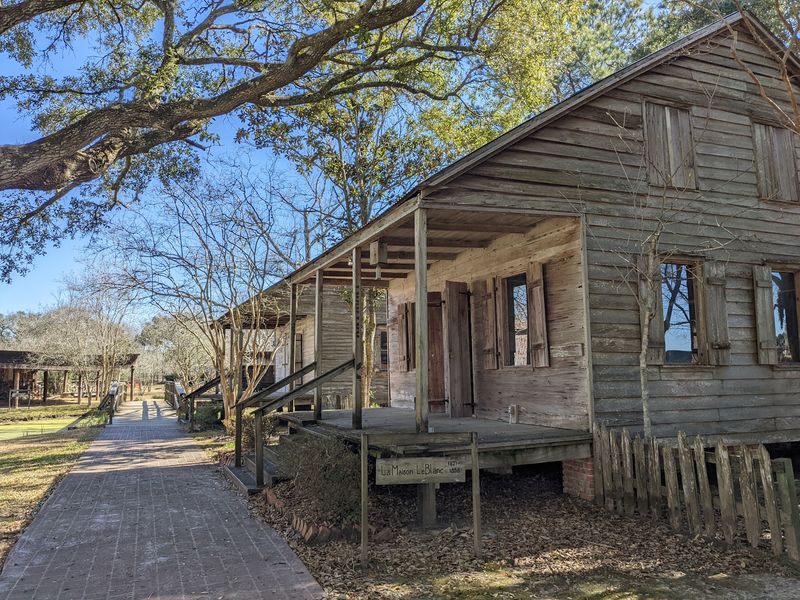
Long before modern Lafayette spread outward, Acadian families built communities shaped by necessity, faith, family ties, and the landscape around them. LARC’s Acadian Village was created to preserve that world by restoring homes and arranging them in a setting that reflects how a small Cajun settlement in the 1800s may have felt.
Some of the buildings date back to the early 1800s, and the village is dedicated to presenting them with local antiques and details that match the period. Rather than chasing a polished theme-park version of history, the museum focuses on architecture, domestic spaces, and practical tools that reveal how people actually lived from day to day.
Visitors regularly mention that the village helps them understand Acadian roots in a concrete way. Seeing homes up close, rather than behind barriers, turns history into something physical and immediate.
You can notice the size of rooms, the shape of porches, and the way simple materials were used to make a life in south Louisiana. That grounded storytelling is important because Cajun culture is often celebrated for music and flavor, but here the deeper framework appears: houses, habits, community spaces, and the resourcefulness that supported them.
Historic homes and village buildings
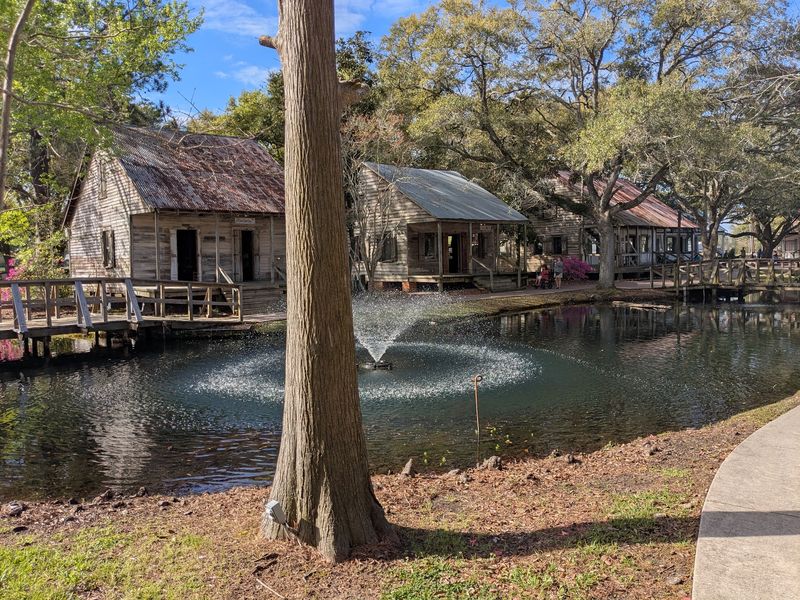
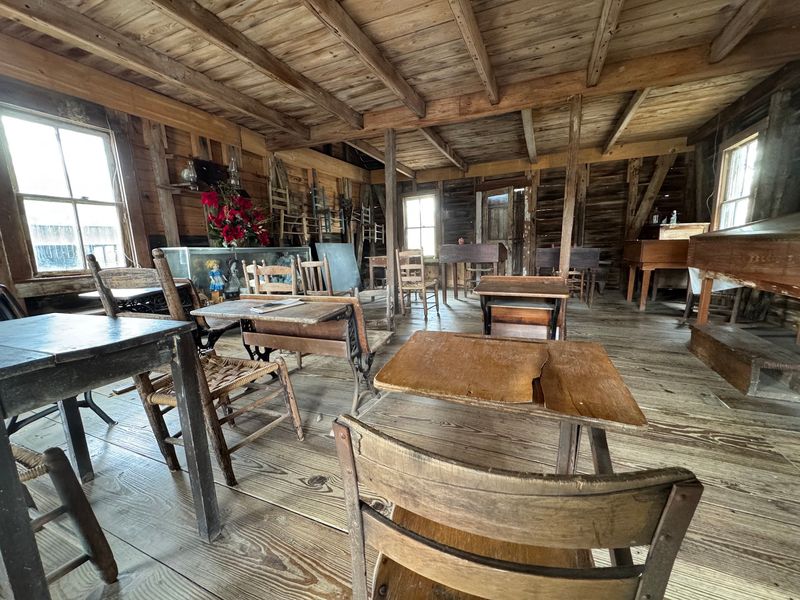
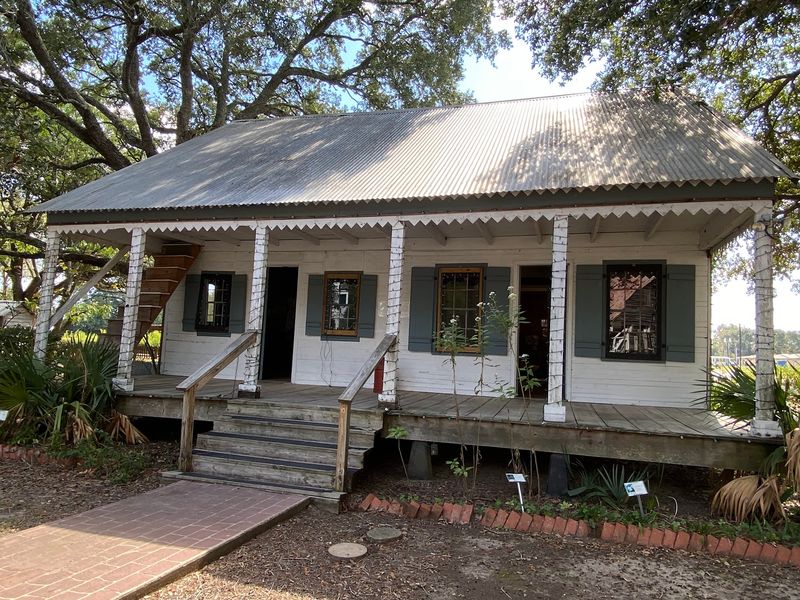
Nothing explains the village better than its buildings. Walking through the grounds, you encounter period homes, a blacksmith shop, a schoolhouse, a general store, and a chapel, all arranged to suggest the shape of a working community rather than a single isolated house museum.
Each structure adds a different piece to the puzzle. The homes show domestic life and regional architecture, the blacksmith shop points to essential trades, the schoolhouse hints at childhood and learning, and the chapel shows how shared beliefs fit into the center of community life.
Visitors often single out the church and schoolhouse as especially memorable because they make the past easy to imagine.
What stands out most is how approachable the place feels. Several visitors mention enjoying the chance to see artifacts up close instead of from behind glass or ropes, which changes the whole experience.
A house becomes more than an old shell when it contains objects tied to cooking, work, rest, and family routines. Even for travelers who know a little about Cajun history already, the collection of buildings helps connect separate facts into one lived-in scene.
By the time you finish the loop, the village starts to feel less like an exhibit and more like a neighborhood from another century.
Artifacts, architecture, and close-up details
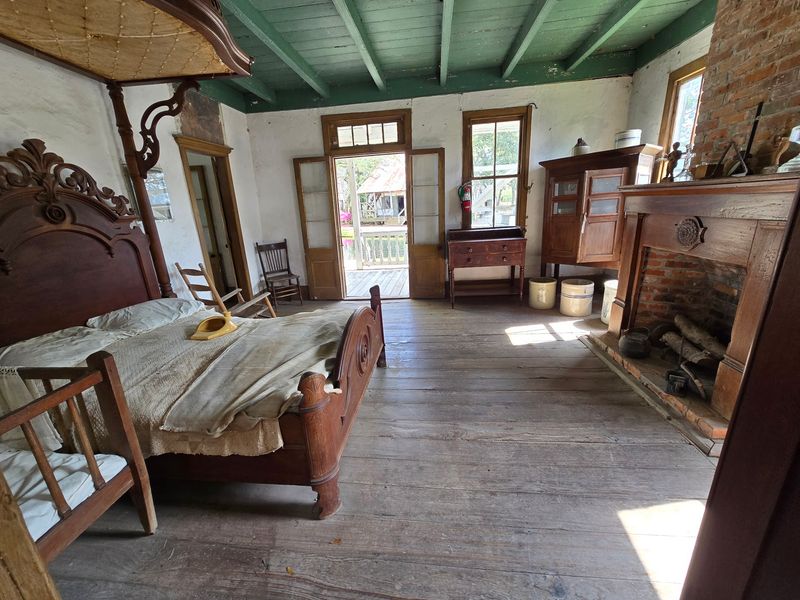
Small details do a lot of the work here. From old household items to the layout of interior rooms, LARC’s Acadian Village gives visitors the kind of close look that helps history feel ordinary in the best way, as if someone just stepped out for a moment and left the day behind.
People often comment on the architecture first, and it is easy to see why. The homes reflect Acadian design shaped by climate, available materials, and practical living.
Furnishings and antiques from the area deepen that impression, showing how storage, cooking, seating, and sleeping were arranged in homes that balanced simplicity with usefulness.
Several visitors say the attention to detail is one of the site’s strengths, especially when paired with background information from signs and brochures. Instead of overwhelming guests with too much text, the village lets the visual evidence carry much of the story.
Floorboards, porches, windows, and handcrafted objects speak quietly but clearly about the past. That approach suits anyone who prefers learning by observation.
Even children can connect with it because they are not only reading about the 1800s, they are seeing what rooms looked like, how objects were placed, and how much care went into making everyday spaces functional, sturdy, and welcoming.
The self-guided tour and easy learning curve
For a place centered on the 1800s, the village has a refreshingly simple way to guide modern visitors. Along with posted information and brochures, guests have mentioned a phone-based audio guide that explains the buildings and their history in a convenient, self-paced format.
That matters more than it may seem at first. A self-guided experience gives families room to linger, lets curious travelers focus on the buildings that interest them most, and keeps the mood relaxed instead of rushed.
Visitors have said the audio tour covers much of what they wanted to know, making the site feel informative without becoming heavy or overly structured.
Plenty of people also appreciate the freedom to walk at their own speed. Some spend a fun afternoon exploring the grounds, while others fit in a shorter visit between other Lafayette stops.
Because the village is visually rich, the guide works best as a helpful companion rather than the whole attraction. It adds names, dates, and context, but the setting still does the main storytelling.
If you go, bringing earbuds is a smart idea, since at least one visitor specifically recommended that. The result is a learning experience that feels approachable for newcomers, useful for students, and pleasantly flexible for travelers who want culture without a rigid tour schedule.
A stroll-friendly atmosphere for families and curious travelers
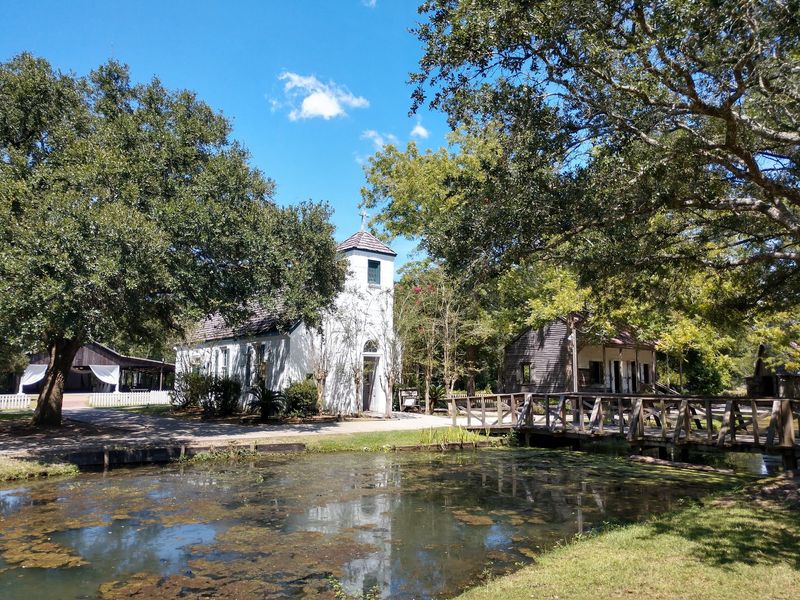
Some historic sites ask visitors to move quickly from plaque to plaque. LARC’s Acadian Village leans the other way, offering a setting where a leisurely walk is part of the appeal.
The grounds are often described as pretty, green, and well kept, which helps the whole visit feel calm and open.
Couples, families, and local history fans all seem to find their own pace here. Regulars mention that it works well for stretching your legs while seeing something meaningful, and several visitors describe it as fun for both adults and children.
The atmosphere is not flashy. Instead, it leans on porches, paths, old buildings, and the pleasure of wandering into one small scene after another.
There are also touches that make the place feel memorable in a softer, more personal way. Visitors have pointed out the gift shop, the clean grounds, and even the turtles seen around the property.
A few mention that the open-air setting in Louisiana can bring summer insects, so comfort can depend on timing and weather. Still, the overall feeling people describe is easygoing and nostalgic.
If you enjoy places where learning happens through walking, looking, and imagining, the village is likely to fit you well. It suits travelers who want local culture presented in a friendly, approachable form rather than in a highly formal museum style.
Seasonal lights and special-event charm

Come winter, the village takes on a second identity that many locals and returning visitors clearly love. Holiday light displays are one of the most mentioned features connected to LARC’s Acadian Village, turning the historic setting into a seasonal outing with a very different mood from the daytime museum walk.
Visitors describe the lights as pretty, family-friendly, and especially enjoyable for an evening stroll. Some mention seasonal entertainment, Santa, and treats during the holiday period, while others say the simple glow of decorations against old buildings is enough to make the visit feel special.
Because the village already looks like a tucked-away settlement, the lights seem to add warmth rather than distract from the setting.
The grounds also appear to host special occasions beyond the winter season. Reviews mention the village as a wedding venue, with a chapel and attractive surroundings that suit celebrations.
That tells you something useful about the place even if you are not planning an event there. It is not only educational, it is visually charming and flexible, with enough character to serve as both museum and gathering space.
For travelers deciding when to visit, the choice comes down to mood: daytime for history and details, or the holiday season for a more festive experience wrapped around the same Cajun village backdrop.
Simple planning notes and a soft final verdict
Before you go, a few practical basics can make the visit smoother. LARC’s Acadian Village is located at 200 Greenleaf Dr, Lafayette, LA 70506, and its listed hours are 10 AM to 4 PM Monday through Saturday, with Sunday closed.
If you want to confirm details, the phone number is +1 337-981-2364 and the website is acadianvillage.org.
Admission details in the available visitor reports vary by season and event, so the safest takeaway is that standard daytime entry has been mentioned as $10 for adults and $8 for children, while holiday visits have been described at around $10 in advance or $11 per person, with small children noted as free in one holiday report. Because pricing can shift, checking directly before your visit is the smart move.
As a final impression, the village seems best for people who enjoy history when it feels touchable and local. Visitors often praise the chance to learn about Acadian life through buildings, artifacts, and an easy walk through a carefully arranged setting.
It may not be a fast stop if you like to read and notice details, and that is part of its appeal. For anyone wanting a close-up look at everyday Cajun life, it feels like time well spent.