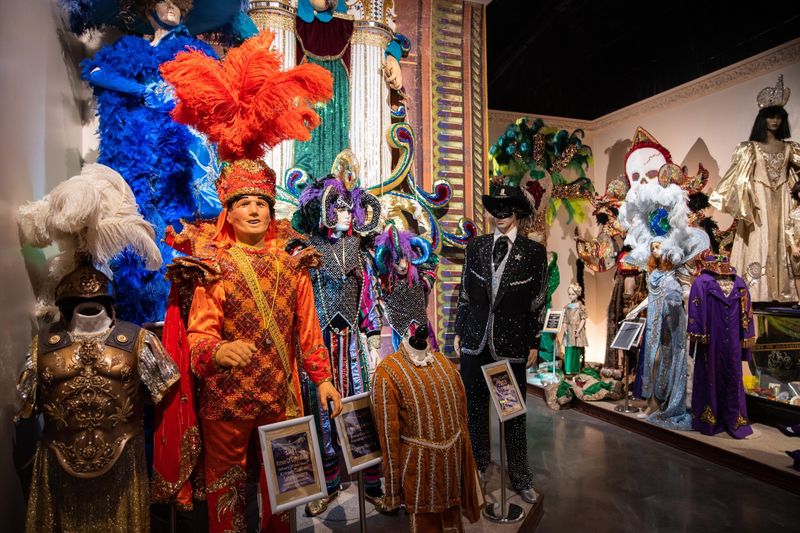
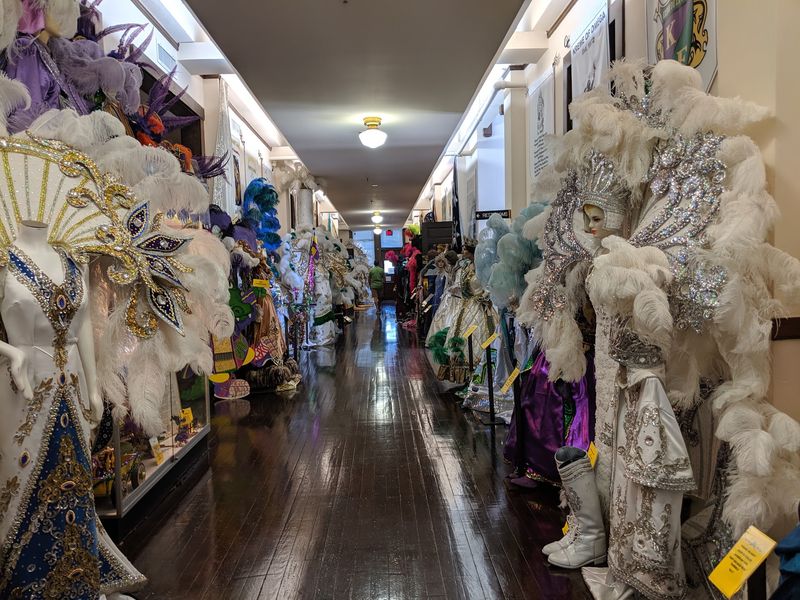
Some Mardi Gras costumes stand taller than the people wearing them, and a few hundred of them now live inside an old school building on Enterprise Boulevard in Lake Charles. The Mardi Gras Museum of Imperial Calcasieu keeps the glitter, feathers, and towering collars of Southwest Louisiana krewes on display all year long.
You can climb onto a parade float, try on a mask, and hear stories from the man who built many of the pieces. It is a close look at a tradition most of us only see rolling past on a parade route.
An Old Schoolhouse On Enterprise Boulevard Turned Carnival Vault
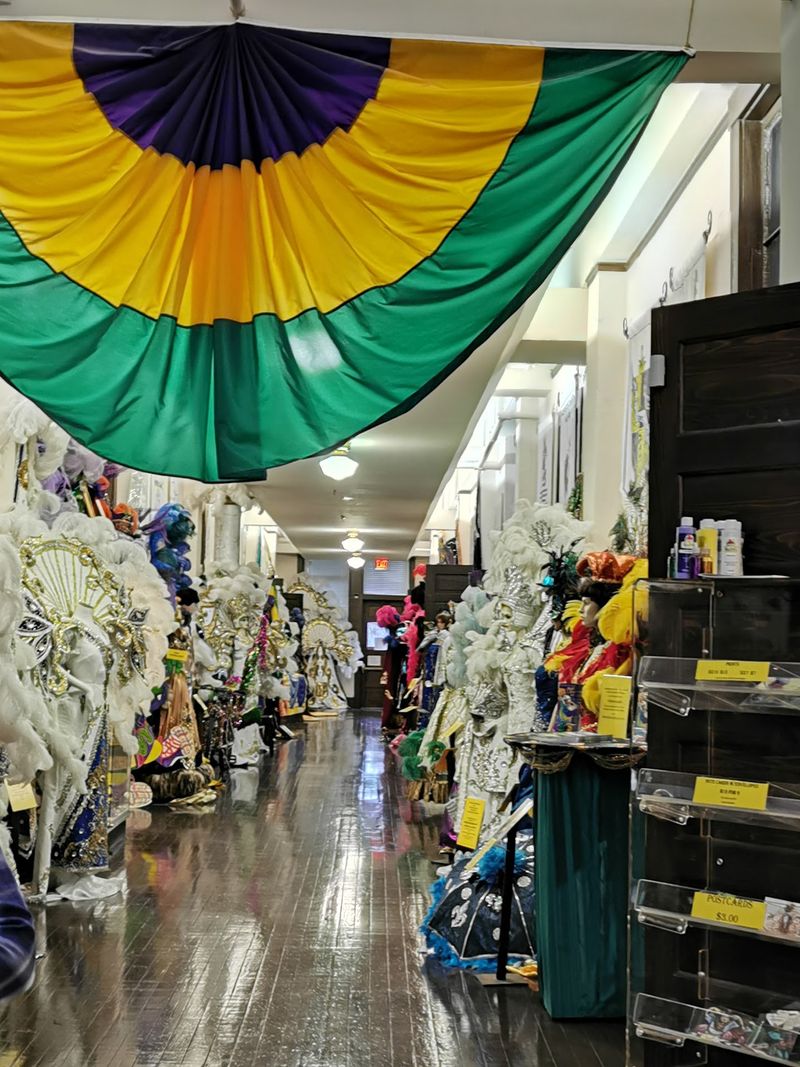
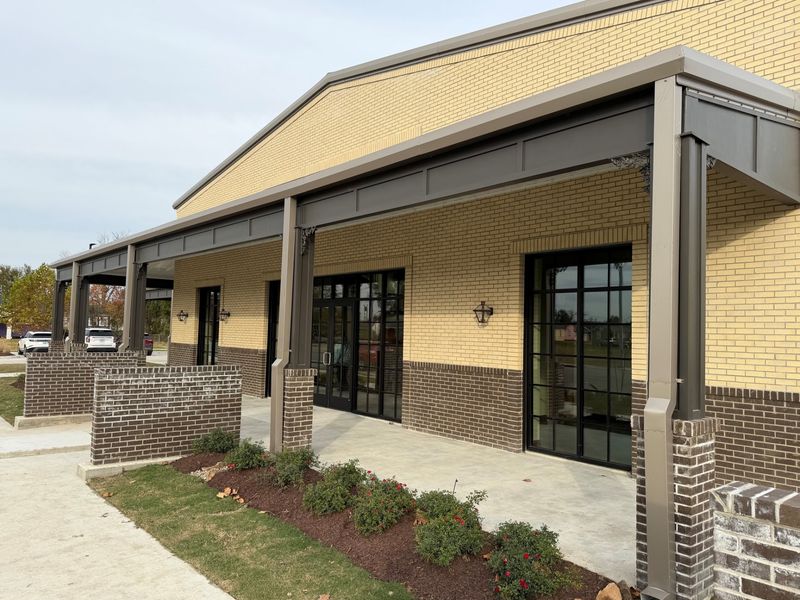
Start with the address: 701 Enterprise Blvd, just a short hop from downtown Lake Charles. The Mardi Gras Museum of Imperial Calcasieu sits inside an old historic school building, which gives the whole visit a slightly playful twist.
Hallways that once held lockers and lesson plans now lead to rooms packed with sequins and plumes.
The museum is a local history museum at heart, and its subject is the Lake Charles version of Carnival. That matters, because Southwest Louisiana runs its Mardi Gras with its own krewes, its own royalty, and its own sense of scale.
New Orleans gets most of the national attention, but Calcasieu Parish has been building costumes and parades on its own terms for a long time.
Inside, the focus stays tight. Exhibits trace Mardi Gras history in the area, highlight costume displays, and offer hands-on extras like a climb-aboard parade float.
The setting is easy to reach from Interstate 10 and the lakefront, so it fits neatly into a day spent around town.
Think of it as the place where parade season goes to rest between Fat Tuesdays. The costumes leave the streets, and visitors get to study what usually flashes by in seconds.
Why Lake Charles Keeps Its Own Carnival Record
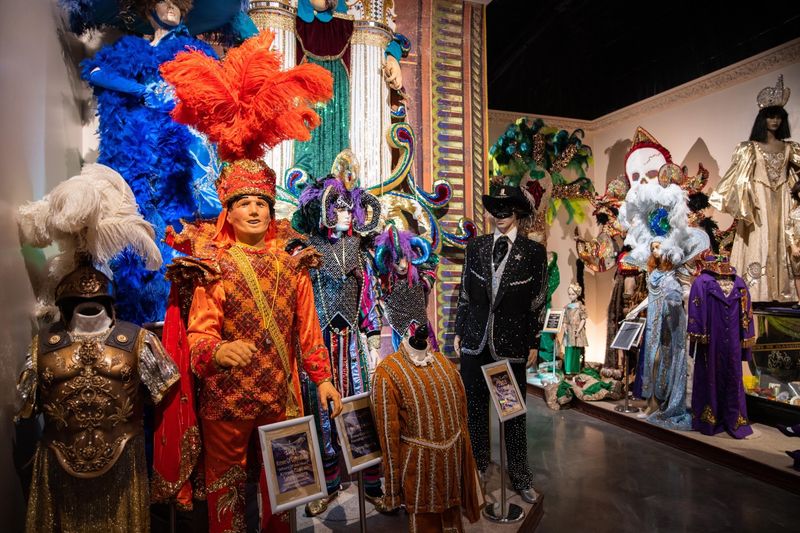
Carnival in Lake Charles has never been a copy of somebody else’s party. Krewes here crown their own kings and queens, design their own themes each year, and pour months of work into a single season.
The museum exists to keep a record of all that effort once the parades end.
Visitors regularly say they walk out understanding Mardi Gras in a new way. One guest from out of town noted learning what a krewe actually is and how the number of krewe groups factors into claims about the biggest celebrations.
Others mention that the history panels explain what the season is really about beyond beads and floats.
That educational angle comes up again and again. Kids, teenagers, and adults who grew up with parades all seem to pick up something they did not know before.
Labels also share information about donors, so you learn whose costume you are looking at and which krewe they represented.
For a region that often gets lumped in with the rest of South Louisiana, having a dedicated home for local Carnival history is a quiet point of pride. The museum treats Lake Charles royalty with the same seriousness a bigger city might give its own, which feels exactly right.
Rooms Upon Rooms Of Royal Costumes
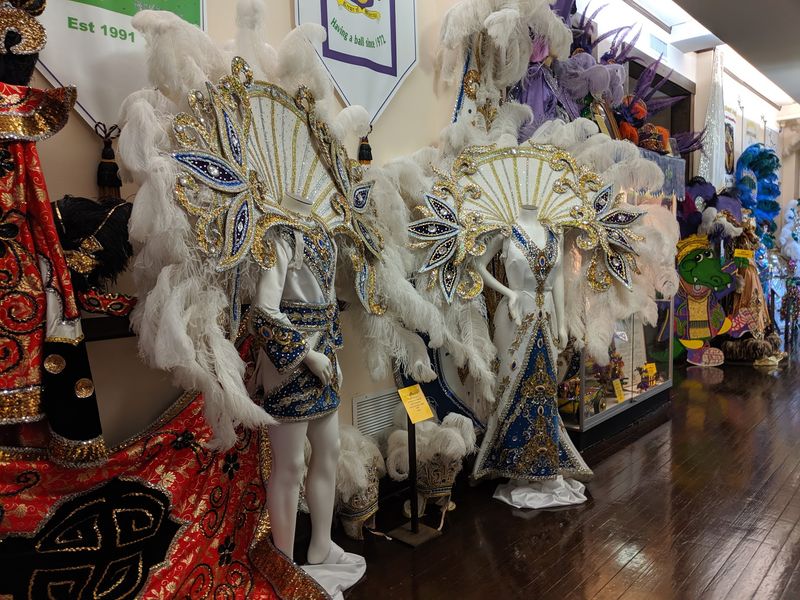
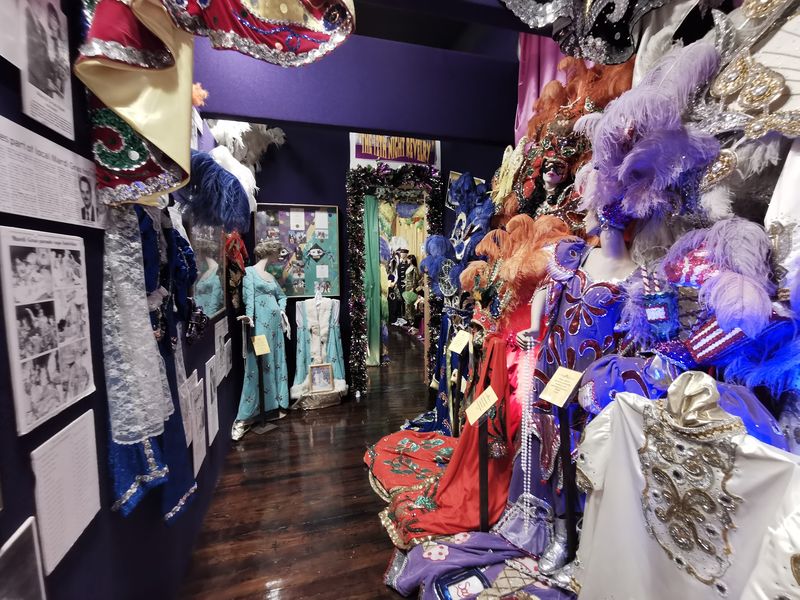
Count the costumes and you will lose track fast. Past visitors reported roughly 250 on display out of about 500 the museum owns, while another was told the number on the floor topped 290.
Either way, the collection is large enough that guests keep thinking the tour is over, only to find one more room.
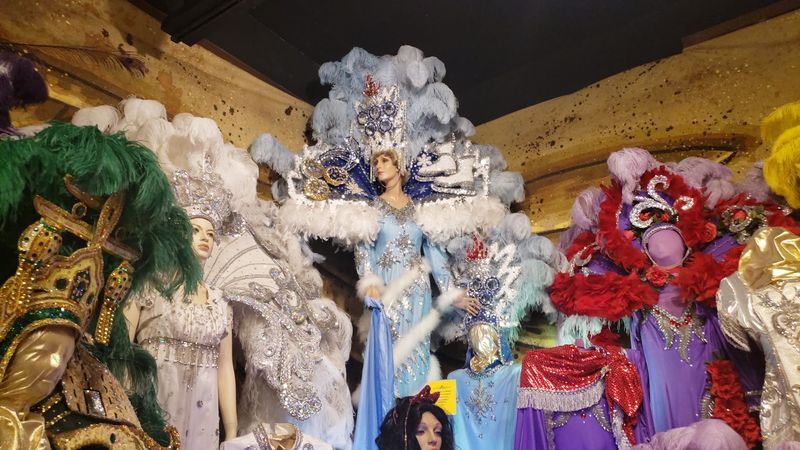
Most pieces belonged to past kings and queens of Lake Charles krewes. Each one reflects a specific year’s theme, with its own color scheme, fabrics, and decorative choices.
Walking through feels like flipping through decades of Carnival in a single afternoon.
Condition is a big part of the appeal. One guest pointed out that there was no dust and no torn fabric anywhere, which is impressive for delicate work covered in stones and feathers.
Someone clearly takes care of these garments as if the next ball were next weekend.
Costumes are the single most mentioned topic among visitors, and that tracks. The displays are arranged so that every corner reveals something new.
If you only remember one thing from the visit, it will likely be the sheer number of royal outfits standing shoulder to shoulder, each glittering under the lights in a slightly different shade.
Collars Taller Than A Grown Man
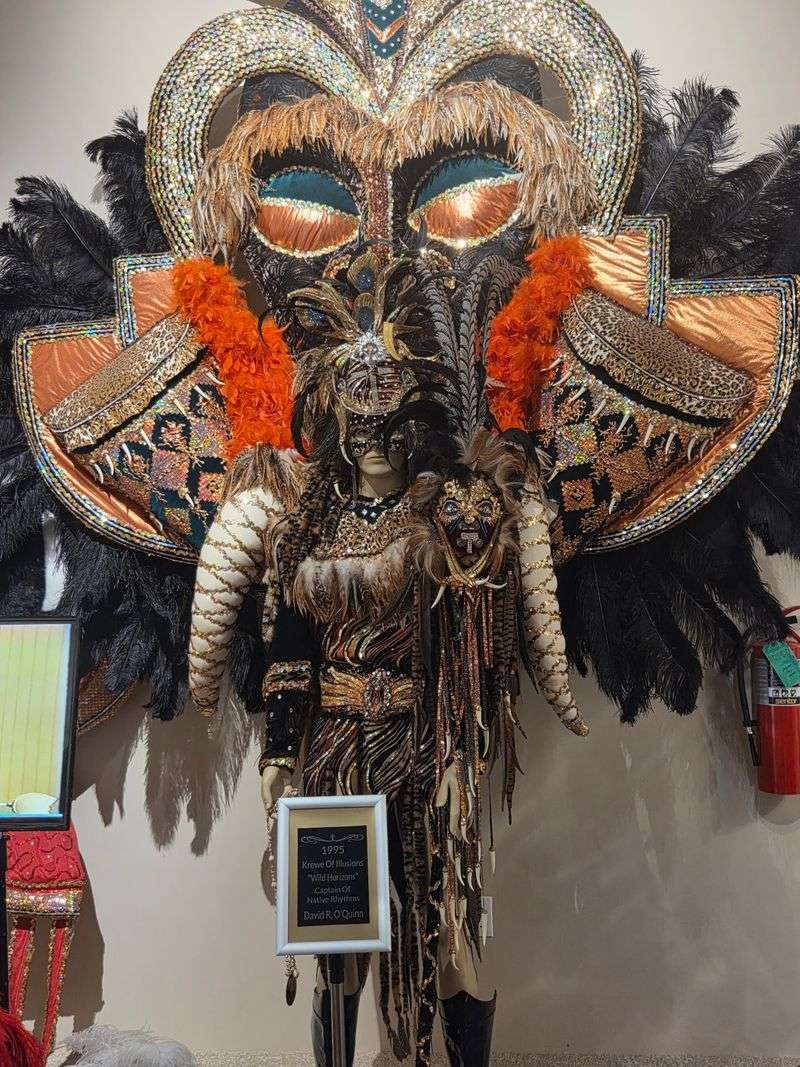
Picture a costume piece that rises twice as high as the person standing next to it. One visitor described exactly that, noting that some of the gear worn at Mardi Gras towered over her husband.
These are the collars and backpieces that turn a krewe king or queen into a walking sculpture.
Seeing them up close explains a lot. Rhinestones, sequins, and feathers are layered across frames built to hold their shape under stage lights and through a full night of tableau.
From a parade float, the effect reads as a big burst of color, but standing inches away, the stitching and stonework become the story.
Cost is part of the conversation too. A guest mentioned learning that one outfit could run around $6,000, even though it might be worn only about four times.
That kind of investment says plenty about how seriously Lake Charles krewes take their royalty.
Construction details are discussed throughout the exhibits, so you leave with a sense of how these pieces come together. It reframes the costumes from party clothes into craft.
The size grabs your attention first, and the handwork holds it.
Mannequins Shaped Like The People Who Wore Them
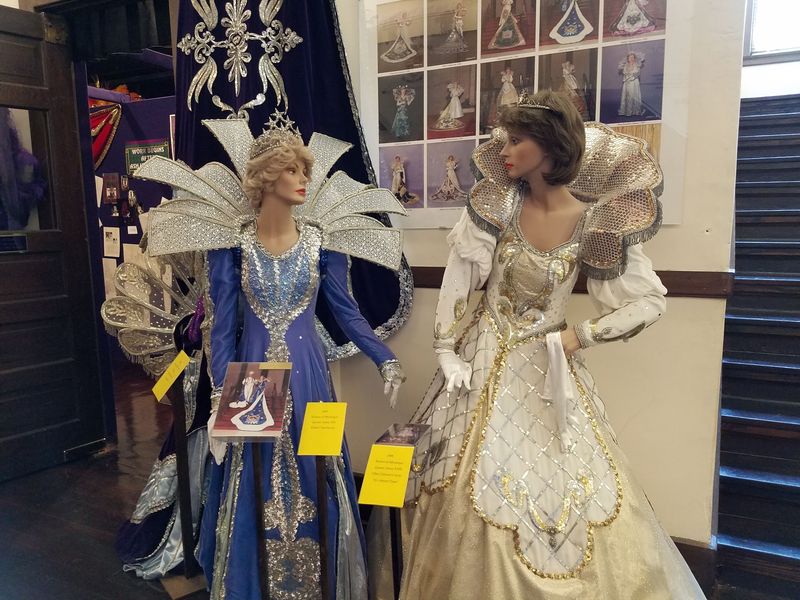
Here is a detail most people miss on a first pass. According to one visitor, the mannequins used to display the costumes are customized to reflect the real people who once wore them.
That means a queen’s gown hangs on a figure built to suggest the actual queen, not a generic store form.
It sounds small, yet it changes how the room feels. Costumes look less like props and more like portraits.
You start noticing differences in height and posture, and the collection takes on a personal, almost family-album quality.
The approach also respects the way these garments were made. Royal costumes are fitted to a specific person, and placing them on matching forms lets the fabric fall the way it did on Carnival night.
Hems sit where they should, and the heavy collars balance properly.
Combined with the donor information on display labels, the mannequins help connect each piece to a name and a year. Lake Charles is a community where krewe royalty often have friends and relatives still in town.
Seeing a familiar face suggested in a mannequin, or reading a recognizable family name, gives the exhibits a hometown warmth that bigger institutions rarely manage.
A Parade Float You Can Actually Climb Aboard
Ever wondered what the riders see from up there? The museum answers with a climb-aboard parade float, parked indoors and ready for photos.
It is one of the features the museum highlights itself, and guests mention it often.
The fun starts at the door. Visitors report receiving strands of beads on entry, which sets the tone before you even reach the costume rooms.
By the time you step onto the float, you are already dressed for the part.
Snapping a picture on the float has become a standard part of the visit. Families line up kids along the railing, and adults are just as eager to pose like they are tossing throws to a crowd on Ryan Street.
It is a light, goofy moment that balances the more detailed study of the costumes.
For first-timers, especially those visiting from outside Louisiana, it offers a tiny taste of parade day without the crowds or the folding chairs. For locals, it is a chance to finally stand on the other side of the barricade.
Either way, the float gives the museum a sense of motion and celebration, reminding everyone that these costumes were made for the street, not just the gallery.
Masks, Hats, And A Costume Photo Machine
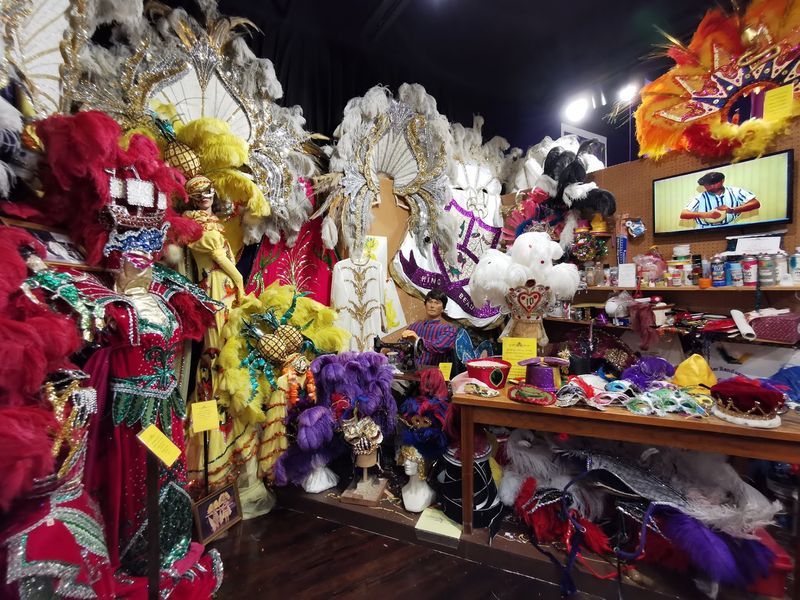
Grown adults putting on feathered masks and giggling is a common sight here. One area of the museum lets visitors try on masks and hats, and guests say it is fun even for mature visitors who did not expect to play dress-up.
The newer attraction gets even more enthusiasm. A recent visitor described a free machine that takes your posed photo and digitally places you in a costume of your choosing.
You can then send the image to your email and use it however you like.
It is a clever bridge between looking and joining in. After an hour admiring royal gowns and collars, you get to see yourself wearing one, without the weight or the price tag.
Plenty of people leave with a picture that ends up on a refrigerator or a holiday card.
Photo opportunities appear throughout the building, which visitors appreciate. One older review did mention that displays sit close together, making it tricky to photograph every costume fully.
That is worth keeping in mind if you are hoping for wide shots. The dress-up corner and photo machine make up for it, giving everyone at least one memorable image to take home.
David Faulk And The Art Of The Guided Visit
Names rarely come up in museum chatter, but one keeps surfacing here: David Faulk. Visitors describe him as the person who knows everything about the place, and one noted that he put much of the museum together and designed and made several of the collars on display.
Having the maker in the room changes the visit. Instead of reading a label about construction, you can ask the person who handled the stones and frames.
Guests mention his stories as a highlight, along with his patience in answering every question about Mardi Gras.
One account stands out. A family brought teenagers who were not sure they wanted to go inside, and David turned the visit into more than two hours of laughter and learning.
That is a tough audience to win over.
The staff in general gets consistent praise for being friendly, helpful, and attentive. Volunteers also play a role, and one shared how proud they felt to help the organization.
If you visit on a quiet day, you may get something close to a private tour. Bring curiosity and a few questions, because the human side of this museum is as memorable as the sparkle.
Who Gets The Most Out Of A Visit
Teenagers, retirees, first-time Carnival visitors, and lifelong locals all show up in the guest accounts. That spread tells you the museum works for a wide range of people, as long as they enjoy color, craft, and a good story.
Out-of-towners seem especially surprised. Some arrive out of curiosity with no plans and end up staying far longer than expected.
One person on a first Mardi Gras trip joked about being born in the wrong state after seeing the costumes.
Locals benefit too. Several visitors who live in the area say they learned what Mardi Gras truly is, beyond the parade they attend each year.
Families like the hands-on elements, while art lovers linger over beadwork and design.
Accessibility gets a positive mention as well. A recent visitor said staff were helpful with a wheelchair and with reaching every part of the museum.
That kind of attention matters in an older building.
Plan on at least an hour, and more if you enjoy reading every label. Guides recommend giving yourself enough time to take in each costume.
It also makes a good indoor stop on a hot summer day, when the lakefront feels more like a sauna than a stroll.
Hours, Admission, And Getting There
Timing matters, because the museum keeps a Tuesday through Saturday schedule. Doors open from 10 AM to 5 PM on those days, and it stays closed on Sunday and Monday.
Weekend travelers should aim for Saturday.
Admission, based on a recent visitor’s account, runs $15 for adults and $12 for seniors. Older reviews mention lower prices, so it is smart to check the current rate before you go.
You can call the museum at 337-430-0043 or visit mardigrasmuseum.org for up-to-date details.
The address is 701 Enterprise Blvd, Lake Charles, LA 70601. It sits close to downtown, so it pairs easily with lunch or a walk along the lakefront.
Getting there from Interstate 10 is straightforward, and the drive from the casinos or Civic Center area is short.
A few practical notes from visitors help. Displays are packed fairly close, so a wide-angle phone lens can help with photos.
Weekday mornings tend to be quiet, which gives you more time with the staff. Beads are handed out at the door, so expect to leave a little more festive than you arrived.
One guest even suggested planning a meal downtown afterward.
A Final Look At The Glitter Behind The Glass
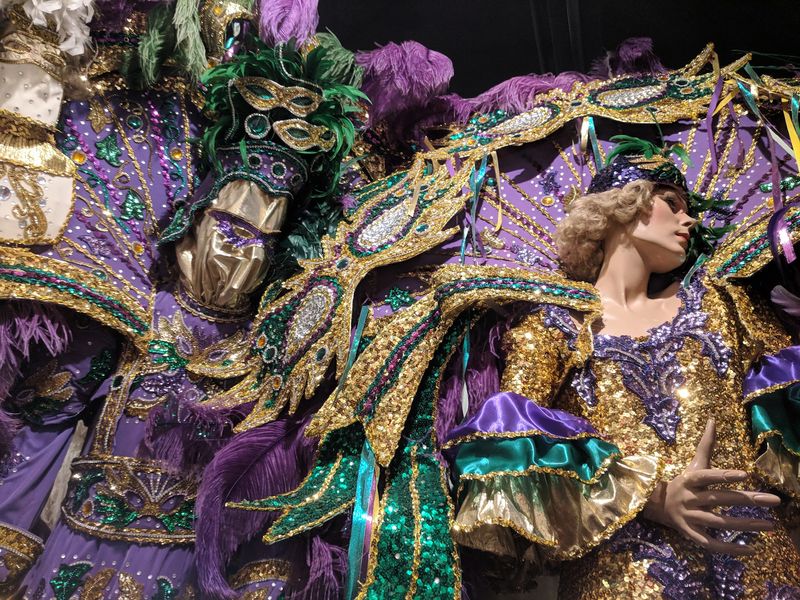
Long after the beads come off, one image tends to stick: a queen’s collar rising high above a mannequin shaped like the woman who wore it. That pairing sums up the Mardi Gras Museum of Imperial Calcasieu.
It is part craft show, part family album, and part history lesson about how Lake Charles celebrates.
The museum does not try to compete with the noise of parade day. Instead it slows Carnival down.
You get time to study handwork, read about donors, and hear the stories behind a costume that might have been worn only a handful of times.
For travelers along I-10, it offers a fun, affordable hour or two that feels rooted in Southwest Louisiana. For residents, it is a reminder that the local krewes have built something worth preserving.
The friendly guides, the climb-aboard float, and the costume photo machine keep it light without losing substance.
Carnival in Calcasieu Parish lasts a few weeks each year. In an old schoolhouse on Enterprise Boulevard, it never quite ends.
Stop in on a Saturday, grab your beads at the door, and let the costumes tell you what a season of work really looks like.