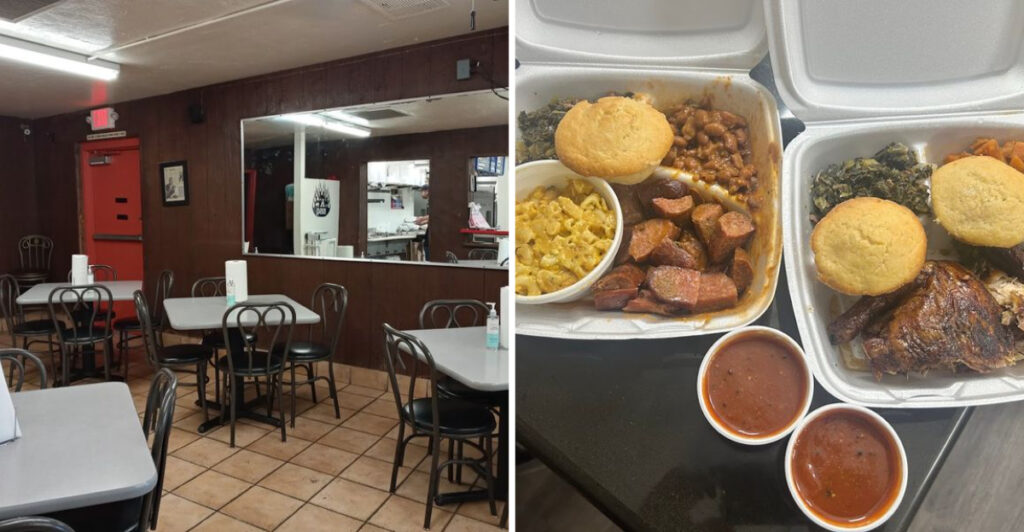
Smoke reaches the parking lot first, and your appetite immediately starts rewriting the plan.
At this Tucson counter, mesquite-smoked brisket, pork ribs, beef ribs, pulled pork, chicken, hot links, and fried catfish keep the menu firmly focused on comfort.
Arizona may sit far from the usual barbecue capitals, but this family-run kitchen never let geography decide what belongs on the smoker.
The story started with a Saturday barbecue project connected to a local history museum, then grew into a regular stop for diners who learned to follow the mesquite.
Add cornbread and a serious side debate, and the road trip has officially changed direction. Arizona supplies the desert miles. This plate gives you a much better reason to pull over.
A Saturday Side Project Grew Into A Tucson Staple
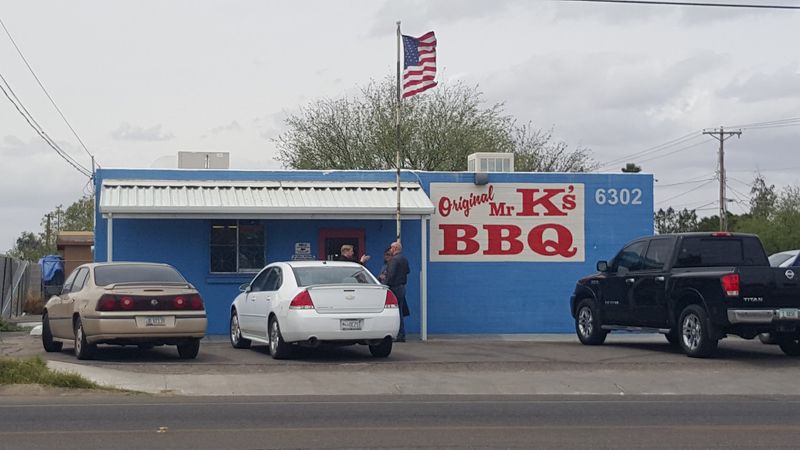
Every barbecue story needs a spark. This one started with a single day of the week.
Charles “Mr. K” Kendrick and his son Ray opened the business in 1997, but it did not begin as a full-time restaurant.
The early operation served lunch on Saturdays, creating extra income while Charles helped maintain the Afro-American Heritage Museum connected to their former South Park location.
The arrangement was modest, yet the food quickly built its own momentum. Smoke drifting from the property drew curious neighbors, and those first customers returned with friends.
A side project began demanding more time, more meat, and a much larger place in Tucson’s dining routine.
Ray eventually took the restaurant forward while keeping his father’s name above the counter.
Charles brought deep connections to Texas and a lifetime of stories, while the younger Kendrick helped turn the family recipes into a business that could serve a growing crowd.
The origin still explains the atmosphere today. Mr. K’s did not emerge from a restaurant group, a franchise plan, or a branding workshop. It grew because Saturday lunch kept attracting people who wanted another plate.
One day a week started the fire. Tucson made sure it never went out.
South Park Keeps The Experience Direct And Unfussy
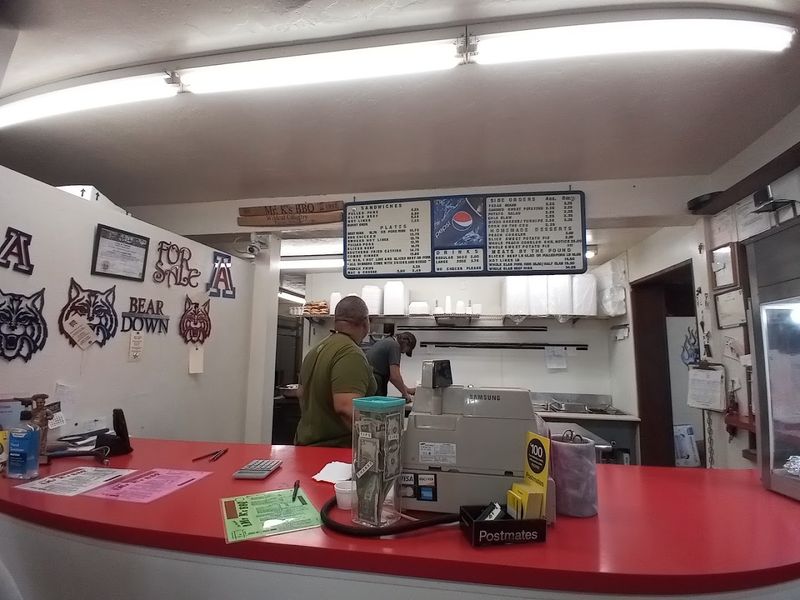
A fancy dining room would only get between you and the ribs.
The Original Mr. K’s operates as a casual counter-service restaurant. You step up, study the meat choices, choose a plate or sandwich, and wait for your name. Reservations are not part of the routine, so timing matters more than dressing for dinner.
The current location stands at 6302 South Park Avenue, Tucson, Arizona 85706. It opens Tuesday through Saturday from 10:30 a.m. to 6 p.m. and closes on Sunday and Monday.
Those daytime hours make it useful for lunch, an early dinner, or a takeout order large enough to rescue the next meal too.
Walls covered with articles and local history give the room more personality than decorative trends ever could. The setup stays practical, with the food carrying most of the conversation.
That simplicity also keeps your choices clear. You can order a sandwich when the afternoon is moving quickly or settle in with a combination plate when appetite has taken control of the schedule.
The best plan is to arrive with one backup meat in mind, because popular cuts can sell through before the posted closing hour. That possibility only makes the counter decision more urgent.
Do not wait until closing time to begin negotiating with the menu. Brisket has no obligation to save itself for late arrivals.
Mesquite Smoke Gives Brisket And Ribs A Desert Accent
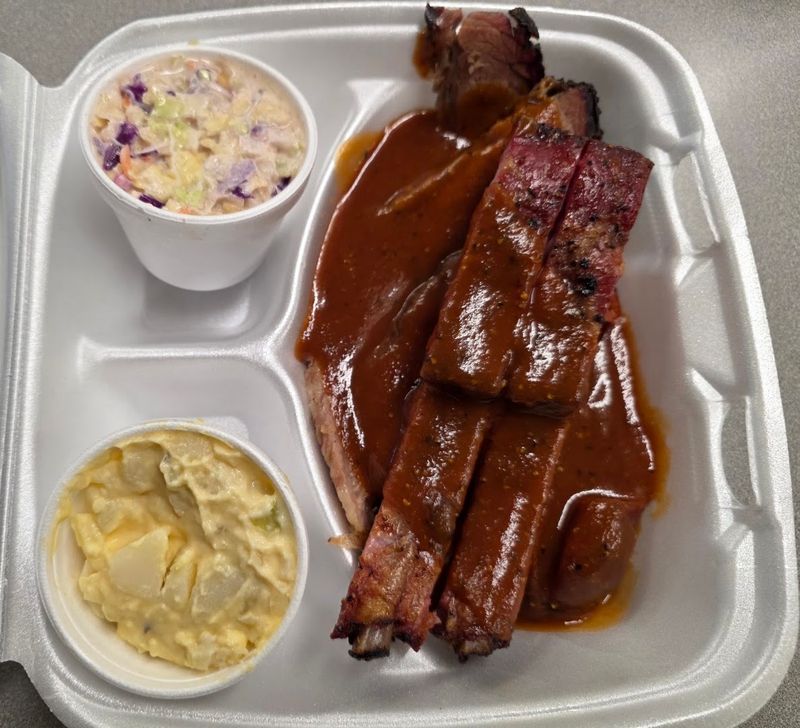
Mesquite does not enter quietly.
The place uses the wood to smoke its barbecue, bringing a recognizable desert character to meats more often associated with Texas smokehouses.
Mesquite burns with a strong aroma, so careful handling matters. When the balance lands correctly, it gives beef and pork a bold edge without erasing the seasoning beneath it.
Brisket is one of the restaurant’s most popular orders. It appears sliced on plates and sandwiches and can also be purchased by the pound. That flexibility lets you test a portion at lunch or take enough home to turn tomorrow’s meal into the easiest decision of the week.
The ribs create their own dilemma. Pork ribs offer a familiar barbecue route, while beef ribs bring larger bones and a heavier bite. Both are available as plates, and full slabs can handle a family meal or a gathering where nobody wants to count portions too carefully.
Each plate comes with sides and bread, keeping the format grounded in classic barbecue service. Sauce is available, but the smoke and meat still need to carry the foundation.
The bark gets the first word, the tender center answers, and your napkin spends the rest of lunch trying to keep up.
Hot Links Bring The Snap To Combination Plates
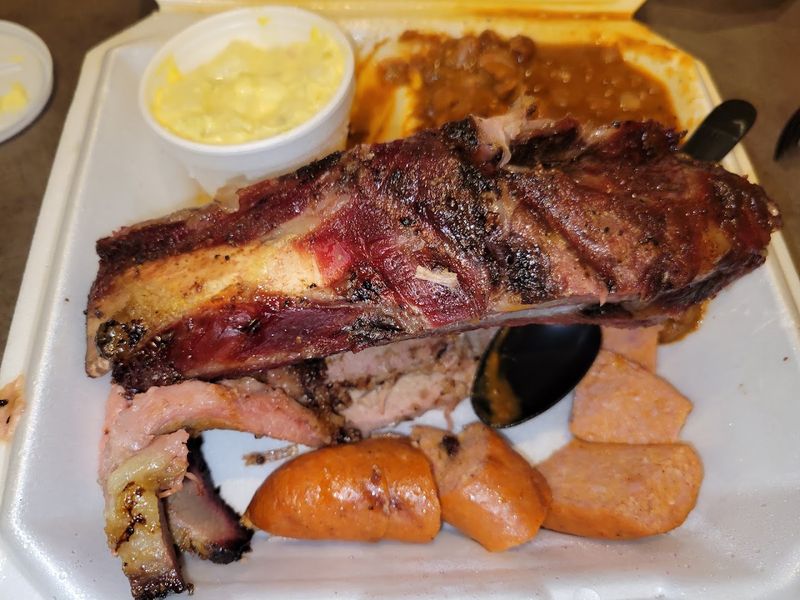
Some menu decisions need diplomacy. The three-meat combo avoids the meeting.
The combination plate brings together a rib, a choice of brisket or pulled pork, and a hot link. It is the smartest route for a first visit because no single meat has to represent the whole kitchen.
The hot link adds a different texture to the tray. Its casing provides a firm snap, while the smoky sausage brings spice and richness between bites of beef or pork. You can also order links as a sandwich, a full plate, or by the pound when they become the surprise favorite.
Pulled pork offers a softer contrast, carrying sauce easily and working just as well in a sandwich as beside cornbread. Half chicken gives you another smoked option when ribs or brisket sound heavier than the afternoon can handle.
Ordering by the pound turns the restaurant into a useful stop before a family gathering. Choose several meats, add larger sides, and let everyone build a plate without one person spending the day beside a smoker.
The combo may solve your ordering problem, but it creates a new one. Which bite deserves the last spot on the fork?
Southern Fried Catfish Gives Smoke A Day Off
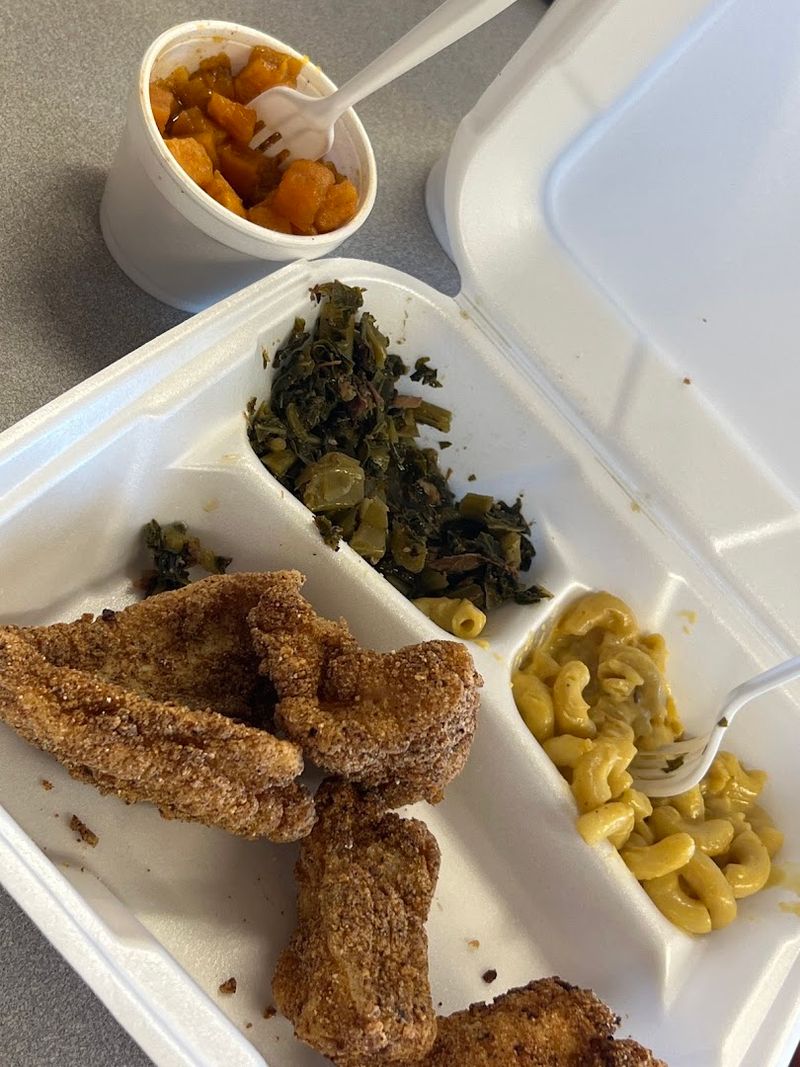
The fryer steps forward when your appetite wants crunch instead of bark.
Southern fried catfish sits comfortably beside the barbecue menu rather than appearing as a reluctant alternative. The plate brings crisp coating around tender fish, along with two sides and bread, creating a full Southern meal without a slice of smoked meat.
That range matters when a group cannot agree on lunch. One diner can order beef ribs, another can choose brisket, and the person craving fish does not have to settle for a side salad and optimism.
Catfish also changes the way you choose accompaniments. Collard and turnip greens bring a savory counterpoint, candied sweet potatoes add sweetness, and coleslaw supplies a cooler bite between pieces of fried fish.
A little hot sauce can sharpen the plate, though the coating should still keep its crunch. The goal is balance, not turning every bite into a test of courage.
Barbecue may own the sign outside, but catfish has earned permanent space beneath it.
Traditional Sides Make Choosing Meat Look Easy
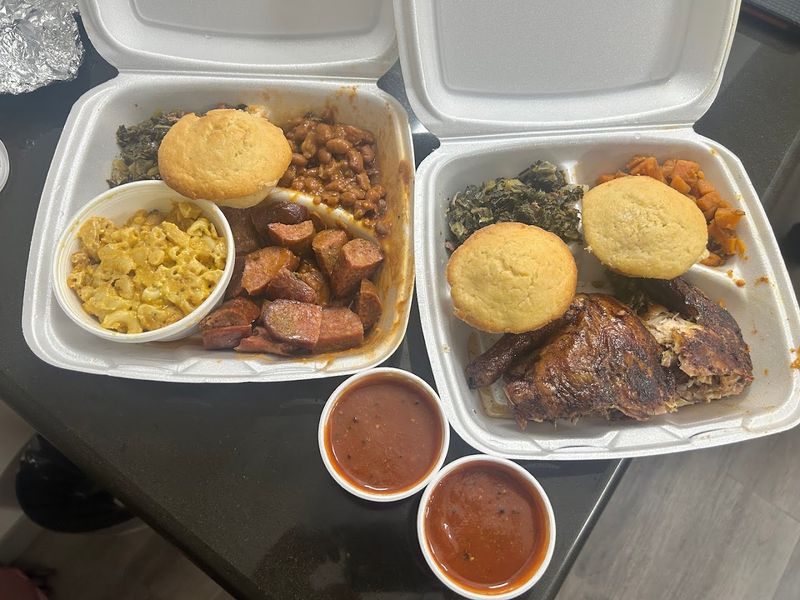
The smoker handles patience. The side counter tests your decision-making.
Plates include two sides, and the current lineup reaches through Texas beans, potato salad, collard and turnip greens, seasoned fries, candied sweet potatoes, coleslaw, corn on the cob, and macaroni and cheese.
Cornbread arrives ready to catch sauce or disappear before the meat has settled onto the fork.
Texas beans bring smoke and spice in a thicker, hearty form. Greens add tang and depth, while candied sweet potatoes move the plate toward dessert without crossing the line completely.
Macaroni and cheese supplies the creamy option every combination tray seems to demand.
The challenge is matching sides without repeating the same mood. Brisket can take beans and greens. Hot links work well beside coleslaw.
Catfish makes a strong argument for sweet potatoes and macaroni and cheese, though another pairing may win once you reach the counter.
Dessert choices may include peach cobbler, sweet potato pie, pecan pie, and cheesecake. Availability can vary, so ask before promising yourself a specific finish.
Two sides sound generous until the person beside you orders better. That is when sharing becomes a character test.
The Restaurant Carries More Than Barbecue History
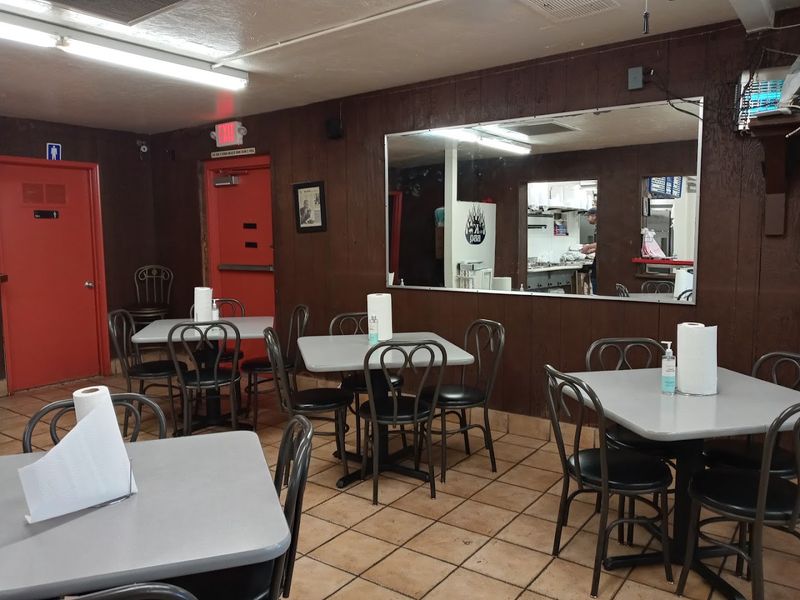
The smoke supported a story larger than lunch.
Charles Kendrick helped run Tucson’s Afro-American Heritage Museum, preserving objects and stories connected to Black history in Southern Arizona and across the country.
The early Saturday barbecue operation helped cover the museum’s utility expenses, linking every plate sold with the work of keeping that history accessible.
Kendrick’s own life gave the collection added depth. He grew up in Texas, moved to Tucson, became the first African American graduate of the University of Arizona College of Pharmacy, and later spent his retirement years preserving history and serving barbecue.
The original museum no longer operates beside the restaurant, but its legacy continues through Tucson’s broader African American history work. Charles Kendrick’s oral history is now part of the African American Museum of Southern Arizona’s collection.
That background changes the way you understand Mr. K’s. The restaurant was never only a commercial idea. It began as a practical tool for cultural preservation and became a gathering place with its own long record on Tucson’s south side.
Order the brisket, save room for cobbler, and look closely at the walls while you wait. How many barbecue lunches come with this much Tucson history on the side?