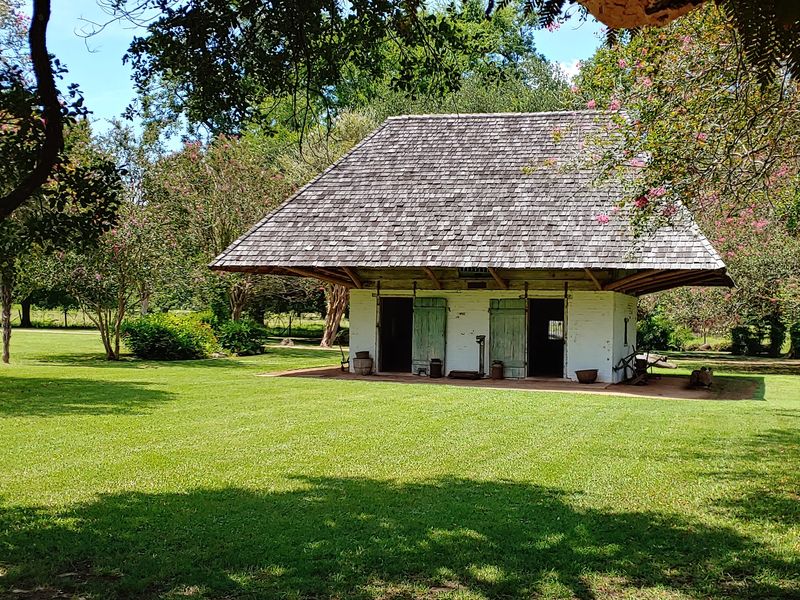
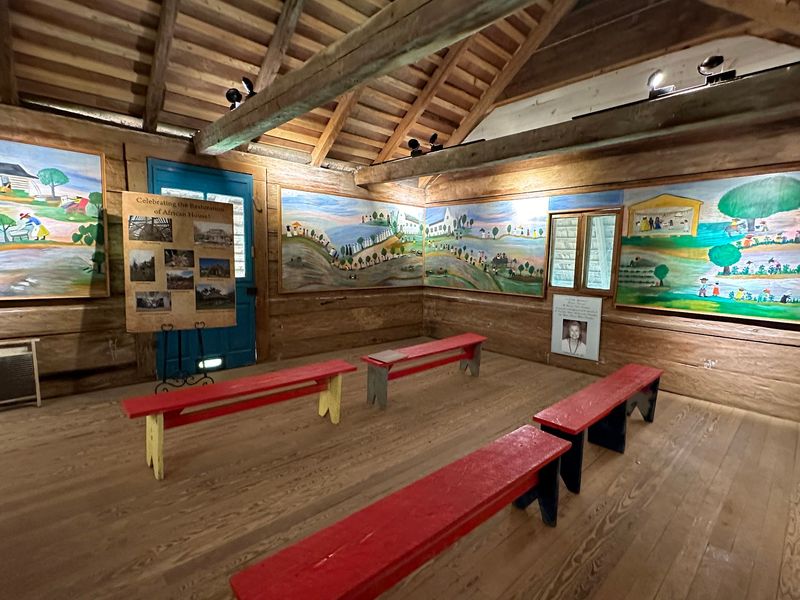
Upstairs in a squat, oddly roofed building on the Cane River, nine painted plywood panels tell the story of a whole community. Clementine Hunter made them in 1955, years after she started painting with leftover tubes of paint at night once her work was done.
The building is the African House at Melrose On The Cane, south of Natchitoches, and it is the only place to see those murals where she meant them to hang. Getting there takes a little planning, and the payoff is a rare look at Louisiana history told by someone who lived it.
A Creole Landmark On LA-119 South Of Natchitoches
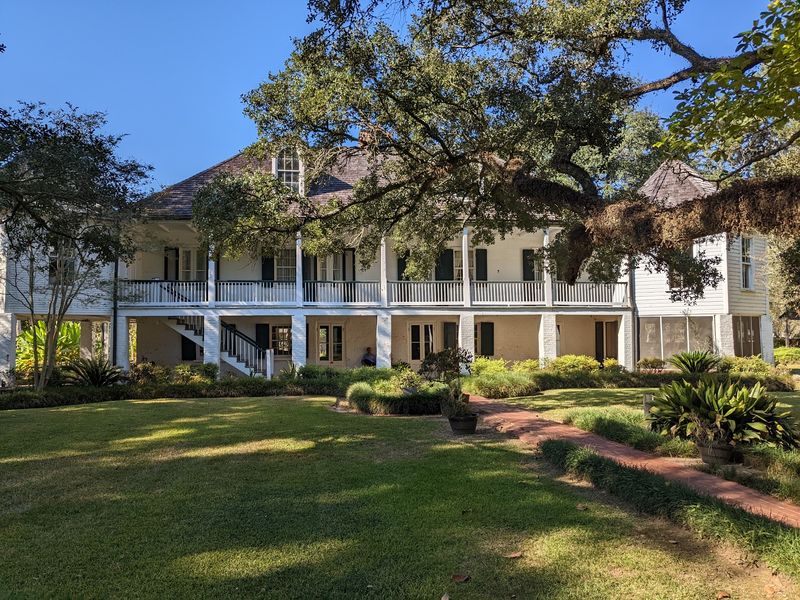
Drive about 20 minutes south of Natchitoches along the Cane River, and LA-119 brings you to 3533 in the small community of Melrose. The property there, known today as Melrose On The Cane, is a National Historic Landmark with a cluster of old buildings spread under big shade trees.
Most people come for one reason, and it sits on the second floor of a building called the African House. Clementine Hunter, one of the best-known self-taught artists in America, painted a series of murals there that now hang in their original home.
You will not find them in a city museum.
The site holds far more than the murals, though. Nine historic structures stand on the grounds, including the Big House, the Yucca House, the Ghana House and the cabin where Hunter lived.
Each one adds a different chapter to a long and layered property story.
Visitors often compare it with the larger Cane River Creole National Historical Park nearby. Melrose is smaller, and that works in its favor for people who want a focused visit.
You can walk the whole place without feeling rushed, then spend your energy on the stories the guides share inside.
Marie Thérèse Coincoin And The Metoyer Family Beginnings
Long before any painter arrived, the story of Melrose began with a woman who refused to stay in the role she was born into. Marie Thérèse Coincoin was formerly enslaved, and she went on to become a successful businesswoman and landowner along the Cane River in the late 1700s.
With her son, Louis Metoyer, she laid the roots of the property. That origin sets Melrose apart from many Southern plantation sites.
It was built by free people of color, and it became one of the largest plantations in the country founded by and for that community.
The Metoyer family stayed free people of color for generations, and their influence shaped the Cane River Creole community that still defines this part of Natchitoches Parish. Tour guides spend real time on this chapter, and visitors frequently mention the history of the owners as a highlight.
One out-of-state visitor who had toured many plantation homes noted this was the first Creole plantation they had seen. Knowing that background changes how you read the buildings.
The architecture, the layout and even the survival of the site all connect back to a family that built something lasting under very difficult rules.
Cammie Henry’s Retreat For Writers And Painters
Picture a working plantation where novelists and painters showed up for long stays and nobody thought it strange. That was Melrose under Carmelite Henry, better known as Cammie, who owned it in the early twentieth century.
Henry turned the property into a gathering place for writers, painters and musicians. Guests lived and worked on the grounds, and some buildings, including the African House, served at times as quarters for visiting artists.
The creative crowd gave the place a bohemian reputation that still colors how it is described.
For the story of Clementine Hunter, this era matters a great deal. Those visiting artists left behind brushes and tubes of paint, and she picked them up.
Without the guests Henry welcomed, the materials that started Hunter’s career might never have reached her hands.
Writer François Mignon was among the people who lived on the property. He later encouraged Hunter to take on the African House murals, which makes him a key figure in the site’s artistic legacy.
Walking the grounds today, you can still sense that mix of farm and studio. The buildings feel lived in rather than staged, which helps the story land.
Clementine Hunter’s Road From Cotton Fields To Canvas
Ten days. That was the full length of Clementine Hunter’s formal schooling, and she still became one of the most celebrated folk artists in the United States.
Hunter was born around 1886 or 1887 near Cloutierville, not far from Melrose. She spent most of her life on the plantation, first picking cotton and later working as a cook and housekeeper.
Her hands were busy with crafts too, including quilts and baskets.
Painting came late, in her fifties. Using discarded paint and brushes left by visiting artists, she worked at night after her daily duties ended.
She sometimes thinned oil paint with kerosene, making do with whatever she had.
Her output grew into the thousands. She painted on window shades, gourds, snuff boxes and other surfaces that happened to be around.
The style was her own, with bright colors, flat perspective and figures often shown in profile without much expression.
What she painted was daily life around her. Cotton picking, baptisms, funerals and community gatherings filled her work, creating a visual record of rural Black life in Louisiana during the early and middle twentieth century.
Her early pieces once sold for as little as 50 cents.
The African House And Its Unusual Roofline
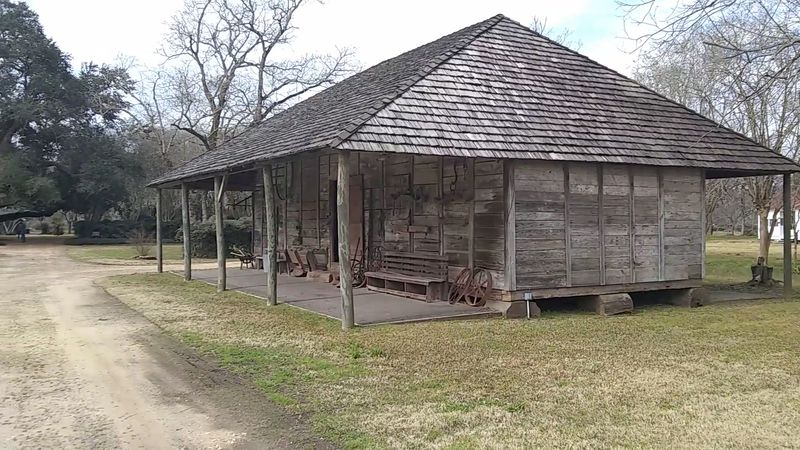
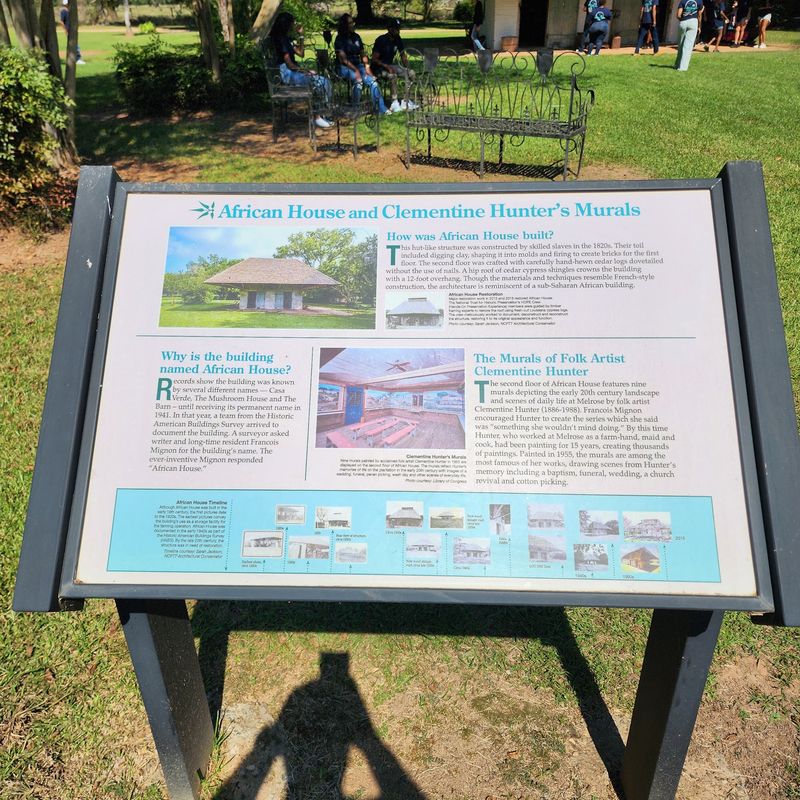
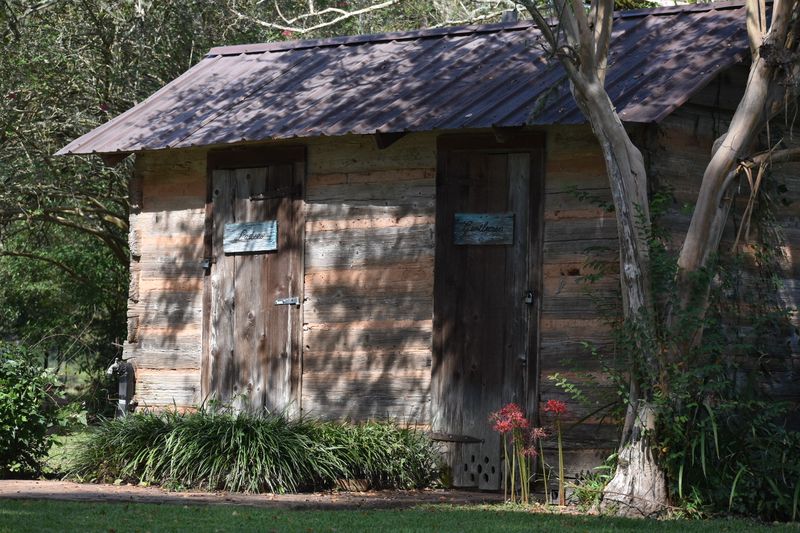
Some buildings announce themselves before you learn a single fact about them. The African House does it with its roof, a steep hipped shape that stretches well past the exterior walls like a wide hat pulled low.
Built around 1820, the structure has puzzled historians for a long time. Nobody agrees completely on what it was first meant to be.
Over the years it has worked as a barn, a storage space and a residence for visiting artists during the Henry years.
That uncertainty is part of the appeal. Guides talk through the theories, and the building itself gives visitors plenty to study, from its proportions to the way the roof shades the walls.
One visitor from the region remarked that the architecture seemed made to handle Louisiana heat and last several lifetimes.
Today the African House is tied firmly to Clementine Hunter. Its upper floor holds her murals, which turned a practical outbuilding into one of the most important art spaces in the state.
Bring a camera for the outside. Visitors sometimes regret not photographing the African House and the Yucca House, since the tours tend to absorb their full attention.
Nine Plywood Panels Painted In 1955
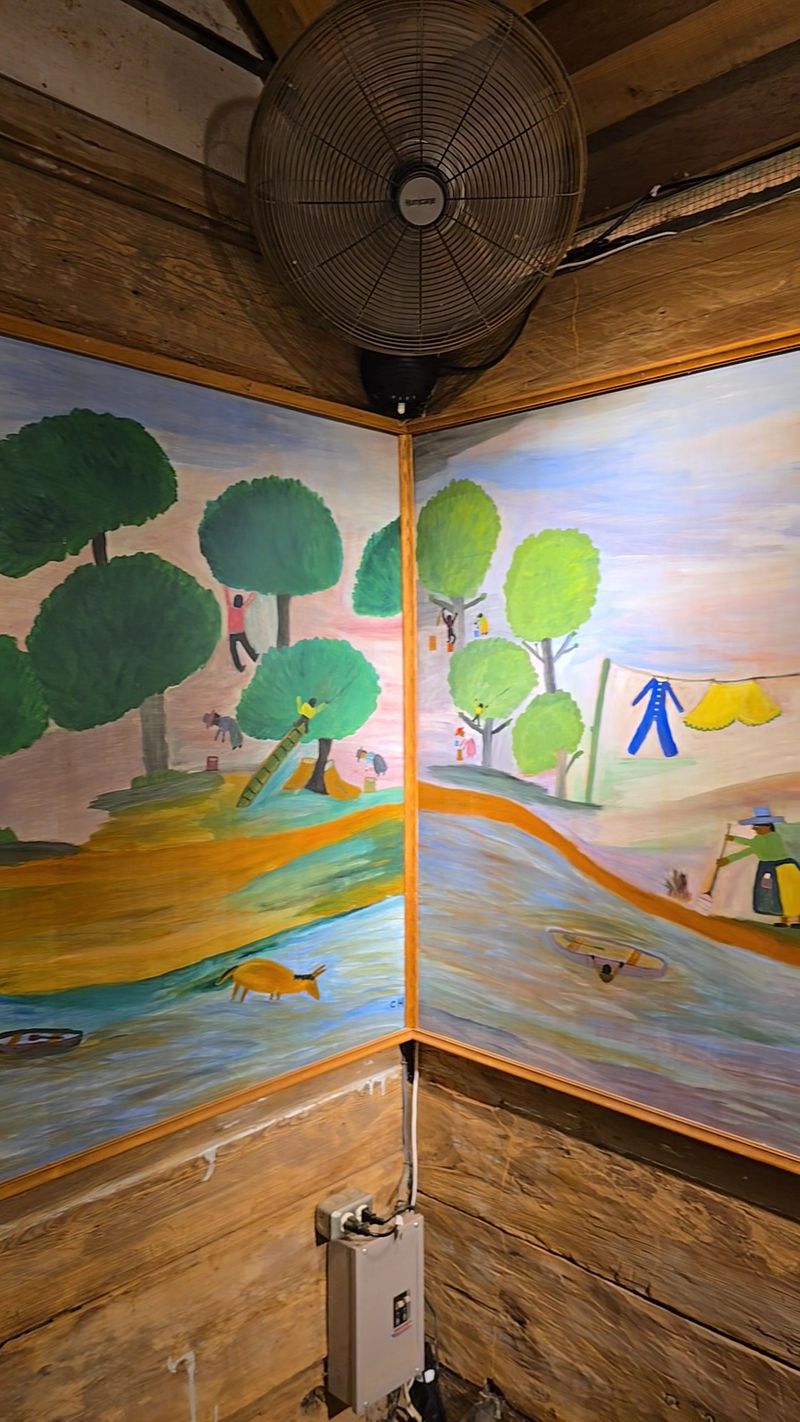
Here is the surprising part: Clementine Hunter had never seen a mural when she agreed to paint one. In 1955, François Mignon urged her to fill the upper-floor walls of the African House, and she said yes.
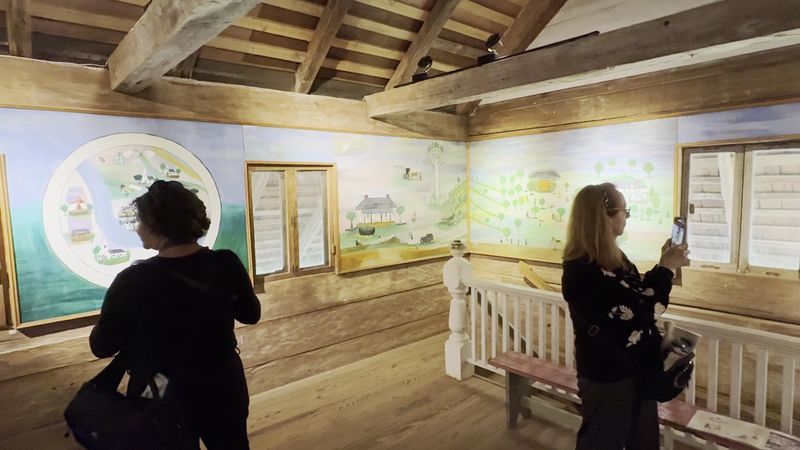
The result was a series of nine oil-on-plywood panels. Together they form a sweeping view of life along the Cane River, with planting and harvest, weddings and baptisms, funerals and worship all sharing the walls.
People, work and faith take turns in the scenes.
Much of it came from memory. Hunter painted what she had watched for decades, and the murals show how closely she observed the rhythms of the community around her.
The panels went through extensive conservation and were reinstalled in the African House in April 2016. That return matters because the room and the paintings belong together.
Seeing them upstairs, in the space they were made for, feels different from viewing art on a museum wall.
Visitors describe the up-close view as a thrill, and several mention that guides explain the meaning behind each scene. Hunter’s figures may look simple at first, but the stories in them run deep once someone points out the details.
Inside The Big House With A Guide
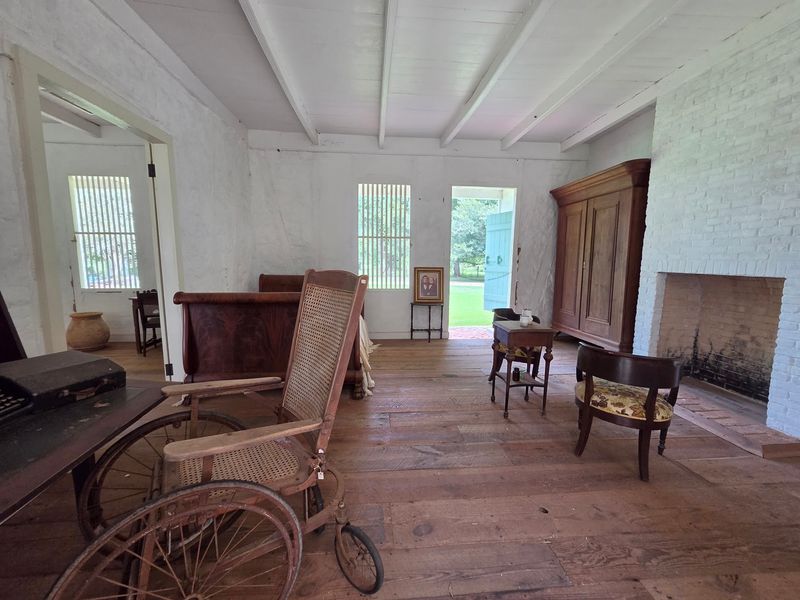
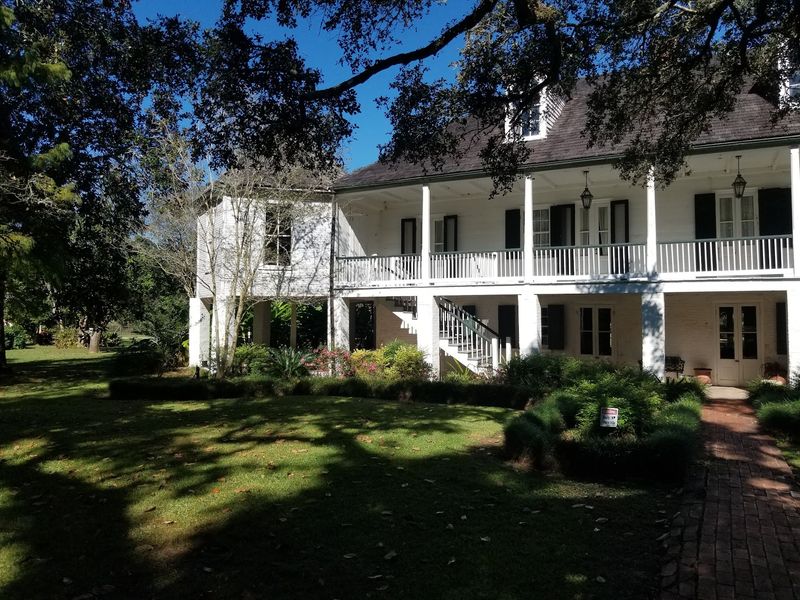
Want to step inside the main house? You will need a guide, because the Big House is only open to people on guided tours.
Visitors describe the interior as beautiful and well preserved, and one noted how different its layout felt compared with other plantation homes they had seen. The house reflects the long life of the property, with layers from the Creole years and the Henry era.
Photography inside seems to be something many people skip, so plan to enjoy the rooms rather than document them. The guides carry the story, pointing out how the house connects to the families and artists who passed through.
Reviewers who tried both options lean strongly toward the guided visit. One recommended skipping the walk-around storyboards in favor of a guide, calling the tour well worth the money and the only real way into the house.
The Big House also helps frame Hunter’s life. She worked there as a cook and housekeeper, so the kitchen and domestic spaces connect directly to the woman whose paintings wait across the grounds.
Seeing where she spent her working hours makes the murals feel even more personal when you climb the African House stairs.
Yucca House, Ghana House And Hunter’s Cabin
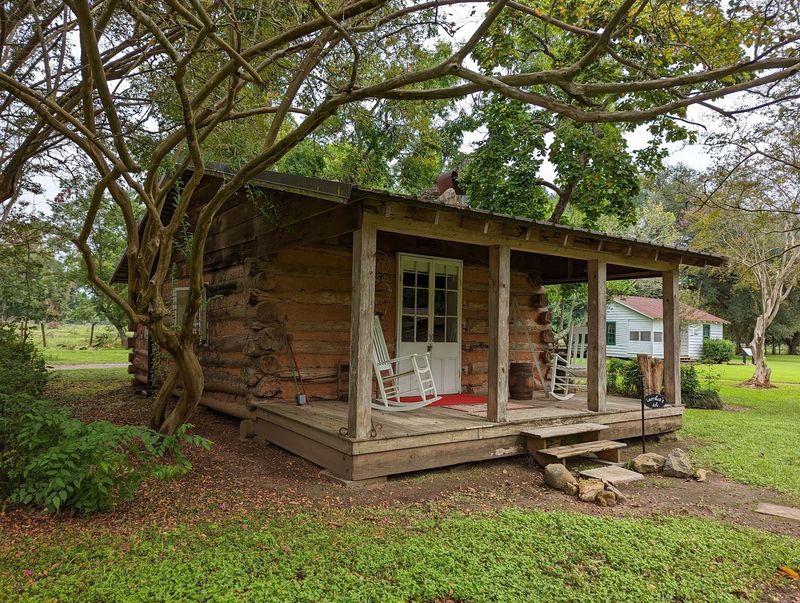
Wander a few steps from the main house and the property opens into a small village of history. Nine historic buildings share the grounds, and several of them deserve a slow look.
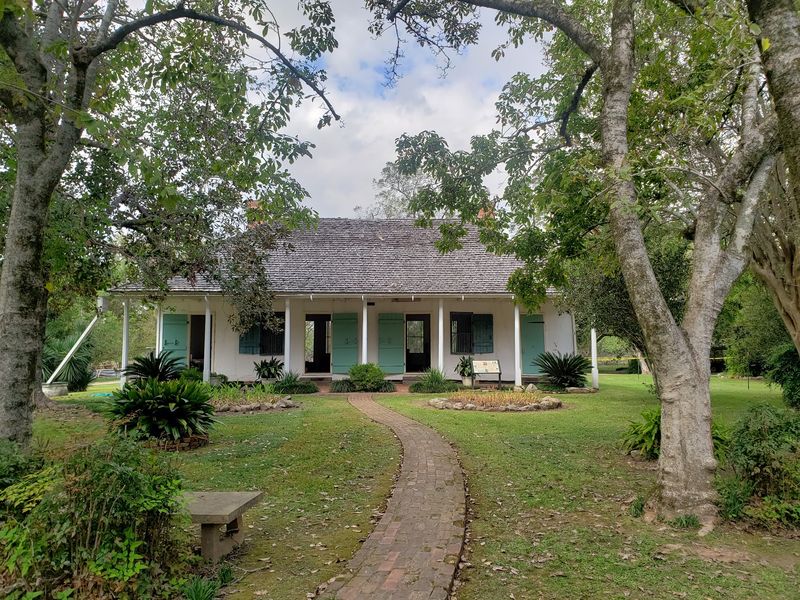
The Yucca House is among the oldest structures on the site and tends to catch the eye of anyone interested in early Louisiana building methods. The Ghana House adds another piece to the puzzle, and together with the African House they show how varied construction was here over the years.
Then there is Clementine Hunter’s cabin. Standing near it gives a quiet sense of scale.
Here was a modest home belonging to a woman whose work would later hang in major museums.
Visitors regularly praise the look of the different buildings in person, noting how each has its own shape and character. The grounds sit close to the parking area, so moving between them is easy.
Even people who choose the cheaper self-guided route can explore these outdoor spaces. One group spent about 20 to 30 minutes walking the property on a hot day.
Others lingered much longer after their tour ended, wandering under the oaks between structures and reading the signs along the way.
Guides Who Knew The Artist Personally
Few art sites can offer this: a tour guide who actually spent time with the painter. Several visitors report that one of the Melrose docents knew Clementine Hunter and even worked alongside her.
That living link gives the tours a rare depth. Instead of repeating facts from a plaque, the guide can share what Hunter was like as a person, which adds warmth to paintings that might otherwise feel distant.
Guides come up again and again when visitors describe the experience. Names like Fred and Micah appear often, praised for knowledge, friendliness and clear storytelling.
One reviewer loved a guide whose sense of humor made the history lively.
Group visits work well too. A party of 50 was split between two guides for a pre-scheduled tour, and both halves came away pleased.
People who had toured many plantations said this one stood out.
Even longtime Cane River visitors find something new. A Natchitoches resident admitted to never having taken the tour before, and another guest who had visited the area for years called it a first.
Both came away glad they finally did, which says a lot about how much the guides bring to a place people thought they already knew.
Hunter’s Reach Beyond The Cane River
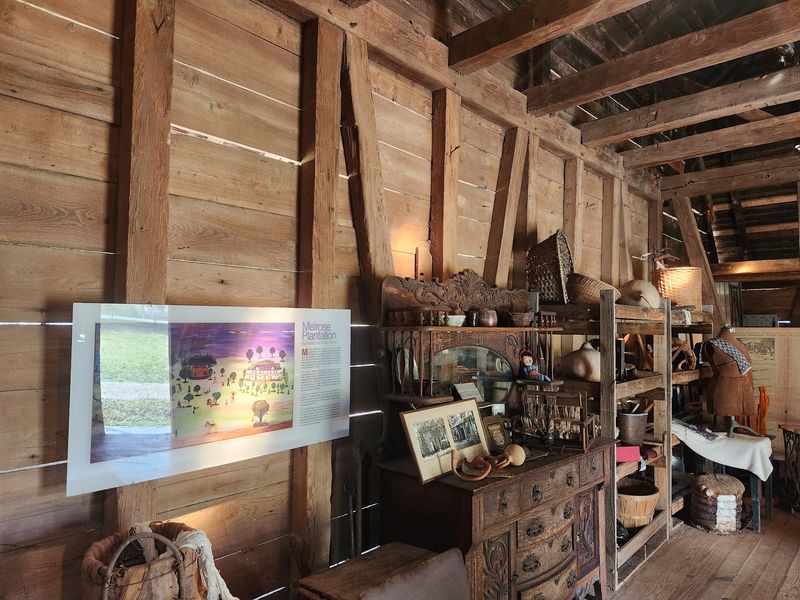
Paintings that once sold for pocket change now hang in some of the most respected museums in the country. That journey is part of what makes a trip to Melrose feel meaningful.
Hunter’s work is held by the Smithsonian, the New Orleans Museum of Art and the High Museum in Atlanta, among others. Her pieces now bring significant prices at auction, a long way from the 50 cents her early work fetched.
She also broke ground as the first Black woman to have a solo show at what is now the New Orleans Museum of Art. Segregation laws of the time at first kept her from viewing her own exhibit, a detail that stops many visitors in their tracks.
Those facts make the African House murals even more significant. Many of her paintings travel and trade, but these panels belong to the place where she lived and worked.
One visitor pointed out that several works can only be seen here.
For art lovers, Melrose rounds out the picture. Museums show her talent, but the plantation shows the setting that shaped every brushstroke, from the fields she painted to the cabin she called home.
Mayhaw Jelly, The Gift Shop And The Fall Festival
Mayhaw jelly might be the sweetest surprise on the property. One visitor spotted jars for sale and grabbed one right away, saying it had been years since childhood that they had tasted it.
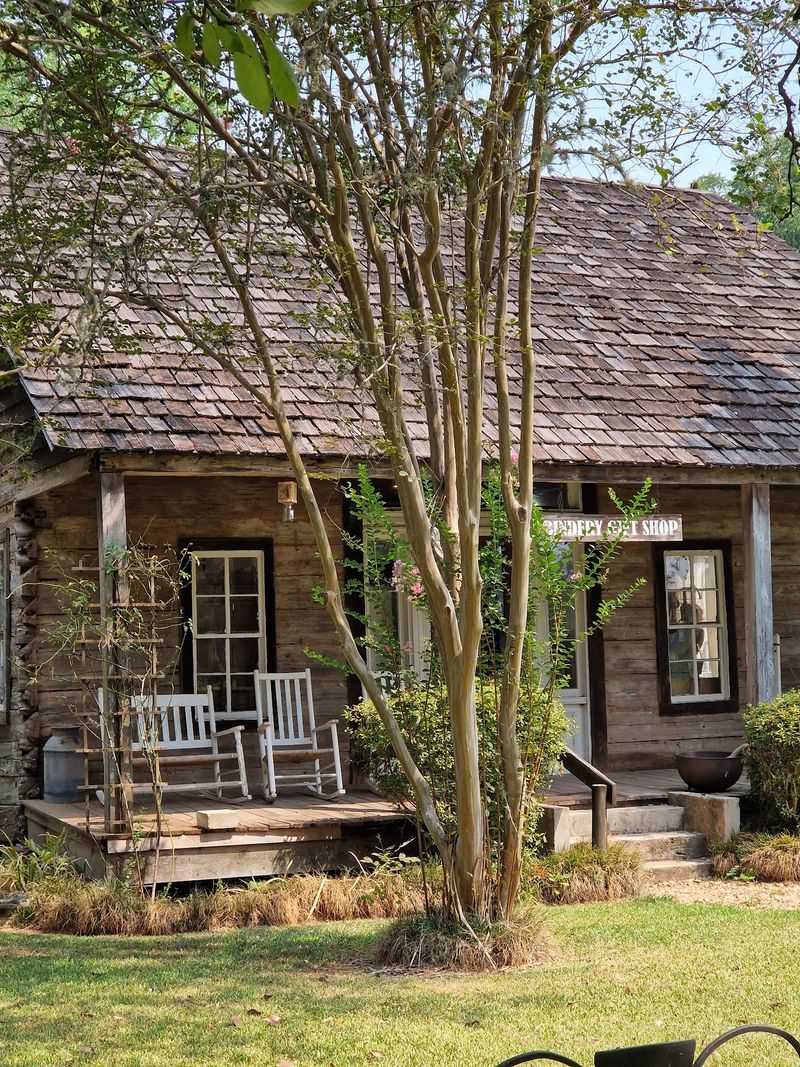
The gift shop carries local goods and art-related items. Budget-minded shoppers should know that prices run high.
One guest found even the cheapest magnet listed at $19.50 and left without buying anything, so plan accordingly if you want a small souvenir.
Melrose is also known for its arts and crafts festival, which draws crowds and a lot of shopping. A visitor who attended the 44th edition described it as fun with plenty of vendors.
At that time, nearby parking cost ten dollars and entry was five, though those prices are several years old and may have changed.
The property also shows up on tours of homes along Cane River Lake. Those events offer a different way to see Melrose alongside other historic houses in the area.
If you are timing a trip around the festival, check the official website first. Dates and details shift, and the crowds make for a much busier scene than a regular weekday visit.
Hours, Ticket Prices And Tour Tips
Timing matters here, because Melrose keeps a short week. The site is open Thursday through Saturday from 10 a.m. to 4:15 p.m. and Sunday from noon to 4:15 p.m.
It is closed Monday through Wednesday.
Recent visitors report paying $25 per person for a guided tour, while the self-guided walk costs $15. Another family paid $20 per adult and $10 per child.
Prices may vary, so call ahead at 318-379-0055 or check melroseonthecane.com.
Guided tours run on a schedule and last roughly 1.5 to 2 hours. Arrive early, since latecomers are not offered a discount even if a tour is already underway.
One visitor suggested calling ahead to confirm guided tours are running that day, since some days are self-guided only.
Leave pets at home. Dogs are not allowed on the grounds, unlike some other historic sites in the area, which caught at least one traveler off guard.
Summer brings serious heat, so bring water and wear comfortable shoes. The parking lot sits close to the buildings, which helps.
Pairing Melrose with the Cane River Creole National Historical Park and Natchitoches makes for a full day in the region.
Why The Upstairs Room Earns The Drive
Plenty of Louisiana plantation sites offer grand rooms and oak alleys. Melrose offers something harder to find, a story told by the people who lived it, starting with a family of free people of color and continuing through a self-taught painter.
Travelers who like history with real human detail will feel at home here. Art lovers get the rare chance to see Hunter’s murals in their original space.
Families can manage it too, though the guided tour length and summer heat are worth keeping in mind for small kids.
The property is not huge, and self-guided visitors may finish in half an hour. The guided tour is where Melrose shines, with docents whose knowledge, humor and even personal memories of Hunter give the site its heartbeat.
Plan for a Thursday through Sunday visit, arrive before a scheduled tour and leave room in the day for the rest of Cane River country.
Then climb the stairs of the African House. Hunter never saw a mural before she painted those nine panels, working with the same bold colors she used on window shades and gourds.
Standing in that room, surrounded by her baptisms and harvests, the whole Cane River story comes into focus.