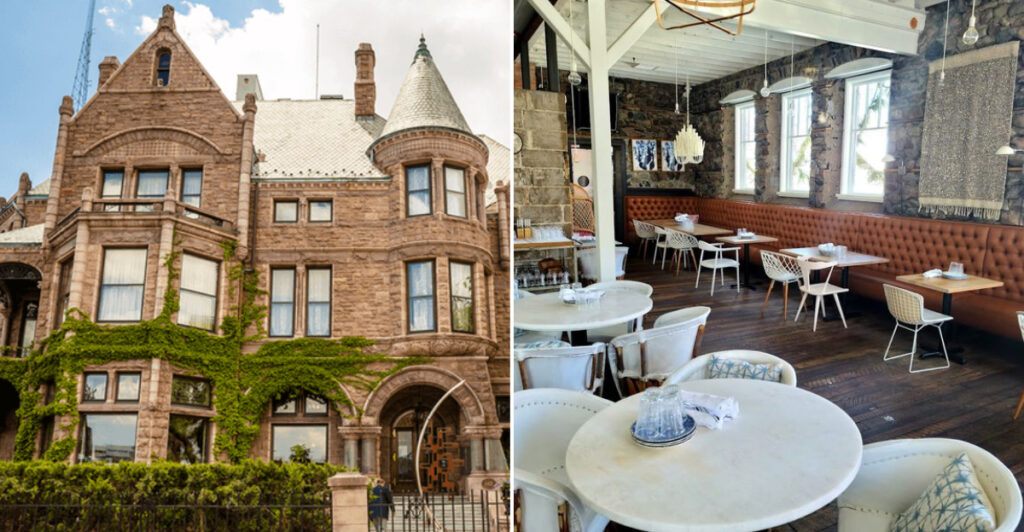
“The best advertisement is a full table and one person already asking about dessert.”
That feels like the unofficial motto behind these Michigan restaurants.
No loud campaigns. No suspiciously dramatic legends.
Just rooms that keep filling up because people ate something good, told someone else, and accidentally started a very delicious chain reaction.
That is the kind of reputation money has trouble buying.
Michigan has many places where the menu does the talking, the regulars do the recruiting, and empty seats become rare without anyone needing to shout about it.
These thirteen restaurants have earned attention the old-fashioned way, through plates worth remembering and meals that make people come back with backup appetites.
Some are polished. Some are playful.
All of them prove that when the food is strong enough, the best marketing plan might be a fork, a friend, and a very convincing check.
P.S.: Did you not see the castle-looking spot in the picture? Gorgeous.
1. Selden Standard
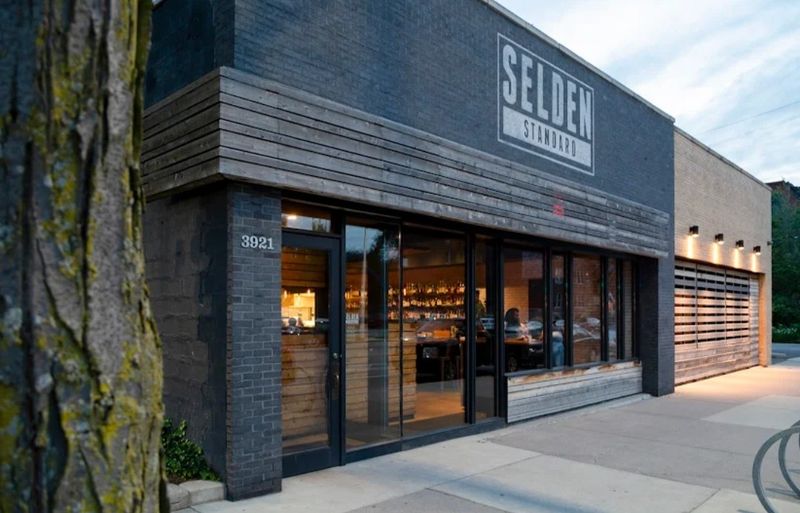
Andy Hollyday opened Selden Standard with one clear idea: let the ingredients lead the way.
The menu rotates based on what is fresh and available, which keeps things interesting every single time you visit.
Dishes are built around vegetables, grains, and proteins sourced from regional farms whenever possible.
The format is designed for sharing. It’s true when they say that sometimes sharing is caring.
Don’t worry, though, you won’t go hungry. Smaller plates encourage you to try more things, and the kitchen makes that very easy to do.
Wood-fired cooking is central to the menu, giving many dishes a distinct, smoky character you can actually taste.
Located at 3921 2nd Ave, Detroit, the restaurant sits in the Midtown neighborhood, which has become one of the city’s most active dining corridors.
The building has an open, airy layout with a bar that stays busy most nights.
The wood-fired flatbreads have earned consistent attention from local food writers.
Seasonal roasted vegetables and house-made charcuterie round out a menu that changes with the calendar.
If you are someone who gets bored eating the same thing twice, this kitchen practically dares you to find a repeat.
2. Mabel Gray
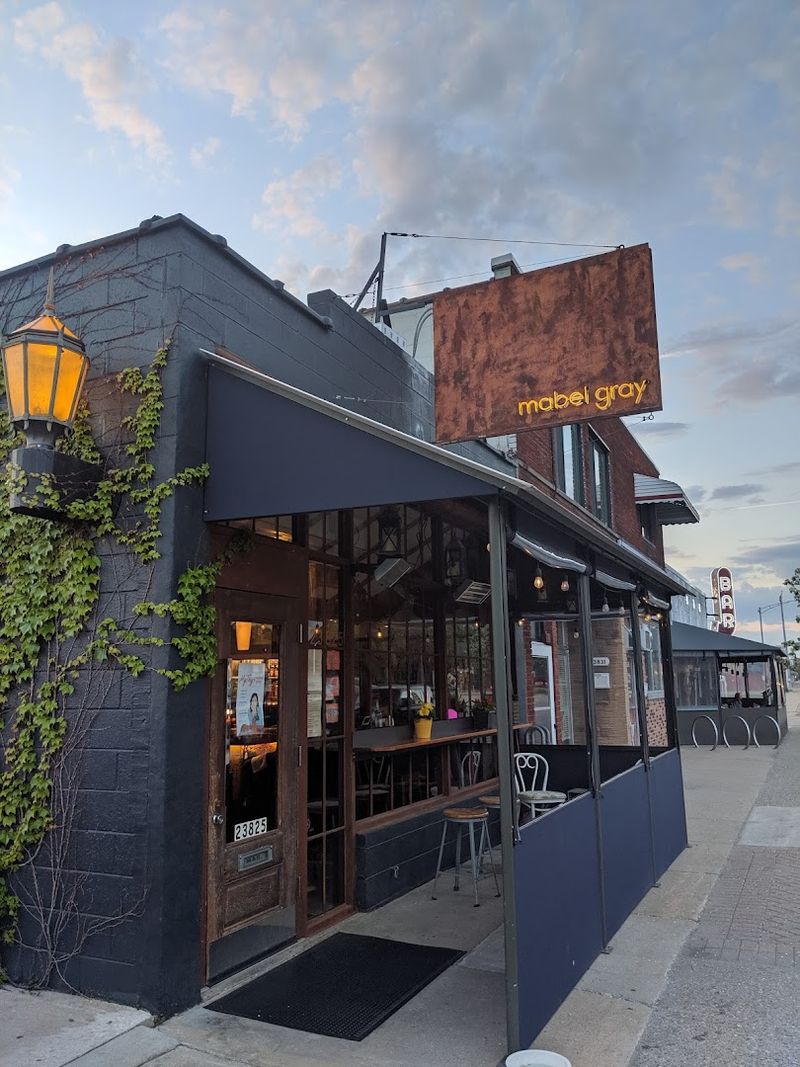
Chef James Rigato built Mabel Gray into one of Michigan’s most talked-about restaurants without a flashy marketing budget or a celebrity name attached.
The menu changes constantly, sometimes daily, based on what the chef finds worth cooking that week. That kind of flexibility takes real confidence in the kitchen.
Rigato is known for supporting Michigan farmers, fishers, and producers directly.
Many ingredients are sourced from within the state, and the menu reflects that geographic focus in a way that feels deliberate and specific.
You might find Great Lakes whitefish one week and locally foraged mushrooms the next.
The tasting menu format is the main event here.
Guests choose from a set number of courses, and the kitchen decides what goes on the plate. It is a format that rewards diners who are genuinely curious about food rather than attached to a specific dish.
Find this spot at 23825 John R Rd, Hazel Park, just outside Detroit.
The dining room is small and the tables fill up fast, which tells you enough without needing a single advertisement to back it up.
3. Baobab Fare
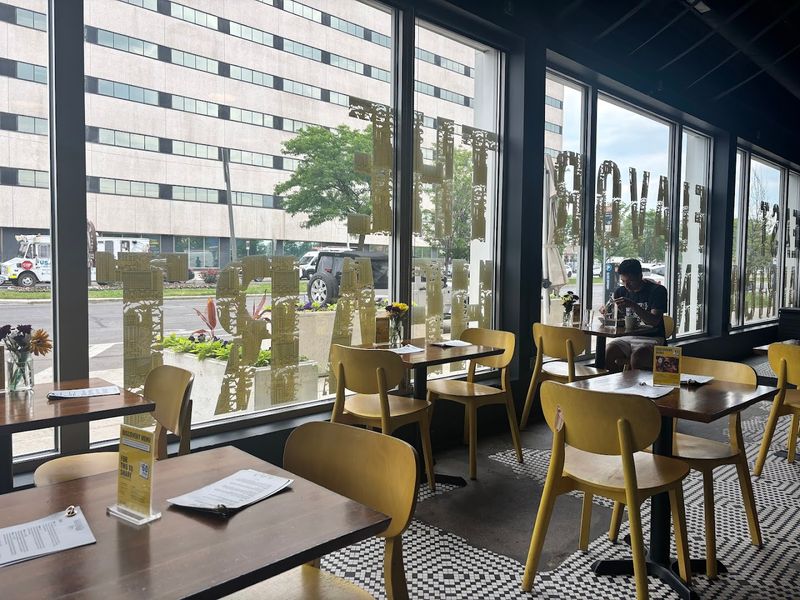
Baobab Fare brings East African cuisine to Detroit in a way that feels both personal and deeply rooted in tradition.
Chef Hamissi Mamba, who is originally from Burundi, leads the kitchen with recipes shaped by his own upbringing and culinary background.
At 6568 Woodward Ave Suite 100, Detroit, the restaurant occupies a bright, welcoming space that draws a genuinely diverse crowd.
The menu features dishes like sambusa, ugali, and slow-cooked stews that reflect the food traditions of the Great Lakes region of East Africa.
The sambusa, a fried pastry filled with spiced lentils or meat, has become a signature item that first-time visitors frequently order.
Portions are generous, and the cooking relies on spices and slow preparation rather than shortcuts. Everything on the menu has a clear point of origin.
They are not letting you leave hungry.
Baobab Fare received national attention when it was named a James Beard Award semifinalist, which put Detroit’s East African food scene on a much wider map.
This spot’s recognition does not come from a marketing campaign. It comes from a chef who genuinely knows what he is doing.
4. Saffron De Twah
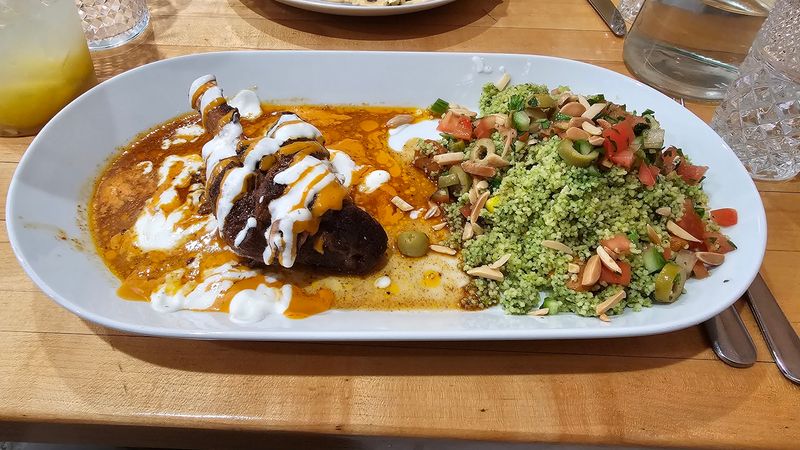
Saffron De Twah is one of Detroit’s most distinctive dining experiences, blending Middle Eastern and Mediterranean flavors with an unmistakably local personality.
The name is a playful Detroit twist on the French word for Detroit, de Twah being a nod to the city’s French colonial roots.
Chef-owner Omar Anani built the restaurant around modern Moroccan cooking, drawing on his Palestinian-Egyptian heritage and a belief that food can express culture, identity, and community directly.
The menu here draws on spices, preparations, and ingredients that are not commonly found in Detroit’s broader restaurant scene.
Dishes feature saffron-forward flavors, slow-cooked proteins, and vegetable preparations that prioritize depth over speed.
The kitchen is not trying to serve fusion food. Just not what they’re into.
It’s serving food with a clear identity and a specific culinary lineage.
Located at 7636 Gratiot Ave, Detroit, the restaurant sits in a neighborhood that does not typically attract dining press, which makes its presence there even more interesting.
Good food has a way of drawing people to unexpected corners of a city, and this spot proves that point quietly but effectively.
5. Takoi
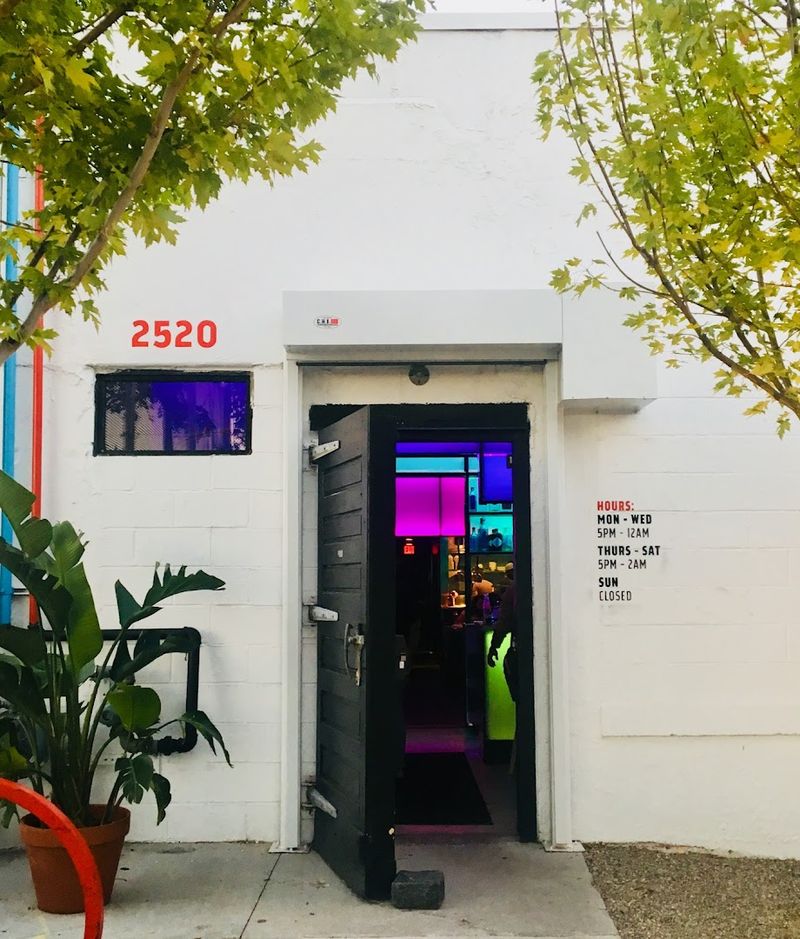
Chef Brad Greenhill designed Takoi around Southeast Asian flavors.
They built a menu that pulls from Thai, Filipino, and broader regional traditions without pretending to be a strict reproduction of any one cuisine.
The cooking is creative but grounded in real technique.
At 2520 Michigan Ave, Detroit, the restaurant sits in Corktown, one of the city’s oldest neighborhoods and currently one of its most active for new dining.
The building has an open kitchen concept, so the cooking is visible from most seats in the room.
Grilled meats, bold sauces, and fresh herb combinations are recurring themes on the menu.
Dishes like grilled pork collar and Thai-inspired salads have appeared consistently, though the menu does shift with the seasons.
The kitchen uses a wood-burning grill as one of its central cooking tools, which adds a layer of smokiness to many proteins.
Takoi earned a spot on Esquire magazine’s list of best new restaurants in America shortly after opening, which brought national attention to a Corktown address that was already drawing local crowds.
It has press that is hard to manufacture.
6. Grey Ghost Detroit
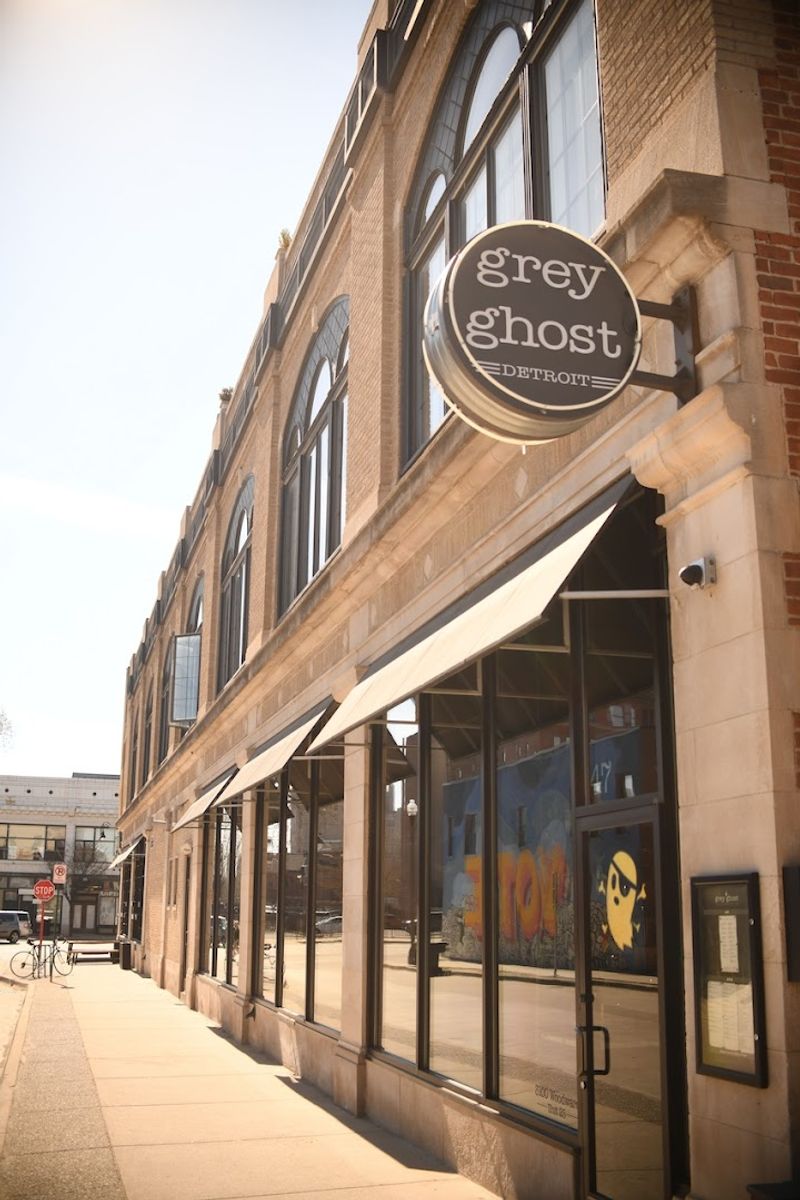
Grey Ghost Detroit operates as an upscale American restaurant with a strong focus on dry-aged beef and seasonal cooking.
The lovely menu is anchored by a dry-aging program that the kitchen runs in-house. That is a time-intensive process that directly affects the flavor and texture of the meat.
The beef program is the clearest differentiator here. Lucky we are for it.
Dry-aged steaks require careful temperature and humidity control over an extended period, and not every kitchen has the space or patience to do it properly.
Grey Ghost has made it a defining feature of the menu.
Beyond beef, the menu includes seafood, vegetable-forward dishes, and composed starters that reflect a broader American cooking sensibility.
The kitchen does not rely on a single ingredient to carry the whole experience.
The restaurant is located at 47 Watson St, Detroit, in the Midtown area. Grey Ghost has been recognized by national publications including Bon Appetit.
They named it among the best new restaurants in the country in 2017.
Recognition landed before most people outside Michigan had even heard the name.
7. Oak & Reel
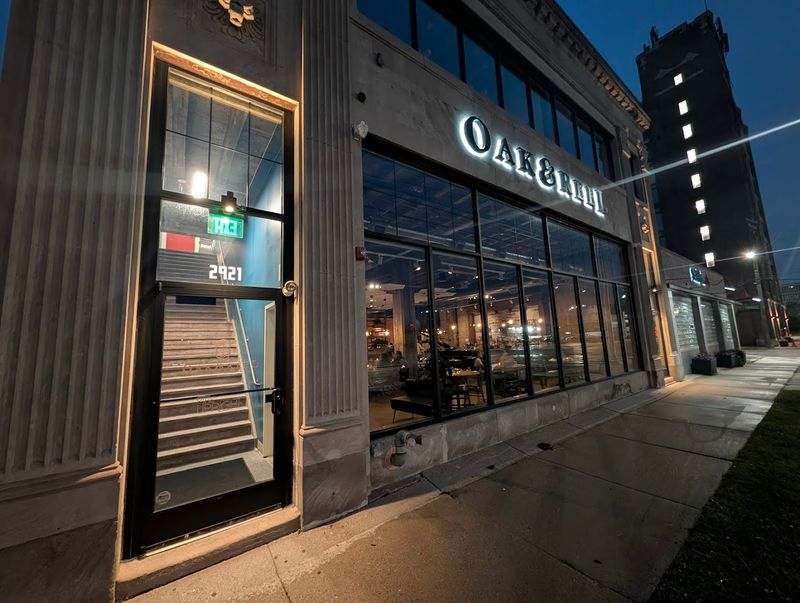
Seafood in a landlocked city sounds a bit like a contradiction.
Detroit has Great Lakes access that most people forget about. Oak and Reel leans into that geography, building a menu around freshwater and ocean fish prepared with serious culinary attention.
The restaurant focuses on sustainable sourcing, which shapes what appears on the menu week to week.
Great Lakes species like whitefish and perch show up alongside Atlantic and Pacific seafood, giving the kitchen a wide range to work with. The wood-fired cooking method is central to many preparations.
Located at 2921 E Grand Blvd, Detroit, the restaurant shares a building with Freya, another well-regarded Detroit dining destination.
The two restaurants operate independently but occupy the same address, which creates an interesting dining cluster in that part of the city.
Oak and Reel has been covered by local and national food media for its approach to Great Lakes fish, which often gets overlooked in favor of coastal seafood.
Putting freshwater fish at the center of a serious restaurant menu is a specific editorial choice worth noticing.
8. Freya
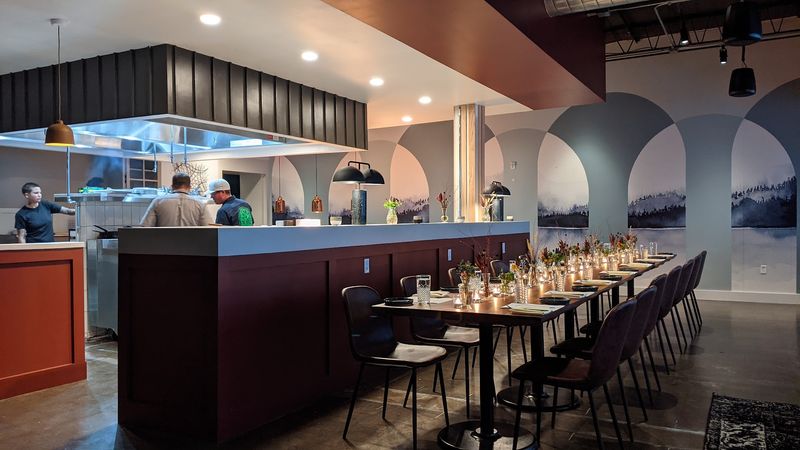
Freya operates as a fine dining tasting menu restaurant in Detroit.
They offer a structured multi-course experience that changes based on the season and the chef’s current direction.
The format requires full commitment from the diner, which is exactly the kind of restaurant that rewards patience. As any should, in my humble opinion.
Chef and owner Josh Stockton leads the kitchen with a cooking style that draws on classical European technique applied to local and seasonal ingredients.
The menu is not printed weeks in advance because the dishes evolve as ingredients become available.
At 2929 E Grand Blvd, Detroit, the restaurant shares its block with Oak and Reel, which gives the address a distinct culinary identity in the city.
Freya’s dining room is intimate, with a limited number of seats that keeps the experience focused and unhurried. Super cozy.
The tasting menu format at Freya has earned the restaurant significant attention from Michigan food media and national critics alike.
It has been recognized among Detroit’s top fine dining options, which is a category that has grown considerably over the past decade.
A small dining room and a changing menu are a combination that keeps regulars coming back to see what changed.
9. The Whitney
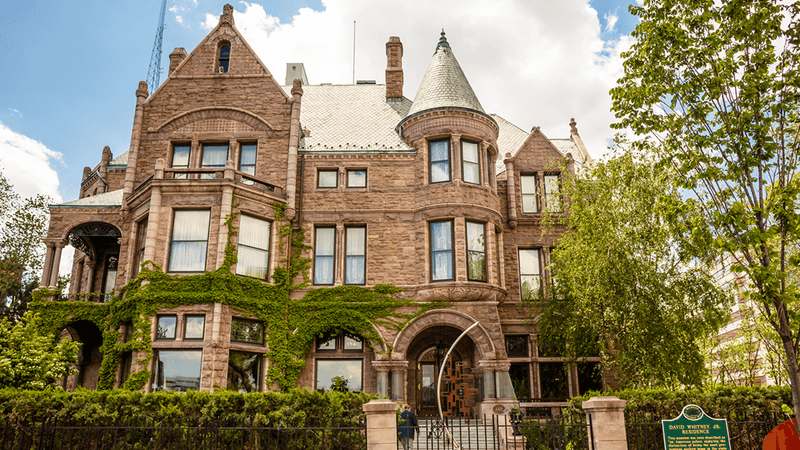
The Whitney occupies one of Detroit’s most architecturally significant buildings.
I’m talking about the gorgeous Romanesque Revival mansion built in 1894 for lumber baron David Whitney Jr.
The building has 52 rooms, hand-carved woodwork throughout, and stained glass windows that were installed during the original construction.
The restaurant has operated inside this historic structure since 1986, making it one of Detroit’s longest-running fine dining establishments.
The menu focuses on American cuisine with an upscale presentation, served across multiple floors of the mansion.
The building itself has been listed on the National Register of Historic Places, which adds a layer of context to every meal served inside it.
Dining in a space with that kind of documented history is a different experience from eating in a purpose-built restaurant, regardless of what is on the plate.
The Whitney is located at 4421 Woodward Ave, Detroit.
The restaurant has hosted private events, weddings, and public dining continuously for decades.
If a building could have a resume, this one’s would be longer than most chefs’ careers and twice as interesting to read.
10. The Apparatus Room
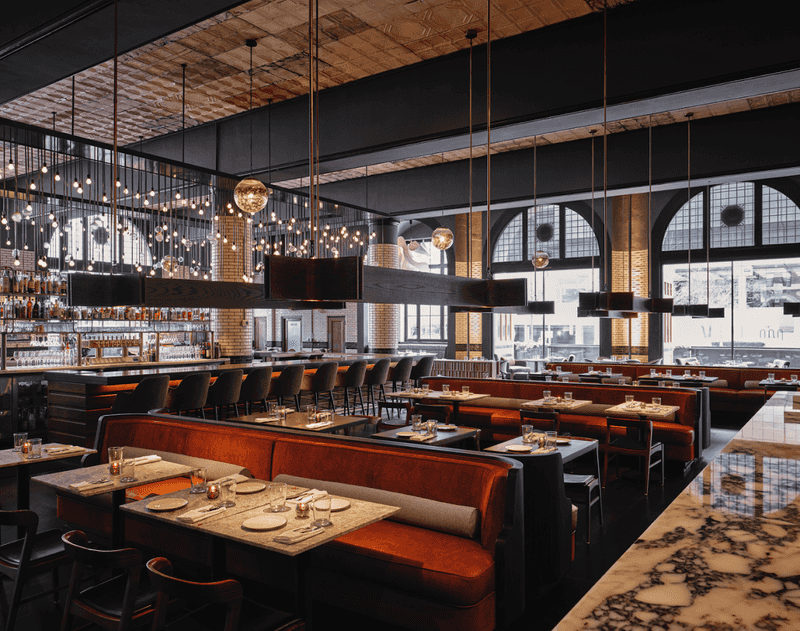
The Apparatus Room is located inside the Detroit Foundation Hotel. It occupies the former Detroit Fire Department headquarters built in 1929.
At 250 W Larned St, Detroit, the building’s original fire apparatus bays have been incorporated into the restaurant’s design, giving the space an architectural context that is genuinely unusual for a dining room.
The menu focuses on contemporary American cooking with a strong emphasis on locally sourced ingredients from Michigan farms and producers.
Opening executive chef Thomas Lents helped establish The Apparatus Room’s technically precise culinary style when the restaurant debuted inside the historic Detroit Foundation Hotel in 2017.
Signature dishes have included items like Michigan whitefish and house-made pastas, though the menu shifts with the seasons.
The kitchen takes a farm-driven approach that aligns with the broader Detroit dining movement toward regional sourcing.
The restaurant has been recognized in national travel and food publications for combining a historically rich setting with serious culinary output.
It is not every day that you eat dinner in a room where fire trucks used to park. That detail alone makes the address worth remembering.
11. Leila
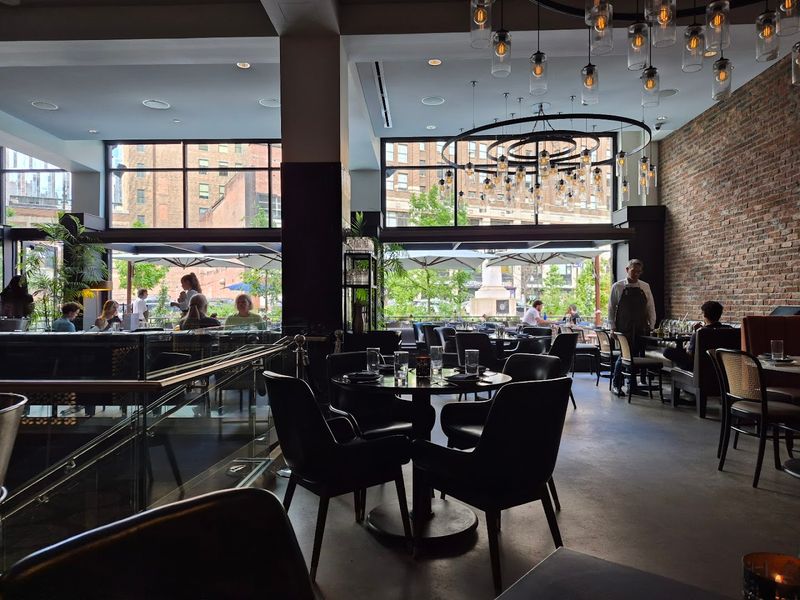
Lebanese cuisine has deep roots in Detroit. One of the largest Arab American communities in the United States has lived here for generations.
Leila draws on that culinary heritage with a menu built around traditional Lebanese dishes prepared with care and consistency.
The menu includes mezze spreads, grilled meats, house-made flatbreads, and slow-cooked dishes that reflect the full range of Lebanese home cooking.
Hummus, fattoush, kibbeh, and shawarma-style preparations appear alongside less commonly seen regional specialties.
Chef and owner Ben Bejjani has spoken publicly about the importance of representing Lebanese food authentically in Detroit’s restaurant scene.
The menu is not a simplified version of the cuisine. It covers significant ground without cutting corners on preparation or ingredients.
Located at 1245 Griswold St, Detroit, Leila sits in the downtown corridor and has drawn attention from food media across Michigan and nationally.
The restaurant has been covered by outlets including Eater Detroit for its approach to Lebanese cooking in a city that has a genuine cultural connection to that food tradition.
This place has a combination worth your appetite, trust me.
12. Trattoria Stella
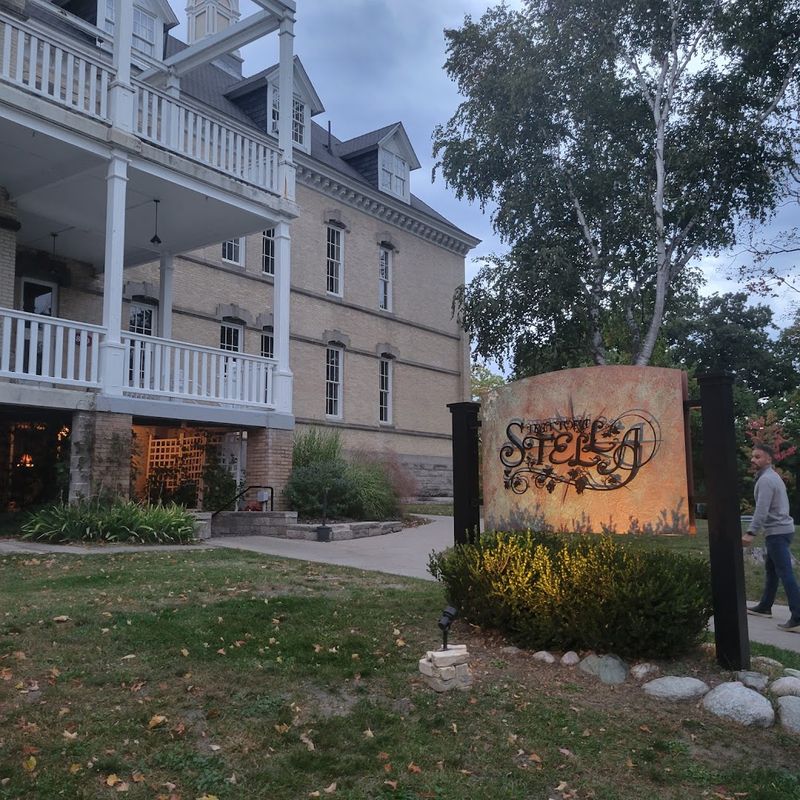
At 830 Cottageview Dr Suite G01, Traverse City, Trattoria Stella operates inside a converted state psychiatric hospital building that dates back to the late 19th century.
The setting alone separates this restaurant from every other Italian trattoria in Michigan, and possibly the entire Midwest.
You know how they say that cured meats cure your soul? No?
But they do!
The kitchen focuses on Italian-inspired cooking with an emphasis on house-made pasta, house-cured meats, and locally sourced ingredients from northern Michigan farms.
Traverse City’s agricultural region produces cherries, vegetables, and grains that find their way onto the menu in thoughtful ways.
Chef Myles Anton has led the kitchen with a commitment to traditional Italian techniques applied to northern Michigan ingredients.
House-made charcuterie and fresh pasta programs are among the more labor-intensive aspects of the operation, and both have received consistent recognition from regional food media.
Trattoria Stella has been named one of Michigan’s top restaurants by multiple publications over the years.
This is a great combination of a historically significant building and serious Italian cooking
Its access to northern Michigan’s agricultural bounty gives this restaurant a profile that is hard to replicate anywhere else in the state.
Old buildings and fresh pasta make surprisingly good neighbors.
13. The Fed Community
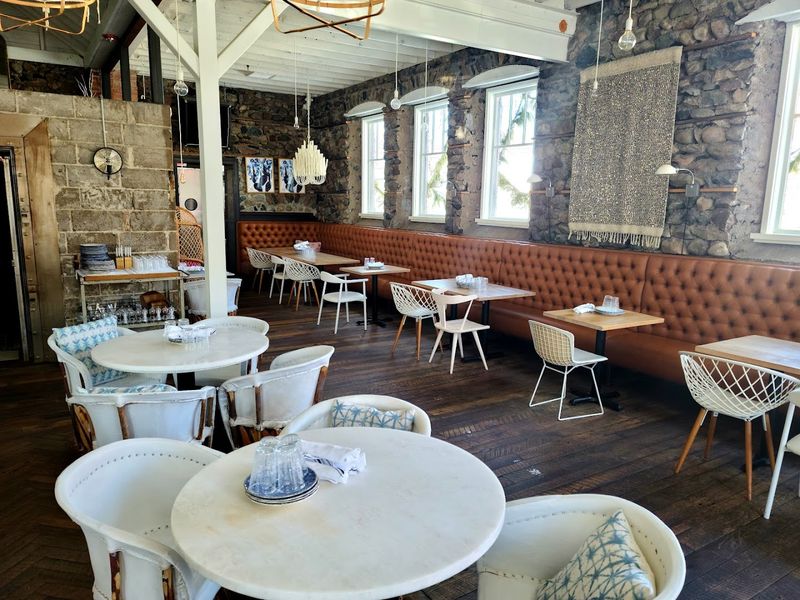
Clarkston is a small town about 40 miles north of Detroit.
The Fed Community has given it a restaurant that punches well above its weight class.
The concept centers on community-driven dining, with a menu that pulls from local farms and producers in the Oakland County area.
The kitchen works with a rotating cast of ingredients based on what regional suppliers have available.
Seasonal salads, wood-fired proteins, and house-made items form the backbone of a menu that changes more often than most diners expect from a small-town restaurant.
The Fed Community has also built a reputation for hosting events and dinners that connect the local farming community with the people eating the food. That direct relationship between producer and plate is increasingly rare and genuinely worth seeking out.
The restaurant is located at 15 S Main St, Clarkston, right in the center of a downtown that has seen renewed dining interest in recent years.
Michigan has so many cities trying to build a food scene.
Clarkston’s approach through The Fed Community shows that size of city has very little to do with quality of kitchen.