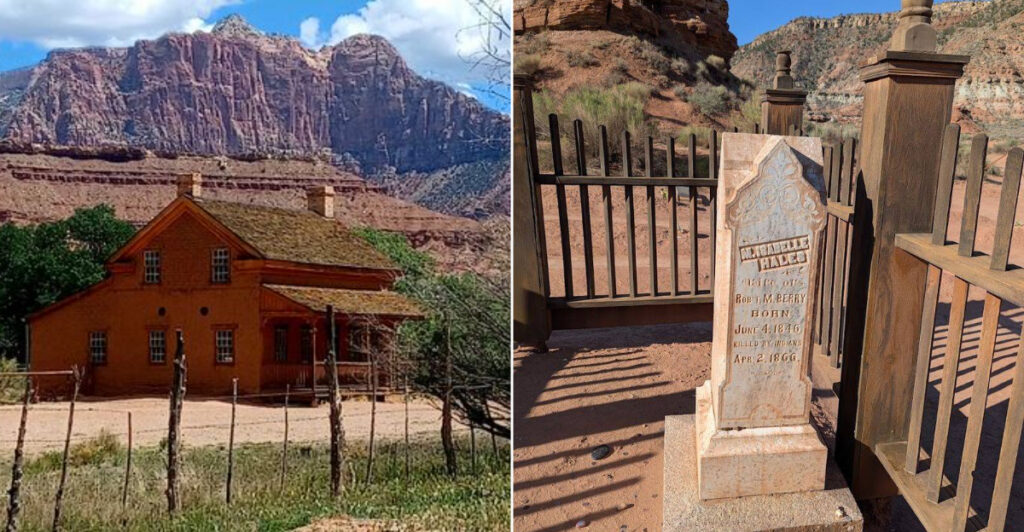
Some historic sites whisper, but this one practically pulls up a chair and starts telling stories. Reached by a dusty road in southern Utah, the cemetery offers no polished exhibits, dramatic lighting, or souvenir shop.
It does not need them. Weathered headstones, family names, and dates carved into stone reveal how demanding frontier life could be, especially in a landscape where heat, isolation, and uncertainty shaped every decision.
Walk slowly and the silence begins to feel less empty, almost crowded with lives once rooted here. This is not a stop for rushing, posing, or checking a box before lunch.
It asks for attention. Among Utah’s red-rock canyons, few places make history feel this personal or this close.
Bring water, sturdy shoes, and genuine curiosity, because the most memorable stories here are not displayed behind glass. They are waiting in plain sight, written into stone beneath the relentless desert sun today.
A Ghost Town’s Last Witness
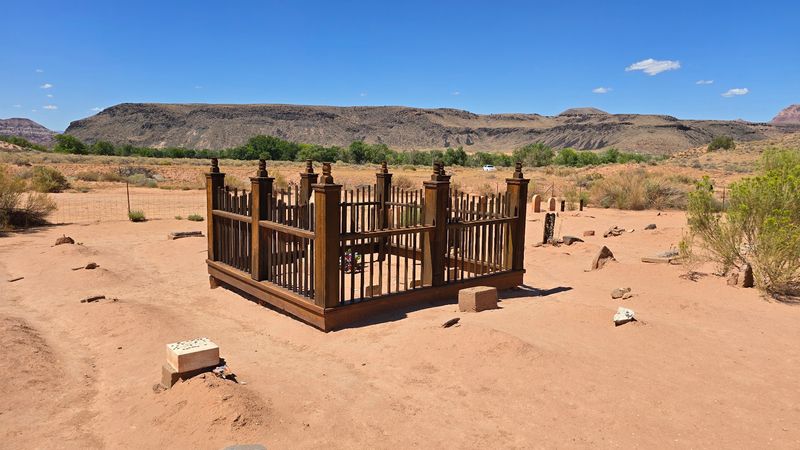
Not every cemetery doubles as a history lesson, but this spot earns that title without even trying. Perched near the ghost town of Grafton outside Springdale, Utah, this burial ground is one of the most well-preserved windows into early settler life in the entire region.
The headstones are legible, the grounds are maintained, and the surrounding canyon landscape adds a backdrop so dramatic it almost feels staged.
Early Mormon pioneers established Grafton in the 1860s along the Virgin River. Life out here was genuinely hard, and the cemetery reflects that honestly.
Visitors encounter markers for men, women, and a striking number of young children, each one a quiet reminder that frontier survival was never guaranteed.
The site is accessible via a dirt road that handles most standard vehicles reasonably well, though checking weather conditions beforehand is smart planning rather than optional caution. The cemetery itself is open until dark, a boundary worth respecting.
What you find here is not morbid curiosity fodder but rather a grounded, human record of people who built something from nothing in one of America’s most demanding landscapes.
Quick Tip: Always verify road and weather conditions before heading out, especially after rainfall in canyon country.
Reading the Headstones: The Stories Carved Into Stone
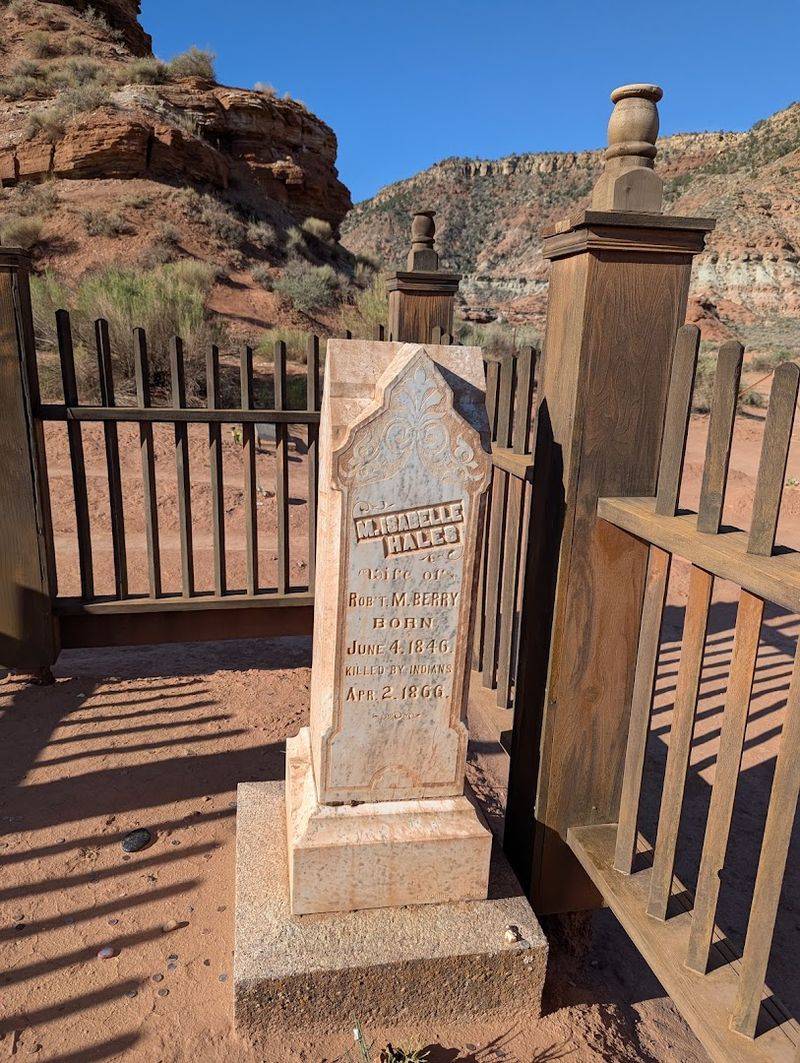
There is something unusually honest about a 19th-century headstone. No filters, no careful phrasing.
Just a name, a date, and sometimes a brief note that lands harder than any paragraph of historical writing ever could. At Grafton Cemetery, the markers do most of the talking, and they are worth reading slowly.
Many of the graves belong to children, which visitors consistently find both sobering and striking. Some died from disease, others from accidents that would have been preventable with modern safety knowledge.
One particularly haunting cluster of children’s graves is connected to a swing accident, a detail that feels almost impossible to process in the context of a remote 19th-century settlement.
The headstones narrate a community that faced disease, conflict, and the relentless physical demands of desert homesteading. Reading them is not a sad exercise so much as a clarifying one.
These were real people with names and families, not background characters in a Western film.
Why It Matters: Each headstone represents a documented life from Utah’s earliest settler era, making this one of the most authentic primary sources of pioneer history accessible to the general public.
The Landscape Factor: Why the Setting Makes Everything Hit Harder
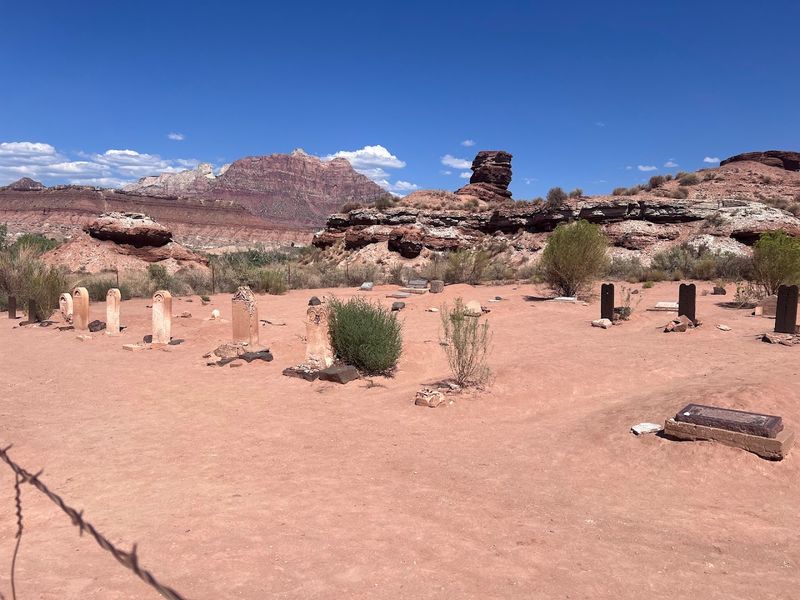
Most cemeteries exist in quiet, tree-lined corners of towns where the surrounding scenery politely steps aside. Grafton Cemetery operates on entirely different visual logic.
The red sandstone cliffs of southern Utah rise directly behind the burial ground in a way that feels almost theatrical, except it is completely real and completely free of any design intention.
The landscape here is part of the Zion Canyon corridor, and the scale of it reframes everything you are looking at. Standing among 19th-century headstones with those canyon walls looming overhead puts the smallness of individual human lives against the permanence of geological time in a way that is quietly staggering.
It is one of those rare spots where the setting amplifies the meaning rather than competing with it.
Photographers find this combination particularly rewarding. The light shifts dramatically throughout the day, and the contrast between the pale stone markers and the rust-colored cliffs creates compositions that require almost no effort to make compelling.
Come in the morning for softer shadows, or late afternoon when the canyon walls glow warmest.
Best For: Photographers, history enthusiasts, and anyone who appreciates when natural scenery and human history genuinely reinforce each other rather than simply coexisting.
Getting There Without Getting Lost: Navigation and Road Conditions
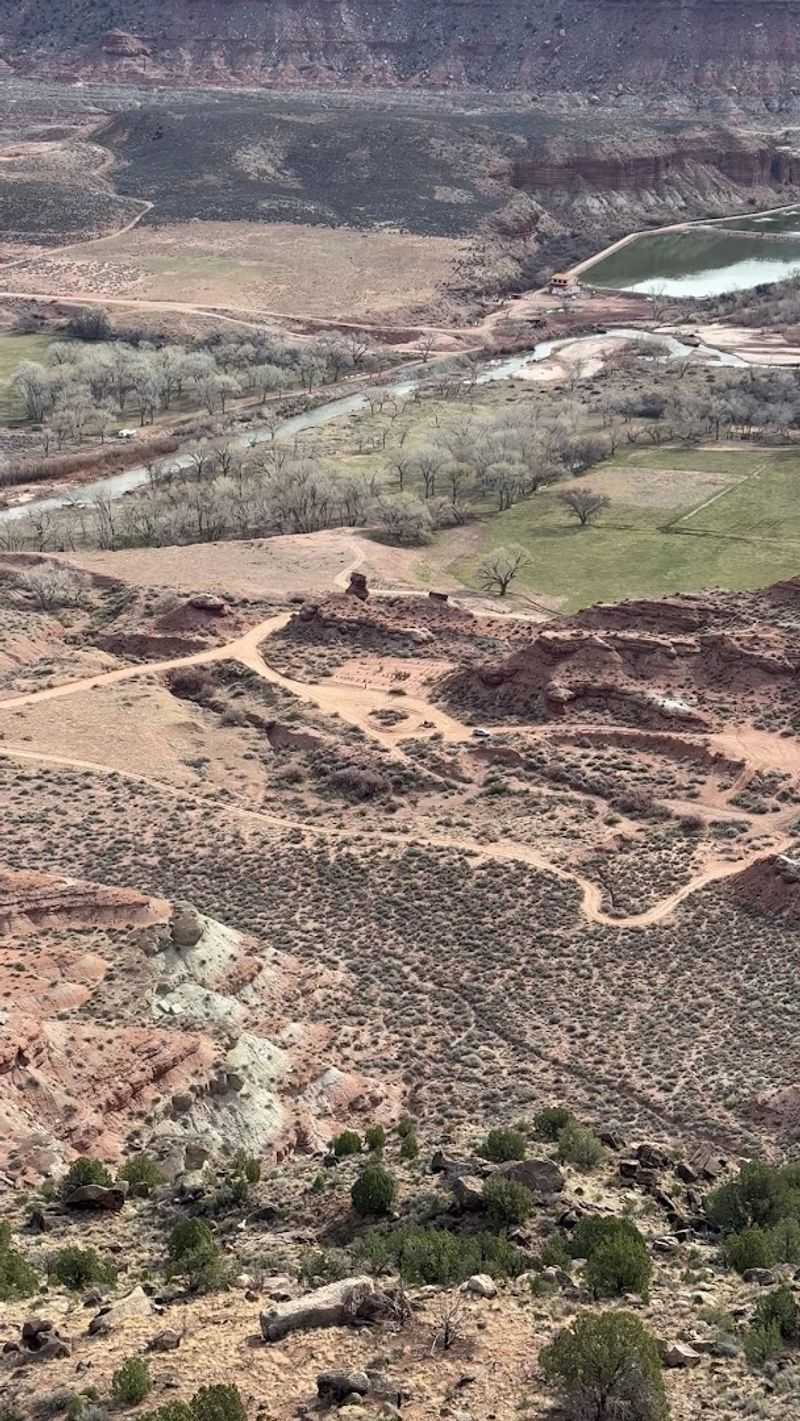
Here is the part where your confidence in digital maps gets a gentle reality check. Multiple visitors have noted that navigation apps occasionally place Grafton Cemetery at the wrong location, which is the kind of travel surprise that builds character but costs time.
Doing a quick search for the correct coordinates or pulling up a trusted travel resource before you leave is genuinely good advice, not just cautionary boilerplate.
The cemetery sits off a dirt road outside Springdale, Utah, and that road is generally manageable for most standard vehicles. However, desert dirt roads and wet weather are not a compatible pairing.
Rain can turn them slick and rutted quickly, so checking conditions before you go is the kind of small effort that prevents the larger effort of getting unstuck.
The drive itself, once you are on the right path, is scenic in a way that rewards patience. The approach through the Virgin River corridor gives you a preview of the canyon country surrounding the site.
Budget extra time not because the route is long but because you will almost certainly stop to take photos before you even reach the cemetery.
Insider Tip: Search for verified coordinates before departing. GPS apps have been known to misroute visitors to this location, and correcting course on a canyon dirt road is nobody’s favorite afternoon activity.
Who Comes Here and Why They Keep Coming Back
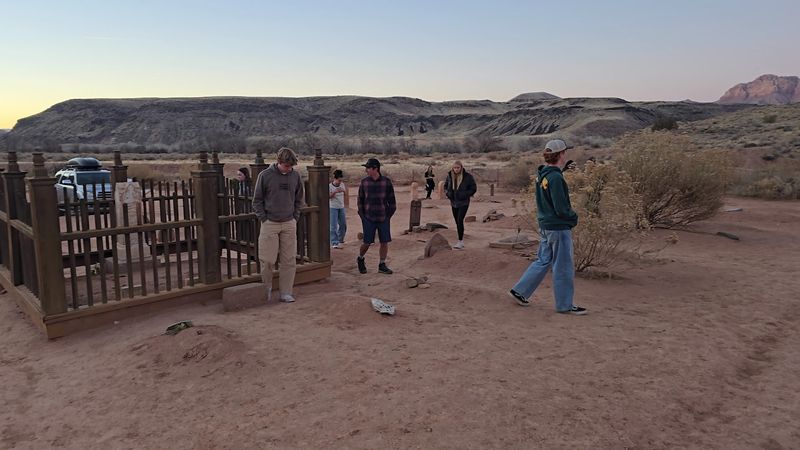
Grafton Cemetery pulls a genuinely varied crowd, which tells you something meaningful about what it offers. History buffs arrive with notebooks.
Photographers show up with tripods. Families come because the combination of ghost town ruins and open desert landscape gives kids something tangible to engage with rather than a glass case full of artifacts they cannot touch.
Couples find it unexpectedly moving. There is something about reading names and dates together, particularly the children’s markers, that prompts real conversation about history, mortality, and the staggering difficulty of lives lived without the infrastructure modern people take entirely for granted.
That is not a planned museum experience. It just happens organically.
Solo visitors tend to linger longest. Without the social rhythm of a group, the quiet of the site settles in more completely, and the details on the headstones get more attention.
The cemetery closes at dark, which visitors note is a rule worth following, and not just out of respect. Canyon country at night, without lighting, is a different kind of environment entirely.
Who This Is For: History enthusiasts, families with curious kids, photographers, and couples seeking a meaningful half-day outing with genuine historical weight and outstanding natural scenery.
Pairing Your Visit: Making It a Proper Half-Day Outing
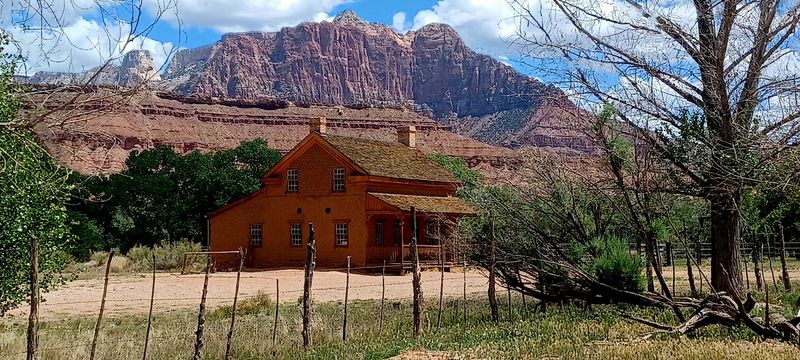
Grafton Cemetery works well as a standalone stop, but it earns its best version when you build a little breathing room around it. The site sits near Springdale, which puts it in easy range of Zion National Park and the broader canyon corridor.
That proximity means a morning at the cemetery can flow naturally into an afternoon of broader exploration without anyone having to make an executive decision under pressure.
A practical approach is to visit the cemetery first, before midday heat sets in and before the afternoon light flattens. The walk through the grounds takes anywhere from thirty minutes to well over an hour depending on how carefully you read the markers and how many photographs you take.
Neither pace is wrong.
After your visit, Springdale’s Main Street offers a short, low-key stroll with local shops and food options that feel appropriately small-town without being self-consciously quaint. It is the kind of post-errand reward that makes the full outing feel complete rather than abbreviated.
The combination of historical depth at the cemetery and the easy accessibility of Springdale creates a half-day that requires almost no logistical heavy lifting.
Planning Advice: Go in the morning, leave time to linger at the headstones, and treat Springdale as your relaxed, low-effort landing spot afterward.
The Honest Final Word: Why Grafton Cemetery Stays With You
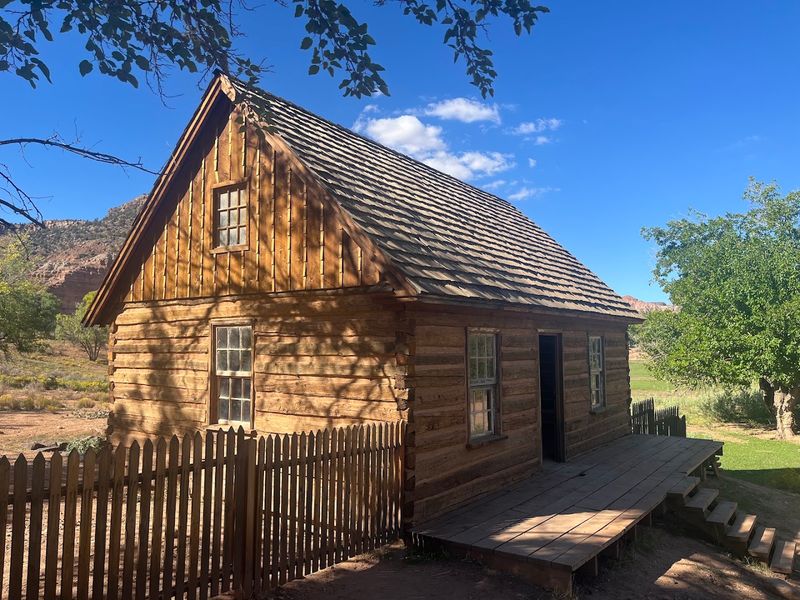
Some places are worth visiting because they are beautiful. Some because they are historically significant.
Grafton Cemetery manages to be both simultaneously, which is rarer than it sounds. The headstones are well-preserved, the landscape is extraordinary, and the combination of the two creates something that most curated historical sites spend considerable money trying to replicate and rarely achieve.
What lingers after a visit is not sadness, exactly, but a kind of recalibration. Reading the names of children who died in the 1800s from causes that modern medicine addresses routinely has a way of quietly rearranging your perspective on daily inconveniences.
That is not a heavy experience so much as a clarifying one, and it stays with you longer than most travel moments do.
The cemetery sits at a near-perfect rating among the visitors who have made the trip, and that near-universal enthusiasm is not accidental. This is a place that delivers exactly what it promises without requiring you to squint or lower your expectations to appreciate it.
Quick Verdict: Grafton Cemetery is one of those rare stops that earns its reputation through genuine historical depth and stunning natural setting. If you are anywhere near Springdale, skipping it would be a decision you quietly regret on the drive home.