Minnesota keeps underselling this one. A beach so clear it makes people question their GPS.
A river so famous it starts here as barely a trickle you can step across. Old-growth pines standing since before the country existed.
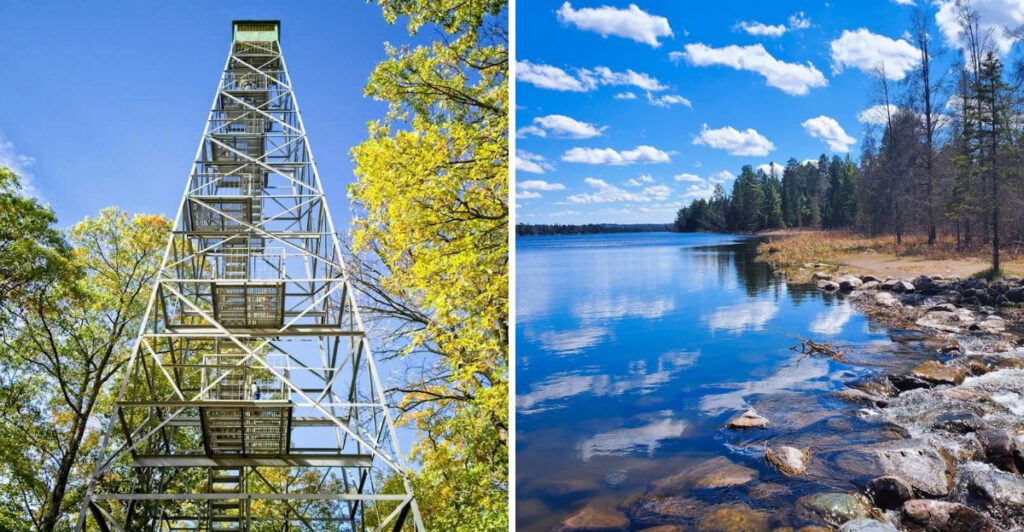
All of it packed into one state park that most visitors from outside the region have never heard of. The fire tower views stretch past what your brain expects from a Midwest afternoon.
The paddling is easy and the hiking goes as deep as you want. Fall turns the whole forest into something worth driving hours to see.
Come for the headwaters and stay for everything that surrounds them, because everything that surrounds them is just as good. Minnesota earned this one.
Where The Mississippi River Is Just Ankle-Deep
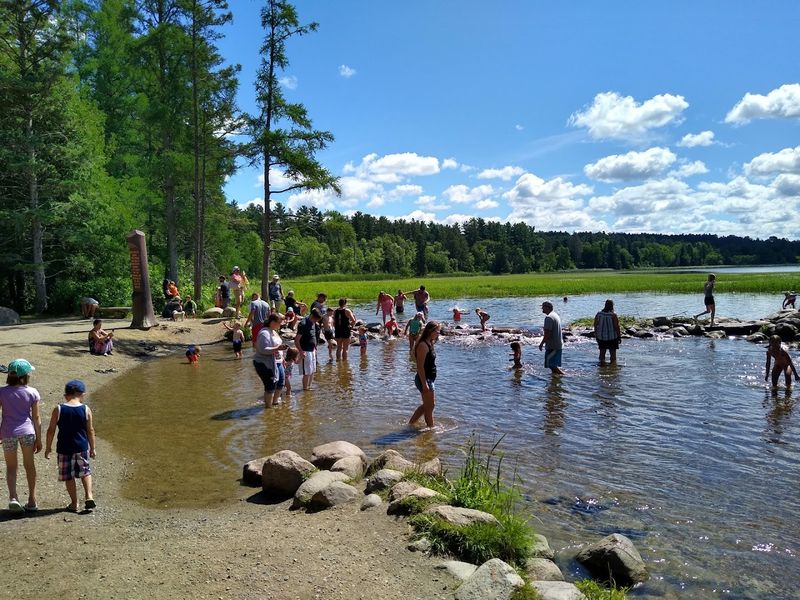
The Mississippi River starts here, and it fits in a puddle. Literally, visitors can step across the entire width of the river without getting their knees wet.
At the headwaters of the Mississippi, a short row of stepping stones crosses the outflow of Lake Itasca. The river at this point is only a few feet wide and barely reaches shin height on most adults.
Yet this is the same river that eventually rolls past New Orleans and empties into the Gulf of Mexico.
The stones can be slippery, so water shoes or careful footing go a long way. Crowds gather here throughout the summer, and weekday visits tend to feel less hectic than weekend rushes.
The walk from the main visitor parking area to the headwaters is roughly 800 feet, making it accessible to most ages and mobility levels. Standing at that crossing and looking downstream, knowing what that trickle eventually becomes, is one of those moments that quietly sticks with you.
Old-Growth Pines That Make You Feel Small In The Best Way
Forget the beach for a moment. The trees here deserve their own conversation entirely.
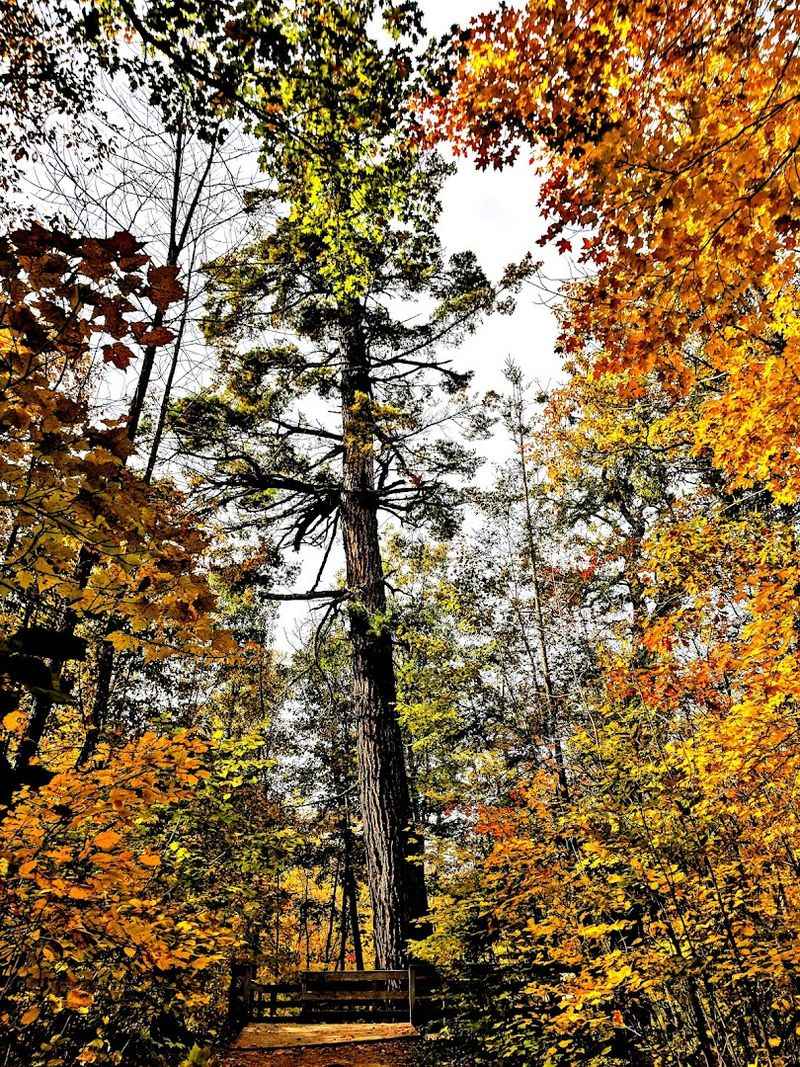
Itasca State Park protects some of the last remaining old-growth pine forest in Minnesota. These red and white pines have been standing for centuries, and walking beneath them feels less like a hike and more like wandering into a cathedral.
The trunks are massive, the canopy is dense, and the forest floor stays cool even on hot summer days.
The Bohall Trail and several other routes wind directly through these ancient stands, giving hikers a close-up look at what pre-settlement Minnesota forests actually looked like. Wildflowers bloom along the trail edges in late spring, adding bursts of color beneath the dark pine boughs.
Birding is excellent here too, with species like the red-breasted nuthatch and pileated woodpecker calling the old pines home. The silence under those trees is the kind that city people forget exists until they are standing right inside it.
The Beach That Breaks Every Midwest Stereotype

People pull up to the Lake Itasca swimming beach and immediately start second-guessing their map app. The water looks too clear, too blue, too coastal for a landlocked Midwest state park.
The sandy beach sits along the edge of Lake Itasca and draws swimmers, waders, and families who want a beach day without the eight-hour drive to the coast. A playground, picnic shelter, and volleyball net sit nearby, making it easy to spend an entire afternoon without moving far from the shoreline.
Water shoes are a smart call here, especially near the rocky areas. The lake bottom shifts between sand and stone depending on where you wade in.
Early summer tends to bring the clearest water conditions before the warmth of July and August settles in. Itasca State Park, located at 36750 Main Pk Dr, Park Rapids, MN 56470, earns its reputation one surprised visitor at a time.
Nothing about this beach whispers “Minnesota” until the loons start calling at dusk.
A Fire Tower With Views Worth Every One Of Those 135 Steps

Climbing 135 steps sounds like a workout. At the top of the Aiton Heights Fire Tower, it feels more like a reward.
The tower sits about a half-mile hike from the trailhead, and the path involves a fairly steep incline that gets the legs burning before the climb even begins. But the view from the top stretches across an unbroken sea of pine and hardwood forest, dotted with lakes glinting in the sunlight.
On a clear day, the panorama reaches far beyond what most visitors expect from a Midwest state park.
The hike to the base of the tower is worth doing even for those who skip the climb. The trail passes through mature forest and offers its own quiet reward in the form of birdsong and filtered light.
Fall is particularly stunning from up top, when the forest below shifts into waves of orange, gold, and red. Plan for the round trip to take at least an hour, especially if the group includes younger kids or anyone who wants to linger at the summit.
Paddling Through A Park That Has More Than 100 Lakes
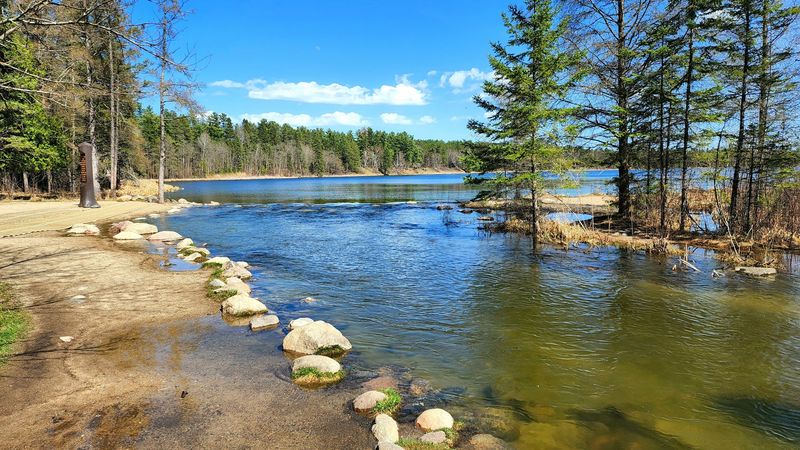
One lake would be enough for most parks. Itasca State Park has over 100 of them, and paddlers treat that number like a personal challenge.
Itasca Sports, the lakeside concessionaire at Lake Itasca, rents out canoes, kayaks, paddleboats, pontoons, and rowboats. Visitors who show up without gear leave with no excuse not to get on the water.
The lake itself is large enough to feel like an adventure but calm enough for beginners to enjoy without stress.
Fishing is popular across the park’s many lakes, with walleye, northern pike, and bass all present in various waters. Paddleboarding has grown in popularity here as well, with the flat, wind-sheltered sections of Lake Itasca offering ideal conditions on calm mornings.
Sunrise paddles are especially memorable, when the mist sits low on the water and the forest edge reflects perfectly off the surface. Minnesota has thousands of lakes, but the ones inside this park feel a little more special because of everything surrounding them.
Biking Trails That Actually Go Somewhere Worth Going
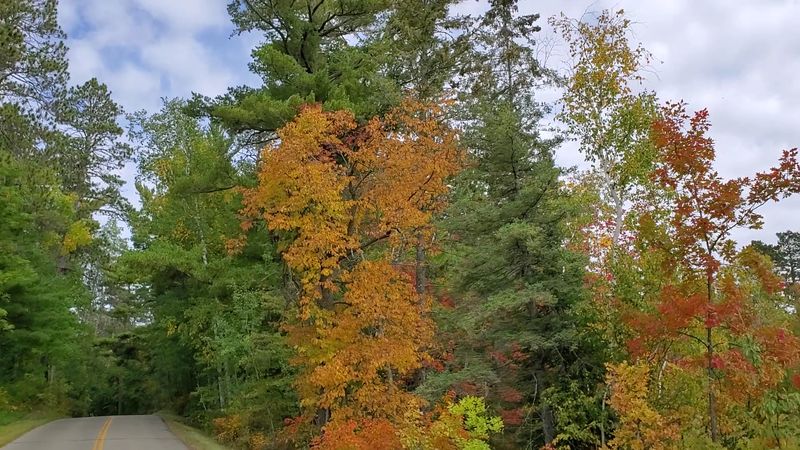
Paved bike trails through old-growth forest sound like something out of a travel fantasy. At Itasca, that is just a Tuesday afternoon.
The park features a well-maintained paved trail system that winds through forest, past lakes, and along the scenic Wilderness Drive corridor. Cyclists of all skill levels find something here, from easy flat stretches suitable for young kids to longer loops that cover meaningful ground through the park’s interior.
Bike rentals are available inside the park, and a repair shop on-site stocks basic supplies for trail emergencies.
Late May brings wildflowers blooming along the trail edges, adding unexpected color to the pine-shaded paths. Fall cycling is equally popular, when the hardwood sections of the forest light up in amber and gold.
The trails are wide enough to share comfortably, and traffic tends to be lightest on weekday mornings. For visitors who want to cover more of the park’s 32,000-plus acres without hiking every mile, the bike trail system is the most efficient and scenic option available.
Camping Under A Canopy That Feels Miles From Civilization

Pulling into a campsite at Itasca and hearing nothing but wind through the pines is a feeling that resets something in the brain.
The park offers a range of camping options, from standard tent sites to electrical hookups and rustic cabins. The cabins come equipped with basic amenities including a futon, bed, microwave, kitchen sink, and small refrigerator, making them a solid middle ground between roughing it and full comfort.
Shower facilities on-site are consistently described as clean and well-maintained, with good water pressure.
The campground sits within the larger forest, so wildlife sightings near the sites are common. Deer, foxes, and a wide variety of birds move through regularly.
The park’s size means that even during busy summer weekends, the campsites feel relatively private once the trees close in around a site. Arriving with a loose plan for the days ahead helps, since 32,000 acres of trails, lakes, and landmarks can feel overwhelming without some direction.
The park is big enough that five nights here barely scratches the surface.
The Visitor Center That Punches Way Above Its Weight

State park visitor centers usually mean a few faded maps and a rack of brochures. The one at Itasca is a different situation entirely.
The Mary Gibbs Mississippi Headwaters Center is significantly larger and better stocked than what most state parks offer. The gift shop alone draws visitors who were not planning to shop, with a wide range of Minnesota-themed souvenirs, books, and nature items.
Staff are known for being genuinely helpful and willing to recommend trails, nearby attractions, and timing tips for beating the crowds.
A hands-on nature section designed for younger visitors makes the center a useful stop even before hitting the trails. Kids can engage with exhibits that explain the ecology of the headwaters region and the story of the Mississippi River’s origin.
The headwaters themselves are only about 800 yards from the parking area near the center, so most visitors pair the two stops naturally. Accessibility features including wheelchair accommodations and paved paths make the headwaters area reachable for visitors of varying mobility levels.
Fall Colors That Turn The Whole Park Into A Painting
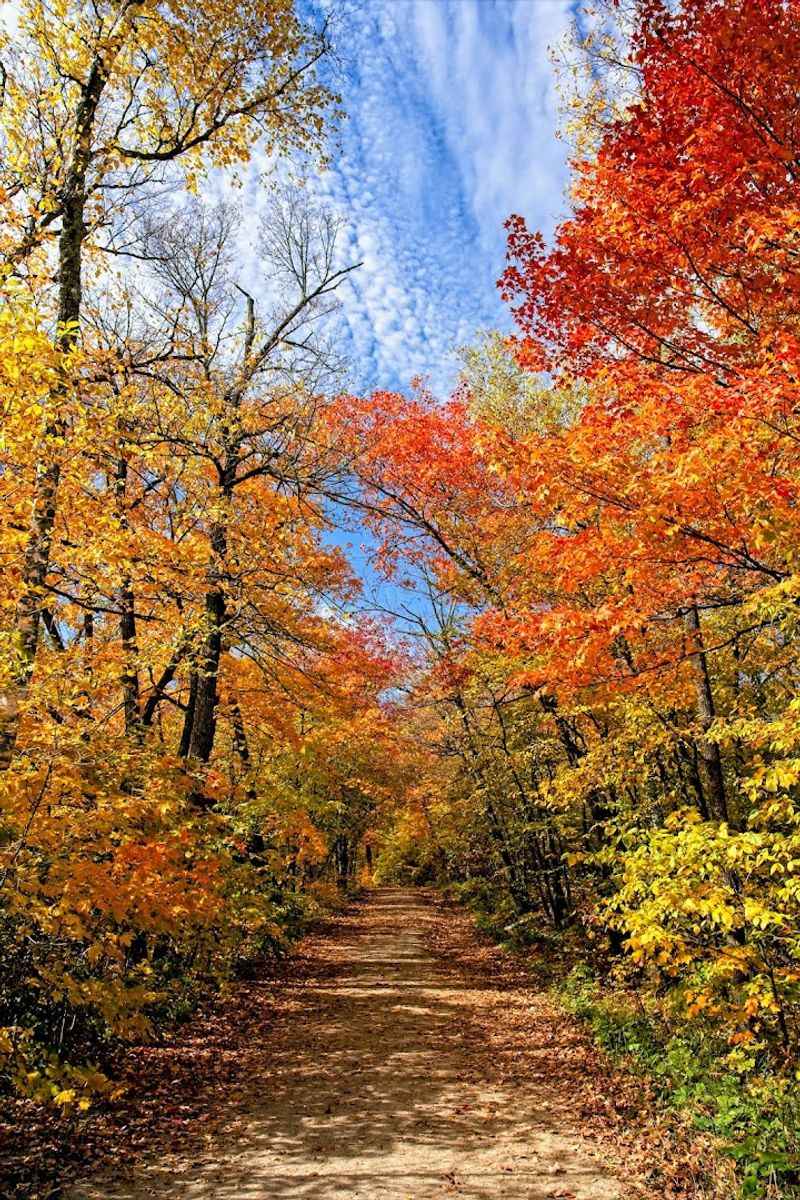
Summer gets all the attention, but fall at Itasca might be the season that actually earns the most loyalty from repeat visitors.
The park’s mix of pine forest and hardwood stands creates a layered fall display that peaks somewhere between late September and mid-October. The pines stay green while the maples, aspens, and birches turn in waves of orange, gold, and deep red.
The contrast between the dark evergreen canopy and the bright deciduous color is genuinely striking, especially along the Wilderness Drive.
Hiking trails that feel familiar in summer take on a completely different character when the leaves are turning. The Dr. Roberts Trail, which runs through varied terrain past an old cabin, becomes especially atmospheric in fall.
Crowds thin out compared to the peak summer rush, making it easier to find quiet moments on the trails and at the headwaters. Visitors who time a fall trip right often describe it as the most beautiful version of the park they have ever seen.
The Wilderness Drive That Earns Its Name

Most scenic drives at state parks are pretty in a mild, forgettable way. The Wilderness Drive at Itasca is the kind that people talk about on the way home.
This one-way road winds through the park’s interior, passing through old-growth forest, wetlands, and lake overlooks. Historical markers dot the route, giving drivers a reason to slow down and step out at various points.
The drive is best taken without rushing, since the scenery rewards patience and the pull-offs offer framing that photographs rarely do justice to.
Wildlife encounters along the drive are common, particularly in early morning and late afternoon when deer, herons, and other animals are most active. The road is paved and manageable for standard vehicles, though the one-way design means there is no turning back once the route begins.
Visitors who do the drive after seeing the headwaters tend to leave with a fuller picture of just how vast and varied this park really is. Minnesota has scenic roads, but few feel this immersive.
Water Quality Worth Watching And A Lake Worth Protecting
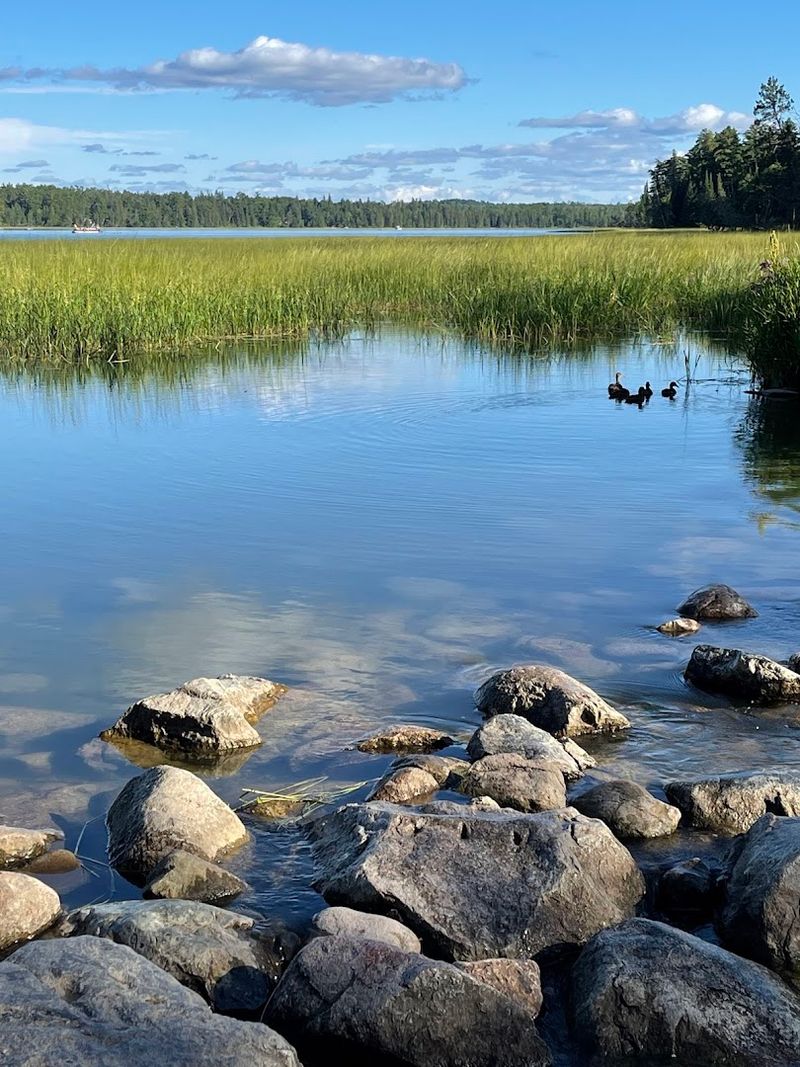
The beach looks beautiful. The backstory behind the lake’s health adds a layer of complexity that honest visitors should know about.
Lake Itasca has historically been described as pristine, with clear blue water that surprises first-time visitors. However, the Minnesota Department of Natural Resources has flagged a gradual decline in water quality over recent years.
Elevated nutrient levels have raised concerns about potential algae blooms, and the lake received a grade that researchers describe as surprisingly low for a body of water with such an undisturbed surrounding watershed.
Scientists point to the lake’s shallow depth, unusual shape, and warming temperatures as contributing factors. The situation is being monitored closely, and ongoing research aims to better understand what is driving the change.
For visitors, the lake remains a beautiful and meaningful destination. The shoreline is largely undeveloped, the surrounding forest is intact, and the headwaters area retains its wild character.
Awareness of the lake’s challenges only deepens appreciation for the preservation work happening quietly around it every season.
Why This Park Deserves A Spot On Every Minnesota Bucket List
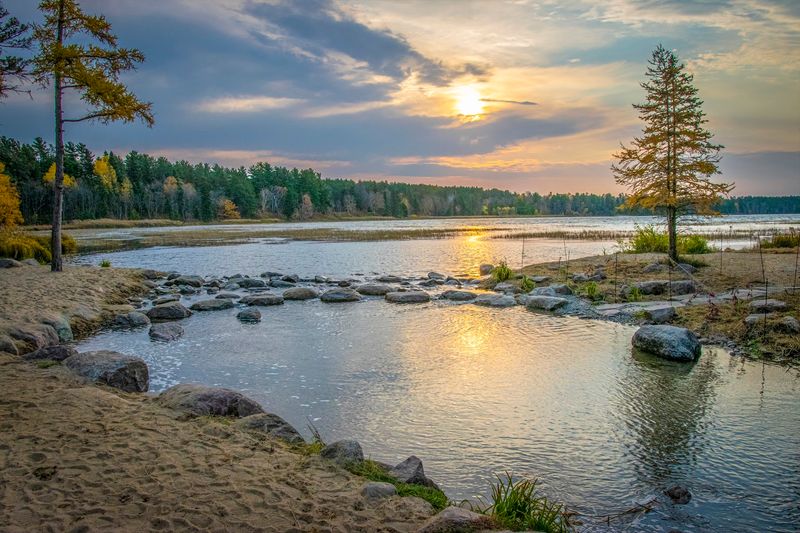
Over 32,000 acres. More than 100 lakes.
The birthplace of one of the mightiest rivers in North America.
The park sits near Park Rapids in northern Minnesota and holds a 4.9-star rating across thousands of visitor reviews, which for a state park is essentially a standing ovation. The combination of accessible landmarks like the headwaters and fire tower, alongside deeper wilderness experiences on lesser-traveled trails, makes it work for day-trippers and multi-night campers equally well.
Weekday visits tend to offer a quieter experience, especially at the headwaters area, which draws large crowds on summer weekends. Bringing a rough itinerary helps first-timers avoid the feeling of being overwhelmed by the park’s scale.
The cafe inside the park keeps prices reasonable, and the facilities stay well-maintained throughout the season. For a state that sometimes undersells its own natural wonders, Minnesota got this one right.
Itasca is not just a park. It is a full argument for staying closer to home.