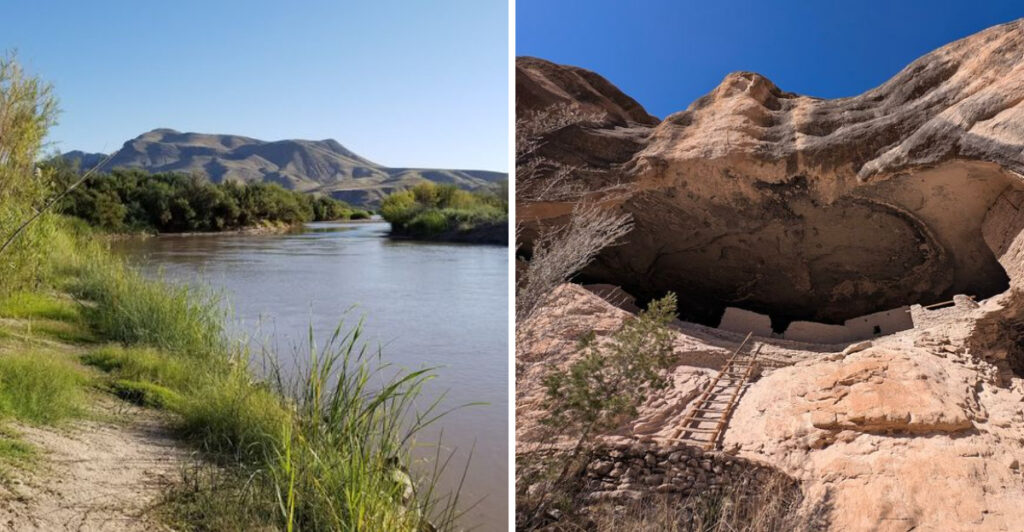
New Mexico is the kind of place that makes you pull the car over because your brain needs a second. This road trip started in the least dramatic way possible.
I was sitting in Arkansas, flipping through old travel magazines, when I stopped on a photo of white dunes under a wild blue sky. It looked unreal.
Not pretty in a casual way. More like, how is this actually on Earth?
So I built a seven-stop route and went looking for the place behind the picture. The dunes were only the beginning.
The drive kept changing on me. Ancient footprints showed up like a message from another time.
Black volcanic rock stretched across the ground. Old forts sat there with stories still hanging in the air.
By the time I reached the canyon forests, I understood why this trip had stuck in my head. Some places really do live up.
White Sands National Park
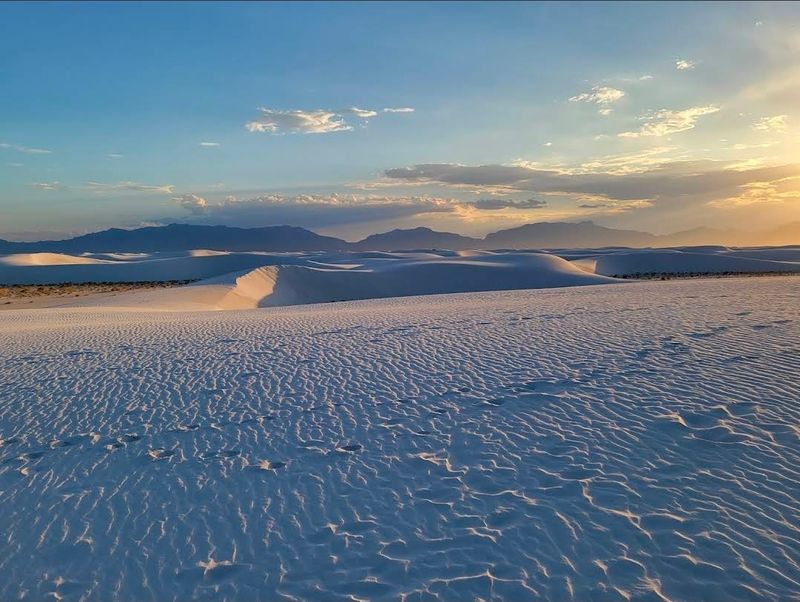
My first step onto the gypsum dunes at White Sands felt like walking onto a page from a science fiction novel, except everything was absolutely real.
White Sands National Park sits at 19955 US-70, Alamogordo, NM 88310, right in the heart of the Tularosa Basin in southern New Mexico.
The park protects the largest gypsum dunefield on the planet, covering a sweeping 275 square miles of powdery, brilliant white sand that stays cool even in summer heat.
What makes this place truly jaw-dropping is not just the scenery but the layers of history buried beneath it.
Scientists discovered fossilized human footprints here that are estimated to be between 21,000 and 23,000 years old, making them some of the oldest known evidence of humans in the Americas.
The Tularosa Basin has drawn people for over 10,000 years, and standing here, it is easy to understand why.
Salt deposits north of Lake Lucero were historically important to the region, and disputes over access helped lead to a heated conflict in the 1800s known as the Salt War.
The park was first designated a National Monument in 1933 and was elevated to National Park status in December 2019.
During World War II, the U.S. military used the dunefield for weapons testing, and the first atomic bomb was detonated at the nearby Trinity Site.
Sledding down the dunes on a rented plastic sled is a completely legitimate activity here and one I highly recommend.
The Dune Life Nature Trail is a great starting point for first-time visitors, offering short, well-marked paths through some of the most photogenic terrain imaginable.
Sunrise and sunset paint the dunes in soft pink and gold tones that make every photo look professionally edited.
Plan at least a half-day here, because leaving early is something you will quietly regret the entire drive home.
Organ Mountains-Desert Peaks National Monument
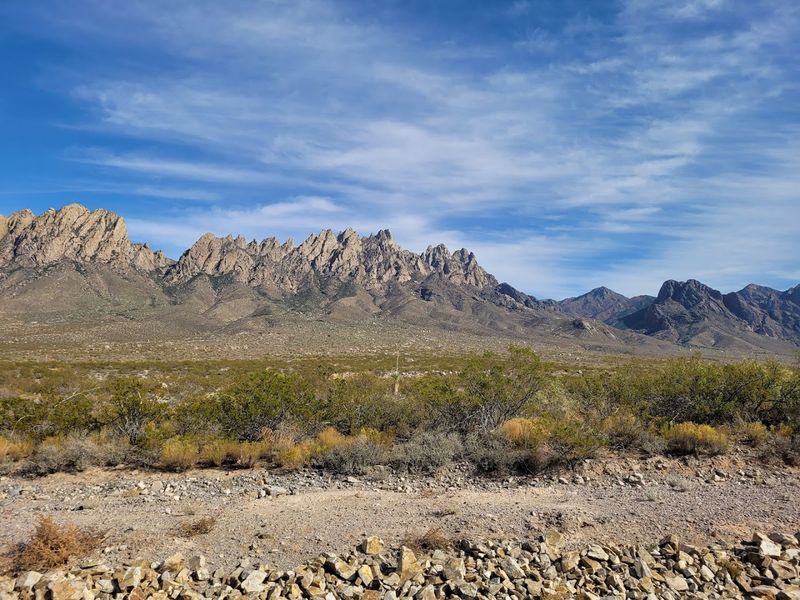
Few mountain ranges in the American Southwest look as dramatically jagged as the Organ Mountains, whose spiky granite peaks jut into the sky like the pipes of a cathedral organ.
Organ Mountains-Desert Peaks National Monument is located at 15000 Dripping Springs Rd, Las Cruces, NM 88005, and it protects one of the most geologically diverse landscapes in the entire region.
The monument covers a vast stretch of Chihuahuan Desert terrain, volcanic tablelands, and rocky canyons that shift in color from rust red to deep purple depending on the light.
Hikers of all experience levels find trails here that match their pace, from gentle desert walks to rugged summit approaches with sweeping panoramic views.
The area is also rich with cultural history, as Indigenous peoples and later Spanish settlers moved through these passes for centuries, leaving behind traces still visible today.
Wildlife is surprisingly abundant here, and patient visitors often spot roadrunners, mule deer, javelinas, and golden eagles going about their day without much concern for onlookers.
The Baylor Pass Trail is a local favorite, cutting through a natural gap in the mountains and rewarding hikers with views that stretch far into the desert basin below.
Spring wildflower season transforms the lower desert slopes into a patchwork of color that feels almost celebratory after a long winter.
Las Cruces itself is a vibrant city with great food and a lively arts community, so pairing a monument visit with an afternoon in town is a smart move.
The monument does not charge an entrance fee, which makes it one of the most accessible outdoor destinations in southern New Mexico.
I had read about this area in a travel feature written by a journalist based in Arkansas, and the real thing exceeded every expectation set by that article.
Leave time to watch the evening light hit the peaks, because that moment alone is worth the detour.
Leasburg Dam State Park
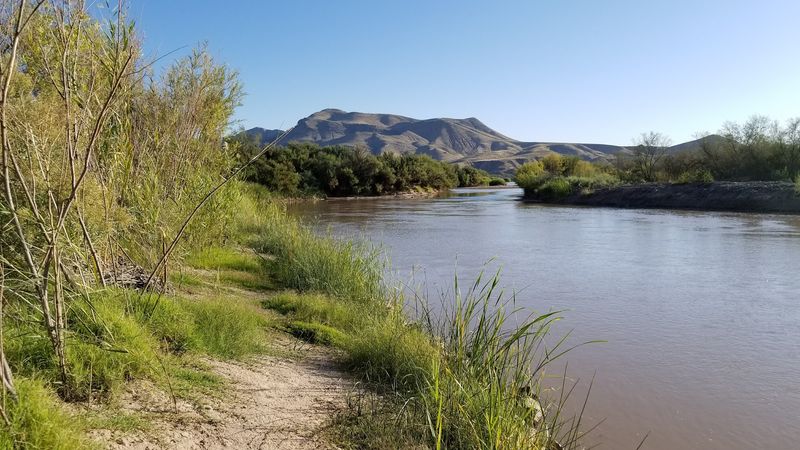
Right where the Rio Grande slows down and the cottonwood trees lean over the water like they are checking their reflection, Leasburg Dam State Park offers a kind of quiet that most road trips never stumble into.
The park is located at 12712 State Park Rd, Radium Springs, NM 88054, just a short drive north of Las Cruces in the southern Rio Grande Valley.
A low diversion dam here redirects water into an irrigation canal system that has supported farming in the valley for well over a century.
The park is compact but genuinely lovely, with shaded picnic areas, a campground with electric hookups, and easy river access that makes it a favorite among families and anglers alike.
Fishing is a big draw here, particularly for catfish and bass, and the river setting gives the whole experience a relaxed, unhurried quality that bigger parks sometimes lack.
Bird watchers will find plenty to keep their binoculars busy, as the riparian corridor along the Rio Grande acts as a natural highway for migratory and resident bird species throughout the year.
The campground sits close enough to the water that you can hear the river at night, which turns a regular camping trip into something genuinely restful.
Hiking trails wind through the bosque, the Spanish word for the dense riverside woodland of cottonwoods and willows that lines much of the Rio Grande.
The park is small enough to explore in a single afternoon but layered enough in atmosphere that it never feels rushed or incomplete.
Families traveling with kids will appreciate the open grassy areas and the gentle terrain, which keeps everyone comfortable without requiring specialized gear.
Radium Springs is a quiet community, and the park fits that energy perfectly, offering a genuine pause between the bigger stops on this route.
Stop here mid-afternoon and let the river do its thing for a while.
Gila National Forest
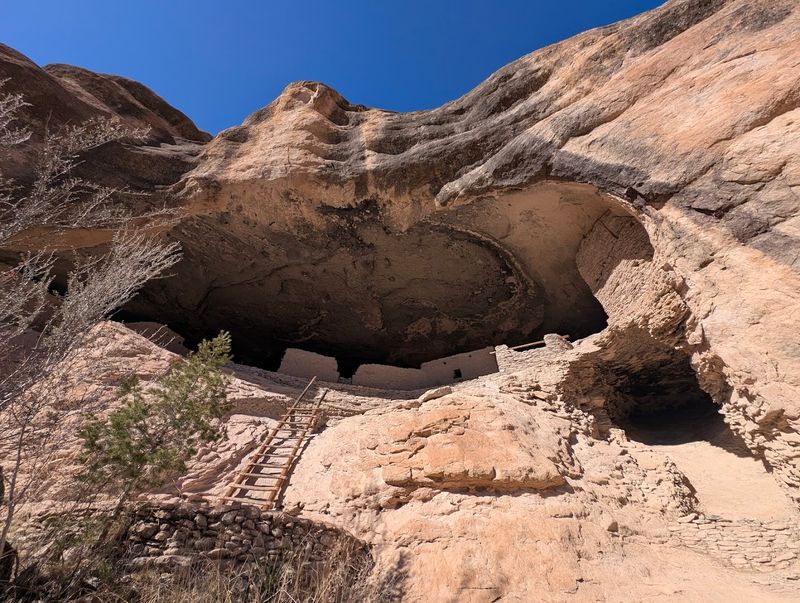
Gila National Forest is the kind of place that makes you forget you are still in the same state as those white sand dunes you visited two stops ago.
The forest headquarters are located at 3005 E Camino del Bosque, Silver City, NM 88061, and the forest itself sprawls across more than three million acres of mountains, canyons, and river valleys in southwestern New Mexico.
The Gila Wilderness within the forest was the first designated wilderness area in the United States, set aside in 1924 largely thanks to the advocacy of conservationist Aldo Leopold, who worked here as a forest ranger.
This remote protected area remains one of the most undisturbed natural landscapes in the lower 48 states.
The Gila River cuts through dramatic canyon country here, and the Middle Fork Trail follows the river through a landscape of hot springs, towering cliffs, and ancient cliff dwellings left by the Mogollon people.
Those cliff dwellings, now protected as Gila Cliff Dwellings National Monument, are just a short drive into the forest and absolutely worth the extra miles.
Wildlife in the Gila includes black bears, mountain lions, elk, wild turkeys, and the rare Mexican gray wolf, which has been reintroduced here as part of a recovery program.
Silver City itself is a charming arts town with excellent local restaurants, independent galleries, and a historic downtown that deserves at least an evening of wandering.
The forest is ideal for backpacking, horseback riding, fly fishing, and off-road driving, giving outdoor enthusiasts a nearly endless menu of options.
Elevation changes dramatically across the forest, meaning temperatures can shift significantly between the desert foothills and the pine-covered peaks.
Pack layers and bring more water than you think you need, because the terrain here rewards preparation.
Once the forest pulls you in, a single day will never feel like enough.
Dripping Springs Natural Area
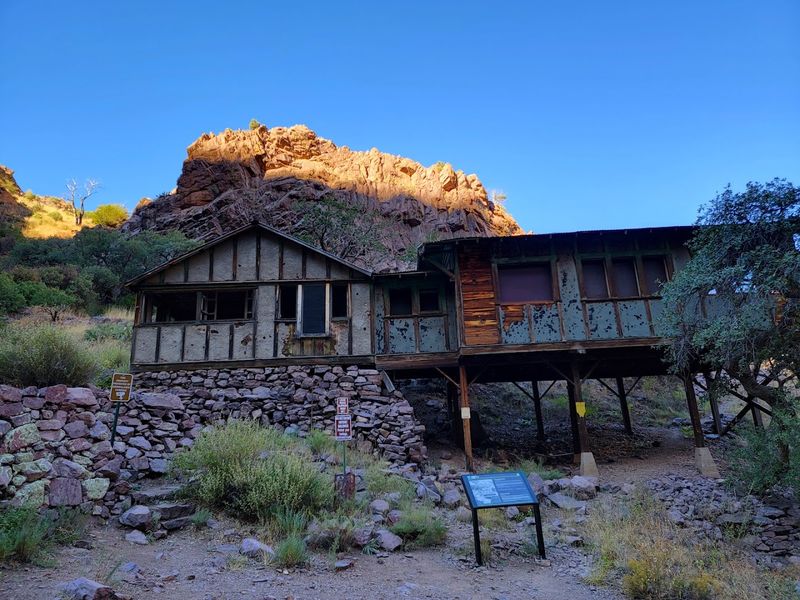
Set into the western foothills of the Organ Mountains, Dripping Springs Natural Area earns its name from a small seasonal spring that seeps through the canyon walls and keeps the surrounding vegetation noticeably greener than the surrounding desert.
The natural area shares its address with the monument headquarters at 15000 Dripping Springs Rd, Las Cruces, NM 88005, and sits within the broader Organ Mountains-Desert Peaks National Monument.
The natural area has more than four miles of easy hiking trails, including the Dripping Springs Trail, which passes through classic Chihuahuan Desert scenery, with lechuguilla, sotol, and a surprising variety of cactus species lining the path.
At the end of the trail, visitors reach the ruins of a resort hotel built in the late 1800s, which once attracted guests seeking the dry desert air as a remedy for respiratory illness.
The canyon also holds the remains of a sanatorium that operated in the early twentieth century, giving the area a layered human history that adds real depth to what might otherwise feel like a simple nature walk.
The spring itself is modest but genuinely refreshing, and the sound of water in a desert canyon has a way of stopping you in your tracks.
Early morning visits are particularly rewarding here, as the canyon walls glow warm orange in the first light and the desert birds are most active before the heat builds.
Mule deer are commonly spotted near the ruins in the early morning, moving quietly through the brush with an unhurried confidence.
The trail is well-maintained and suitable for most fitness levels, making it a solid choice for families or anyone looking for a scenic half-day outing.
Birding is excellent here, with canyon wrens, curve-billed thrashers, and various raptor species frequently spotted along the route.
Bring a hat, solid footwear, and a full water bottle, because the desert sun does not negotiate.
The ruins alone make this one of the most unexpectedly fascinating stops on the entire route.
City of Rocks State Park
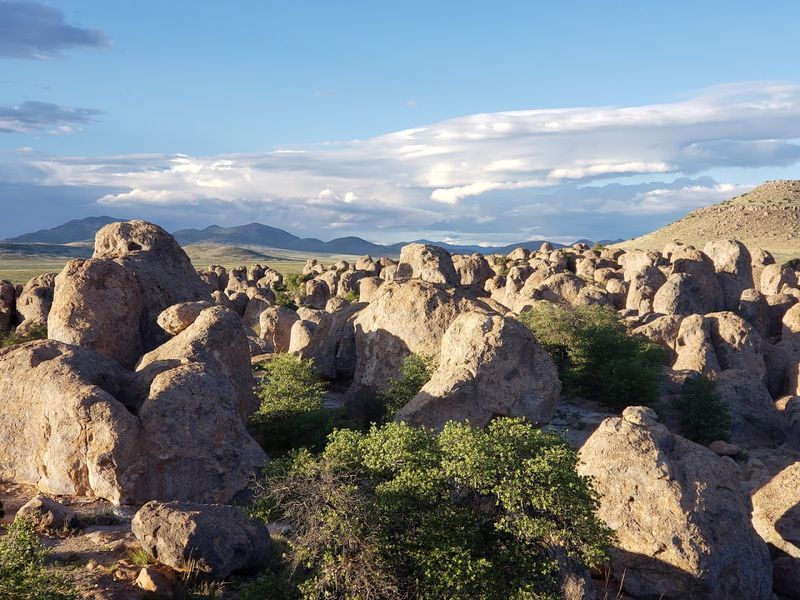
Somewhere between a sculpture garden and a geological fever dream, City of Rocks State Park is one of the most visually surreal places I have ever camped in my life.
The park is located at 327 Hwy 61, Faywood, NM 88034, in the high desert of southwestern New Mexico, roughly halfway between Silver City and Deming.
The rocks themselves are ancient volcanic formations that were shaped over millions of years by wind and rain into a dense cluster of towering monoliths, some reaching over 40 feet tall.
Walking through the formations feels like navigating a natural labyrinth, with narrow passages opening into hidden clearings and every turn revealing a completely different view.
Campsites are literally nestled between the rock formations, which means waking up surrounded by ancient stone walls and a sky full of stars overhead.
Dark sky enthusiasts make special trips here, as the remote location and minimal light pollution create some of the best stargazing conditions in the entire state.
The park also features a small cactus garden with labeled specimens, which is a surprisingly interesting stop for anyone curious about the variety of desert plant life in the region.
Rock climbing is permitted in certain areas of the park, and the formations offer creative routes for climbers of various skill levels.
Birdwatching is solid here too, with several raptor species hunting above the rocks and smaller desert birds moving through the brush at ground level.
Traveling through New Mexico reminded me of a road trip I once took through Arkansas, where the landscape kept surprising me around every bend in a way I had not anticipated.
The campground fills up on weekends, especially in spring and fall, so booking ahead is a genuinely good idea rather than an optional suggestion.
City of Rocks is the kind of stop that people photograph obsessively and then struggle to describe accurately to anyone who has not been there.
Fort Selden Historic Site
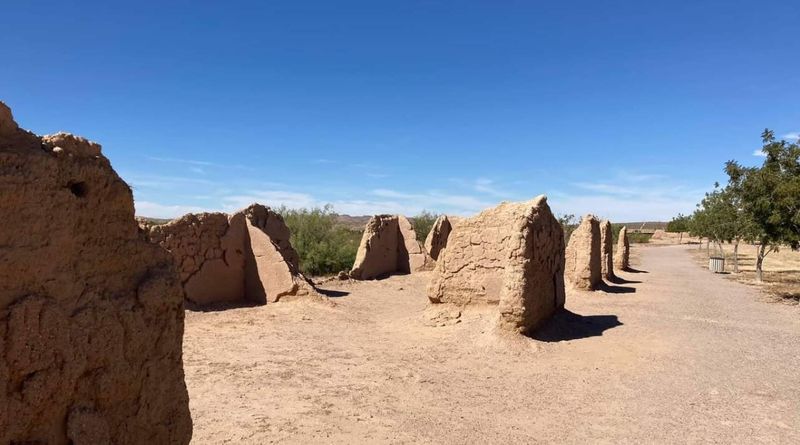
History has a way of sneaking up on you at Fort Selden, where crumbling adobe walls standing against a wide desert sky tell a story that most road trip guides never bother to include.
Fort Selden Historic Site sits at 1280 Fort Selden Rd, Radium Springs, NM 88054, just north of Las Cruces along the Rio Grande in southern New Mexico.
The fort was established in 1865 to protect settlers and travelers moving through the Mesilla Valley along the El Camino Real trade route.
It was garrisoned by Buffalo Soldiers, the African American military regiments who served with distinction on the frontier and whose contributions to the region’s history are genuinely underappreciated.
A young Douglas MacArthur, who would later become one of the most famous generals in American military history, spent part of his childhood here when his father was posted at the fort.
The site today includes a visitor center with well-curated exhibits that bring the fort’s story to life through artifacts, photographs, and interpretive displays.
The adobe ruins themselves are remarkably evocative, and walking through the preserved footprint of the old parade ground gives a real sense of the scale and layout of frontier military life.
Living history demonstrations are occasionally held at the site, with costumed interpreters showing visitors what daily life at the fort looked and felt like in the late 1800s.
The setting along the Rio Grande adds a scenic quality to the visit that makes the historic site feel embedded in its landscape rather than separate from it.
Just as Arkansas has its own collection of undervisited historic forts and Civil War sites, New Mexico rewards travelers who are willing to follow the history off the main highway.
Admission is affordable, the staff is knowledgeable, and the site never feels overcrowded.
Fort Selden is the perfect final stop to close out a road trip that mixed natural wonder with genuine human history.