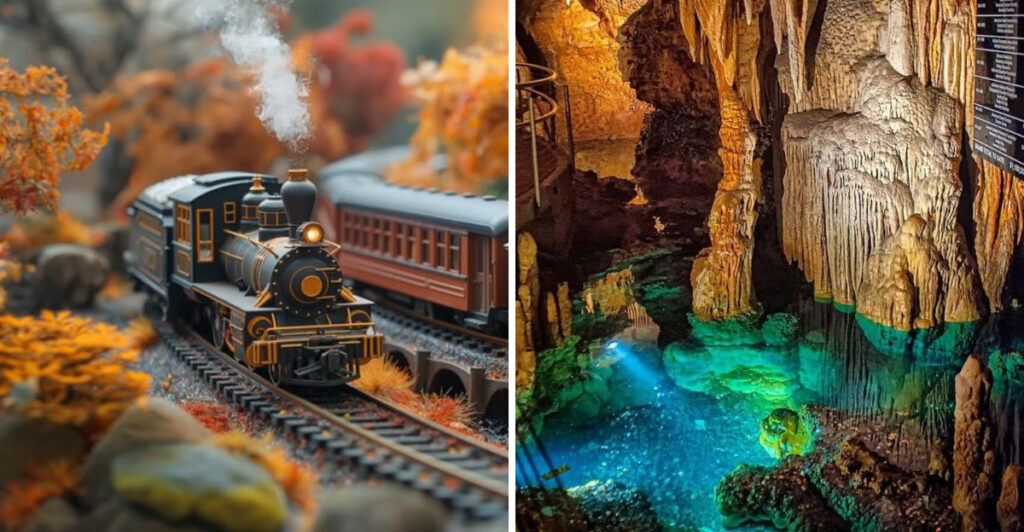
Virginia keeps its strangest treasures hiding in plain sight. A ham cured since 1902.
Over 6,000 cameras in a single room. Pinball machines you can actually play.
A cave organ struck by ancient rock. A quilt museum inside a renovated barn.
A living history museum with farmhouses shipped in from three continents. The place where country music was literally born.
Virginia rewards the traveler who is willing to take the unexpected exit, and this list of twelve stops makes that case loud and clear. A few are well known and still worth the drive.
Others barely register on any tourist map. All of them deliver something a highway chain simply cannot replicate.
Pack a cooler, load up the GPS, and let the state do what it does best.
1. Isle Of Wight County Museum, Smithfield
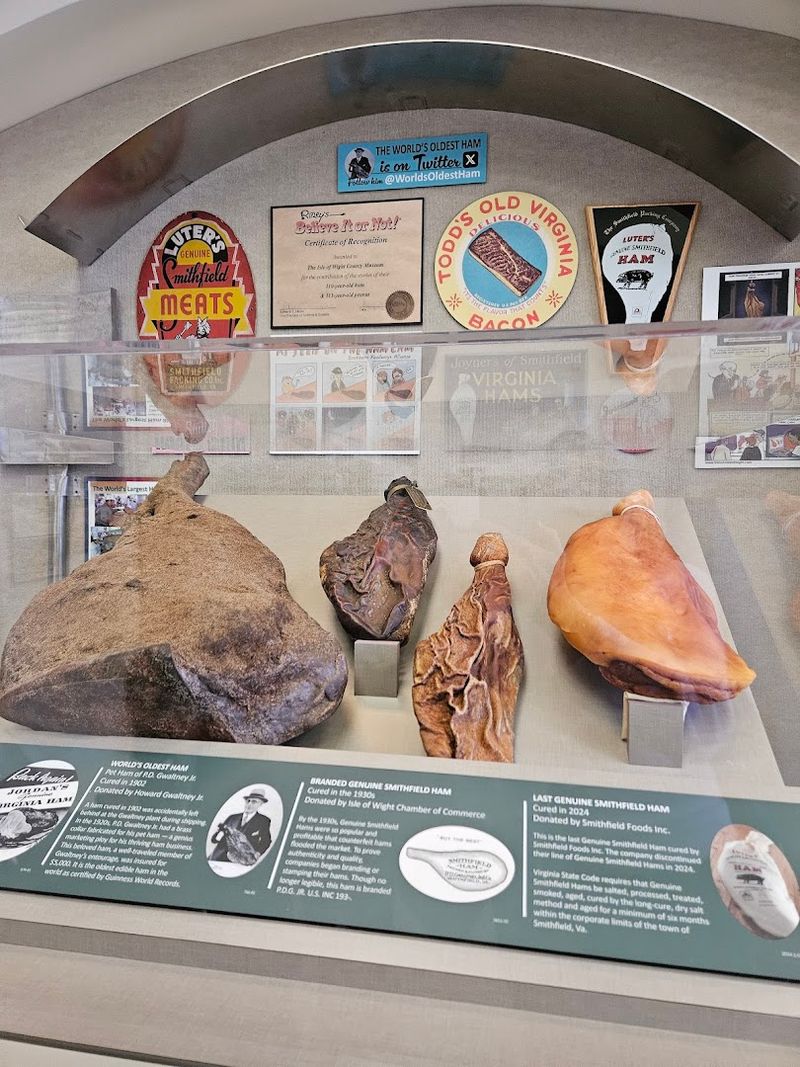
What do you do with a ham that nobody ate? You put it in a museum, apparently.
The Isle of Wight County Museum in Smithfield, Virginia, is home to the self-proclaimed World’s Oldest Ham, a cured pork leg that has been sitting around since 1902.
The story behind it is genuinely entertaining. The ham was forgotten in a packing house for about 20 years before someone realized it had basically mummified itself into a historical artifact.
It eventually became a local celebrity and landed a permanent spot under glass.
The museum does not stop at cured meat, though. It also holds the World’s Oldest Peanut, which makes Smithfield something of an unlikely capital for preserved food oddities.
The broader collection covers Isle of Wight County history in an accessible, well-organized way. Plan a visit and leave with a story nobody at home will believe.
Find it at 103 Main St, Smithfield, VA 23430.
2. Camera Heritage Museum, Staunton
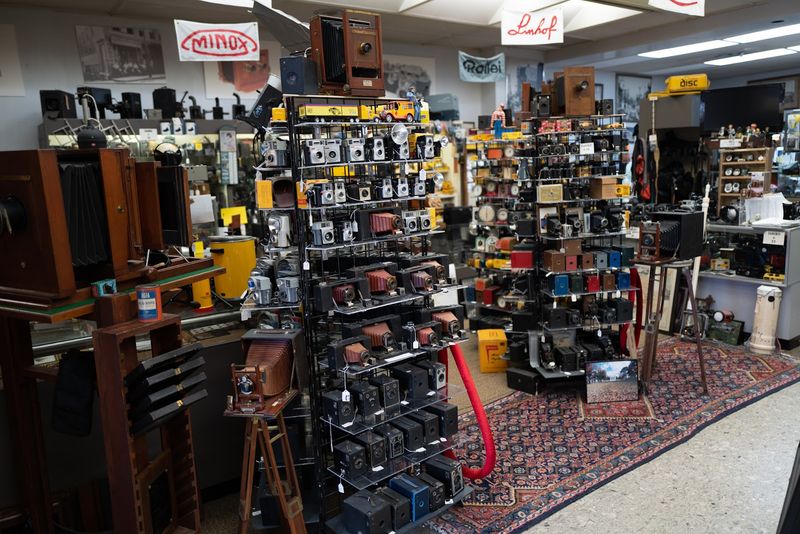
More than 6,000 cameras are waiting for you in Staunton, and every single one has a story. The Camera Heritage Museum claims to be the largest camera museum open to the public in the United States, and it is hard to argue with that kind of collection.
The cameras date back to the 1840s, meaning you can trace the full arc of photographic history in a single afternoon. Early wooden box cameras sit alongside mid-century film cameras and everything in between.
It is part tech museum, part art gallery, and entirely absorbing.
Photography enthusiasts will lose track of time here, but you do not need to know anything about cameras to find the collection fascinating. The sheer variety of shapes, sizes, and designs across different eras tells a story about human creativity as much as technology.
Staunton itself is a charming small city worth exploring before or after your visit. The museum is located at 1 W Beverley St, Staunton, VA 24401.
3. Roanoke Pinball Museum, Roanoke
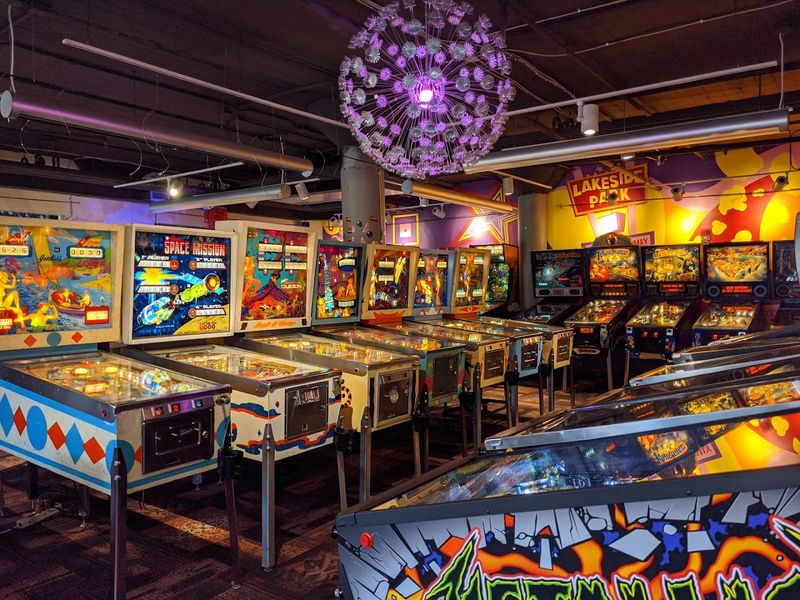
Over 70 playable pinball machines are lined up and ready, spanning nearly a century of American pop culture from 1932 to the present day. The Roanoke Pinball Museum is less of a look-but-do-not-touch experience and more of an all-out arcade adventure wrapped in a history lesson.
Each machine tells a story about the era it came from. Themes shift from classic circus imagery to mid-century sci-fi to blockbuster movie tie-ins.
You can see how design, technology, and pop culture evolved just by working your way down the rows.
Kids love it for obvious reasons. Adults love it because it triggers a wave of nostalgia they did not know they were carrying.
The museum format keeps things organized and informative, so you get context alongside the fun. Set aside more time than you think you need, because leaving early is harder than it sounds.
Head to 1 Market Square SE, Roanoke, VA 24011 to start playing.
4. Stabler-Leadbeater Apothecary Museum, Alexandria
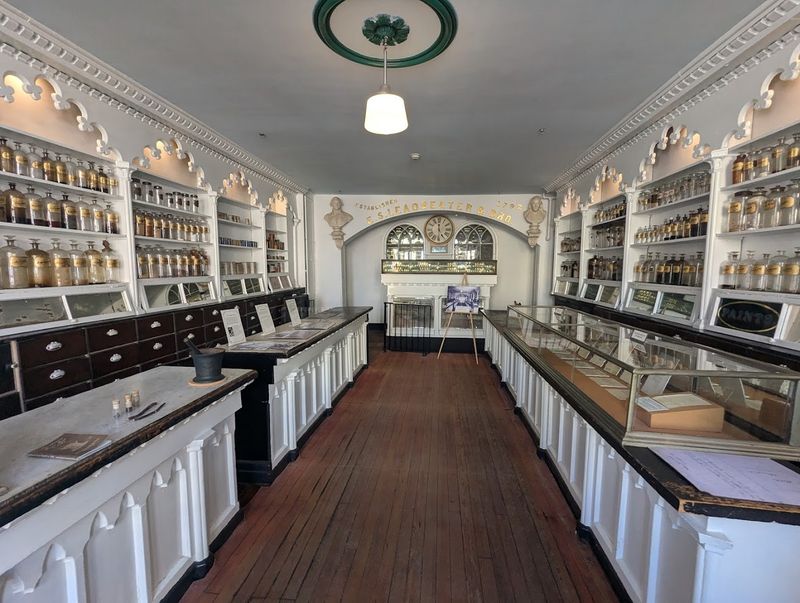
Step inside and the clock rewinds to the 18th century. The Stabler-Leadbeater Apothecary Museum in Alexandria, Virginia, preserves one of the oldest apothecary shops in the country, and it looks almost exactly as it did when it was still operating.
The family business ran for 141 years, and the collection reflects that extraordinary span of time. Over 20,000 objects fill the space, including hand-blown glass bottles, ceramic herb jars, leather-bound ledgers, and botanical remedies that look more like art than medicine.
What makes this place so compelling is how personal it feels. These were not mass-produced items ordered from a catalog.
Each object was handled, labeled, and used by real people trying to help their community. The museum does a thoughtful job of connecting those objects to the broader history of medicine and daily life in early America.
History lovers and curious visitors alike will find something to appreciate. Visit at 105-107 S Fairfax St, Alexandria, VA 22314.
5. O. Winston Link Museum, Roanoke
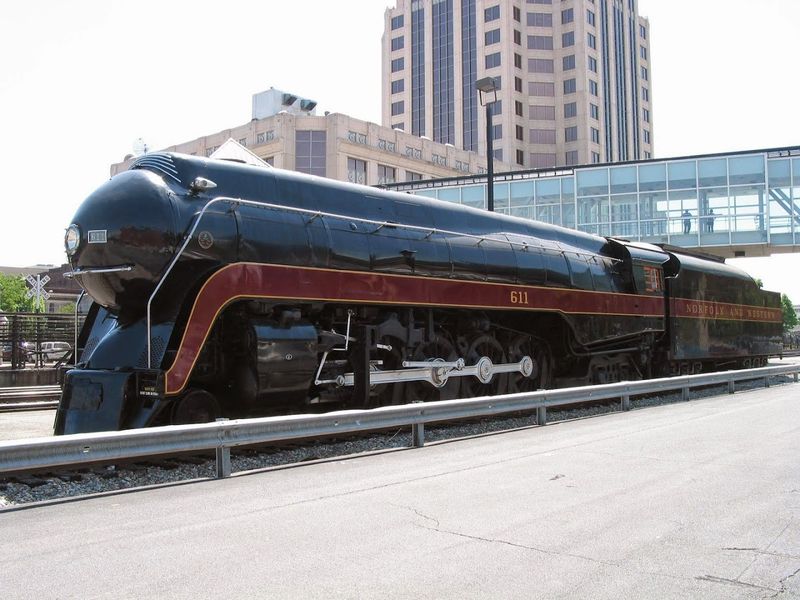
Black and white photographs of steam locomotives at night sound straightforward until you see them. The O.
Winston Link Museum in Roanoke, Virginia, showcases the work of a photographer who turned railroad documentation into something closer to fine art.
Link spent years photographing the Norfolk and Western Railway’s steam operations during the 1950s, using elaborate lighting setups to capture trains against the backdrop of everyday American life. The results are cinematic, haunting, and technically astonishing for the era.
The museum goes beyond just hanging prints on walls. It explains Link’s process, his equipment, and the cultural moment he was capturing as steam power gave way to diesel.
Roanoke was a major railroad hub, so the setting adds another layer of meaning to the collection. Rail history fans and photography enthusiasts will both find deep satisfaction here.
The museum sits at 101 Shenandoah Ave NE, Roanoke, VA 24016, right in the heart of Roanoke’s historic district.
6. Dinosaur Kingdom II, Natural Bridge
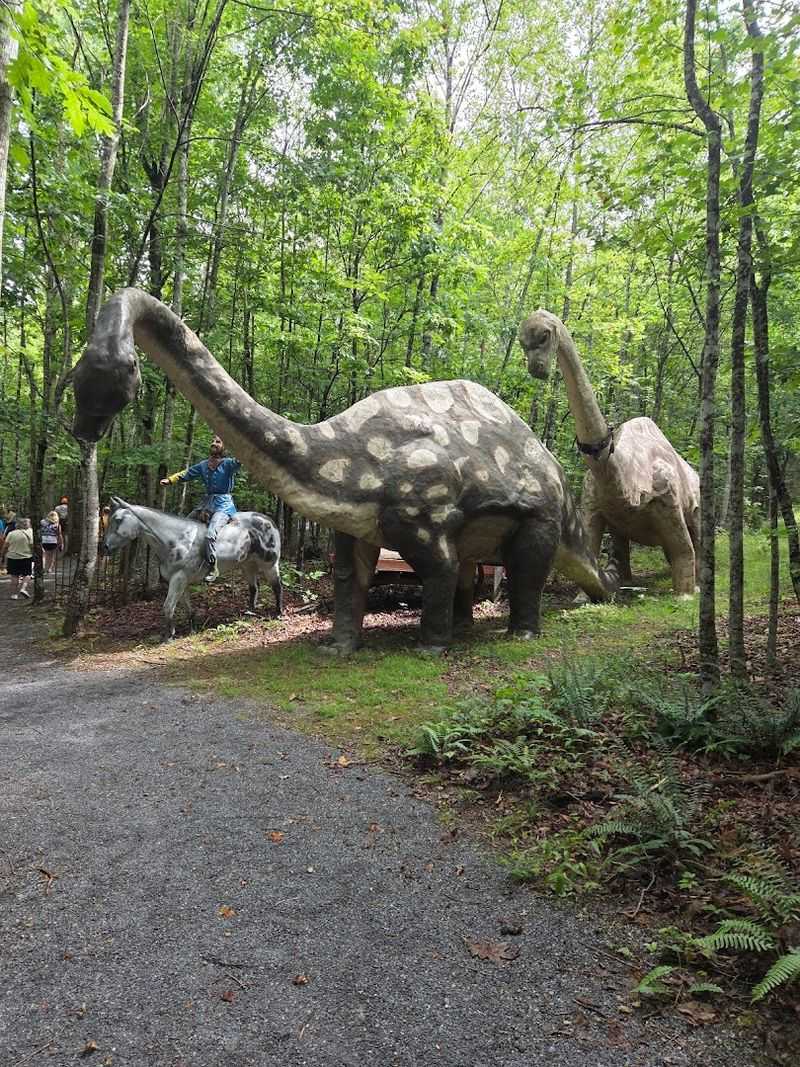
Civil War soldiers fighting dinosaurs is not a premise you expect to encounter on a Virginia road trip, but here we are. Dinosaur Kingdom II in Natural Bridge is one of the most wonderfully unhinged roadside attractions in the entire state.
The concept is unapologetically absurd. The backstory involves Union soldiers discovering a hidden valley of living dinosaurs during the Civil War and attempting to use them as weapons.
The outdoor exhibits bring this alternate history to life through large, colorful sculptures and hand-painted scenes that lean fully into the chaos.
Creator Mark Cline built the whole thing with a clear sense of humor and a deep love for the bizarre. It is campy, creative, and completely self-aware.
Kids will be thrilled by the dinosaurs alone, but adults will appreciate the satirical edge running through the whole experience. This is outsider art meets theme park, and it works surprisingly well.
Find it at 5781 S Lee Hwy, Natural Bridge, VA 24578.
7. Great Stalacpipe Organ At Luray Caverns, Luray
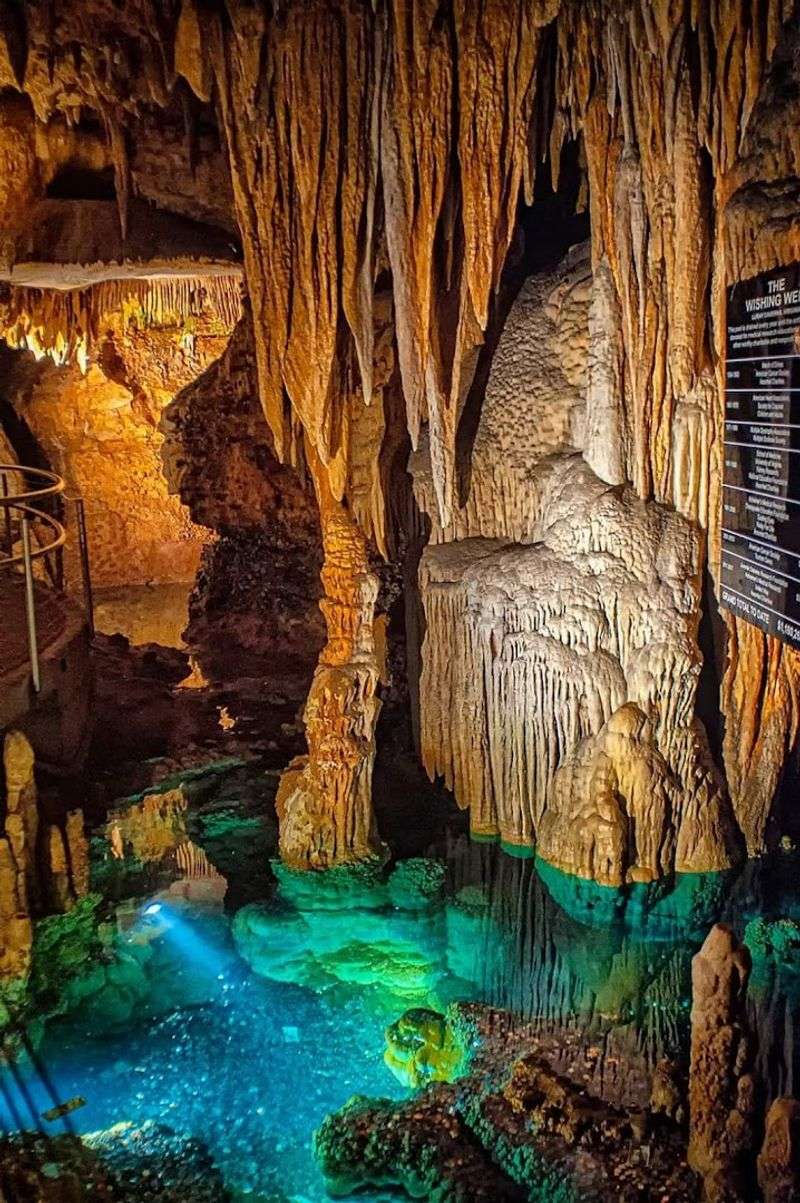
Imagine a musical instrument the size of several acres, built entirely inside a cave. The Great Stalacpipe Organ at Luray Caverns in Virginia is exactly that, and it is one of the most extraordinary things you can experience anywhere in the country.
The instrument was crafted over several years by Leland Sprinkle, who identified and tuned stalactites spread across the cavern to produce specific musical notes. Small rubber mallets tap each stalactite to produce sound, turning the living rock into a resonant, cathedral-like instrument.
Luray Caverns itself is already a spectacular natural attraction, with towering formations and mirror-still underground pools. The organ adds an entirely unexpected dimension to the visit.
Hearing music produced by rocks that took millions of years to form is the kind of experience that genuinely shifts your sense of scale and wonder. It is one of those rare moments that stays with you long after you leave.
Visit at 101 Cave Hill Rd, Luray, VA 22835.
8. Edgar Allan Poe Museum, Richmond
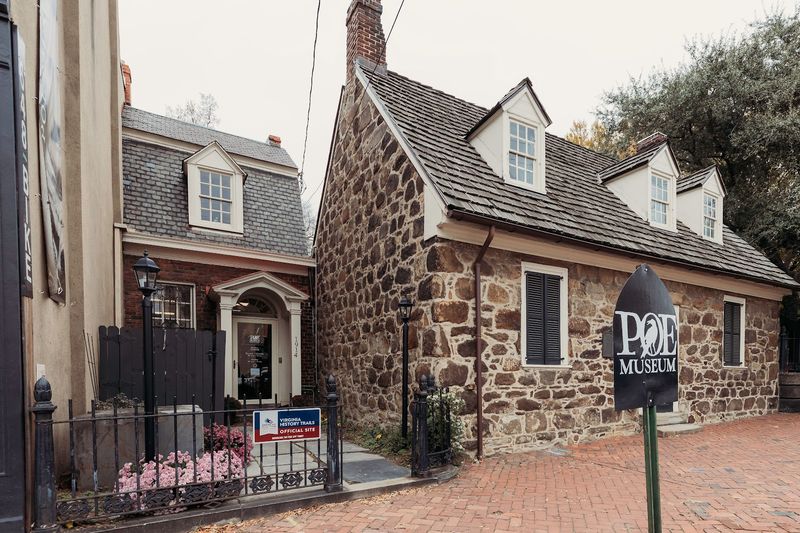
Richmond holds a special place in the story of one of America’s most haunting literary figures. The Edgar Allan Poe Museum sits in the Old Stone House, believed to be the oldest surviving structure in Richmond, which adds a layer of atmospheric weight that no decorator could manufacture.
The museum holds the world’s largest collection of Poe artifacts and manuscripts. Personal belongings, original letters, rare editions, and items connected to his life in Virginia are displayed throughout the building.
The enchanted garden courtyard offers a quiet, slightly eerie space to reflect on the collection.
Poe grew up in Richmond, and the city shaped much of his early imagination. Understanding that connection makes the exhibits feel more personal and less like a standard literary shrine.
The museum does not just celebrate his work; it traces the life behind it with care and detail. Horror fans, literature lovers, and history buffs all find something meaningful here.
The address is 1914 E Main St, Richmond, VA 23223.
9. Virginia Quilt Museum, Dayton
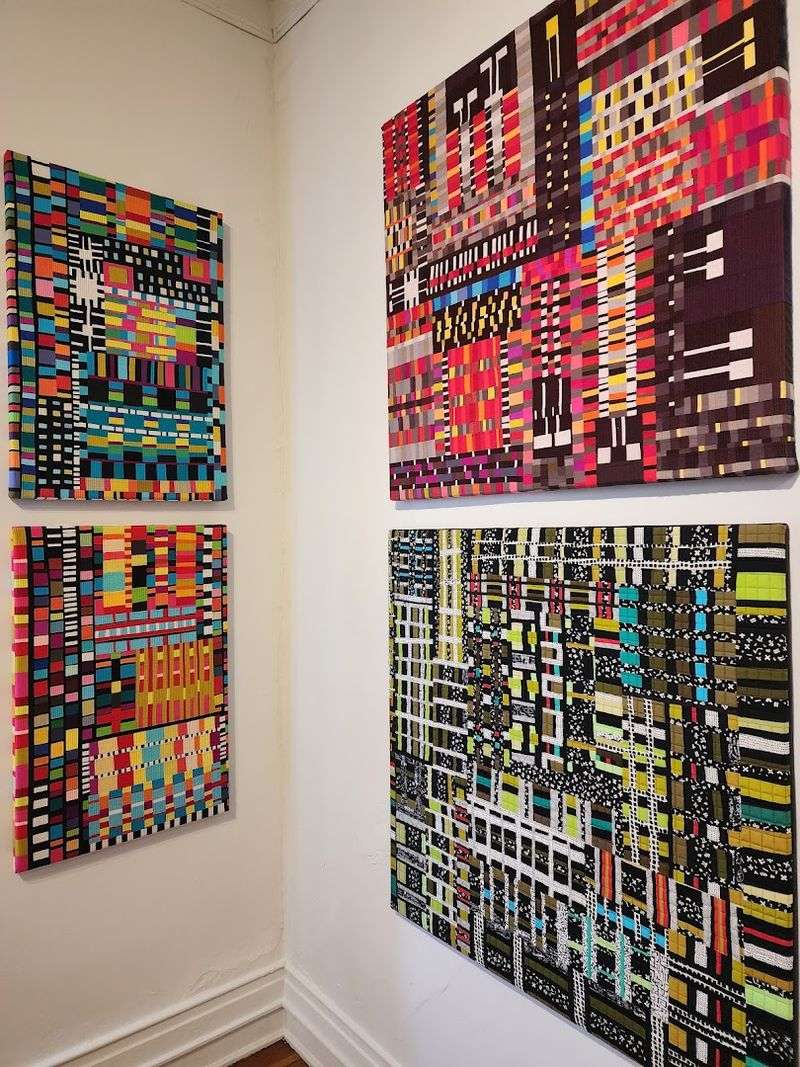
Quilts are not typically the first thing that comes to mind when building a road trip itinerary, but the Virginia Quilt Museum in Dayton has a habit of changing that opinion fast. Housed inside a beautifully renovated barn in the Shenandoah Valley, the state’s official quilt museum makes a compelling case that quilts are not just bedding.
They are documents of history, culture, and personal story stitched together by hand. Two floors of rotating exhibitions showcase pieces from the museum’s permanent collection alongside loans from other institutions and private collectors.
The range is wide, from antique examples with clear regional roots to contemporary art quilts that push the medium in unexpected directions. A sewing machine collection adds an extra dimension that most visitors do not see coming.
Workshops and lectures run regularly, making it an active learning space rather than a static display. Visit at 2328 Silver Lake Rd, Dayton, VA 22821.
10. Model Railroad Museum Of Hampton Roads, Norfolk
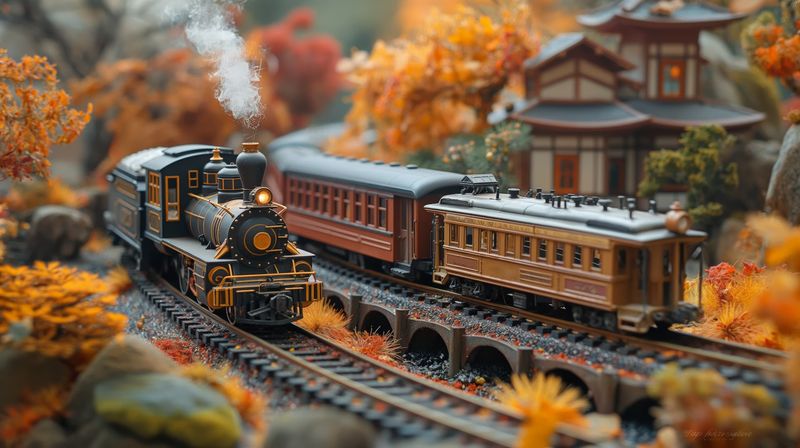
Free admission and an entire world in miniature make for a pretty compelling afternoon. The Model Railroad Museum of Hampton Roads in Norfolk, Virginia, brings together detailed train layouts built by local experts, each one a tiny universe of tracks, towns, and terrain.
The layouts are not simple oval tracks with a single train looping endlessly. These are intricate, multi-level scenes with working signals, realistic landscapes, tiny figures, and carefully modeled architecture.
The craftsmanship on display is impressive by any standard.
The museum also runs STEAM programs for children, connecting the hands-on creativity of model railroading to broader lessons in science, technology, engineering, art, and math. It is educational without feeling like homework.
Adults who grew up around model trains will feel a warm rush of recognition, while younger visitors will be drawn in by the sheer spectacle of it all. Norfolk is a vibrant waterfront city with plenty to explore nearby, making this a natural addition to any visit.
Find the museum at 300 Monticello Ave, Norfolk, VA 23510.
11. Frontier Culture Museum, Staunton
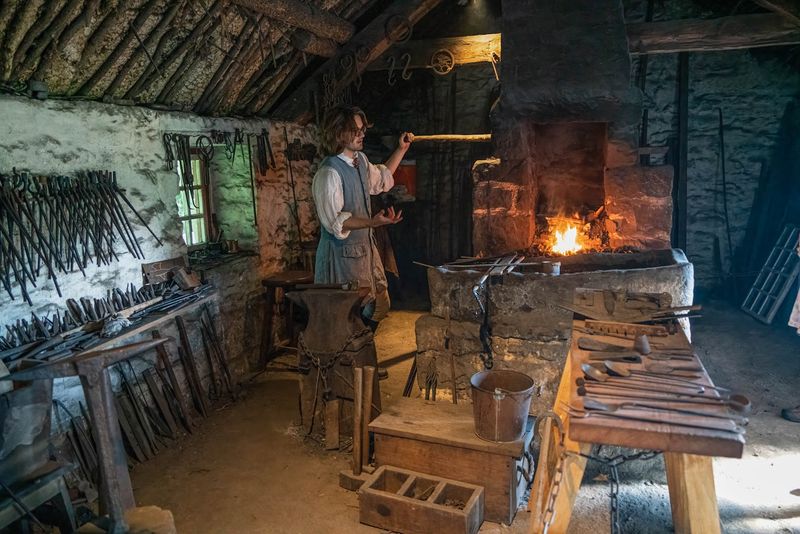
Most living history museums put costumed actors in one building. The Frontier Culture Museum in Staunton spread its concept across 188 acres and brought the actual buildings over from Europe and West Africa.
Original farmhouses, forges, churches, and outbuildings were transported and reassembled on-site, giving visitors the rare experience of walking through structures built in Ireland, Germany, and West Africa before landing in a Virginia field. Working farms operate throughout the grounds, with staff demonstrating blacksmithing, crop cultivation, and daily domestic life across different immigrant communities.
The effect is disorienting in the best possible way. Each section feels like a different country, and the transitions compress centuries of migration into a single afternoon.
Golf carts are available for visitors who cannot manage the 1.8-mile trail loop. Staunton makes a strong full-day destination with the Camera Heritage Museum nearby.
Find it at 1290 Richmond Ave, Staunton, VA 24401.
12. Birthplace of Country Music Museum, Bristol
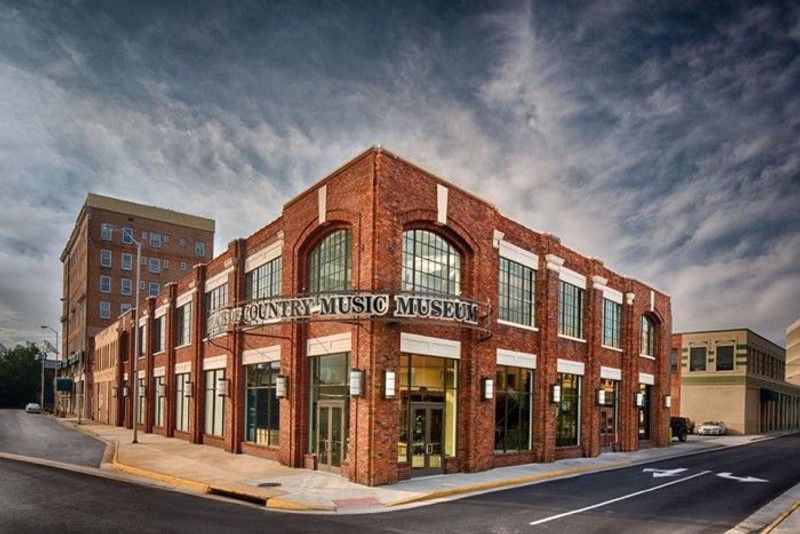
Nashville gets the credit, but Bristol made the sound. The Birthplace of Country Music Museum sits on the Virginia side of a town that straddles the state line, and it makes a compelling case that the 1927 Bristol Sessions were the single most important moment in country music history.
The Carter Family, Jimmie Rodgers, and a handful of other musicians recorded there that summer, and those sessions launched an entire genre. A Smithsonian affiliate, the museum does not simply hang instruments on walls.
It uses theater experiences, interactive displays, and actual audio from the Sessions to put visitors inside the moment. The live radio station broadcasting from within the building adds a layer that most museums simply cannot offer.
Even devoted non-fans of country music consistently walk out converted. The history is that good, and the storytelling is sharp enough to match it.
Find it at 101 Country Music Way, Bristol, VA 24201.