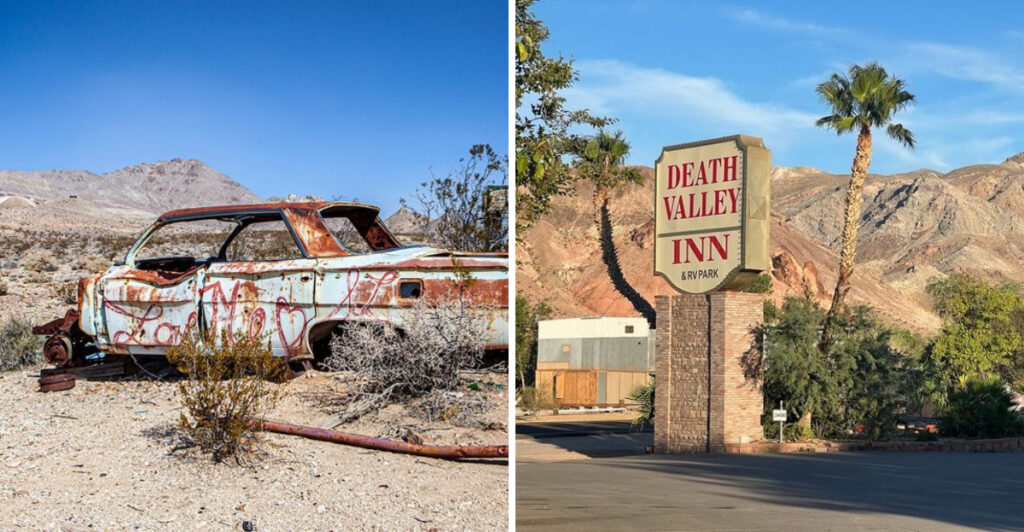
What if the perfect base camp for one of Earth’s most extreme landscapes barely showed up on a map? That is Nevada for you.
A tiny desert community hugs a major highway and punches well above its weight. Death Valley National Park is just miles away, and a gold rush ghost town crumbles even closer.
Volcanic craters, massive sand dunes, and open-air sculptures rising from the desert floor all fall within easy reach. Nevada delivers the kind of scenery that stops conversations mid-sentence.
The drives in and out are both spectacular. The stars overhead make the nights just as dramatic as the days.
If road trips have a best-kept secret, this little corner of the high desert is absolutely it.
The Town That Time Forgot To Grow

Population signs do not usually stop travelers in their tracks, but Beatty’s might. With an estimated population hovering somewhere between 400 and 550 people, this unincorporated community in Nye County, Nevada is about as compact as towns get.
U.S. Route 95 runs straight through the middle of it.
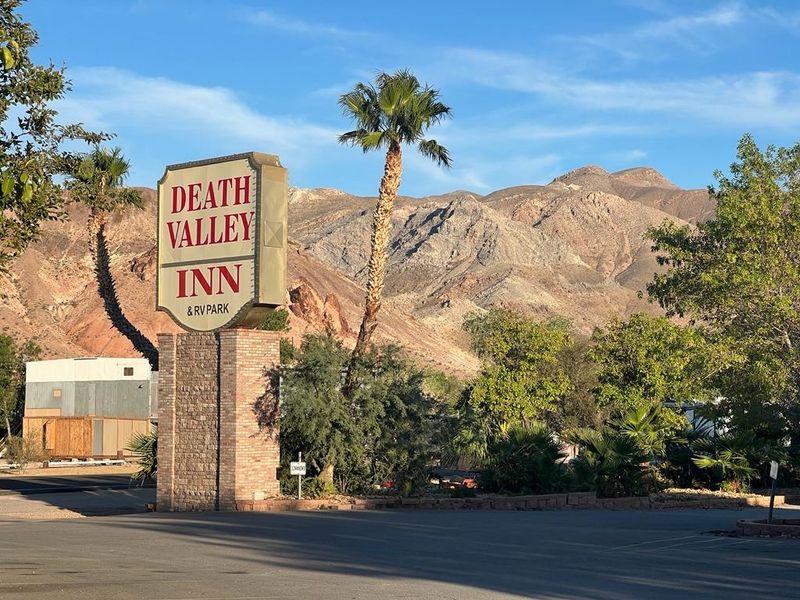
That highway is often the first and last thing visitors notice. The town stretches along the road with a handful of businesses, motels, and gas stations serving travelers headed to or from Death Valley.
What makes Beatty interesting is not its size but its stubbornness. It has stayed small and stayed standing through boom and bust cycles that flattened larger communities nearby.
The Amargosa River, mostly dry but historically significant, runs close by. The surrounding mountain ranges, including Beatty Mountain and Bare Mountain, create a natural frame around the town.
Small does not mean forgettable here.
Gateway To One Of Earth’s Most Extreme Places

Just 7 to 8 miles separate Beatty from the entrance to Death Valley National Park. That proximity is the town’s biggest claim to fame, and it earns every bit of that reputation.
Death Valley is no ordinary national park. It holds records for being one of the hottest, driest, and lowest places on the planet.
Visitors come from around the world to experience its salt flats, towering sand dunes, narrow canyons, and jagged mountain ranges. Nevada sits right at the doorstep of all of it.
For travelers, Beatty serves as a practical and affordable base camp. Rather than staying inside the park, many choose to sleep in town and drive in each morning.
The short distance makes that easy. Whether the goal is photography, hiking, or simply gawking at a landscape that looks almost alien, the drive from Beatty to Death Valley takes less time than most people expect.
Rhyolite Ghost Town Stands Just Miles Away
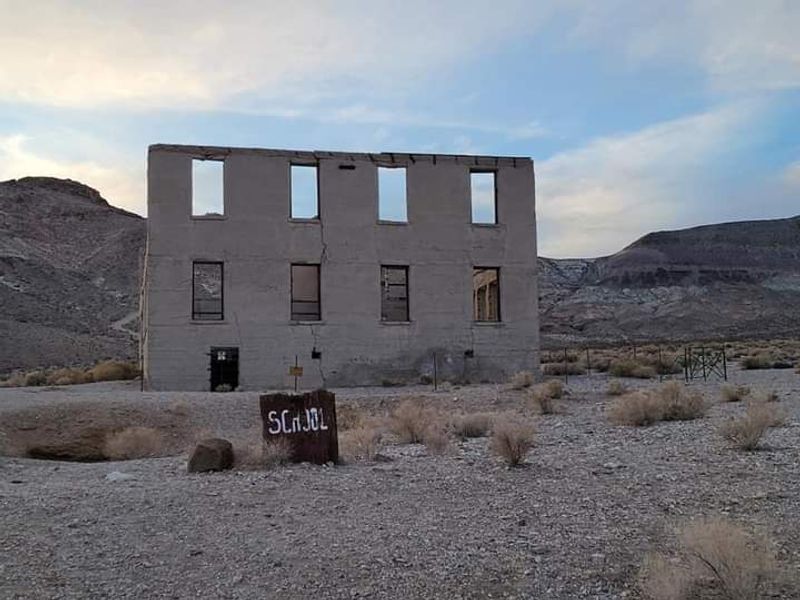
Four to five miles west of Beatty, the ruins of Rhyolite rise from the desert floor like a history lesson nobody assigned. This gold rush-era ghost town once had thousands of residents, a stock exchange, and multi-story buildings.
Today, only walls remain.
Rhyolite boomed fast and collapsed faster. The gold ran out, investors pulled back, and by the early 1900s the town was already emptying.
What stayed behind are skeletal stone structures that somehow still stand against the desert wind and sun. The most iconic is the bottle house, built from thousands of glass bottles embedded in adobe.
Visiting Rhyolite feels like stepping into a story mid-sentence. The silence is thick.
The ruins are open to walk through, and there are no entry fees or timed tickets required. It is the kind of place that feels personal and quiet, even when other visitors are nearby.
Beatty’s neighbors have a lot to say.
Goldwell Open Air Museum Surprises Every Visitor

Right next to Rhyolite, the Goldwell Open Air Museum catches visitors completely off guard. Large-scale sculptures rise from the flat desert ground, bold and surreal against a backdrop of mountains and open sky.
The most famous piece is a ghostly white tableau inspired by The Last Supper, created by Belgian artist Albert Szukalski. The figures are draped in white plaster and arranged across the desert floor with no fence, no glass, and nothing between the viewer and the art.
It feels raw and oddly moving.
Other sculptures include a towering pink lady figure and a rusted metal miner. Each piece was created by artists who chose this remote Nevada desert as their canvas.
The museum is free to visit and open year-round. It is one of those places that rewards curiosity.
Most people stumble across it while visiting Rhyolite and end up staying longer than planned. That is usually how the best discoveries work.
Titus Canyon Cuts Through The Mountains Like A Blade

Titus Canyon is one of Death Valley’s most dramatic drives, and Beatty sits at its eastern entrance. The canyon road begins just outside of town, making it one of the most accessible adventures in the entire region.
The route winds through narrow rock walls, past ancient petroglyphs, and through the abandoned ghost town of Leadfield. The canyon walls close in tight at certain points, with colorful layers of red, orange, and purple rock stacked high on both sides.
It feels enclosed and enormous at the same time.
The road is one-way and requires a high-clearance vehicle for most of the route. It covers around 26 miles total.
Early morning drives are especially rewarding, when the light hits the canyon walls at low angles and temperatures are still manageable. Titus Canyon is the kind of route that makes people turn their phones face-down and just look.
That reaction says everything about the experience.
Mesquite Flat Sand Dunes Shift With Every Wind
Sand dunes in the middle of a national park sound like a postcard, but Mesquite Flat delivers something far more textured than any image. These dunes shift constantly, shaped by wind patterns that change with the season and time of day.
The dunes sit inside Death Valley and are easily reachable from Beatty. At sunrise, the light rakes across the sand and creates ridgelines so sharp they look drawn by hand.
At midday, the dunes flatten out visually under harsh overhead light. Most photographers chase the early hours for good reason.
Walking across the dunes requires no trail and no gear beyond sturdy footwear. The soft sand makes for slow going but the views from the top of the tallest ridges stretch for miles in every direction.
It is one of those rare places where the landscape demands full attention. Nevada has many dramatic corners, but Mesquite Flat earns its reputation every single day.
Big Dune Calls Off-Road Enthusiasts By Name
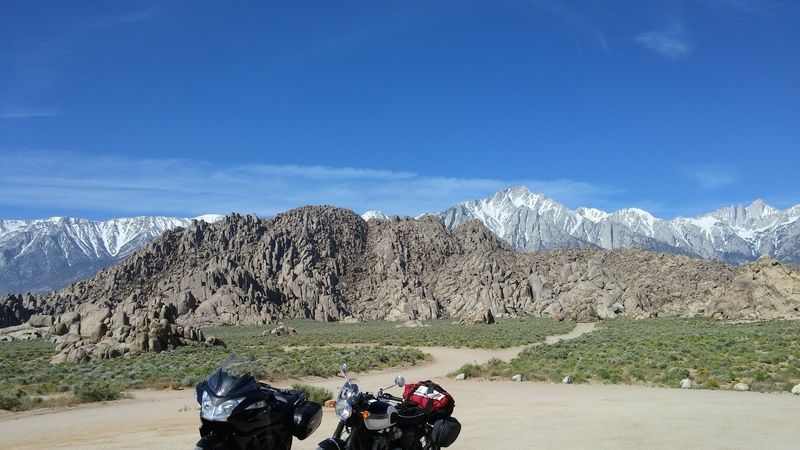
Not every landscape near Beatty is meant for quiet contemplation. Big Dune, also known as the Amargosa Dunes, is a designated off-highway vehicle area that draws a completely different kind of adventurer.
Located near town, this large sand dune system offers open riding terrain for ATVs, dirt bikes, and other OHV enthusiasts. The dunes rise high enough to create real elevation and challenge, and the open space gives riders room to move.
It operates as a popular weekend destination for people coming from Las Vegas sits about 100 miles to the southeast.
The contrast with the quiet desert surrounding it is striking. On busy weekends, the dunes hum with engine noise and activity.
On quieter days, the place feels almost meditative. Both versions have their appeal.
Big Dune adds a layer of energy to Beatty’s identity that goes beyond ghost towns and national parks. It shows the region has range, literally and figuratively.
Dark Skies Above Beatty Rival Anything In The West

After the sun sets over the surrounding mountain ranges, Beatty transforms into something unexpected. The sky above this remote Nevada town fills with stars in a way that most city dwellers have never experienced firsthand.
Beatty sits along Nevada’s first designated astrotourism route. That route connects two internationally recognized dark sky parks: Death Valley National Park and Great Basin National Park.
The lack of light pollution in this part of the high desert makes for some of the clearest night skies in the entire country.
On moonless nights, the Milky Way stretches overhead in a thick, detailed band that looks almost three-dimensional. Planets, satellites, and meteor showers are visible with the naked eye.
Amateur astronomers and casual stargazers both find the experience rewarding. No special equipment is required to appreciate what the sky offers here.
Beatty may be small, but it sits under one of the largest, most spectacular ceilings in the American West.
Ubehebe Crater Reminds Visitors How Young The Earth Really Is

Volcanic craters do not usually appear on road trip itineraries, but Ubehebe makes a strong case for itself. Located inside Death Valley and reachable from Beatty, this massive crater was formed by a volcanic explosion thousands of years ago.
The crater stretches roughly half a mile across and drops several hundred feet deep. The walls are layered in colors ranging from dark charcoal to rust red and pale yellow.
Standing at the rim, the scale takes a moment to fully register. The wind at the top is often fierce, which adds to the dramatic feeling of the place.
A trail runs around the rim and offers changing perspectives of the crater floor and the surrounding desert. The hike is relatively short but exposed, so sun protection matters here.
Ubehebe is the kind of geological feature that makes people stop mid-sentence. It is raw, enormous, and entirely natural.
Few places on Earth make the planet’s violent history feel this immediate and this visible.
Ash Meadows Offers A Rare Desert Oasis Experience

About 50 miles from Beatty, Ash Meadows National Wildlife Refuge operates as one of the most biologically unique places in the entire country. It looks, at first glance, like a mirage.
Crystal-clear spring-fed pools appear in the middle of dry desert terrain.
The refuge supports more endemic plant and animal species than almost anywhere else in North America. Species found here exist nowhere else on Earth.
The spring systems that feed the wetlands have been flowing for thousands of years, creating isolated ecosystems that evolved independently over time.
Boardwalks wind through the refuge and allow visitors to observe the springs and wildlife without disturbing the habitat. The contrast between the lush, wet areas and the surrounding dry desert is visually striking.
It is a place that rewards slow movement and quiet observation. For travelers using Beatty as a base, Ash Meadows adds a completely different dimension to the trip.
The desert, it turns out, hides its softest surprises deepest.
Hell’s Gate Frames Death Valley In A Single View
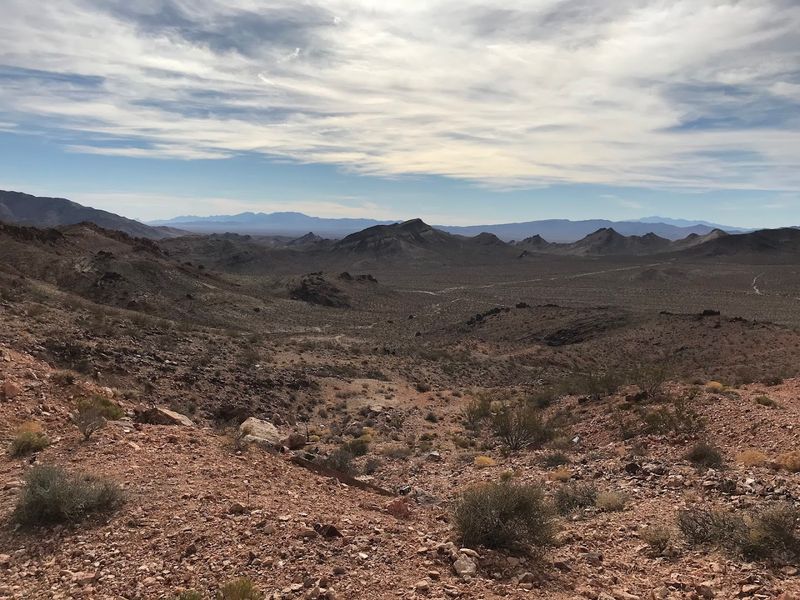
The name alone is enough to make anyone curious. Hell’s Gate is a mountain pass viewpoint inside Death Valley National Park, and the view it offers of the valley floor below is one of the most dramatic in the entire park.
The pass sits along the road that connects Beatty to the main valley floor, making it one of the first major visual payoffs for travelers arriving from Nevada. The valley spreads out below in shades of tan, white, and pale green.
On clear days, the salt flats shimmer in the distance. The surrounding mountain walls frame the scene on every side.
Stopping here for even a few minutes resets expectations for what a landscape can look like. The scale is genuinely hard to process.
Most visitors pull over, step out, and stand in silence for a moment before reaching for a camera. Hell’s Gate delivers exactly what the name promises, a view that feels almost too intense to be real.
Practical Tips For Visiting Beatty The Right Way

Arriving in Beatty without a plan is fine, but a few practical details make the visit run smoother. The town sits along U.S.
Route 95 in Nevada, positioned between Tonopah about 90 miles to the north and Las Vegas about 100 miles to the southeast. The address for the town center is Nevada 89003.
Fuel up in Beatty before heading into Death Valley. Gas stations inside the park are limited and prices reflect that reality.
Temperatures inside the park can swing dramatically between seasons, so checking forecasts before heading out is worth the two minutes it takes.
Spring and fall offer the most comfortable visiting conditions. Summer heat in Death Valley can reach dangerous levels, and winter brings cold nights to the high desert surrounding Beatty.
Water, snacks, and a charged phone are non-negotiable basics for any excursion. The town has motels, a few dining options, and basic supplies.
It is not glamorous, but it is exactly what a proper base camp should be.