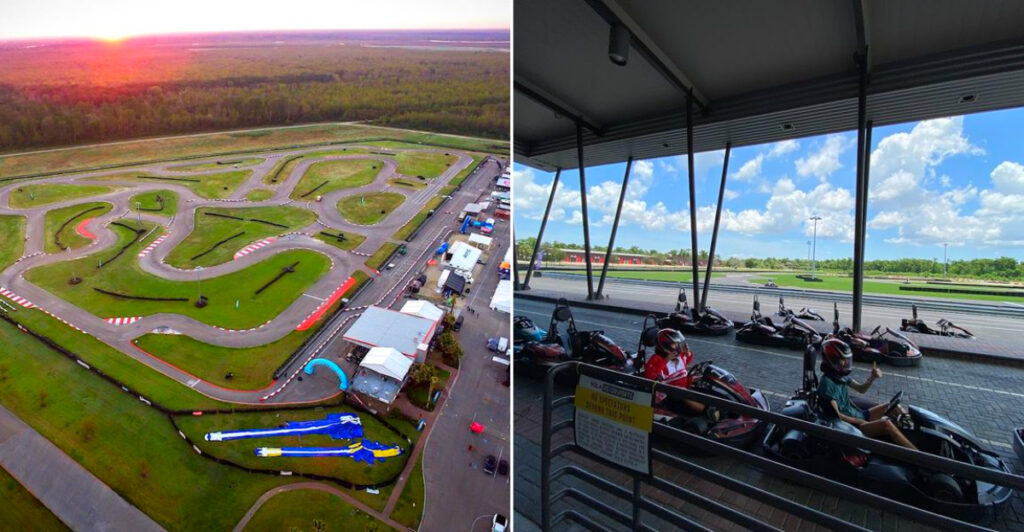
Racing go-karts on a track that covers thirty acres turns a casual afternoon into something that feels closer to a real motorsport event, especially when the facility also houses a professional road course used by actual racing series.
NOLA Motorsports Park sits in Avondale just outside New Orleans, where the karting operation blankets enough land to fit several neighborhood tracks end to end.
Rental karts reach speeds that make the straights feel genuinely fast, the turns are wide enough to teach beginners the racing line while still challenging drivers who have been around a track before.
Group packages cover birthday parties and corporate outings, but a Father’s Day visit hits differently: dad gets to trade the minivan for a kart, the carpool lane for a straightaway, the school run for a checkered flag.
The facility also runs arrive-and-drive sessions that require zero advance booking, so spontaneity stays on the menu. A Louisiana go-kart track that spans thirty acres gives fathers a Father’s Day activity that beats another necktie by a wide margin.
Know The Layout
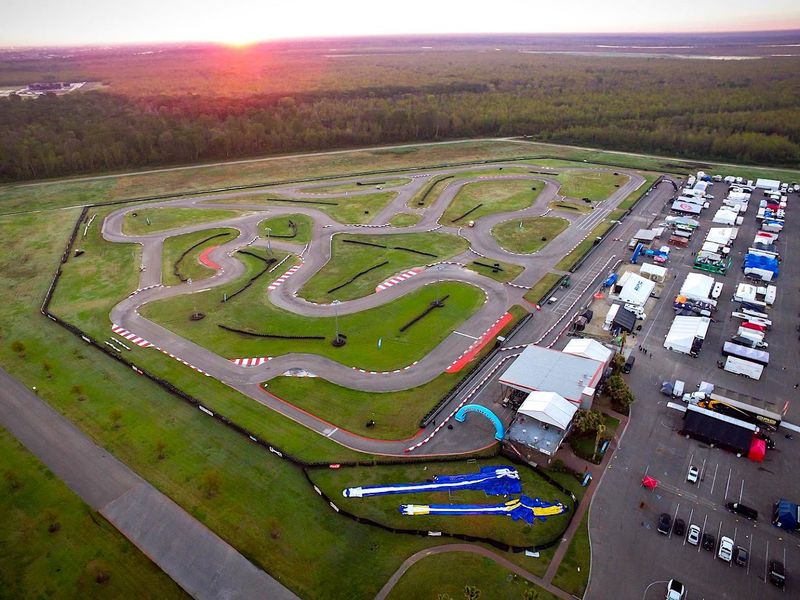
The first thing I do is study the track map and imagine a lap from the observation deck. NOLA’s kart compound offers over 80 configurations and the full circuit used for major events features around 20 corners, a long straight, and tight technical sections that reward precision.
Walking parts of the paddock and noting curb profiles and bumpy apexes helps you plan where to brake and when to tighten your line. Spotting the long straight early gives you a mental target for slipstream strategy and where to safely open throttle.
Knowing the lay of the land saves nervous fumbling in the grid and keeps your first heat smooth and focused on learning rather than guessing.
Speed Shows Up Before The Gate
NOLA Motorsports Park makes the drive into Avondale feel like the day is about to get louder, faster, and much less ordinary.
You’ll find it at 11075 Nicolle Blvd, Avondale, Louisiana 70094, the official address for the track, karting, and entertainment complex.
Pull in with time to park, check in, and figure out where your event or activity begins. Once the track comes into view, the road stops being transportation and starts feeling like a preview.
Arrive And Drive Planning
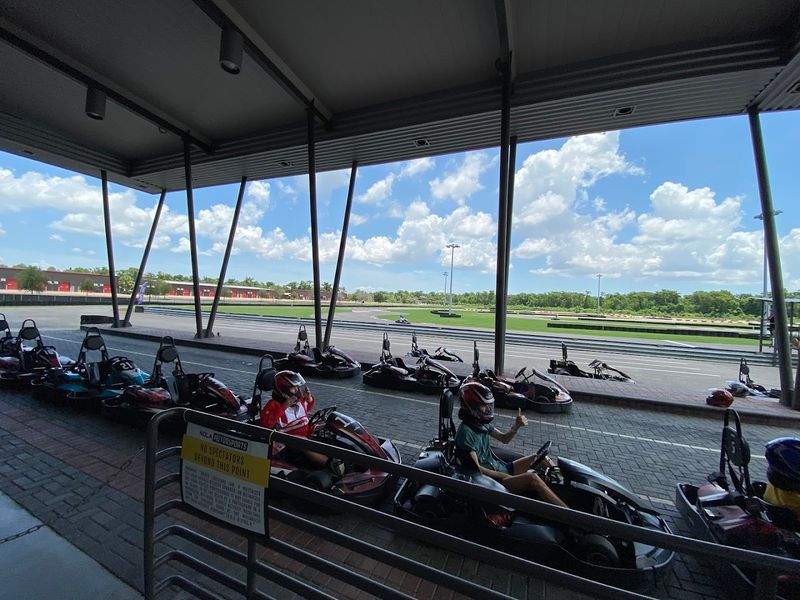
Arrive-and-drive is convenient but requires time planning; heats run on scheduled windows and lines form quickly on busy weekends. I recommend arriving well before your intended session, checking in early, and confirming wristbands or receipts to avoid the long waits some visitors reported.
Online booking reduces risk, but still factor in extra time for gear fitting, a short safety briefing, and any paperwork for minors. The observation deck and paddock are useful staging places if someone needs a breather while another races.
Bring closed-toe shoes and simple clothing to speed through helmet and cap fitting. A relaxed timeline helps you enjoy heats instead of sweating through last-minute scrambles.
Helmet And Safety Fit
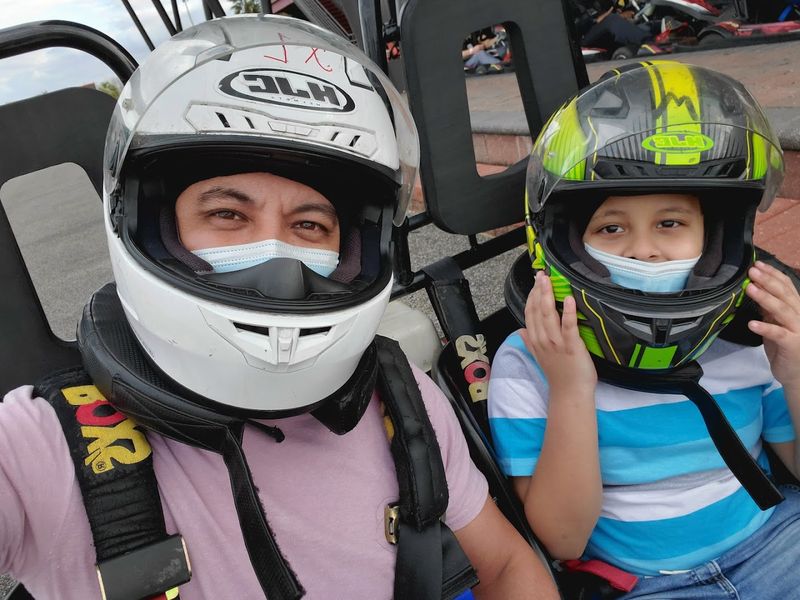
Safety starts with a proper helmet and cap; NOLA provides a racing cap and helmet but you can bring your own certified driving helmet if preferred. Staff check fit carefully; an ill-fitting helmet ruins visibility and focus, so ask for a different size or model if the first one feels wrong.
Wear comfortable, flexible clothing and avoid loose accessories that might flap or snag. Closed-toe shoes are non-negotiable; sneakers that grip the pedals make a real difference in control and fatigue over repeated heats.
Pay attention during the safety briefing and ask questions about the track marshal signals and the kart remote shutdown procedure. Knowing safety rules ahead of time keeps everyone relaxed and ready to drive.
Master The Braking Zones
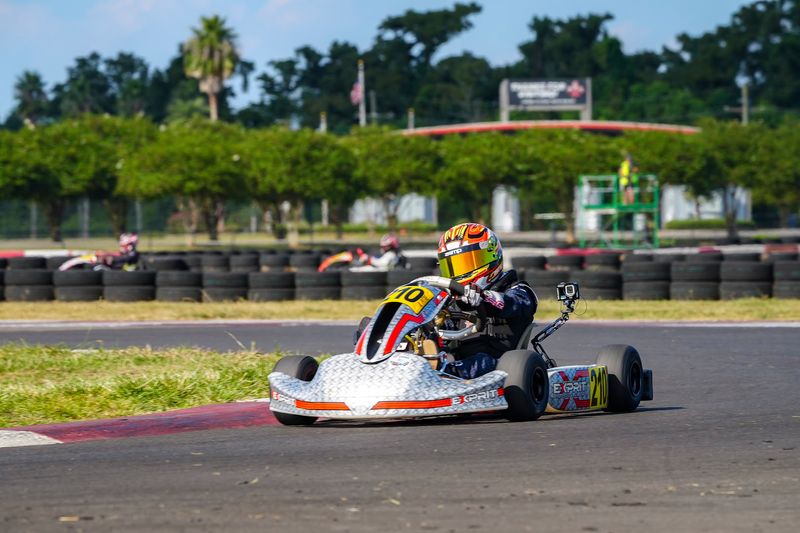
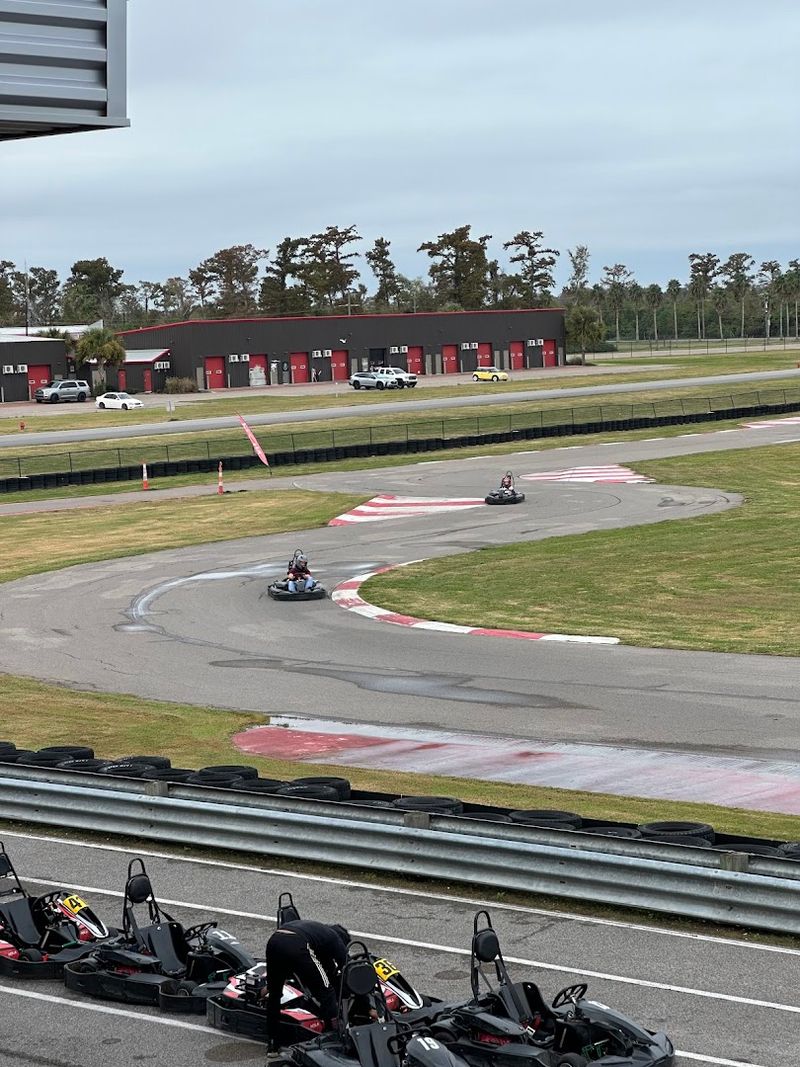
Braking is where lap time is won or lost at NOLA because the track mixes fast straights with tight chicanes and heavy braking areas. I focus on light, early braking into complex corners and maintenance throttle through the exit to preserve momentum onto the next straight.
Some apexes have bumps that unsettle the kart; approaching those with controlled brake release and a steady steering input prevents the kart from tracking wide. Turn six is famously wide and tricky. Precise turn-in and thinking about distance across the apex helps find that sweet spot.
Practice smooth heel-toe style transitions and anticipate weight transfer; calming inputs beat aggressive corrections every time around this layout.
Use The Slipstream Tactically
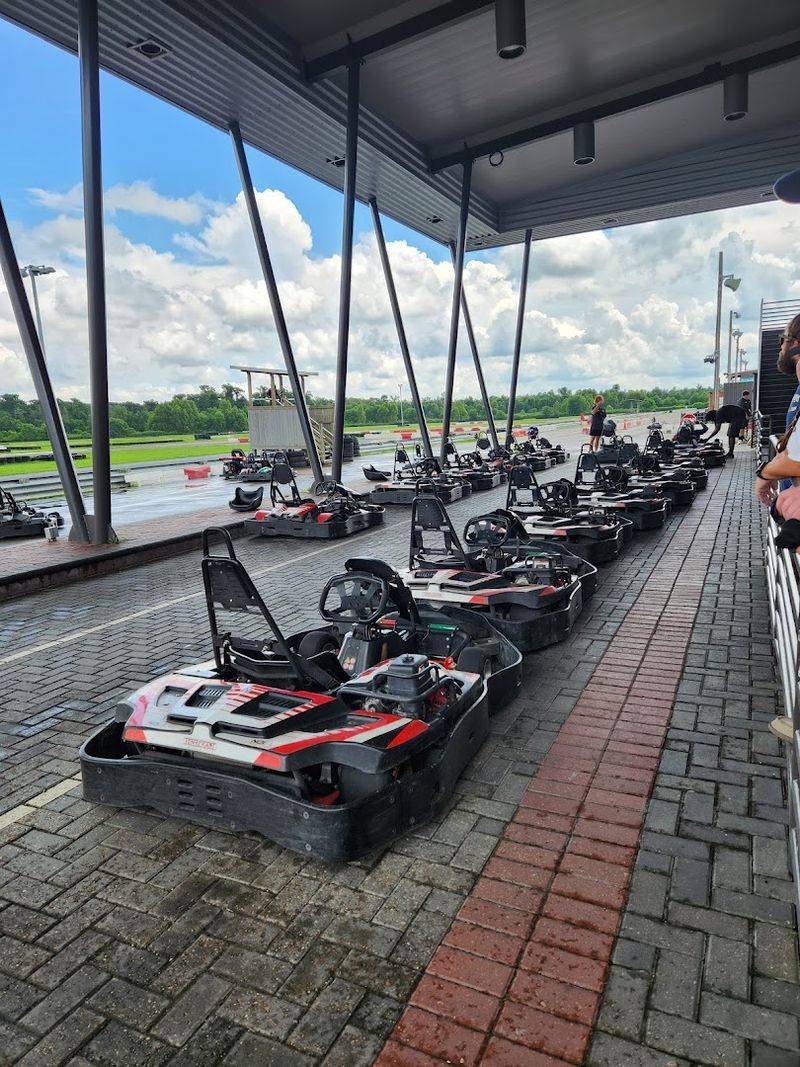
That long straight at NOLA is an invitation to use slipstreaming, especially in cadet and senior categories where small advantages matter. Timing is everything: hanging slightly behind on the approach gives you a tow, then pick your pass point based on where the following corner reduces speed.
I watch the line of the lead kart because side-by-side into braking zones is risky on technical circuits. If you plan to overtake into a chicane, ensure you can commit without forcing the other driver off line or out wide on a bumpy apex.
Slipstreaming feels clever when it works; practice it in quieter sessions to learn braking markers and how much speed difference you need to make a clean pass.
Watch For Tricky Apex Bumps
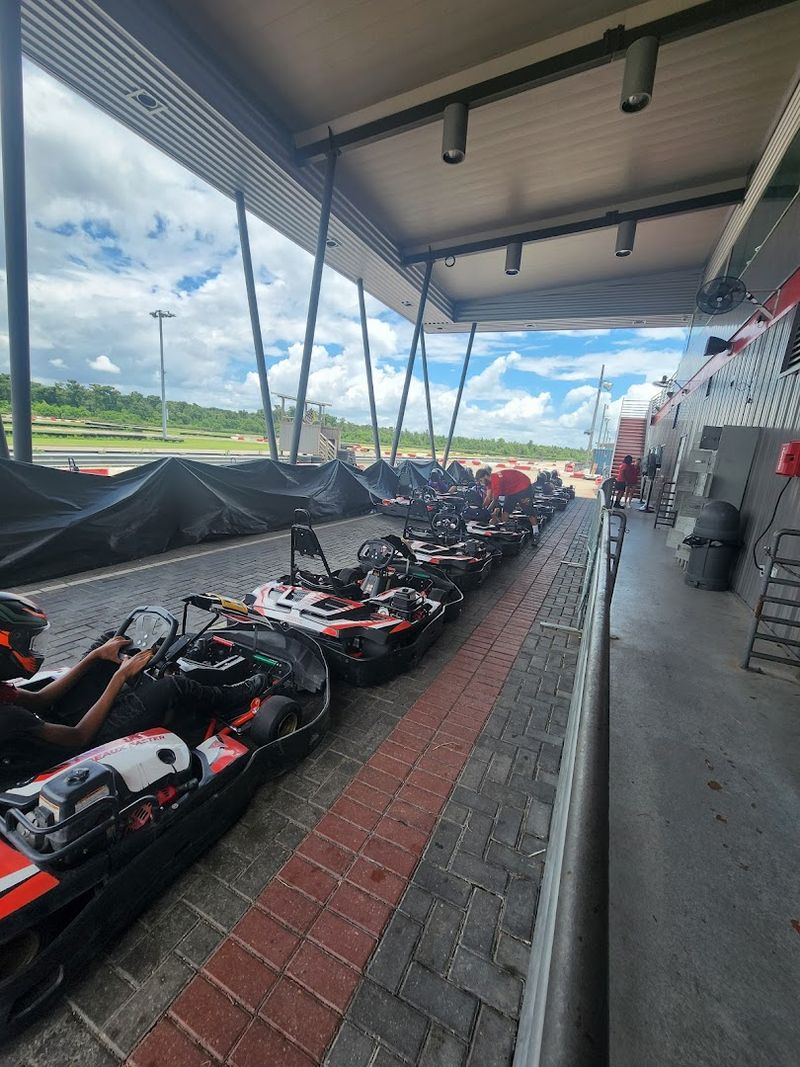
Some apexes at NOLA have subtle bumps that can unsettle a kart and send it wide if you’re not prepared. I make a point of noting these during warm-up laps and choosing a line that avoids the worst of the curb, or modulating throttle to keep the kart planted through the transition.
These irregularities reward patience more than aggression; a gradual roll-on of power through the apex often keeps momentum higher than a sudden throttle shove. If you feel the kart step out, counter-steering calmly while easing power usually recovers the line without losing too much speed.
Learning each corner’s temperament lap by lap lets you build confidence and reduce surprises when racing hard against others.
Bring A Camera For The Deck
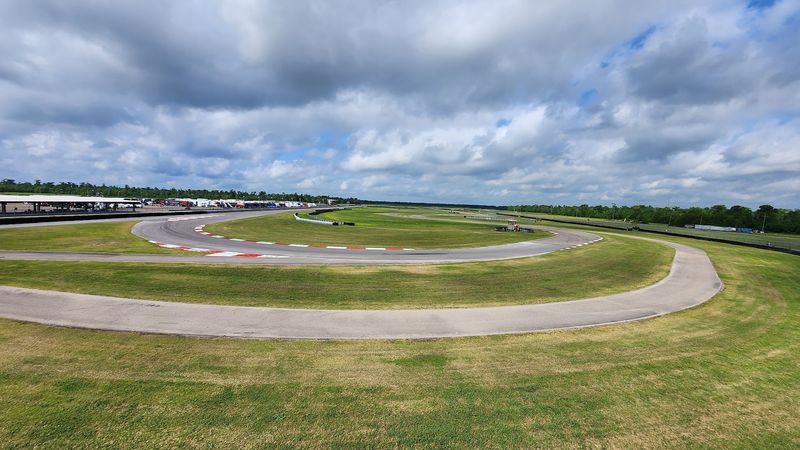
The observation deck is an underrated perk for families and photographers; it offers a safe vantage point to capture launches down the straight and dramatic chicane entries. I use it to photograph line choices and to film a few laps so drivers can review technique between heats.
Keep a small monopod or a phone mount handy to stabilize shots during golden hour, and ask staff about areas where standing is allowed to avoid traffic flow. The deck also gives a clear perspective on where marshals position and where runoff exists, useful for new drivers learning the rhythm.
Watching from above is part coaching, part theater, it helps you celebrate clean laps and spot things to tweak before the next session.
Timing Your Heats: Pricing And Deals
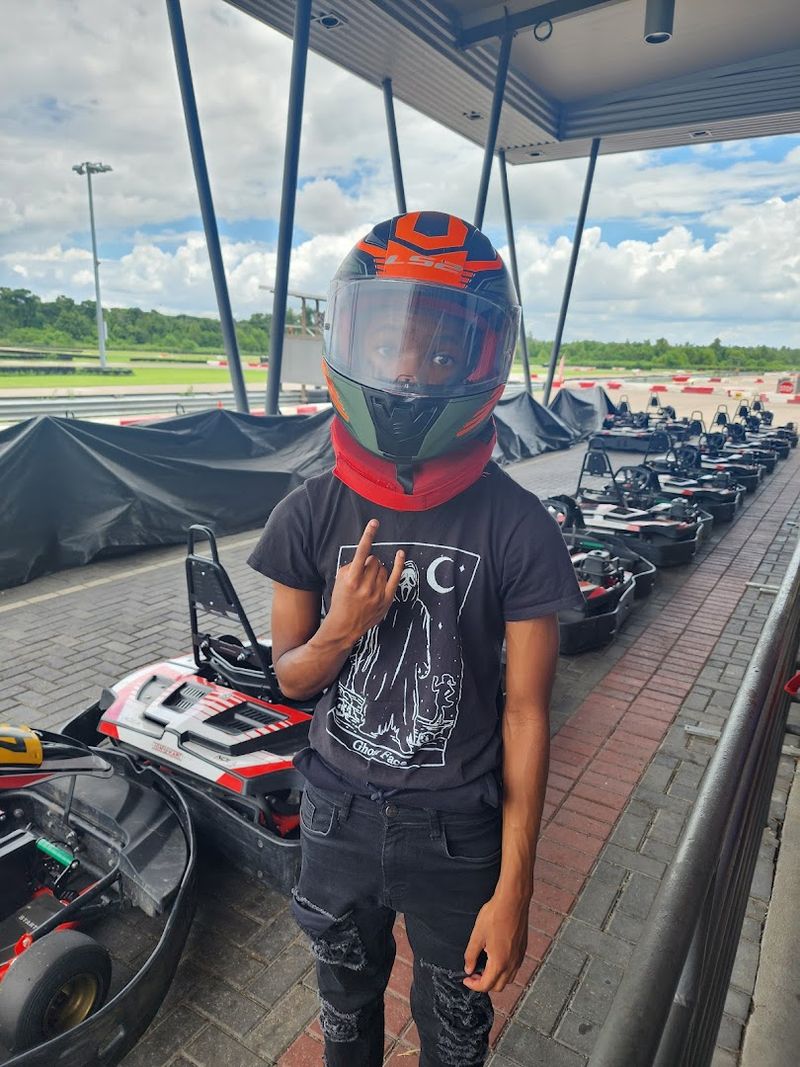
Understanding pricing helps shape a Father’s Day plan: a single 10-minute heat is about $30, three heats cost roughly $75, and Thursdays may offer half-price options. I plan sessions around peak times to get the most seat time for the budget, often buying multiple heats at once to avoid later queueing hassles.
If your group wants back-to-back runs, coordinate with staff so you can rotate quickly; purchasing three heats gives flexibility to warm up, push, and then try changes. Keep receipts or wristbands handy to avoid delays during busy windows.
Knowing cost structure ahead prevents the disappointment of short sessions and helps set realistic goals for how many laps each driver should aim for during the visit.
Plan For Bugs And Comfort
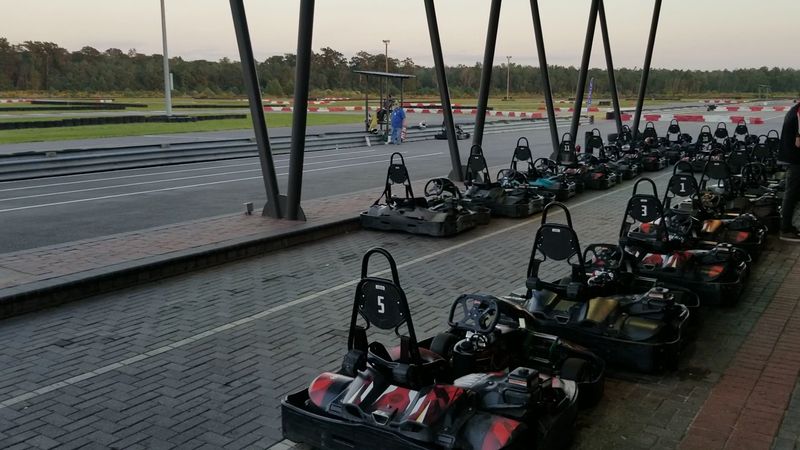
Some visitors mention mosquitoes around the property, especially near parking and queue areas during warm months, so I pack repellent and lightweight long sleeves for evening stints.
Comfort is practical: the paddock has basic facilities, but bringing small comforts like a sun hat, water, and a foldable chair improves the spectator experience.
Check restroom and clubhouse access in advance, as availability can vary with event days. If you expect delays during particular activities like paintball or special events, having snacks and a plan for younger guests keeps everyone patient and happy.
Preparedness for simple outdoor nuisances makes the day feel smoother and lets you focus on the racing rather than small irritations.
Respect Staff Instructions
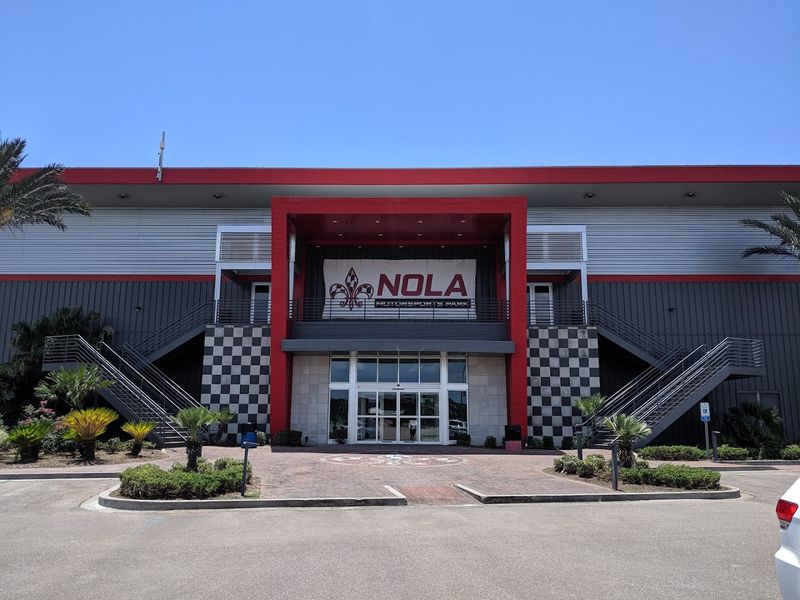
Staff and marshals keep the day safe and on schedule; I always listen closely during briefings and follow their guidance on grid order and behavior. The karts have remote kill switches and marshals will stop a driver if safety is compromised, so understanding signals prevents embarrassing or dangerous moments on track.
Many reviews praise staff helpfulness when present, but also note times of slower service during busy events; being patient and cooperative smooths the experience. If you have a special accommodation need, politely ask the supervisor rather than waiting until tensions rise.
Respect and clear communication with crew members make your session more productive and keep the vibe friendly for families and serious hobbyists alike.
End With A Debrief
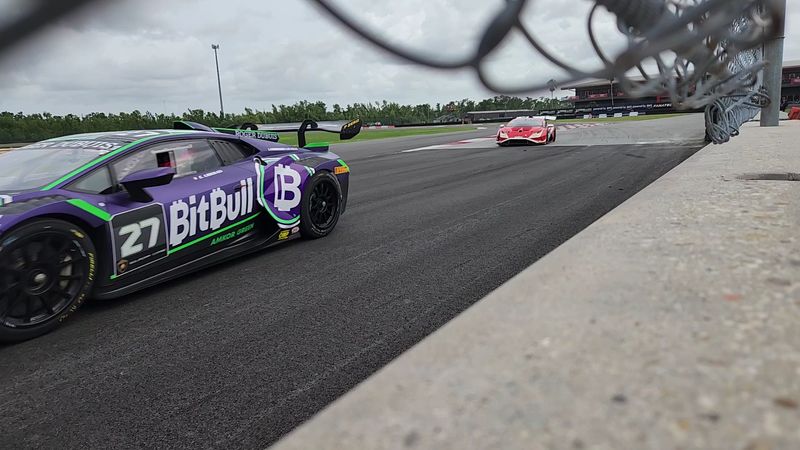
I like to finish a session with a quick debrief on the paddock steps: trade footage, compare lines, and celebrate small improvements. Discussing where to brake, where an apex nudged you wide, or where throttle modulation was messy helps turn a fun day into lasting skill gains without heavy lecturing.
The paddock and observation areas are great for this; they give space to rest while you plan your next run or call it a day. If someone felt uncomfortable in a particular kart size, sorting that out before the final heat avoids regret and ensures everyone leaves smiling.
A short, honest chat after racing seals the memory and leaves a roadmap for the next visit to sharpen skills together.