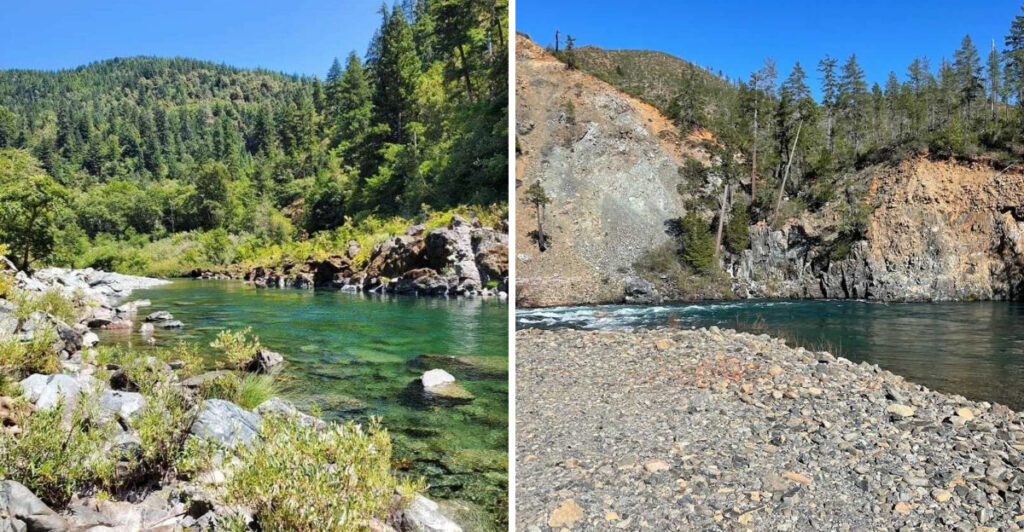
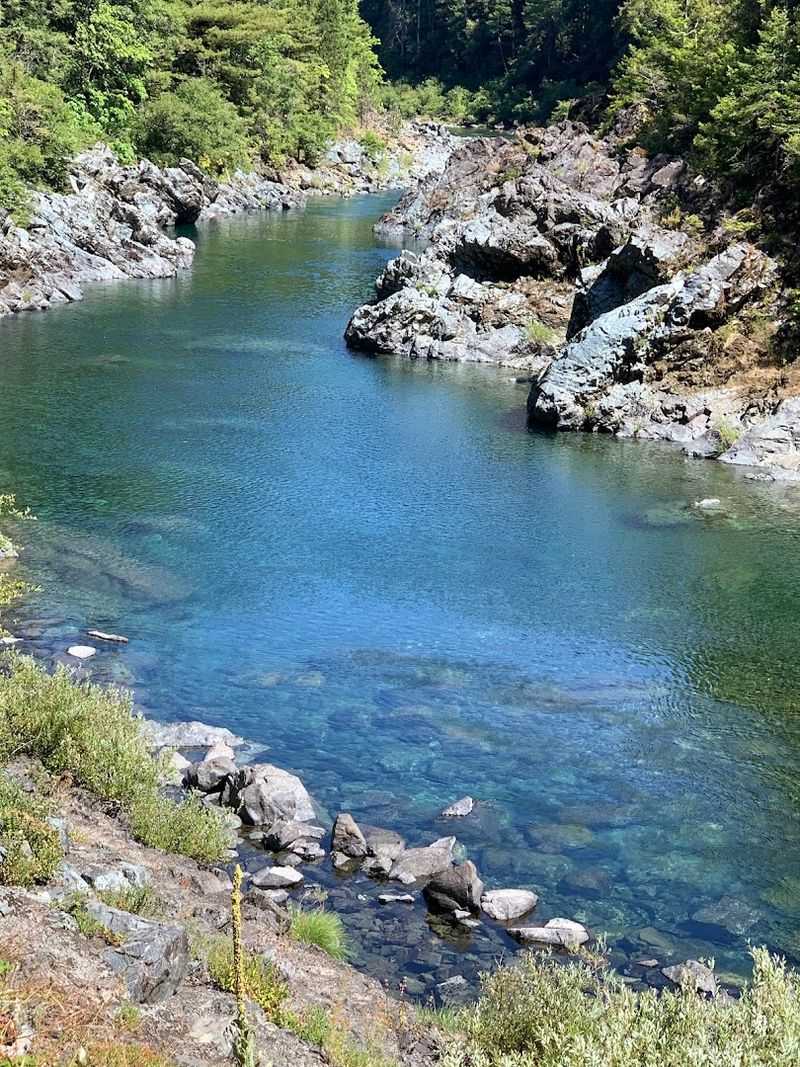
What does a river look like when no one has ever touched it? The water runs a shade of emerald so deep and clear that standing at the bank feels more like staring through glass than into a river.
Northern California keeps some breathtaking secrets, and this one may be the most extraordinary of them all. No dams, diversions, and no engineering fingerprints anywhere.
Just a free-flowing river cutting through ancient redwood forest, carrying wild salmon the way rivers here did long before roads arrived.
On a calm day, the clarity drops a full 20 feet straight to the rocky bed below.
California doesn’t give up places like this easily. The ecosystem here is intact, the water is genuinely wild, and the pull to return is nearly impossible to resist.
A River That Runs Free
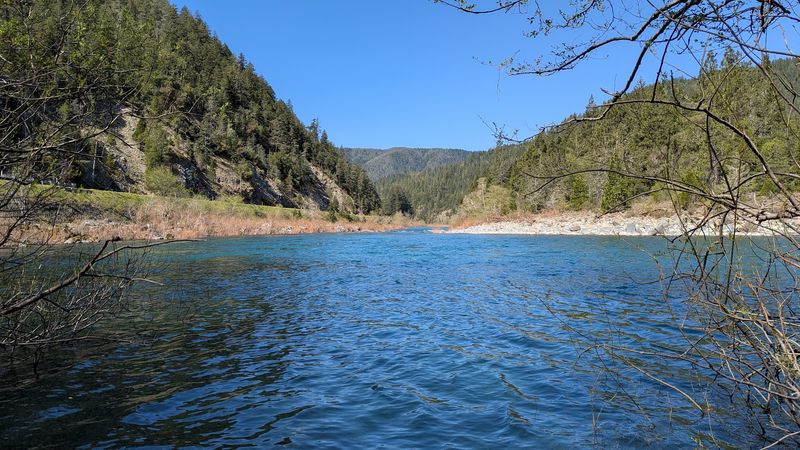
Most rivers in California carry the fingerprints of human engineering. The Smith River carries none of that.
It is the only major river in California that has never been dammed, meaning its water flows exactly as nature intended. Rising and falling with the seasons, flooding its banks when it needs to, and carving its own path through the landscape of Del Norte County.
That freedom matters more than it might sound. Natural river cycles are what keep ecosystems healthy.
Fish depend on seasonal flows, forests depend on seasonal flooding, and the whole web of life along a riverbank relies on water doing what water is supposed to do.
The Smith River does all of that without interference. Its basin has a natural bowl shape that made dam construction historically difficult, which turned out to be one of the best things that ever happened to it.
This is what a free river looks like, and it is genuinely rare in California.
Water So Clear It Barely Looks Real
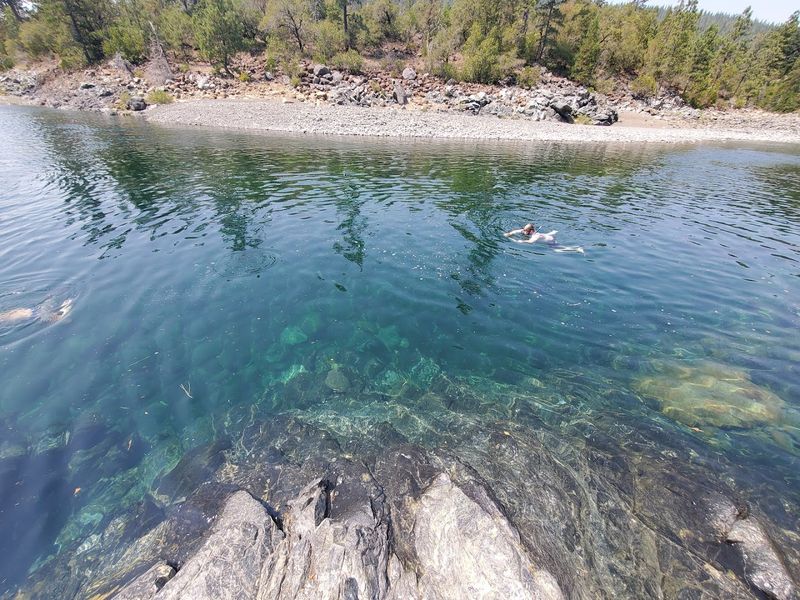
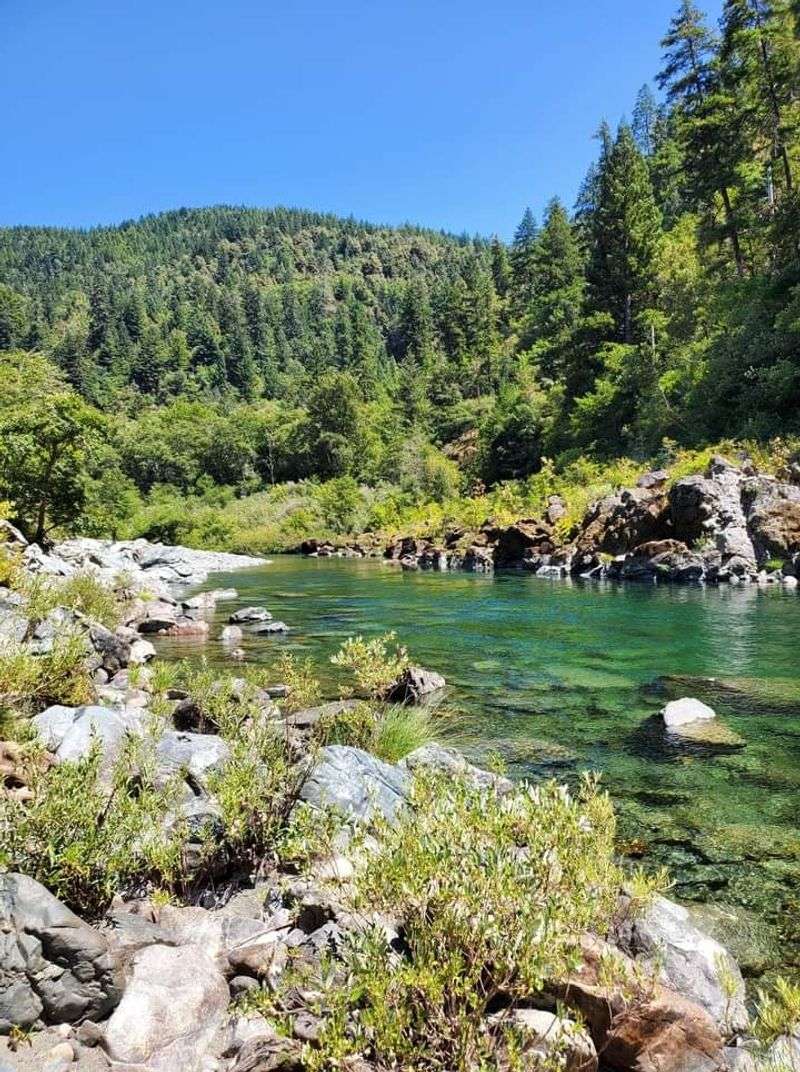
The color of the Smith River is the first thing that stops people in their tracks. It runs a deep, vivid emerald green that looks almost too saturated to be natural.
But the color is real, and so is the clarity.
Visibility in the water can reach 20 feet or more on a clear day, allowing a full view of the rocky riverbed below the surface.
This exceptional water quality comes from the geology of the watershed. The river drains through ancient rock formations that act as natural filters, stripping out sediment before it ever reaches the main channel.
Strict environmental protections have also kept industrial contamination away from the basin, which means no heavy runoff from mining or manufacturing has clouded the water over time.
Scientists consistently rank the Smith among the cleanest rivers in North America. That is not a casual compliment.
It is a reflection of decades of careful protection and a landscape that has largely been left alone.
The Wild And Scenic Designation That Changed Everything
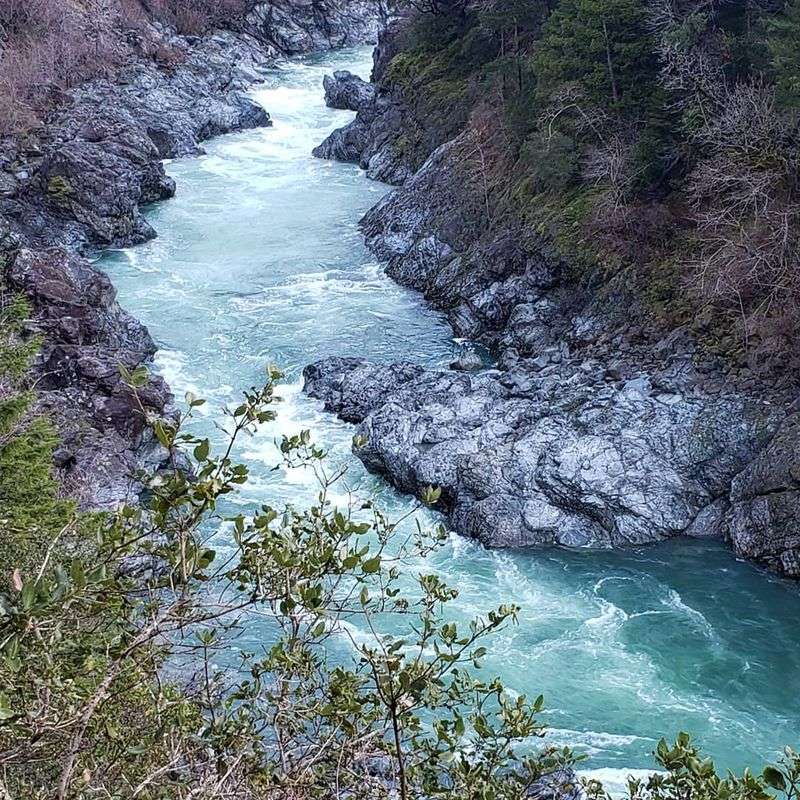
The Smith River was added to the National Wild and Scenic Rivers System in 1990, with its various forks and tributaries included under the same landmark designation.
That protection was not just symbolic. The Wild and Scenic Rivers Act legally prevents dams, diversions, and other major alterations from being built on designated stretches of a river.
More than 300 miles of the Smith River drainage now carry that designation, making it one of the most complete river systems in the entire National System. Very few rivers in the country can claim that level of protected coverage from headwaters to mouth.
The designation also opened the door to stronger land management policies around the watershed, keeping development away from the most sensitive areas.
For a river in California, a state where water is endlessly fought over and redirected, earning and keeping that kind of federal protection is a significant achievement. It reflects a genuine commitment to keeping this particular stretch of the state wild.
The National Recreation Area Protecting It All
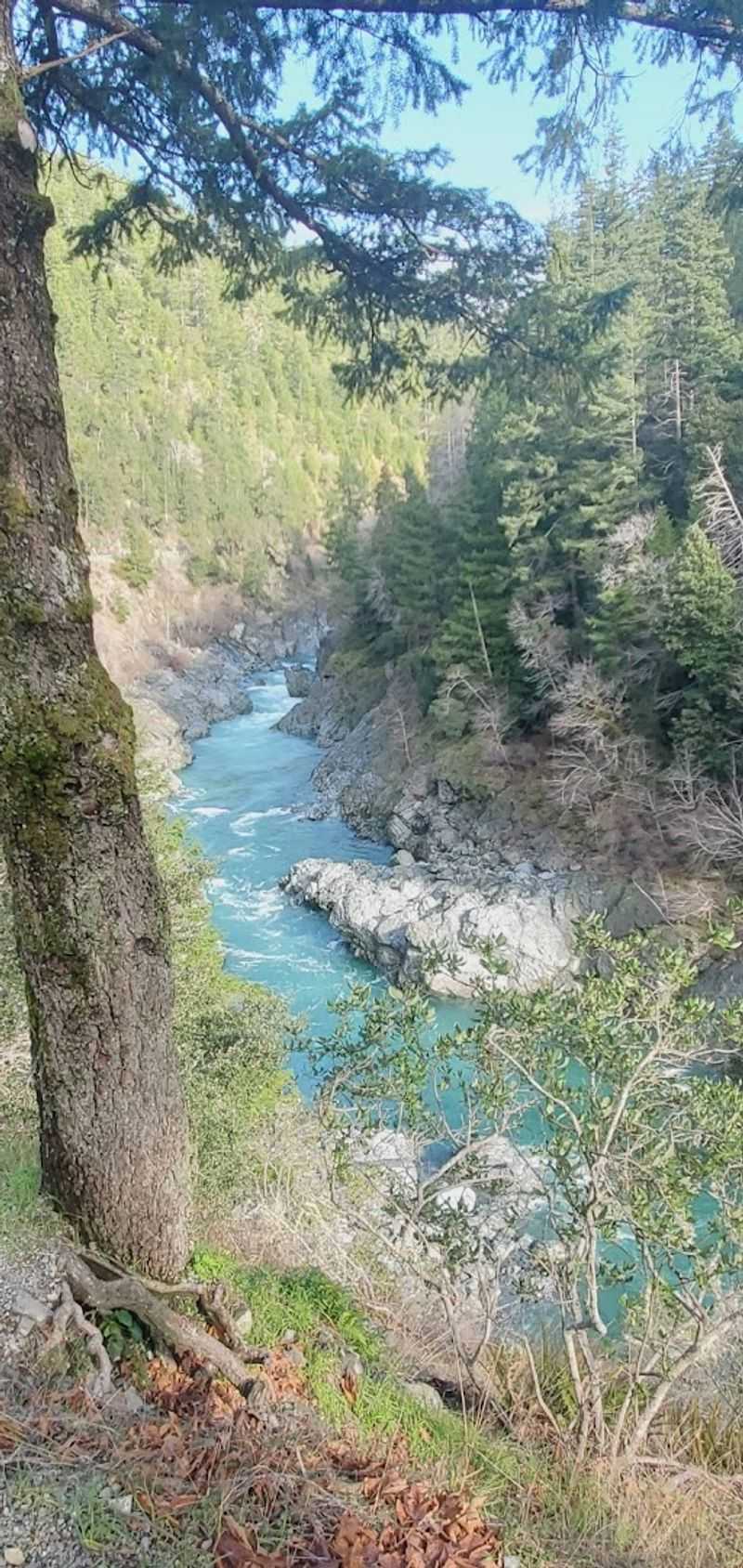
The Smith River National Recreation Area was established in 1990 and is managed by the Six Rivers National Forest. It covers more than 450 square miles of some of the most rugged and biologically diverse land in California.
Inside those boundaries, visitors find densely forested mountains, high-mountain lakes, steep canyons, remote wilderness areas, and botanical zones that contain rare and federally listed plant species.
The NRA was created specifically to protect the scenic value, natural diversity, wildlife habitat, and clean water of the entire Smith River watershed. That broad mission means land managers have to think about the whole system, not just the river corridor itself.
The community of Gasquet sits within the recreation area and serves as a practical base for visitors exploring the region.
The address for the Smith River area is Smith River, CA 95567, in Del Norte County.
Few recreation areas in the western United States protect an ecosystem this intact, and the results speak clearly through the health of everything living inside it.
Salmon, Steelhead, And The Fish That Define The River
Few rivers on the West Coast still support wild salmon and steelhead runs the way the Smith River does. The combination of natural flows, protected habitat, and minimal hatchery influence has kept these fish populations genuinely healthy.
The river provides essential habitat for 22 species of native fish. That list includes coho salmon, Chinook salmon, steelhead trout, cutthroat trout, and the tidewater goby, several of which carry federal protection status.
What makes the Smith special for fish is exactly what makes it special for everything else: the water runs clean, cold, and unobstructed. Salmon need all three of those conditions to spawn successfully and for their young to survive.
On a river with dams, those conditions disappear. Blocked passages, warmer pooled water, and disrupted gravel beds make spawning nearly impossible for many species.
On the Smith, the fish still move freely through the system as they have for thousands of years, which is increasingly rare in California and across the broader Pacific Coast.
Old-Growth Redwoods Along The Banks
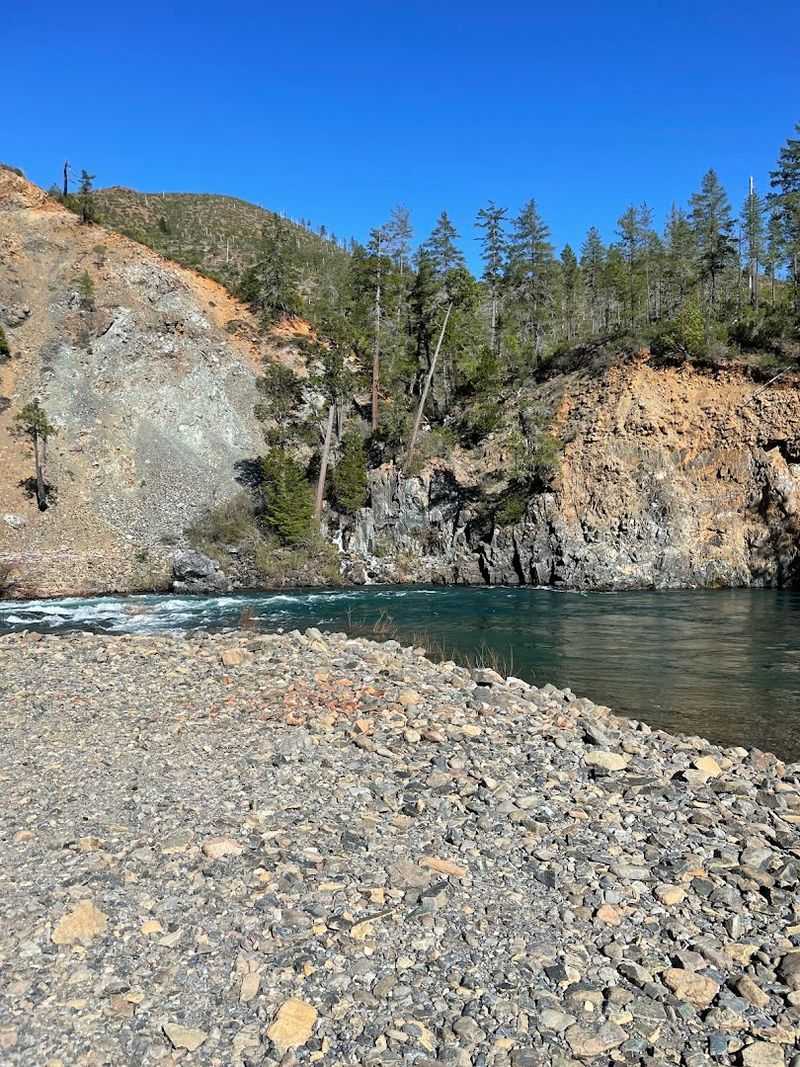
The river does not flow through open farmland or suburban sprawl. It cuts through some of the most impressive old-growth redwood forest remaining in California.
Redwood trees along the Smith River corridor can exceed 300 feet in height, creating a cathedral-like canopy that shades the water and keeps temperatures cool enough for cold-water fish species to thrive year-round.
These are not young trees planted for timber production.
Many of the redwoods standing along the Smith have been growing for hundreds of years, and their root systems play an active role in stabilizing the riverbanks and filtering surface runoff before it reaches the water.
The combination of old-growth forest and a free-flowing river creates a layered ecosystem that is increasingly rare across the Pacific Coast.
Most of California’s original redwood forests were logged during the 19th and 20th centuries.
What remains along the Smith River corridor is among the most intact examples of what that ancient forest and river relationship actually looks like when left undisturbed.
Kayaking And Rafting A River That Still Has Teeth
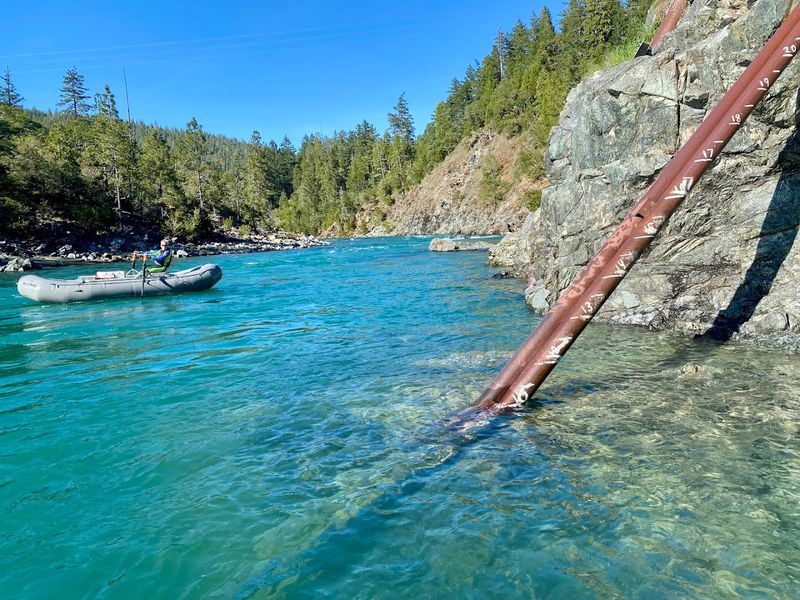
Paddling the Smith River is not a passive activity.
The river has real character, and depending on the season and section, it can move fast, turn sharp, and demand full attention from anyone on the water.
Kayakers and rafters who know what they are doing find the Smith genuinely rewarding. The combination of technical whitewater sections, long calm stretches, and stunning canyon scenery makes for a varied and memorable experience on the water.
Because the river has no dams, water levels change with natural rainfall patterns. Spring runoff from the mountains can push flows high and fast, while late summer brings lower, clearer conditions that favor different types of paddling and swimming.
Beginners are advised to research conditions carefully before launching, since an undammed river behaves unpredictably compared to regulated waterways.
For experienced paddlers, though, the Smith offers something most California rivers simply cannot: a wild run through untouched landscape where the water sets the rules, not a dam operator upstream.
Hiking Trails That Take You Deep Into The Watershed
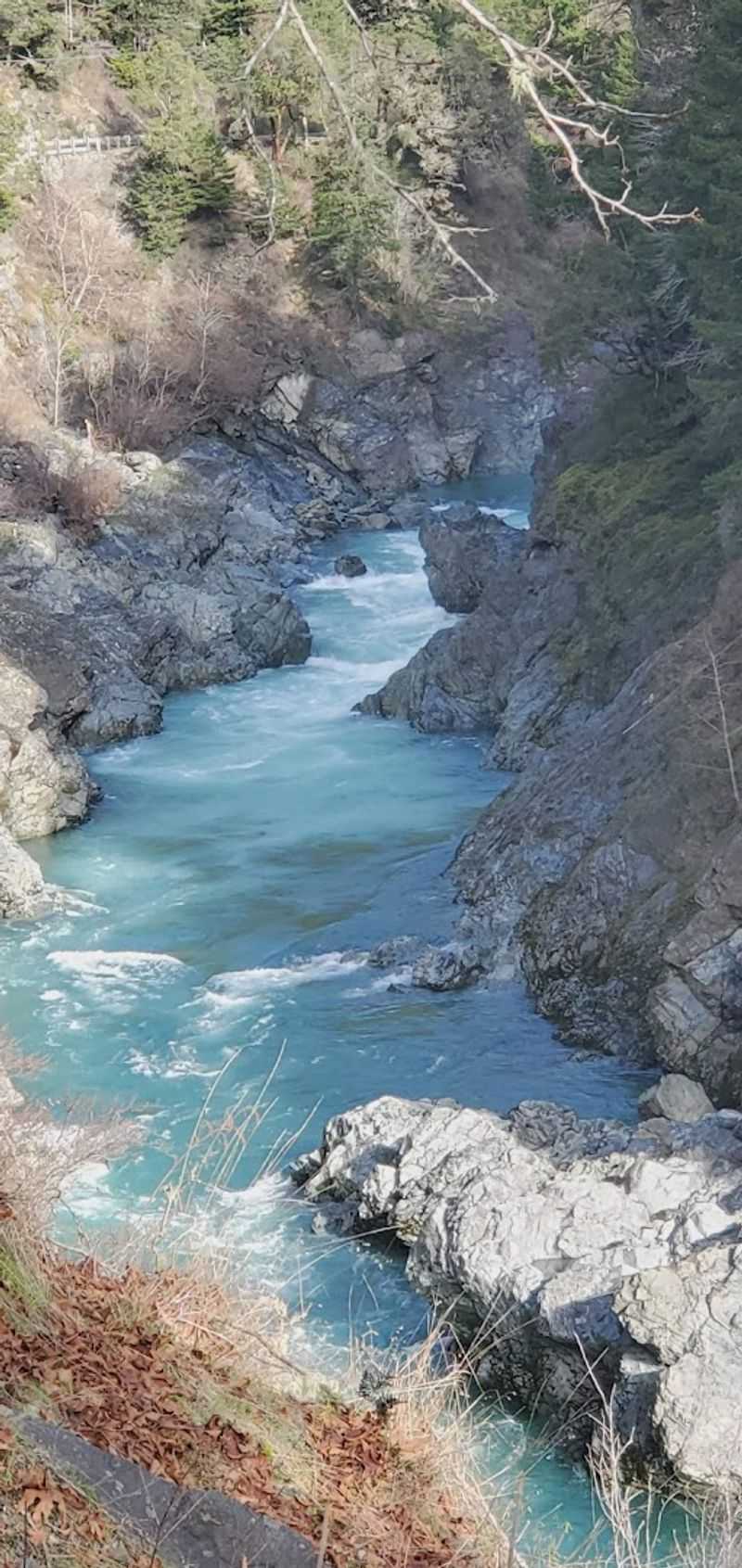
Getting close to the river on foot reveals a completely different side of the watershed. The Smith River National Recreation Area contains a network of trails that wind through old-growth forest, along canyon rims, and down to the water’s edge.
Some trails are short and accessible, making them good options for families or casual walkers who want to experience the forest without committing to a full-day effort.
Others push deeper into the backcountry, reaching high-mountain lakes, serpentine meadows with rare plant communities, and viewpoints that open up across miles of unbroken forest canopy.
The botanical diversity along these trails is genuinely striking. The Smith River watershed contains habitats that range from coastal redwood groves at lower elevations to exposed serpentine rock outcrops at higher ones, and the plant life shifts dramatically between them.
Hikers with a sharp eye can spot federally rare and sensitive plant species growing in conditions found almost nowhere else in California, which adds a layer of scientific interest to what is already a beautiful walk.
What Makes This Place Worth Protecting
The Smith River is not pristine by accident. It has stayed this way because of sustained effort from federal agencies, conservation organizations, and local communities who understand what is at stake.
Ongoing threats to the watershed include proposed nickel mining operations, pesticide runoff from agricultural areas on the Smith River Plain, and highway expansion projects that could affect sensitive riparian zones.
Each of those pressures requires active monitoring and legal defense to keep the river protected. The Wild and Scenic designation provides a legal foundation, but it does not make the river invincible.
California has lost most of its wild river corridors to development over the past century.
The Smith River is one of the last places in the state where the full ecological system, from headwaters to estuary, remains largely intact.
Visiting this river, understanding its value, and supporting the organizations working to protect it are all ways that people outside Del Norte County can help make sure it stays exactly as wild as it is today.