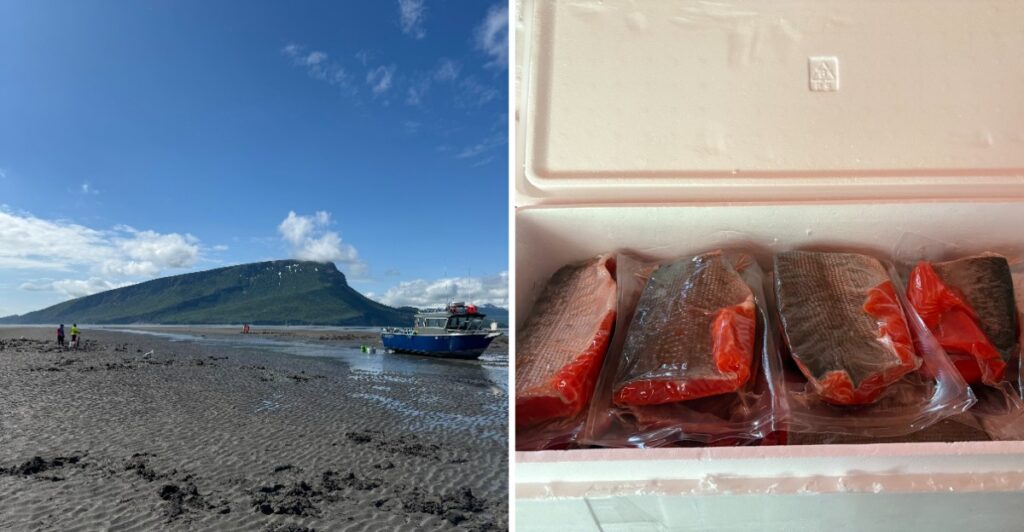
Some souvenirs sit on a shelf. This one disappears at lunch.
In Alaska, wild salmon gets turned into a smoked, slightly sweet take-home treat that travels a lot better than anything involving ice and wishful thinking.
The family behind it has been processing fish since 2011, so packing seafood for the trip home is not some last-minute add-on. They know the drill.
That matters whether you spent the morning fishing or simply walked in hungry.
Personally, I would head straight for the candied salmon. Eight-ounce packs make the commitment easy, and the vacuum seal means your suitcase does not have to become part of the adventure.
Then comes the tricky question: one pack or several?
Because once you start mentally assigning freezer space before leaving Alaska, the salmon has already won.
Tanner’s Started With Sport-Fish Processing In 2011
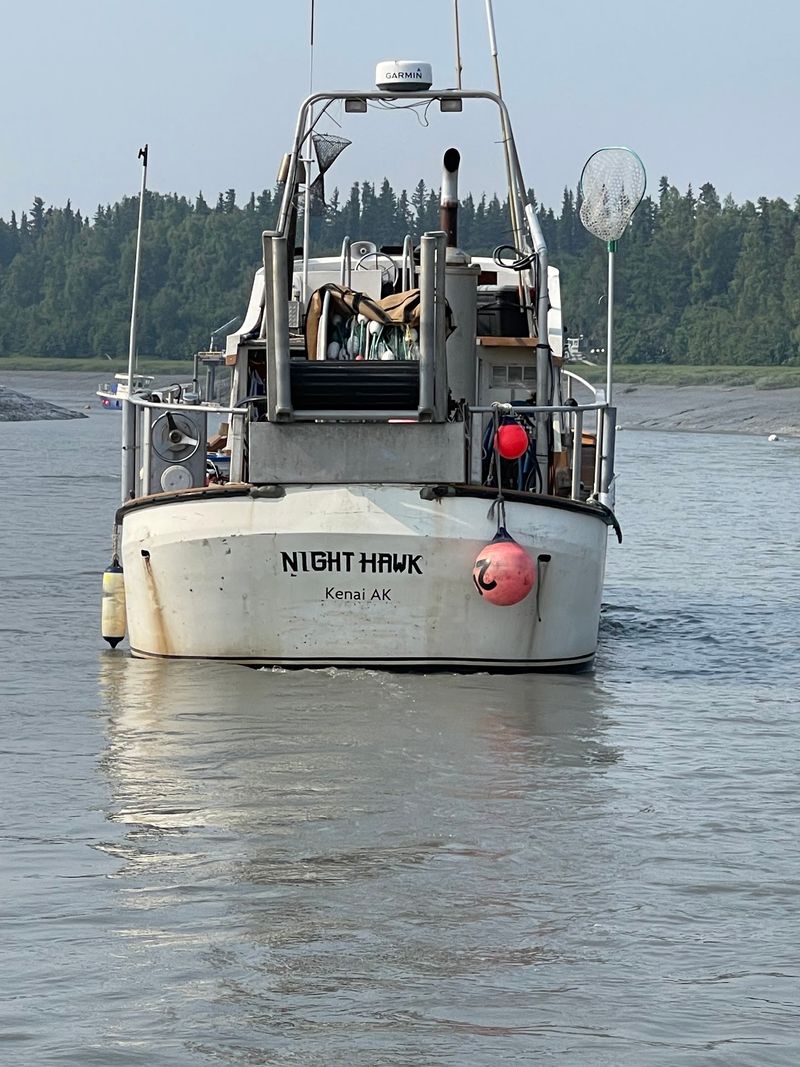
Jason and Rory Tanner started Tanner’s Alaskan Seafood in 2011 as a sport-fish processing operation before expanding into commercial processing and retail seafood.
The company remains family run and shore based. It does not operate its own fishing boats, which keeps the business focused on processing, handling, freezing, packing, and shipping seafood once it reaches land.
Sport-fish processing remains available in Soldotna and Ninilchik for anglers returning from salmon, halibut, and other fishing trips around the Kenai Peninsula.
Fish brought in for processing can be cut to the angler’s specifications, vacuum sealed when requested, and placed in the freezer the same day. Frozen storage and airline-ready fish boxes are also available.
For anyone traveling with a catch, that makes the order of operations easier. Decide how you want the fish portioned before dropping it off, think about how much will travel with you, and leave the packing decisions to the people handling the processing.
If several people are sharing the catch, settle the portions before processing begins. Smaller household-sized packages are easier to divide, thaw, and cook later than one oversized bundle.
A little planning at the counter can save an awkward freezer negotiation after everyone is back home.
A fishing trip already creates enough gear to keep track of. Frozen fillets do not need to become one more puzzle in the hotel room.
Smoked Candied Salmon Comes In Eight-Ounce Packages
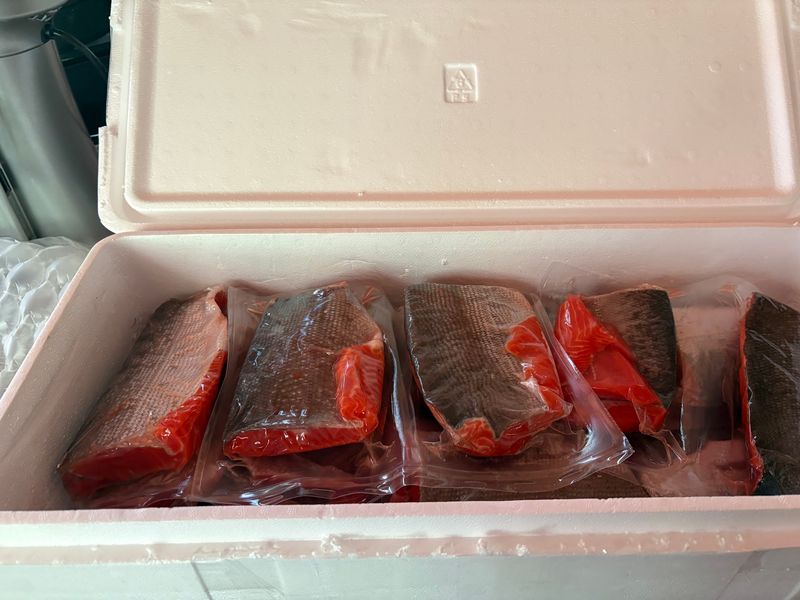
Tanner’s Smoked Candied Salmon starts with choice cuts of wild-caught Alaska salmon selected for smoking.
The finished salmon is lightly smoked with a sweet profile, then packed in eight-ounce vacuum-sealed packages. It is all natural and contains no nitrates or preservatives.
That packaging makes the product easy to think about in practical terms. One package is compact enough for a snack board, a small gift, or a few servings at home without committing half the freezer to one purchase.
The vacuum seal also keeps the portion neatly contained until you are ready to open and serve it at home.
Candied salmon sits in a different lane from a plain fresh fillet. It is already smoked and seasoned for eating, so the decision is less about what cooking method to use and more about when to open the package.
If you are buying several seafood products at once, keep the labels visible when they go into the freezer. Smoked salmon, fresh portions, and other vacuum-packed fish can start looking surprisingly similar once everything is stacked.
Five seconds of organization can save a lot of freezer guessing later.
The Smokehouse Goes Beyond The Candied Version
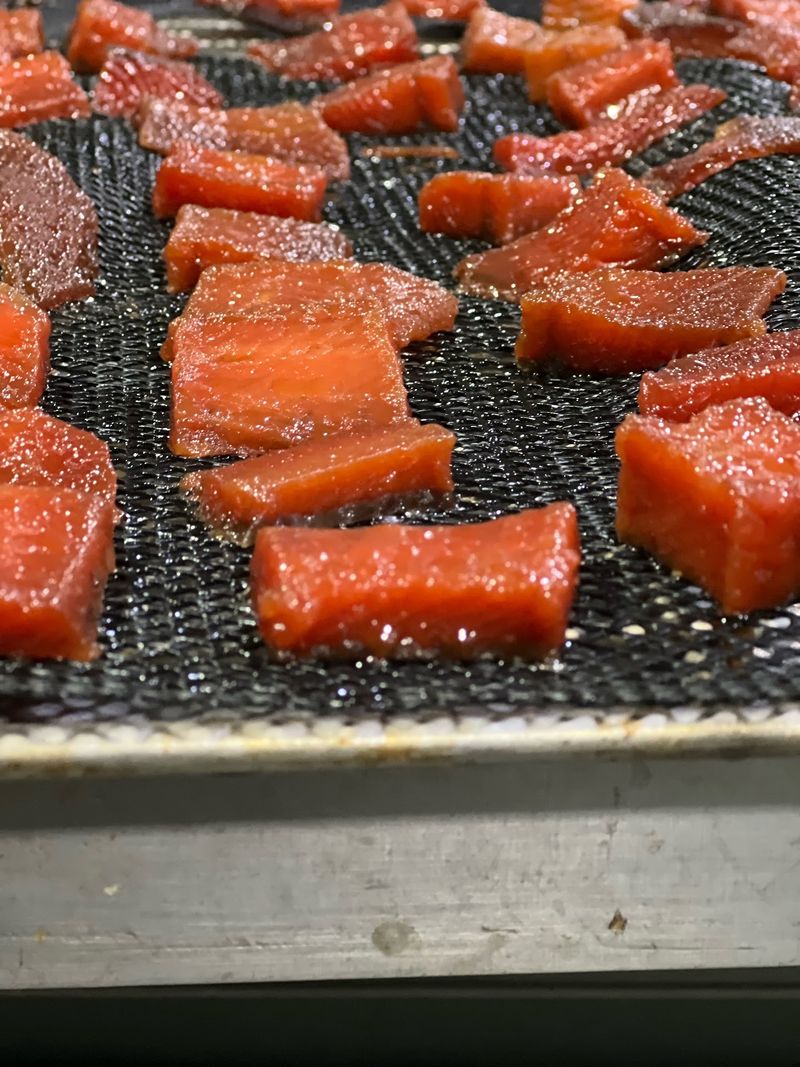
Candied salmon is only one part of Tanner’s smoked seafood selection.
Traditional smoked Alaska salmon is available alongside black pepper and Cajun versions. The company also offers whole smoked sockeye fillets made from wild sockeye salmon that is hand filleted, carefully brined, alder smoked, and vacuum packed.
Smoked halibut gives shoppers another option outside salmon. Those portions are lightly smoked, all natural, and made without nitrates or preservatives.
That range makes it easier to shop by how you expect to serve the fish. Smaller portions work well when you want something easy to open for snacks or a light meal.
A whole smoked sockeye fillet suits a larger table or a meal where the fish needs to do more of the work.
The black pepper and Cajun salmon also provide a simple way to vary the freezer without buying an entirely different species.
If you are building a mixed order, choose one familiar flavor and one that feels less predictable. That keeps the box interesting without turning dinner into an experiment every night.
The hardest part may be remembering which package you promised not to open before getting home.
Soldotna Still Handles Sport-Fish And Retail Seafood
Tanner’s Soldotna operation is at 450 Centennial Park Rd, Soldotna, AK 99669.
The location continues to handle sport-fish processing while also serving as part of the company’s broader seafood business.
Anglers can bring in their catch for processing, freezing, storage, boxing, or shipping, while retail customers can shop Alaska seafood without bringing in fish of their own.
For sport-caught fish, the processing menu includes options with or without freezing, plus freezing-only service. Fish can be vacuum sealed on request and cut to specifications before going into the freezer.
Airline-ready boxes are useful for travelers who plan to take their catch with them. Overnight shipping through FedEx and UPS offers another route when carrying a frozen box through the airport sounds like one task too many.
It helps to make the transportation decision before the last day of a fishing trip. A box going on the plane requires one plan. A box going to a home address requires another.
Either way, portion sizes matter. Think about how you actually cook fish at home and ask for cuts that fit those meals. A freezer full of practical portions is much easier to use than one enormous reminder that you forgot to plan ahead.
Cook Inlet Sockeye Is Flash Frozen After Processing
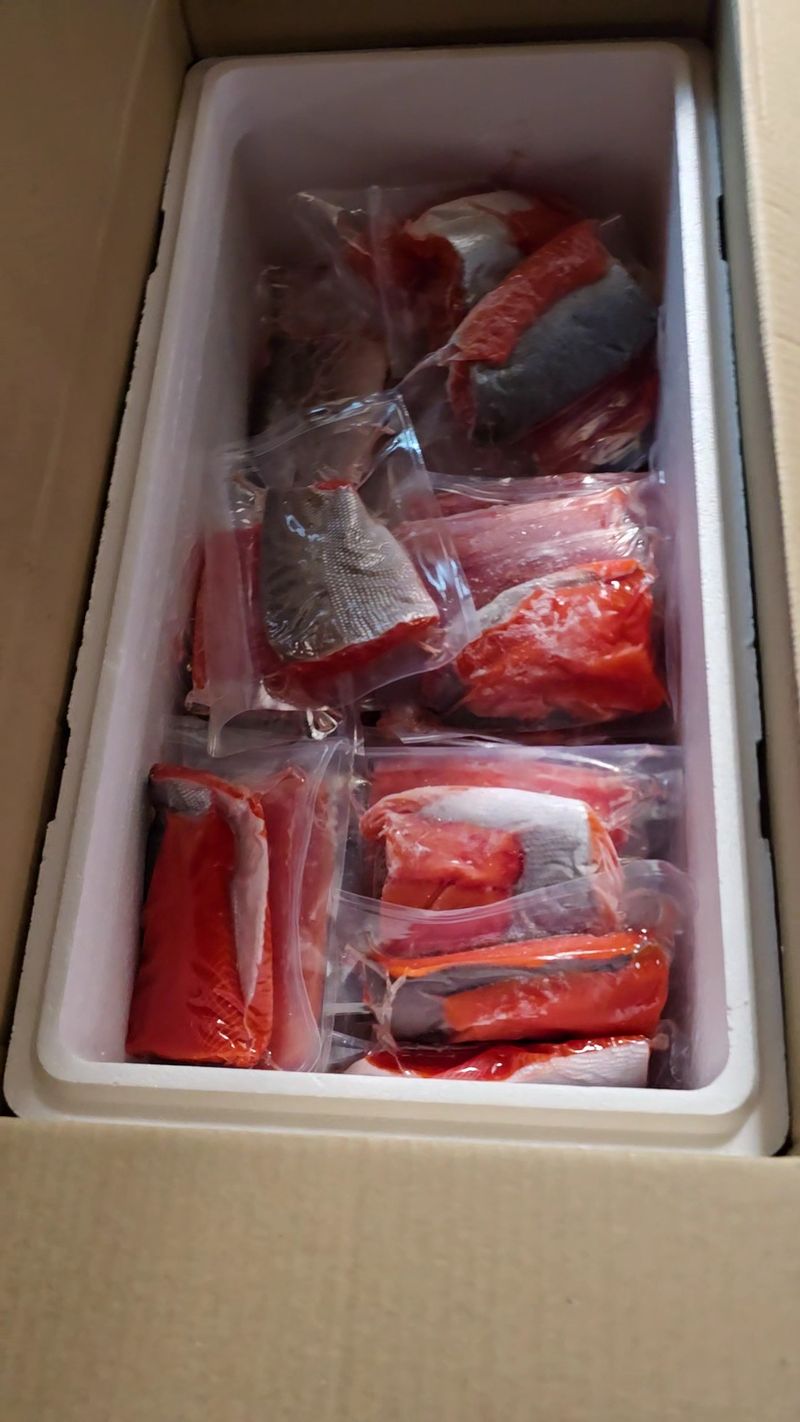
Wild sockeye from Cook Inlet appears prominently in Tanner’s salmon lineup.
The sockeye is sustainably harvested, hand filleted, and flash frozen to preserve freshness, flavor, and nutrients. Tanner’s processes and packages the salmon within hours of it being caught.
Flash freezing is especially useful for seafood that may travel far from Alaska before reaching the dinner table. The process gets the seafood cold quickly after handling, helping preserve the quality of the fish.
Tanner’s also works as a shore-based processor rather than a fishing fleet. Seafood comes in from commercial fishermen, then moves through the company’s processing and freezing system on land.
For shoppers, the practical question is how much salmon the household can realistically use. Sockeye portions can handle weeknight dinners, while whole fillets ask for a little more planning.
If the freezer already contains three mystery bags from last season, label the new fish before it joins them. Species, cut, and date are enough to prevent an archaeological dig later.
A good seafood order should make dinner easier, not turn the freezer into a guessing game.
Shipping Reaches All Fifty States
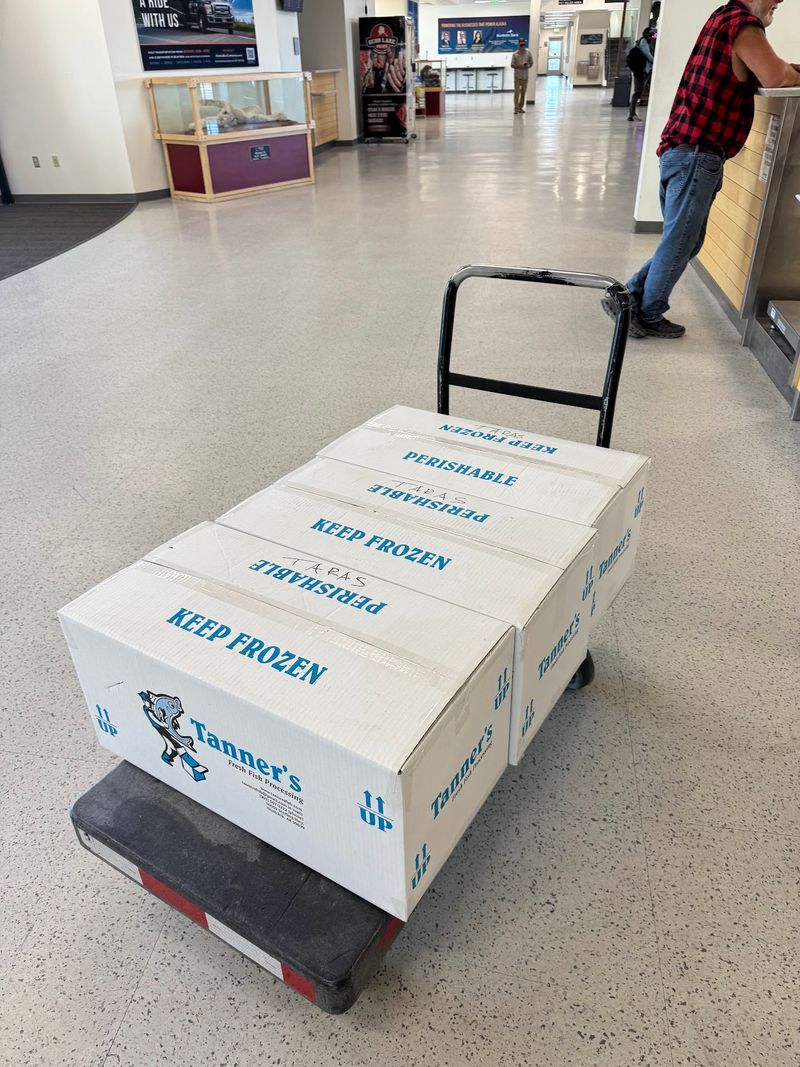
Tanner’s ships seafood to all fifty states, giving the Soldotna shop a reach far beyond the Kenai Peninsula.
Orders travel by FedEx with a standard one- to two-day transit window. Shipping runs Monday through Wednesday, with occasional Thursday shipping depending on the situation, and orders must be placed at least one day before the intended ship date.
Packages are insulated to keep seafood frozen or cold for up to two days in transit. Products are expected to arrive either frozen or cool to the touch.
Shipping to Alaska and Hawaii carries an additional charge. Frozen products cannot be sent to post-office boxes.
That makes timing an important part of a shipped seafood order. Avoid choosing a delivery window when nobody will be available to deal with the box after it arrives, especially if the weather at the destination is warm.
For gifts, tell the recipient that seafood is coming. Surprise is fun. Finding a perishable box several hours after delivery is much less entertaining.
If the order is for your own freezer, clear the space before clicking purchase. King crab legs have a habit of revealing exactly how optimistic storage calculations can be.
Retail Seafood Makes The Stop Useful Even Without A Fishing Trip
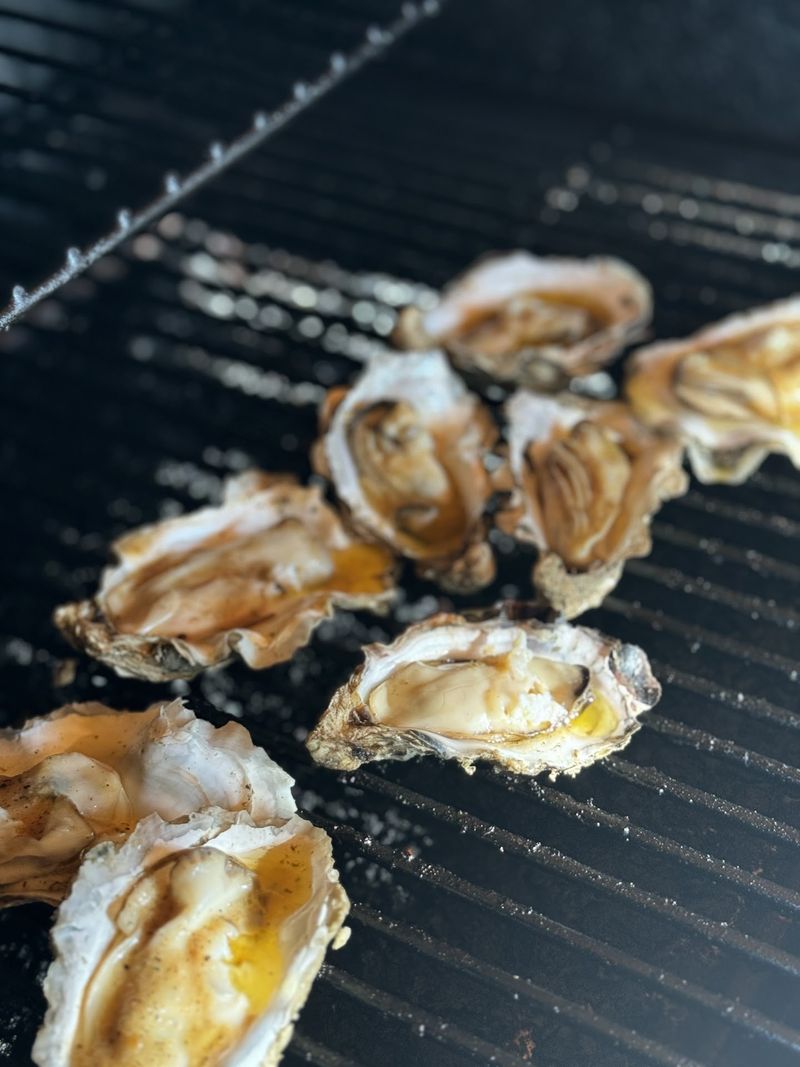
You do not need to bring in a day’s catch to make use of Tanner’s.
The retail side covers far more than smoked candied salmon. Wild salmon, halibut, crab, spotted shrimp, black rockfish, lingcod, smoked salmon, and other products move through the company’s selection, with availability varying by item.
That gives non-anglers the same basic advantage as people returning from a charter: seafood can be purchased in processed, packaged form without adding a fillet knife, cooler, or fishing license to the day.
For a road-trip stop, start with what is easiest to transport. Smoked products and clearly labeled frozen packages make planning simpler than buying first and figuring out storage later.
For an online order, work backward from the freezer. Decide how many meals you want, how much space is available, and which products can share a box without becoming a month-long seafood project.
The smoked candied salmon remains one of the simplest introductions to the shop because it is already portioned into eight-ounce vacuum-sealed packages and needs no elaborate dinner plan.
Open it when the timing makes sense, keep the rest properly stored, and let the more ambitious halibut or sockeye dinner wait for another night.