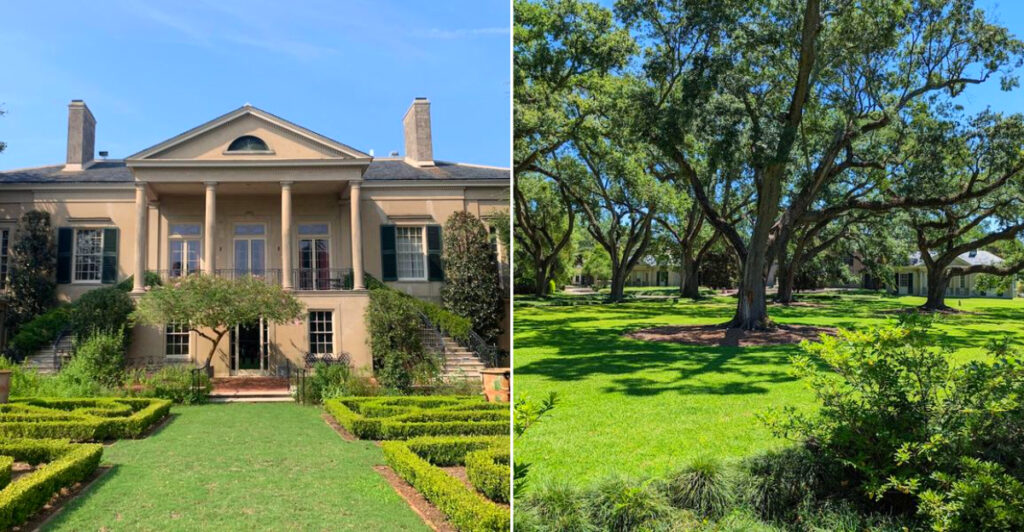
Some estates announce themselves with fountains and ego. This one eases you in through shade, symmetry, and the faint suspicion that New Orleans has been hiding a very elegant side door.
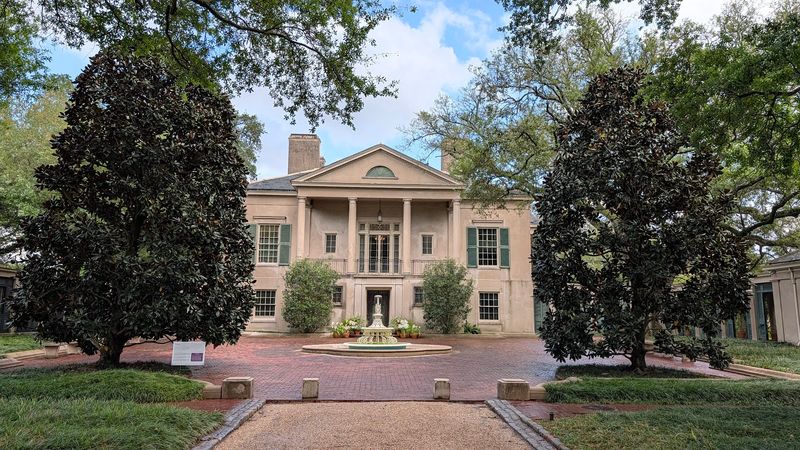
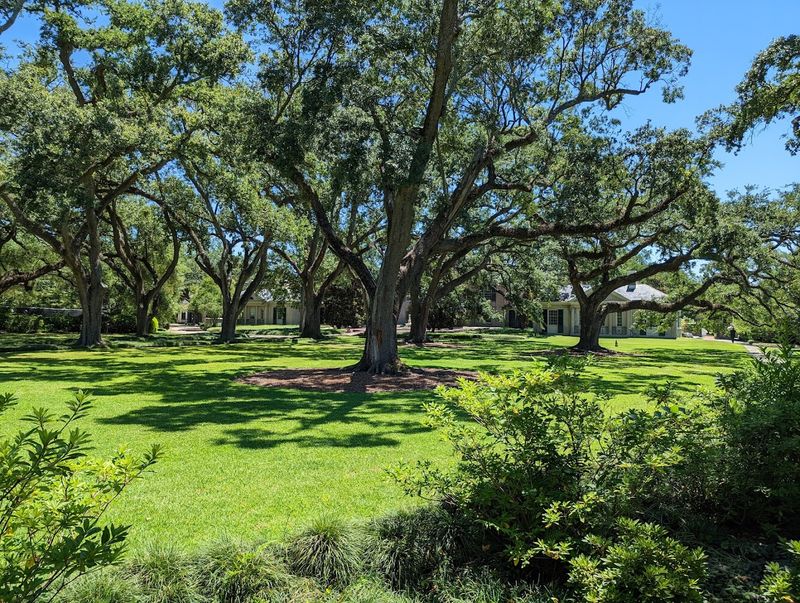
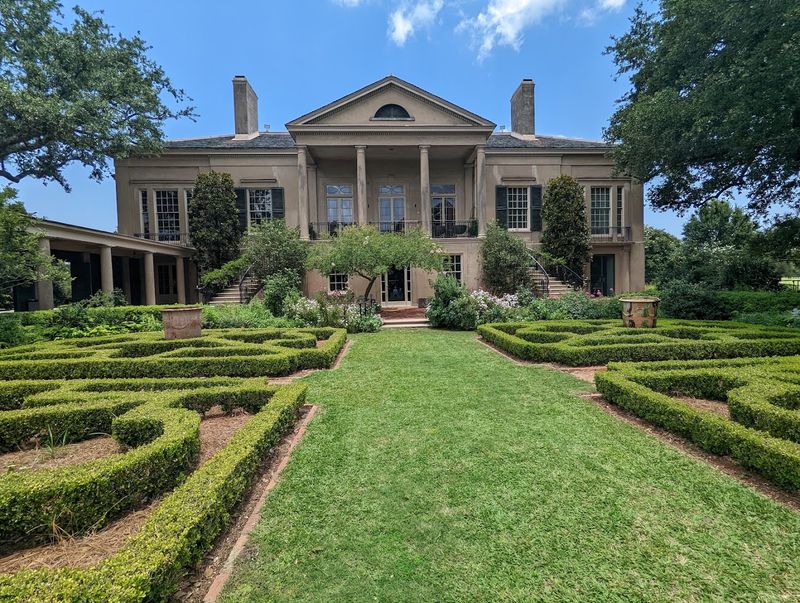
The 1940s Classical Revival house feels polished without turning stiff, framed by live oaks and garden rooms that know exactly when to show off.
I love how each facade seems to answer a different mood outside: clipped formality here, wild greenery there, a quiet path waiting just beyond the obvious photo spot.
A New Orleans historic house and garden is one of Louisiana’s most atmospheric places to visit for architecture, landscape design, romantic courtyards, and slow, thoughtful wandering.
Give yourself time to drift rather than march. Look for transitions, not just highlights: brick walls, shaded benches, fountains, and the way sunlight softens the edges. Read on for practical tips and small moments worth lingering over.
Vibe And Arrival
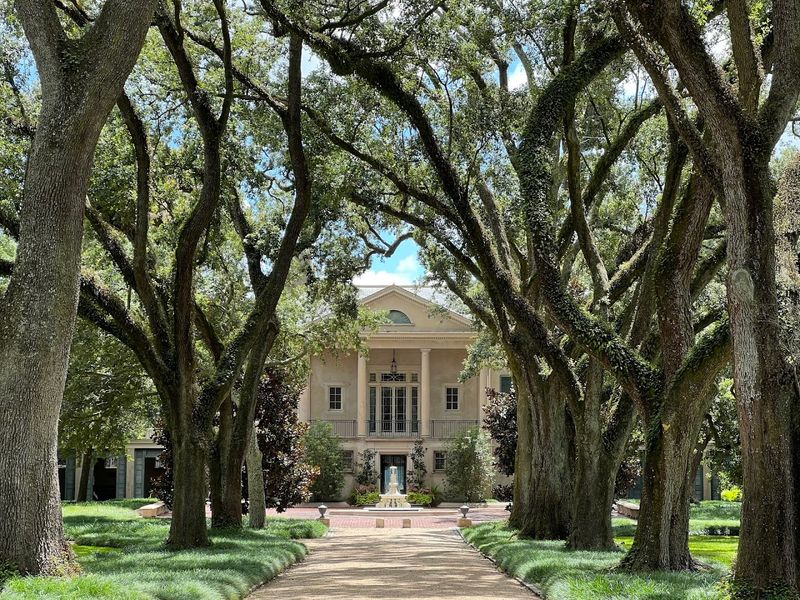
I remember stepping through the live oak entry and feeling the city fold away; the drive narrows and the house appears, a Classical Revival puzzle with four distinct faces. The scale is human and grand at once, its curved doors and windows a local talking point among guides.
Ellen Biddle Shipman’s gardens unfold room by room, from parterres to the Wild Garden where Louisiana iris and native plantings mingle. The Walled Garden’s wartime role adds civic purpose, while the Canal Garden’s reflections make you pause.
House tours emphasize original furnishings and practical surprises such as a basement air system, with docents connecting those features to the Sterns’ civic work and values. Book in advance and leave an hour for the grounds; sitting quietly in a parterre is the best way to absorb the design; the estate’s careful planning becomes clear.
Garden Gates Off Bamboo Road
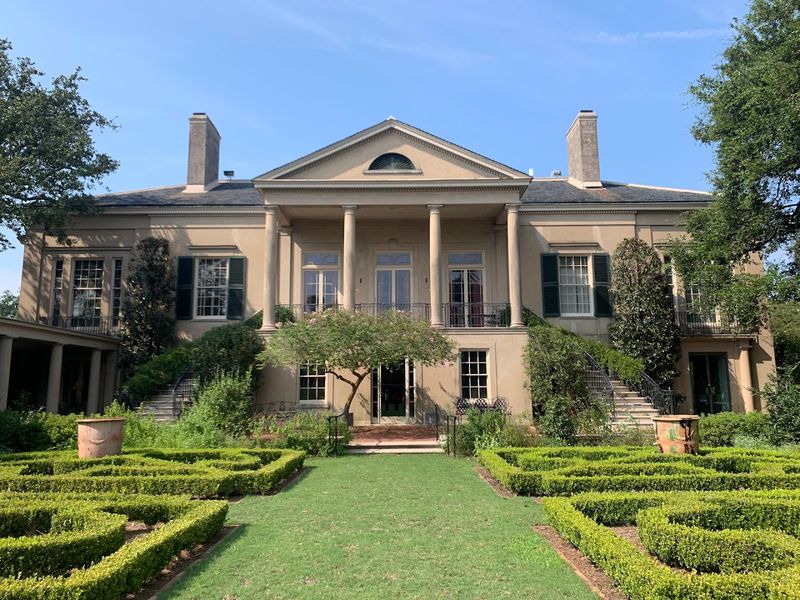
Longue Vue House and Gardens feels like one of those New Orleans stops where the city suddenly softens, trading traffic and noise for formal gardens, old trees, and estate-house calm.
You’ll find it at 7 Bamboo Road, New Orleans, LA 70124, with gardens open daily and house tours offered throughout the day.
Park, slow down, and give yourself time to walk before or after the tour. The best arrival is unhurried, because the fountains, paths, and mansion reveal themselves better when you stop treating the visit like a checklist.
Shipman Gardens
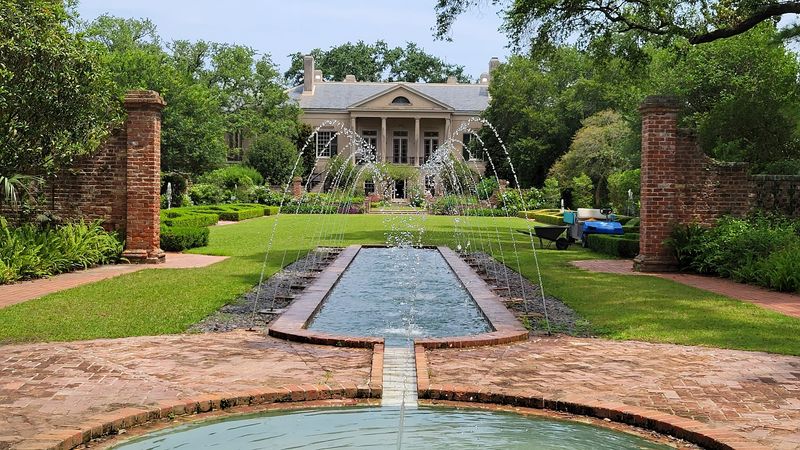
The gardens at Longue Vue are Ellen Biddle Shipman’s mature masterpiece, designed with complete creative control that results in intimate garden rooms and a coherent progression of spaces. Walking them feels like moving through chapters of a carefully edited book where each chapter has its own mood and plant palette.
From formal to wild, the planting schemes balance native Louisiana species with classical parterre structure. The Wild Garden showcases Louisiana iris and the Pan Garden, while the Canal Garden provides reflective water surfaces that punctuate the walk and slow your pace.
Allow time to linger at thresholds and gates; Shipman’s design rewards patient observation, revealing small details like clipped hedges, brick piercings, and layered seasonal interest that make return visits worthwhile across the year.
Walled Garden Story
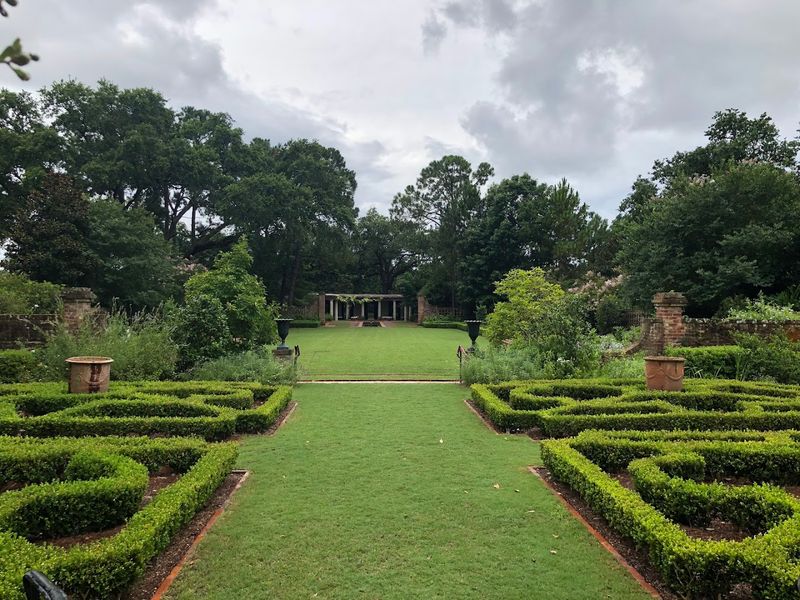
The Walled Garden at Longue Vue carries layered meaning: it served as a victory garden during World War II and now functions as a focused, intimate space within the larger estate. Walls create a private frame for sunken beds, masonry details, and enclosed light that changes with the day.
Historical interpretation here ties horticulture to civic purpose, reflecting the Sterns’ community-minded values and wartime conservation efforts. The enclosed nature concentrates scent, sound, and texture in a way that contrasts sharply with the open East Lawn.
When visiting the Walled Garden, pay attention to plant spacing and the original hardscape lines; benches invite long pauses and the quiet helps you see how history and horticulture coexist in a compact, carefully curated room.
Wild Garden Details
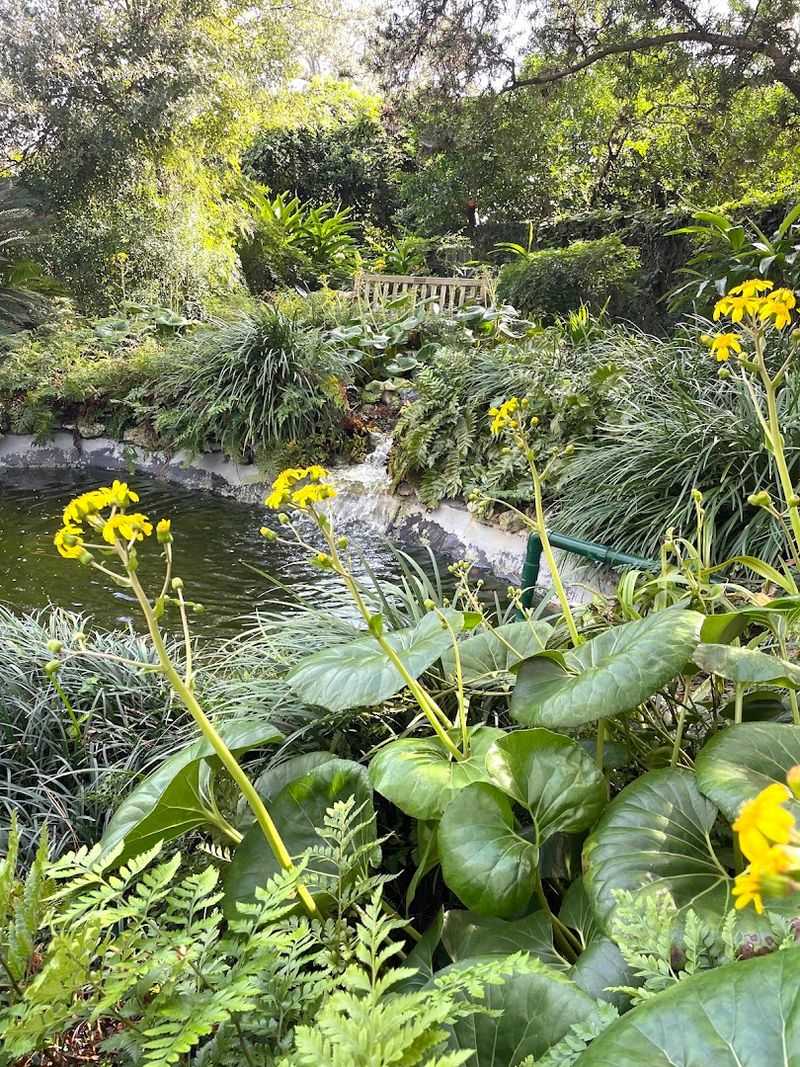
Here, sightlines open and close with unexpected plant groupings and textured layers that invite you to step closer and examine leaf, bloom, and seed head. The area feels looser but is no less designed; Shipman orchestrated a controlled informality that reads as natural without being accidental.
Take the time to look for small signs of ecological care – mulching, native understory, and pollinator-supportive plantings. The Wild Garden rewards a slow, inquisitive walk and a willingness to notice the subtle choreography of species across seasons.
Canal Garden Reflections
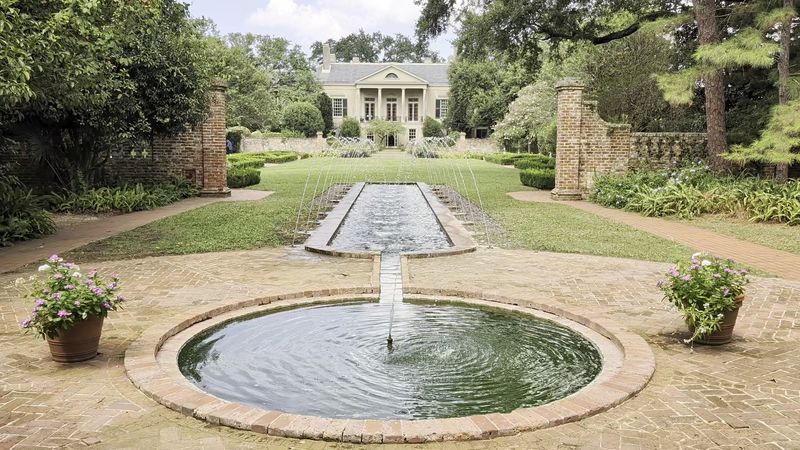
The Canal Garden provides a compositional pause with its long rectangular pool and reflective surfaces that echo the house’s geometry. Water becomes a design tool here, framing axial views and catching light so that the landscape reads differently at each hour of the day.
When the light is low, linger at the canal end and watch plant silhouettes and sky create painterly compositions. It’s a practical spot for rest and a visual anchor for orienting yourself within Shipman’s sequence of garden rooms.
Seasonal Blooms
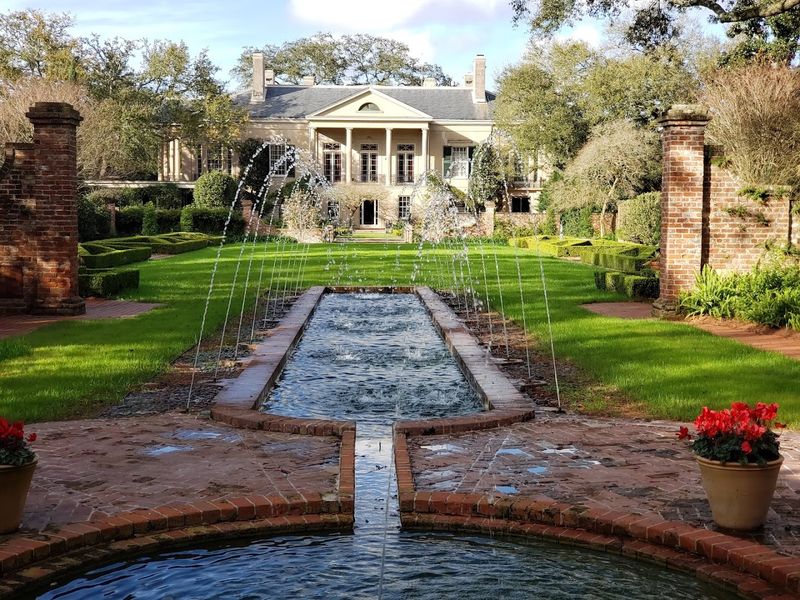
Visitors often mention returning in spring for peak bloom, but winter visits reward structural appreciation of walls, paths, and hardscape. The Garden’s progression is part plant show and part architectural reveal, so timing your visit depends on whether you want floral spectacle or compositional clarity.
Check the calendar for seasonal events and guided tours that highlight bloom cycles. Bring flexible expectations – the estate’s beauty is measured in both flowers and form across the year.
Tours And Guides
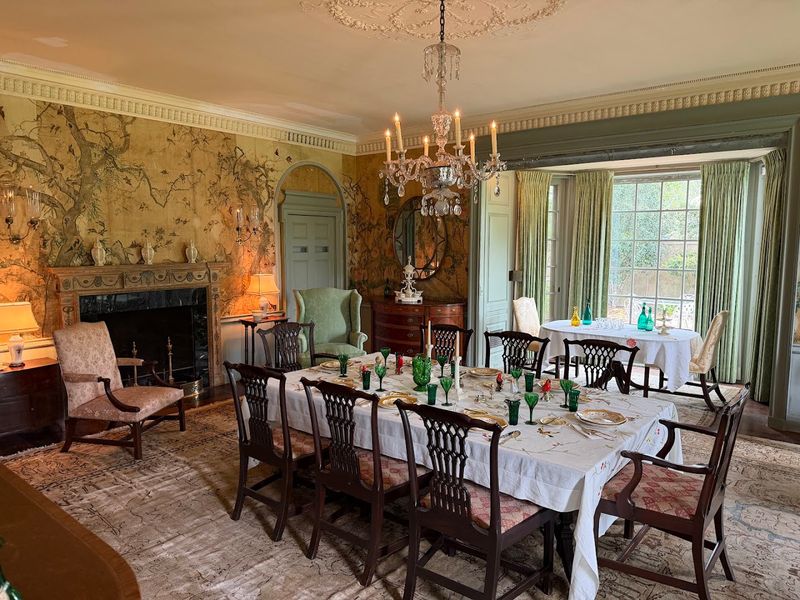
House tours run on the hour and are best booked in advance to avoid waits, especially on weekends. Guides connect the Sterns’ philanthropy and civic values to physical objects and landscape choices, which deepens understanding beyond surface beauty.
If possible, pair a house tour with a garden walk to sense the relationship between interior design and exterior rooms. Arriving early gives time to read signage and meet staff at the visitor center for context and maps.
Practical Logistics
Facilities include a small cafe and gift shop with books and local plant guides, plus benches scattered through garden rooms for rest. The estate is open daily and provides clear signage and paths, but some routes include steps and narrow passages, so wear comfortable shoes.
Phone ahead for accessibility needs or specialized programs, and consider membership if you plan repeat visits; it supports preservation and often gives early access to special behind-the-scenes events that deepen appreciation of the site.
Children And Discovery Garden
Staff programs occasionally focus on seasonal planting or hands-on activities, making Longue Vue a good stop for families seeking a gentle educational experience outside the crowded city attractions. Picnic-friendly spots nearby provide breaks between explorations.
Bring simple tools like a magnifier or sketchbook to keep kids engaged and check the events calendar for family days. The Discovery Garden balances stewardship and play so children leave with both memories and a bit more knowledge about native plants.
Preservation And Legacy
The Sterns’ commitment to sharing the estate with the public led to the nonprofit that operates it today, embedding civic purpose in every restoration decision. Guides and staff often highlight the continuity between historical roles and current educational programming.
Support comes from memberships, donations, and volunteer programs; visitors can contribute by following guidelines, respecting plantings, and considering membership for repeat access. Preservation here is communal work that ensures Longue Vue remains a living resource for future visitors.