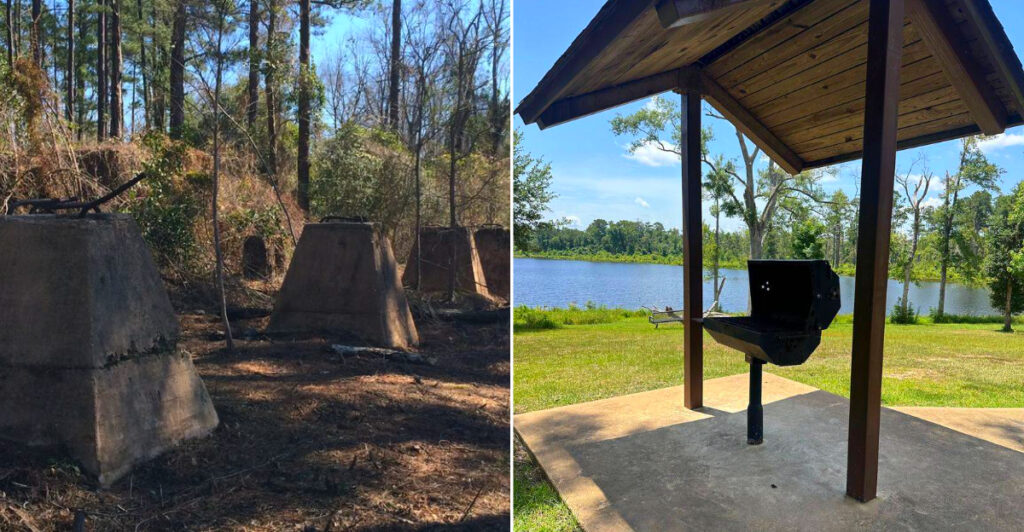
Some abandoned towns make you hike for hours before revealing a rusted nail and a questionable foundation. This one is far more generous.
Hidden inside a Louisiana national forest, the remains of a once-booming mill town sit surprisingly close to the road, with massive concrete ruins still visible among the trees.
The town disappeared in 1927, but enough survives to make the place feel oddly legible rather than completely lost.
Concrete mill ruins, forest trails, lake views, and forgotten industrial history make this Louisiana ghost town an easy and rewarding roadside detour.
I would give myself time to walk slowly and imagine the scale of what once stood here. Workers, families, schools, homes, and machinery once filled a place that now feels almost impossibly quiet.
Nearby trails and water add another reason to linger, especially if you enjoy history without velvet ropes. Wear sturdy shoes, respect posted boundaries, and let the forest do the storytelling.
Picture The Mill At Full Scale
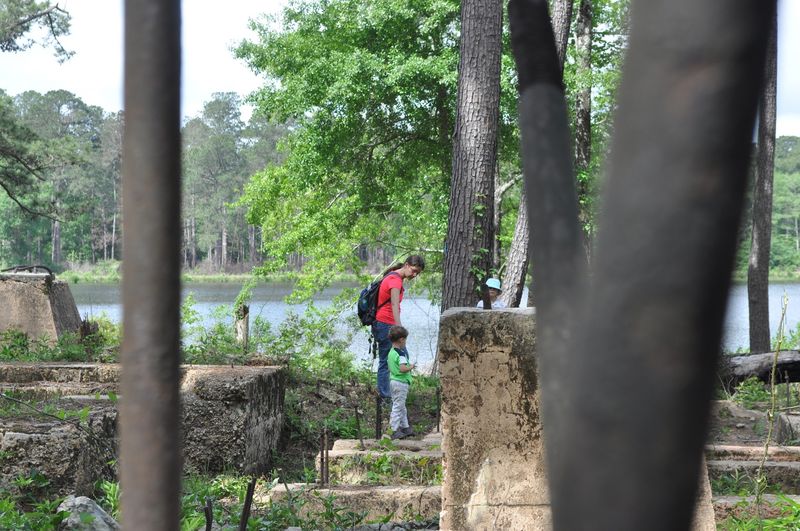
Numbers give Fullerton its punch. From 1907 to 1927, the Gulf Lumber Company ran what was considered the largest pine sawmill west of the Mississippi River here, and the output was enormous.
Knowing that scale changes the ruins from random slabs into evidence of a machine like town that once processed trees by the millions.
Read a little before you arrive, or pull up one of the trail QR codes once you are there. About 2.25 billion board feet of timber came through Fullerton, and more than 4 million trees were cut during its short life.
Those facts are not just trivia. They explain why the foundations seem outsized, why the cleared spaces feel so broad, and why the site still carries an almost startled silence, as if the noise stopped only yesterday in this corner of central Louisiana woods.
Highway 399 Turns Off Toward A Town That Vanished
Fullerton Lake Recreation Complex and the ruins of old Fullerton sit inside Kisatchie National Forest near Pitkin, Louisiana. From Pitkin, follow LA-399 north for about six miles until the signed entrance road for Historic Fullerton Sawmill and Town appears on the left.
Turn off LA-399 and follow the forest road into the recreation complex at Fullerton Lake. The same destination provides access to the remains of the former sawmill community, so there is no separate ghost-town address hidden farther down the highway.
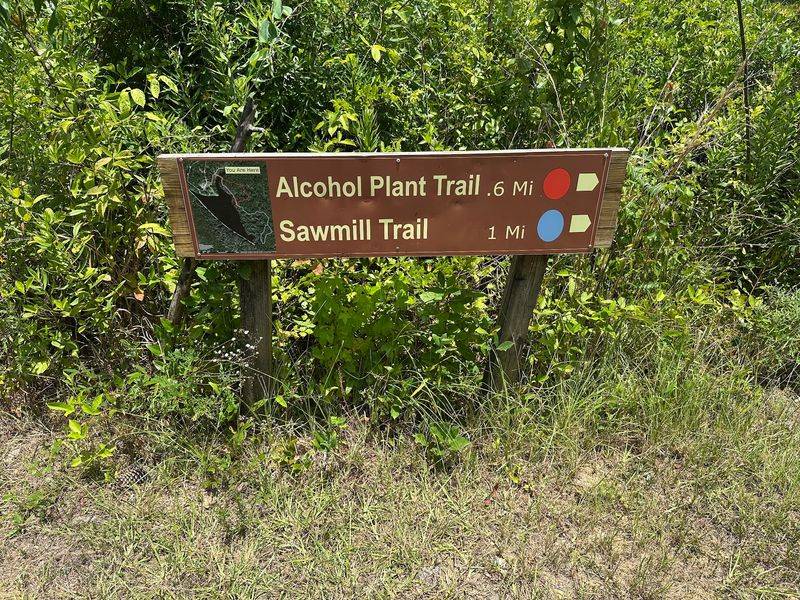
Park within the recreation complex and continue on foot onto the 1.6-mile Fullerton Mill Trail, where interpretive stops lead through the surviving foundations and ruins. The trail is currently open even though overnight camping remains temporarily unavailable.
Walk The Trail Slowly
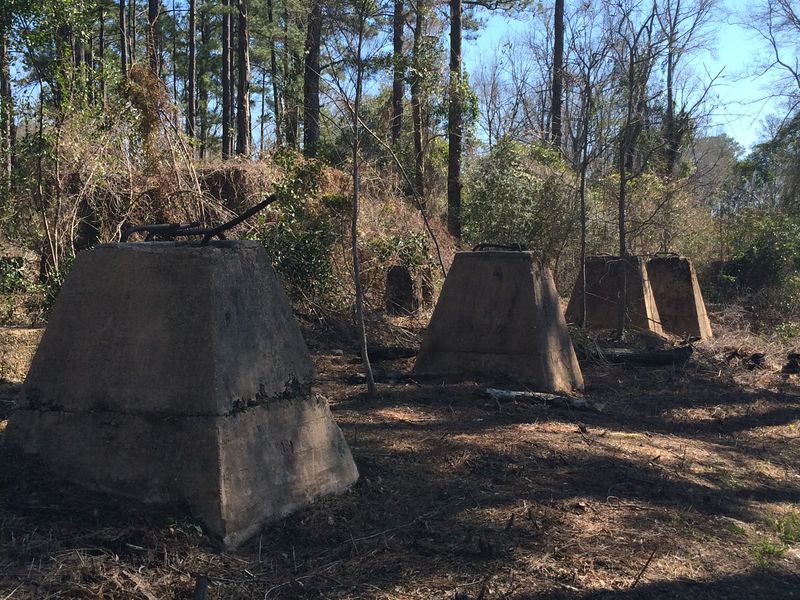
The best way to read Fullerton is on foot. The Fullerton Mill Trail is about 1.6 miles, easy enough for most walkers, and it threads past pilings, pads, and other pieces of the former mill town without asking for mountaineering skills.
That makes the place feel generous, because the ruins reveal themselves bit by bit instead of all at once.
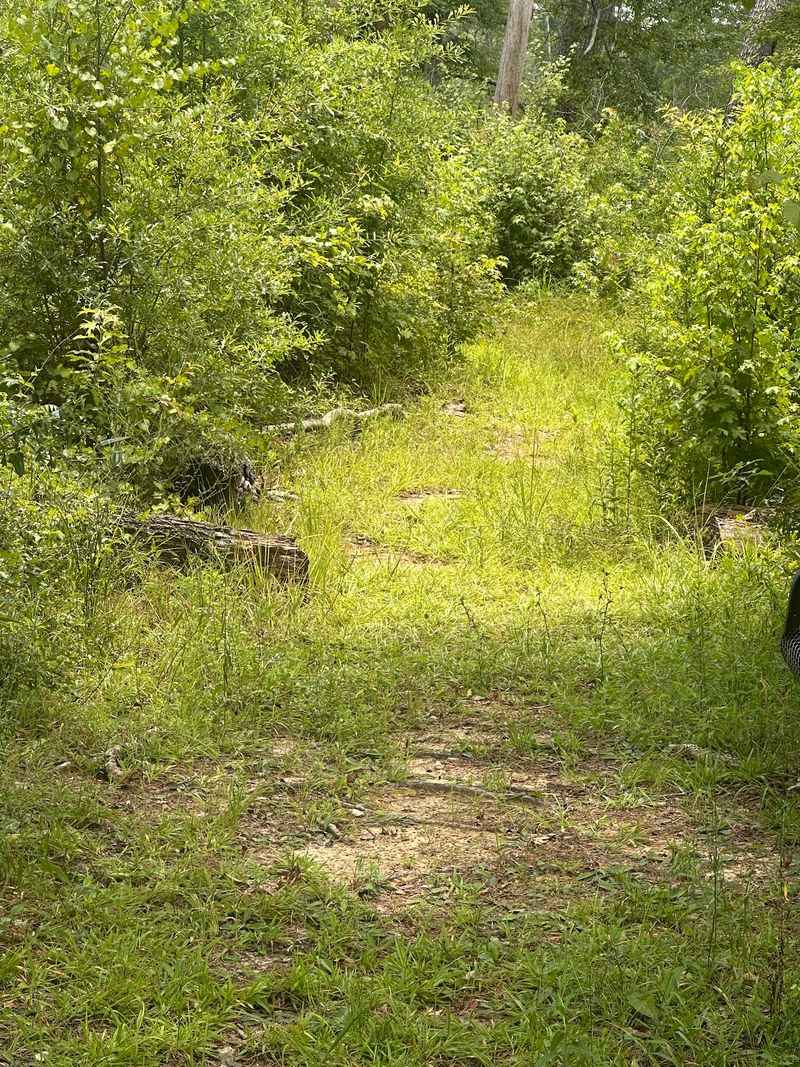
Wear sturdy shoes even if the path looks tame at the start. Parts of the trail can grow up in warm months, and spiderwebs are not rare, so water, insect spray, and a little patience help a lot.
I liked moving slowly and stopping often instead of treating it like exercise. Every pause brought out another detail, a stairway, a block wall, a line of concrete, and each one made the vanished town easier to picture for first time visitors.
Imagine Daily Life, Not Just Lumber
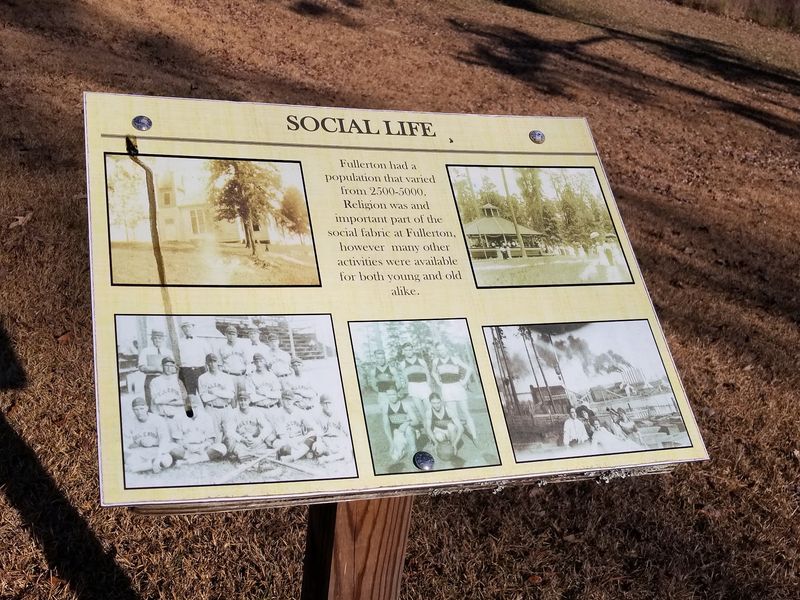
A strange part of Fullerton is how modern it once sounded. At its peak, the town had electricity, indoor plumbing, a hospital, schools, churches, a theater, and even a public swimming pool, all built to support a population that reached about 5,000 people.
Remembering those comforts keeps the place from shrinking into a simple logging story.
When you stand among the ruins, try to imagine ordinary routines instead of only industry. Children went to school here, families saw shows, and sick workers had a hospital nearby.
That everyday layer is what gave the site its pull for me. A company town can seem abstract on paper, but Fullerton starts to feel real when you picture supper tables, bathwater running indoors, and neighbors walking home under electric lights in the middle of the Louisiana woods nearly a century ago there too.
Study The Concrete Survivors
Concrete is the star here, and it earns that role honestly. Gulf Lumber built much of the mill with steel, iron, and concrete, a forward looking choice that helped key pieces survive long after wood walls and roofs disappeared.
Because of that decision, Fullerton does not feel like a guess. It feels like a rough outline still standing in plain sight.
Look closely at the sturdier remains, especially upright sections, deep foundations, and the basement area with stairs. Those are the spots that best show how solid the original construction was.
Kids usually notice the scale right away, while adults start thinking about engineering and fire safety from another era. Either reaction works.
The surviving shells are not decorative ruins. They are leftovers from a place designed for hard use, and that toughness still shapes what visitors can understand today.
Use The Trail Qr Codes
The little QR codes along the trail do a lot of heavy lifting. Without them, some foundations can blur together, especially if you are new to industrial history or visiting with impatient kids.
Scan as you go, and the site turns from quiet concrete into a story with names, uses, and a clearer sense of where you are standing.
I appreciated that the interpretation stays simple enough for casual visitors but still gives solid context. You do not need a ranger talk or a thick guidebook to follow along.
Cell service can be uneven in forest areas, so it is wise to load any helpful pages ahead of time if possible. Even when a marker feels brief, it gives your imagination rails to run on.
That bit of orientation can mean the difference between wandering past ruins and understanding them.
Notice How The Forest Is Taking It Back
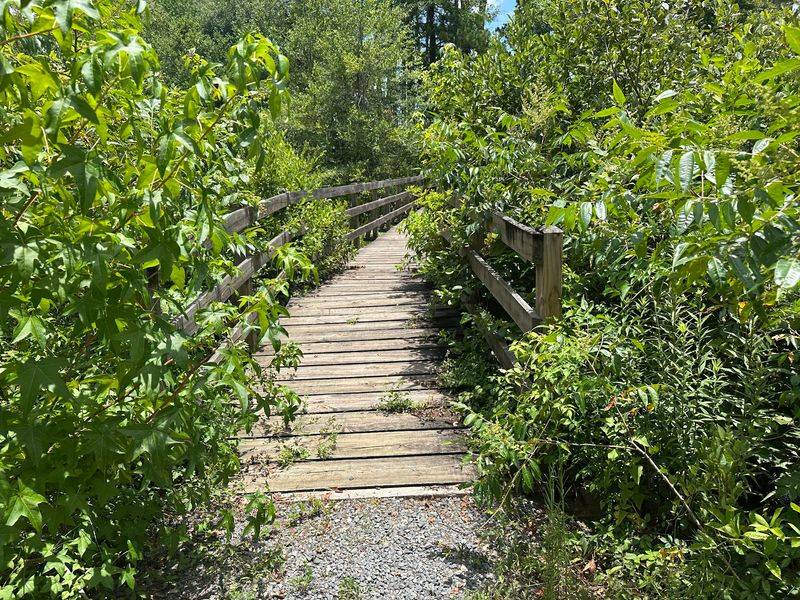
Nature is not just scenery at Fullerton. Longleaf pine savannas, hardwood growth, moss, and seasonal weeds press around the ruins, so the place feels like a tug of war between memory and regrowth.
That blend is part of the charm. One minute you are studying a footing, and the next birdsong and pine shade make the industrial past feel softer than expected.
Forest managers use controlled burns to keep thick growth from swallowing the remains completely. That is worth knowing before you visit, because the landscape is not frozen in time.
It is being managed so the history stays visible. If a section looks open, that may be why.
The site does not pretend to be untouched wilderness or a polished museum, and that in between identity gives it character that sticks with you after the walk ends on the trail.
Aim For Cooler Fall Weather
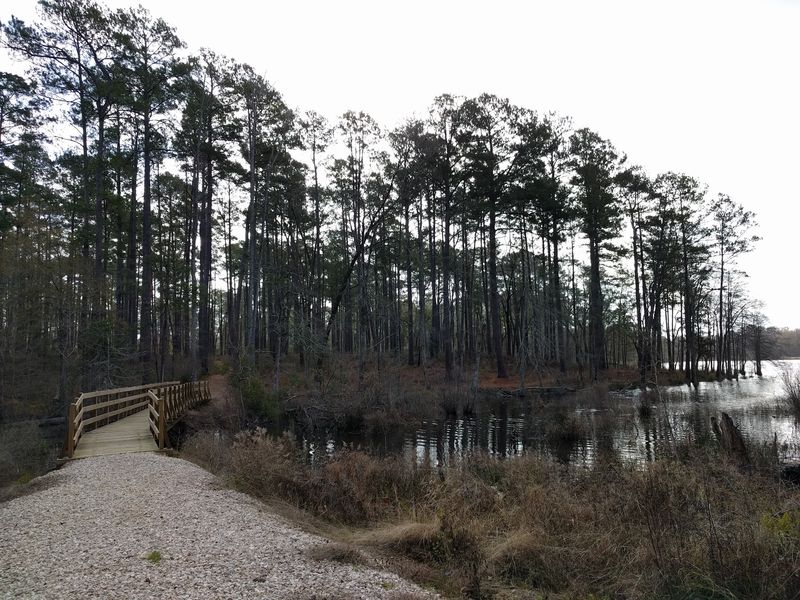
Heat can change this visit more than people expect. In fall, from September through November, the air is usually cooler and less sticky, which makes it easier to linger by foundations and actually pay attention instead of hurrying back to the car.
That small seasonal shift can improve the whole experience.
Summer greenery has its own drama, but it can also hide details and bring heavier bugs. If you want the calmest, clearest first visit, aim for autumn light and a little extra time around midday or later afternoon.
I found the ruins easier to read when I was not battling sweat every minute. Cooler weather also helps families with children, older visitors, and anyone curious about the full trail but unsure about stamina in central Louisiana humidity.
That comfort leaves more room for history, observation, and plain quiet enjoyment.
Use The Lake Facilities To Stretch The Day
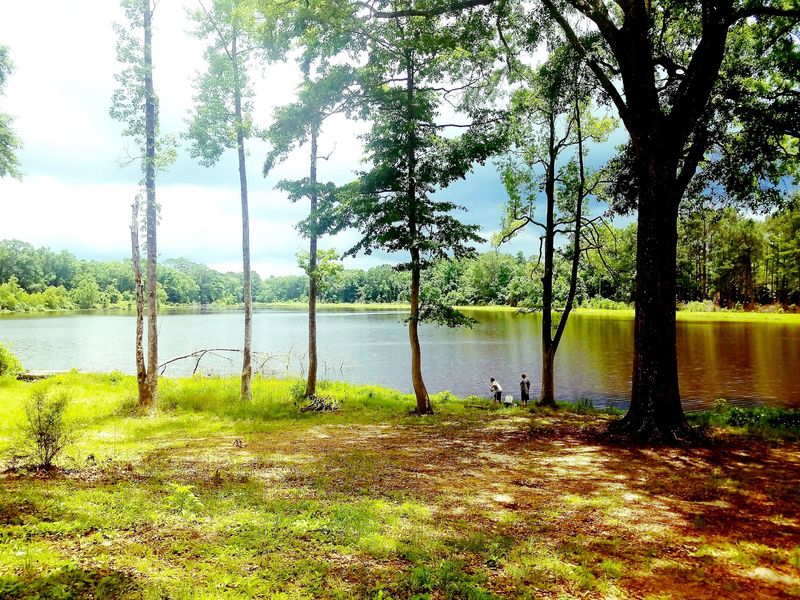
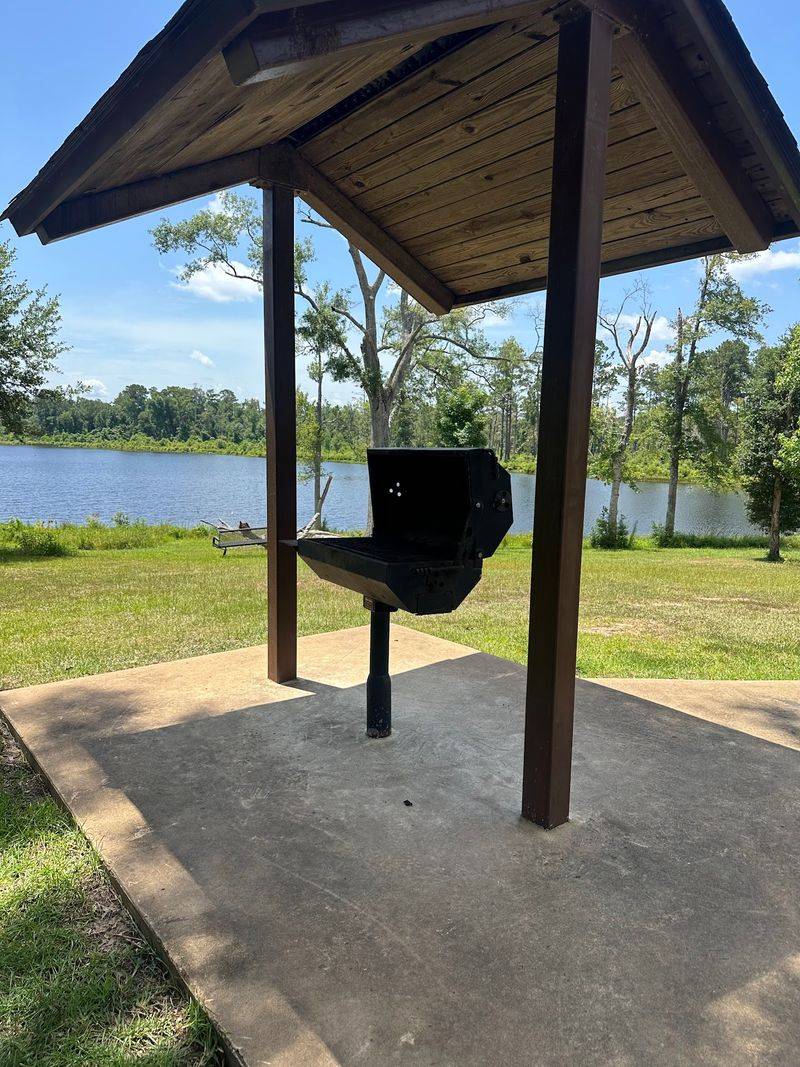
One reason Fullerton works well for mixed groups is that the history sits inside a useful recreation area. Fullerton Lake Recreation Complex has picnic space, flush restrooms, and a nonmotorized boat launch, so you do not have to choose between a short ruins walk and a longer easygoing day outdoors.
That flexibility makes the site feel welcoming instead of demanding.
If someone in your group is less interested in sawmill history, the lake and open day use areas give them breathing room. I like places that let curiosity build gradually, and this one does.
You can walk the trail, pause for lunch, then wander back with fresh eyes. Just remember that some camping information has changed over time, so check current Forest Service updates before planning an overnight stay.
For a day trip, though, the setup is refreshingly straightforward there.
Keep Pets Close And Watch Wildlife From A Distance
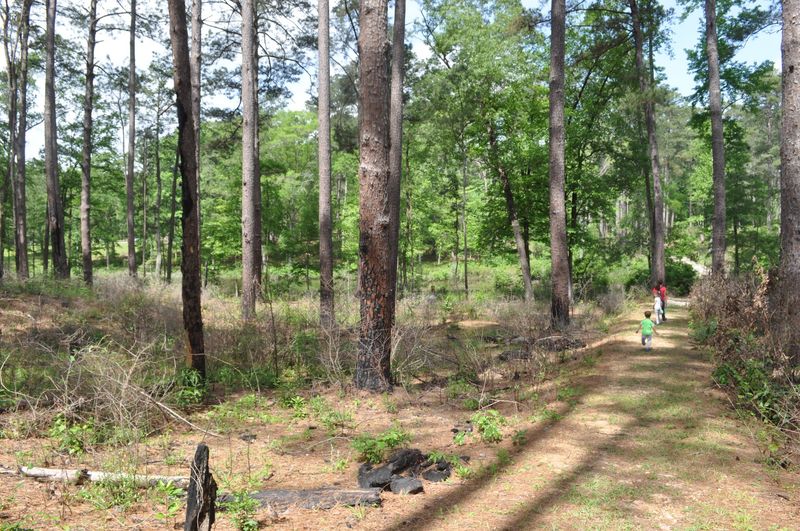
A leash is not a boring rule here. Dogs are welcome, but keeping them close makes sense in a place where trails, water, brush, and scattered ruins all meet in one quiet landscape.
That simple habit protects the site, respects other visitors, and keeps your own walk calmer when interesting smells start pulling in every direction.
The same careful attitude helps with wildlife watching too. Around the lake and forest edges, it is smarter to observe than to approach, especially if you are visiting with children who treat every moving thing like a new friend.
Fullerton rewards steady attention better than rushed excitement anyway. Move gently, stay on marked areas, and let the place come to you.
You will notice more history and more nature that way, without turning a peaceful stop into a messy one for your whole group.
Give The Silence Time To Work
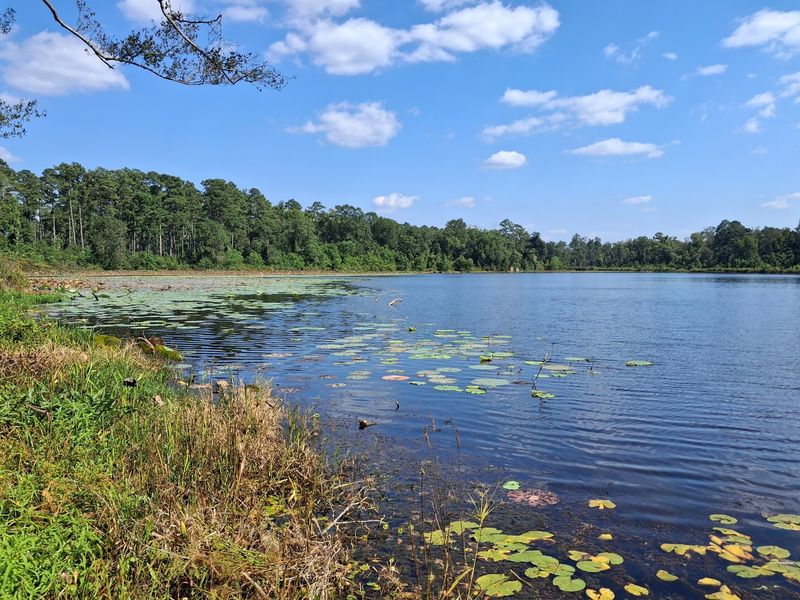
Silence does a surprising amount of work at Fullerton. Because the mill closed in 1927 and the town faded away, the site now asks visitors to supply some imagination along with their footsteps.
That is not a weakness. It is the reason the ruins stay with you, since the empty spaces make your mind rebuild streets, buildings, and daily routines.
Give yourself more time than a quick roadside curiosity stop suggests. Sit for a minute near one of the larger foundations, listen to the woods, and notice how big the industrial footprint still feels.
I left understanding the place better once I stopped hunting for a dramatic ruin and paid attention to the overall layout. Fullerton is impressive not because everything survives, but because enough survives to show the bones of a vanished town with clarity from road and trail.