A tour guide might let you pull the cord on a steam whistle that once warned an entire city about fires. That alone sold me. Who gets to blow a historic emergency whistle on purpose?
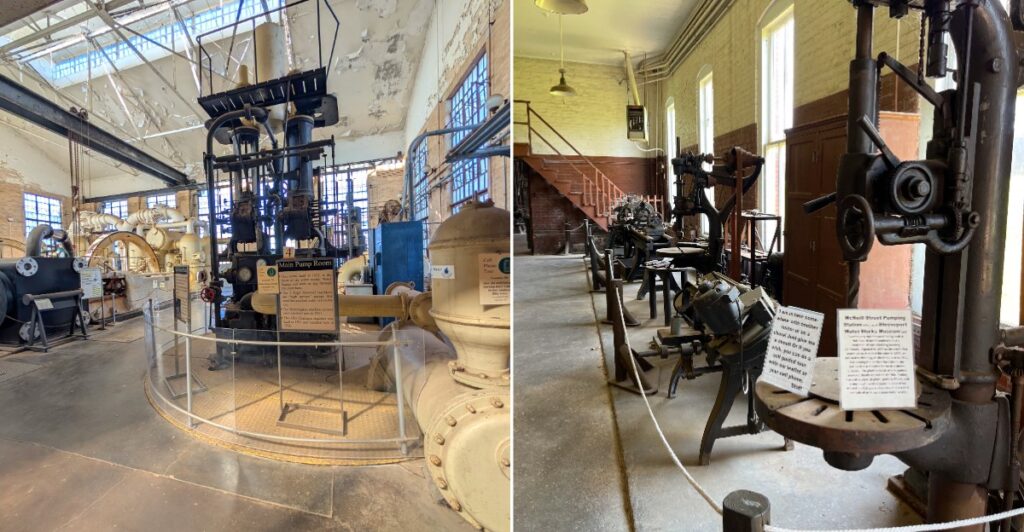
The whistle belongs to an old water plant that pumped with steam until 1980. The Smithsonian believed it was the last steam-powered municipal water plant still working in the nation when it finally shut down.
The best part is that almost nothing left. The pumps, filters, and machinery all stayed right where the workers last used them. I like how that turns a whole building into a time capsule.
This Louisiana landmark costs nothing to enter. There’s even a basement 47 feet down waiting for you. How far underground are you willing to go for a little history?
Fires, Not Germs, Started This Whole Story
Clean drinking water sounds like the obvious reason to build a water works. In Shreveport, the bigger worry was fire. Frequent, damaging fires pushed the city to build this system in the first place.
Fighting fires takes a lot of water, delivered with real force. Steam pumps could push that water through pipes across town. That was a huge upgrade for a growing city in the late 1800s.
Of course, the plant did more than help firefighters. Over time it became a leader in making water safe to drink. Still, it’s fun to know the original reason was keeping buildings from going up in flames.
That fire connection comes back later in your visit too. The famous steam whistle once alerted the town to fires and other emergencies. So the history isn’t just on signs; it’s built into the machinery itself.
I like how this backstory changes the way you see every pipe and valve. These weren’t just tools for daily chores. They were the city’s safety net, and a pretty loud one at that.
North Common Leads To The Old Pumping Station
The Shreveport Water Works Museum is at 142 North Common Street, near downtown Shreveport, Louisiana. Follow North Common Street toward the Cross Bayou area.
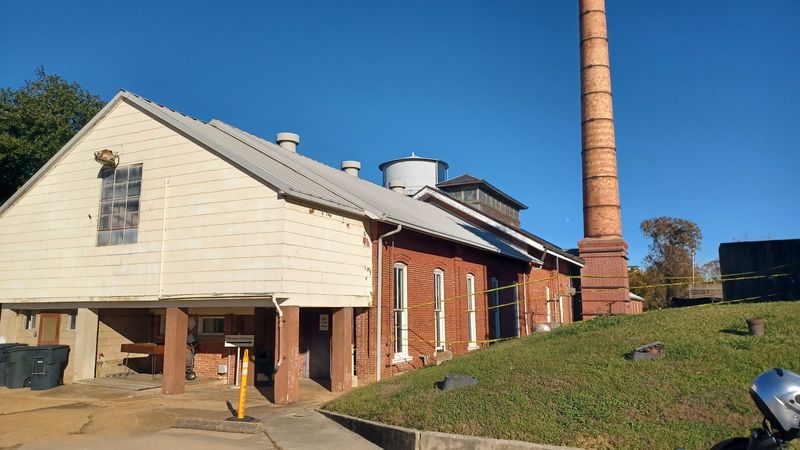
The historic McNeill Street Pumping Station is the landmark, with its preserved industrial buildings rather than a modern gallery complex. The railroad museum shares the site.
Follow the museum’s visitor access signs to the public entrance and check in for a guided or self-guided visit. Admission is free, and donations support preservation.
Giant Pumps Will Make You Feel Very Small
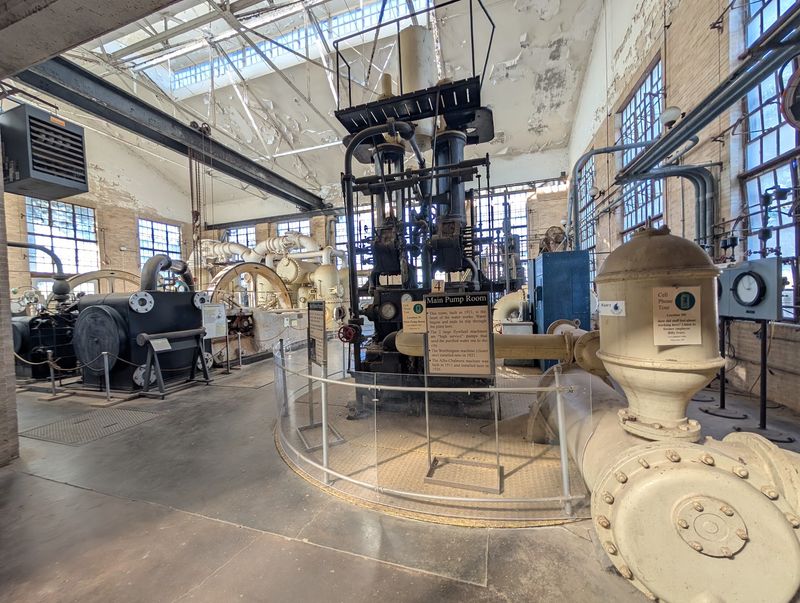
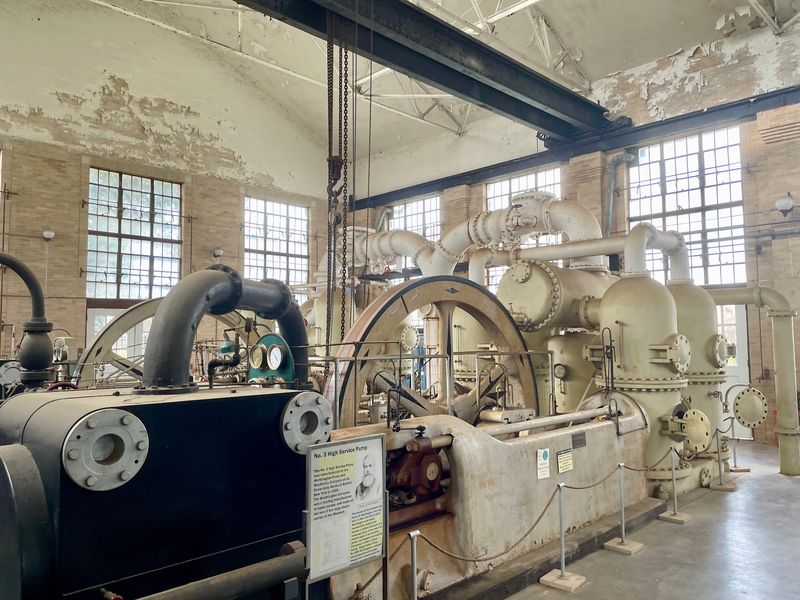
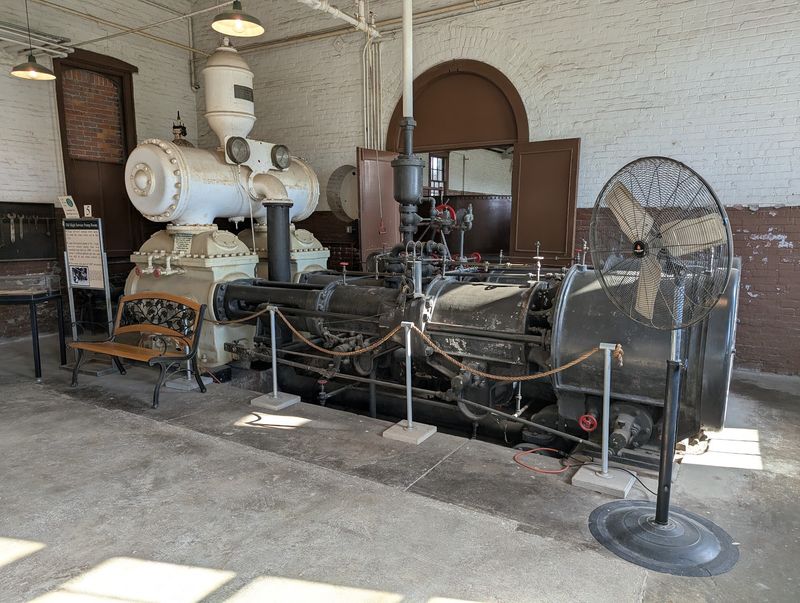
Bring your neck muscles, because you’ll be looking up a lot. The pump rooms here are cavernous spaces packed with Victorian-era machinery. Huge pumps, pipes, and gears fill the rooms from floor to ceiling.
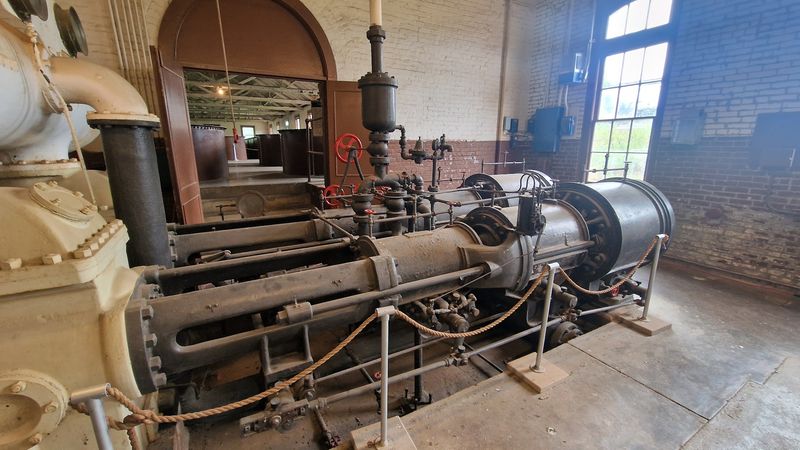
The steam-powered pumping engines were installed in 1898, 1900, 1920, and 1927. That means you can compare machines from different decades in one visit. It’s like a family reunion for old engines, minus the awkward small talk.
What makes the Shreveport Water Works Museum rare is that the whole physical plant stayed intact. The pumps, filters, and other machinery survived more than 100 years of service. Nobody hauled them away for scrap when the plant closed.
That matters more than you might expect. Many museums show one or two machines pulled from different places. Here, the equipment sits right where it actually worked.
Engineering fans will love the details, but you don’t need a degree to enjoy it. Kids can simply gawk at the sheer size of everything. Honestly, so can adults, and nobody will judge you for it.
Somebody Has To Blow That Whistle, Right?
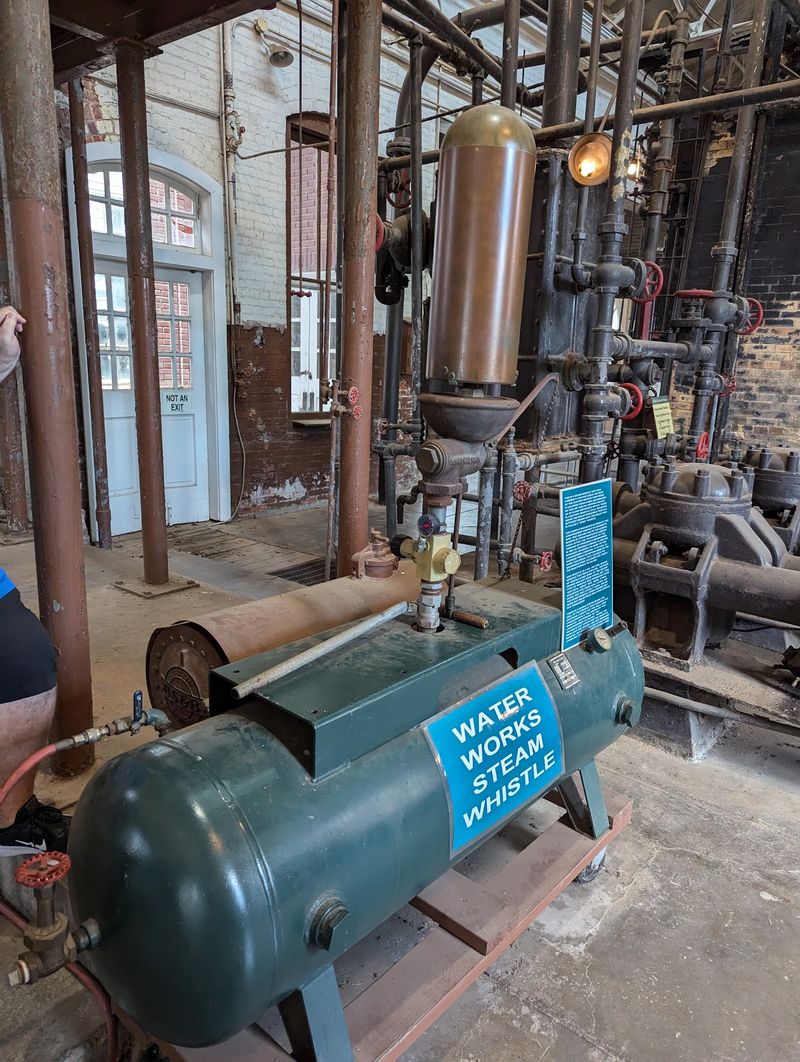
Here’s a museum rule I can get behind: sometimes you’re allowed to make noise. With a tour guide’s permission, visitors can activate the original steam-powered whistle. Yes, the real one.
That whistle once alerted the whole town to fires and emergencies. Back then, hearing it meant something serious was happening. Today, it mostly means somebody’s having a great afternoon.
The moment ties right back to why the plant was built. Fire protection drove the project, and the whistle was part of that warning system. So pulling it isn’t just a gimmick; it’s a small piece of living history.
Make sure you ask a guide before you try it. Permission is part of the deal, and guides know the right way to do it. It’s a good chance to ask a few questions while you’re at it.
Kids especially tend to treat this as the grand finale. Grown-ups often do too, even if they pretend otherwise. Covering your ears might be a smart move, because steam whistles were built to be heard far and wide.
Head 47 Feet Down Into The Pump Room Basement
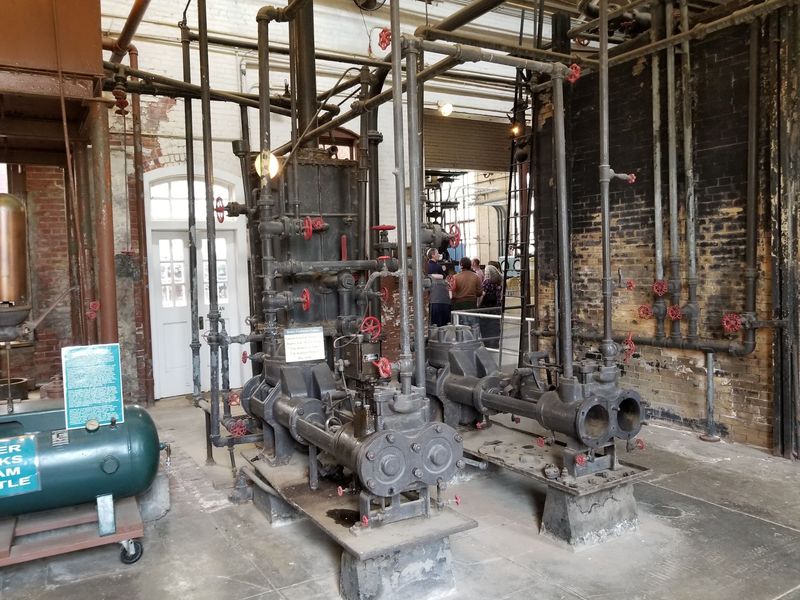
Forty-seven feet. That’s how far down the main pump room basement goes. It’s roughly the height of a four-story building, just pointed the other way.
This deep space is one of the most talked-about spots at the Shreveport Water Works Museum. The basement shows how much of the plant’s work happened below street level. Pipes and machinery stretch far beneath the main floors.
Going down helps you understand how water moved through the system. Pumps needed the right setup to pull and push water efficiently. Seeing that layout in person makes the engineering click in a way photos can’t.
Wear comfortable shoes for this part of the visit. Old industrial buildings weren’t designed with tourists in mind. Take your time and watch your step on the way down and back.
I can’t imagine the workers who spent long shifts down there with hot, busy steam machinery. It gives you fresh respect for the people who kept the city’s water flowing. Plus, it’s a pretty great story to tell later when someone asks what you did this weekend.
Flip A Light And Find Tunnels Under Your Feet
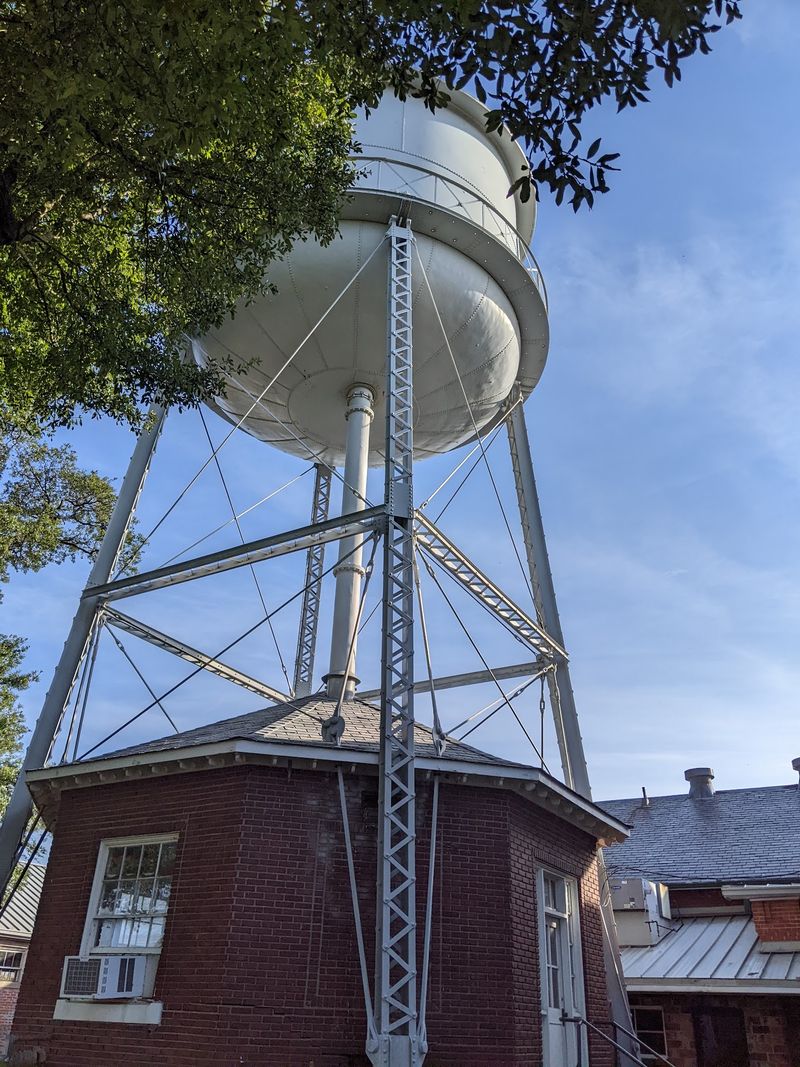
Under the water tower sits an old laboratory with a neat little secret. Tunnels and pipes run beneath the floor, and they can be lit up. Suddenly, the ground beneath you becomes part of the exhibit.
The lab is a reminder that this plant wasn’t only about muscle. Workers also had to test and treat the water. That science side is a big part of what made the site important.
Filtration was added here in 1890, which was advanced for its time. Later, the plant became one of the earliest in the nation to use liquid chlorine for water treatment. Sources list that date as either 1911 or 1914.
Either way, Shreveport was ahead of the curve. Cleaner water helped protect the health of a growing city. It’s easy to forget how new these ideas once were.
Don’t skip the settling tanks and filter room while you’re nearby. They fill in the rest of the purification story. Together with the lab, they show how muddy river water became something people could safely drink.
Pick Your Tour Style, Guided Or On Your Own
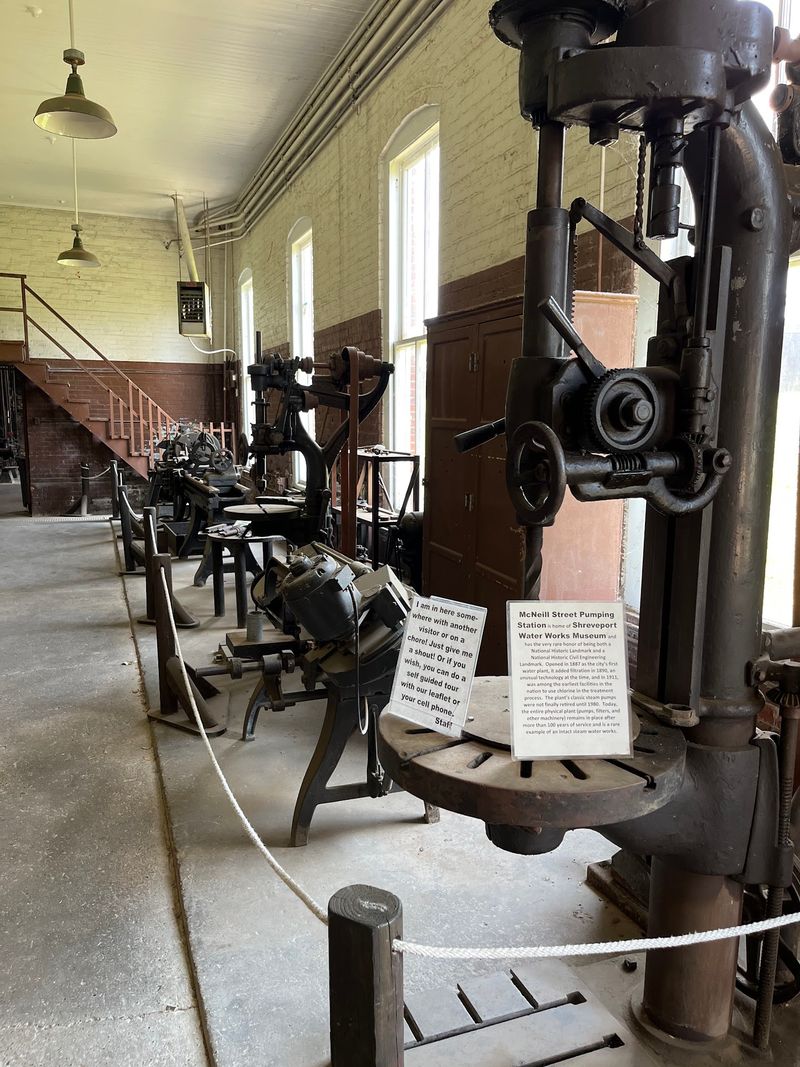
Some people like a guide who knows every bolt. Others prefer to wander and read at their own speed. Good news: the Shreveport Water Works Museum offers both guided and self-guided tours.
A guided tour gives you stories and context you might miss alone. It also opens the door to that famous whistle. Guides can explain how the old machines worked step by step.
Self-guided visitors still get plenty of help. Displays explain historical and modern water purification processes in clear language. Many of them come with working scale models that show filtration in action.
Those models are a smart touch for younger visitors. Big machines are impressive, but small moving parts are easier to understand. Kids can actually watch the water get cleaned instead of just hearing about it.
My tip is to mix both approaches if you can. Start with a guide for the big picture, then circle back to spots that caught your eye. You’ll leave knowing more about your kitchen faucet than you ever expected.
Two Rare Honors Hang On These Old Brick Walls
Plenty of buildings get a historic plaque. Few get two major national titles. This site is both a National Historic Landmark and a National Historic Civil Engineering Landmark.
That double recognition is a rare distinction. The first honor celebrates its importance to American history. The second recognizes its value to the world of engineering.
Those honors didn’t happen by luck. After the plant closed, the McNeill Street Pumping Station Preservation Society formed to save the building and its equipment. Their work kept this place from vanishing.
Admission is free, and donations are encouraged to help care for the landmark. Keeping century-old machinery in good shape is no small job. Dropping a few dollars in the box helps the next visitors enjoy it too.
I believe that’s part of the charm here. It’s not a flashy attraction built to sell souvenirs. It’s a piece of Louisiana history that people cared enough to protect, and now you get to explore it at no charge.
Plan Smart, Dress Cool, And Add A Train Stop
Summer in Louisiana is no joke, and the museum isn’t air-conditioned. Dress lightly and bring water on hot days. Cooler months may feel more comfortable for a long, slow look around.
You’ll find the museum at 142 North Common Street, Shreveport, Louisiana 71101. Parking is free, which is always a pleasant surprise downtown. It’s an easy stop if you’re already exploring the city.
Hours run Tuesday through Saturday from 10 a.m. to 4 p.m. Sunday hours are noon to 4 p.m. The museum is closed on Mondays, so plan around that.
Here’s a bonus worth knowing about. The Shreveport Railroad Museum sits on the same property. Admission there is free too, so you get two museums for the price of zero.
That pairing makes a great half-day outing for families, history buffs, and curious road-trippers. Steam pumps first, trains second, sounds like a solid plan. Just remember to leave a donation on your way out, because keeping these giants running in spirit takes real support.