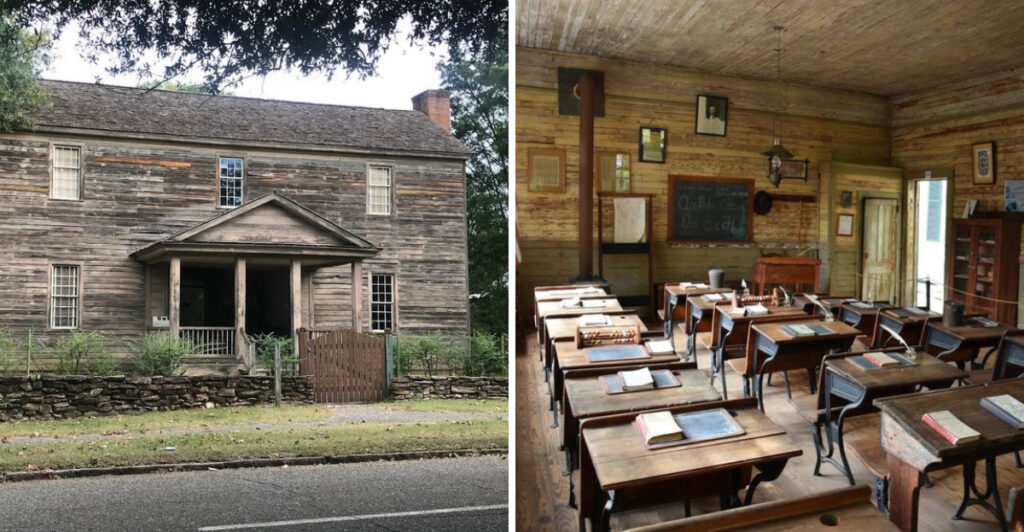
Most towns wear their history quietly. This Alabama destination puts it right in front of you, building by building, block by block.
Step through the entrance and the modern world drops away. Six blocks of downtown have been preserved exactly as they stood across the 1800s.
Original structures rescued from across the state, all restored to the last detail. Cotton gins, blacksmith shops, dogtrot cabins, and a tavern that once hosted a Founding-era icon are all here.
The guides who bring these stories to life know how to make history feel electric and real. Alabama has packed more into these six blocks than most places manage across an entire county.
If history with such depth is on the road trip list, this one absolutely delivers.
The Story Behind The Preservation
Old Alabama Town did not happen by accident. It took decades of determined effort by the Landmarks Foundation of Montgomery, a non-profit organization founded in 1967, to make it a reality.
The foundation’s mission was straightforward but ambitious: save Alabama’s architectural and historic heritage before it disappeared forever. One by one, original structures scattered across central Alabama were identified, rescued from demolition, and carefully relocated to a six-block site in historic downtown Montgomery.
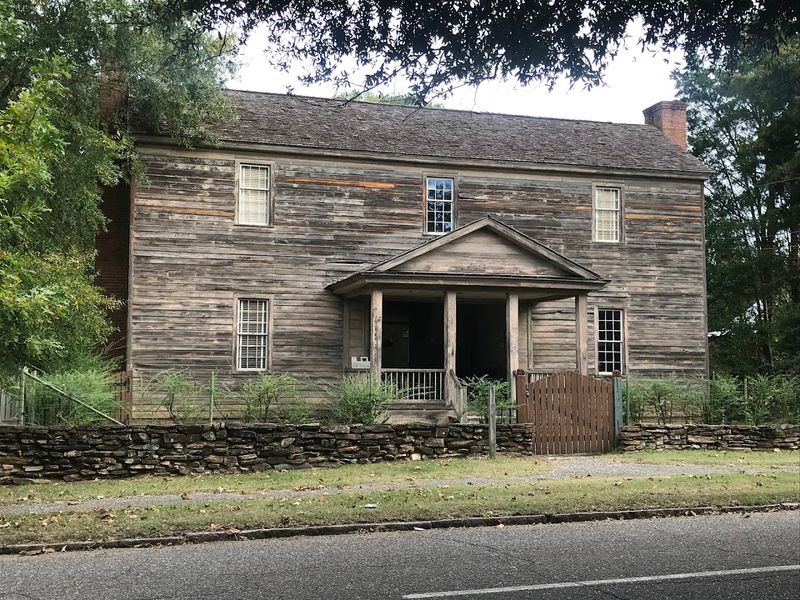
The result is a curated open-air museum at 301 Columbus St, Montgomery, AL 36104, where authenticity is the top priority. These are not replicas or reconstructions.
Every building is the real thing, moved and restored with painstaking attention to detail.
This kind of preservation work is rare in the United States. The foundation understood early on that a building tells a story no photograph ever could.
Keeping those structures standing meant keeping those stories alive for future generations to walk through and experience firsthand.
Lucas Tavern, The Oldest Building In Montgomery
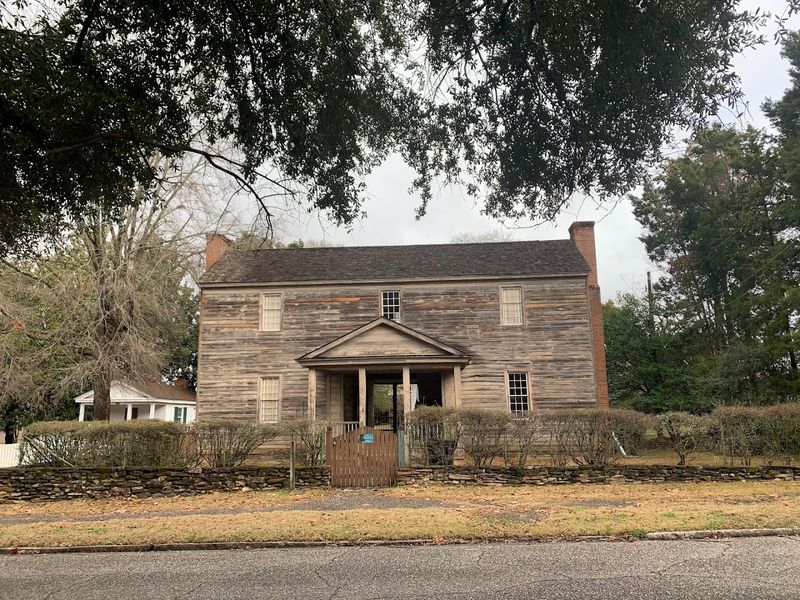
Age commands respect, and Lucas Tavern earns plenty of it. Recognized as the oldest known building in Montgomery County, this structure doubles as the visitor center for Old Alabama Town.
Its history runs deep. General Lafayette himself reportedly passed through its doors in 1825, making it a genuine touchstone of early American history.
That single detail transforms what might seem like an old wooden building into something that feels almost electric with significance.
Visitors typically start their experience here, picking up tickets and getting oriented before heading out to explore the broader site. The tavern sets the tone perfectly.
Its worn wooden floors and aged walls create an immediate sense of stepping backward through time.
Starting a tour at the oldest building in the city is a powerful way to frame the experience. By the time visitors leave Lucas Tavern and head out into the streets, the past already feels close enough to touch.
The Working Block And Its Remarkable Trades
Forget everything you think you know about museum exhibits behind glass. The Working Block at Old Alabama Town puts history directly in front of you, loud, tangible, and fully operational.
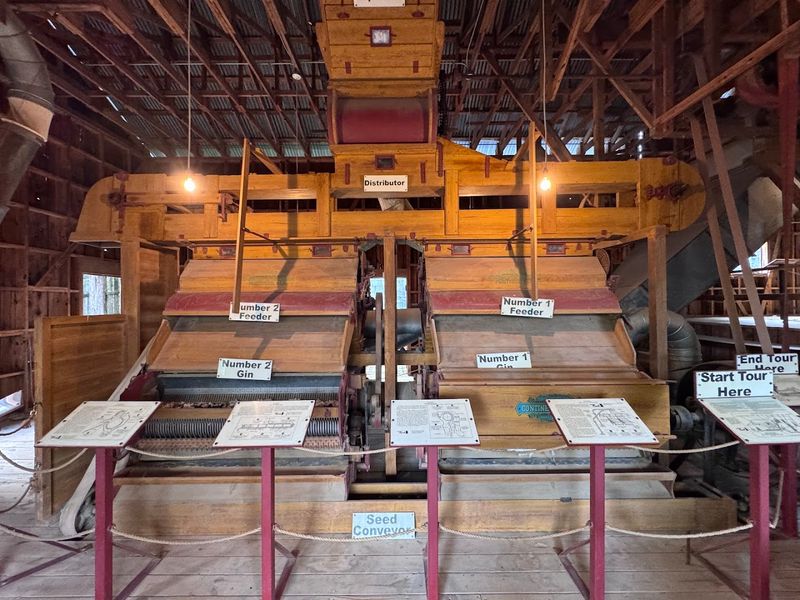
This section of the site features a functioning cotton gin, a gristmill, a blacksmith shop, an old-time pharmacy, and a printing press. Each structure represents a trade that shaped daily life across Alabama in the 1800s.
These were not luxury businesses. They were the backbone of entire communities.
The cotton gin, in particular, stands out as a rare find. Visitors who have traveled widely across the South often remark that this is the only fully preserved example they have encountered.
Seeing the machine up close makes the scale of Alabama’s cotton economy feel suddenly and viscerally real.
The Working Block rewards curiosity. Spend time in each building, ask questions, and pay attention to the tools on the walls.
Every detail was placed there for a reason, and the stories they carry are genuinely worth hearing.
The Living Block And Everyday 19th-Century Life
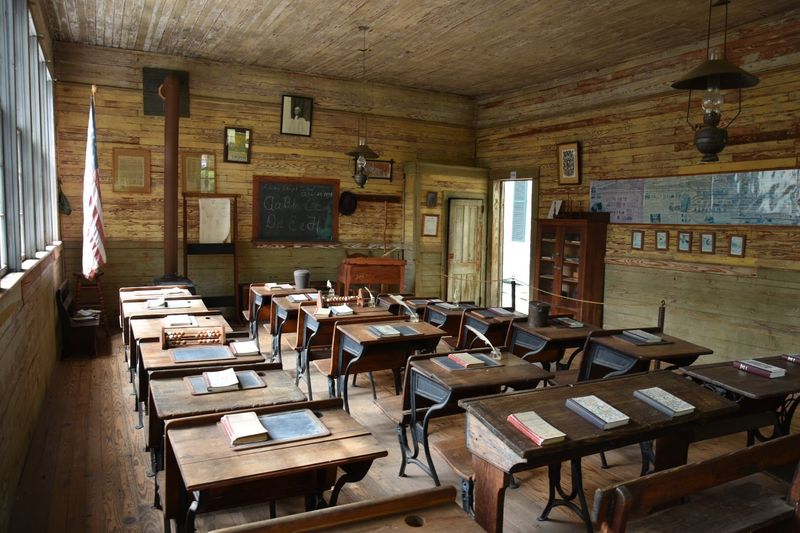
Daily life in the 1800s was nothing like what most people picture. The Living Block at Old Alabama Town pulls back the curtain on what ordinary Alabamians actually experienced from morning to night.
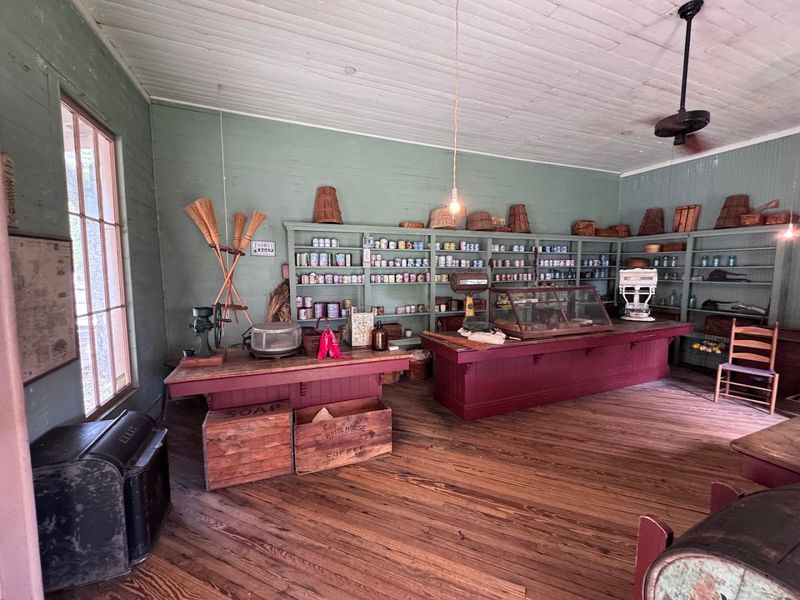
This section includes a one-room schoolhouse, a corner grocery store, and log cabins that once served as family homes. Each building is furnished with period-accurate items, giving visitors a clear visual sense of how people cooked, studied, shopped, and rested in that era.
The one-room schoolhouse is a particular crowd favorite. Standing inside it, looking at the small wooden desks and chalkboard, makes the realities of 19th-century education feel immediate and surprisingly moving.
Children visiting as part of school field trips often grow noticeably quieter in that room, as if the space itself demands a certain kind of attention.
The Living Block is where history stops being abstract. It becomes personal, relatable, and surprisingly easy to connect with, no matter how far removed from that era a visitor might feel.
The Ordeman-Shaw House Complex
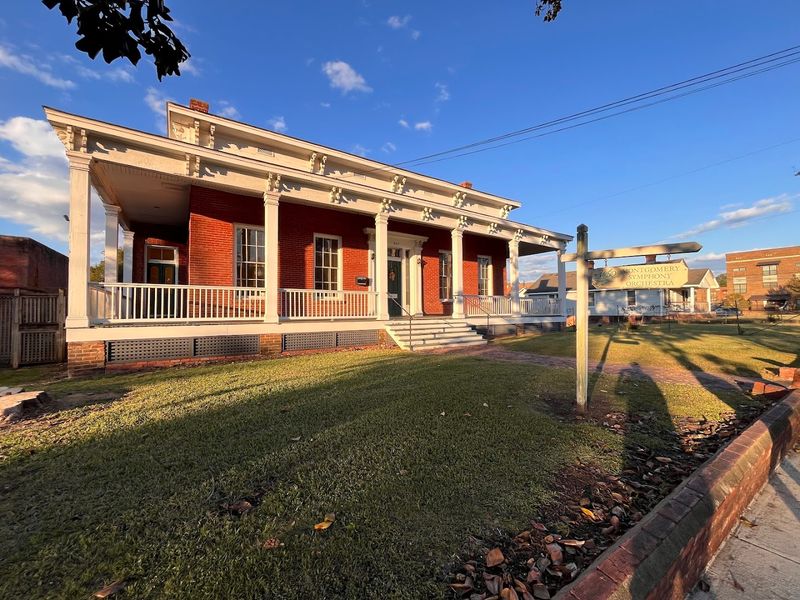
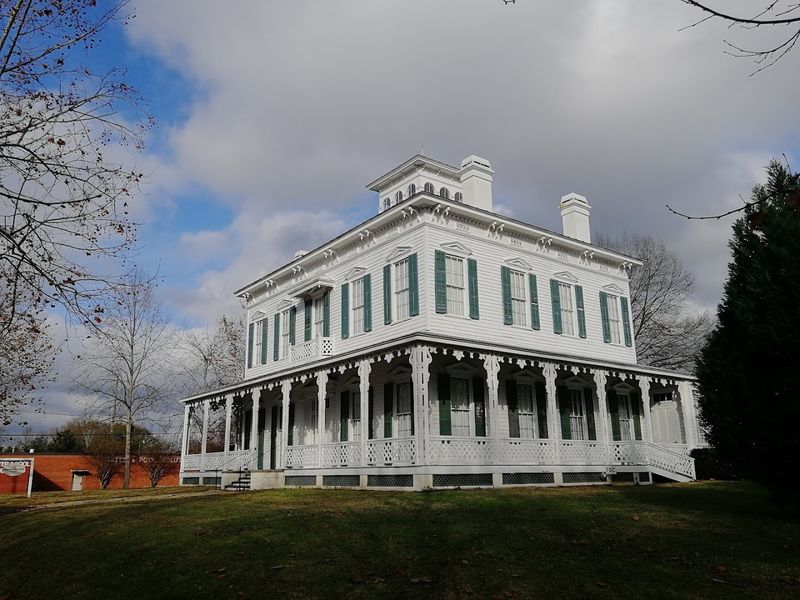
Upper-class life in mid-19th-century Alabama had a very specific look, and the Ordeman-Shaw House complex captures it with striking completeness. This is one of the site’s most layered and historically significant areas.
The main house reflects the architecture and domestic arrangements of a prosperous Alabama family from that period. Surrounding it are outbuildings, kitchens, and enslaved quarters that tell the fuller, more complicated story of how that household actually functioned.
Tour guides at this complex do not shy away from difficult history. They present it clearly and with depth, making the experience both educational and genuinely thought-provoking.
Unlike most structures at Old Alabama Town, the Ordeman-Mitchell-Shaw House complex has never moved. It remains on its original site.
It remains on its original site, which adds another layer of authenticity to the experience. The ground beneath it holds the memory of everything that happened there.
Touring this complex is not a light or casual experience. It asks visitors to sit with complicated truths, and that honest engagement with the past is exactly what makes it so valuable.
Guided Tours Versus Self-Guided Exploration
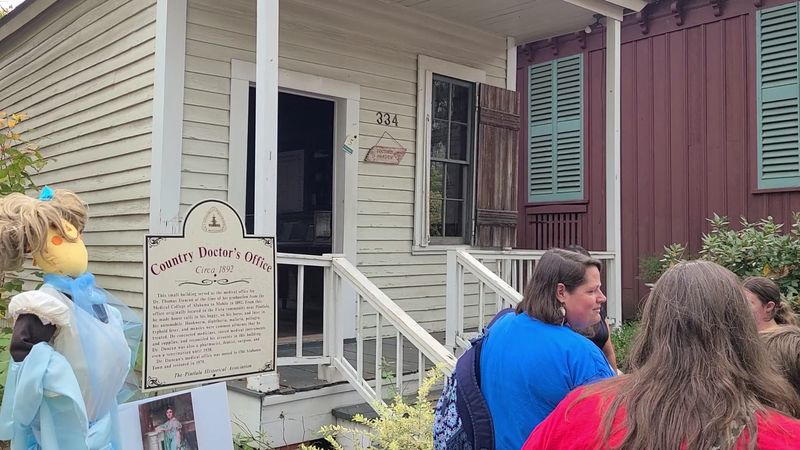
Flexibility is one of Old Alabama Town’s quiet strengths. Visitors can choose between guided tours and self-guided exploration, depending on what kind of experience they are looking for.
Guided tours are led by knowledgeable staff and, in some cases, costumed actors who bring specific characters and trades to life. These guides adjust their storytelling based on the audience, shifting their approach for school groups versus adult visitors with ease.
That adaptability makes the experience feel personal rather than scripted.
Self-guided tours, on the other hand, let visitors move at their own pace through the six-block site. This option suits those who want to linger in a particular building or double back to something that caught their attention.
The site is walkable and logically organized, so getting around independently is straightforward.
Both options have real merit. First-time visitors often find that a guided tour provides essential context that makes everything else more meaningful.
Return visitors tend to appreciate the freedom of going solo and noticing details they missed the first time around.
Costumed Interpreters Who Bring The Past To Life
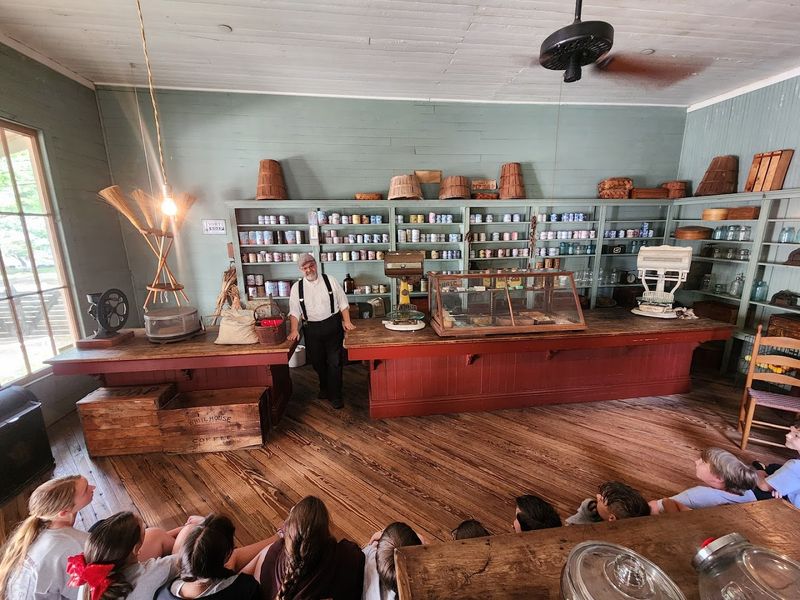
History books tell you what happened. Costumed interpreters show you how it felt.
Old Alabama Town uses character actors and knowledgeable presenters stationed throughout its buildings to make the past feel genuinely present.
These interpreters are not just wearing old clothes. They understand the trades, routines, and social structures of the period they represent.
A visit to the blacksmith shop, for example, becomes a real conversation about the role of metalwork in 19th-century Alabama communities, not just a glance at old tools.
Visitors with children often find that this approach works especially well for younger audiences. Kids who might tune out a traditional exhibit tend to stay fully engaged when a real person is demonstrating a skill and answering questions in character.
The learning happens naturally, almost without effort.
The quality of these interactions varies depending on who is on duty during a given visit, but the overall standard is consistently high. Many visitors describe their conversations with interpreters as the most memorable part of the entire experience.
Architecture Styles Across The Site
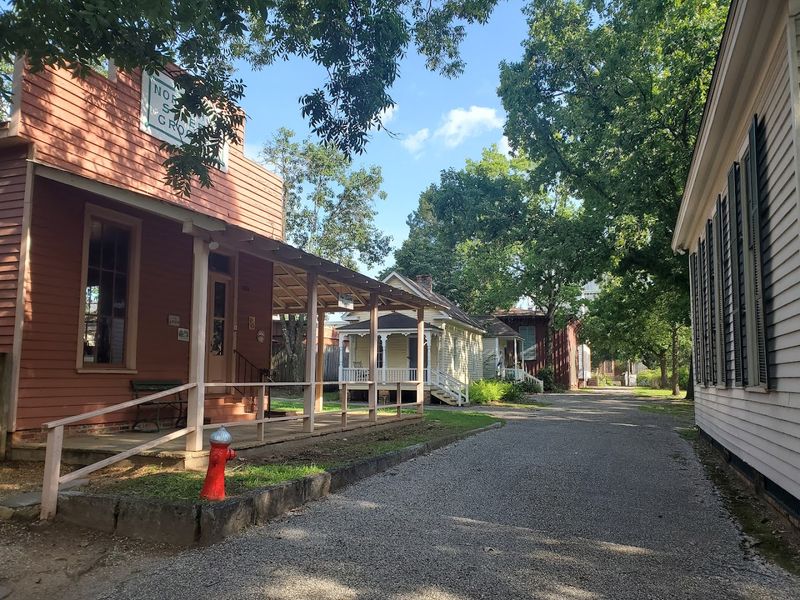
Architecture enthusiasts will find Old Alabama Town quietly thrilling. The site is essentially an open-air catalog of 19th-century building styles from across central Alabama, all gathered into one walkable area.
Dogtrot cabins, shotgun houses, Greek Revival mansions, and utilitarian commercial buildings all share the same six-block stretch. Each style reflects different social circumstances, regional building traditions, and practical needs of the time.
Seeing them side by side makes the differences immediately obvious in a way that no textbook diagram ever could.
The dogtrot cabin is a particular point of interest for many visitors. Its distinctive open-air breezeway running through the center of the structure was a practical response to Alabama’s intense summer heat, a simple but clever piece of vernacular design that predates modern air conditioning by a century.
Walking from one architectural style to the next across the site feels like flipping through a visual timeline. Each building adds a new chapter to the broader story of how people built, lived, and adapted across different circumstances in early Alabama.
What To Know Before You Visit
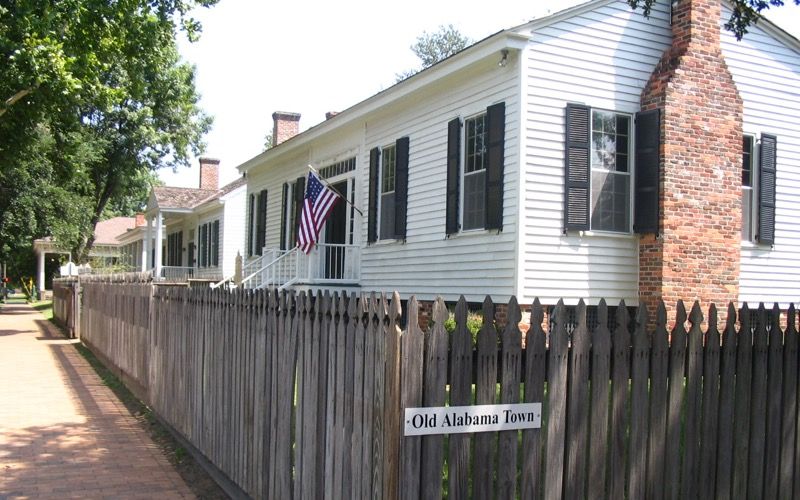
A little preparation goes a long way at Old Alabama Town. The site covers several city blocks, which means comfortable walking shoes are genuinely essential, not just a polite suggestion.
Wear them without question.
Spring and fall are widely considered the best seasons to visit. Alabama summers are notoriously hot and humid, and since most of the experience takes place outdoors, the heat can be tiring.
Cooler months make the walking tour far more enjoyable and allow visitors to spend more time in each building without feeling rushed by the weather.
The site can get busy during school hours on weekdays, when student field trip groups move through in organized waves. Visitors looking for a quieter experience may want to plan their timing with that in mind.
Both guided and self-guided options are available, so arriving with a sense of how much time is on hand helps with planning. A thorough visit covering all areas of the site takes a meaningful chunk of the day, and rushing through it would genuinely shortchange the experience.
The Site’s Role In Alabama’s Cultural Memory
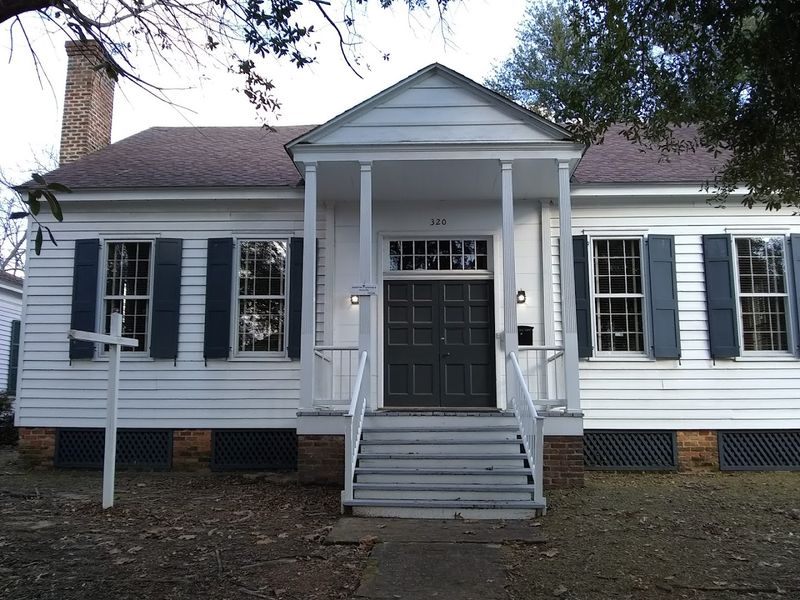
Old Alabama Town is not just a collection of old buildings. It functions as a living archive of what Alabama was, who built it, and how ordinary people moved through their days long before the modern world arrived.
The site presents history from multiple perspectives. It does not flatten the past into a single comfortable narrative.
The Ordeman-Shaw complex, for instance, addresses the lives of enslaved people with seriousness and specificity, ensuring that their experiences are part of the story rather than footnotes to someone else’s.
This commitment to honest, multi-layered storytelling is what separates Old Alabama Town from more superficial historical attractions. Alabama has a complicated history, and the site does not pretend otherwise.
That honesty is part of what makes it genuinely educational rather than simply decorative.
For students, families, and curious travelers passing through Montgomery, this place offers something increasingly rare: a direct, unfiltered encounter with the past that respects both the complexity of history and the intelligence of the people engaging with it.
The Gift Shop And Family-Friendly Extras
Beyond the buildings and the history lessons, Old Alabama Town offers a few practical touches that make it a solid choice for family visits. The gift shop is a genuine highlight for many visitors, stocked with items that connect meaningfully to the site’s themes rather than generic tourist trinkets.
Books, period-inspired souvenirs, and educational materials for children are among the kinds of items typically available. Picking up something from the shop also supports the Landmarks Foundation’s ongoing preservation work, which gives the purchase a bit of extra meaning beyond the usual souvenir impulse.
The site also includes outdoor space with a playground, giving younger children a place to move around after absorbing a lot of historical information. Picnic tables are available as well, making it possible to bring food and turn the visit into a longer, more relaxed outing.
These extras matter. History museums that accommodate the practical needs of families tend to get repeat visits, and Old Alabama Town clearly understands that keeping everyone comfortable keeps everyone engaged throughout the day.
Why This Place Deserves A Spot On Every Alabama Itinerary
Montgomery already carries significant historical weight as the capital of Alabama and a central city in American civil rights history. Old Alabama Town adds yet another dimension to what the city has to offer curious travelers.
Few places in the country can claim more than 50 authentic, original structures gathered in one walkable area. The sheer density of preserved history on this six-block site is genuinely unusual.
Comparable living history museums exist elsewhere in the United States, but few match the breadth and authenticity of what Montgomery has assembled here.
Road trippers cutting through Alabama, history enthusiasts planning a dedicated trip, and families looking for something more meaningful than a standard tourist attraction will all find something worth their time here. The experience scales well depending on how deep a visitor wants to go.
Old Alabama Town is the kind of place that stays with people long after the visit ends. The buildings are old, but the stories they carry feel urgently, persistently alive.