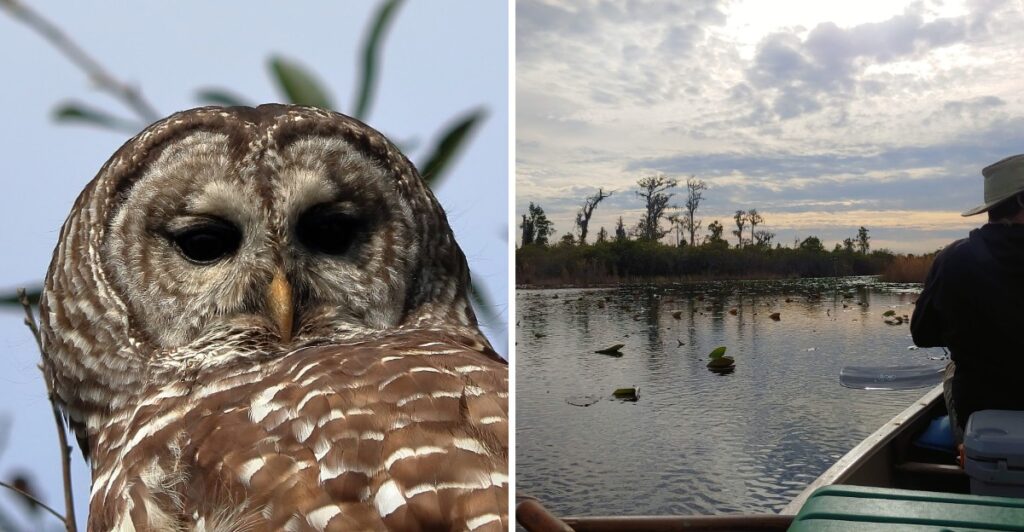
You know that weird feeling when the floor moves beneath your feet? In this Georgia swamp, it actually does. And with up to 20,000 alligators around, I’d prefer the ground to stay put, thanks.
The name is believed to come from a Creek word meaning “land of trembling earth.” Blame the floating peat, which can wobble underfoot. Even solid ground is apparently negotiable here.
The alligators share this blackwater maze with otters, owls, and sandhill cranes. Come winter, the mosquitoes ease up, the cypress trees turn ghostly gray, and gators stretch out in the afternoon sun.
It’s a surprisingly good time for a paddle. The bugs are less interested in you, the scenery looks like another planet, and the alligators are busy sunbathing.
Just admire those prehistoric neighbors from a very generous distance.
Winter Turns The Bug Situation Way Down
Swamps have a reputation, and most of it involves bites. Okefenokee National Wildlife Refuge flips that script in winter, when many insects are hibernating.
That one change makes a huge difference on the water. Temperatures turn mild, and the humidity drops compared to the steamy months.
Your sunscreen still matters, though. Georgia sunshine doesn’t take the winter off, even when the air feels crisp.
Winter also thins out the plants along the trails. Fewer leaves means clearer views, so spotting wildlife gets a lot easier.
The cypress trees shed their needles this time of year. What’s left is a hauntingly beautiful gray landscape that looks almost like a pencil sketch.
Hours shift with the season, so plan around them. From November through February, the main entrance opens 30 minutes before sunrise and closes at 5:30 p.m.
That early start is worth grabbing. Wildlife viewing is generally best in the early morning or evening hours.
Pack layers instead of one heavy coat. Mornings can feel chilly, while afternoons often warm up nicely once the sun climbs.
An entrance fee is required, so have a payment method ready. Then you’re free to enjoy the quietest, comfiest version of the swamp.
Over 100 Miles Of Water Trails Are Waiting For Your Paddle
Roughly 120 miles of designated wilderness water trails wind through this place. That’s enough paddling to make your shoulders file a formal complaint.
Day trips work great for beginners.
Check current trail closures and water levels before choosing an open route, then paddle out and return before the gate closes.
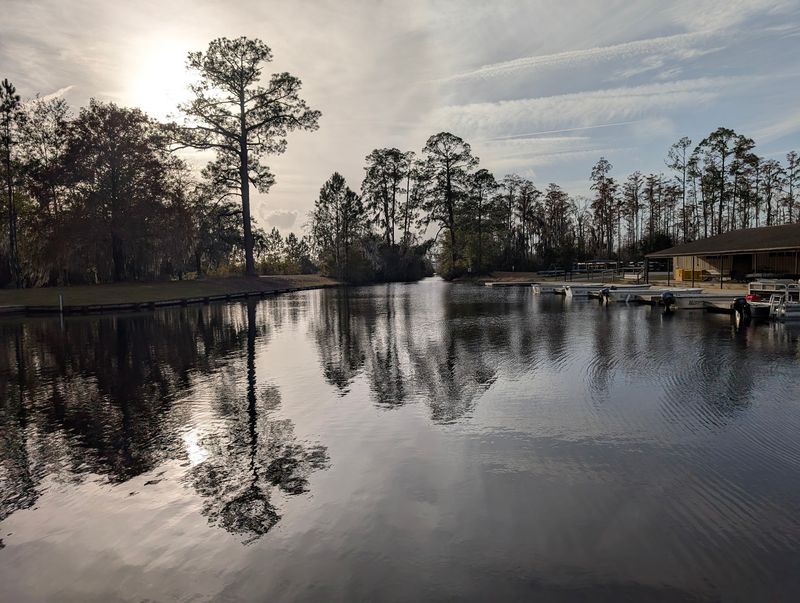
Bringing your own canoe or kayak is allowed. You can also rent one from Okefenokee Adventures, the concessionaire at the Suwannee Canal Recreation Area.
Another rental option sits on the west side at Okefenokee State Park, formerly Stephen C. Foster State Park. That gives you two different starting points into the same huge swamp.
Fair warning, though. Paddling here can be tricky at times.
Shallow water, narrow trails, and peat blow-ups sometimes block the way. You might need to hop out and push your boat, which is part of the adventure.
Some day-use areas allow small motorboats under 10 horsepower. Overnight wilderness trips, however, ban motors completely.
Quiet paddling has a big bonus. Animals are less likely to scatter when there’s no engine rumbling along.
Grab a map, tell someone your route, and start early. The swamp rewards patient paddlers who aren’t rushing to beat the clock.
Sleep On A Platform In The Middle Of The Swamp
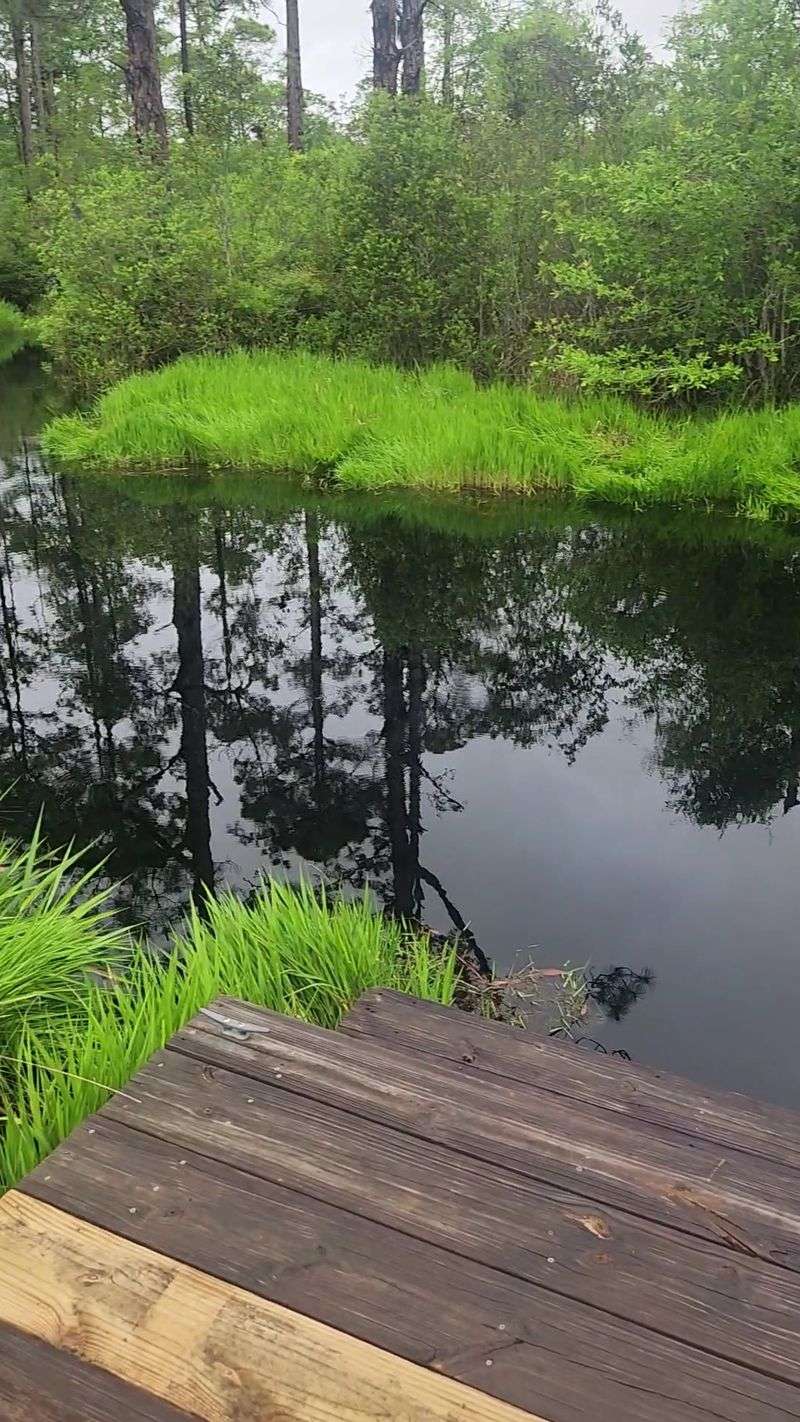
Camping on stilts above blackwater sounds like a dare. In the Okefenokee, it’s an actual reservation you can make.
Overnight paddling trips require a permit.
Due to current low-water conditions, camping reservations are limited to one month in advance, and winter dates are worth booking early.
Most campsites are wooden platforms raised above the water. Each one has a partial roof, a picnic table, and a composting toilet.
Some trips use dry islands instead. Either way, you’ll be far from roads, phone noise, and anything resembling a vending machine.
Planning matters out here. You must bring all your own drinking water because water filters are not recommended.
Cooking also has rules. Portable camp stoves are allowed at all camping platforms, while campfires are permitted only at Canal Run, Floyds Island, and Mixons Hammock, subject to any additional fire restrictions.
Winter nights can get cool. A warm sleeping bag and a good pad will make that platform feel a lot friendlier.
Picture the payoff without the pretend story. Stars above, owls calling, and a swamp stretching out in every direction.
Motors are not allowed on these overnight wilderness routes. It’s just you, your paddle, and some very patient neighbors with scales.
Count The Gators, Then Lose Count
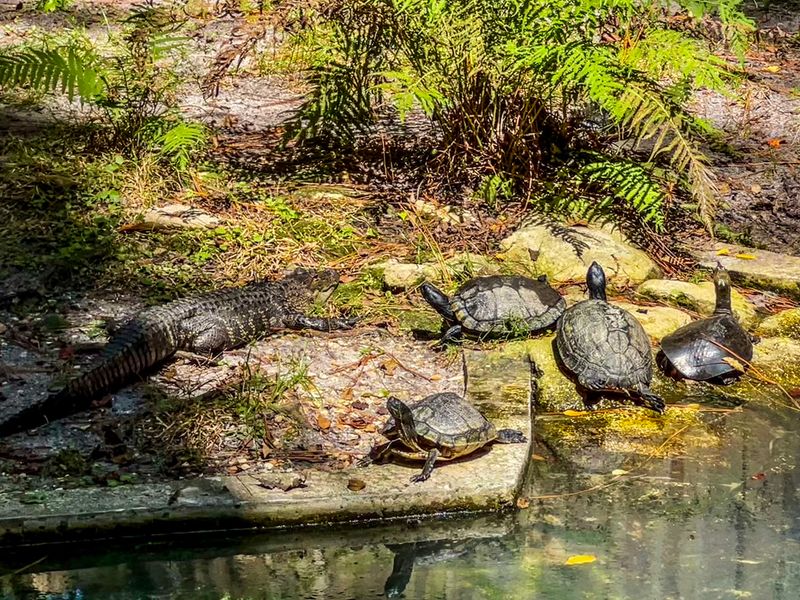
Between 12,000 and 20,000 alligators call this swamp home. Odds are excellent that a few will notice you before you notice them.
Cold mornings slow gators down. On warmer winter days, though, they haul out to bask in the sun.
That makes midday a smart time to scan logs and banks. Look for a dark shape that seems a little too relaxed.
Keep a respectful distance at all times. A long camera lens beats paddling closer every single time.
Feeding wildlife is not allowed here. It’s a safety rule that protects both you and the animals.
Gators aren’t the only stars, either. Otters are frequently seen in winter, often popping up like they own the place.
The refuge also hosts at least 64 reptile species. Gopher tortoises and the threatened eastern indigo snake are part of that list.
Mammals add even more variety. Black bears, white-tailed deer, bobcats, and fox squirrels all live within the refuge.
Binoculars are your best friend for this. Bring a pair, sit still for a minute, and let the swamp show off.
Birders Get The Best Seat In The House In Winter
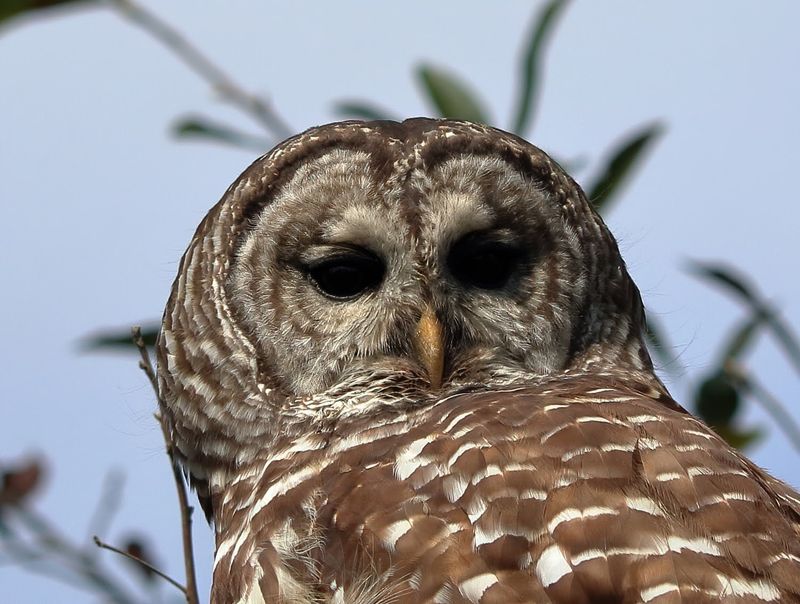
At least 234 bird species have been recorded in the refuge. That’s a lot of feathers for one swamp in Georgia.
Winter brings migratory birds into the mix. Greater sandhill cranes arrive during the colder months, joining the year-round residents.
Wading birds are easy wins for newcomers. Keep an eye out for egrets, herons, and ibis working the shallows.
Raptors and night birds show up too. Red-shouldered hawks and barred owls are both on the list.
Serious birders will want to hunt for the red-cockaded woodpecker. This federally threatened species lives in the refuge’s pine areas.
Bare winter branches help a lot. With fewer leaves in the way, birds are much easier to spot.
Timing still matters. Early mornings and evenings usually offer the best wildlife viewing of the day.
A field guide or bird app makes the trip more fun. Even kids can start a checklist and compete for bragging rights.
Bring a thermos of something warm. Birding often means standing still, and winter mornings can get nippy.
Climb Above The Prairie Without Getting Your Feet Wet
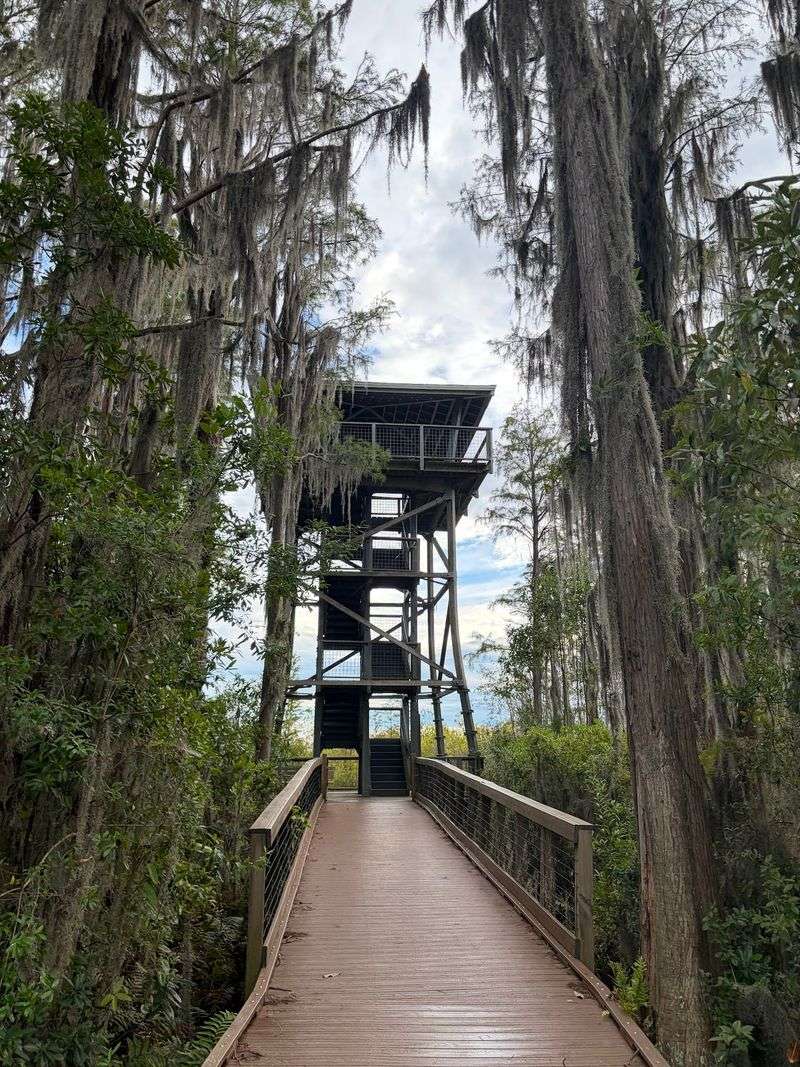
Not everyone wants to paddle, and that’s perfectly fine. The Chesser Island Boardwalk gives you swamp views from solid planks.
This 1.5-mile trail stretches out over the wetlands. It leads to the Owl’s Roost Tower, which offers wide views of the swamp prairies.
Those prairies are a big deal. They’re open, watery spaces that help make the Okefenokee feel so wild and huge.
From the tower, you can scan for birds and gators below. It’s a great spot for photos, especially in clear winter light.
Bikers have options too. Swamp Island Drive is a scenic route you can ride through the refuge.
Driving it works if your legs need a rest. Either way, take it slow and watch the roadsides for wildlife.
Wear comfortable shoes for the boardwalk. Bring water too, since a refill station is waiting back at the visitor center.
Families with little ones will like this option. It’s a safe, simple way to see the swamp without a boat.
Pair it with a paddle if you can. Seeing the swamp from above and below gives you the full picture.
A Canal Dug To Drain The Swamp Now Helps You Explore It
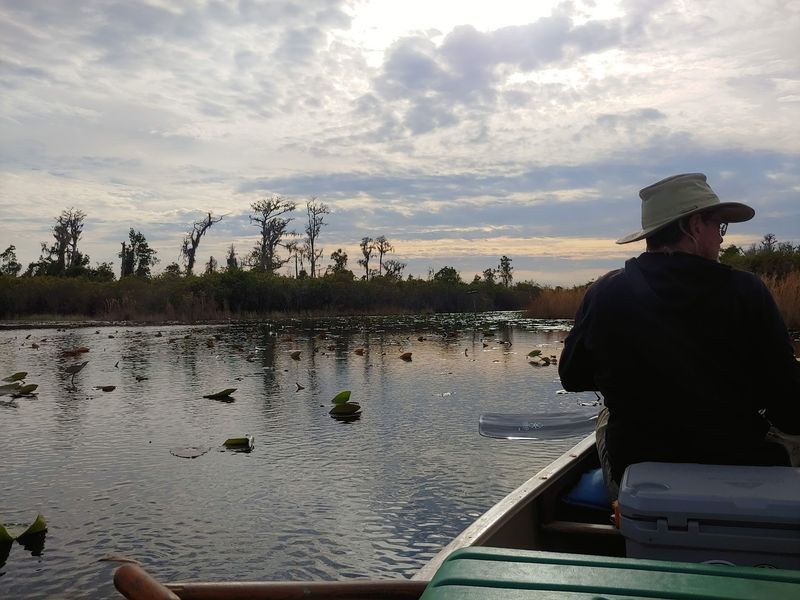
History has a funny sense of humor here. The Suwannee Canal was dug in the late 1800s in an attempt to drain the swamp.
It didn’t work out. Today, that same canal carries paddlers and tour boats deep into the protected wetlands.
President Franklin D. Roosevelt established Okefenokee National Wildlife Refuge in 1937. The goal was to conserve the swamp and protect migratory birds.
Before that, logging boomed in the early 20th century. Billy’s Island once supported a community of over 600 people.
Remnants from that era still remain on the island. They’re a reminder of how close this wilderness came to looking very different.
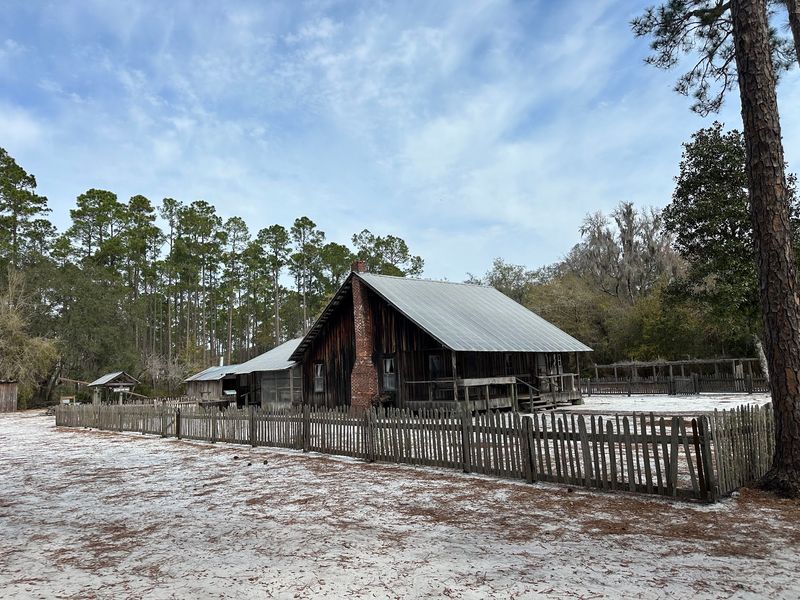
Back near the boardwalk, you’ll find the Chesser Island homestead. This 1800s homestead offers a glimpse of early swamp life.
Walking through it puts the landscape in context. Families made a living in this tough, beautiful place long before tour boats arrived.
Fast-forward to today, and the refuge has earned global attention. In 2026, it was inscribed as a UNESCO World Heritage Site.
Not bad for a swamp someone once tried to empty.
Start Smart At The Visitor Center
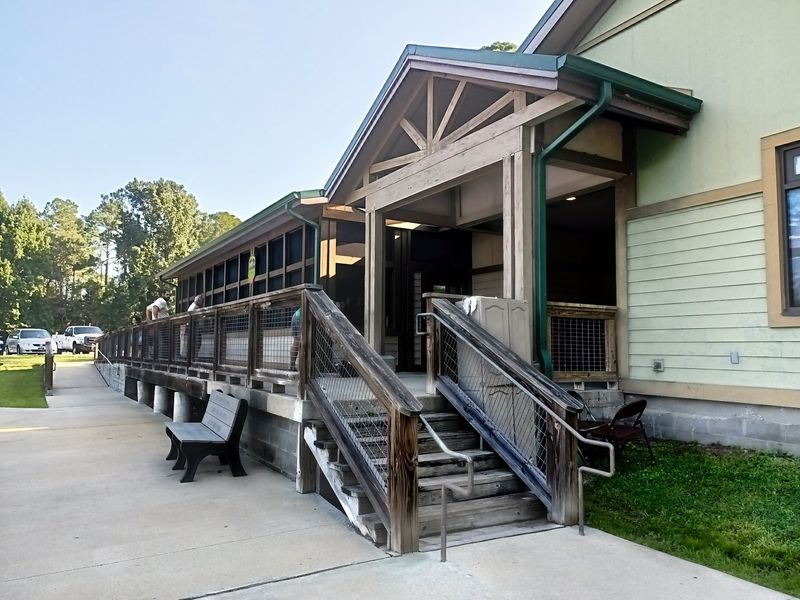
Every good swamp trip deserves a game plan. The Richard S. Bolt Visitor Center is the place to build one.
It sits at the Suwannee Canal Recreation Area. Inside, you’ll find educational exhibits and an orientation film about the refuge.
To get started, head to Okefenokee National Wildlife Refuge at 4155 Suwannee Canal Road in Folkston, Georgia.
The film is a quick way to grasp the scale. Okefenokee is the largest blackwater swamp in North America, covering hundreds of thousands of acres.
It’s also the largest national wildlife refuge east of the Mississippi River. On top of that, it’s recognized as a Wetland of International Importance.
Practical perks are here too. Restrooms, a water bottle refilling station, and a nature store all make prep easier.
Winter hours are shorter, so mark your calendar. The Richard S. Bolt Visitor Center is open Tuesday through Thursday from 10:30 a.m. to 4 p.m. and Friday and Saturday from 9 a.m. to 4 p.m.
It closes Sundays, Mondays, and federal holidays during that stretch. The refuge itself stays open daily year-round.
Fill your bottles before heading out. Paddlers especially need plenty of water once they leave the dock.
Then go meet the swamp in person. Okefenokee National Wildlife Refuge is ready, and the gators are already sunbathing.