Mapping a road trip around ghost stories sounds like a gimmick until you realize how many documented hauntings line the highways of a state where the dead have never been particularly quiet.
Louisiana’s paranormal resume runs deep: a cemetery where voodoo priestess Marie Laveau still receives visitors, a French Quarter mansion where a fire exposed horrors that the building has never stopped remembering, a plantation in St. Francisville where a poisoned birthday cake left a ghost who still walks the halls.
The ten stops on this route stretch from New Orleans to Shreveport, each one carrying enough reported activity to fill a chapter: apparitions at Oak Alley, electrical interference at the Calcasieu Courthouse, violin music at Loyd Hall when no one is playing.
Some locations offer tours, others offer overnight stays, a few simply ask that you drive past slowly and keep your windows down. Chilling legends follow a haunted road trip across Louisiana because this state has been accumulating ghost stories since before it had a name.
10. St. Louis Cemetery No. 1
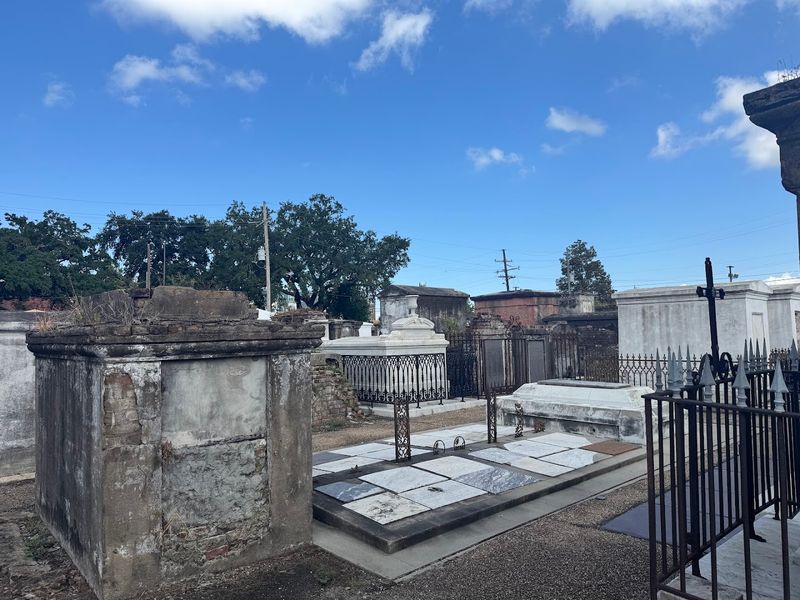
A short walk from the French Quarter leads to St. Louis Cemetery No. 1, 425 Basin Street, New Orleans, LA 70112, one of the city’s most famous and tightly controlled historic burial grounds.
The official tour check-in begins nearby at Basin St. Station, 501 Basin Street, New Orleans, LA 70112, which is important because visitors cannot simply wander in alone.
The cemetery feels compact and intense, with above-ground tombs packed closely enough to create the impression of a small city built for the dead. Weathered inscriptions, fresh offerings, family vaults, and narrow passageways give the space a mood that is both sacred and uneasy.
Marie Laveau’s tomb remains the emotional center for many visitors, partly because her history and legend have become nearly impossible to separate. Guides can explain what is documented, what is tradition, and why the site still draws people who come with questions, tokens, prayers, or curiosity.
Book the authorized tour, follow the rules, and treat the cemetery as an active sacred place rather than a haunted attraction. The legends are powerful, but respect is what makes the visit meaningful.
9. LaLaurie Mansion
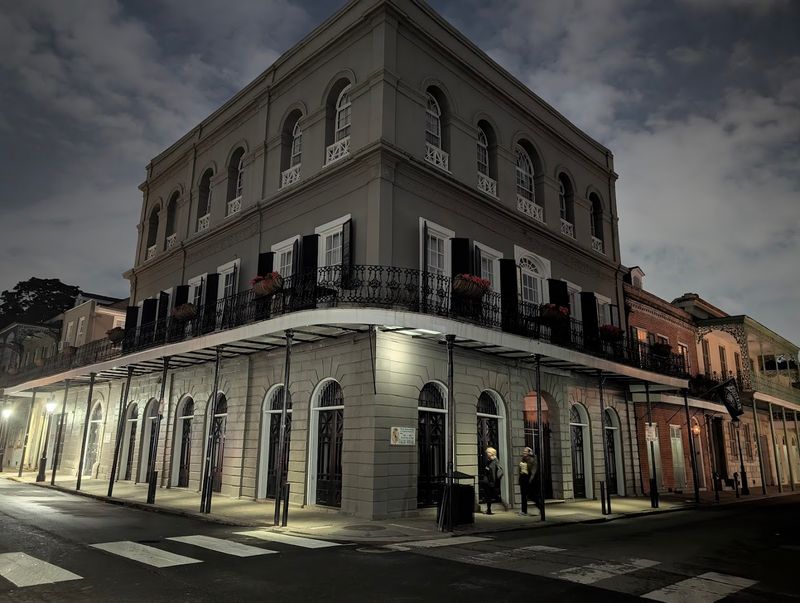
Behind an elegant French Quarter façade, LaLaurie Mansion, 1140 Royal Street, New Orleans, LA 70116, carries one of the city’s darkest reputations.
The building is privately owned, so this is an exterior-only stop, but even from the sidewalk its balconies and shutters make an unsettling contrast with the history attached to the address.
The story centers on Madame Delphine LaLaurie, a wealthy 19th-century socialite whose household became notorious after an 1834 fire exposed severe abuse of enslaved people.
That documented history is painful enough without leaning into exaggerated versions of the tale, and the site is best approached as a place of moral horror rather than simple ghost entertainment.
Folklore has built heavily around the mansion over time. Visitors and tour guides speak of uneasy feelings, watched windows, and a sense that the building never fully released what happened there.
Whether taken literally or not, the stories show how strongly New Orleans remembers public cruelty hidden behind social polish.
Keep your visit brief and respectful. Stay on the public sidewalk, do not disturb residents, and let the stop serve as a reminder that the most chilling legends often begin with real human suffering.
8. Arnaud’s Restaurant
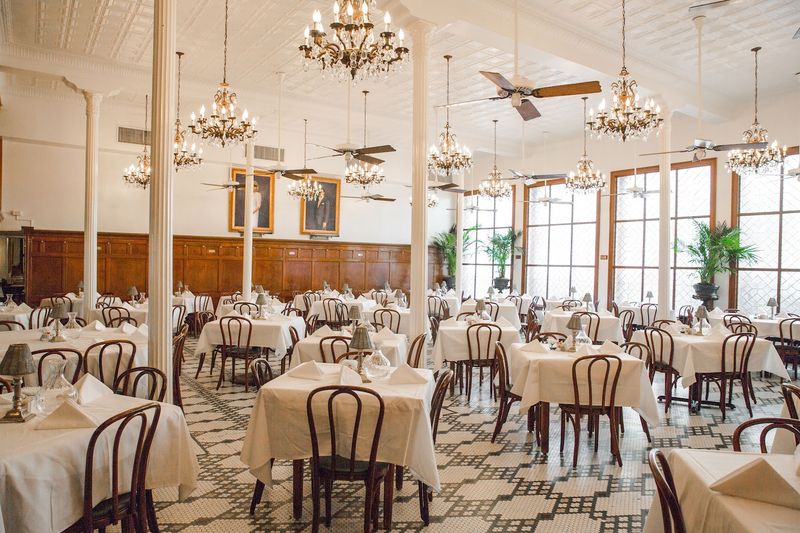
Inside the French Quarter, Arnaud’s Restaurant, 813 Rue Bienville, New Orleans, LA 70112, brings a softer kind of haunting to the route. The atmosphere is not ruinous or grim; it is polished, old-fashioned, and full of the kind of dining-room memory that makes ghost stories feel almost believable between courses.
The restaurant opened in 1918 and has spent more than a century serving classic Creole cuisine, hosting celebrations, and preserving its own sense of occasion.
That longevity gives every room a layered feeling, especially when portraits, old menus, private dining spaces, and the upstairs Mardi Gras museum remind visitors how many lives have passed through the building. Stories here tend to be less violent and more atmospheric.
People speak of former owners, lingering presences, unexplained movement, and the feeling that some regulars never fully left.
It is the kind of haunting that suits a restaurant where hospitality itself is part of the legend. Reserve dinner or Sunday jazz brunch if you want the experience to feel complete. Ask about the history, linger over the rooms, and notice how easily old New Orleans turns elegance into a ghost story.
7. Oak Alley Plantation
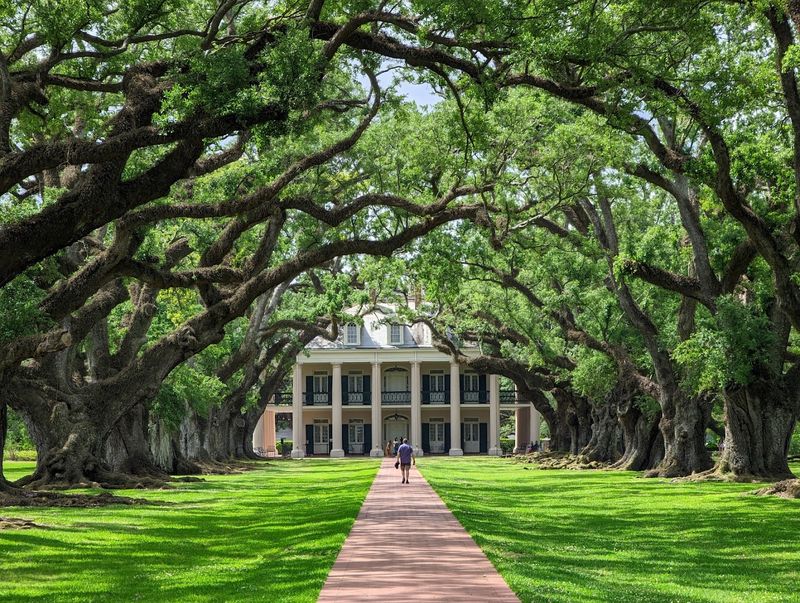
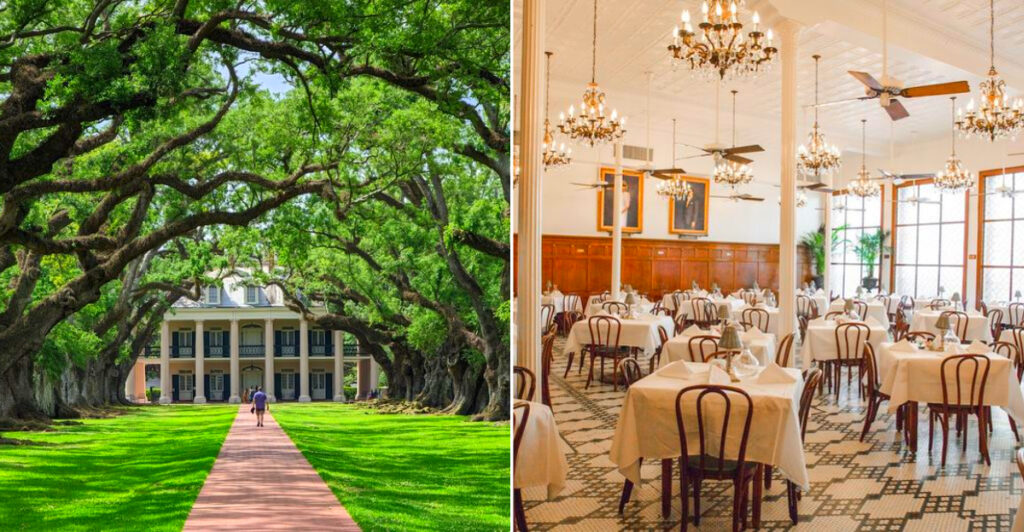
A tunnel of 28 live oaks makes Oak Alley Plantation, 3645 Highway 18, Vacherie, LA 70090, one of the most visually famous stops in Louisiana. The approach is so beautiful that it can be easy to forget how complicated the site is, which is exactly why the best visit holds the beauty and the history together.
The Greek Revival mansion, river setting, reconstructed slave quarters, and museum interpretation all point toward the plantation’s role in the sugar economy and the lives of people who lived and labored there.
That documented context matters more than any ghost story, but the setting also explains why folklore has gathered so strongly around the house.
Reported hauntings often center on shadowy figures, unexplained sensations, and the so-called Lady in Black. The oak avenue itself can feel theatrical enough to invite imagination, especially when wind moves through the canopy and the house appears framed like a stage.
Take the guided Big House tour, but do not skip the exhibits on enslavement and plantation labor. The haunted feeling here is strongest when you understand that the landscape’s beauty was never separate from its history.
6. Myrtles Plantation
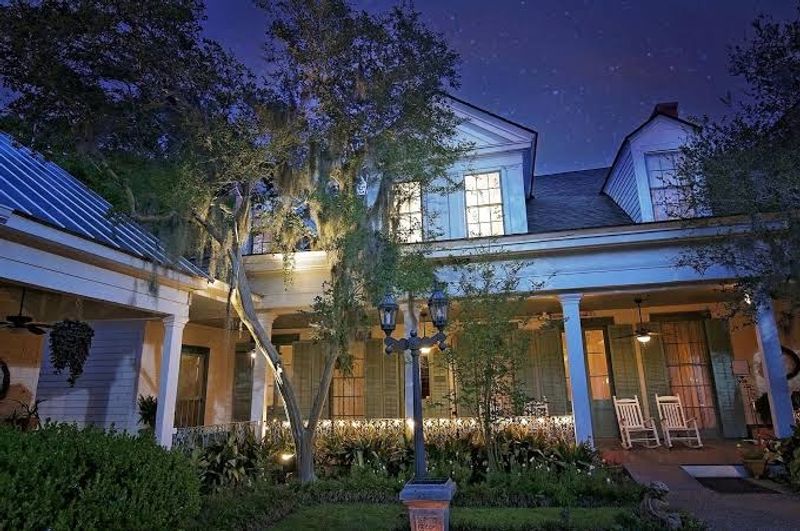
Along U.S. Highway 61 in St. Francisville, The Myrtles Plantation, 7747 U.S. Highway 61, St. Francisville, LA 70775, has built one of the most famous haunted reputations in the country.
It operates as a historic property, tour site, restaurant destination, and overnight lodging option, which makes it a natural anchor for a Louisiana ghost road trip.
The house dates to the late 18th century, and its architecture, porches, gardens, and old rooms create the perfect atmosphere for stories to grow. Over time, legends about apparitions, mirrors, footsteps, and unexplained sounds have become part of the property’s public identity.
The most repeated tales are not always the best documented, and that is worth remembering. Some stories shift depending on who tells them, while the verified history is complicated enough on its own.
A thoughtful tour lets you hear both the folklore and the historical corrections without flattening the place into a simple haunted-house script.
Consider an evening tour or overnight stay if you want the full mood. The experience works best when you bring curiosity, skepticism, and respect for the people whose real lives became part of the legend.
5. Louisiana’s Old State Capitol
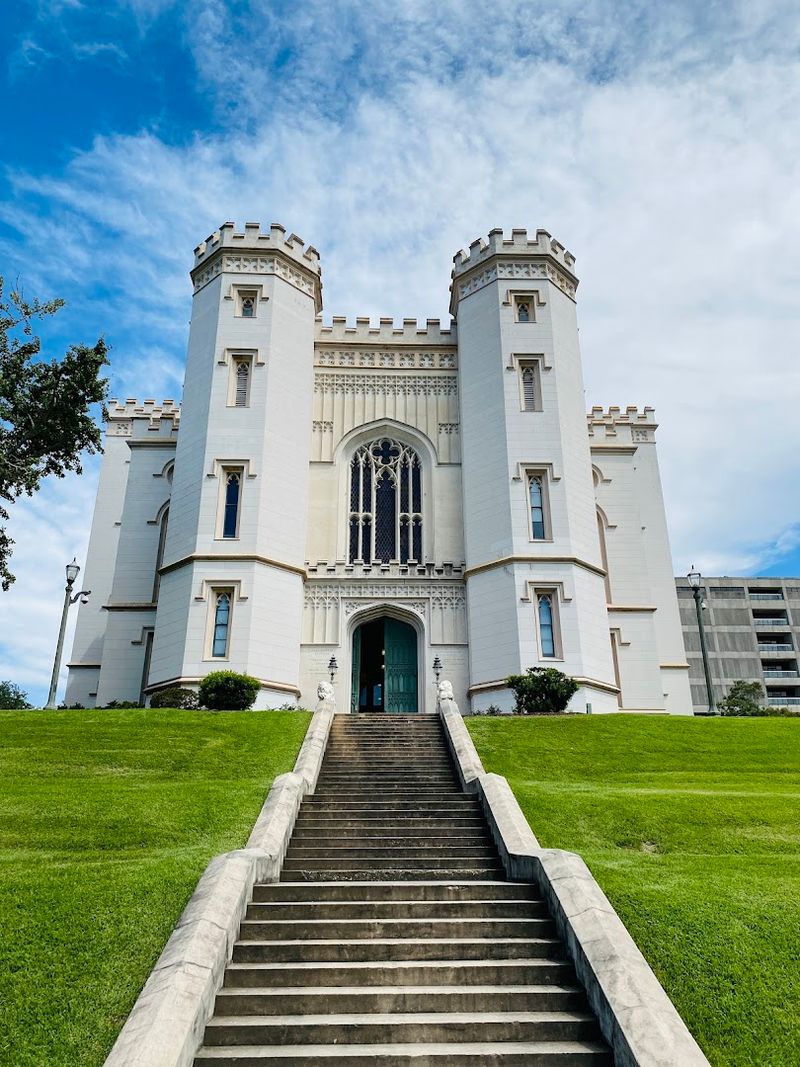
On a rise above the Mississippi River, Louisiana’s Old State Capitol, 100 North Boulevard, Baton Rouge, LA 70801, looks like a Gothic castle that wandered into downtown politics. Turrets, stained glass, steep rooflines, and a fortress-like silhouette make the building feel haunted before anyone tells you a story.
The structure served as Louisiana’s seat of government before becoming a museum, and its history includes fire, war, abandonment, restoration, political conflict, and public ceremony.
That combination gives the building a charged atmosphere, especially in the ornate interior where the cast-iron staircase and stained-glass dome turn civic architecture into theater.
Ghost stories here usually grow from the building’s political drama and long institutional memory rather than one single legend. Visitors speak of strange sensations, echoes, and the feeling that old arguments might still be caught in the walls.
Walk through during museum hours to appreciate the verified history first. The haunted mood becomes stronger, not weaker, when you understand how much happened inside these rooms. This is one of the rare places where architecture alone feels like a ghost story.
4. Magnolia Plantation
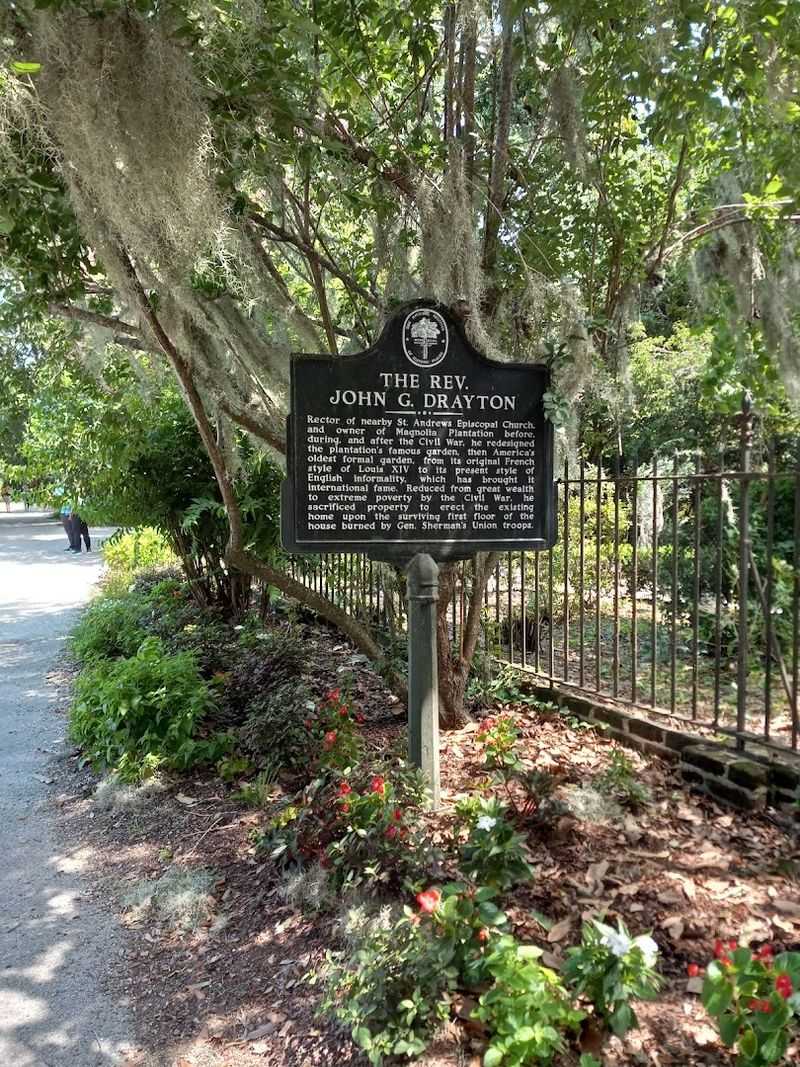
Near Derry in Cane River country, Magnolia Plantation, 5549 Highway 119, Derry, LA 71416, is part of Cane River Creole National Historical Park rather than a standard plantation-house attraction.
That distinction matters because the main house remains privately owned and is not open to the public, while the National Park Service interprets the surviving outbuildings and grounds.
The site’s power comes from what remains: cabins, a plantation store, overseer’s house, blacksmith shop, gin barn, and other structures tied to generations of labor, agriculture, and Creole history. It is quieter than the more commercial haunted stops, but that quiet can feel more unsettling.
Stories of haunted sensations around Magnolia tend to be softer and less standardized than the famous legends in New Orleans or St. Francisville. The atmosphere is shaped by absence, endurance, and the weight of buildings that were never meant to be glamorous.
Visit during posted park hours, follow National Park Service guidance, and give the site time to work on you. This stop is less about jump scares and more about standing where daily history still feels close to the surface.
3. Loyd Hall Plantation
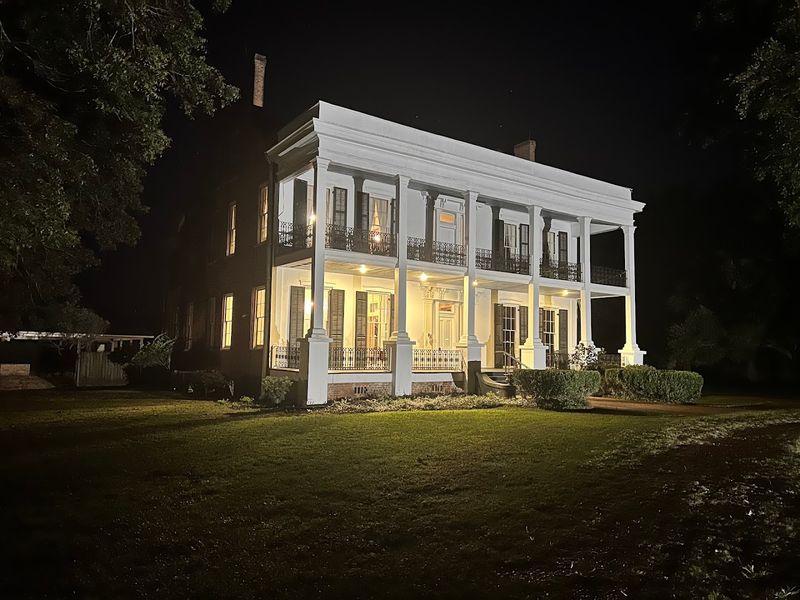
Outside Cheneyville, Loyd Hall Plantation, 292 Loyd Bridge Road, Cheneyville, LA 71325, offers the rare combination of historic plantation setting, bed-and-breakfast lodging, event space, and long-running ghost lore. Its rural location helps the atmosphere immediately, because the drive in already feels like leaving ordinary noise behind.
The house is commonly associated with early 19th-century origins and later restoration, giving visitors a sense of layered domestic history. Unlike an exterior-only haunted stop, this one can become immersive if you stay overnight or attend an event on the property.
Legends around the site include apparitions, unexplained sounds, and the kind of recurring stories that attach themselves to old houses where many generations have passed through. As with most haunted plantations, the folklore is best understood beside the documented history rather than in place of it.
Check current lodging, tour, and event availability before going, since access may depend on bookings or private functions. If you do stay, let the quiet do part of the work. A rural historic house after dark does not need much exaggeration to feel uncanny.
2. Calcasieu Courthouse
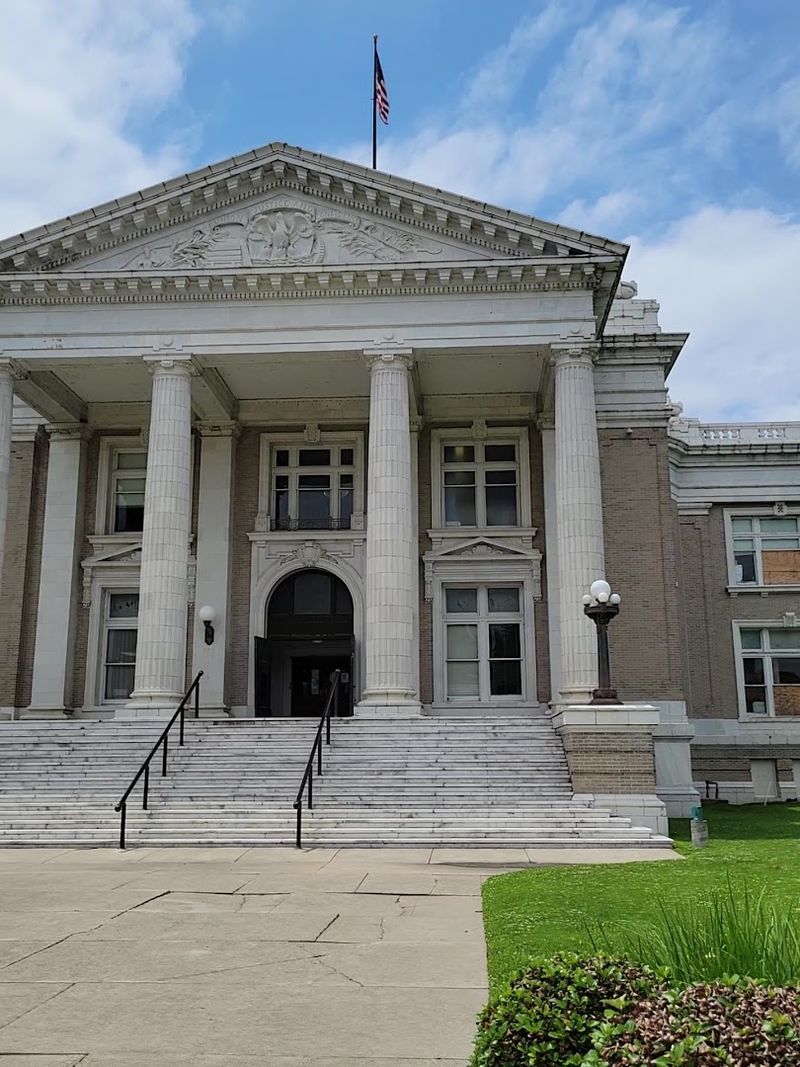
In downtown Lake Charles, Calcasieu Parish Courthouse, 1000 Ryan Street, Lake Charles, LA 70601, brings the haunted-road-trip mood into a working civic building. The structure still serves official functions, so this stop requires more restraint than a tour property or abandoned ruin.
The haunting reputation is strongly tied to Toni Jo Henry, the only woman executed in Louisiana’s electric chair. Her story remains part of local courthouse lore, and reports of unusual sounds, electrical disturbances, and uneasy sensations have circulated around the building for decades.
What makes the courthouse interesting is the overlap between public record and ghost story. Courtrooms, legal offices, old documents, and official proceedings already carry a serious emotional weight, so the reported activity feels less like decoration and more like an extension of civic memory.
Visit during business hours if you want to see the building respectfully. Do not try to enter restricted spaces or linger after hours without permission.
The best way to approach this stop is as a place where law, tragedy, and folklore meet inside a building people still use every day.
1. Shreveport Municipal Auditorium
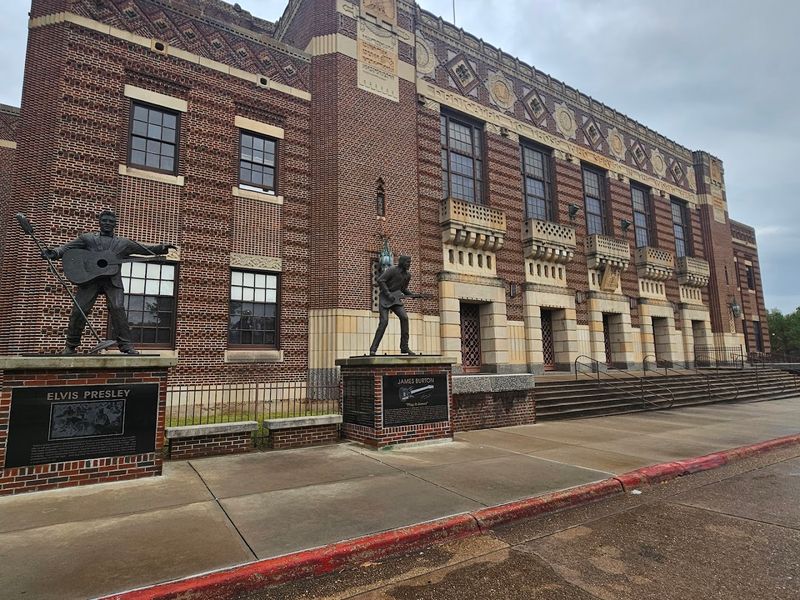
At the northern end of the route, Shreveport Municipal Auditorium, 705 Elvis Presley Avenue, Shreveport, LA 71101, trades plantation shadows for stage lights, music history, and performance ghosts.
Built in the 1920s, the Art Deco landmark became famous as the home of the Louisiana Hayride, the radio show that helped launch major American music careers.
The building’s documented history is already rich enough to make it feel alive. Elvis Presley, Hank Williams, Johnny Cash, and many others are tied to its stage, and decades of concerts, broadcasts, crowds, and backstage nerves seem to linger in the architecture.
Reported hauntings include disembodied voices, footsteps, shadowy movement, and stories connected to performers and children seen or heard in the building.
Whether you believe the accounts or not, the auditorium has the exact quality haunted venues need: empty seats, backstage corridors, old dressing rooms, and silence where applause used to be.
The best way to experience it is through a show or authorized tour. Let the music history come first, then notice how naturally the ghost stories follow.