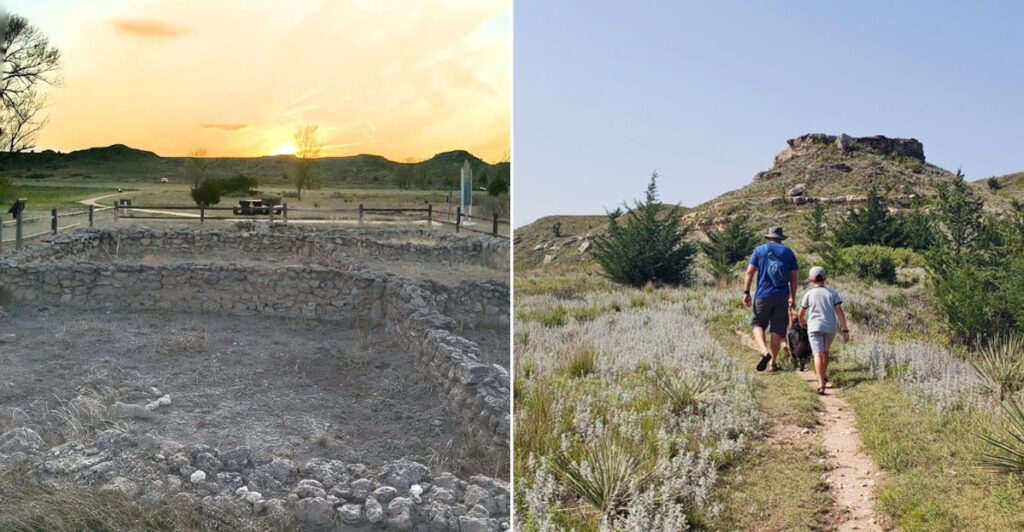
Kansas has a talent for keeping its best surprises off the obvious route. This hidden canyon oasis feels like one of those rare places that makes travelers blink twice and rethink what they thought the state could look like.
The beauty is not loud or polished, which is exactly why it lands so well. It feels unexpected, refreshing, and just wild enough to make a simple day outside feel like a real discovery.
A spot like this proves that the most memorable views are not always the ones everyone is already chasing. Sometimes they are the ones that catch you off guard and make the whole trip feel smarter than planned.
My favorite finds are the places that make me say, “Wait, this is Kansas?” before I even remember to take a picture.
A Canyon That Appears Out Of Nowhere
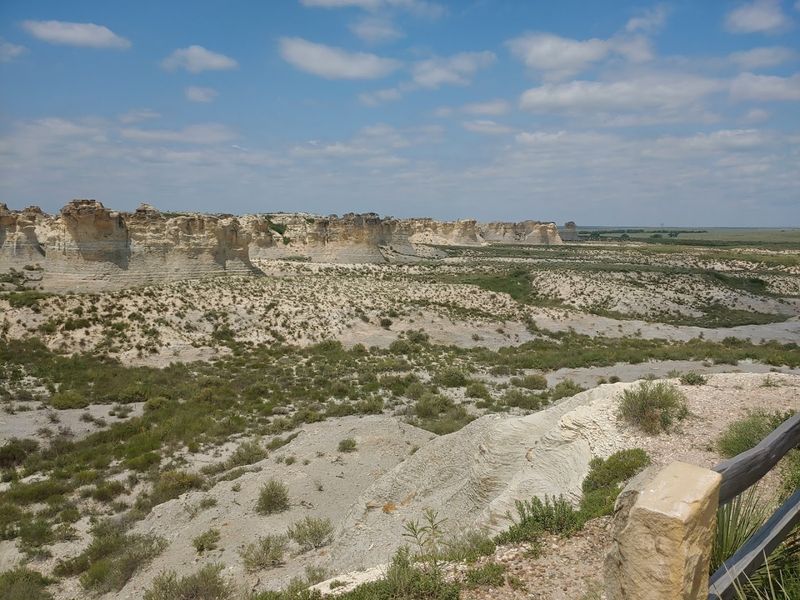
One moment you are driving through the flat, open grasslands of western Kansas, and the next, the earth simply drops away beneath you.
The road descends into a canyon that looks like it was secretly transplanted from a more dramatic corner of the American West.
Historic Lake Scott State Park sits in this striking geological pocket, where mesas, rock outcroppings, and shaded cottonwood trees replace the farmland scenery almost instantly.
The transformation is so sudden that first-time visitors often pull over just to process what they are seeing.
The canyon formed over thousands of years as water carved through the High Plains landscape, creating a sheltered valley that traps moisture and supports a completely different ecosystem from the surrounding terrain.
Locals who grew up nearby say they never quite get used to how unexpected it feels, no matter how many times they make the drive.
The Spring-Fed Lake At The Heart Of It All
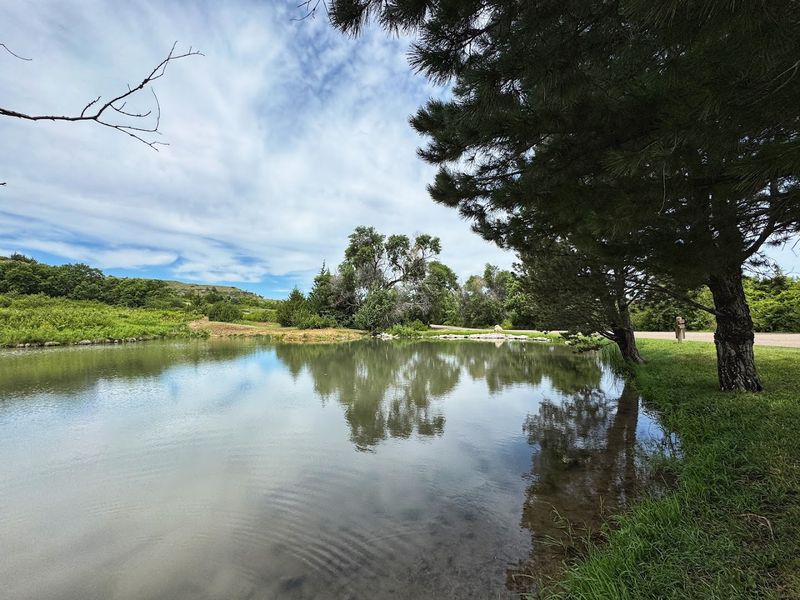
Not every state park can claim a spring-fed lake as its centerpiece, but Historic Lake Scott State Park can.
The water here stays remarkably clear, fed by natural springs that have been flowing through this canyon for centuries, long before any campsite or boat ramp existed.
Kayakers paddle up the creek that feeds into the lake, often commenting on how clean and inviting the water looks compared to most inland lakes they have visited.
Swimmers enjoy a designated sandy beach area, and anglers set up along ADA-accessible fishing docks with paved walkways.
The lake is not enormous, which actually works in its favor. It keeps the atmosphere calm and unhurried, the kind of place where you hear birds more than engines.
At night, the water reflects the stars with almost mirror-like clarity, making the lake feel like a portal to somewhere entirely outside ordinary time.
A 400-Year-Old Pueblo Ruin Right Inside The Park
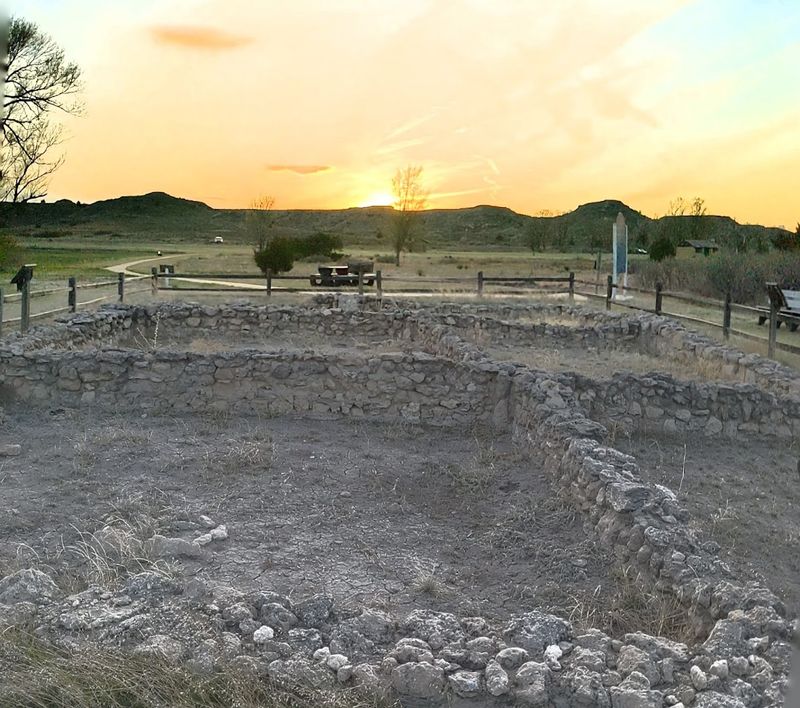
Few state parks in the entire country can claim a centuries-old pueblo ruin within their boundaries, but Historic Lake Scott State Park holds exactly that.
El Cuartelejo, as historians call it, is widely recognized as the northernmost pueblo site in the United States.
Built by Taos or Picuris Pueblo people who fled Spanish rule in the late 1600s, the structure stands as a remarkable reminder that this remote Kansas canyon was once a place of refuge and community.
Archaeologists have studied the site for decades, and their findings have reshaped understanding of how far pueblo culture extended across the Great Plains.
Standing near the ruin, it is hard not to feel the weight of those centuries pressing down quietly.
The park has preserved the site respectfully, and interpretive signage helps visitors understand its significance without overwhelming the experience.
It is one of the most historically loaded spots in all of Kansas.
Stargazing That Rivals Anything In The Plains States
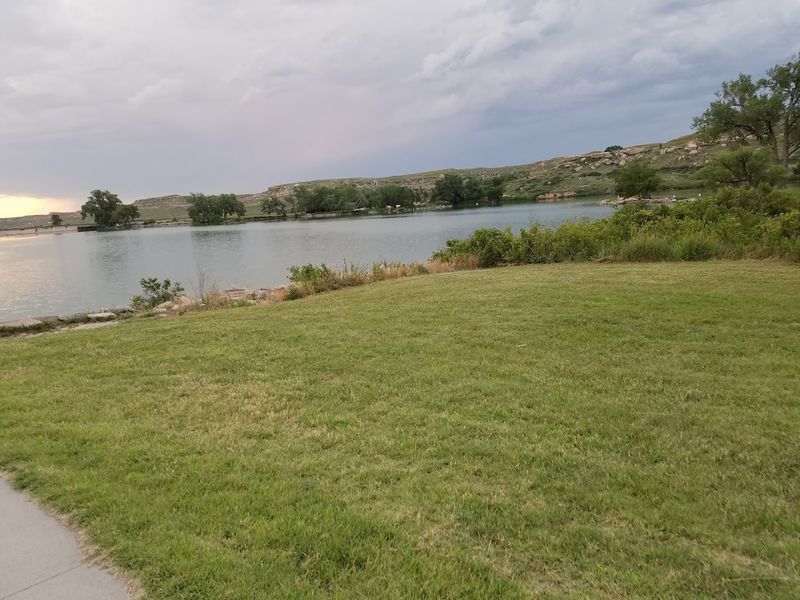
Light pollution is not much of a problem when your nearest city is Scott City, Kansas, and the surrounding landscape is mostly open prairie.
Historic Lake Scott State Park benefits from some of the darkest skies in the region, and on clear nights, the Milky Way stretches overhead in a way that feels almost theatrical.
Campers who have stayed here frequently mention waking up in the early morning hours and stepping outside to find a sky absolutely packed with stars.
The canyon walls block out any distant glow and frame the night sky in a way that makes the experience feel curated, even though nature did all the work.
Crickets and coyotes provide the soundtrack, and the spring-fed lake reflects enough starlight to create a genuinely magical atmosphere.
For anyone who has spent time chasing dark skies across the plains states, this park consistently ranks among the most rewarding spots to spend a clear night outdoors.
Camping Options That Actually Put You On The Water
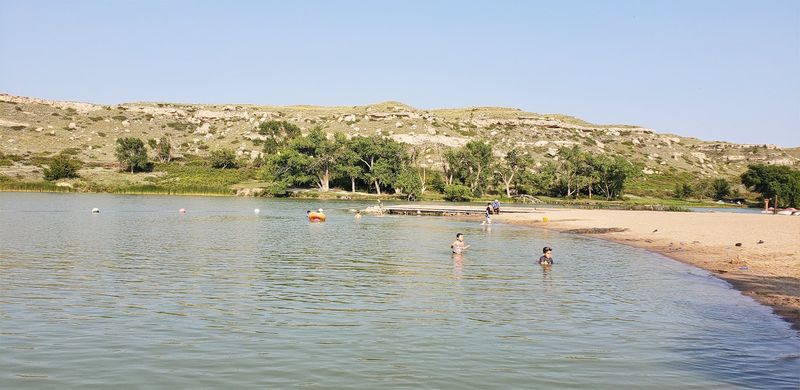
One of the more refreshing things about camping at Historic Lake Scott State Park is that the sites near the water are genuinely accessible to all types of campers, not just those with hookups.
The dry camping lots sit right on the lake’s edge, which is rarer than you might think at parks that tend to reserve premium waterfront spots for fully equipped RVs.
The Circle Drive Campground is a favorite among returning visitors, offering shaded sites, electric and water hookups, and easy walking distance to the swim beach and the small camp store.
A dump station is available nearby, and shower facilities are kept reasonably clean throughout the season.
Weekends tend to bring more families and a livelier atmosphere, while weekdays settle into something quieter and more contemplative.
A 20-day stay here reportedly flies by, which says something about how easy it is to relax into the rhythm of canyon life at this park.
Trails That Take You Up Into The Bluffs
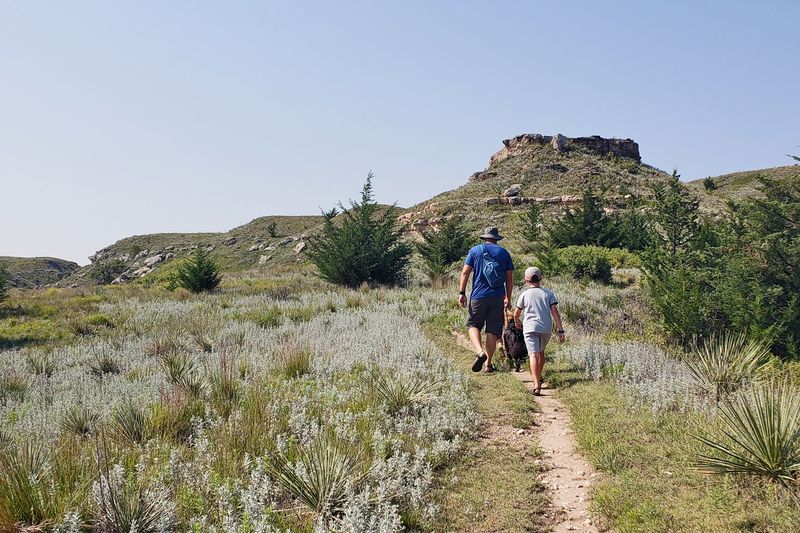
The trails at Historic Lake Scott State Park are not the kind that stretch for dozens of miles, but what they lack in length they more than make up for in scenery.
The bluff trails climb above the canyon floor and deliver views of the lake, the surrounding mesas, and the flat plains stretching out beyond the canyon rim.
Sunset from the hilltop trails is particularly striking.
The light turns the rock formations warm shades of orange and red, and the lake below catches the color in a way that makes the whole scene feel far more cinematic than a Kansas state park typically gets credit for.
Horseback riding and mountain biking are also permitted on certain trails, adding variety for visitors who want something beyond a standard walking path.
Reviewers who have biked the trails consistently describe the moment the landscape shifts from flat farmland to canyon terrain as one of the most satisfying surprises in all of their plains state travels.
Wildlife And Ecosystem Unlike The Surrounding Plains
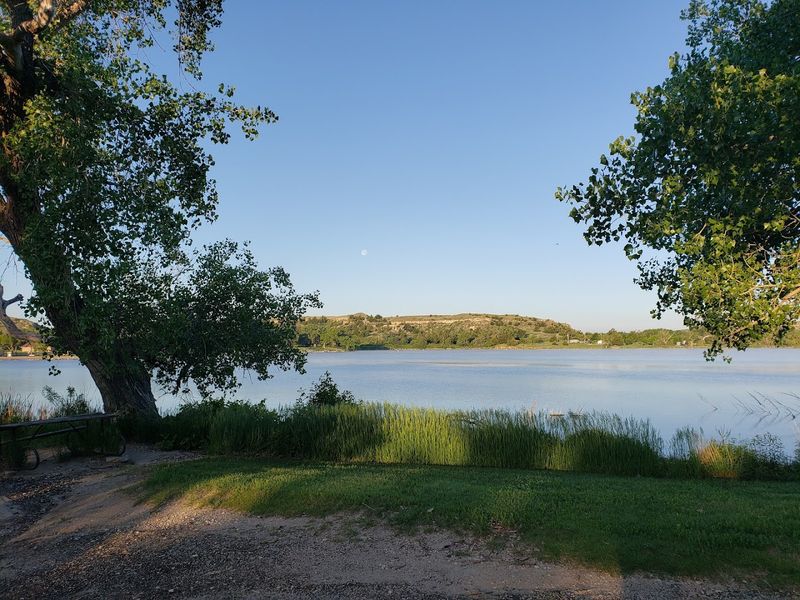
Step into the canyon at Historic Lake Scott State Park and you are stepping into a microclimate that operates by different rules than the surrounding high plains.
The spring-fed water and sheltered terrain support a noticeably richer variety of plant and animal life than the open grasslands just a mile away.
Cottonwood trees provide dense shade that would be completely absent on the flat prairie. Birds that need water and tree cover thrive here in numbers that surprise visiting birdwatchers.
Deer move through the canyon edges at dusk, raccoons patrol the campsites with impressive boldness, and coyotes call across the water after dark.
The contrast between the park’s interior ecosystem and the landscape immediately outside it is stark enough that one visitor described the experience as someone flipping a switch between two entirely different worlds.
That biological richness is part of what makes the park feel so unexpectedly alive for a destination in the middle of western Kansas.
A Gateway To Western Kansas’ Most Dramatic Landscapes
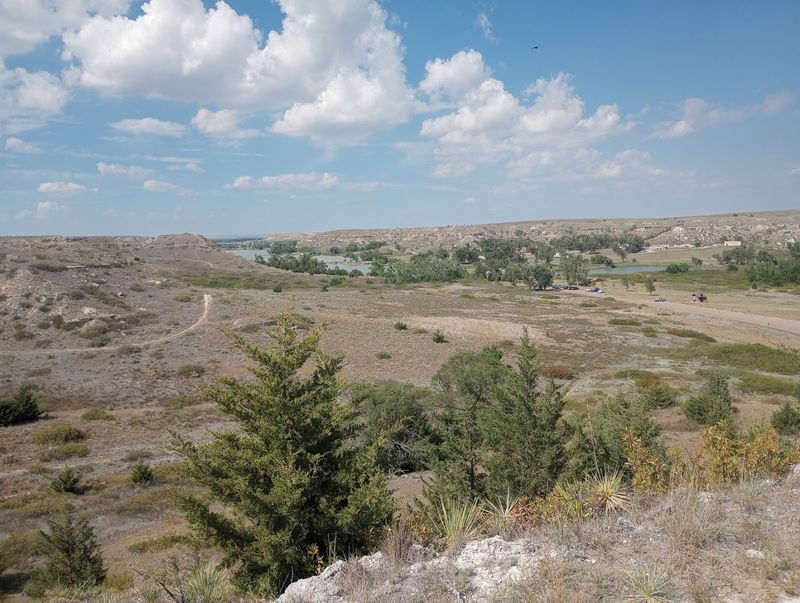
Historic Lake Scott State Park works exceptionally well as a base camp for exploring the surrounding region, which turns out to be far more geologically dramatic than most travelers expect from western Kansas.
Monument Rocks and Castle Rock, both striking chalk formations, are just a short drive away and rank among the most visually arresting natural landmarks in the state.
Little Jerusalem Badlands State Park, a newer addition to the Kansas state park system, sits to the north and offers some of the most engaging hiking in the region, though it is day-use only.
The Western Vistas Historic Byway connects several of these sites along a scenic route that rewards slow, curious driving.
Pairing a stay at Historic Lake Scott State Park with day trips to these surrounding landmarks creates an itinerary that genuinely surprises people who assumed Kansas had little to offer beyond flat roads.
The canyon is the comfortable, shaded home base, and the wider landscape is the adventure.
Best Seasons To Visit And What To Expect Year-Round
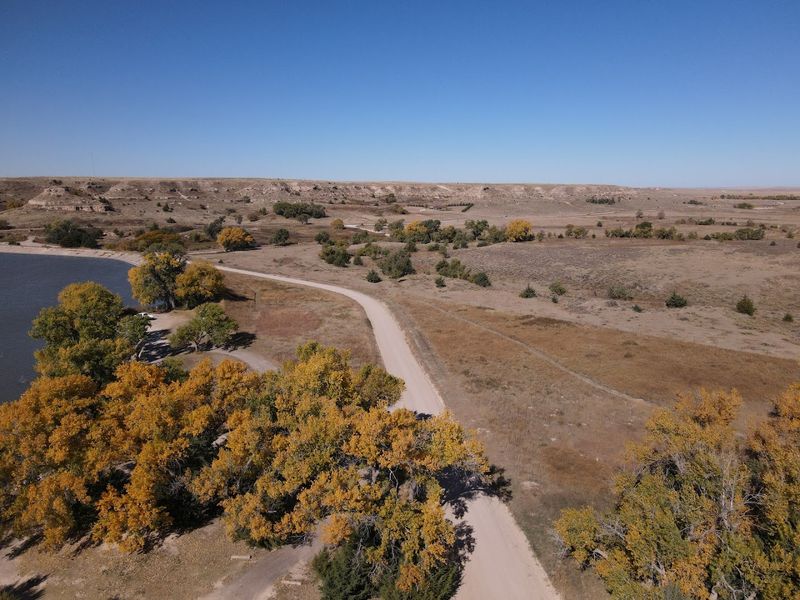
Spring and fall tend to draw the strongest praise from visitors to Historic Lake Scott State Park, and the reasoning is straightforward.
Temperatures are comfortable, the canyon vegetation is at its most lush in spring, and the crowds are manageable enough that you can still find a quiet campsite on a weekend.
Summer brings Kansas heat, but the canyon’s natural shade and the lake’s cool water make it far more bearable than the open plains.
The park stays open 24 hours a day, every day of the year, which means even winter visits are possible for those who appreciate a particularly peaceful and unpopulated camping experience.
The entrance fee runs just five dollars per vehicle, which makes this one of the more affordable outdoor destinations in the region.
For anyone planning a road trip through the Great Plains, building in a night or two at Historic Lake Scott State Park is the kind of decision that tends to become the highlight of the whole journey.