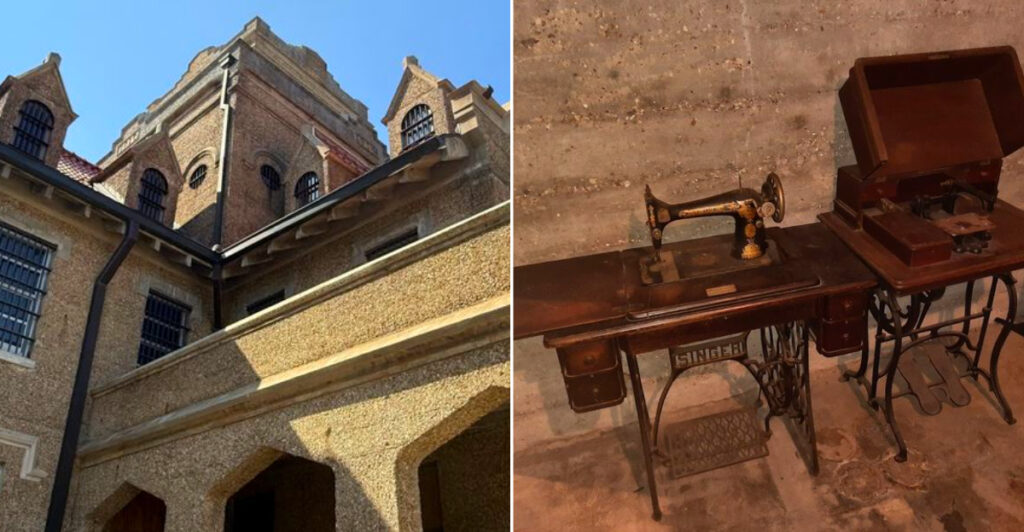
Stepping through the stone archway feels like crossing into another century.
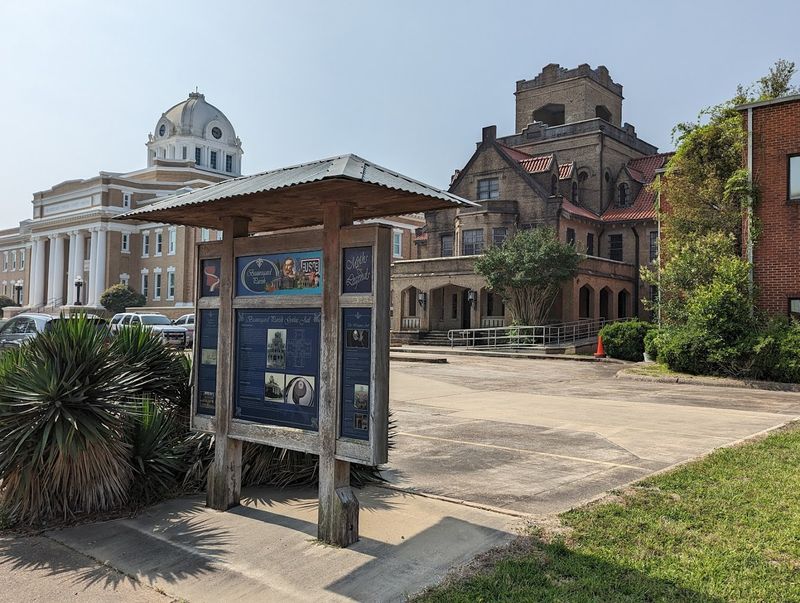
The Collegiate Gothic facade rises above the surrounding buildings with theatrical gravity, its arched windows and crenellated parapets giving the place the strange dignity of a medieval fortress dropped into a sleepy southern downtown.
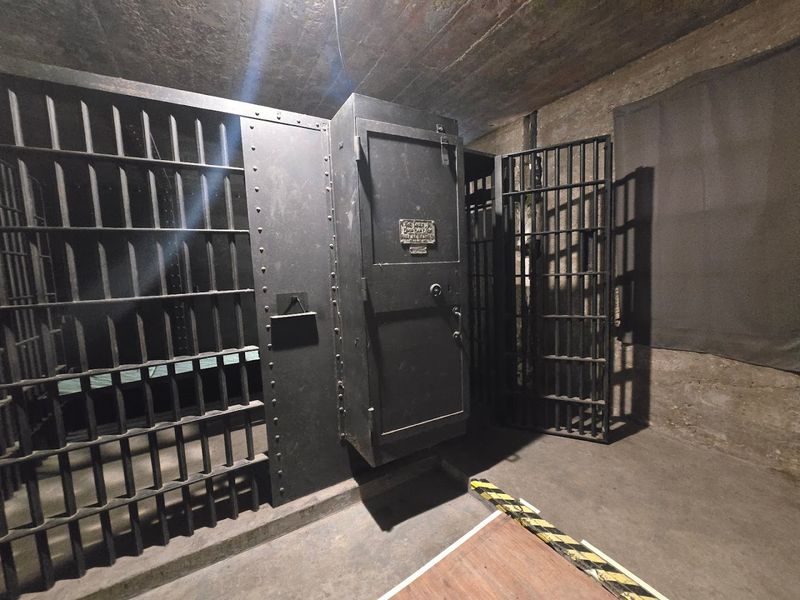
Inside, the mood changes quickly. Iron cell doors line narrow corridors, their hinges stiff, their shadows sharp against worn floors.
The air seems to hold every footstep a little longer than it should, as if the building has learned to listen.
Scratches, names, dates, and brief messages remain on the walls, left behind by people whose lives passed through these cramped rooms under impossible pressure. What makes the place so haunting is not one single story, but the accumulation of many small traces.
Louisiana keeps buildings like this standing as reminders, not decorations, and walking through them is an experience that follows you back outside.
Exterior Architectural Details
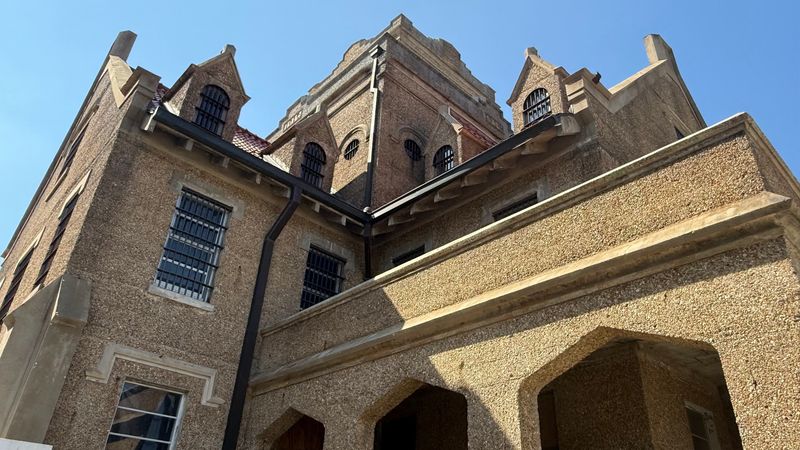
The Collegiate Gothic language here reads in miniature: pointed Tudor arches, dormer windows, and a central tower that suggests a command of style unusual for a county jail. When you look closely you notice shallow arches and carefully proportioned window openings that mimic academic buildings more than detention facilities.
That choice speaks to an era when civic pride translated into architectural ambition, and it explains why locals sometimes called it a ‘‘grand mansion’’ rather than a penal institution. The symmetry and restraint are subtle but intentional, a reminder that public architecture carried messages about order and permanence in 1914.
If you photograph the facade, aim for late afternoon light to pick up textures without harsh shadows; it flatters the concrete and emphasizes the building’s quiet authority.
Gothic Brickwork In Downtown DeRidder
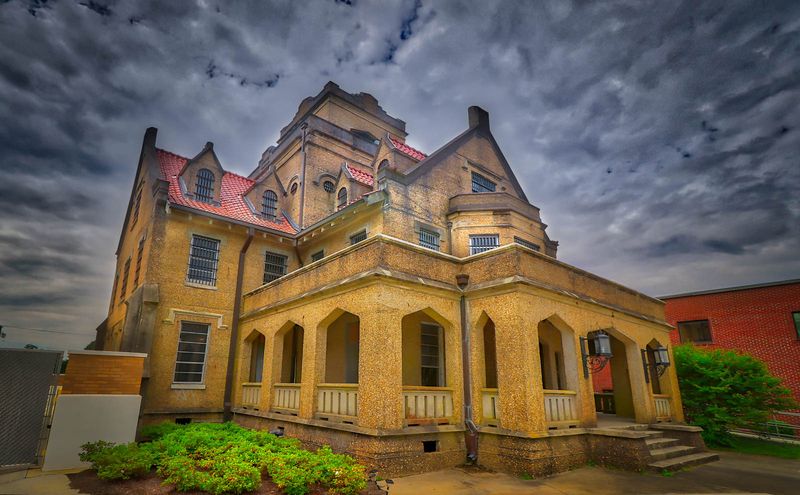
Beauregard Parish Jail, better known as The Hanging Jail, has the kind of strange castle-like profile that makes downtown DeRidder feel suddenly theatrical. The Gothic-style building dates to the early 1900s and is listed as a historic site.
You’ll find it at 205 West 1st Street, DeRidder, LA 70634, close to the courthouse and the center of town.
Park nearby and approach it like a historic landmark, not a haunted-house stunt. The best arrival is slow: look up at the tower, notice the old stonework, and let the building’s severe little drama do the rest.
Interior Layout And Spiral Staircase
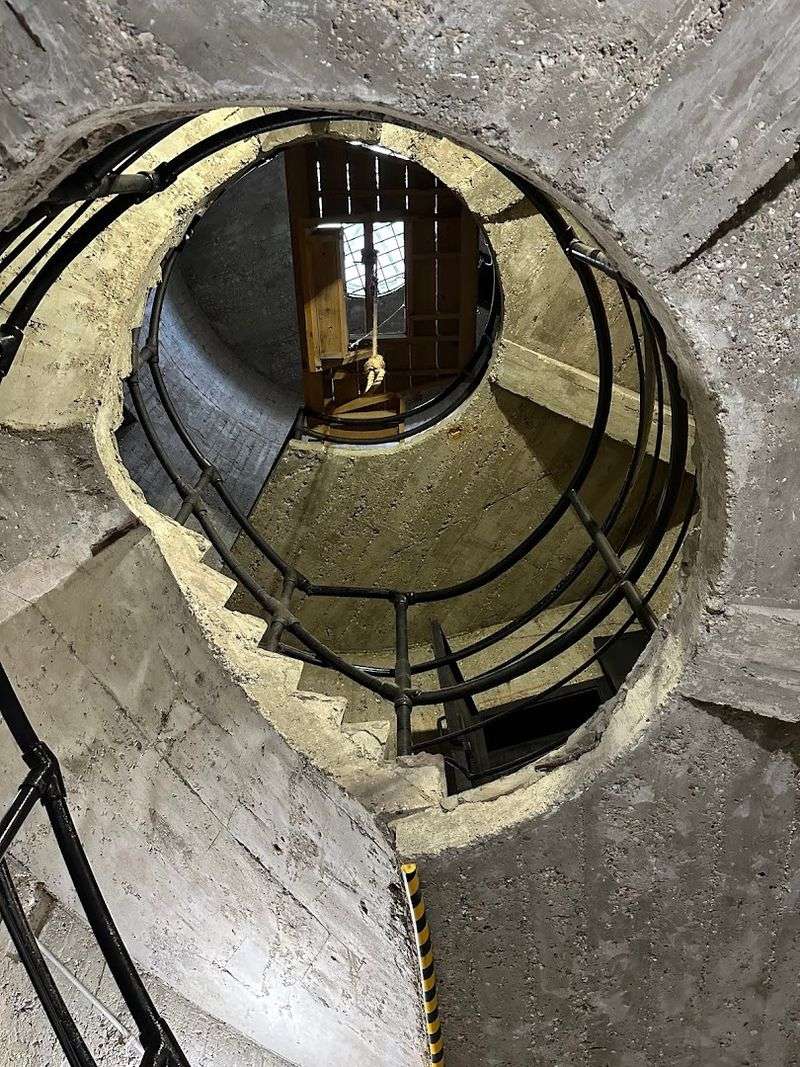
Entering the jail, the spiral staircase immediately draws your eye; it coils up the center like the building’s spine and connects the small cell blocks in a deliberately compact plan. The second and third floors each have four cells arranged around that central stair, which funnels motion and attention through a tight vertical axis.
The stair’s narrow turns concentrate sound and light, so footsteps and whispers travel in oddly intimate ways. It also frames the infamous gallows location, a spot that feels both historically specific and theatrically inevitable when you stand beneath it and look up.
Take your time on each landing to observe how the layout modulates sightlines and acoustics; it clarifies why no inmate ever escaped while the jail was operational.
Cell Interiors And Original Fixtures
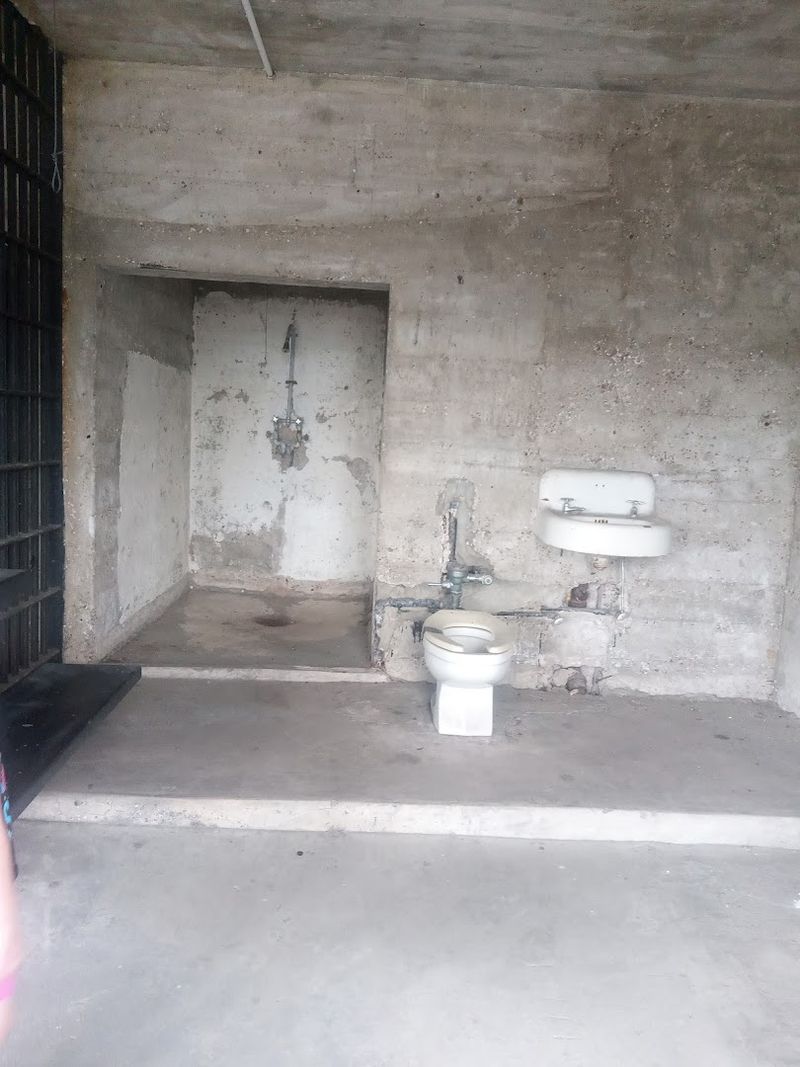
Each cell at the Beauregard Parish Jail originally included a toilet, shower, and lavatory, which was unusually modern for early twentieth-century penal design. Stepping into those compact rooms today, you can still sense the careful, almost domestic intention behind the fixtures and the small windows that let in measured strips of light.
The arrangement makes the building feel like an effort to humanize detention, at least by the standards of 1914, and it helps explain why the facility is viewed as both progressive and unsettling. The cells are narrow but thoughtfully organized, and the preservation work leaves much of the original fabric intact.
When you visit, spend a few minutes inside one cell to appreciate the spatial economy and the way light slices across the concrete surfaces; it’s quieter than you expect and stays with you.
Ground Floor Jailer’s Quarters
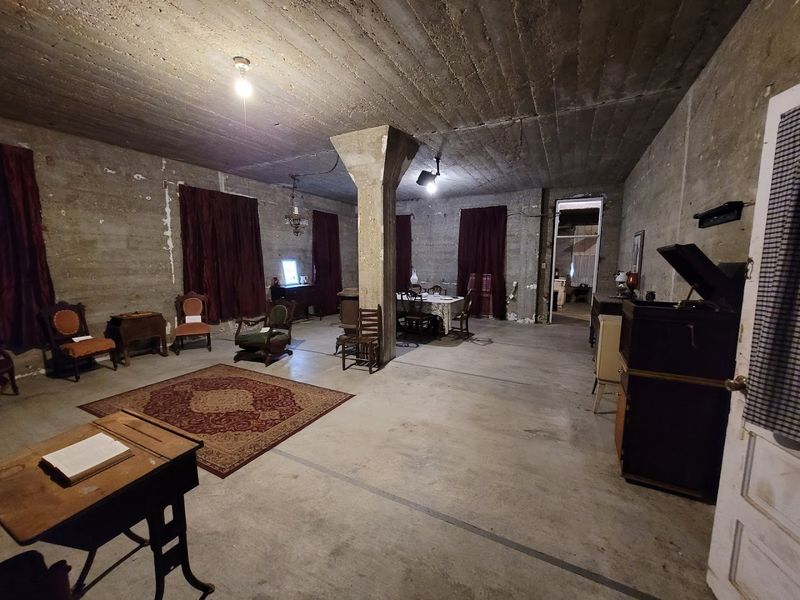
The ground floor originally housed the jailer’s living quarters and office, a reminder that custodial staff often lived on site in small communities. Those rooms are furnished with period items that gently suggest daily routines – a small table, a stove, and practical shelving – and they humanize the administrative side of incarceration in a way that history books rarely do.
Seeing the domestic footprint helps explain how supervision and family life coexisted under one roof, and it adds a domestic counterpoint to the harsher cell blocks above. The presence of personal artifacts softened the building’s edges for me.
Respect the curated displays and ask the guide about any donated items; local stories sometimes link families to specific objects on exhibit.
Tunnel To The Courthouse
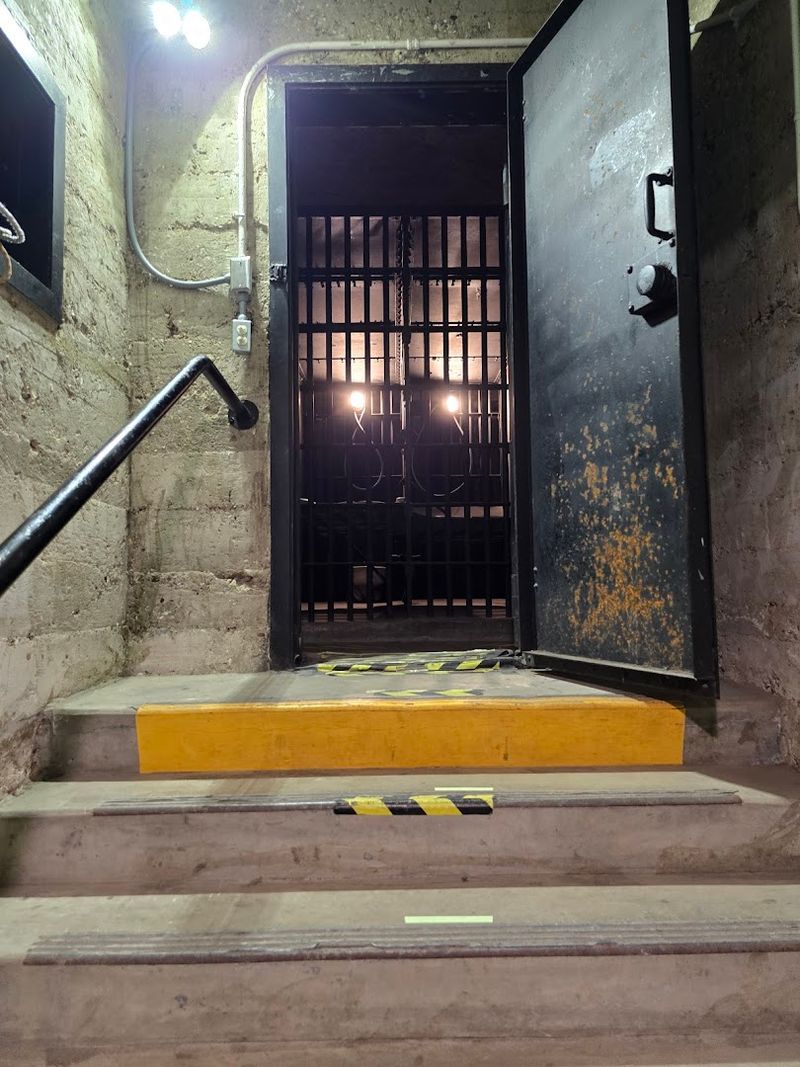
A long, dim tunnel once connected the jail to the adjacent courthouse, a practical solution for moving inmates under guard and out of public view. The corridor is an architectural footnote that illustrates logistics: weatherproof, secure, and deliberately hidden, it made civic processes more orderly and safer for transport.
Walking near the tunnel entrance, you can almost reconstruct the procession from cell to courtroom and imagine the practical choreography of sheriff, deputies, and inmates. That subterranean route also contributes to the building’s aura of secrecy and institutional rhythm.
Ask staff about the tunnel’s condition and visibility during tours, since its presence is often discussed but not always fully explored on public visits.
Renovation And Preservation Efforts
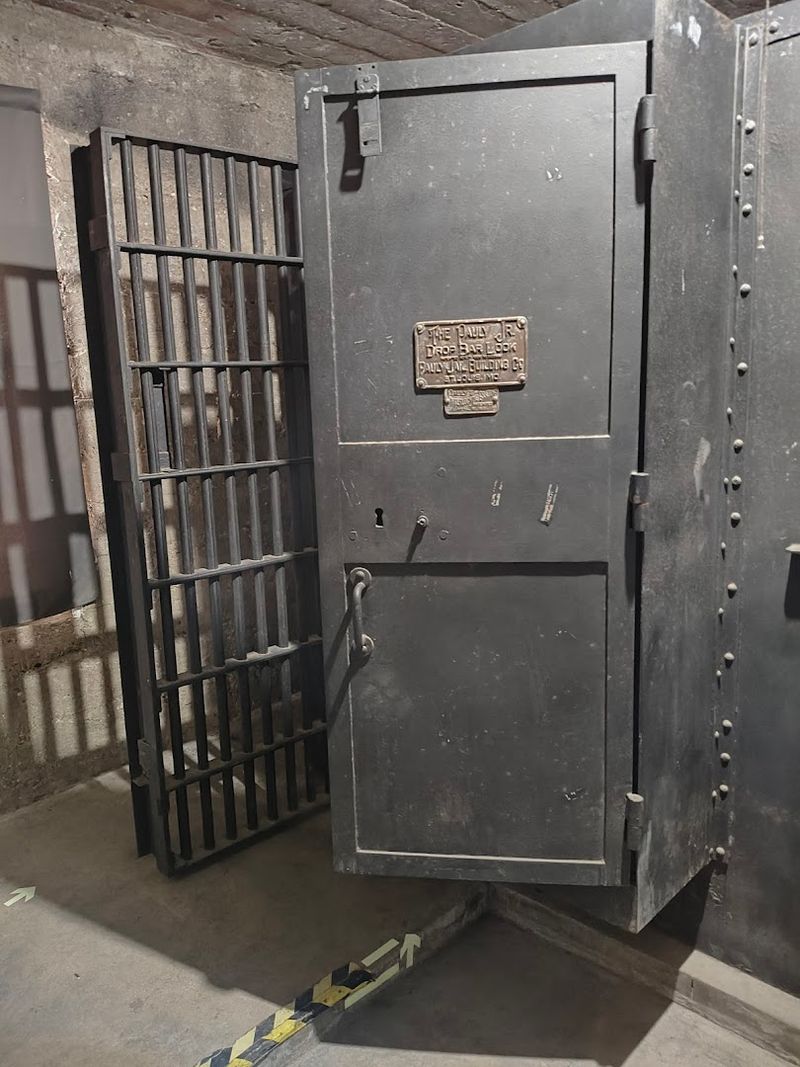
After decommissioning in the early 1980s, the jail underwent preservation work that removed asbestos and lead paint and prepared it for public interpretation, culminating in its reopening in 2017. Those efforts balanced historical integrity with modern safety requirements, and the result is a space that reads authentically while meeting contemporary standards for visitors.
The National Register designation from 1981 provided a framework for funding and attention, and local stewardship by the Beauregard Tourist Commission has kept restoration decisions rooted in community values. The work is visible in how original elements are conserved rather than replaced.
During tours the staff often points out restoration milestones; listening to those details deepened my appreciation for the practical choices made to preserve this landmark.
Museum Displays And Artifacts
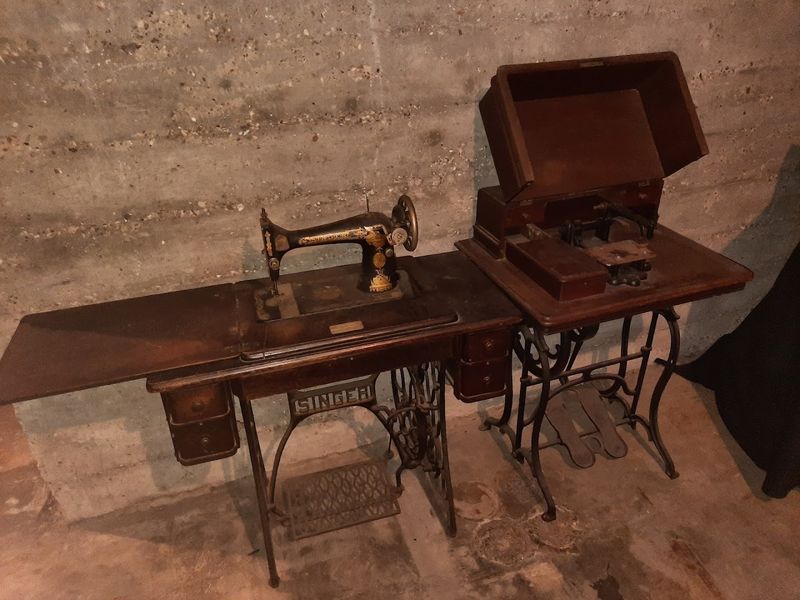
The museum inside the jail blends artifacts, interpretive panels, and period furnishings to present a layered narrative of daily life and notable events. The jailer’s office, cell displays, and curated objects like keys or household items give texture to the institutional story without drifting into melodrama.
Exhibits emphasize verifiable facts: construction dates, inmate conditions, and the building’s operational timeline. That restraint makes the darker anecdotes feel earned when mentioned, and it creates space for visitors to form their own impressions without editorial excess.
If you appreciate tactile history, allow extra time for the displays and ask about provenance; staff members often know which items came from local families and which were sourced for interpretation.
Guided Tours And Visitor Flow
Tours are scheduled through the Beauregard Tourist Commission and typically run on weekdays at set times; you sign up at the tourism office across the street and they escort visitors to the jail. Small-group formats keep the experience intimate, letting you hear the guide’s context and then linger in corners that catch your interest.
During busy seasons or special Halloween events the flow tightens, so purchasing tickets in advance is wise. Guides balance historical detail with measured storytelling rather than cheap thrills, which preserves both the site’s dignity and its eerie reputation.
Plan for roughly an hour to move through the cells, view exhibits, and ask questions; that pacing felt just right when I visited.
Seasonal Events And After Dark Tours
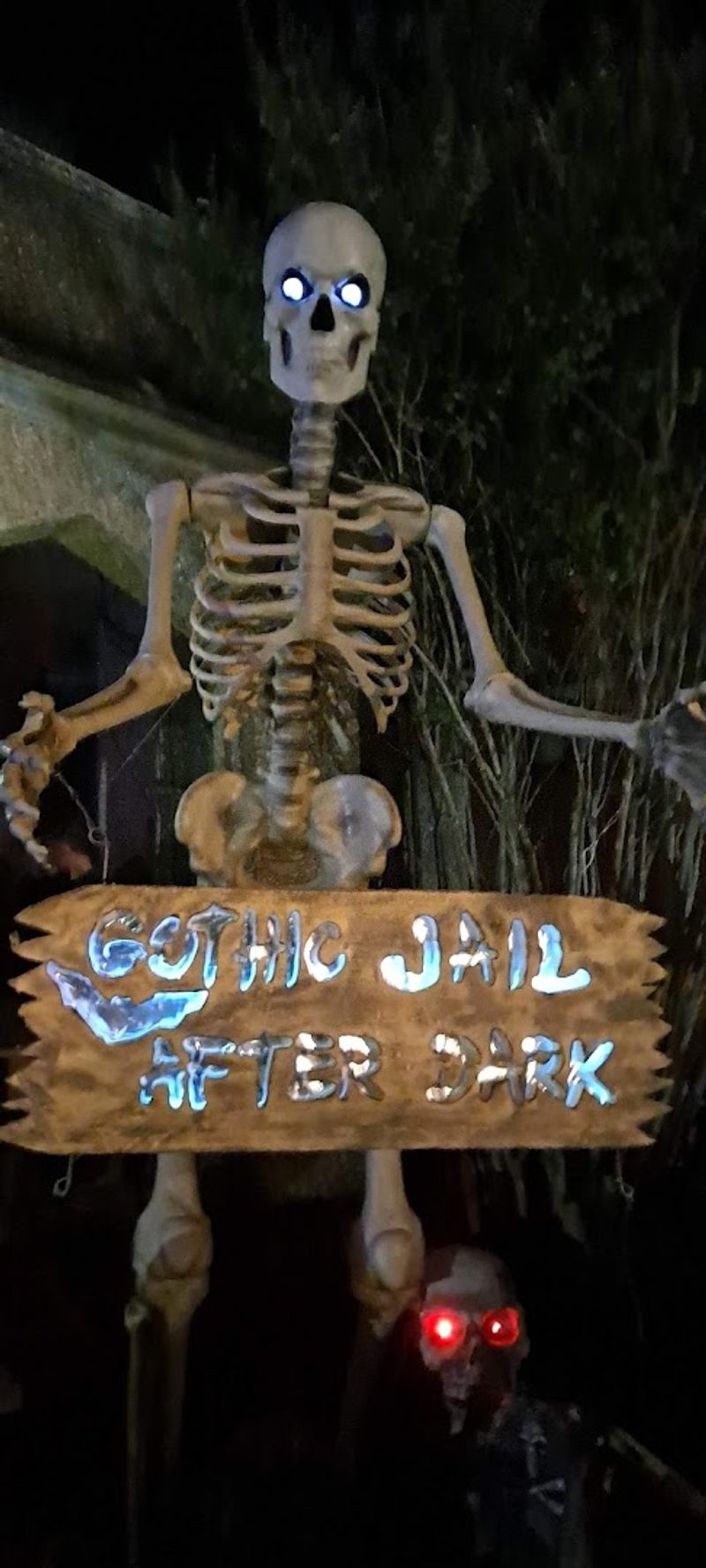
In the fall the jail becomes Gothic Jail After Dark with night tours and haunted-house events that use lanterns, props, and occasionally EMF meters for ghost-hunting experiences. Those seasonal productions lean into the site’s spooky reputation while still being organized and community-run, and they draw crowds from across Southwest Louisiana.
If you prefer historical context to theatrics, daytime tours offer the fuller archival experience; if you want theatrical chills, buy advance tickets for Halloween nights and expect immersive elements. Both formats maintain a respect for the building’s real history.
One practical tip: arrive early for special events to sort ticket lines and get a better viewing position for the spiral stair and third-floor gallows area.
Local Stories And Community Memory
Local lore threads through every tour, from anecdotes about the old jailer to recollections of family members who worked in custody or court roles. Those memories make the site more than an architectural curiosity; they position the jail as a civic landmark that shaped daily life for generations in DeRidder.
Guides often share donated stories collected from residents, and those personal notes give context to otherwise dry facts, connecting names and faces to specific rooms and routines. That human layer is what transformed my visit from a checklist stop into a conversation with the town’s past.
Respect requests from staff about photography and oral histories; some stories are shared in trust and deserve careful handling.