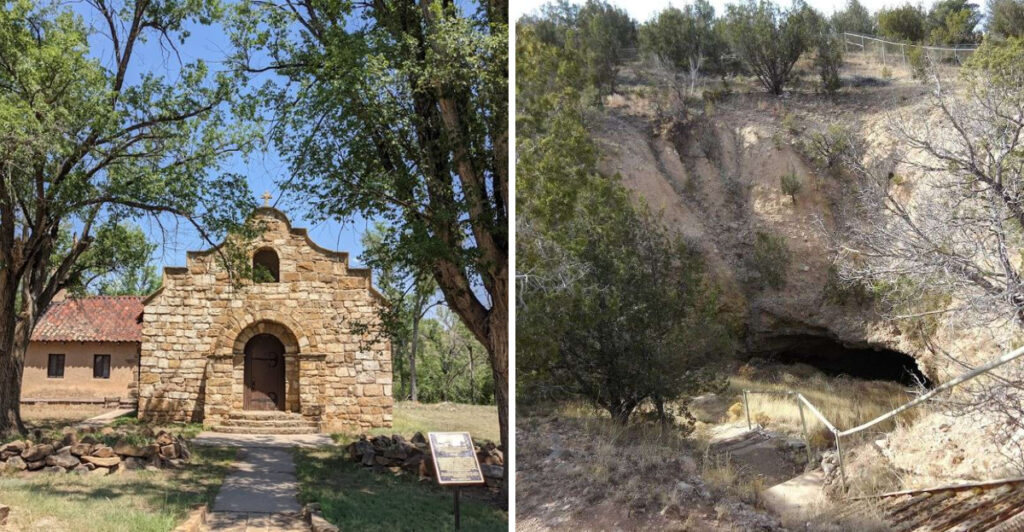
You know that feeling when a road trip stop turns out bigger than expected? That is exactly what happened in the rugged heart of New Mexico.
At first glance, it looks like a desert history site, anchored by a 19th-century military fort. Then you learn what is beneath it, and the whole place changes.
A cave system more than 56 miles long runs under those sun-baked hills. Deep inside, there is a white calcite passage that looks less like rock and more like a frozen river caught in the dark.
That mix is what got me. You are walking through frontier history one minute, then thinking about an underground world that has been forming for ages right below your shoes.
I showed up expecting a cool stop. I left with that road trip feeling where you want to text someone immediately and say, “You need to see this.”
High Desert Trails And Open Skies
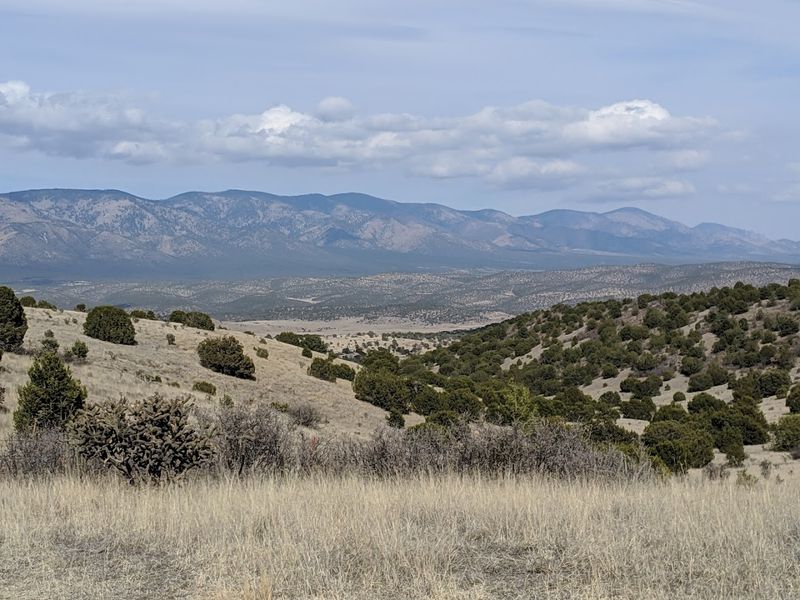
A trail above Fort Stanton can make the whole world feel wide open. Nothing surrounds you but sky, wind, and the kind of quiet most people only read about in books.
The high desert terrain here is a world unto itself, shaped by centuries of wind, sun, and the occasional dramatic thunderstorm rolling in from the Sacramento Mountains.
Trails fan out across the conservation area in several directions, rewarding hikers with sweeping views of rolling hills covered in piñon pine, juniper, and native grasses that shimmer gold in the afternoon light.
Elevations in this region sit comfortably above 6,000 feet, which means the air carries a crispness that catches you off guard after the long drive through lower desert terrain.
Wildlife sightings are common out here, with mule deer, pronghorn, and raptors often appearing along the open ridgelines.
Spring and fall are the most rewarding seasons for trail walking, when temperatures stay manageable and the landscape shifts into softer tones.
Every step on these paths reminded me that this place protects far more than a cave. It preserves an entire ecosystem around Fort Stanton-Snowy River Cave National Conservation Area at 104 Kit Carson Rd, Fort Stanton, NM 88323.
Old Stone Walls And Frontier Echoes
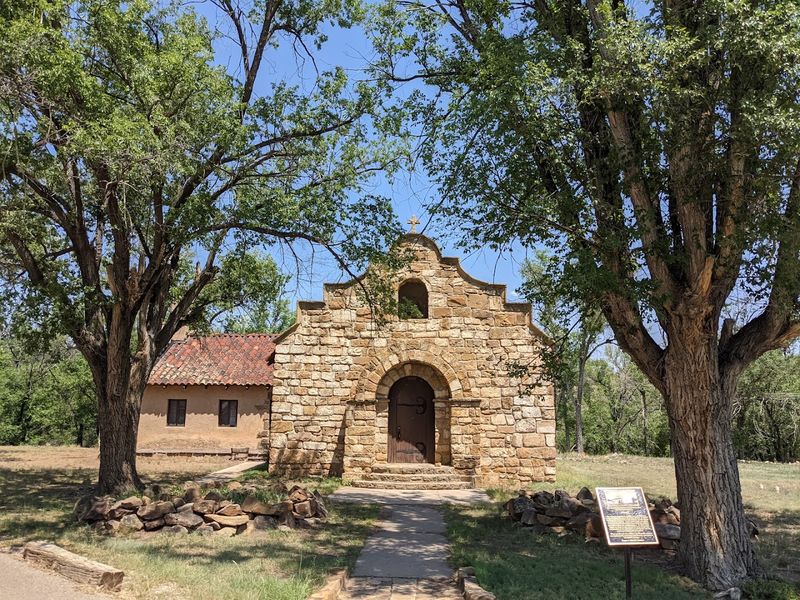
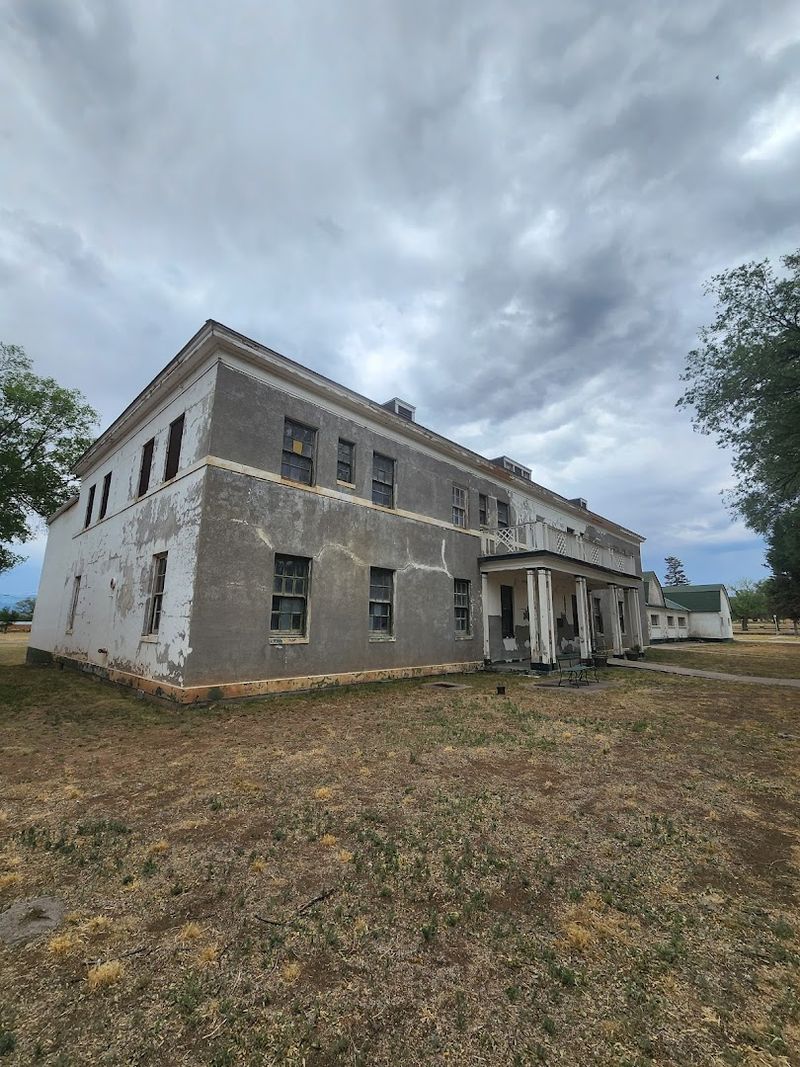
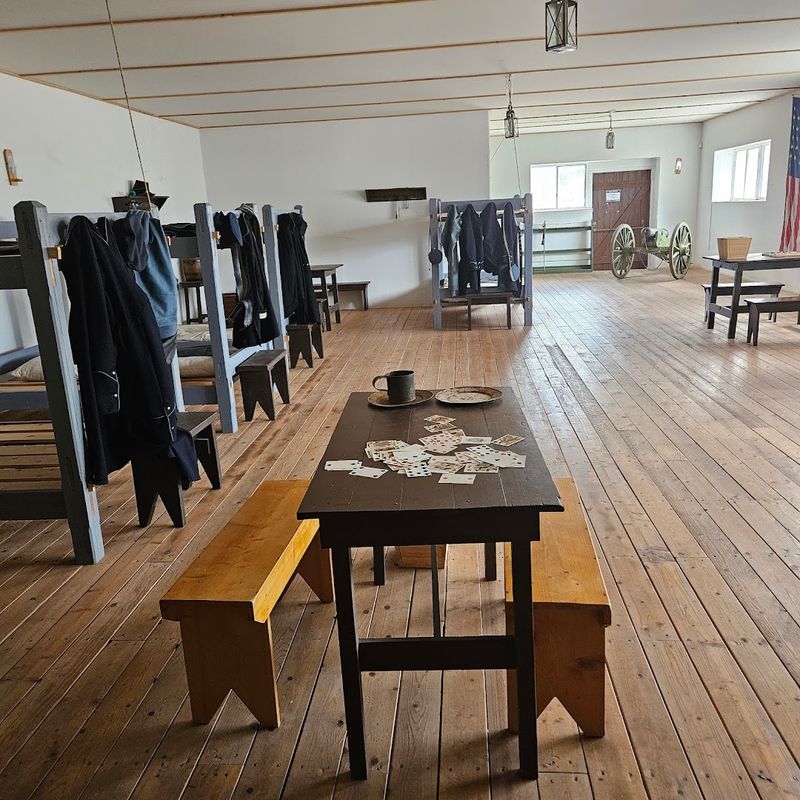
Few places in the American Southwest carry this much history. The old military post anchoring this conservation area has held stories in its stone walls since 1855.
The U.S. Army established Fort Stanton as an Infantry and Cavalry post to protect settlers moving through the east-central New Mexico Territory, and the physical remnants of that mission are still standing in surprisingly solid condition.
As I passed the original buildings, I kept thinking about the thousands of soldiers, traders, and civilians who moved through these same grounds during one of the most turbulent chapters in Southwestern history.
The post played roles in conflicts with the Mescalero Apache and later served as a naval hospital, a tuberculosis sanatorium, and a detention facility across different eras, giving its walls a layered and complex past.
Architectural details carved into the stone and adobe structures hint at the craftsmanship that went into building a permanent military presence in such a remote location.
Interpretive signs placed around the grounds help connect the physical ruins to the human stories behind them, making the history feel personal rather than distant.
By the time I left the old fort area, I had that strange feeling of briefly sharing space with an entire century of American frontier life.
Quiet Paths Through Juniper Country
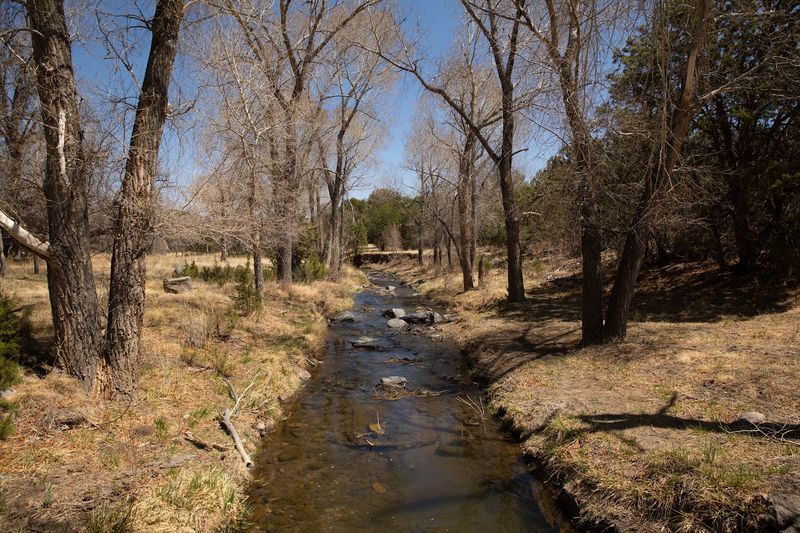
A quiet juniper-lined trail can do a lot for your mood. Around this conservation area, those peaceful paths deliver that feeling in generous doses.
Piñon-juniper woodland covers much of the surrounding landscape, creating a fragrant, low-canopy environment that feels sheltered without ever feeling closed in.
The trails here are not heavily trafficked, which means you can walk for long stretches without encountering another soul, a rarity that serious hikers genuinely appreciate.
Juniper berries, prickly pear cactus, and the occasional yucca plant line the trail edges, giving the walk a distinctly Southwestern character that photographs beautifully in the right light.
Morning hours are my personal favorite for these paths, when the air still carries a cool edge and the birds are loudest in the brush around you.
The terrain is generally moderate, with some uneven rocky sections that reward hikers who pay attention to their footing rather than just staring at their phones.
By the time I looped back to the trailhead, my shoulders had dropped about three inches from where stress had been quietly holding them all week.
A Hidden Cave World Beneath The Hills
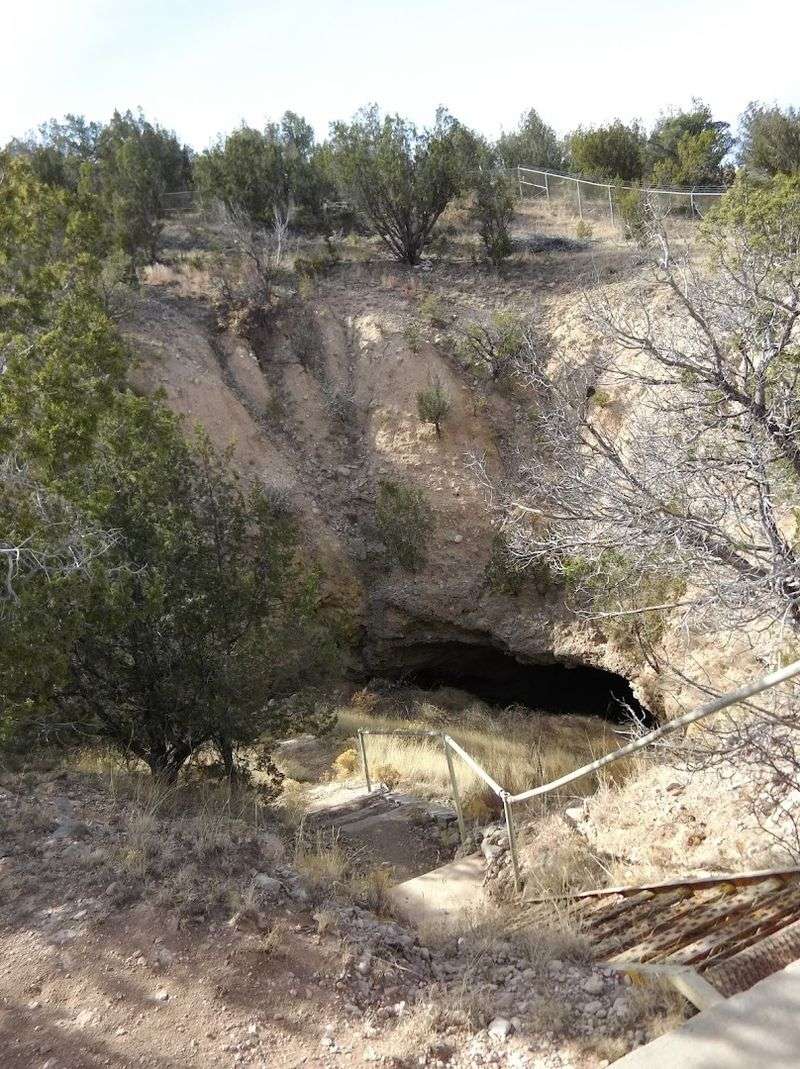
Nothing quite prepares you for Fort Stanton Cave. Even from the surface, it is wild to realize the hills are hiding one of the longest cave systems in the United States.
With more than 56 mapped miles of passages, this cave ranks among the most extensive in the country and the world, a fact that took me a few seconds to fully process when I first read it on the interpretive signs.
The cave was established as a protected resource in 2009 when the Fort Stanton-Snowy River Cave National Conservation Area was formally created, recognizing the extraordinary scientific and geological value of what lies beneath these hills.
Ongoing exploration teams continue pushing deeper into the system, with some groups reaching points more than 12 to 13 miles from the single entrance, making this one of the most remote underground environments on the planet.
The cave environment is carefully managed to protect its delicate formations, so public recreational entry is not offered and sensitive areas remain restricted for research and conservation.
Scientists, cavers, and researchers regularly return here because the cave continues to reveal new passages and surprises with each expedition.
Knowing that the ground beneath my feet held that much mystery made every step on the surface feel different, like walking over a secret.
Hidden Cave Wonders Beneath The Surface
Discovered in 2001, the Snowy River Passage inside Fort Stanton Cave holds what scientists have confirmed is the longest continuous cave formation in the world, and the name alone tells you something remarkable is hidden below.
The Snowy River Formation stretches for more than 12 miles, with a pure white calcite floor coating the passage from wall to wall and giving it the unmistakable look of a frozen river suspended in permanent winter.
The calcite is extraordinarily pure, which is part of what makes it so visually striking and so scientifically significant to the researchers who study it.
Occasionally, clear water flows through the passage in response to heavy precipitation events above ground, such as significant winter snowfall or the distant influence of a major storm system passing through the region.
That combination of a snow-white floor and real flowing water creates a scene that feels almost impossible for a place buried deep underground in the New Mexico desert.
Geologists continue studying how the formation developed and what it can reveal about the long-term water history of this part of the Southwest.
Just imagining more than 12 miles of white calcite stretching into the dark was one of the most humbling parts of learning about the entire site.
Historic Grounds With A Wild Horizon
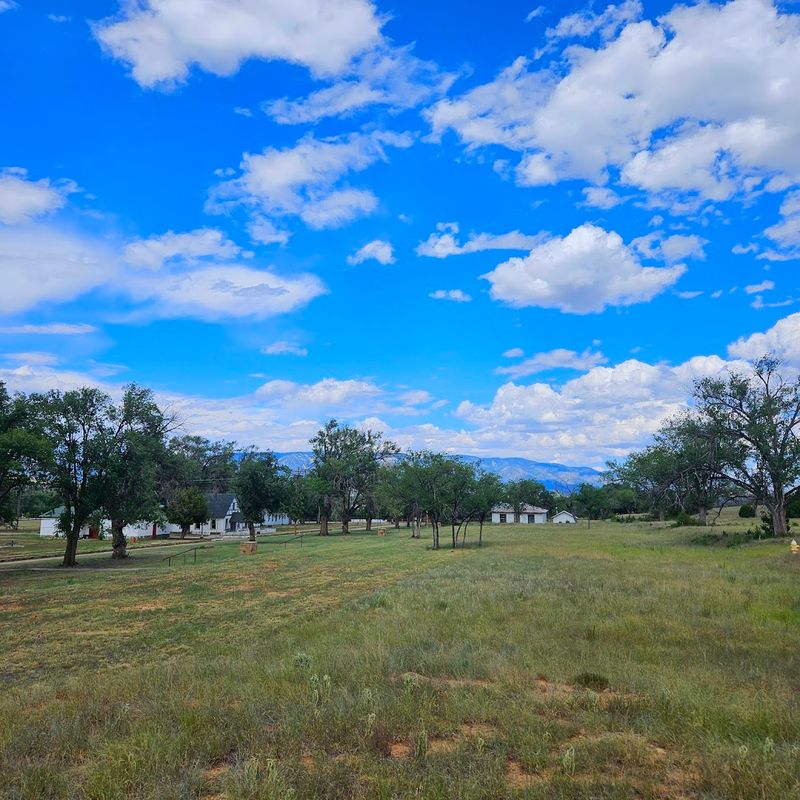
The grounds of this conservation area carry a fascinating dual identity. Part preserved frontier history, part untamed wild landscape, they stretch toward distant peaks with serious drama.
From the old fort buildings, the view toward the Sacramento Mountains feels enormous in a way that only the American West seems to manage with such effortless force.
The conservation area encompasses a diverse mix of terrain, from the historic fort structures at its core to open rangeland, rocky ridges, and the cave-riddled hills that hold the underground passages below.
Managed by the Bureau of Land Management, the area balances public access with genuine conservation goals, protecting both the cultural heritage above ground and the geological wonders below it.
Birders find this stretch of the Southwest particularly rewarding, as the varied habitat supports a wide range of species including hawks, eagles, and songbirds that use the juniper woodland as cover.
The sense of wildness here is not manufactured or managed into something tidy, it is the real, slightly unpredictable feeling of a landscape that has not been smoothed out for easy consumption.
Every direction I looked from those historic grounds offered a different kind of beauty, and I found myself spinning slowly in place like a compass that could not settle on just one north.
Sunlit Ruins And Wide New Mexico Views
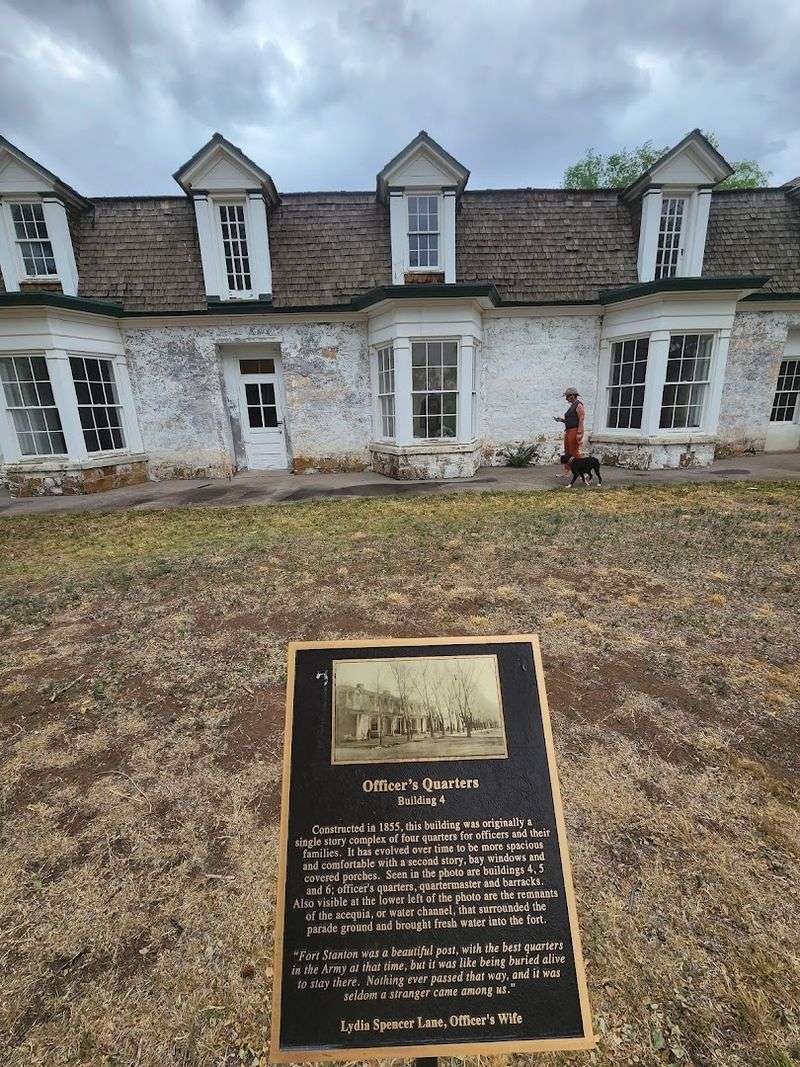
Afternoon light does something extraordinary to the old adobe and stone structures at Fort Stanton. Weathered walls turn warm amber, and long shadows make the historic grounds look painted.
The fort was established in 1855, and while not everything from that era has survived intact, enough original structure remains to give visitors a genuine sense of the scale and ambition of what was built here in such a remote location.
Photographs taken from the historic grounds looking outward capture a classic Southwestern composition: preserved old walls in the foreground, open desert valley in the middle distance, and mountain ridgelines marking the far edge of the sky.
I spent a long time simply sitting near one of the old walls, watching the light shift and listening to the wind move through the grass around me.
The site invites that kind of unhurried attention, rewarding visitors who slow down rather than rush through with a camera and a checklist.
Several of the surviving structures have been stabilized to prevent further deterioration, ensuring that future visitors will still be able to read the physical history written into the stonework.
The views from this spot are the kind that make you understand why someone chose to build something permanent here in the first place.
Rugged Trails Around A Legendary Fort
Visitors who want to earn their views can do exactly that here. The trails around this conservation area offer a satisfying challenge wrapped in some of the most striking high desert scenery in New Mexico.
The terrain gets genuinely rugged in places, with loose rock, uneven ground, and steep sections that remind you this landscape was not designed with comfort in mind.
Proper footwear is not a suggestion out here, it is a practical necessity, and I learned to appreciate my trail shoes in ways I had not anticipated before setting out.
The payoff for the effort comes in the form of unobstructed ridgeline views, the kind that stretch so far in every direction that you start to understand the sheer scale of the New Mexico landscape on a visceral level.
Trail conditions vary depending on the season, with summer monsoon rains occasionally making certain paths slippery and fall offering the most consistently pleasant walking weather of the year.
Plenty of water is essential, as the high desert sun pulls moisture out of you faster than you expect, especially on exposed sections with limited shade.
I wrapped up my last trail loop at Fort Stanton-Snowy River Cave National Conservation Area feeling genuinely tired, genuinely satisfied, and already curious about what those cave explorers were finding another mile deeper underground.