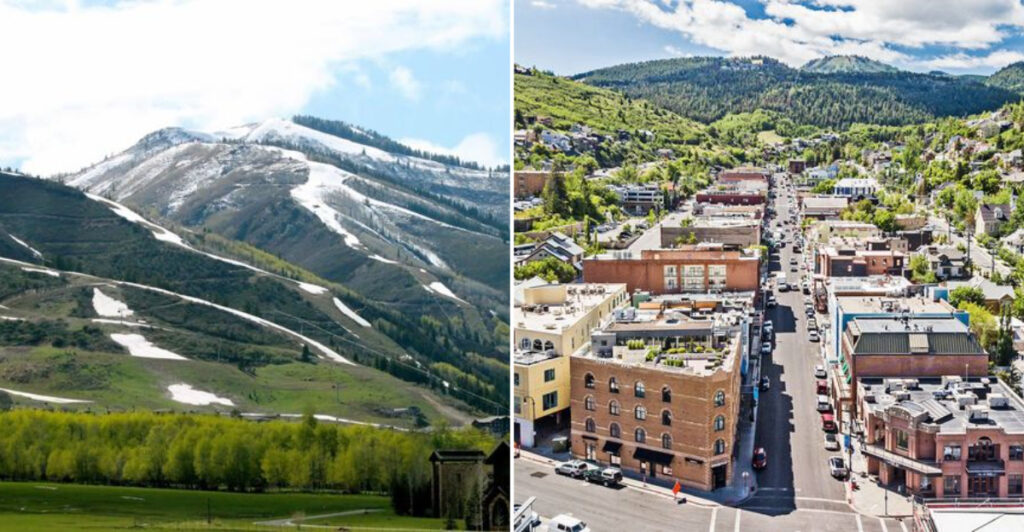
Some towns do not preserve history behind glass, they let you walk straight through it. In Utah, this mountain town feels like a place where the past never fully packed up and left.
The old mining-era buildings still give the streets a rugged, story-filled character, while the surrounding peaks have traded prospectors for skiers, hikers, athletes, and weekend wanderers chasing fresher air. That mix is what makes the visit feel so alive.
One minute you are noticing 19th-century architecture, the next you are planning where to eat, what trail to try, or how long you can stretch a simple afternoon into a full escape. It is historic without feeling frozen, polished without losing its grit, and scenic without relying on beauty alone.
For anyone exploring Utah’s mountain towns, this is the rare kind of place where every block feels like it has lived several lives.
Main Street and the Silver Mining Legacy
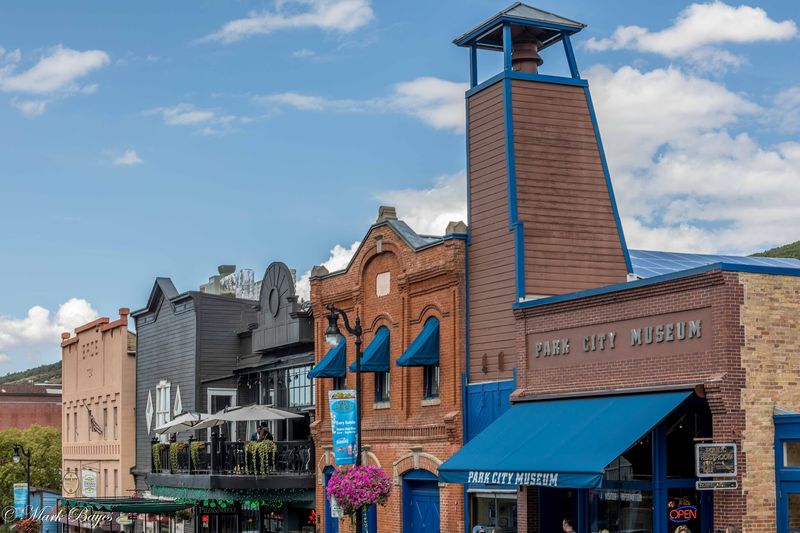
Few American Main Streets earn the phrase “living history” without sounding like a brochure. Park City’s Main Street is the exception.
The buildings lining this stretch were constructed during a silver mining boom that turned a remote Utah canyon into one of the most productive mining districts in the American West. You can still see the original brick facades, the narrow storefronts, and the slightly uneven sidewalks that have absorbed more than a century of foot traffic.
What makes this particular street compelling is that it never fully erased its past to make room for the present. The bones of the boomtown remain visible beneath the signs and window displays.
Visitors who look up rather than straight ahead are often rewarded with architectural details that no renovation crew bothered to touch.
Quick Tip: Walk the full length of Main Street before stopping anywhere. The upper blocks tell a slightly different story than the lower end, and the full picture is worth the extra steps.
Best For: History enthusiasts, architecture lovers, and anyone who enjoys a walk that doubles as a timeline through one of Utah’s most storied eras.
The Wasatch Range as a Constant Backdrop
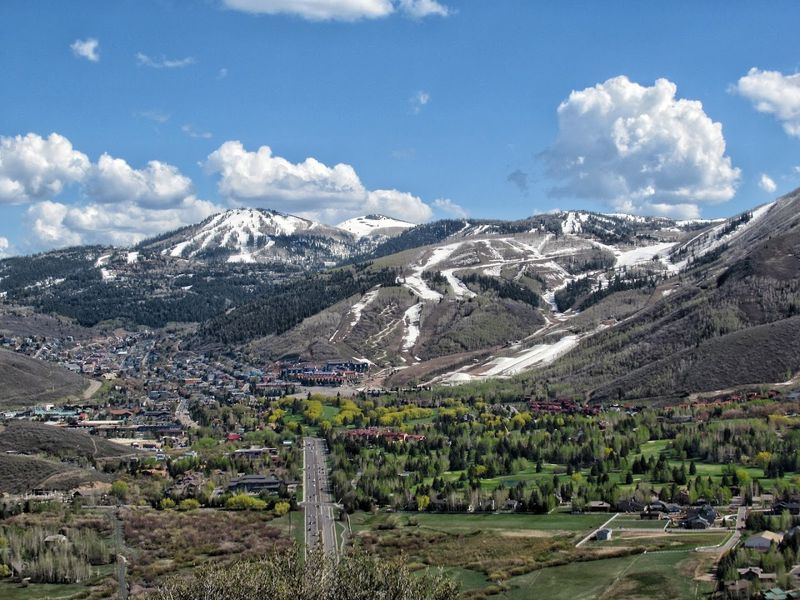
There is something almost unfair about the scenery surrounding Park City. The Wasatch Range frames the town on multiple sides, and the mountains do not behave like polite background decoration.
They dominate. On a clear morning, the craggy ridgelines catch the early light in a way that makes even a quick errand feel vaguely cinematic.
The range sits at elevations that produce reliable snowfall, which is precisely why Park City became a destination for winter sports long before the Olympics arrived. But even outside of ski season, the mountains serve as the defining feature of every view from town.
Streets that dead-end into hillsides, rooftop sightlines, even the angle of afternoon shadows all remind you that this place was built inside a mountain landscape, not beside one.
Why It Matters: The Wasatch Range is not just scenery. It directly shaped Park City’s economy, culture, and identity from the silver mining era through the Olympic era and into today.
Insider Tip: Early morning light on the eastern ridgeline is a reliable photography moment that costs nothing and requires zero planning beyond waking up at a reasonable hour.
Deer Valley Resort and the Art of the Ski Mountain
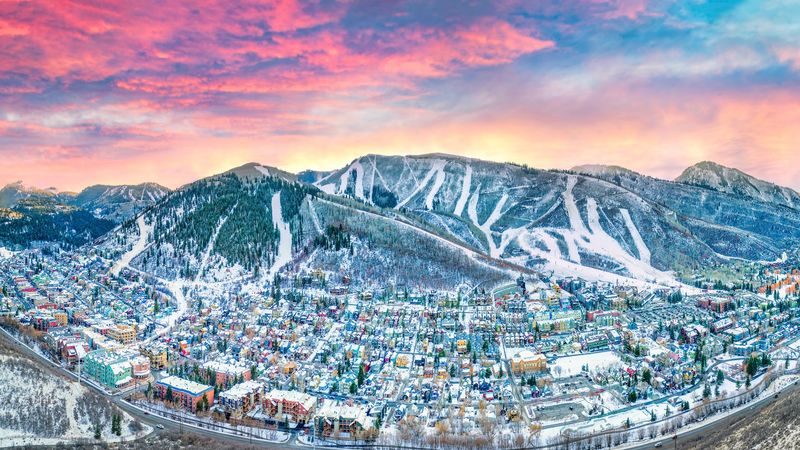
Deer Valley Resort borders Park City to the southeast, and it has built a reputation that skiers tend to mention with the particular reverence usually reserved for a favorite family cabin. The mountain is known for meticulously groomed runs, a strong commitment to ski-only terrain, and a general atmosphere that prioritizes the actual skiing experience over everything else.
For families deciding between Utah’s major ski destinations, Deer Valley’s layout and instruction programs have made it a consistent draw for those bringing younger or less experienced skiers along. The resort sits within easy reach of downtown Park City, which means a morning on the slopes does not require a complicated logistics operation.
Pro Tip: If you are visiting during peak winter season, plan your slope time for weekday mornings when crowds thin out and the grooming from the previous night is still intact. Weekends at any popular Utah resort reward the early arrivers and gently punish everyone else.
Best For: Skiers of all levels, families with children learning the sport, and visitors who want a polished mountain experience without driving far from town.
Park City Mountain Resort and the Scale of the Slopes
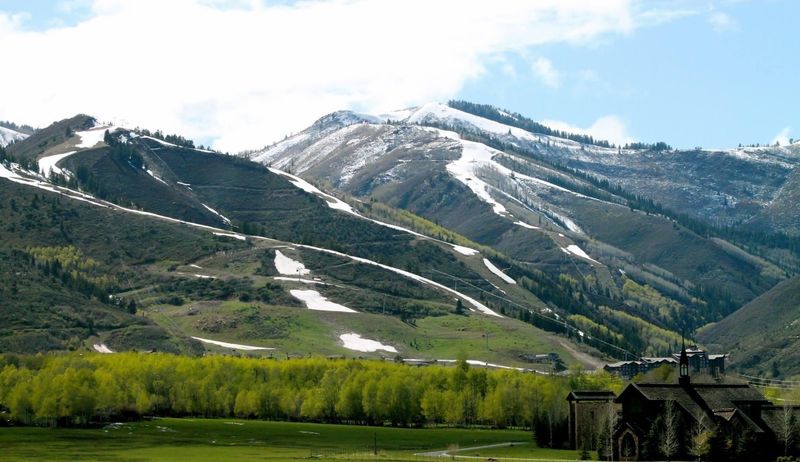
Park City Mountain Resort is not a place that undersells itself through modesty. As one of the largest ski resorts in the United States, it covers terrain that takes multiple visits to fully understand.
The resort connects to a network of runs that range from beginner-friendly green trails to slopes that make experienced skiers quietly recalibrate their confidence before dropping in.
What separates this mountain from a generic big-ski-area experience is its proximity to the historic town below. You can spend a morning on the slopes, ride a gondola back toward the base, and find yourself walking Main Street within a reasonable amount of time.
That combination of serious mountain access and genuine town character is not something most ski destinations manage to pull off with any consistency.
Best Strategy: First-time visitors benefit from taking a trail map seriously rather than assuming the mountain is self-explanatory. The scale is genuinely large, and getting oriented on day one saves a surprising amount of confusion on day two.
Best For: Snowboarders, advanced skiers, groups with mixed ability levels, and anyone who wants resort-scale skiing paired with a real historic town nearby.
Utah Olympic Park and the 2002 Winter Games
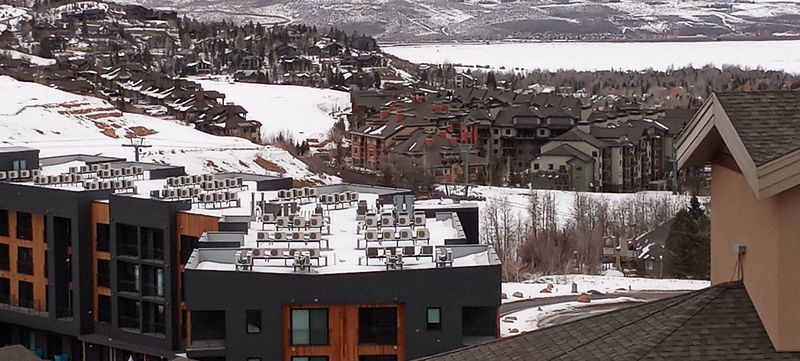
North of town sits Utah Olympic Park, which hosted events during the 2002 Winter Olympics and carries that history in a way that feels tangible rather than purely commemorative. The ski jumps are still standing, the bobsled track still exists, and the facility continues to function as a serious training ground for athletes pursuing winter sports at the competitive level.
For visitors, this is one of those rare places where the history is not locked behind glass. Watching training runs happen in real time on the same infrastructure that hosted Olympic competition is a genuinely different experience from reading about it in a pamphlet.
The park sits a short drive from downtown Park City, making it a practical addition to any visit rather than a separate expedition.
Quick Tip: Check the facility schedule before visiting. Training activities vary by season, and catching an active session on the jumps or track adds a layer of energy that a quiet facility visit simply cannot replicate.
Best For: Sports history fans, families with kids interested in Olympic athletics, and anyone curious about what a world-class winter training facility actually looks like up close.
The Town That Survived Its Own Boom and Bust
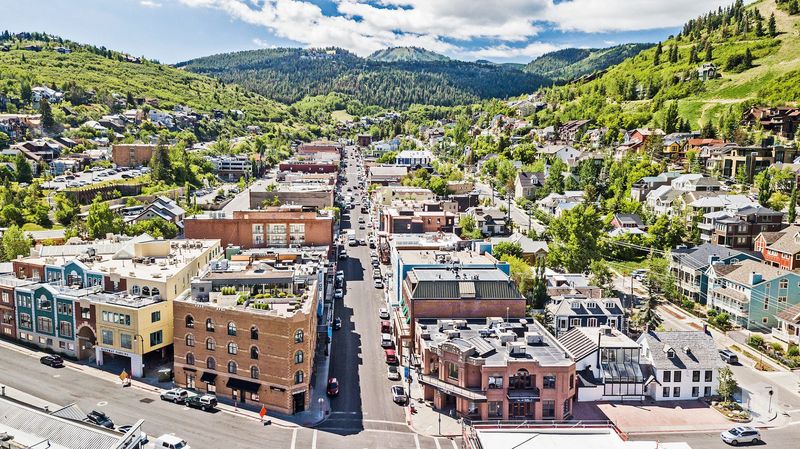
Not every boomtown gets a second act. Park City did, and then a third.
The silver mining economy that built this place eventually declined, leaving behind a collection of sturdy buildings and a geography that turned out to be extraordinarily well-suited for winter recreation. The transition from mining camp to ski destination was not instantaneous, but the town held together long enough to find its next identity.
That resilience shows up in the physical fabric of the place. Buildings that once housed mining operations, assay offices, and the general commerce of a working extraction economy were repurposed rather than demolished.
The result is a downtown that carries genuine historical weight without turning itself into a museum piece.
Why It Matters: Understanding Park City’s boom-and-bust history adds real context to everything you see on Main Street. The buildings are not recreations.
They are original structures that outlasted the economy that built them.
Common Mistakes to Avoid: Treating Park City as purely a ski resort town means missing the historical layer entirely. The mining history is not a footnote.
It is the foundation that every other chapter of this town was built on top of.
Planning Your Visit to Park City
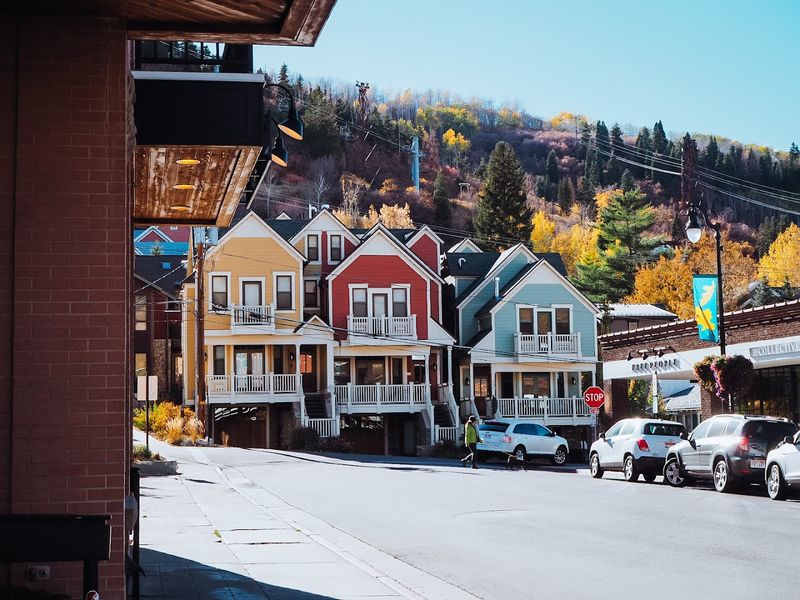
Park City sits roughly 30 miles east of Salt Lake City, which makes it genuinely accessible for a day trip while offering enough depth to justify a longer stay. The drive through Parley’s Canyon is straightforward, and the town announces itself with a shift in elevation and scenery that signals you have arrived somewhere with its own distinct character.
Winter is the high season, driven by the ski resorts and the reliable snowfall the Wasatch Range delivers. But the town in other seasons carries a different, quieter appeal.
The historic district is walkable year-round, and the mountain scenery does not require snow to be compelling. Summer visitors often find the pace more relaxed and the parking considerably less competitive.
Planning Advice: If your trip includes both skiing and Main Street exploration, build in time to do each properly. Trying to rush both into a single day is the most common way to do justice to neither.
Quick Verdict: Park City is the rare destination that delivers on multiple levels without requiring a complicated itinerary. Show up with reasonable expectations and a willingness to look up at the mountains occasionally, and the place handles the rest.