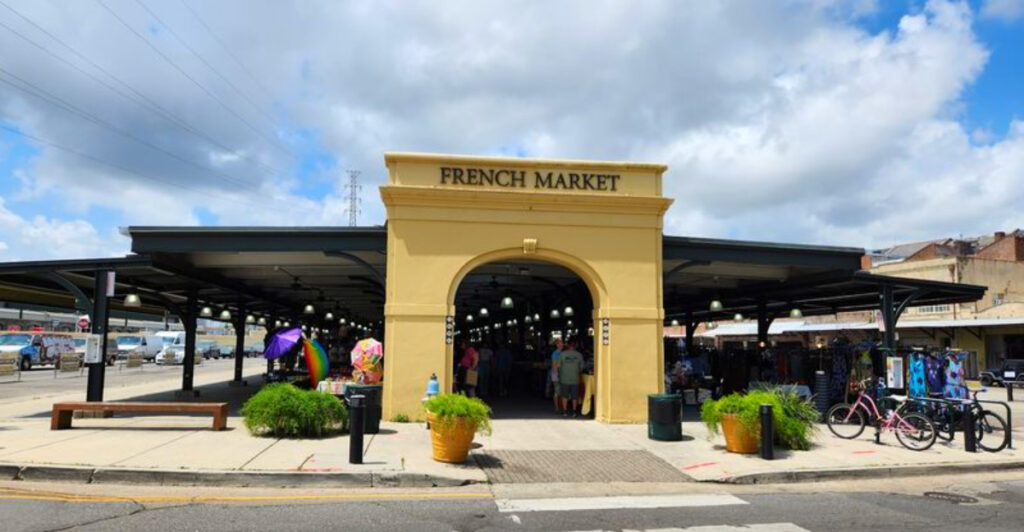
I like a market that refuses to stay in one category. Is it lunch? A walk? A history lesson? A souvenir hunt? Yes, unfortunately for anyone with a schedule.
This French Quarter stretch has that restless New Orleans energy where coffee, music, vendors, old colonnades, river air, and questionable impulse purchases all seem to be working together.
You begin with one reasonable plan, then a stall catches your eye, someone is playing nearby, and suddenly time has slipped its leash.
Louisiana travelers will find one of the French Quarter’s most atmospheric market walks here, with local food, crafts, historic scenery, river breezes, and flea-market browsing.
What I enjoy most is that it rewards wandering without making you feel lost. Move slowly, look past the obvious souvenirs, and give the smaller tables a chance. The best discoveries usually arrive when you stop pretending to be efficient.
First Impressions
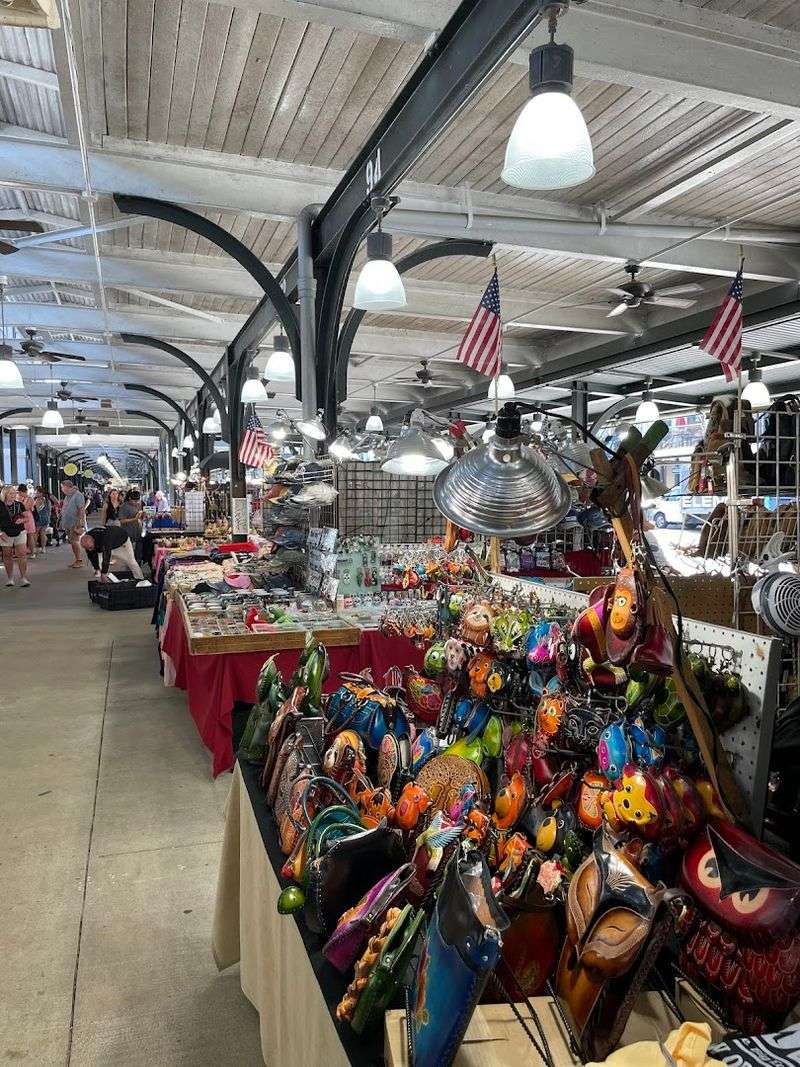
Stepping into the French Market feels like entering a layered conversation where architecture, smell, and sound each have a voice.
The long colonnade and open-air sections give a sense of continuity that stretches from Jackson Square toward Esplanade Avenue, and the Mississippi River is always an invisible companion nearby.
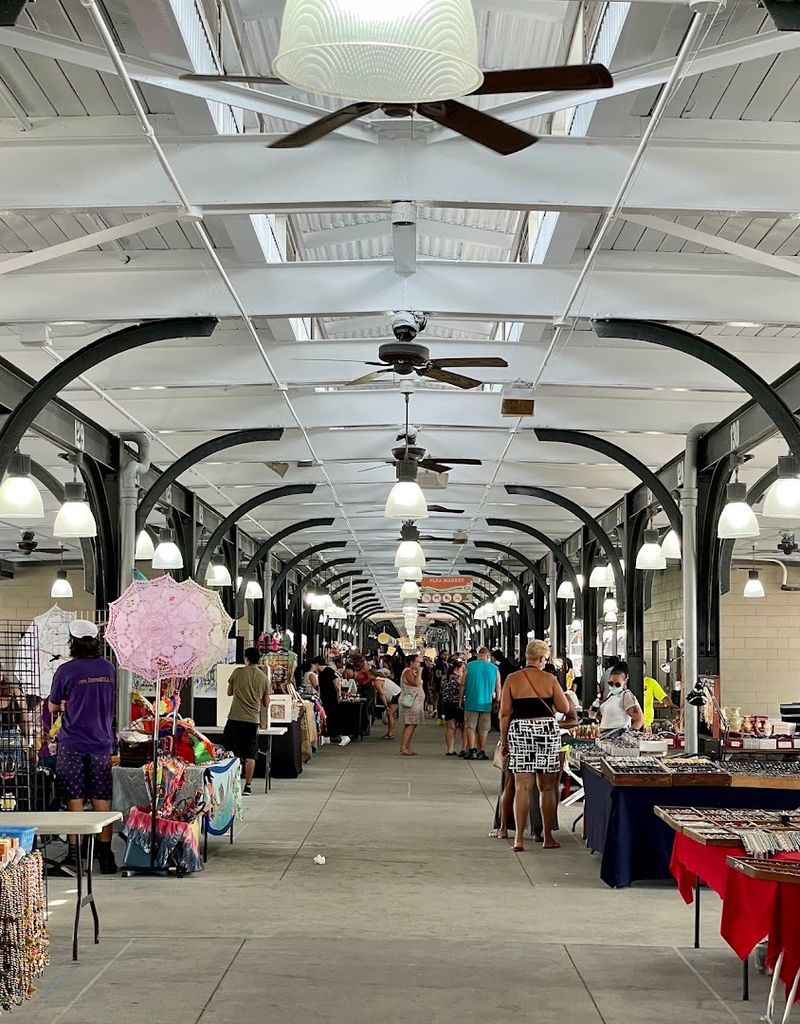
You’ll notice the mix of permanent shops and temporary flea stalls sorted by districts – each with its own tempo and specialties. The crowd is a blend of tourists and locals, and street performers punctuate the walk.
Take a slow first lap to orient yourself, spotting places that invite a return visit later during a more focused browse.
Getting There
French Market, 1008 N. Peters St., New Orleans, LA 70116 puts you right in the French Quarter, close to the river, Jackson Square, Decatur Street, and the kind of foot traffic that makes New Orleans feel fully awake.
The location is easy to find, but not always easy to move through quickly, so this is one of those stops where walking in from nearby is often smarter than trying to out-negotiate traffic.
The best plan is to treat the arrival like part of the visit. Come with comfortable shoes, expect crowds during busier hours, and give yourself room to drift instead of marching straight to one stall.
The market district includes shopping, dining, and public market areas, with listed hours for retail shops and the farmers and flea markets, so it works best when you leave space for browsing.
Once you are there, do not rush it like a quick errand. The whole point is the slow shuffle: music nearby, vendors under cover, people moving in every direction, and that old New Orleans feeling where the street, the market, and the neighborhood all blur together.
Architectural Notes
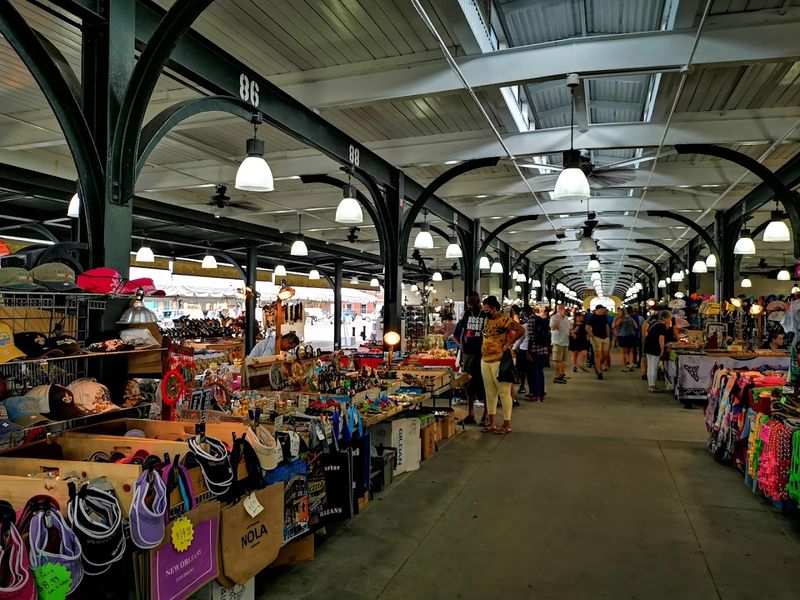
The built environment here is a quiet teacher: colonnades, wrought-iron accents, and the layered facades that recall Spanish and French urban planning. Those covered walkways shelter vendors and shape pedestrian flow, making the market feel both linear and intimate over its six-block stretch.
Nearby buildings and narrow streets contribute to a sense of place that is unmistakably the French Quarter. Historic signage and plaque markers occasionally point to the market’s long evolution from an informal trading post to a formal 1791 institution later adapted by the WPA.
I find that noting these small markers deepens a wandering visit into a short historical tour without a guidebook.
Food Footprints
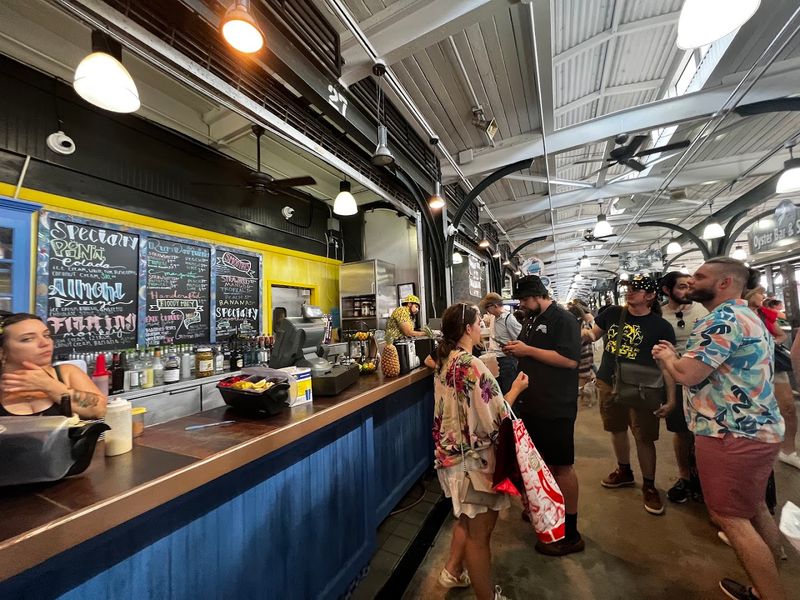
Food anchors much of the market’s energy, with Café Du Monde at one end acting as a culinary landmark famous for beignets and café au lait. Elsewhere, stalls offer pralines, muffulettas, Creole spice blends, and quick bites that reflect Louisiana flavors.
Weekends swell with farmers market offerings, where fresh produce and local honey appear alongside prepared specialties.
Timing matters: mornings yield fresher produce and shorter lines, while afternoons bring more performers and a busier atmosphere. Carry small bills, because many vendors still prefer cash, and try a small tasting rather than committing to a full meal at a single stall.
Shopping The Stalls
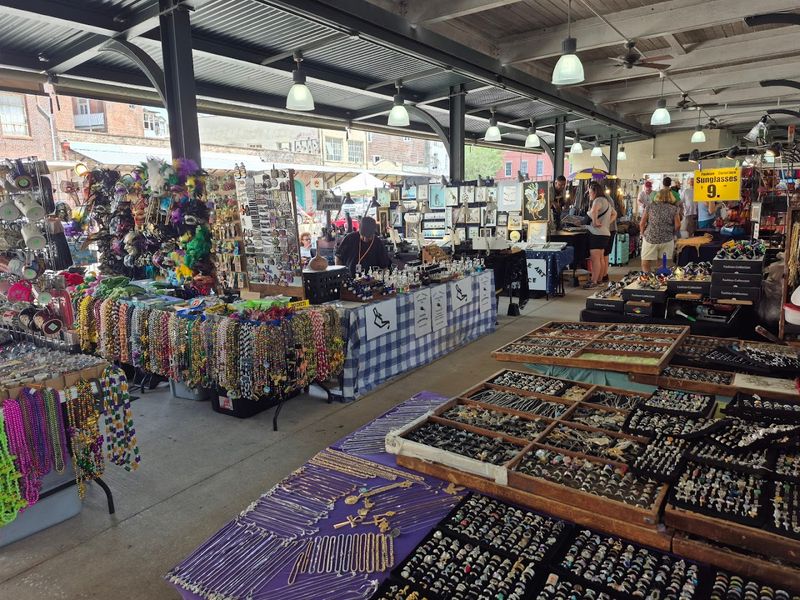
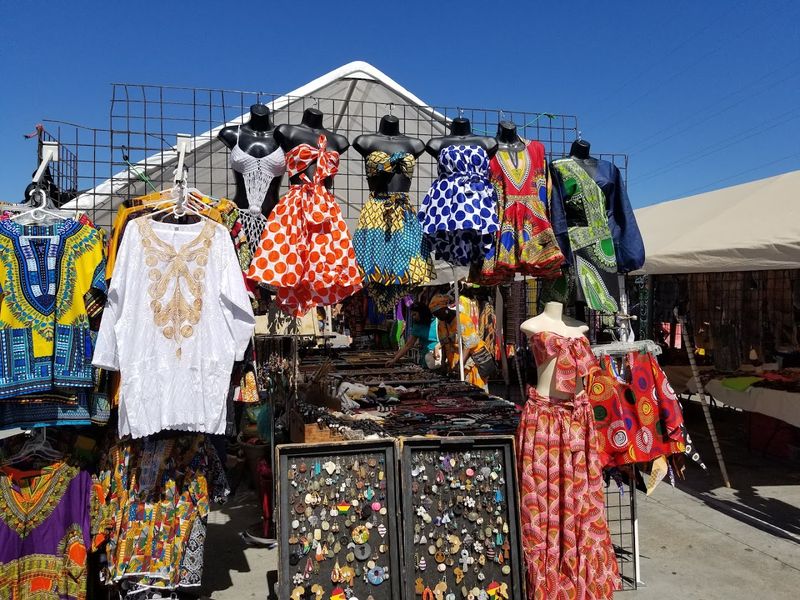
From handmade jewelry and local art to vintage finds and tourist staples like fleur-de-lis souvenirs, the market offers a broad shopping palette.
The space is divided into districts with different emphases, so a deliberate walk will reveal where jewelry makers cluster, where artists display prints, and where flea-market secondhand treasures hide.
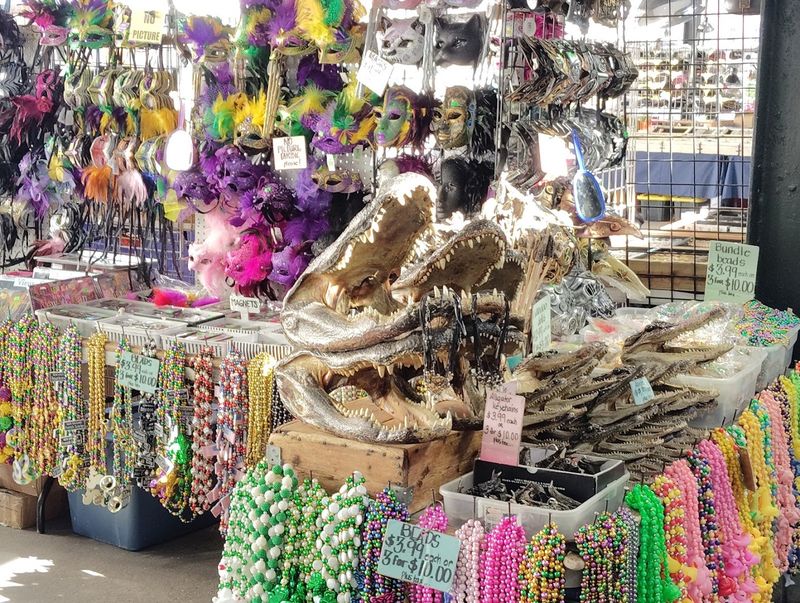
You’ll also find specialty items such as Creole spice blends and occasionally more unusual curios like alligator heads sold as novelty pieces.
Approach bargaining with a friendly tone and a readiness to walk away; some vendors expect a bit of back-and-forth. Also, keep an eye out for genuinely local artisans amid the larger tourist-focused stalls.
Music And Street Life
Music threads through the market like a friendly narrator: solo musicians, small bands, and buskers set up every few yards and create shifting soundtracks as you move along. Performers often play traditional jazz, brass-influenced pieces, and regional tunes that feel woven into the market’s daily rhythm.
Their presence makes even a quick stop feel like a small, improvised event. If a performer catches your ear, pause and listen for a set rather than just grabbing a photo.
Tipping generously when a song lands is both practical and appreciated, and it deepens the conversational atmosphere that makes the market feel lively and communal.
Historic Threads
Walking the market invites reflection on its unusual longevity – traced to an informal Native American trading post and formalized by the Spanish in 1791, it claims the title of the oldest continuously operating public market in the United States.
The Works Progress Administration left tangible marks during 1930s renovations, which shaped parts of the current market layout and signage. These layers are visible if you look for plaques and preserved architectural elements.
That sense of continuity makes the market more than a shopping destination; it is a living archive. Pause at historical markers and imagine the many trades and conversations that unfolded on the same ground over centuries.
Practical Timing Tips
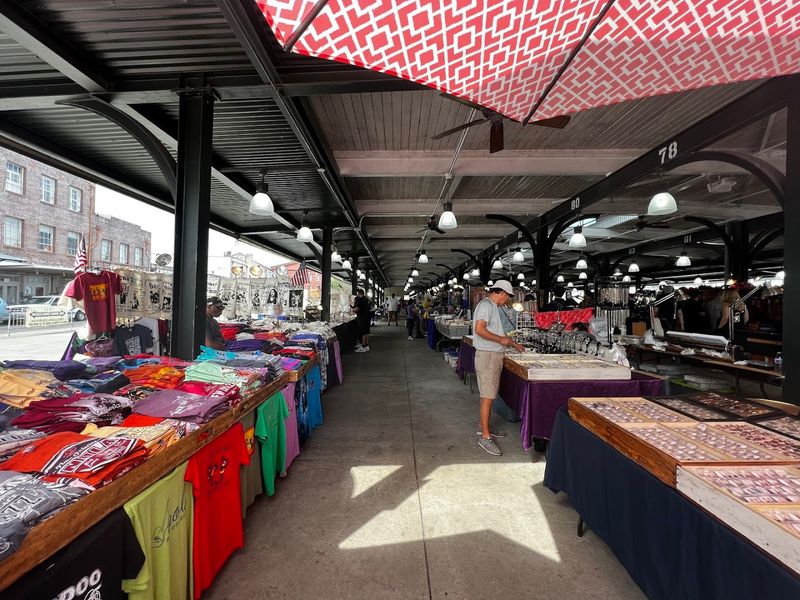
Timing transforms the visit: mornings are cooler and calmer with fresher produce and shorter lines, while weekend afternoons swell with crowds and performers. Many flea market vendors operate roughly from 9 a.m. to 6 p.m., though several tend to pack up by late afternoon, so earlier arrival increases your options.
Retail shops usually open around 10 a.m., and weekend farmers markets bring additional stands. Allow two to three hours for a relaxed exploration; if you have limited time, plan a prioritized route.
Comfortable shoes and small bills will make the logistics smoother, and arriving earlier rewards both patience and selection.
Local Culture And Crafts
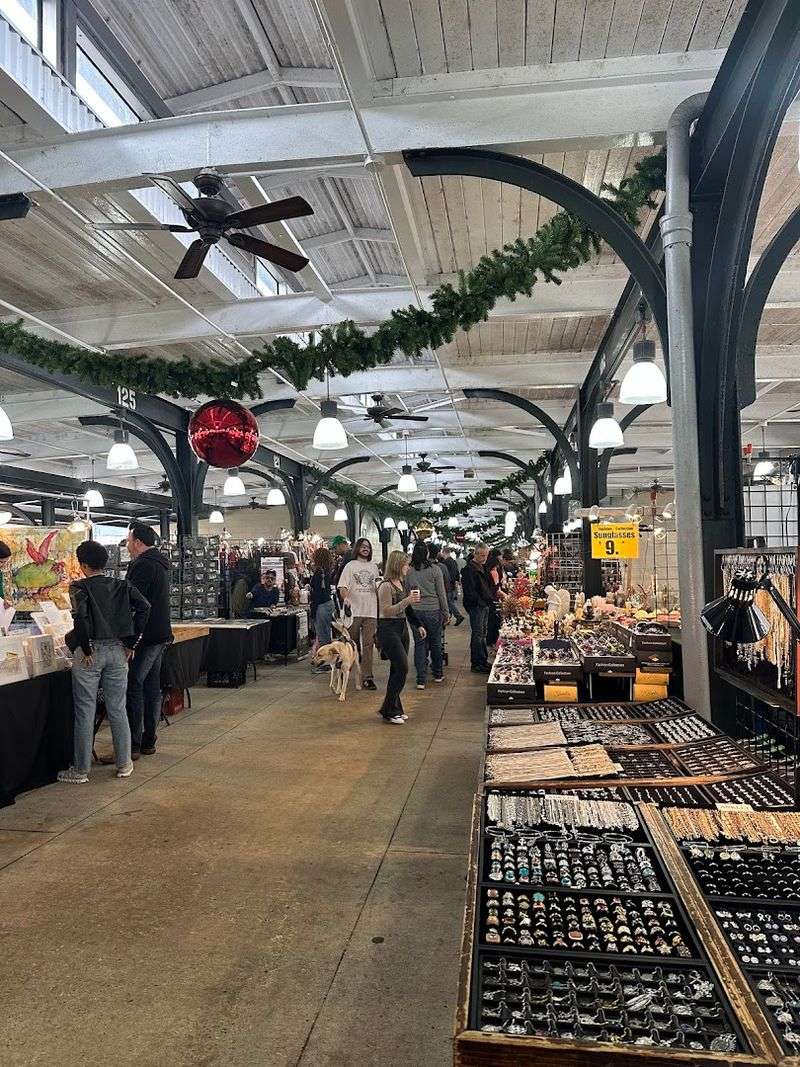
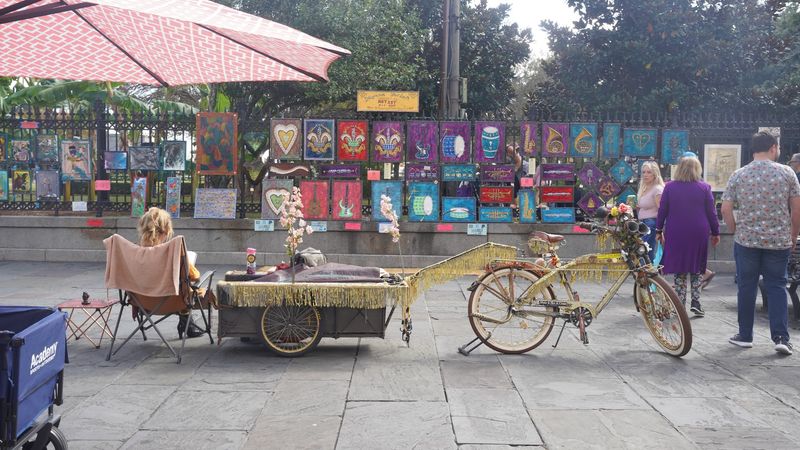
Local creatives anchor the market’s cultural core, especially in spots like the Dutch Alley Artists Co-Op, where artists display originals and small prints. You’ll find painters, jewelers, and craftspeople whose work reflects the city’s mix of Creole, French, and Southern influences.
Many artists will chat about technique and inspiration, making purchases feel like supporting a person rather than a chain.
Seek out smaller booths for unique pieces and ask about materials and provenance. Genuine local work is often priced differently than mass-produced souvenirs, and a short conversation can reveal makers worth tracking down on future visits.
Seasonal And Festival Notes
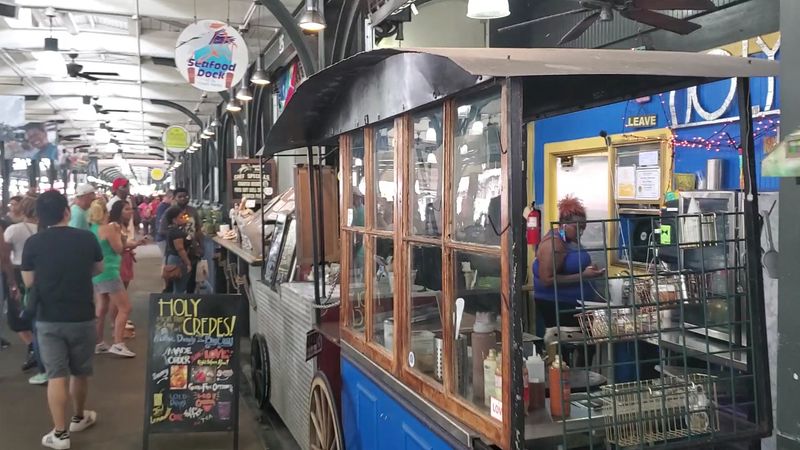
The market’s calendar pulses with seasonal events like the French Market Festival and the Creole Tomato Festival, which draw crowds and highlight regional specialties. During such events the market becomes a curated hub for local producers, musicians, and culinary demonstrations.
Even outside formal festivals, the market supports cultural programming and occasional live performances that change the atmosphere in subtle ways.
If your trip aligns with a festival, arrive prepared for larger crowds and special vendor offerings. Otherwise, a weekday morning gives a calmer experience and better access to long-standing local vendors who may be quieter during big events.
Offbeat Finds
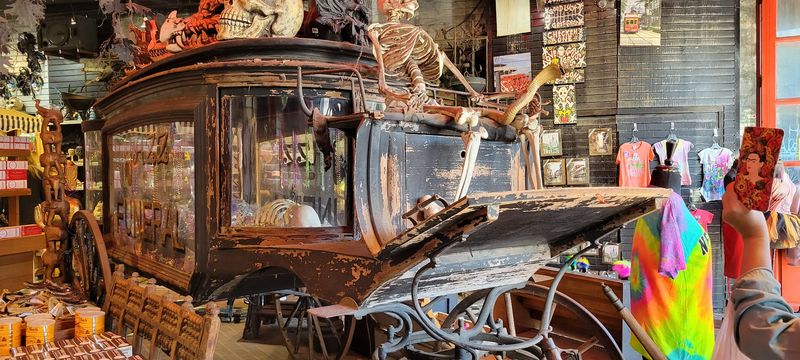
The market is a reliable place for unexpected discoveries – from vintage postcards and local art to novelty Mardi Gras beads and occasional oddities that feel quintessentially New Orleans.
Part of the pleasure is allowing time for serendipity; a wiggle through a crowded aisle often reveals an intriguing postcard, an unusual print, or a small antique. Some vendors specialize in very local memorabilia that can become memorable keepsakes.
Keep expectations flexible and allocate time for aimless browsing. The best finds usually arrive when you stop scanning for souvenirs and start looking for things that speak to you personally.
Final Recommendations
To get the most from a visit to the French Market, plan for a morning start, bring cash in small denominations, and wear comfortable shoes for wandering over uneven sidewalks.
Begin near Café Du Monde to anchor your route, then walk toward the flea market sections closer to Esplanade to see how offerings shift along the market’s length. Pause for music and strike up a conversation with a vendor to learn about local techniques and provenance.
Allow two to three hours, remain curious, and accept that one quick stop often becomes a delightful half-day diversion in New Orleans.