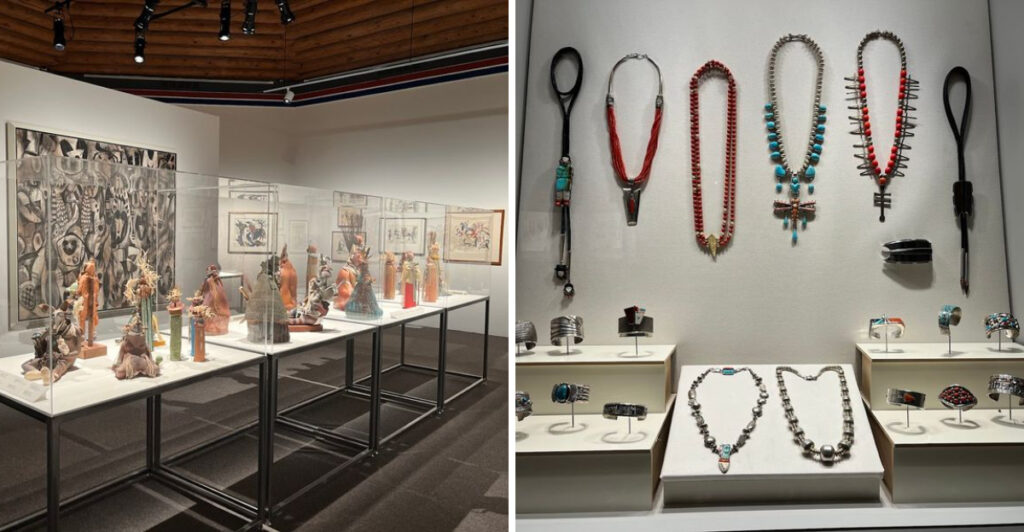
Some places ask you to slow down before you even realize you were rushing. This museum did that to me almost immediately.
I stepped inside thinking I would browse for a while, then move on with my day. Instead, I kept circling back and reading labels twice, noticing details I almost missed.
The work here has a pulse. You can feel ceremony and modern vision meeting in the same room without fighting for attention.
Nothing feels staged for a quick photo. It feels like a conversation you are lucky to be invited into.
Founded in 1937, the museum began with Navajo ceremonial knowledge at its center. Today, it highlights Native art from across the Southwest, including pieces shaped by artists working right now.
For anyone trying to understand New Mexico beyond the usual travel shots, this is where the story gets much richer fast, and stays with you afterward too.
A Quiet Entrance Into Native Art
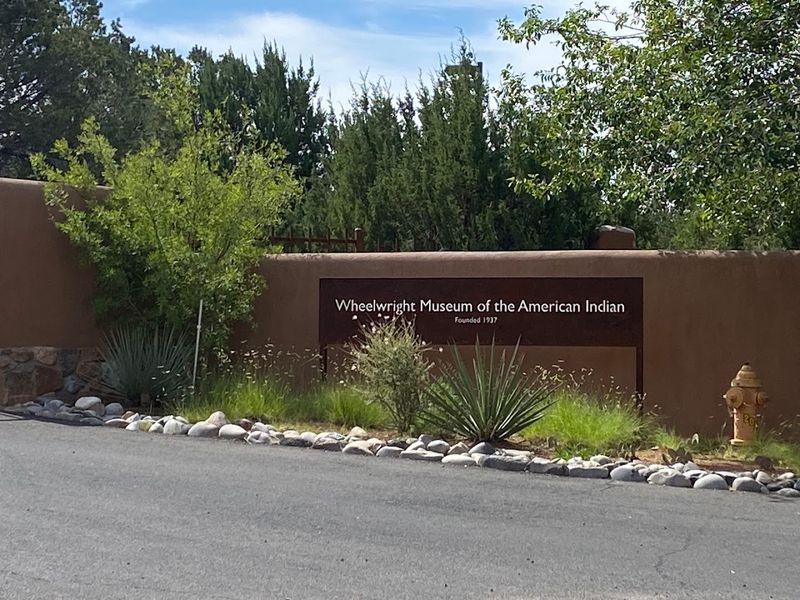
My first impression was not loud or dramatic, and that was exactly the point.
The approach to this museum felt unhurried, almost meditative, as if the building itself was asking you to slow down before you crossed the threshold.
Architect William Penhallow Henderson designed the structure to mirror a traditional Navajo hooghan, with its entrance oriented toward the east, following Navajo cultural tradition.
That architectural choice is not decorative; it carries real meaning about how the space was intended to be experienced.
The museum was co-founded in 1937 by Mary Cabot Wheelwright, a Boston philanthropist, and Hastiin Klah, a respected Navajo singer and medicine man, with the original goal of preserving Navajo ceremonial knowledge.
That founding story sets the tone for everything you encounter once inside.
The building’s historic status on the U.S. National Register of Historic Places adds another layer of significance to what might otherwise seem like a modest exterior.
You can find all of this waiting for you at the Wheelwright Museum of the American Indian at 704 Camino Lejo, Santa Fe, NM 87505.
Hogan-Inspired Walls And Warm Light
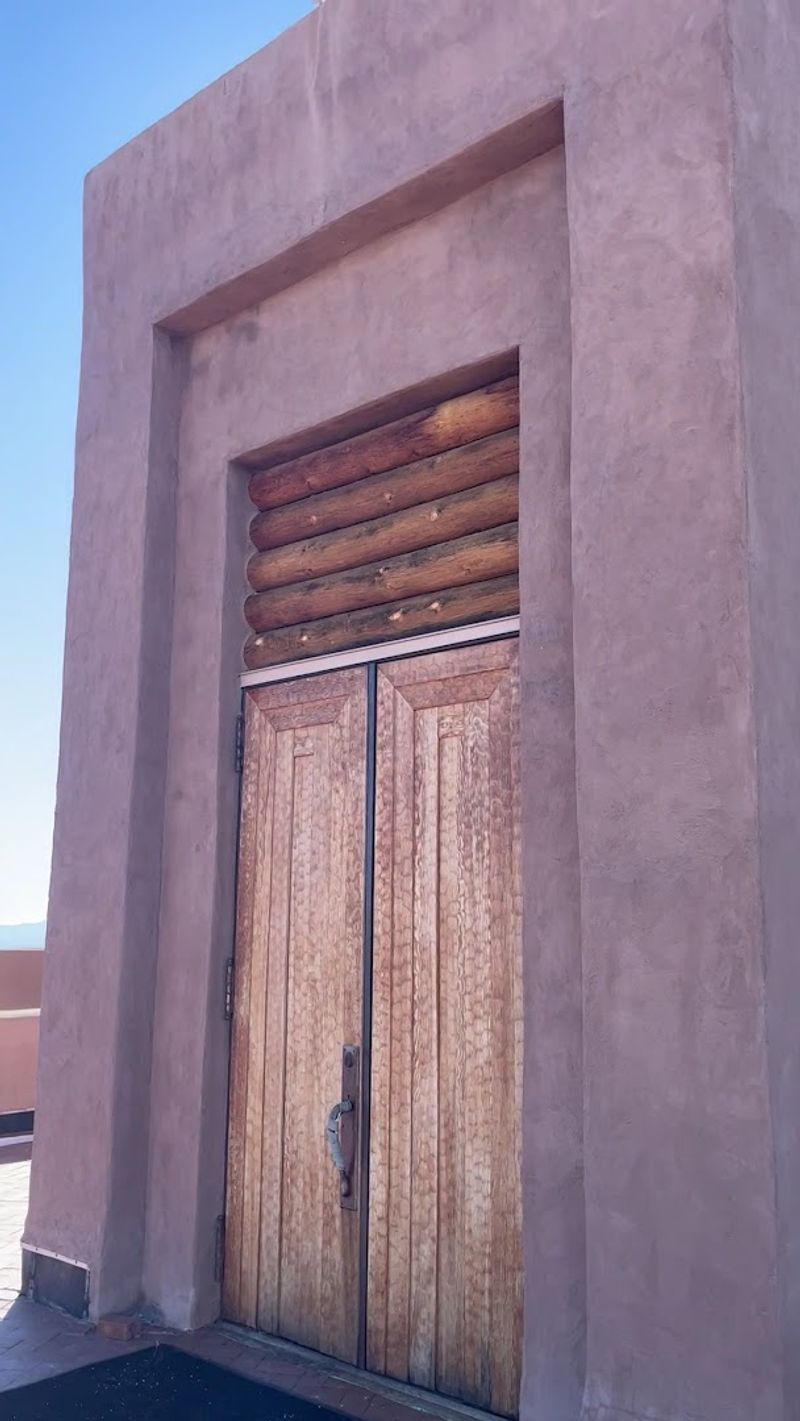
Few buildings I have visited communicate their purpose through their actual shape, but this one does exactly that.
The curved walls inside echo the rounded form of a traditional Navajo hogan, and the warm light filtering through the space creates an atmosphere that feels grounded rather than sterile.
Henderson’s design was not just an artistic flourish; it was a conscious act of cultural respect built into the very bones of the structure.
The wooden elements and the way natural light moves through the galleries give each room a softness that most museums never quite achieve.
I noticed how the architecture itself became part of the storytelling, making the art feel at home rather than extracted from its origins.
Visitors who take a moment to look up and around, rather than rushing straight to the displays, will catch details in the construction that reward curiosity.
The building holds its own as a work of craft, sitting comfortably within the broader landscape of New Mexico’s architectural heritage.
That harmony between structure and purpose is something I kept thinking about long after I left the museum grounds.
Galleries Filled With Story And Craft
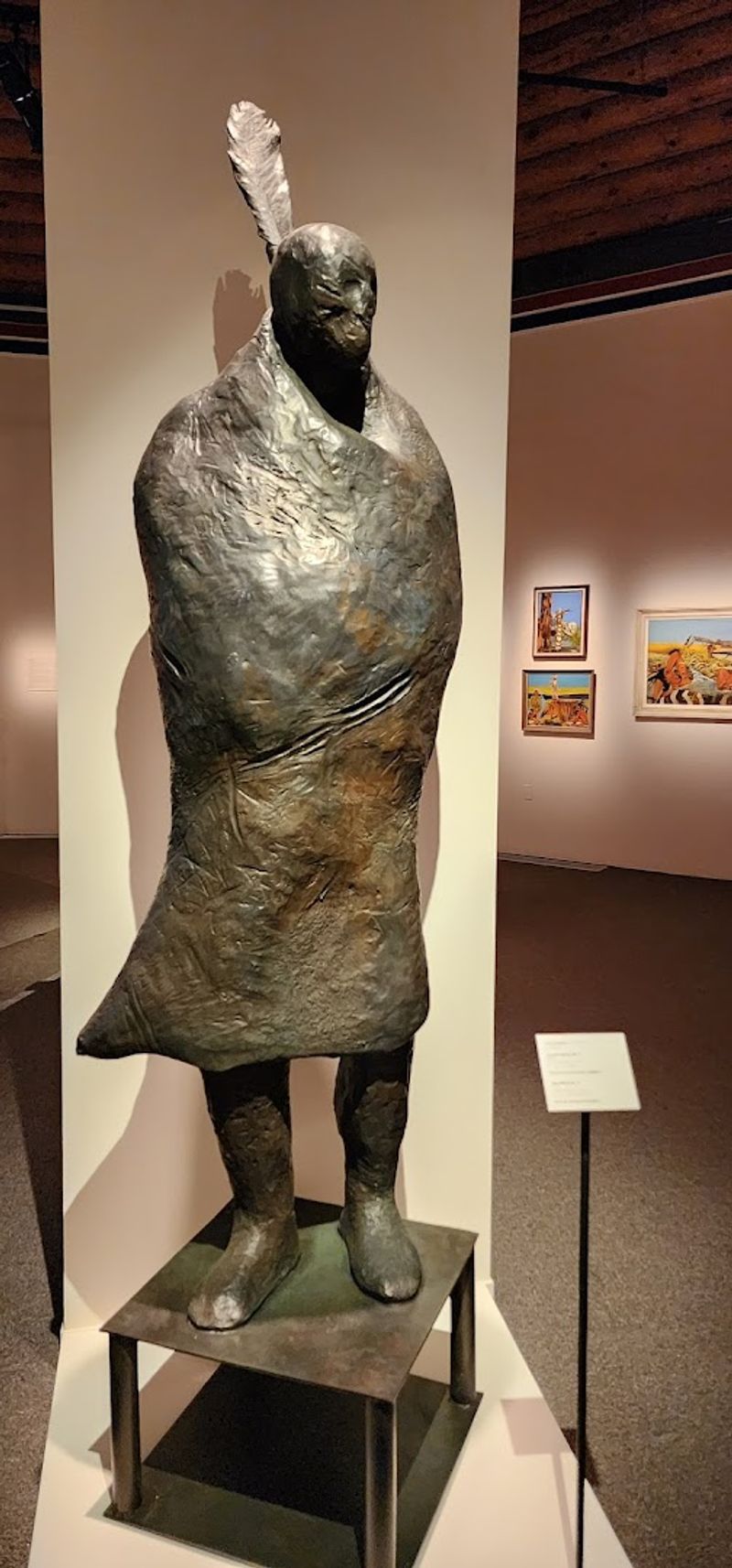
Rotating exhibits keep this museum feeling fresh no matter how many times you return, and I found that quality genuinely refreshing.
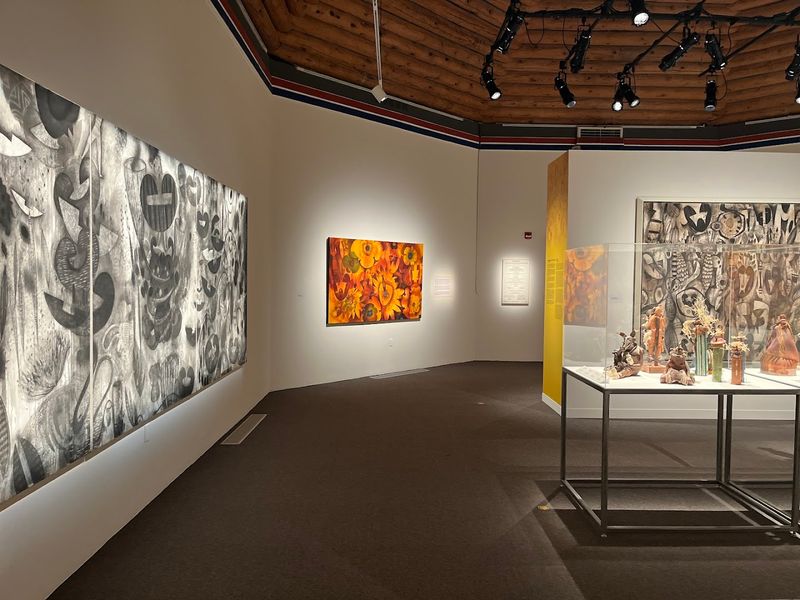
The galleries showcase a wide range of Native American mixed media, from traditional textiles and ceramics to bold contemporary sculpture and painting.
Each piece is presented with enough context to help you understand not just what you are looking at, but why it matters to the community that created it.
The museum broadened its focus after 1977, when it made the landmark decision to repatriate sensitive ceremonial items to the Navajo Nation, one of the first institutions in North America to do so voluntarily.
That shift in mission opened the door to celebrating living artists alongside historical works, which gives the galleries a sense of continuity rather than nostalgia.
I spent more time than I planned in one particular gallery, watching a short video of an artist explaining the symbolism woven into her work.
Those personal touches transform a museum visit from passive observation into something closer to a real conversation.
Every wall here has something worth pausing for, and the curation never feels rushed or careless.
The Beauty Of Silverwork
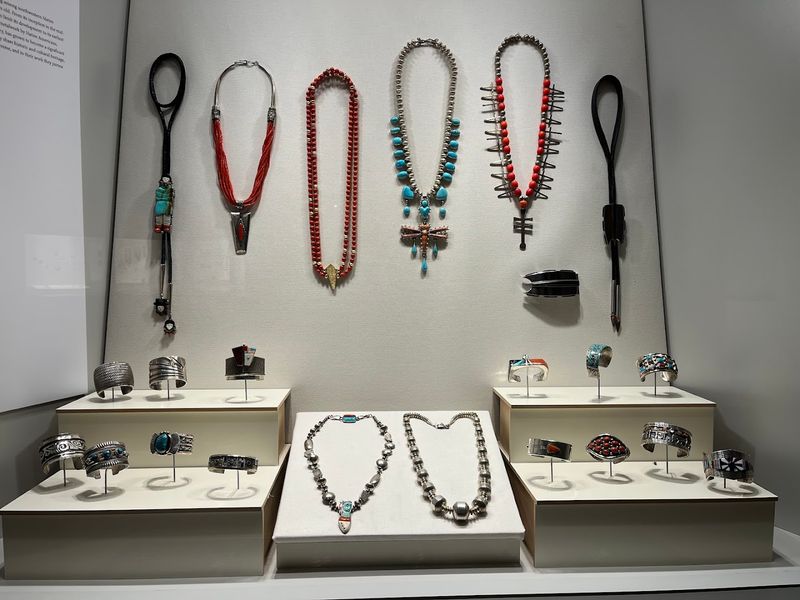
Silverwork stopped me cold the moment I walked into the Phillips Center gallery, and I was not prepared for how comprehensive the collection would be.
The Jim and Lauris Phillips Center for the Study of Southwestern Jewelry houses more than 700 pieces, making it one of the most complete collections of Navajo and Pueblo jewelry anywhere in the world.
Each piece is identified by tribal origin, which transforms the display from a simple showcase into a genuine educational experience.
I learned that silversmithing as a formal art form arrived in the Southwest more recently than most people assume, and seeing the evolution of techniques across the decades made that history tangible.
The craftsmanship on display ranges from early, boldly simple forms to intricate modern pieces that push the boundaries of the medium.
Turquoise, coral, and shell appear repeatedly, but no two pieces feel alike, which speaks to the creativity of the individual artists behind them.
Visitors who think they know Native jewelry often leave this gallery with a completely revised understanding of its depth and variety.
The Phillips Center alone is worth the modest admission price, full stop.
A Calm Space For Powerful Art
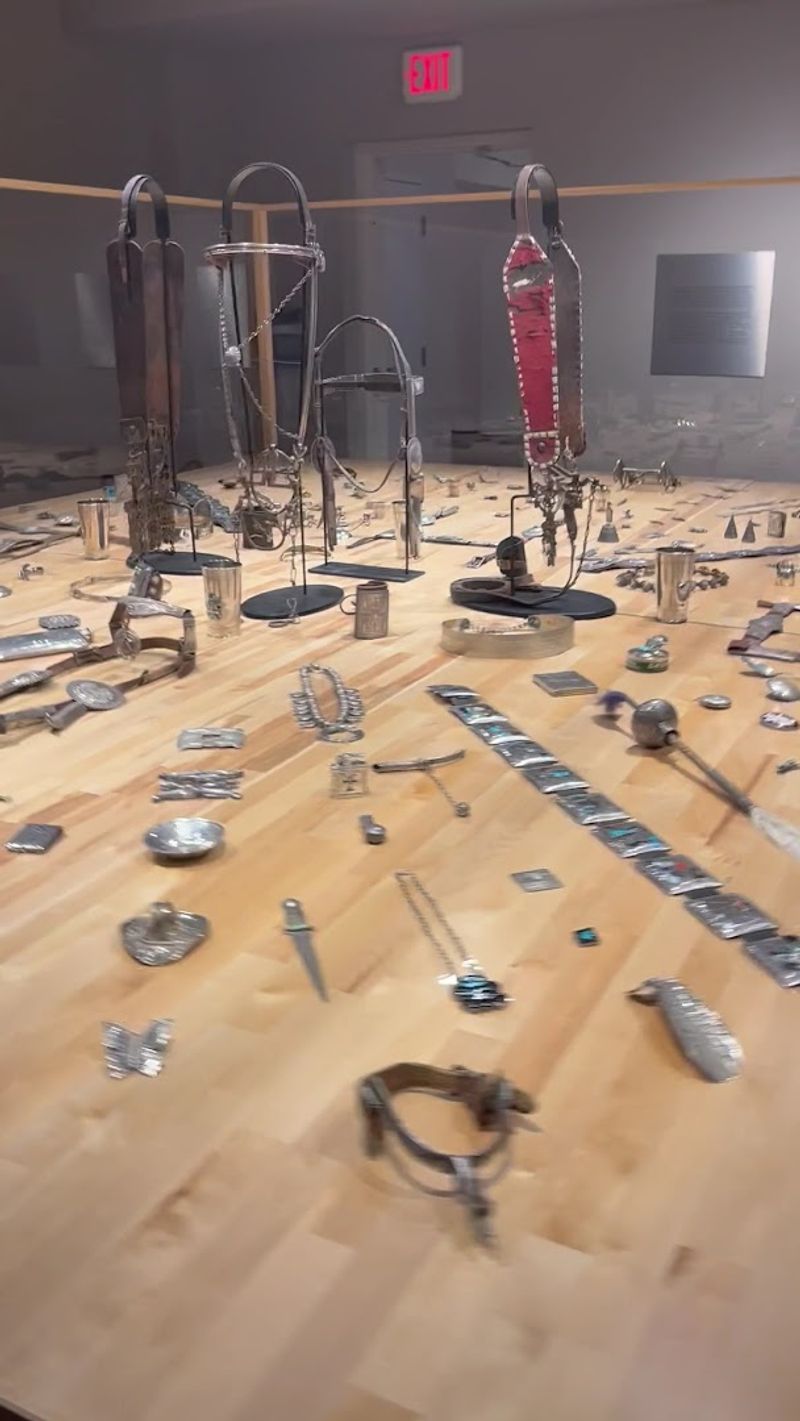
Not every powerful place announces itself with noise, and this museum proves that quiet spaces can carry enormous emotional weight.
The galleries are thoughtfully laid out, with enough breathing room between pieces that nothing feels crowded or overwhelming.
I noticed how the scale of the rooms shifts as you move through them, with some spaces feeling intimate and others opening up to accommodate larger installations.
Contemporary Native American artists from across the Southwest are given real room to make bold statements here, and the curation supports rather than competes with their work.
The museum’s identity as New Mexico’s oldest non-profit, independent museum gives it a certain freedom that larger institutions sometimes lack, allowing for more adventurous programming and exhibition choices.
I found myself reading every label carefully, which is not something I always do, because the writing struck a balance between informative and accessible.
The atmosphere inside encourages lingering, and I watched other visitors slow their pace naturally as they moved deeper into the building.
A museum that makes people want to stay longer is doing something genuinely right, and this one has clearly mastered that art.
Handcrafted Details In Every Room
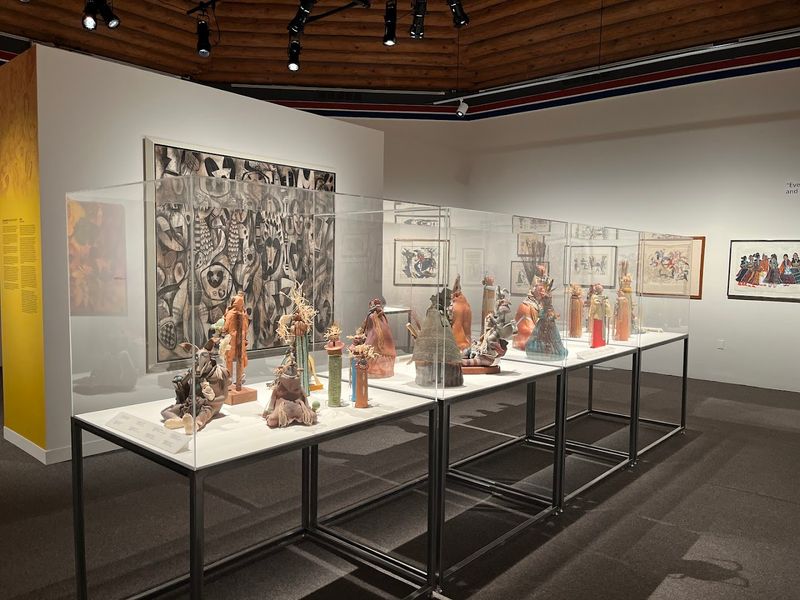
Craft at this level of detail demands your full attention, and the museum seems to know that.
Beyond the jewelry collection, the galleries feature beadwork, basketry, weaving, and sculpture that demonstrate the extraordinary range of skills practiced across Native communities.
Every object carries evidence of the time and thought invested in its creation, which makes even small pieces feel significant.
I kept returning to a particular woven textile that used colors I had never seen combined quite that way, and the label explained the regional tradition behind those specific dye choices.
That kind of detail elevates a museum visit from pleasant to genuinely memorable.
The Case Trading Post, which opened in 1975 on the lower level, extends this appreciation for handcraft into a space where you can actually purchase works directly connected to living artists.
The trading post has squeaky wooden floors and a layout that feels deliberately old-fashioned, and that atmosphere suits the authentic nature of what is sold there.
Walking out with a handmade piece created by a named artist feels like a very different kind of souvenir, one that carries a real story home with you.
Hidden Corners On Museum Hill
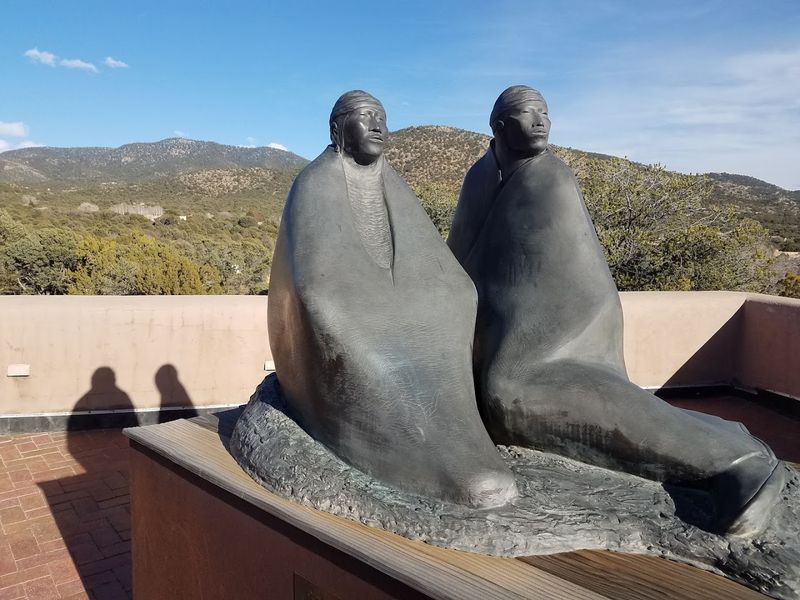
Museum Hill is one of those places that rewards visitors who venture a short distance from the main plaza, and the Wheelwright sits at its heart.
Located on Camino Lejo, the museum shares the hill with several other cultural institutions, making it easy to build a full day around the area without feeling rushed.
The drive up to Museum Hill is scenic in its own right, with views of the surrounding landscape that remind you just how dramatically beautiful this part of New Mexico can be.
I arrived expecting a quick stop and ended up staying well over two hours, which tells you something about how the place pulls you in.
The museum is open Tuesday through Saturday from 10 AM to 5 PM, which fits neatly into a Santa Fe itinerary without requiring any complicated scheduling.
Admission is modest, and the experience delivers far more than the price suggests.
The nearby botanical gardens make a natural companion to the visit, adding a different kind of sensory experience to the afternoon.
Museum Hill has a way of making you feel like you have discovered something the tour buses missed, even when the parking lot tells a different story.
Where Culture Feels Close And Personal
Some museums keep you at arm’s length from the art, but this one consistently closes that distance.
The scale of the building is intimate enough that you never feel lost, and the layout encourages a natural flow from one discovery to the next.
Docents I encountered were knowledgeable and generous with context, adding layers of meaning to pieces I might have otherwise passed too quickly.
The museum’s programming extends beyond the permanent collection, with artist lectures and special exhibitions that bring living voices into the conversation about Native art and culture.
Videos of artists speaking about their own creative process are embedded throughout the galleries, and those moments of direct communication between maker and viewer are quietly powerful.
The gift shop, styled as a replica trading post, carries works by identified artists, so every purchase connects you to a specific person and tradition rather than an anonymous product.
That personal dimension runs through everything here, from the founding story to the current programming, and it makes the visit feel meaningful rather than merely educational.
New Mexico has no shortage of cultural destinations, but few deliver this particular combination of depth, intimacy, and artistic honesty in one compact and welcoming space.