There’s exactly one place on Earth where you can dig up crystals with tiny hourglass shapes trapped inside. Just one. And Oklahoma lets you do it for free.
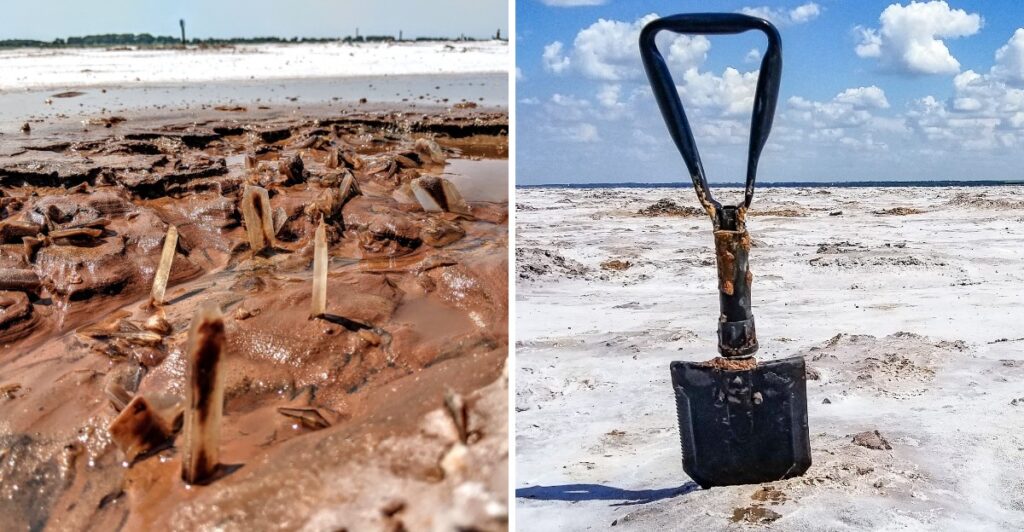
These unusual selenite crystals grow beneath a bright white salt flat, where iron oxide gets caught inside as they form, creating their signature hourglass pattern. Nature somehow figured out how to put a tiny design inside a crystal without any help from us.
And you can take home up to ten pounds a day. Ten pounds! I don’t think I’ve ever left a souvenir shop with that much stuff, let alone gotten it for free.
The salt flat itself was once the floor of an ancient sea, which makes the whole thing even cooler. You’re basically digging through prehistoric history and coming home with something shiny.
For once, digging around for something you lost might actually end with you finding something better.
The Only Place On The Planet With Built-In Sand Timers
Rare is one thing, but one of a kind is another level entirely.
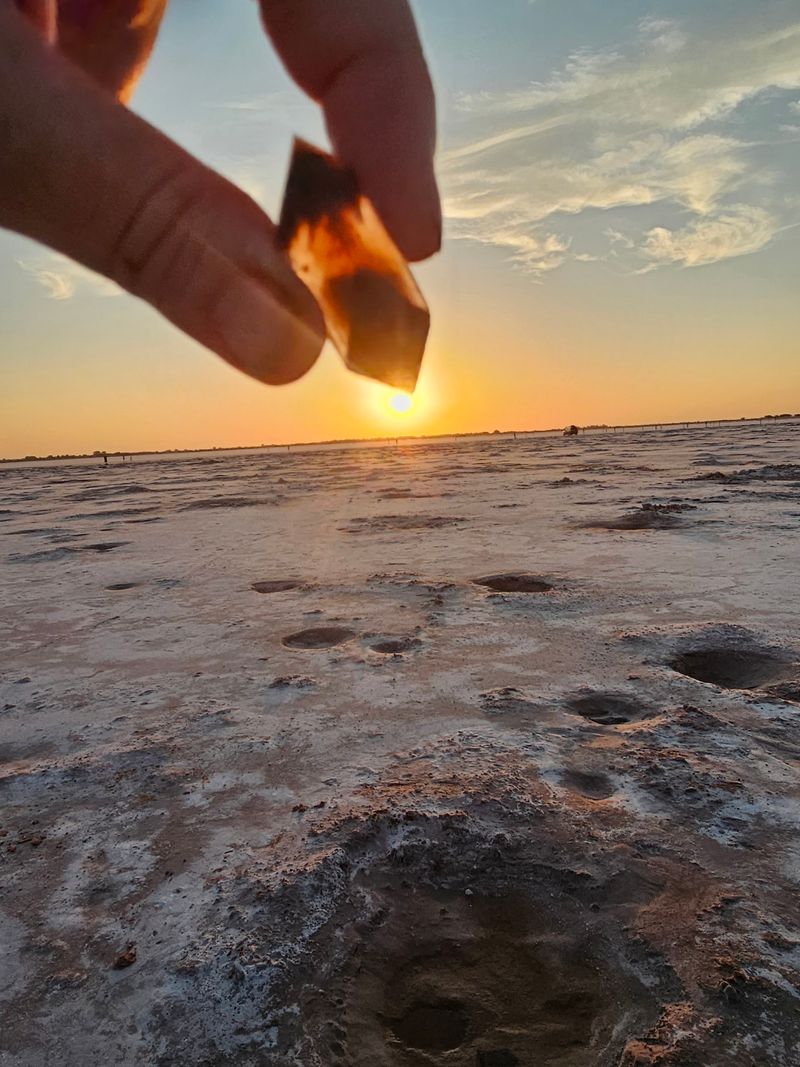
The Salt Plains National Wildlife Refuge – Selenite Crystal Digging Area is the only place in the world where selenite crystals with distinctive hourglass-shaped inclusions are found.
Selenite is a clear form of gypsum, the same mineral family found in drywall. Out here, though, it grows into something far more exciting than a wall.
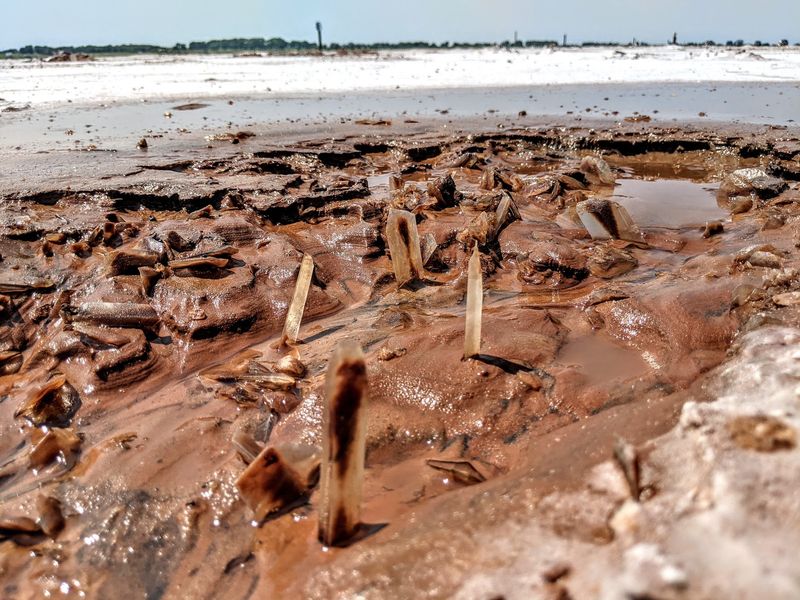
The magic happens just below the surface of the salt flat. As each crystal forms, it traps bits of iron oxide and other particles from the soil.
Those trapped bits settle into a dark hourglass shape inside the crystal. The iron oxide also gives many crystals a rich chocolate brown color.
Most of these treasures sit within two feet of the surface. That means you don’t need heavy equipment or a mining degree to find them.
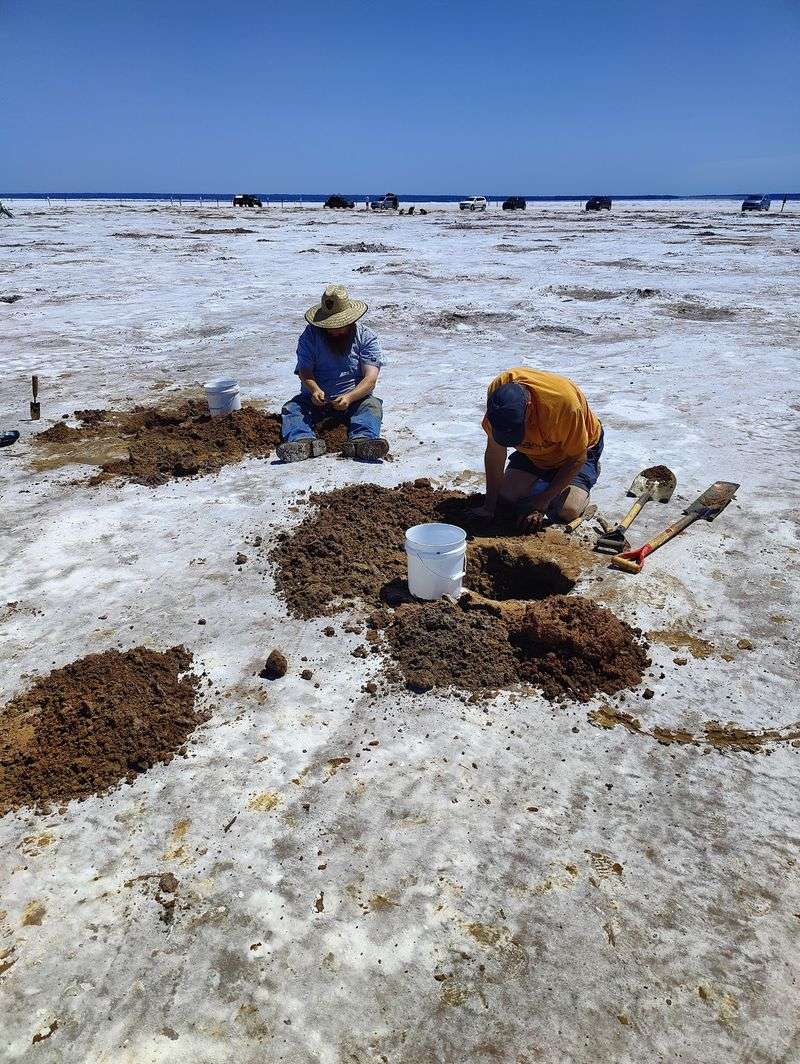
Kids can do this, and so can grown-ups who still secretly love playing in the dirt. A simple shovel and some curiosity are your main tools.
Each crystal you pull up is a tiny natural sculpture. No two look exactly alike, so every find feels like a personal prize from the ground.
Your Wallet Gets The Day Off Here
Free is a beautiful word, especially on a family outing. Digging for crystals at the refuge costs nothing at all, and there’s no entrance fee to the refuge either.
That makes it one of the best bargains in Oklahoma. You can spend hours hunting treasure without ever reaching for your wallet.
Each person can collect up to ten pounds of crystals per day. On top of that, you can take home one large cluster per person.
Ten pounds is a lot of sparkle. Picture a heavy bag of potatoes, except every potato is a shiny geological wonder.
There’s one firm catch to remember. The crystals are for personal use only, and selling them is not allowed.
That rule keeps the fun fair for everyone. It also keeps the digging area from turning into a business operation instead of a family adventure.
Bring a portable scale to make sure you stay within the daily collection limit. Then line your crystals up on a shelf and enjoy the bragging rights.
Your friends will ask where you bought them. Telling them you dug them up yourself, for free, is half the fun of the whole trip.
Pack Like You’re Headed To A Very Salty Beach
A good haul starts in your garage, long before you reach the salt flat. The right gear can turn a sweaty afternoon into a smooth treasure hunt.
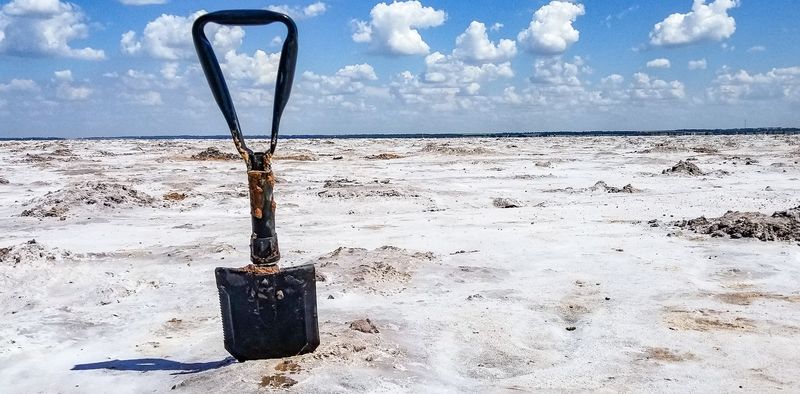
Bring a shovel or another sturdy digging tool first. A bucket is handy for carrying your crystals back to the car.
Water is your real secret weapon here. You’ll need plenty for drinking, plus extra jugs for rinsing crystals and pouring into holes.
The salt flat is wide open, so sun protection matters a lot. Pack a hat, sunglasses, and sunscreen before you head out.
A change of clothes is also smart. Salt and mud tend to cling to everything, and your car seats will thank you.
Towels make cleanup much easier at the end of the day. A small jug of water for rinsing hands and feet helps too.
Think of it as a beach trip without the waves. You’ll still get salty, sandy, and sunny, just with crystals instead of seashells.
Snacks are a good idea as well. Digging works up an appetite, and a fed crew is a happy crew.
The Water Trick That Makes Crystals Pop Out
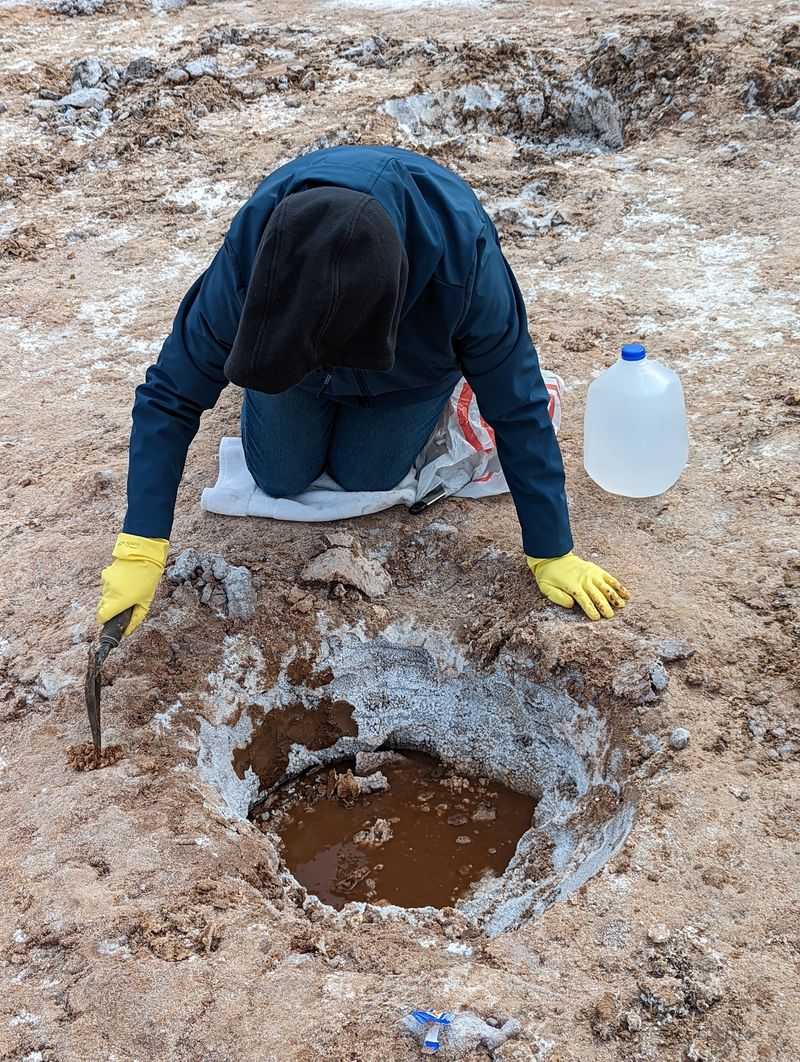
Here’s a pro move that feels a little like magic. After you dig your hole, pour water along the edges and bottom.
The water helps wash away the salty soil. Suddenly, hidden crystals start showing their shiny faces in the walls of your hole.
Keep your holes no deeper than two feet. Most crystals live in that top layer anyway, so digging deeper won’t help much.
Crystals are delicate, so go slowly once you spot one. Gentle hands save more of them from breaking into small pieces.
Now comes the part people often forget. Once you pull a crystal free, lay it in the sun to dry.
Selenite can dissolve if it stays in water too long. Rinsing is fine, but soaking is a fast way to shrink your treasure.
Spread your finds on a towel and let the sunshine do its job. They’ll dry while you keep digging for the next one.
A little patience goes a long way. The diggers who slow down and watch the walls often go home with the prettiest crystals of the bunch.
Follow The Orange Signs To Find Your Dig Spot
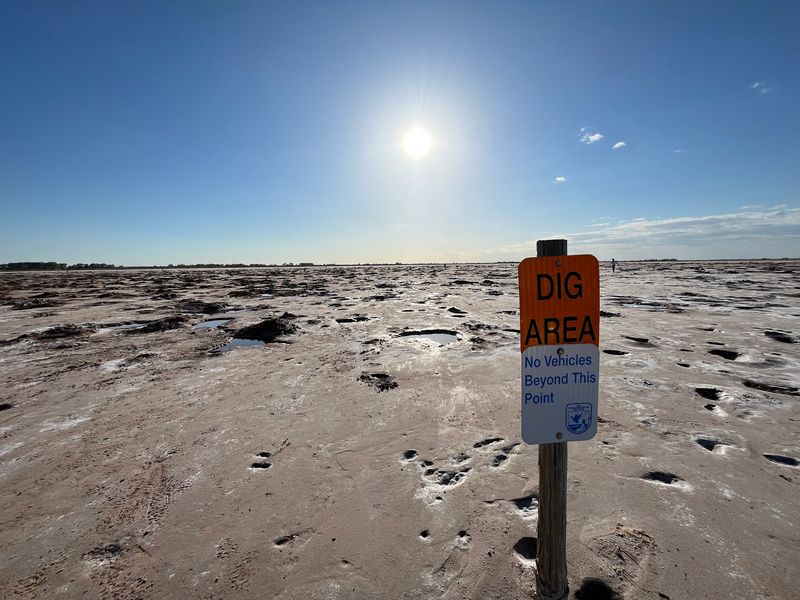
Getting there is simpler than finding the perfect crystal. The gate to the digging area sits at 66003 Garvin Road, Cherokee, OK 73728.
From the gate, drive about one more mile. Bright orange signs mark the official digging area, so keep your eyes peeled.
Those signs aren’t just for show. Digging is only allowed inside the marked area to protect wildlife and the natural landscape.
Season matters too. The Salt Plains National Wildlife Refuge – Selenite Crystal Digging Area usually opens April 1 and closes October 15.
During that window, you can dig from sunrise to sunset. The winter closure helps protect migrating Whooping Cranes and other birds.
Even off-season, the trip isn’t wasted. An observation deck at the digging area entrance stays open all year from sunrise to sunset.
Plan for a remote part of north-central Oklahoma. Stock up on water and snacks before you arrive, since you’ll be out in wide open country.
Early mornings and late afternoons offer softer light. They also give you a cooler shot at the salt flat before the sun climbs high.
You’re Basically Digging Through An Old Ocean Floor
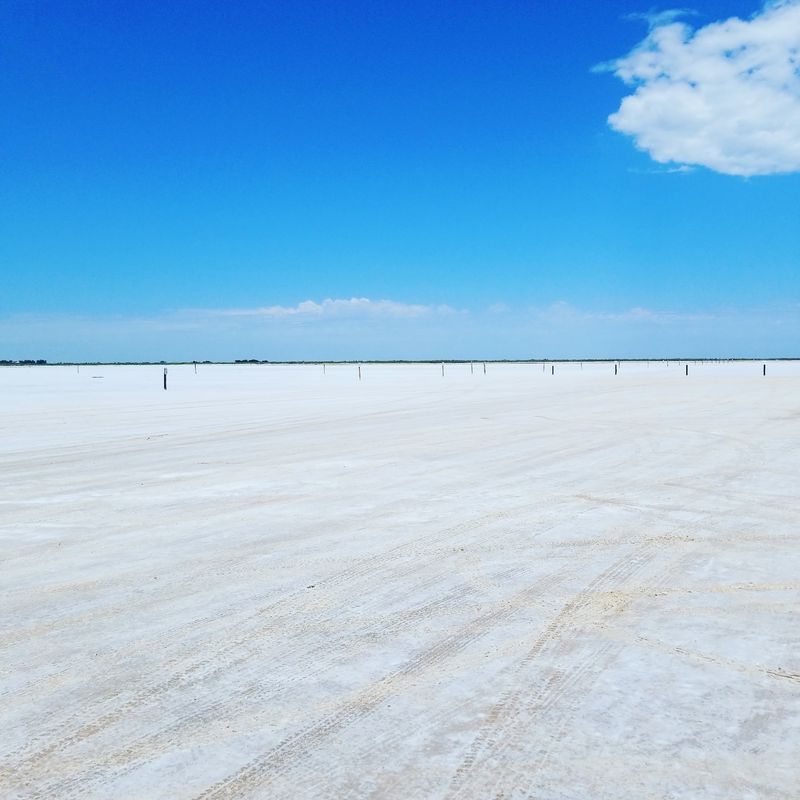
Long before cowboys or highways, an ocean covered this part of the world. The salt flats you dig in today are what that ancient sea left behind.
They stretch across about 11,200 acres. That’s a whole lot of white ground glowing under the Oklahoma sky.
People have valued this salt for a very long time. Native tribes and early pioneers both harvested salt from the area.
The refuge itself was established in 1930. Its job has always centered on protecting wildlife and this unusual landscape.
The area also has a more serious chapter. During World War II, the salt plains served as a military practice range.
Some old military test vials were buried there years ago. Crystal digging paused from 2007 to 2009 so crews could safely remove those materials.
Today the digging area welcomes families once again. Knowing the backstory makes each shovelful feel a little more meaningful.
You’re not just hunting pretty rocks. You’re scooping up a piece of prehistoric seafloor and a slice of American history at the same time.
Know The Rules Before You Grab A Shovel
Good news for dog lovers comes first. Pets are welcome at the refuge as long as they stay on a leash.
Your pup might enjoy the outing almost as much as you do. Just keep fresh water handy for them in the open sun.
Drones are a firm no anywhere in the refuge. Save the aerial photos for another trip and enjoy the view with your own eyes.
A few other rules keep this place healthy. Littering, camping, fires, and overnight parking are all off-limits.
Pack out everything you bring in. A trash bag in your gear kit makes that easy at the end of the day.
Here’s a tip your car will love. Rinse the salt off your vehicle after your visit to help prevent corrosion.
Salt has a sneaky way of hiding under cars. A quick wash at home or a car wash keeps rust from crashing the party later.
Following these simple rules protects the refuge for the next family. It also keeps the crystals coming season after season for everyone who loves them.
Stick Around For Trails, Fishing, And A Wetland Drive
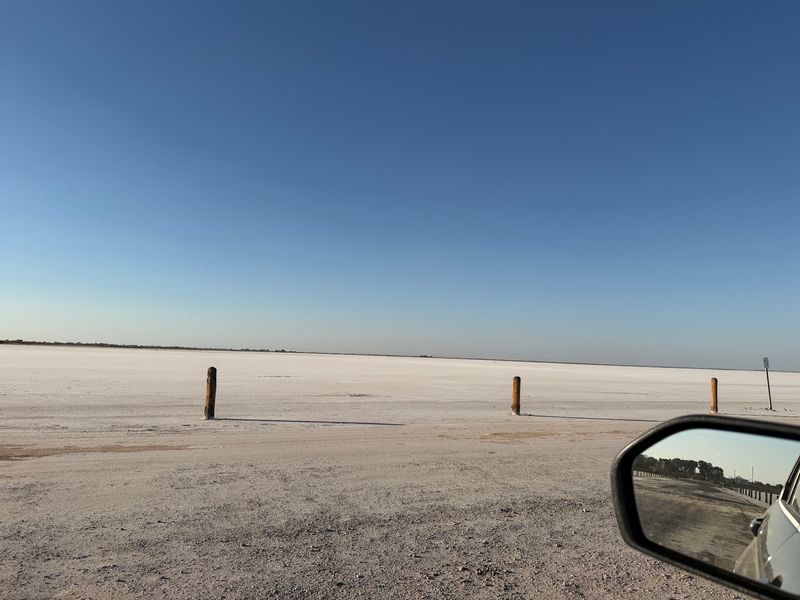
Crystals may be the headliner, but the refuge has a strong supporting cast. Once your bucket feels heavy, there’s plenty more to explore.
The Harold F. Miller Auto Tour is a 2.5-mile drive through managed wetlands. It’s a relaxing way to look for birds and wildflowers without leaving your seat.
Hikers have options too. Five trails stay open year-round, and two fishing trails open seasonally from April 1 to October 15.
Fishing follows that same seasonal window. Anglers need to follow Oklahoma state rules plus a few extra refuge rules.
Hunting is also allowed in certain areas and seasons. Birding, wildlife watching, and photography round out the list nicely.
The Salt Plains National Wildlife Refuge – Selenite Crystal Digging Area makes a great anchor for a full day. Pair it with a trail walk and you’ve got a complete adventure.
The visitor center is currently closed for remodeling. Still, the outdoor spaces keep the welcome mat out from sunrise to sunset.
Leave a little time at the end of your trip. Watching the light fade over that white salt flat makes a fine finale.