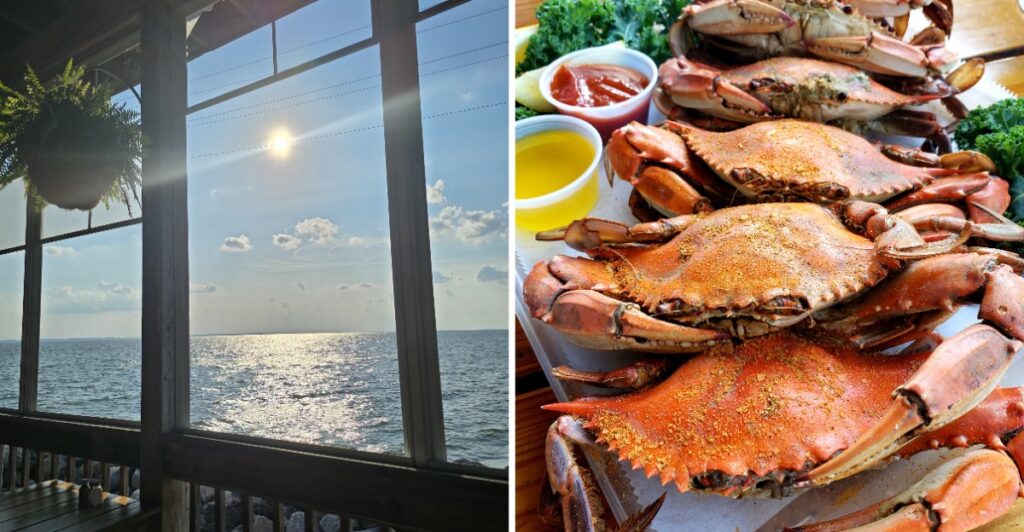
Six picnic tables started this whole seafood story.
That was back in 1993, when the setup was seasonal, small, and much closer to a true roadside shack.
The crabs clearly had bigger plans.
A few years later, the operation grew into a year-round restaurant, with indoor seating and an outdoor deck facing the water.
Virginia blue crabs still show up when available. Crab cakes keep things easier for anyone who prefers less shell cracking, while soft-shell season changes the conversation again.
But I would save a little time after the plates are cleared.
There is a fishing pier right next door, and the river has a pretty good argument for one more look before you leave.
Not bad for a place that began with six picnic tables.
Six Picnic Tables Started The Story In 1993
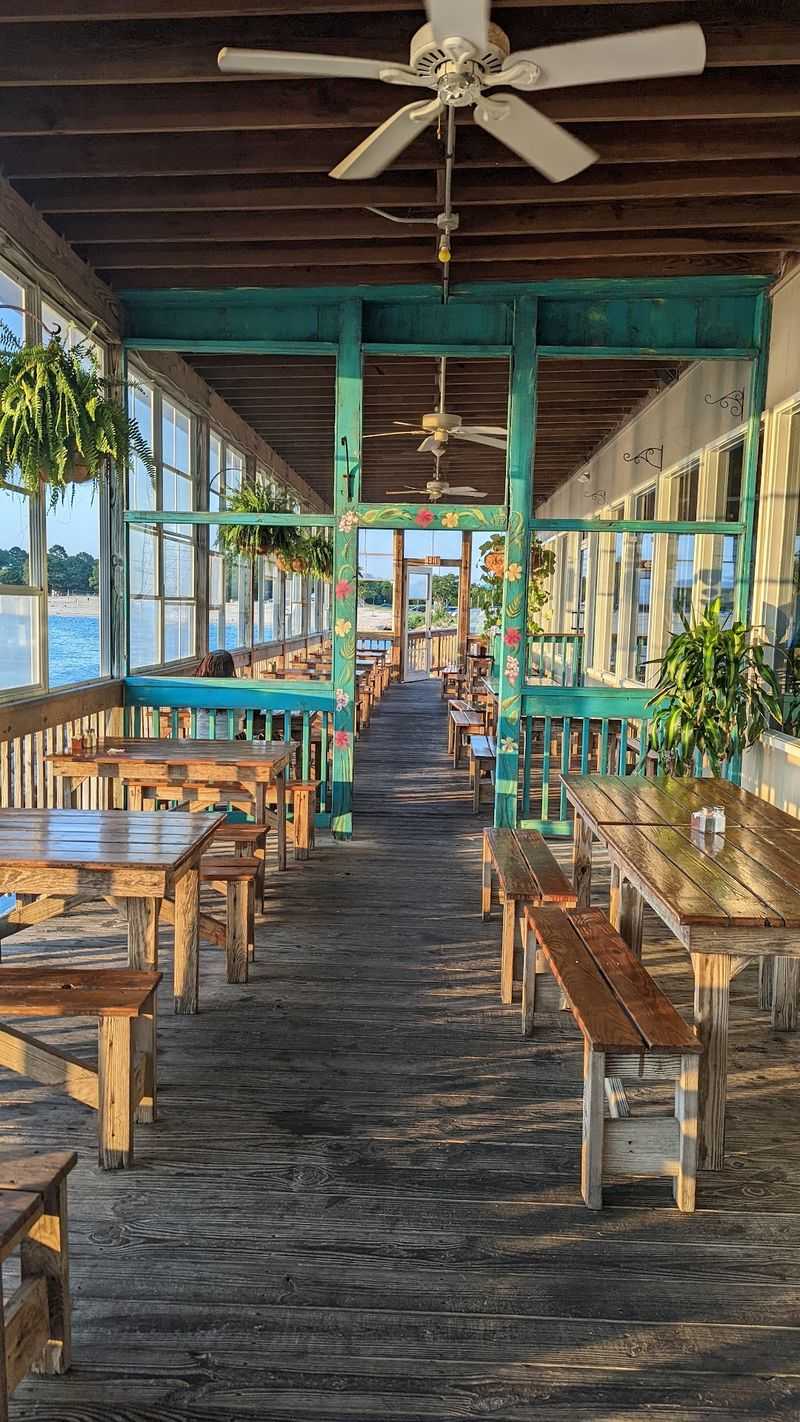
Crab Shack on the James began in 1993 as a seasonal, open-air restaurant with six picnic tables. Four years later, the property was renovated into a much larger indoor-and-outdoor restaurant with seating for more than 200 people.
That 1997 expansion also changed the calendar. The restaurant could operate through the year instead of depending on warm-weather outdoor dining.
The history helps explain why the place still feels closely tied to the waterfront. The original concept was not built around a formal dining room. It started with a handful of tables near the river and a seafood menu, then grew into a larger version of the same basic idea.
Current hours begin at 11 a.m. daily, so the restaurant works for both lunch and dinner.
If you are planning around daylight and river views, an earlier meal gives you more time to walk the waterfront afterward, while an evening visit changes the scene as the light drops over the James.
The restaurant sits inside Huntington Park, near the foot of the James River Bridge. That location makes the water part of the visit before the first plate arrives.
Chesapeake Bay Blue Crabs Keep The Menu Focused
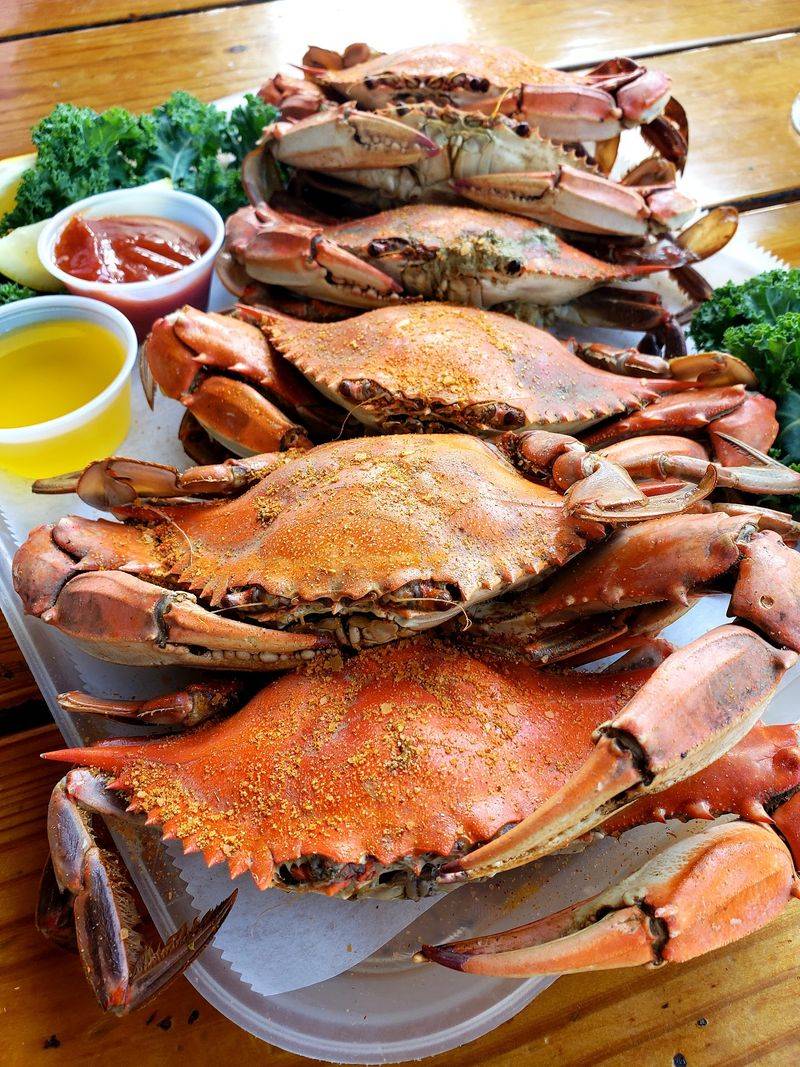
Steamed Chesapeake Bay blue crabs remain one of the clearest reasons to come here. The current menu offers male blue crabs by the half dozen or dozen when they are available.
That last part matters. Crab supply follows season and availability, so a specific size or quantity should never be treated as guaranteed on every visit.
If steamed blue crabs are the whole reason for the meal, checking availability before you settle on the plan can save disappointment.
Once they are on the table, the pace changes. Blue crabs are not a quick fork-and-knife entrée. Shells need to be opened, meat has to be picked out, and the meal naturally slows down.
For a group, ordering a half dozen first can make sense if not everyone knows how much work they want to put into dinner. A dozen works better when several people already know exactly why they came.
There is no need to turn the process into a competition. Take your time, keep napkins nearby, and let the meal stretch a little longer than a standard seafood plate.
The river view is not going anywhere while you work through the shells.
Soft-Shell Crab Depends On The Season
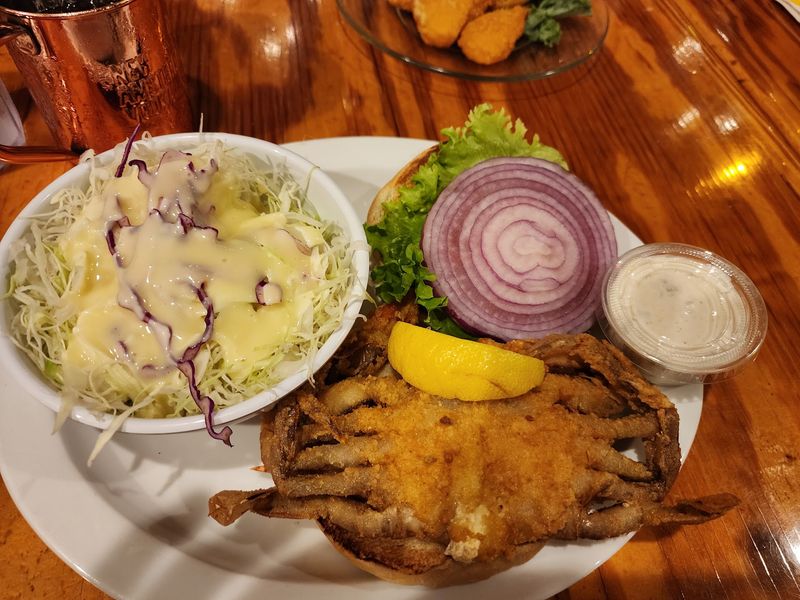
Soft-shell crab brings a different version of blue crab to the table. During crab season, the restaurant sheds crabs daily in its own tanks, keeping them through the brief stage after molting when the new shell is still soft.
That timing is what makes soft-shell crab seasonal. The window does not last long, so it is better to treat the dish as a possibility rather than a permanent promise.
When it is available, soft-shell crab removes most of the picking and cracking from the meal. The current menu includes soft-shell preparations, giving you a crab option that arrives ready to eat rather than buried inside a hard shell.
If steamed crabs sound like more work than you want that day, soft-shell can take the meal in a completely different direction.
This is also where flexibility helps. A spring or summer visit may open more crab choices than a colder-weather meal. If soft-shell crab is the priority, ask about current availability before building the rest of the order around it.
Seasonal seafood is easier to enjoy when the plan starts with what is actually available that day.
Crab Cakes Put Backfin Crabmeat Into A Fork-And-Knife Dinner
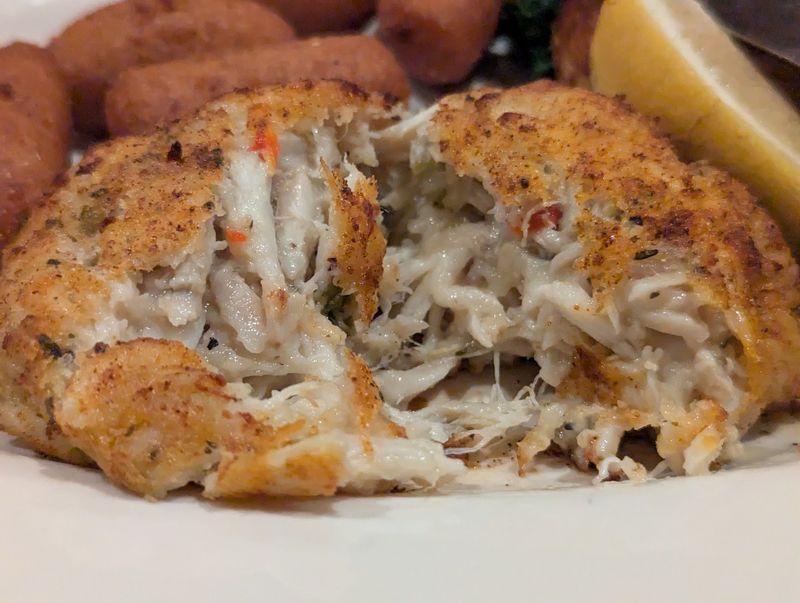
Not every crab order has to involve shells. The menu also includes homemade crab cakes made with backfin crabmeat, giving you a more straightforward plate when you want crab flavor without the picking process.
The crab cake dinner can be ordered fried or broiled. That leaves one simple choice before the plate arrives: crisp exterior or a preparation that puts less emphasis on frying.
Backfin crabmeat also appears elsewhere on the menu, including in flounder stuffed with crabmeat. That combination keeps the meal in seafood territory while changing the texture completely.
Groups can use those differences to avoid ordering four versions of the same thing. One person may choose steamed crabs, another a crab cake, and someone else stuffed flounder.
That approach gives the table several ways to try crab without forcing everyone into a shared tray of shells.
The restaurant is at 7601 River Road, Newport News, VA 23607. Since the menu can change and crab availability shifts, the better strategy is to decide whether you want steamed crab, soft-shell crab, or a prepared crab entrée before worrying about the rest.
Once that decision is made, the menu gets much easier to navigate.
Fresh Fish Gives Non-Crab Diners Another Route
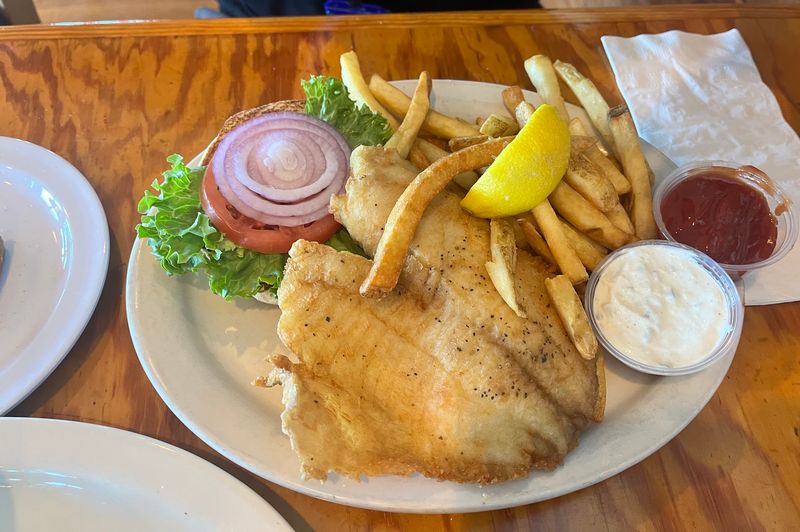
Crab may dominate the name, but the menu does not stop there. Fresh fish choices vary and can include species such as mahi-mahi, swordfish, cobia, salmon, rockfish, red snapper, and flounder depending on availability.
That changing selection works best when you are comfortable choosing from the day’s options instead of arriving committed to one exact fish.
Rockfish is especially tied to the region. In Virginia, the name commonly refers to striped bass, a species associated with Chesapeake Bay waters.
Other fish move the plate in different directions. Cobia has a firmer texture, while flounder is milder and appears in both straightforward and crab-stuffed preparations.
If the table includes one person who wants crabs and another who would rather use a fork from start to finish, the fish side of the menu solves that problem quickly.
Ask what is available, choose the preparation that sounds right, and leave room for the rest of the seafood menu rather than treating crab as the only possible order.
A waterfront restaurant is easier to enjoy when everyone at the table gets to follow a different appetite.
The James River Fills The View From Inside And Out
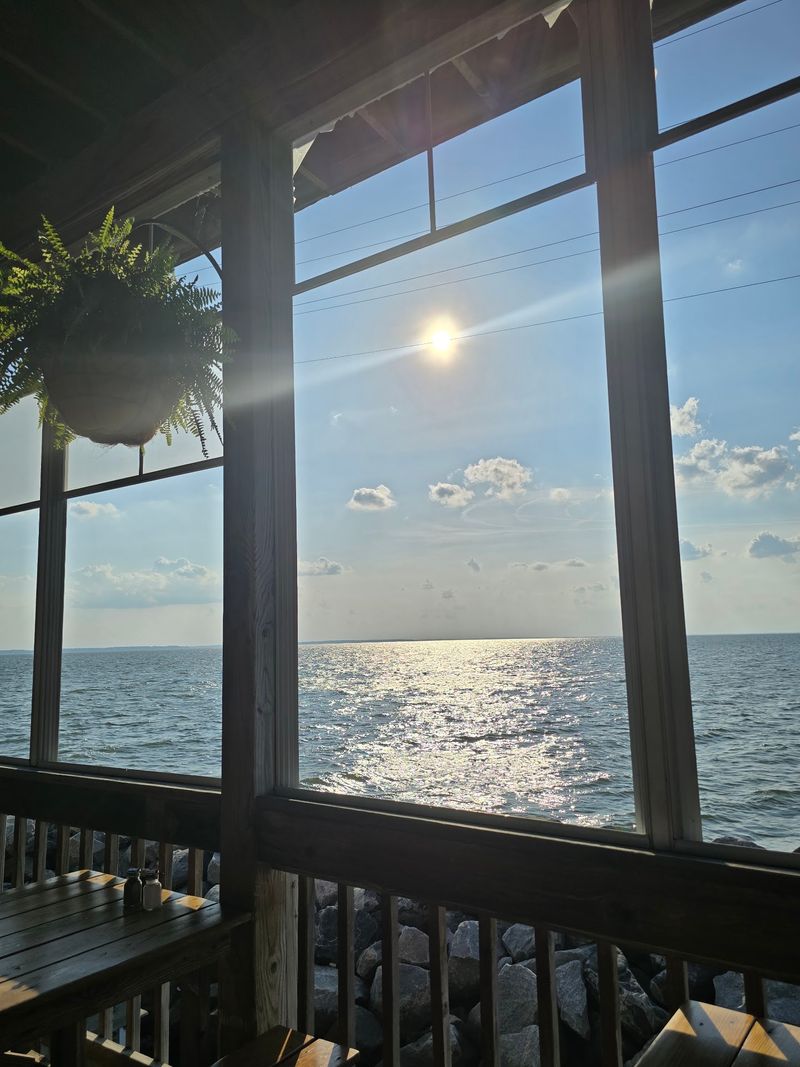
The restaurant sits directly on the James River in Huntington Park. Its windowed indoor dining room and outdoor deck both face the water, so choosing where to sit becomes part of the meal.
Indoor seating keeps the river in view when the weather turns hot, cold, or rainy. The deck puts you closer to the breeze and open air when conditions cooperate.
Because the restaurant faces the river, evening light can change the view quickly. You do not need to build the entire visit around sunset, but an evening meal can give the water a different look than lunch.
The setting also helps explain why this works as more than a quick seafood stop. A plate can be finished in half an hour, but the river gives you a reason not to rush back to the car immediately.
Huntington Park adds more space around the restaurant, including waterfront areas and the nearby fishing pier. If dinner is the main event, keep the rest simple. Eat, step outside, and spend a few minutes by the water before leaving.
Sometimes the easiest extra activity is already waiting beyond the dining room.
The Fishing Pier Can Stretch The Visit Past The Meal
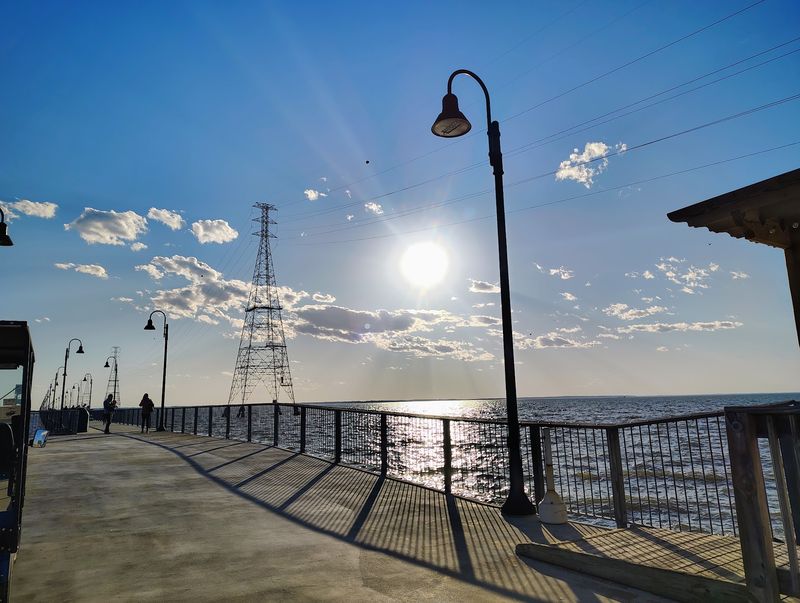
The James River Fishing Pier sits beside the restaurant and extends the waterfront stop beyond the table. The current pier was rebuilt in 2015 and later extended to a total length of 2,364 feet.
Fishing remains the main purpose. Anglers commonly target species such as croaker, spot, flounder, trout, and striped bass, with bait and tackle available at the pier.
Pier hours vary by day, and some nights include around-the-clock access, so anyone planning to fish should check the current schedule rather than assume restaurant hours and pier hours match.
The pier also operates without requiring anglers to carry a separate fishing license there, which removes one small piece of planning.
You do not have to bring fishing gear to make the pier part of the day. A walk near the water after a crab dinner can be enough, especially when the weather is mild and the river is doing most of the work.
If fishing is the priority, reverse the order. Spend time on the pier first, then head inside when hunger takes over.
The restaurant and pier share the same stretch of riverfront, which makes combining them easy without adding another drive. Start with seafood or start with a fishing rod. Either way, the James River stays at the center of the plan.