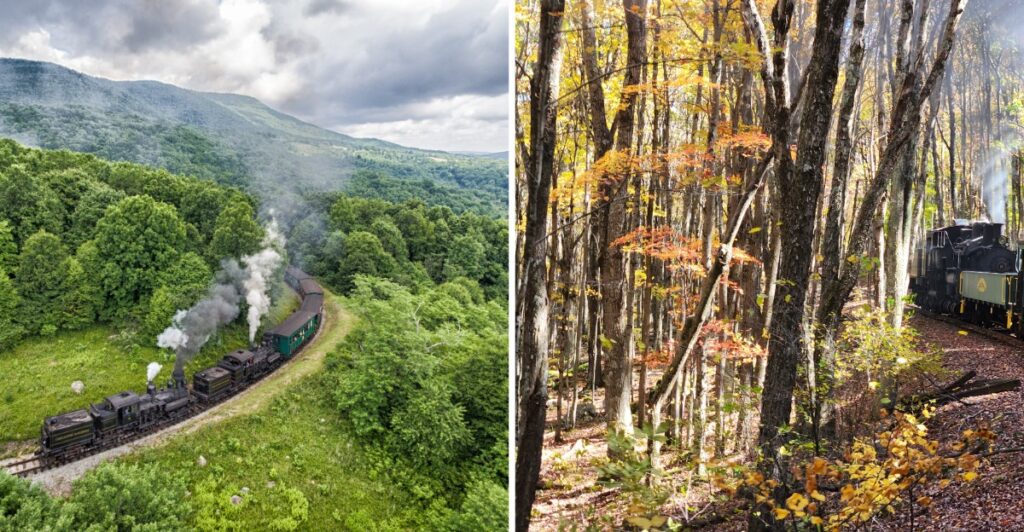
If we are getting on this train, I am taking the window seat.
You can argue with me later.
The ride starts in an old railroad town, then keeps climbing higher into the mountains while the steam locomotive does some very serious work up front.
And you feel the change as you go.
The trees shift. The air gets cooler. The views start opening wider until West Virginia looks completely different from where you started.
The tracks were built for steep logging country, which explains why this is not exactly a gentle roll through the woods.
There are switchbacks, big elevation gains, and plenty of time to watch the mountain unfold outside the window.
So bring a layer, bring some water, and do not rush the day.
Five hours may sound like a long train ride.
But once the mountain starts opening up outside the window, are you really going to be watching the clock?
The Steam Train Climbs More Than 2,000 Feet
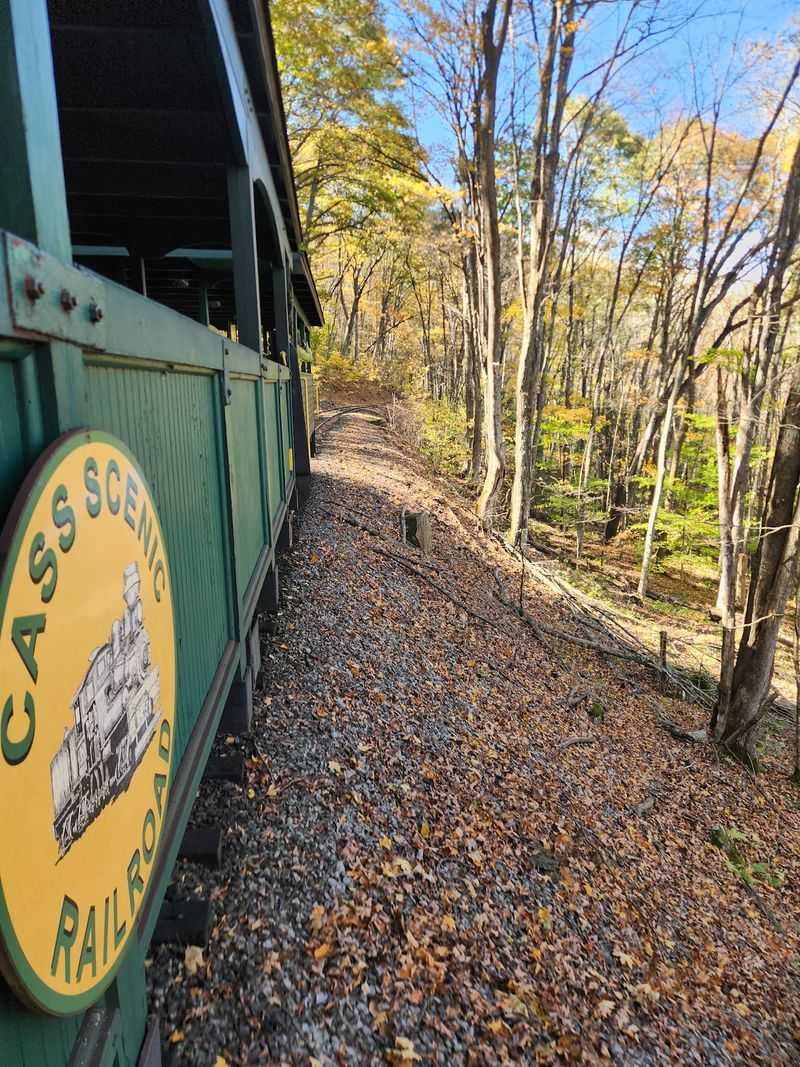
From Cass to Bald Knob, the railroad gains about 2,390 vertical feet.
Cass sits at roughly 2,452 feet above sea level, while Bald Knob reaches about 4,842 feet. Geared steam locomotives handle the steep grades and heavy loads along the mountain route.
Shay locomotives became closely associated with logging railroads because their gearing provides strong pulling power at low speeds. Instead of racing uphill, they work gradually through grades and curves while hauling passenger cars toward the upper mountain.
You can hear the change in effort as the locomotive tackles steeper sections. The exhaust becomes more pronounced, the pace remains deliberate, and the surrounding forest moves past slowly enough to notice individual streams, rock cuts, and stands of trees.
Cell service around Cass and the upper route can be limited, so download anything you need before boarding.
The cars are covered but open on the sides, which keeps the mountain scenery visible while exposing passengers to changing temperatures and wind.
Bring an extra layer even in warmer months, especially if the forecast calls for cooler conditions higher on Back Allegheny Mountain.
The trip runs rain or shine, so a light rain layer can also be useful.
Two Switchbacks Help The Railroad Gain Elevation
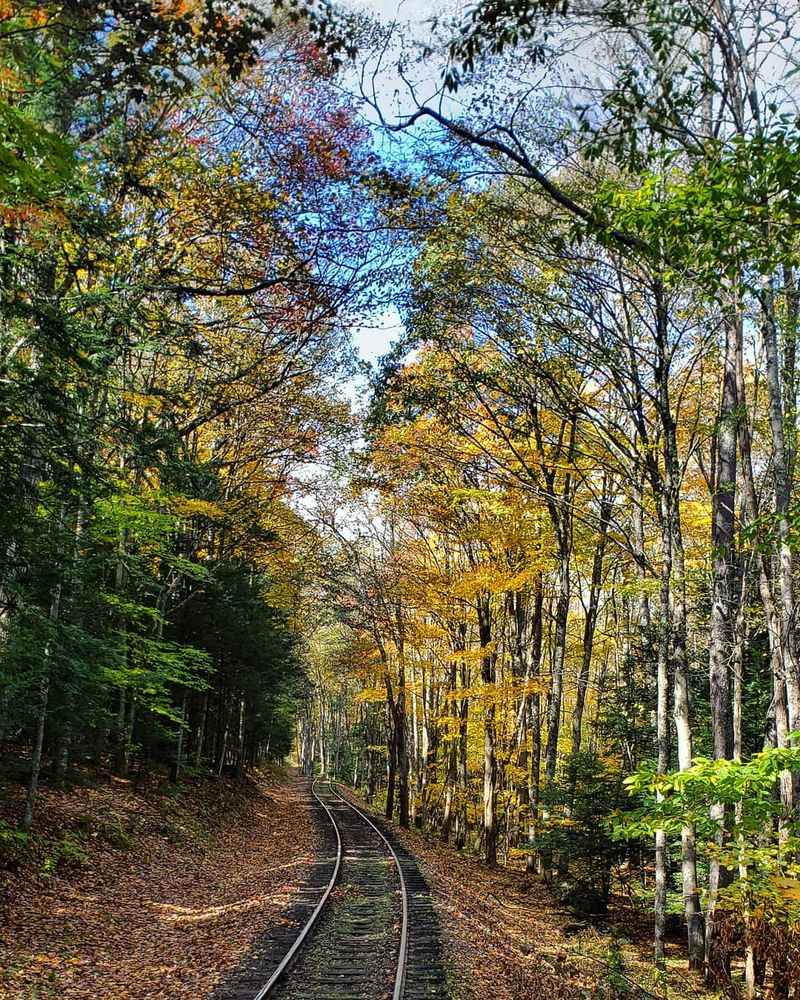
The route to Bald Knob uses two switchbacks to climb the mountain.
A switchback allows a train to gain elevation where the terrain is too steep or confined for a broad sweeping curve. The track changes direction, and the locomotive alternately pushes and pulls the train through different sections of the climb.
On the Cass route, the First Switchback and Second Switchback remain part of the working railroad.
As the train enters a switchback, it pauses while the track is aligned for the next section. The direction then changes and the climb continues.
The railroad was originally built to move timber through steep mountain terrain.
Watch the track during these maneuvers and you may be able to see earlier sections of rail below the train.
The slow movement also gives you time to notice how sharply the railroad climbs across the hillside.
Switchbacks are not decorative additions to the ride. They are functional pieces of railroad engineering that allowed heavy geared locomotives and loaded logging trains to negotiate terrain that would otherwise have required a much longer route.
Back Allegheny Mountain Shapes The Entire Journey
The Bald Knob route climbs Back Allegheny Mountain, and the terrain influences nearly every part of the trip.
Lower sections pass through hardwood forest, while higher elevations bring cooler conditions and changing plant communities.
The steep grade keeps speeds low, and the route uses two switchbacks during the climb.
For much of the route, trees sit close to the track. Openings appear at different points, revealing valleys, ridges, and distant mountain slopes beyond the immediate forest.
The line was created for logging work beginning in the early twentieth century, not for modern high-speed passenger service. Its curves, grades, and track alignment still reflect that original purpose.
The higher the train climbs, the more noticeable the change in atmosphere can become.
Bring a jacket even if Cass feels mild at departure. Temperatures and wind at upper elevations can be different from conditions in town.
If you are taking photos, keep your camera ready during the climb rather than waiting only for the summit. The route itself includes rock cuts, forest openings, switchbacks, and glimpses across the surrounding mountains.
The route gains about 2,390 vertical feet before reaching Bald Knob.
The Scenery Changes As The Train Climbs Higher
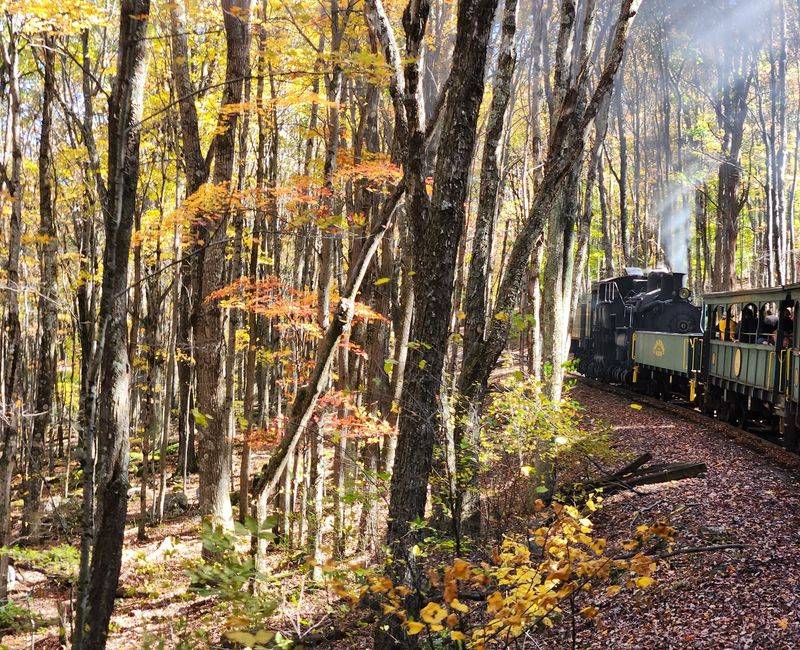
Elevation changes more than the view.
As the train climbs from Cass toward Bald Knob, the vegetation and climate shift with it. Lower elevations feature hardwood forests, while higher sections include spruce and other plants associated with cooler mountain conditions.
That transition becomes more noticeable as the route approaches the upper slopes.
In spring and summer, leaves and wild plants fill much of the trackside landscape. Autumn changes the same slopes with red, orange, yellow, and brown foliage, although peak color varies with weather and elevation.
Higher elevations can also be cooler, windier, and cloudier than the valley below.
Bring layers you can add or remove as conditions change during the five-hour trip.
Wildlife may appear along the route, but sightings are unpredictable. Birds, deer, and smaller animals live throughout the mountain landscape, so watch the woods without planning the trip around a specific sighting.
The open-sided cars make it easy to follow the changes outside.
Traditional wooden bench seating keeps the setup simple, and one wheelchair-accessible car is available with advance arrangements. The excursion also has an onboard restroom in Car 8.
If weather moves in during the climb, the roof provides overhead cover while the open sides keep the outside landscape visible.
Whittaker Station Keeps The Logging Past Close
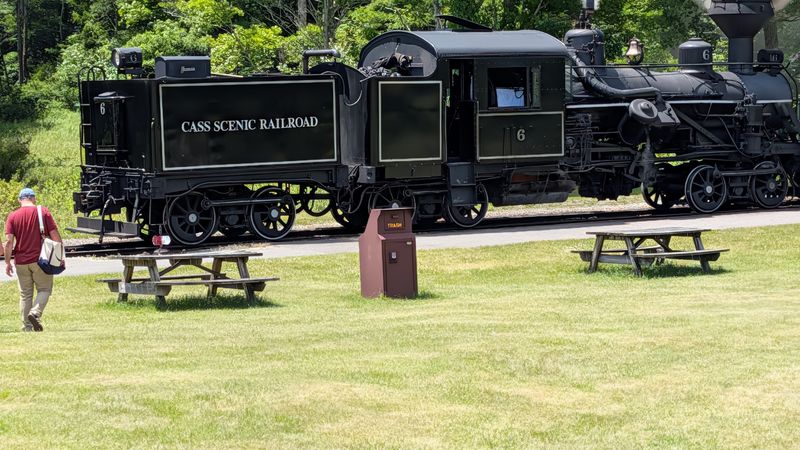
Whittaker Station connects the modern excursion with the railroad’s logging history.
The stop includes a reconstructed logging camp that represents the kind of equipment and working environment associated with the mountain’s timber era.
Cass itself was established in 1901 by the West Virginia Pulp and Paper Company, and railroad construction began that same year to haul timber from the mountains to the mill in town.
The line eventually pushed farther into the high country as logging operations expanded.
At Whittaker Station, historic equipment and camp features give you a closer look at the kind of machinery used during that period.
Restrooms are available at the Whittaker Station picnic area.
The stop also breaks up the long climb and gives passengers a chance to see logging-era equipment at ground level before continuing toward Bald Knob.
Keep an eye on the locomotives and track hardware here as well. The geared engines, steep grades, and compact mountain route date back to a railroad built for moving heavy timber rather than high-speed passenger service.
Bald Knob Sits Nearly 5,000 Feet Above Sea Level
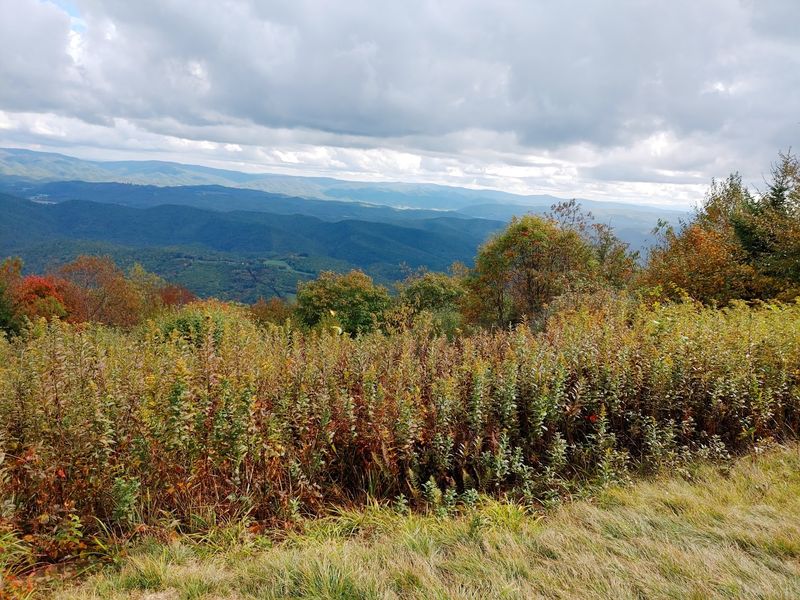
Bald Knob reaches about 4,842 feet above sea level, making it the third-highest point in West Virginia.
The elevation is roughly 2,390 feet above the starting point in Cass.
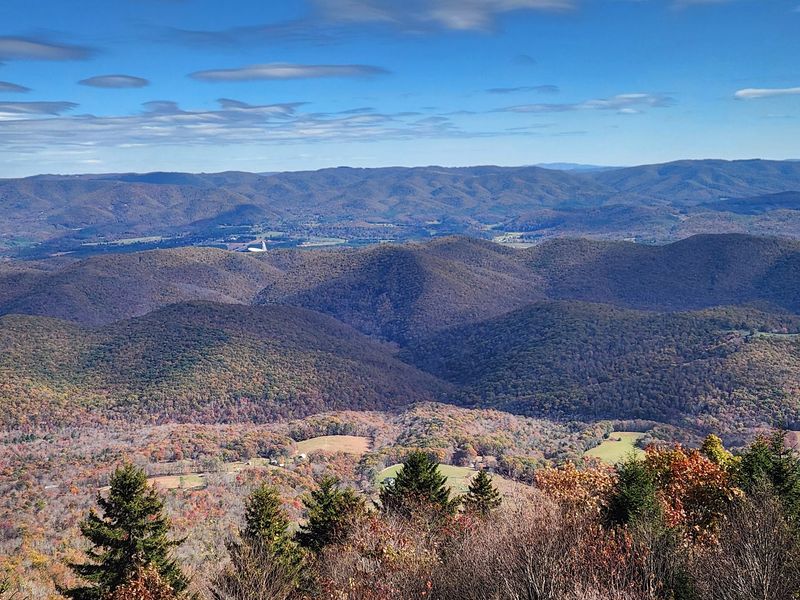
Near the summit, the forest opens to broad views across the Appalachian landscape. Ridges extend into the distance, and clouds can move across the upper mountain quickly.
Bring a warm layer even on a mild day in Cass. Wind and cooler air can make the summit feel noticeably different from the valley.
Visibility also changes with weather.
Clear conditions can open long views across surrounding ridges, while clouds or mist may limit how far you can see. Check the forecast before departure, but expect mountain conditions to shift during a five-hour trip.
The Bald Knob area includes restrooms, giving passengers a practical stop before the return journey.
Take your time around the overlook and stay within designated areas. Mountain terrain near high viewpoints can be uneven, and weather can make surfaces damp or slippery.
The summit is the highest point reached on the excursion. The route to it passes two switchbacks, changing forest communities, Whittaker Station, and the upper slopes of Back Allegheny Mountain.
The Five-Hour Ride Covers 22 Mountain Miles
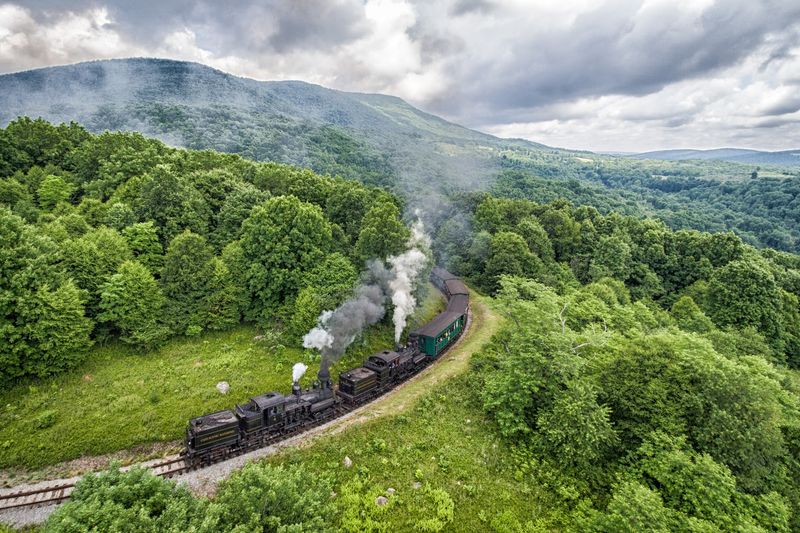
The Bald Knob excursion covers about 22 miles round trip and takes roughly five hours.
Current 2026 service runs seasonally from May through October.
The train uses covered, open-sided passenger cars with traditional wooden bench seating. A cold-cut lunch is included with the excursion, and advance reservations are recommended.
The train operates rain or shine, so dress for the forecast and bring an extra layer for higher elevations.
One wheelchair-accessible car is available with advance reservation, and an onboard restroom is located in Car 8. Additional restrooms are available at Whittaker Station and Bald Knob.
The Cass boarding location is 12363 Cass Road, Cass, WV 24927.
Arrive early enough to park, collect tickets if needed, and get settled before departure.
The historic town of Cass also includes preserved company buildings and railroad-related structures, so extra time before or after the trip gives you room to look around without rushing.
Because the excursion returns along the same route, you get another look at the switchbacks, forests, and mountain grades on the way down.
Pack water, keep a layer close by, and settle in for a slow mountain climb built around steam power, steep track, and more than a century of railroad history.