The best state parks are often the ones that make you feel like you found the map’s secret margin. Utah is famous for scenery that stops people mid-sentence, but the quieter corners can be just as unforgettable without the packed parking lots and crowded overlooks.
These underrated parks trade big-name chaos for open space, strange rock formations, shimmering water, desert silence, and trails that still feel personal. Some are perfect for a slow picnic after a scenic drive, while others invite you to hike farther, stay longer, and let the landscape surprise you.
The variety is the real thrill here, from sandstone country to mountain reservoirs to canyon views that seem to shift with every hour of light. Travelers who only chase the most famous stops miss a deeper side of Utah’s outdoor personality, one filled with room to breathe and reasons to pull over.
1. Kodachrome Basin State Park – Cannonville, Utah
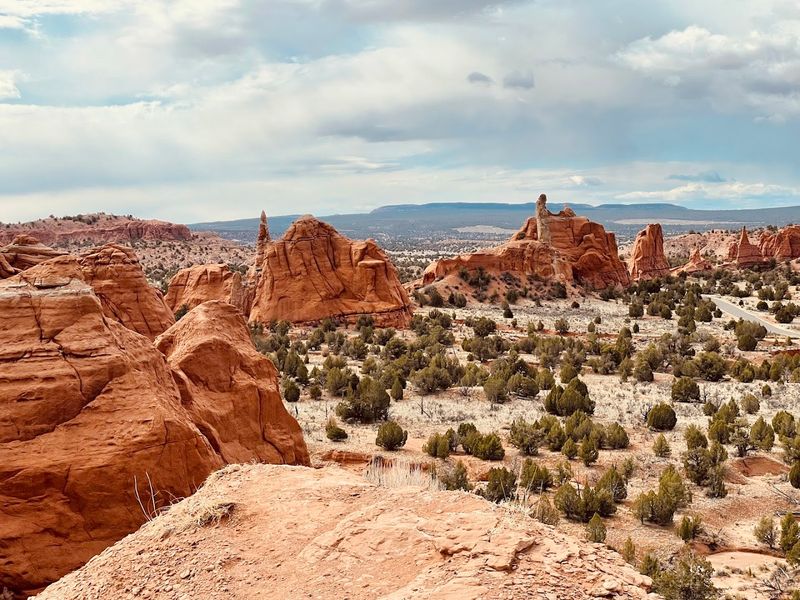
Sixty-seven stone spires jutting out of a rust-colored desert floor is not a scene you forget quickly. Kodachrome Basin State Park, tucked near the tiny town of Cannonville along the edge of Grand Staircase-Escalante, earned its name from National Geographic photographers who visited in 1948 and could not believe the color saturation.
Lucky for us, the name stuck and the crowds mostly did not follow.
The park sits at 5,800 feet, which keeps summer temperatures surprisingly manageable compared to lower Utah destinations. Trails range from easy strolls to longer loops that wind between the spires and open onto sweeping desert panoramas.
The Panorama Trail covers about three miles and is genuinely one of the most rewarding moderate hikes in southern Utah.
Camping here feels like sleeping inside a painting. Sites fill up on holiday weekends, so booking ahead through the Utah State Parks reservation system is smart.
The drive from Bryce Canyon takes under thirty minutes, making this an ideal add-on stop. Bring water, wear sunscreen, and plan at least half a day.
You will want the full afternoon light on those spires before you leave.
2. Escalante Petrified Forest State Park – Escalante, Utah
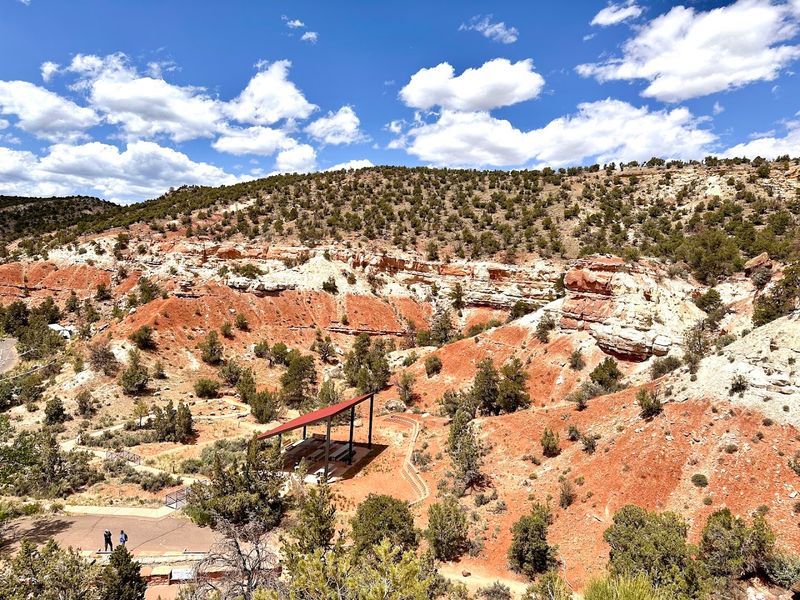
Most people driving Scenic Byway 12 stop for the canyon overlooks and keep rolling, completely unaware that a petrified forest and a swimmable reservoir are waiting just outside Escalante. That is genuinely their loss and quietly your gain.
Escalante Petrified Forest State Park is one of those rare places where geology and outdoor recreation share the same address without either one feeling shortchanged.
The petrified wood here is scattered right along the trail, close enough to study but protected from removal. Colors range from deep purple and burgundy to pale yellow, and the contrast against red Utah soil is striking.
The two-mile Petrified Forest Trail loops through the best concentration of ancient wood and connects to a steeper ridge with wide views of the surrounding canyon country.
Wide Hollow Reservoir adds a layer of fun that most petrified wood sites simply cannot offer. Paddling, swimming, and fishing are all fair game, and the campground sits close enough to the water to make morning kayak launches effortless.
Families traveling Byway 12 should absolutely budget a half day here. It pairs beautifully with a sandwich from one of Escalante’s small local spots before heading deeper into the canyon country.
3. Goosenecks State Park – near Mexican Hat, Utah
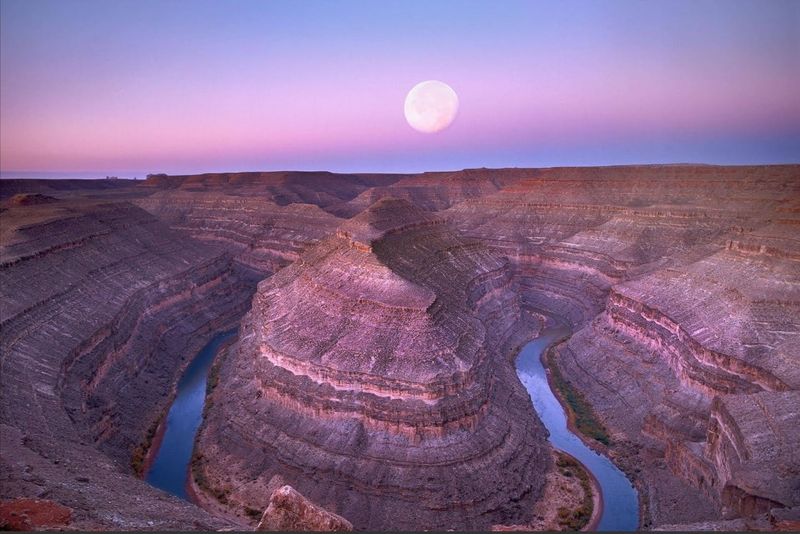
Stand at the overlook and you will understand immediately why geologists use Goosenecks as a textbook example of an entrenched meander. The San Juan River coils back on itself so dramatically down in that canyon that it travels roughly six miles of river to cover just one mile of ground.
It is the kind of view that makes your brain pause and recalibrate its sense of scale.
Located near the remote community of Mexican Hat, Goosenecks is a small park with a very large payoff. There are no entrance fees, no elaborate facilities, and no long hike required to reach the overlook.
You pull up, walk a short distance, and suddenly the earth drops about a thousand feet in front of you. Sunrise and sunset visits reward patience with colors that shift from pale pink to deep copper across the canyon walls.
The park is open year-round, which makes it a solid option even in winter when southern Utah skies are often crystal clear. Cell service is basically nonexistent out here, so download offline maps before leaving Mexican Hat.
Pairing Goosenecks with Monument Valley or Valley of the Gods on the same day creates an unforgettable southeastern Utah loop that most visitors completely overlook.
4. Fred Hayes State Park at Starvation – Duchesne, Utah
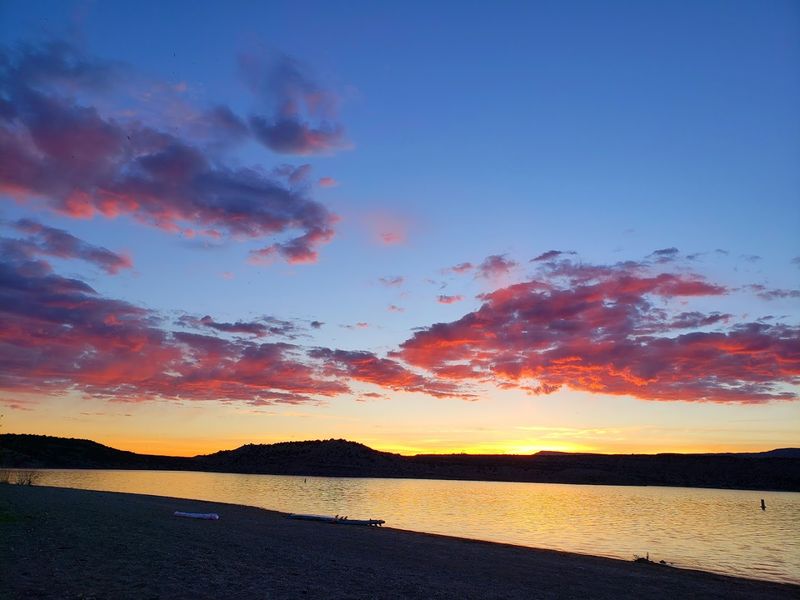
Despite its rather ominous name, Starvation Reservoir is one of the friendliest outdoor playgrounds in northeastern Utah. Fred Hayes State Park wraps around this large reservoir in the Duchesne area, offering a surprisingly diverse menu of activities that most people associate with far busier parks.
The name, for the record, comes from early pioneer hardship in the region, not from anything you will experience at the campground.
Fishing draws a loyal crowd here, with walleye and yellow perch being the reliable targets. Boating and water skiing are popular on calm mornings, and the OHV trails nearby keep off-road enthusiasts occupied for hours.
There is even disc golf and geocaching if you want to mix things up between water sessions. Campsites are genuinely secluded compared to the clustered layouts you find at more famous Utah parks.
The scenery leans toward wide-open high desert rather than dramatic red rock, which gives Starvation a different personality altogether. Sunsets over the reservoir are quietly spectacular in a way that feels personal rather than performative.
This is the kind of park where you show up expecting a decent weekend and leave planning your return trip before you have even unpacked the car at home.
5. Millsite State Park – Ferron, Utah
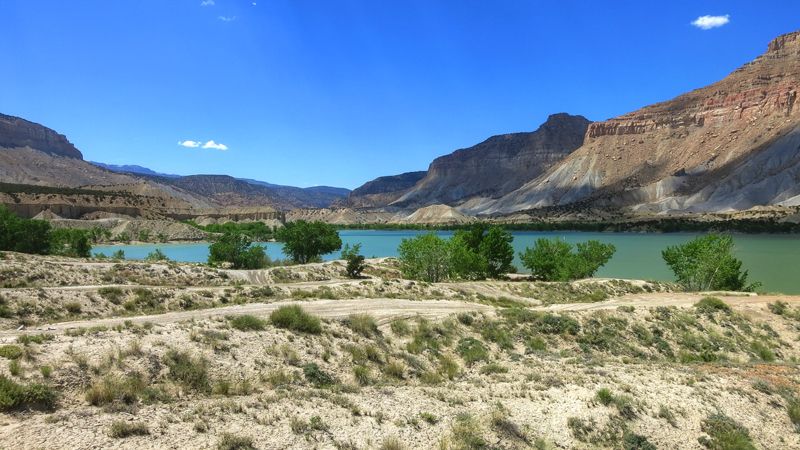
Ferron is the kind of small Utah town that most road maps treat as a footnote, but Millsite State Park makes a strong case for adding it to your itinerary. Tucked into Ferron Canyon at the base of the Manti-La Sal National Forest, Millsite centers on a calm reservoir that feels almost private compared to the busier water parks elsewhere in the state.
The canyon walls frame everything in a way that turns an ordinary afternoon into something worth photographing.
Camping, fishing, and boating cover the core recreational appeal, but the surrounding area layers on considerably more. Mountain biking trails wind through terrain that draws dedicated riders from across the region, and OHV access adds another dimension for those who prefer exploring on four wheels.
A public golf course sits nearby, which is not something most state park visitors expect to find tucked into a Utah canyon.
The campground is well-maintained and rarely overcrowded, which alone is reason enough to consider Millsite when planning a central Utah trip. Summer evenings here cool down noticeably thanks to the canyon elevation, making campfire dinners genuinely comfortable.
Bring a kayak or a paddleboard if you have one, because the reservoir is perfectly sized for a relaxed morning on the water before the afternoon breeze picks up.
6. Steinaker State Park – Vernal, Utah
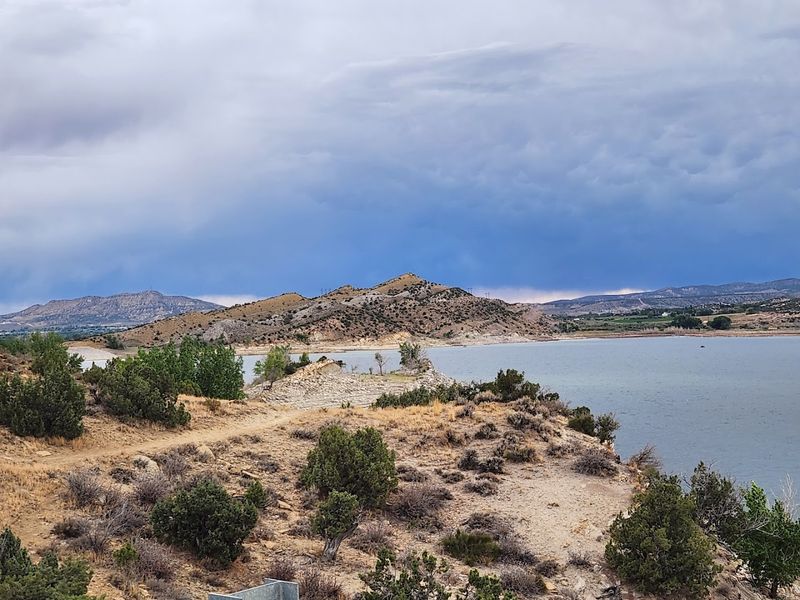
Vernal already pulls visitors in with its Dinosaurland reputation, and most people spend their time at Utah Field House or Dinosaur National Monument without ever discovering that a genuinely lovely reservoir park sits just four miles north of town. Steinaker State Park is that overlooked neighbor, and it delivers a full day of water recreation without the planning complexity of bigger destinations.
The reservoir has a sandy beach area that families gravitate toward immediately, and the water warms up enough by early summer for swimming to feel genuinely inviting rather than heroic. Boating, water skiing, and fishing for rainbow trout and bass keep the active crowd busy from morning until the afternoon winds show up.
The campground is shaded and spacious, with sites that work equally well for tent campers and RV travelers.
What makes Steinaker especially practical is how easily it combines with a Dinosaurland itinerary. Morning at Dinosaur National Monument, afternoon swim at Steinaker, campfire dinner under northeastern Utah stars – that is a full and satisfying day that costs almost nothing and requires minimal logistics.
The park is open year-round, and fall visits offer cooler temperatures with noticeably fewer visitors. Vernal is roughly three hours from Salt Lake City, making this a very achievable weekend escape.
7. Fremont Indian State Park and Museum – Sevier, Utah
Clear Creek Canyon kept a remarkable secret for a very long time. When construction crews broke ground on Interstate 70 in the 1980s, they uncovered the largest known Fremont Indian village ever found, a discovery that effectively halted the highway project and led to the creation of this park.
That backstory alone gives Fremont Indian State Park a narrative energy that most roadside stops simply cannot match.
The museum does an excellent job contextualizing what the Fremont people built and left behind in this canyon over a thousand years ago. Pottery, tools, and interpretive displays fill the exhibit space in a way that feels respectful and genuinely educational rather than clinical.
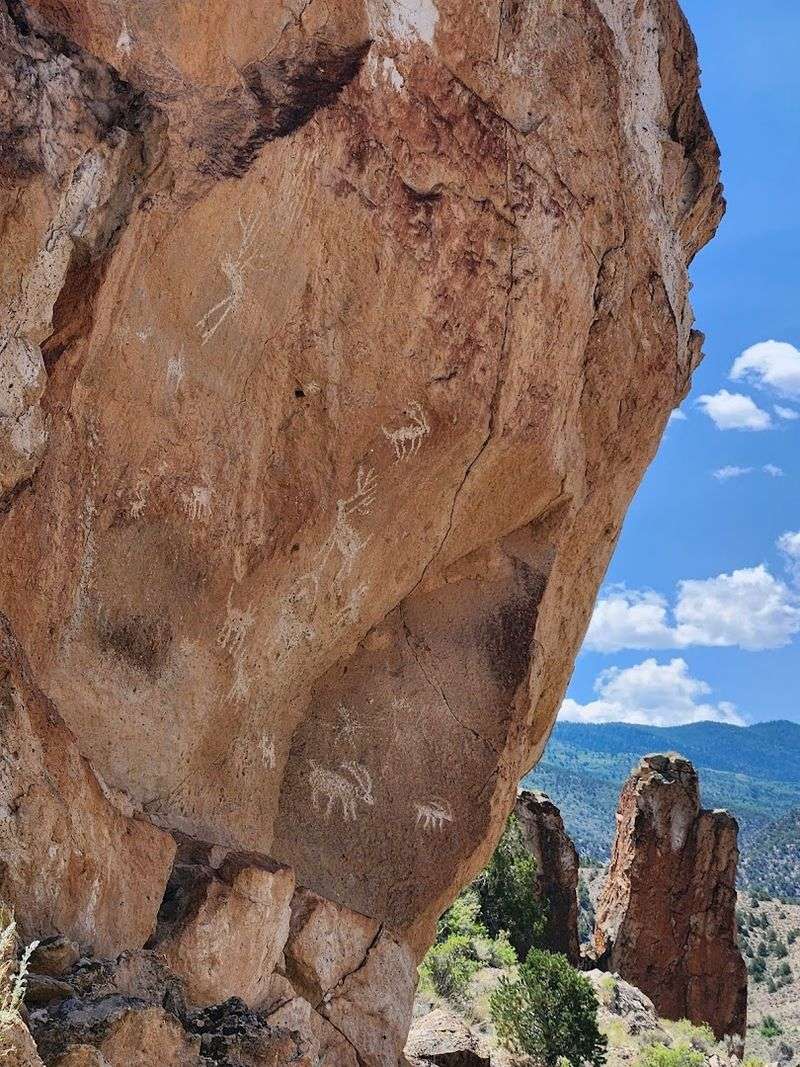
Outside, the trails wind past petroglyphs and pictographs etched directly into canyon walls, and the concentration of rock art here is honestly staggering once you start noticing it.
Camping is available and the setting inside the canyon is lovely, especially in spring when the creek runs well and the cottonwoods leaf out. The park sits right off I-70, which makes it an effortless stop on any cross-state drive through Utah.
Budget at least two hours for the museum and a trail or two. History travelers and families with curious kids will find this one of the most rewarding stops in central Utah.
8. Edge of the Cedars State Park Museum – Blanding, Utah
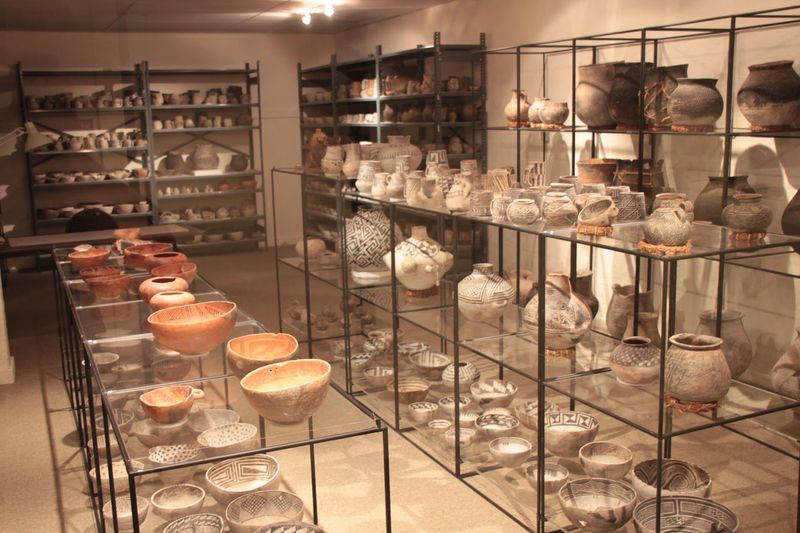
Blanding sits in the quiet southeastern corner of Utah, far enough from the tourist corridor that most visitors never make it there. That is a real shame, because Edge of the Cedars State Park Museum houses one of the most significant collections of Ancestral Puebloan artifacts in the entire Four Corners region.
The pottery collection alone is worth the drive, featuring pieces that range from everyday utility ware to ceremonially decorated vessels of striking beauty.
What separates this museum from a standard exhibit hall is the preserved village site right outside the back door. You can walk among actual structures built by the people who created those artifacts, which collapses the distance between history and the present in a way that photographs and display cases simply cannot replicate.
The kiva is particularly evocative, and the interpretive signage throughout the site is thorough without being overwhelming.
Blanding also serves as a practical base for exploring Bears Ears National Monument, Valley of the Gods, and Goosenecks State Park, all within reasonable driving distance. The museum itself takes about ninety minutes to explore thoroughly.
Admission is affordable, the staff are knowledgeable, and the gift shop carries quality books on regional archaeology. For history-minded travelers, this is one of the most undervalued stops in all of southern Utah.
9. Anasazi State Park Museum – Boulder, Utah
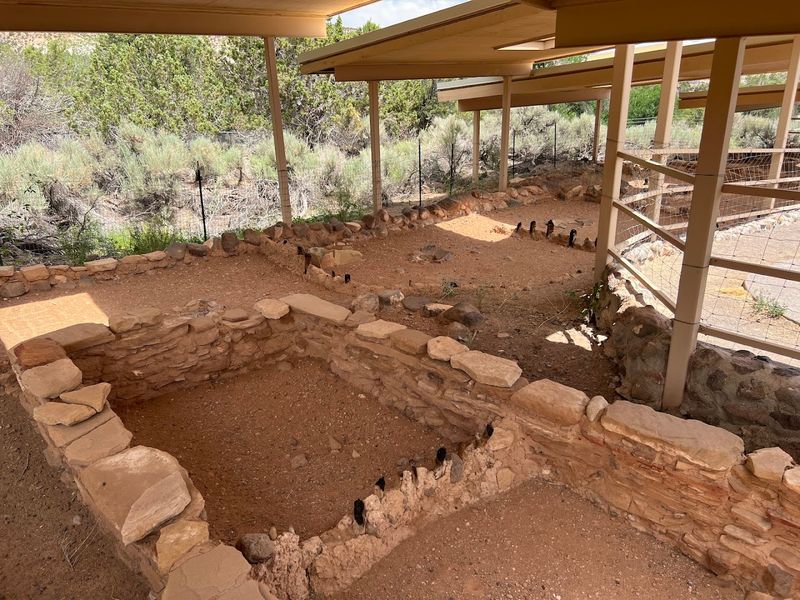
Boulder, Utah has fewer than two hundred permanent residents and sits at the end of one of the last roads in the continental United States to be paved. Getting there via Scenic Byway 12 is an experience that justifies the trip before you even arrive.
Anasazi State Park Museum waits at the other end of that drive like a reward you did not fully anticipate, compact in size but genuinely rich in archaeological substance.
The museum focuses on the Anasazi, the ancient people who inhabited this site roughly eight hundred to one thousand years ago. Exhibits cover their agricultural practices, architecture, and the artifacts recovered from the village site adjacent to the building.
The reconstructed village outside lets you walk through a life-sized interpretation of how these structures looked and functioned, which gives the whole experience a tangible quality that purely indoor museums often lack.
Boulder itself adds to the appeal in ways that extend well beyond the museum. The town has a surprising restaurant for its size, and the surrounding canyon and forest scenery makes lingering feel entirely justified.
Plan Anasazi as the anchor stop on a Byway 12 day trip and build the rest of the drive around it. The combination of world-class scenery and genuine historical depth makes this one of Utah’s most quietly satisfying half-day experiences.