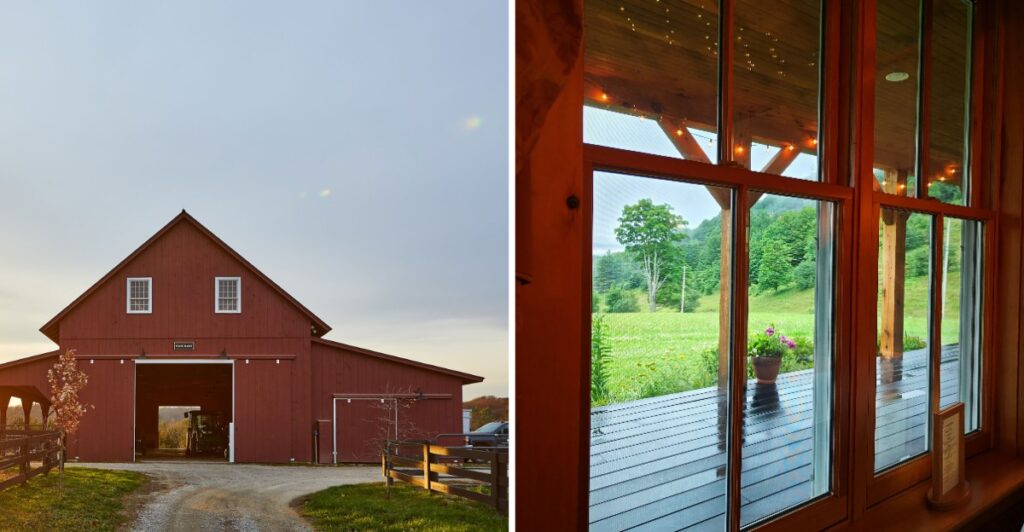
The menu may know it is October before you do.
One week, summer is still hanging around. Then the tomatoes fade, squash starts taking over, and suddenly dinner has moved on without asking permission.
That kind of seasonal shift feels natural in Vermont.
Many restaurants here work closely with nearby farms and small producers, so what is growing nearby can change what lands on the plate. A few kitchens take that relationship even further by growing or raising part of the food themselves.
The ten restaurants ahead do not all follow the same playbook.
Some change dishes constantly. Others build meals around what their own land is producing.
Either way, the calendar has a seat at the table.
And around here, it apparently likes to order first.
1. SoLo Farm & Table
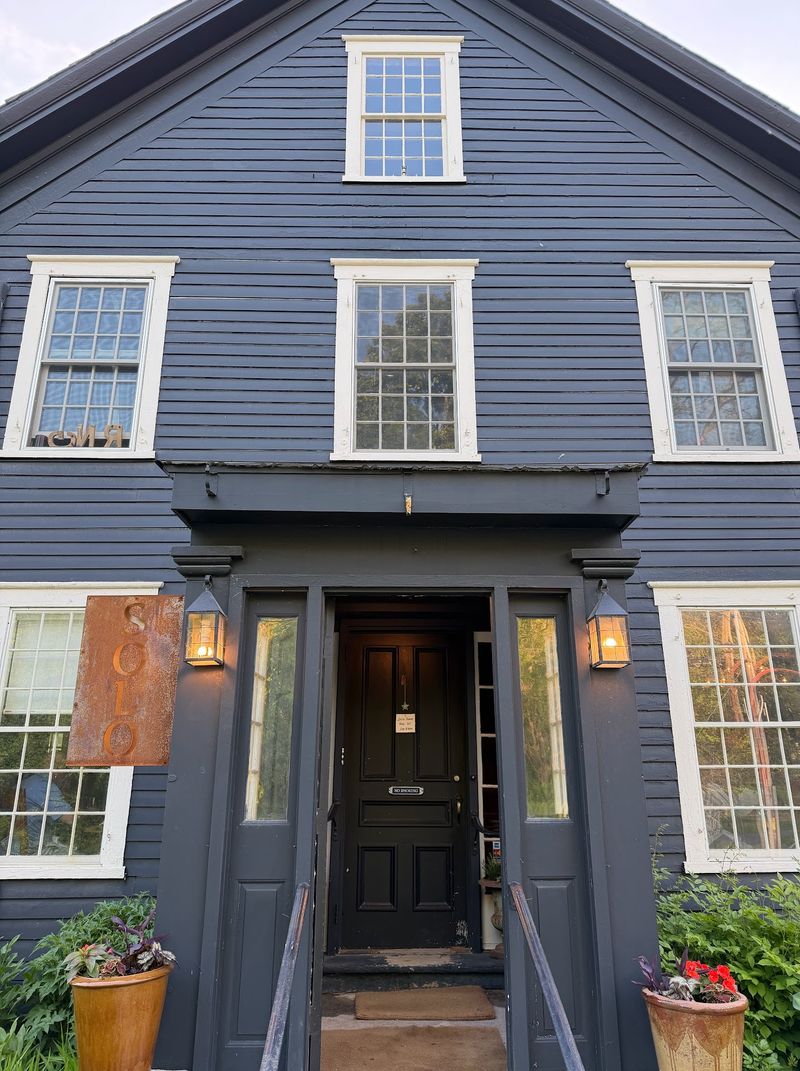
Dinner here begins with an unusually direct connection between the kitchen and the land around it.
During the warmer months, vegetables, fruits, herbs, and flowers are grown on the property, while other ingredients come from farmers, growers, and makers throughout the region.
The restaurant opened in 2011 in South Londonderry, inside a farmhouse believed to date from roughly 1810 to 1820.
Owners Chloe and Wesley Genovart built SoLo Farm & Table around an ingredient-driven style of cooking, and the menu continues to change with the season rather than staying fixed throughout the year.
That makes ordering more interesting than arriving with one specific dish in mind. The better approach is to see what Vermont has produced recently and work from there.
Summer harvests can also carry into winter through preserved ingredients, extending the growing season long after the garden outside has quieted down.
The dining room is intimate, and dinner is currently served Thursday through Saturday. Reservations are especially useful here because service is limited to a few evenings each week.
Even the building helps reinforce the experience. You are eating seasonal Vermont cooking inside a house that has stood for more than two centuries, while some ingredients may have traveled only from the surrounding property to the kitchen.
Address: 95 Middletown Rd, South Londonderry, VT 05155.
2. Cloudland Farm
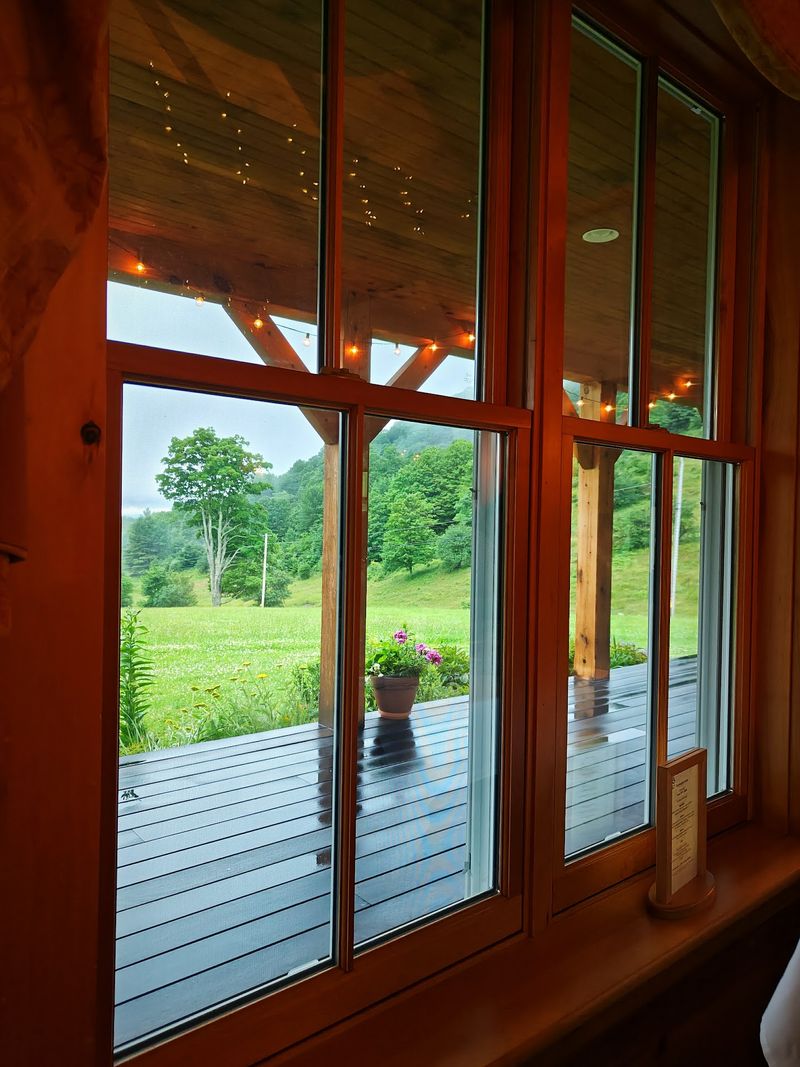
There is very little distance between agriculture and dinner here. Cloudland Farm in North Pomfret operates as a working farm, farm market, and restaurant, with its own natural Angus beef appearing alongside ingredients sourced from other nearby farms.
Chef Mike Borraccio prepares a three-course dinner on select evenings, and the menu changes regularly according to what is available.
A current late-September menu, for example, pairs braised Cloudland Farm Angus beef brisket with green beans, mashed potatoes, pepper salad, and celery salsa verde.
Dessert moves into fall territory with apples worked into a rice pudding plate.
That is the clearest version of farm-to-table dining: the farm is not decorative scenery outside the restaurant. It is part of the food system supplying the meal.
Cloudland posts new menus during the week, so there is little reason to decide on your order far in advance. Dinner is reservation-only, and the farm recommends booking ahead because the limited seatings can fill well before a particular evening.
There is also a farm market on the property selling beef and Vermont-made products. It gives dinner guests another look at the ingredients and producers connected to the surrounding agricultural community.
The setting is rural, the format is structured, and the menu keeps responding to what is ready now rather than trying to make every season taste the same.
Address: 1101 Cloudland Rd, North Pomfret, VT 05053.
3. Starry Night Café
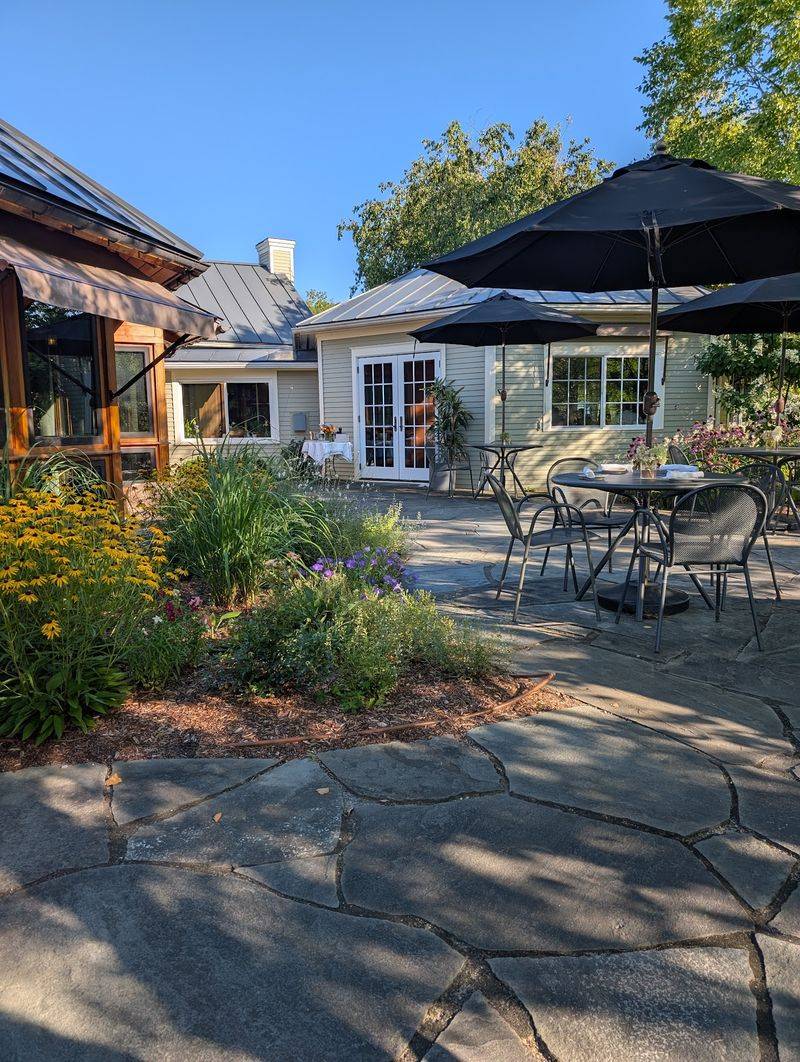
A daily-changing menu leaves little room for seasonal cooking to become stale. Vermont and New England ingredients guide dinner from one service to the next, so the exact lineup can move quickly.
The restaurant has been operating since 2000, and its current food program works with a substantial network of regional producers.
Vermont suppliers represented in its sourcing include farms, dairies, mushroom growers, cheesemakers, and vegetable producers. The restaurant also belongs to the Vermont Fresh Network.
At Starry Night Café, those connections become easier to spot once you look at the menu. Autumn greens can arrive with radicchio, kale, beets, butternut squash, and Vermont blue cheese.
Another plate may put local cheeses beside Charlotte honey, while house-made pastas and coal-roasted vegetables move through different ingredients as availability changes.
The building has agricultural history of its own. Part of the restaurant occupies a former cider press that was relocated from southern Vermont before being converted into dining space. Original beams and floorboards remain in that section.
Your biggest decision may simply be how closely you want to follow the harvest. Vegetables make an especially useful starting point because their preparations can change quickly as one crop replaces another.
Dinner is currently offered Wednesday through Sunday, giving travelers along Route 7 several chances each week to catch whatever the kitchen is working with that day.
Address: 5371 Ethan Allen Hwy, Ferrisburgh, VT 05456.
4. Hen Of The Wood Waterbury
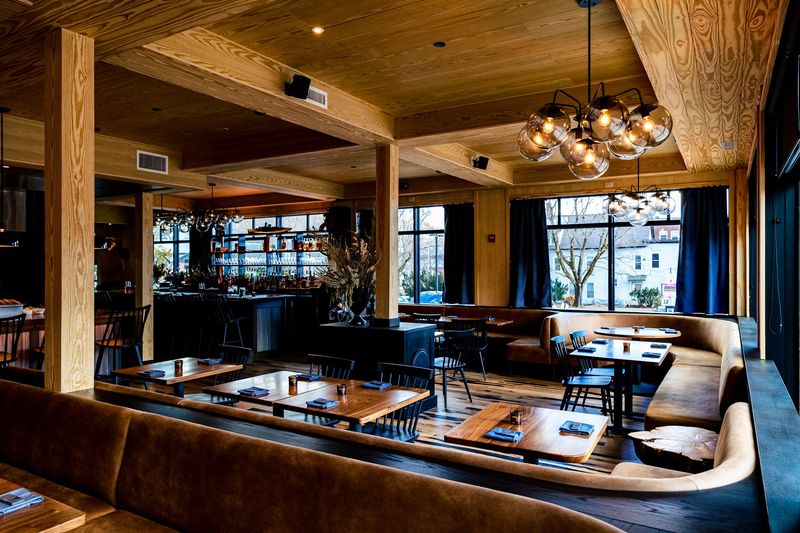
Waterbury has a daily-changing dinner option built around regional sourcing, but its current home is not the old grist-mill setting associated with earlier years.
Hen of the Wood now serves from 14 South Main Street, where the kitchen continues to change its menu around what nearby farms and producers can supply.
Vegetables provide one of the clearest examples. The restaurant identifies Vermont farms supplying produce used on its menu, and specific sources can change as harvests move through the year.
That flexible approach shows up across the plate. Roasted carrots can arrive with maple crème fraîche, cranberries, quinoa, and pumpkin seeds. Beets might be paired with pistachio, citrus, and feta.
Other dishes move through mushrooms, corn, greens, peppers, apples, and regional cheeses without locking the kitchen into one permanent lineup.
There are larger plates, pastas, vegetable preparations, and dishes meant for sharing, but checking a months-old menu would miss the point. Hen of the Wood specifically treats its posted selections as a snapshot because dinner changes so frequently.
Take your cue from the produce rather than looking for the same order you had last season. September and January are supposed to look different here.
The Waterbury location currently serves dinner every day, with later service on Friday and Saturday.
Address: 14 S Main St, Waterbury, VT 05676.
5. Michael’s On The Hill
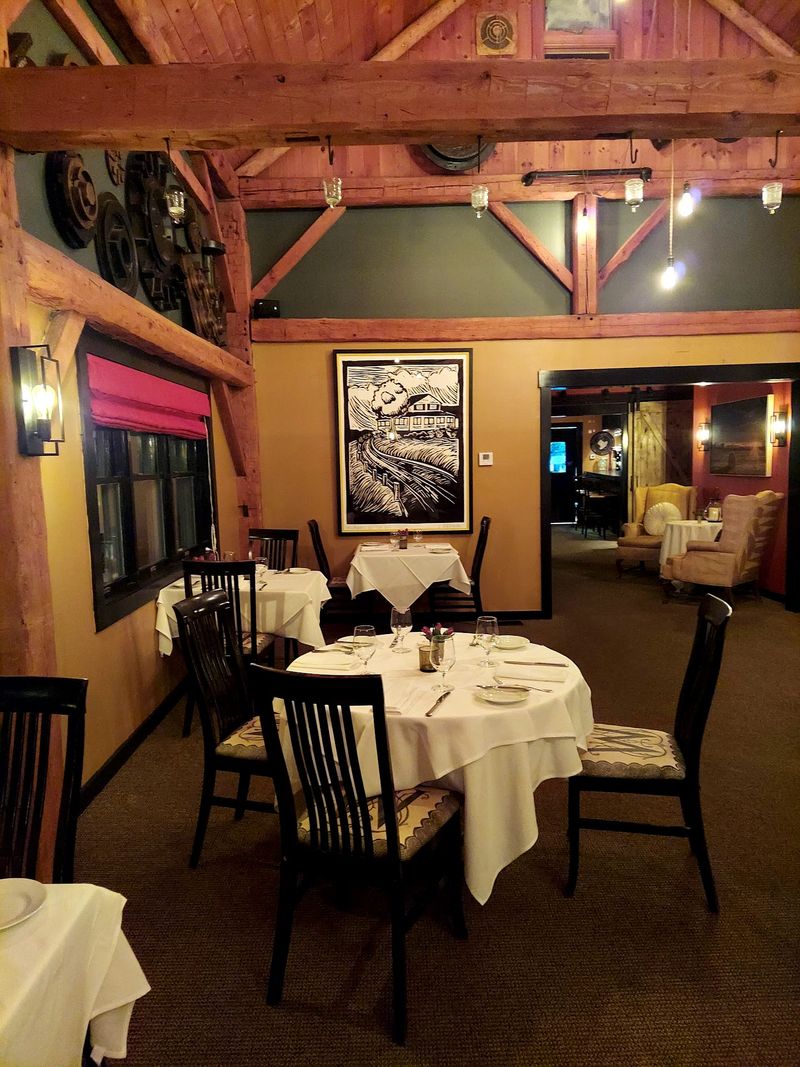
The farmhouse comes first here. The Waterbury Center restaurant occupies a building dating to around 1820, surrounded by lawns, gardens, forest, and Green Mountain views.
Seasonal cooking has remained a defining part of Michael’s on the Hill even after a major ownership change.
Andrew Kohn and Don Jones purchased the restaurant in September 2023 from founders Michael and Laura Kloeti, while retaining its focus on local products and the European-influenced cooking associated with its history.
Menus are organized around what is available during different parts of the year.
Fall selections have included pasture-raised beef with rainbow carrots and potatoes, along with desserts pairing Vermont apples, local cheddar, and honey cream.
Other seasons bring a different collection of vegetables, seafood, meats, and cheeses.
That gives you an easy strategy at the table: pay attention to the ingredients that could only make sense right now. Apples and roots feel natural as autumn settles in, while peas, radishes, and other younger vegetables point in another direction when spring returns.
The kitchen’s connection with Vermont farms is not simply a general regional theme. Michael’s participates in the Vermont Fresh Network and continues to emphasize local sourcing as part of its cooking.
Dinner is offered several evenings each week, making this one of the more traditional sit-down choices on the list.
Address: 4182 Waterbury-Stowe Rd, Waterbury Center, VT 05677.
6. Oakes & Evelyn
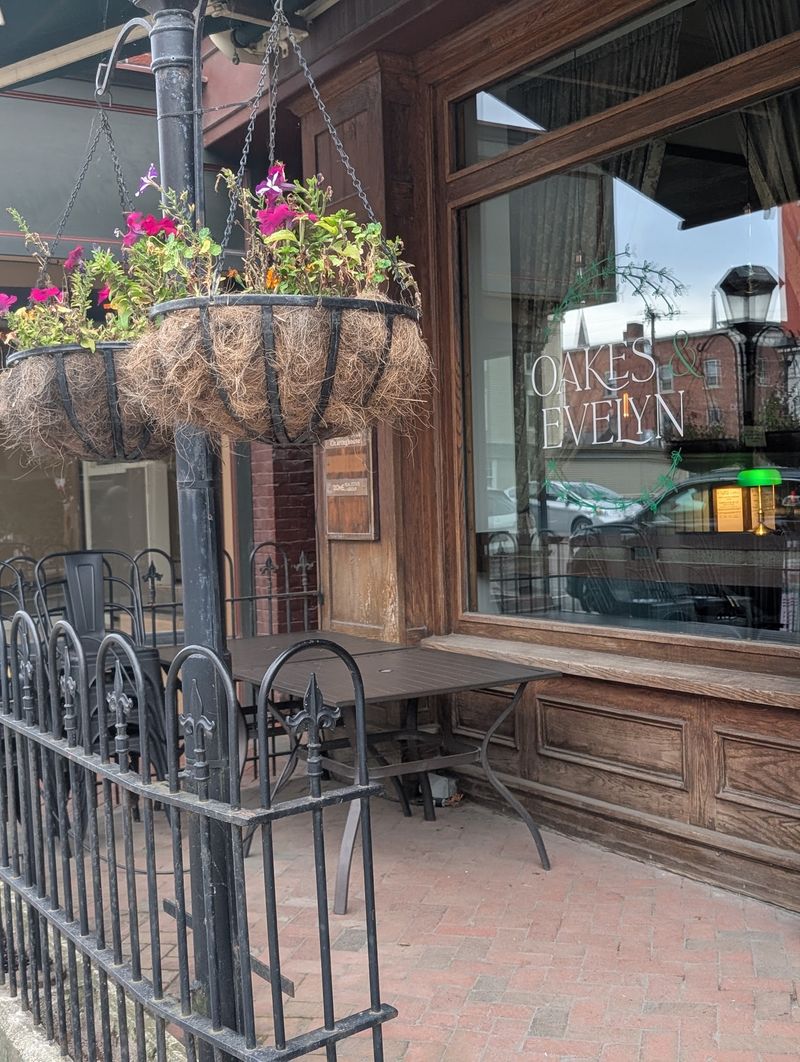
Sometimes farm-to-table cooking makes the most sense in the middle of a small capital city. Local farms and New England ingredients provide the base for a menu designed to keep evolving throughout the seasons at Oakes & Evelyn in downtown Montpelier.
Chef-owner Justin Dain opened the restaurant with an ingredient-first approach. Instead of treating Vermont products as occasional additions, the kitchen builds dishes around what regional growers and producers can supply.
That opens the door to more flexibility than a menu built around rigid year-round signatures. A vegetable at its peak can take a larger role for a few weeks and then make room for something else.
Regional meat, dairy, mushrooms, grains, and produce can move through different preparations as the growing year progresses.
The cooking is modern rather than rustic-for-the-sake-of-rustic. Local sourcing does not mean every plate has to look like farmhouse food. The kitchen can borrow techniques and ideas from farther away while keeping Vermont and New England ingredients at the center.
This is also a useful stop when you want seasonal cooking without leaving downtown. State Street puts the restaurant within Montpelier’s compact central district, so dinner can fit naturally after an afternoon spent exploring on foot.
Oakes & Evelyn currently serves dinner Tuesday through Saturday.
Address: 52 State St, Montpelier, VT 05602.
7. Café Monette
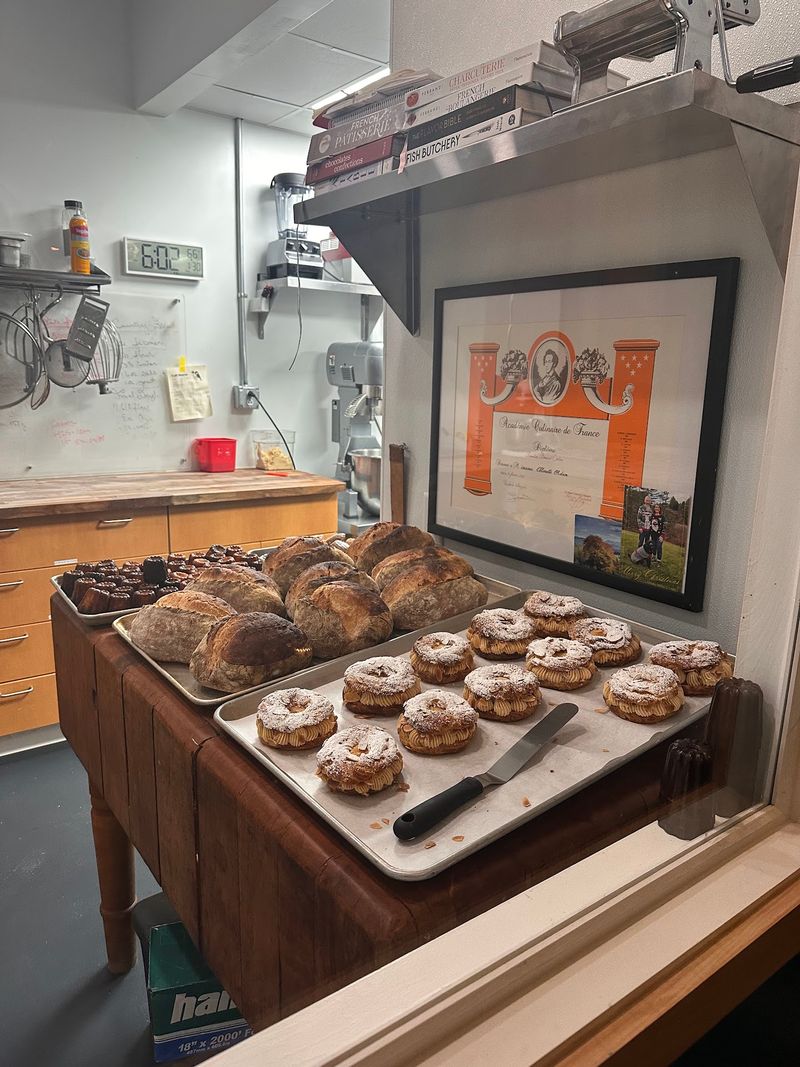
French technique and Vermont agriculture meet neatly in St. Albans, where breads, pastries, entrées, and desserts are made from scratch while the menu changes with the seasons.
Chef Adam Monette leads a kitchen that sources from farms and producers throughout Vermont when possible. Its supplier list reaches into communities including Cambridge, Franklin, Enosburg Falls, Swanton, Highgate Center, and Montgomery.
That local network gives Café Monette room to let traditional French ideas follow a northern New England growing season.
Rather than expecting exactly the same vegetables and accompaniments on every visit, you can watch ingredients rotate as local farms move through their harvests.
Cheese and dairy make particular sense in this part of the state, but produce has plenty of room to influence the plate too. A French-inspired kitchen can turn roots, greens, mushrooms, herbs, and seasonal vegetables in many directions without losing its identity.
For anyone planning a meal, dinner is the current focus rather than lunch. Café Monette serves Wednesday through Saturday from late afternoon into the evening.
Start with whichever dish gives the seasonal ingredients the most room. The technique may draw from France, but the agricultural calendar behind dinner remains unmistakably Vermont.
Address: 97 N Main St, St. Albans City, VT 05478.
8. Philo Ridge Farm
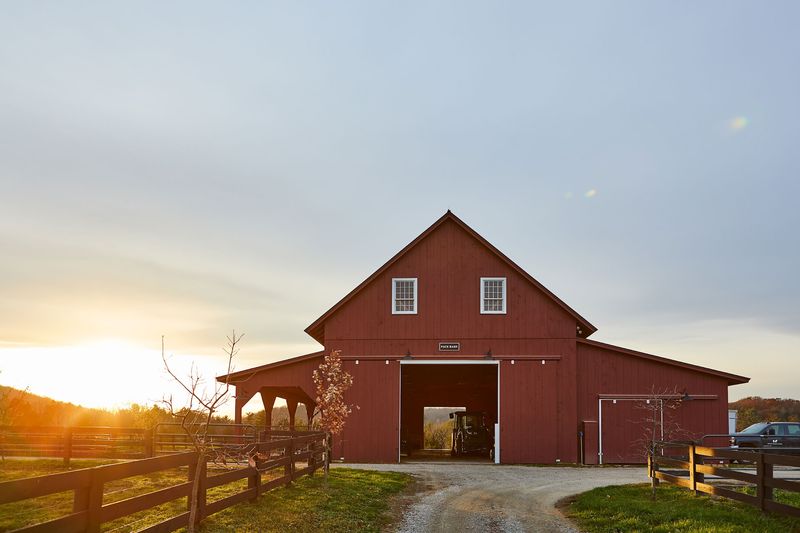
Asking where dinner came from can produce a very short answer here: right on the property. At Philo Ridge Farm in Charlotte, agriculture and dining operate side by side rather than as separate ideas.
The Charlotte property grows certified organic produce and raises pasture-fed livestock on the farm. Its dining program then uses those ingredients in meals that change according to what the land is producing.
The dinner menu can shift weekly because some crops and other farm products are available only in limited quantities.
That makes this one of the strongest literal matches for farm-to-table dining in Vermont. Instead of maintaining a restaurant that happens to purchase local ingredients, Philo Ridge combines agriculture and dining within the same operation.
The kitchen is led by Executive Chef and Director of Food and Beverage Marc St. Jacques. Seasonal vegetables and farm-raised meats anchor the evening menu, while the property’s other food programs offer additional ways to see how the harvest changes through the year.
Summer 2026 also brought a casual wood-fired dining space to the farm, with dishes built around produce and livestock raised nearby. The regular Dining Room and Terrace continue to offer reservation-based dinners Wednesday through Saturday, plus Sunday brunch.
A bigger appetite opens up plenty of possibilities, but vegetables deserve attention here. When a crop was growing within sight of the kitchen not long before service, covering it with unnecessary extras would miss half the fun.
Address: 2766 Mt. Philo Rd, Charlotte, VT 05445.
9. Roots The Restaurant
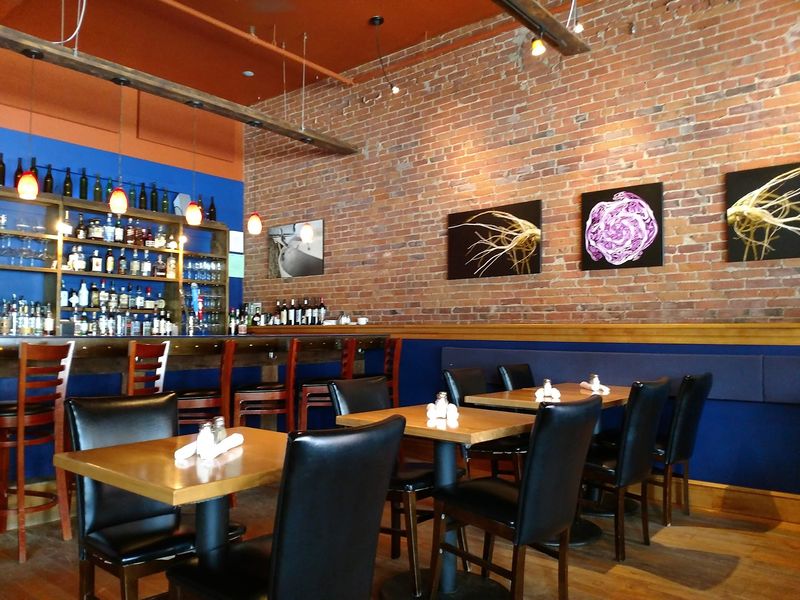
You do not have to be sitting beside a pasture to eat from Vermont farms. Downtown Rutland has a kitchen using produce, meat, dairy, and other Vermont products throughout its menu.
Relationships with farmers and food producers are a stated part of the restaurant’s operating philosophy. The kitchen uses minimally processed ingredients and works with local providers, allowing different crops and products to move into dishes as availability changes.
That creates combinations with a clear regional thread without restricting the menu to old-fashioned preparations.
tVermont beef can anchor a burger or ribeye, local cheese can appear in pasta or vegetable dishes, and fruit can move into sauces and accompaniments as the season allows.
At Roots The Restaurant, one easy route through the menu is to look for the Vermont ingredients called out most clearly and build your meal around those. It keeps the farm-to-table idea concrete instead of turning it into background decoration.
The location also makes Roots useful for travelers who want local sourcing without committing to a remote country drive. The restaurant sits across Washington Street from Rutland City Hall and serves both lunch and dinner during the week.
Menus can evolve, so particular dishes are less important than the sourcing behind them. That is exactly what a seasonal restaurant should allow.
Address: 55 Washington St, Rutland, VT 05701.
10. Rustic Roots
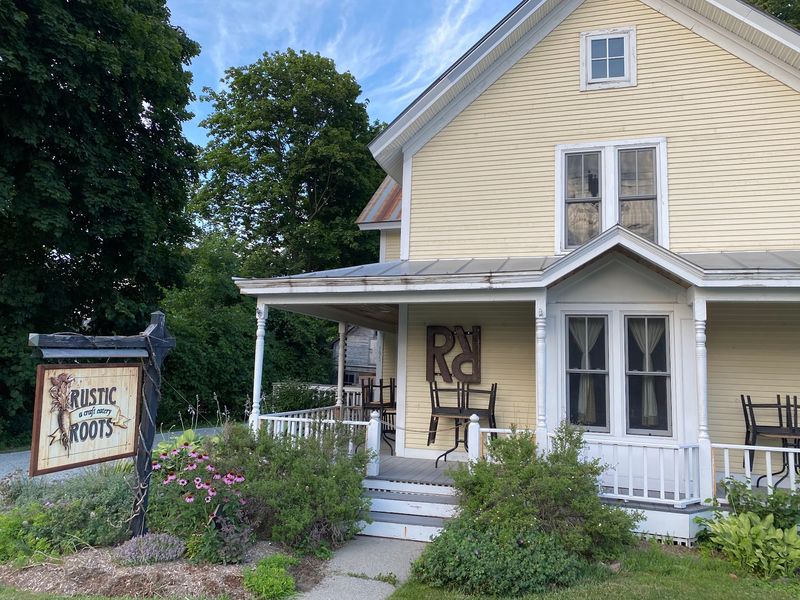
Seasonal eating does not have to wait until dinner. Breakfast and lunch can follow the same calendar, with breads, jams, breakfast meats, and numerous other components made in-house.
Regional ingredients are used when possible, and Rustic Roots in Shelburne maintains a small seasonal garden that contributes to the menu.
The current menu cycle changes with the time of year, so summer vegetables can give way to apples, squash, roots, and colder-weather combinations as Vermont moves toward winter.
Breakfast makes those shifts especially easy to notice.
A seasonal hash can change its vegetables, pancakes can follow the fruit or flavors of the moment, and locally produced maple fits naturally beside the restaurant’s house-made breads and breakfast plates.
Lunch adds soups, salads, sandwiches, and other made-from-scratch choices.
There is an important planning detail here. Rustic Roots primarily operates as a walk-in café using a first-come, first-served waitlist. Regular reservations are not the norm, although larger groups and certain holidays are handled differently.
The restaurant is currently open Wednesday through Sunday from 9 a.m. to 2 p.m. That daytime schedule makes it an easy choice for anyone who wants to see Vermont’s farm-driven cooking through breakfast rather than another evening meal.
Take one of those morning seats and let the season decide what belongs beside the eggs.
Address: 195 Falls Rd, Shelburne, VT 05482.