Antique shopping is basically archaeology with price tags and better lighting. Behind storefronts and along small-town commercial strips, shelves can hold everything from century-old tools to costume jewelry that looks ready for another life.
For travelers willing to browse slowly, the back roads of Utah can turn an unplanned stop into an hour of detours. The fun is never knowing which object will stop you cold: a faded map, a peculiar kitchen gadget, an old book inscription, or glassware too beautiful to leave behind.
These malls reward curiosity more than efficiency, so rushing through them misses half the point. You might arrive hunting for nothing and leave debating whether an antique lamp will fit in the car.
Across quieter shopping corridors in Utah, collections like these offer a personal look at what people once used, saved, displayed, and eventually passed along. Every shelf has a chance to derail the plan.
Cooler Bluffdale Days Start The Slowdown
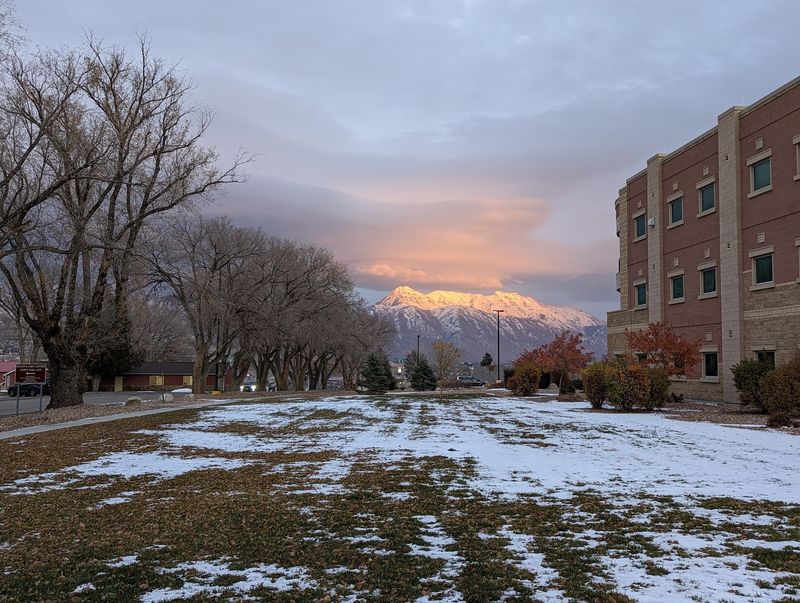
A fall plan gets easier when the subject is already doing something interesting without asking anyone to buy tickets or coordinate three calendars.
Rattlesnakes are cold blooded, which means their bodies depend on outside temperatures. When Utah mornings cool and daylight shortens, they become less active, hunt less often, and begin moving toward winter shelter.
For people near Bluffdale, the main lesson is simple: autumn does not make rattlesnakes vanish overnight. A warm afternoon can still bring one out onto sunlit ground, especially near rocks, brush, or open edges where heat lingers.
Camp Williams State Military Reservation is an active Utah National Guard installation, not a public nature park, so responsible observation means learning from the landscape rather than wandering where access is restricted. Keep distance, watch where you step in permitted areas nearby, and treat falling leaves as a reminder that local reptiles are busy preparing for cold months in their own practical, unsentimental way.
Rattlesnakes Trade Wandering For Winter Shelter
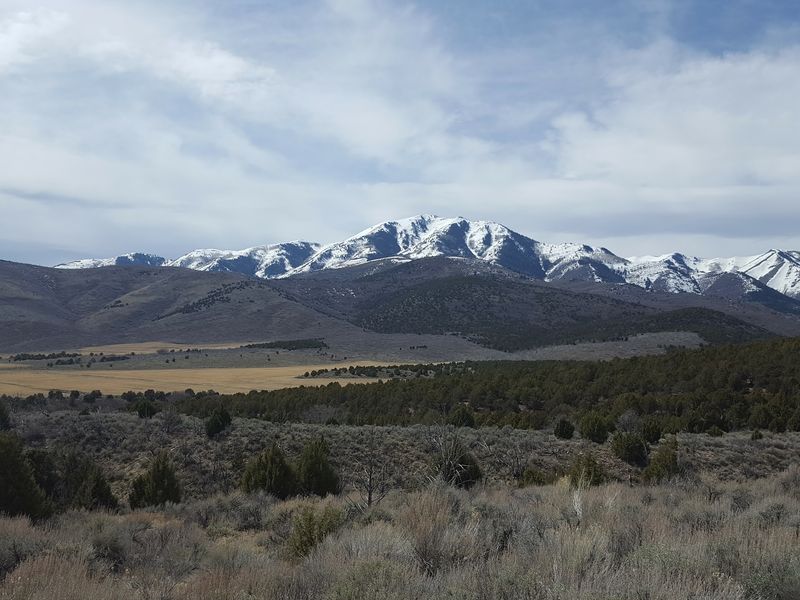
The rattlesnake version of fall planning is refreshingly direct: find a safe place, conserve energy, and stop acting like summer is still in charge. Around Camp Williams State Military Reservation, that usually means moving toward dens, rocky cracks, burrows, or protected spaces that stay more stable than open ground.
Many Utah rattlesnakes enter brumation during cold months. Brumation is not exactly sleep, and it is not the cartoon version of hibernation.
Their body processes slow, but they may still shift position when temperatures allow.
The Great Basin rattlesnake is one species found in northern and western parts of Utah, including habitats with sagebrush, grass, and rocky slopes. These snakes often use dependable winter sites, sometimes returning to the same general denning areas across seasons.
That habit matters because a den is not just a random hole with good real estate instincts. It is a survival tool.
If the shelter stays above freezing and offers cover from weather, the snake has a much better chance of reaching spring. Camp Williams State Military Reservation helps illustrate why large open landscapes still matter, even when their most important fall stories happen quietly underground.
The Foothill Setting Explains The Snake Calendar
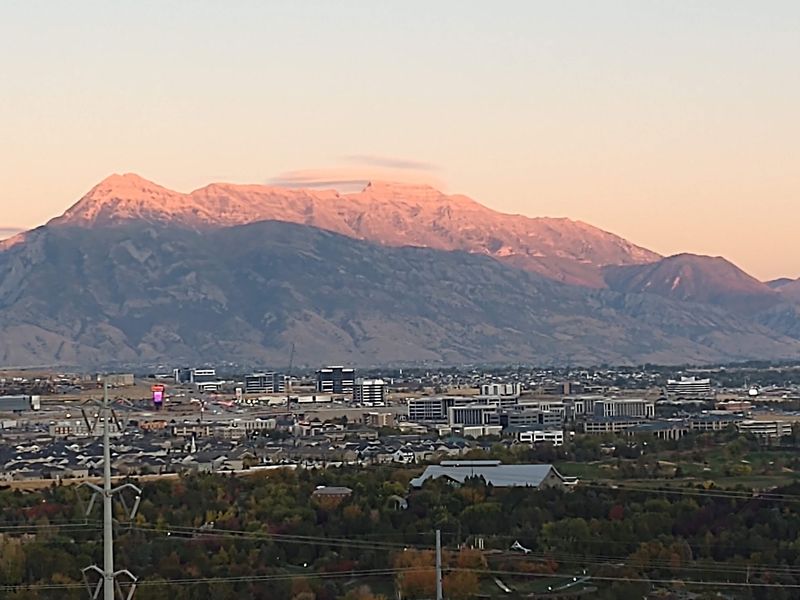
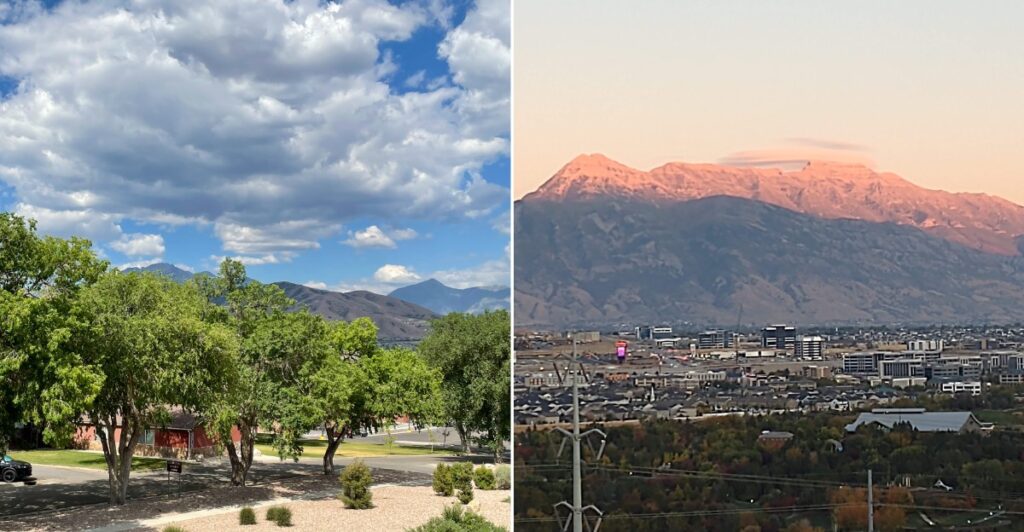
Landscape is not background wallpaper here; it is the schedule maker. Camp Williams State Military Reservation sits in the Bluffdale and Lehi area along the Traverse Mountains, where open ground, foothills, brush, and rocky terrain create the kind of mixed habitat reptiles can use during different seasons.
Autumn changes that habitat in practical ways. Leaves drop.
Grasses dry. Sunlit rocks may stay warm for part of the day, while shaded areas cool faster.
A rattlesnake reads those changes with its whole body, which is a useful skill and frankly more reliable than some phone forecasts.
In warmer months, rattlesnakes may travel more to feed or find mates. As fall deepens, the same landscape becomes a map leading toward shelter.
The snake is not sightseeing. It is balancing warmth, cover, and timing.
For visitors and road trippers passing through this part of Utah, that knowledge changes how the season looks. A slope with scattered rock is not empty just because nothing moves.
Camp Williams State Military Reservation reminds careful observers that many wild routines are not dramatic from the road, but they are highly organized. Autumn is the chapter where movement narrows, choices matter, and survival depends on reading the ground correctly.
Why Returning To Dens Matters In Utah
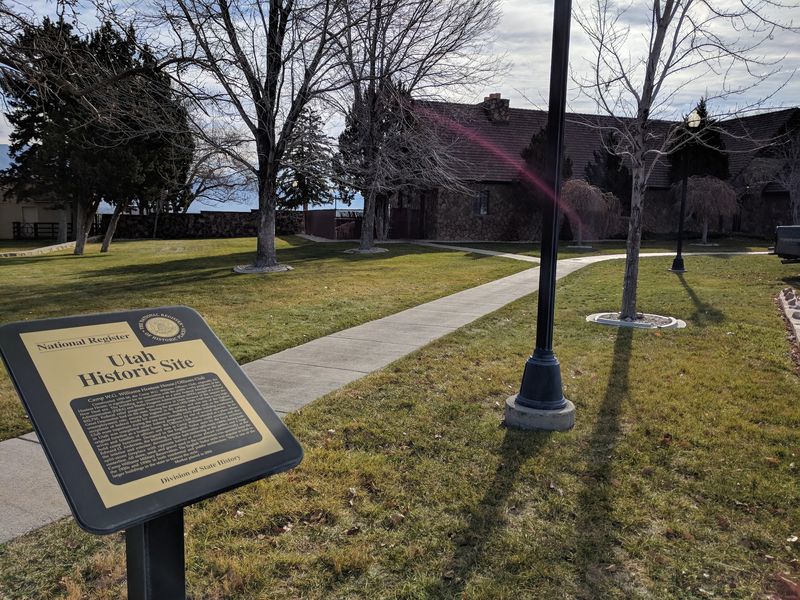
The interesting layer is not that rattlesnakes avoid cold. Most of us do that with sweaters and misplaced gloves.
The deeper story is that many rattlesnakes show strong loyalty to winter den areas, returning when seasonal cues line up.
That return can shape where snakes are seen in fall. Instead of roaming widely, they may concentrate near routes to shelter.
In places like Camp Williams State Military Reservation, where large areas remain undeveloped because of the installation’s military purpose, those natural movement patterns can continue with less everyday disturbance than in heavily built neighborhoods.
Good To Know: A rattlesnake moving in autumn is usually focused on shelter, not causing trouble for passing humans.
Rattlesnakes also serve a real ecological role by feeding on small mammals. That matters in Utah foothill habitats, where rodent populations affect plants, soil, and other animals in ways that are easy to overlook until balance is missing.
Respect is the practical takeaway. Do not approach, poke, trap, or try to move a rattlesnake.
Give it room, keep pets close where they are allowed, and back away slowly if you see one. Camp Williams State Military Reservation is not a casual wildlife viewing playground, but it is a strong reminder that protected space can support quiet, repeat seasonal behavior.
Fall Snake Awareness Fits Real Life Outings
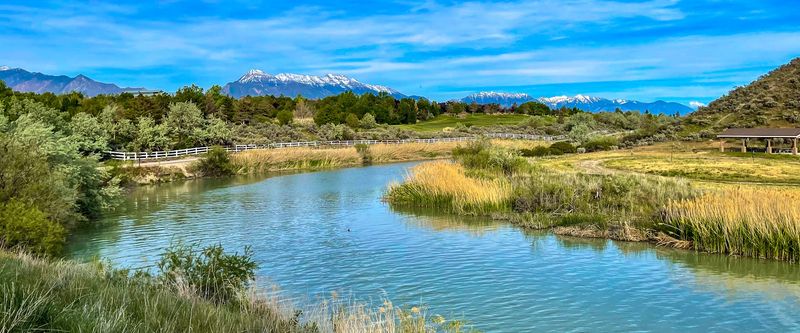
Not every outing needs a souvenir, a reservation, or a debate in the driveway. Sometimes the useful trip is a simple drive through Bluffdale with enough local knowledge to make the hills feel less anonymous.
Families can use rattlesnake brumation as a plain language science lesson: cold blooded animals slow down when temperatures drop, then seek safe winter shelter. No one needs to see a snake for the lesson to work, which is convenient for parents who prefer education without sudden shouting.
Couples or solo visitors may find the same idea gives autumn scenery more depth. The land around Camp Williams State Military Reservation is not just changing color.
It is hosting a seasonal reset for reptiles, small mammals, birds, and plants, each responding to shorter days in its own way.
Weekend travelers should remember that Camp Williams State Military Reservation is an active military reservation with controlled access. The practical approach is to stay on public roads and permitted areas, avoid entering restricted property, and observe the broader setting respectfully.
Across Utah, rattlesnake safety comes down to distance and attention. Wear sturdy shoes in rough terrain, keep hands out of unseen spaces, and never treat a snake encounter as a photo challenge.
Autumn rewards the observant, but it does not require anyone to audition for a nature documentary.
A Simple Saturday Detour With Smarter Eyes
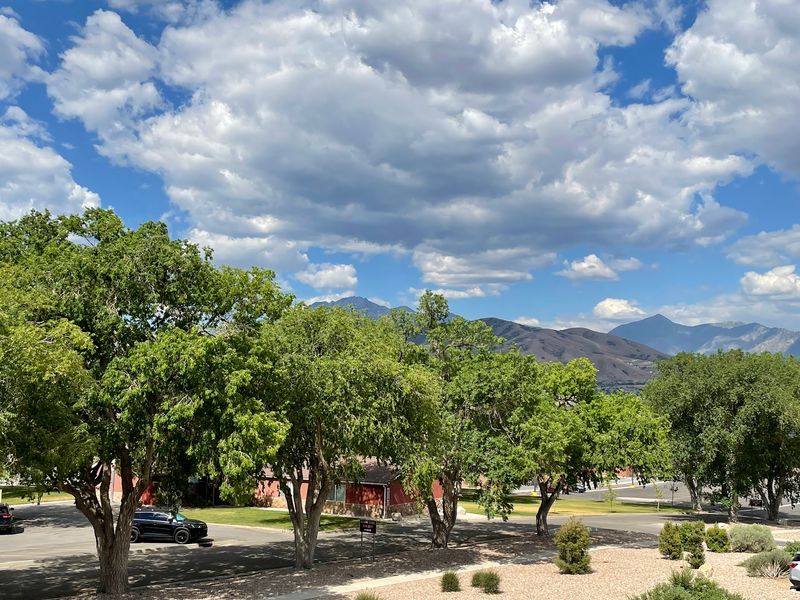
A simple Saturday detour works best when expectations stay realistic. Camp Williams State Military Reservation at 17800 Camp Williams Road, Bluffdale, UT 84065 is not a public hiking attraction where visitors should wander in search of snakes.
Its main role is military training and support for the Utah National Guard.
Still, the surrounding Bluffdale area can make a thoughtful seasonal stop while already out for errands or a drive. Use public routes, respect posted boundaries, and let the place sharpen your attention to what autumn means in this part of Utah.
The practical rhythm is easy. Notice rocky slopes, brushy edges, dry grass, and the way open ground meets foothill terrain.
Those features help explain why rattlesnakes prepare for winter here, even if the animals remain unseen, which is honestly the preferred arrangement for most sensible people.
Bring the usual fall common sense: closed toe shoes if you will be in permitted natural areas, children kept close, pets controlled, and no reaching into rock piles or thick brush. Camp Williams State Military Reservation gives the topic a local anchor, but the lesson travels well.
When leaves start falling, rattlesnakes may still be present on warm days, and the safest wildlife encounter is the one where everyone continues calmly in separate directions.
The Quiet Season Does Not Mean Empty Ground
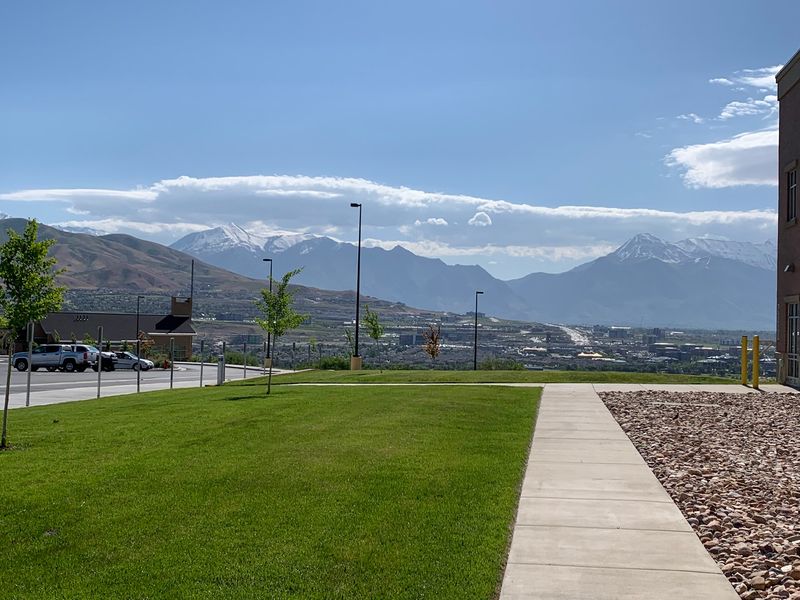
Autumn has a way of making a place look finished for the year, as if nature has closed the register and turned off the lights. Rattlesnakes prove otherwise.
Their fall routine is not an ending, but a careful shift into winter mode.
Near Camp Williams State Military Reservation, that shift includes reduced movement, a search for dependable shelter, and eventual brumation when cold settles in. The process is easy to miss because it is not staged for human attention.
No signs announce it. No neat viewing platform explains the schedule.
That is part of the value. Understanding rattlesnakes in Utah encourages patience with a landscape that does much of its work quietly.
The foothills around Bluffdale hold more seasonal activity than a passing glance suggests, especially when cooling air pushes reptiles toward places that protect them until spring.
The best response is simple and grown up: give wildlife space, follow access rules, and let the season be interesting without needing to handle it. Camp Williams State Military Reservation remains a working military place, but it also points to the larger truth of this corner of Utah.
When the leaves drop, the rattlesnakes are not gone; they are just being better prepared than the rest of us. Text a friend: the snakes have already made their winter plans.