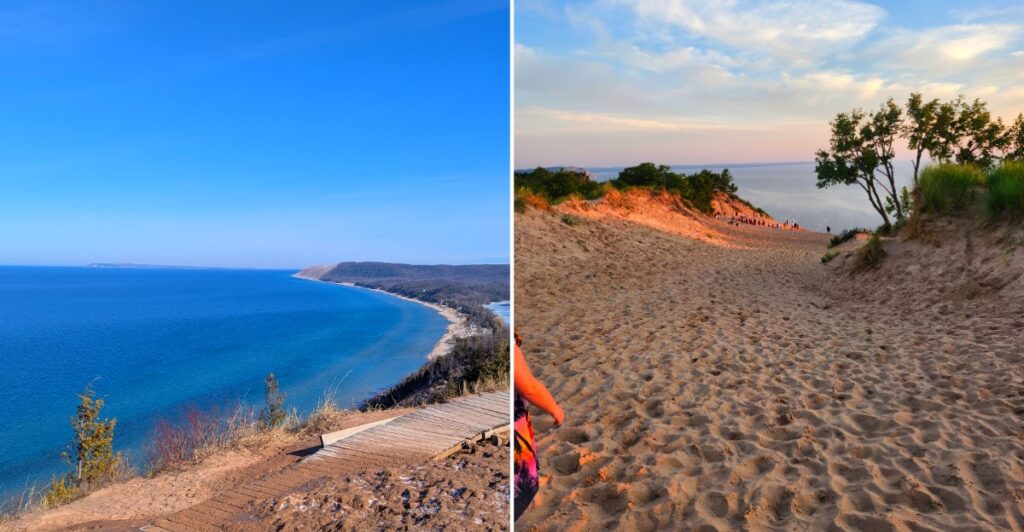
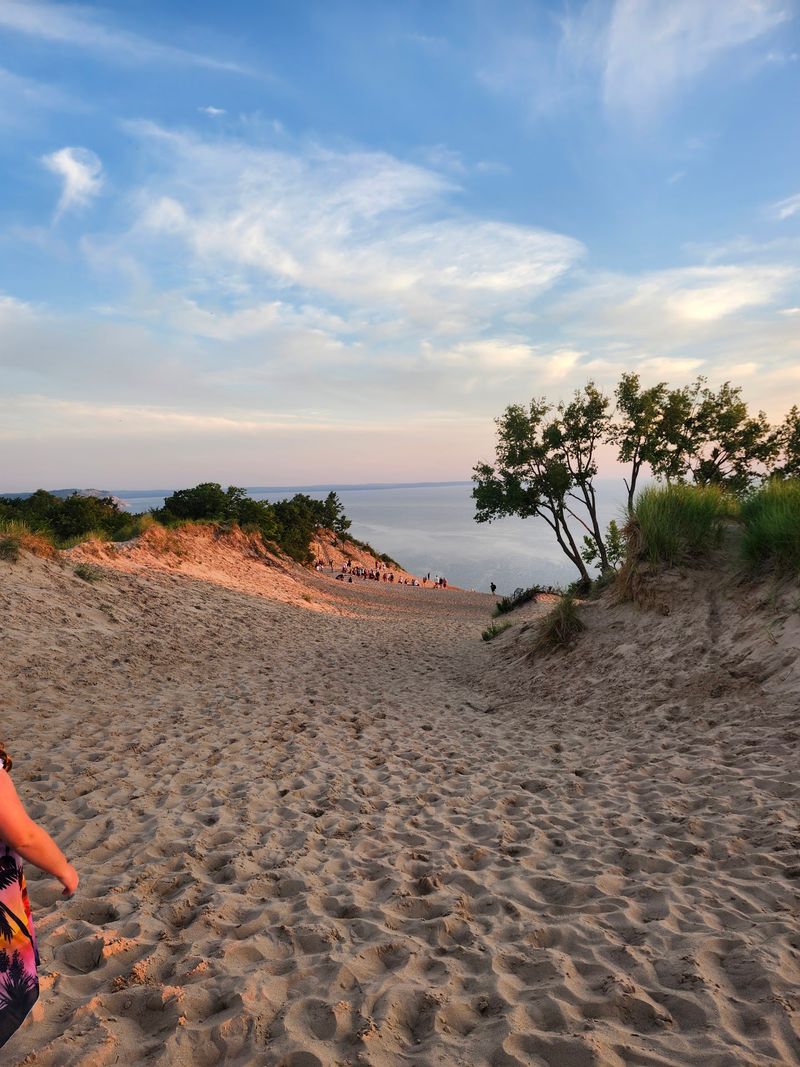
A famous sand dune here turns into a legal sledding hill once winter covers it in snow. Yes, the same slope people sweat up in July becomes a downhill thrill ride in January.
The fun keeps going. A scenic drive closes to cars for the cold months, so hikers, skiers, and snowshoers get the whole road to themselves. Rangers even lead candlelight hikes on winter nights.
I like how this corner of Michigan refuses to hibernate. The same bluffs that draw summer crowds swap beach towels for fall colors, snowy ridges, and quiet trails. I believe that makes the off-season feel like a bonus round.
The beach umbrellas are long gone by then. So what does a giant dune park look like when the crowds go home? Honestly, it might be the best version yet.
Fall Colors Put On a Show Along This Famous Loop
Seven point four miles. Twelve marked stops. One very scenic loop that saves its best costume for autumn.
The Pierce Stocking Scenic Drive is a one-way route through Sleeping Bear Dunes National Lakeshore. Its overlooks show off Lake Michigan, the Glen Lakes, and rolling dunes.
Fall brings stunning foliage along this drive. The trees around the route turn the whole loop into a color tour.
Each of the 12 stops includes information about what you’re seeing. You get a lesson and a view at the same time, which feels like a fair deal.
Timing matters here. The drive is usually open to vehicles from late May until late October.
So an early to mid-fall visit lets you cruise the loop by car. Pack a jacket, because lakeside overlooks can feel breezy.
Bring a camera with a charged battery. Blue water, pale sand, and bright leaves make a combo that’s hard to stop photographing.
Drive slowly and use the pullouts. The whole point is to enjoy each stop, not to set a speed record.
Honestly, summer never stood a chance against this palette.
Start With The Map Before Heading To The Dunes
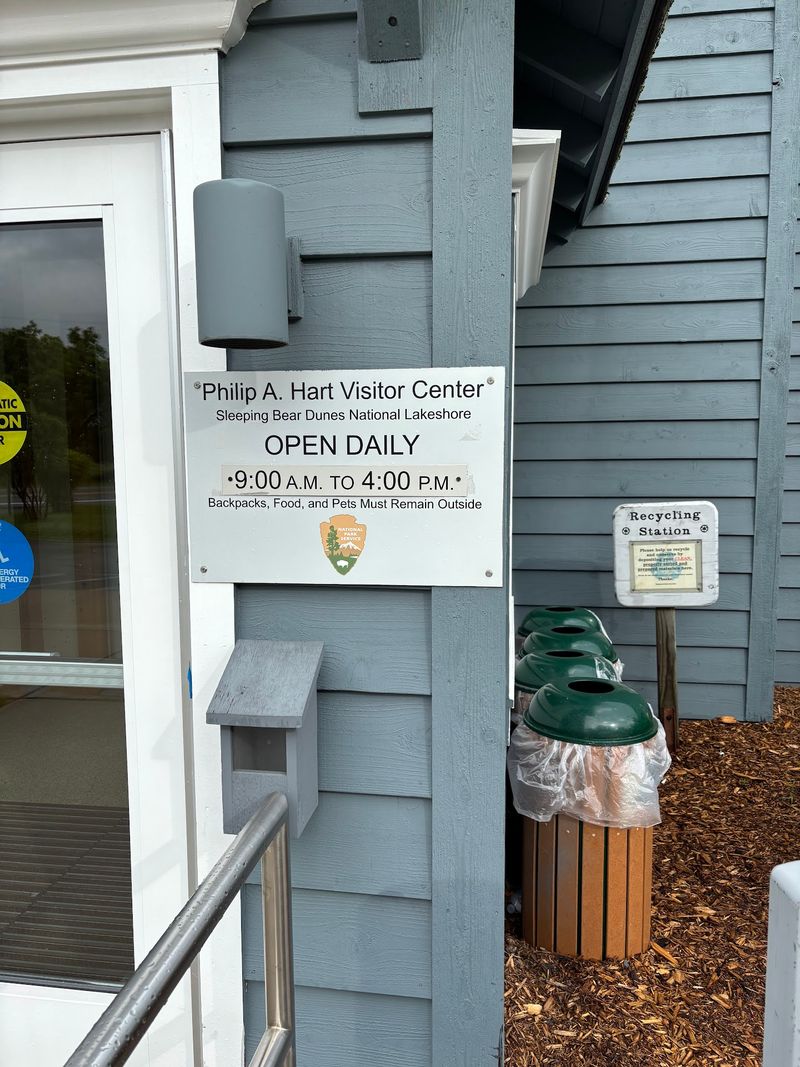
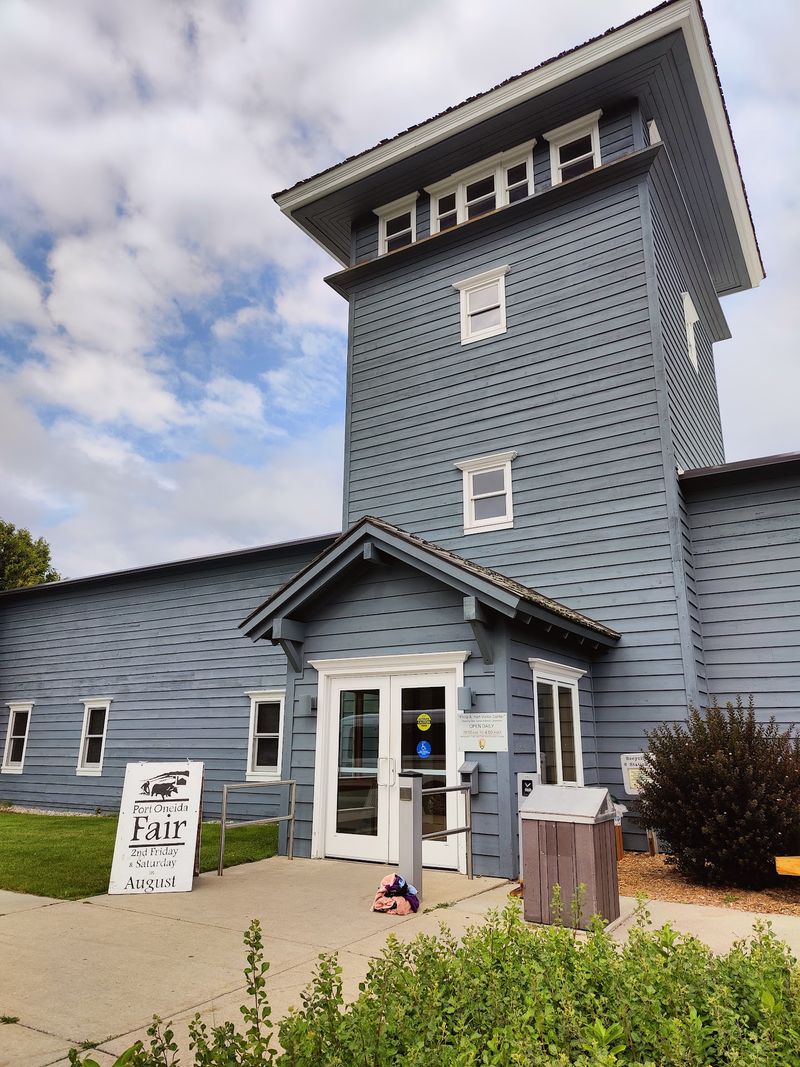
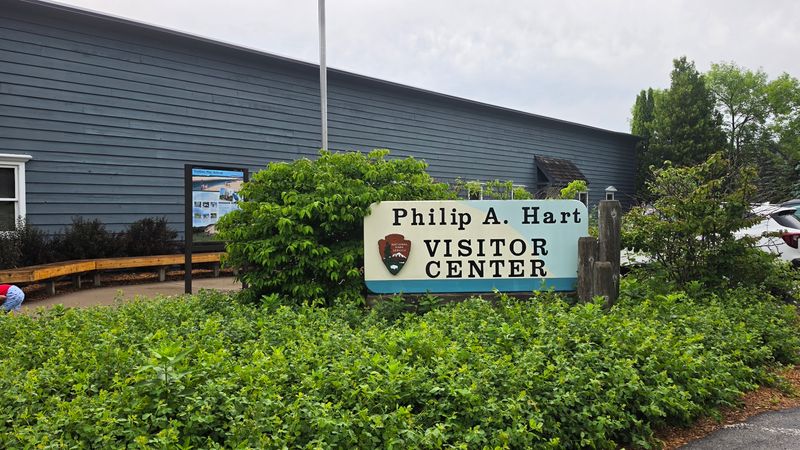
Sleeping Bear Dunes National Lakeshore stretches along Michigan’s northwest coast. From Traverse City, follow M-72 west to Empire and the Philip A. Hart Visitor Center.
The visitor center sits just east of the M-72 and M-22 intersection, making it a straightforward starting point for the park’s scattered access areas.
Park at the center, consult current seasonal closures and choose an accessible trail or beach before continuing by car.
You Get a Whole Scenic Road With Zero Traffic
Cars leave, and people take over. Once the Pierce Stocking Scenic Drive closes to vehicles for winter and spring, it becomes a popular route for walkers.
No engines, no brake lights, and no hunting for parking at each overlook. Just you, the snow, and a road that suddenly feels like a private trail.
When snow piles up, you can explore it on cross-country skis. Snowshoes work too, which is great if gliding isn’t your thing.
The loop still has its famous viewpoints of Lake Michigan and the dunes. Reaching them on foot just makes the view feel earned.
Go at your own pace and turn back whenever you like. You don’t have to finish all 7.4 miles to have a great day.
Dress in layers you can peel off. Snowshoeing warms you up faster than most people expect.
Bring water and a snack, even on a short outing. Cold air can sneak up on your energy level.
A closed road usually means bad news. Here, it means the best seat in the house just opened up for anyone willing to walk.
Bring a Sled Because the Dune Climb Changes Jobs
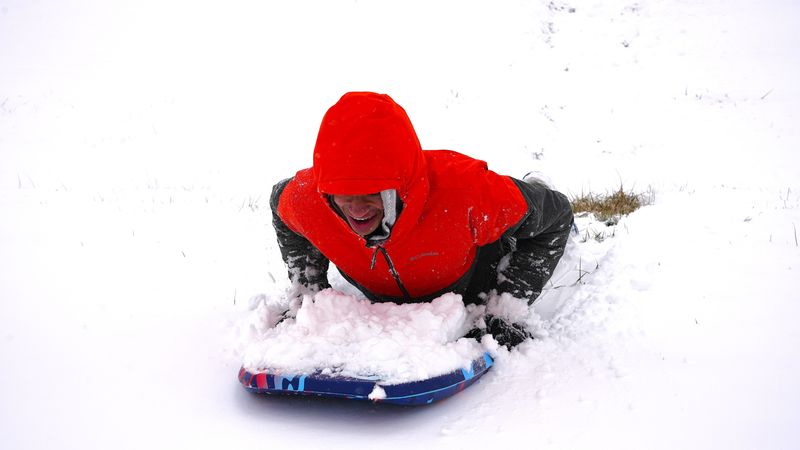
Summer visitors know the Dune Climb as a calf-burning hike up a giant wall of sand. Winter flips the script in the most fun way possible.
When snow covers it, the Dune Climb becomes a designated sledding area. You still have to trudge up, but now you get a fast ride back down.
Kids will probably treat this like the main event of the trip. Adults may pretend they’re only there to supervise, at least until the first run.
Sledding here works best with a few simple habits. Look downhill before you push off, and move aside quickly at the bottom.
Dress for snow, not just cold. Waterproof pants and gloves make repeat runs far more enjoyable.
Pack dry socks in the car. Trust me, wet feet end sledding days faster than tired legs.
Check snow conditions before driving out, since Michigan winters can be unpredictable. A thin dusting won’t give the same ride as a deep layer.
The climb is still a workout every time. That’s the price of admission, and the trip down pays it back in giggles.
Over 100 Miles of Trails Wait for Boots, Skis, or Snowshoes
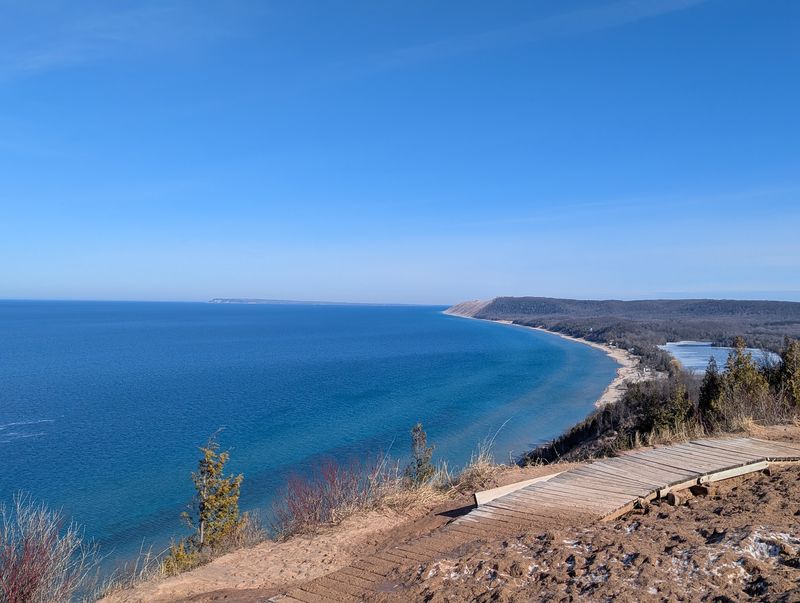
More than 100 miles of hiking trails wind through this park. Plenty of them welcome cross-country skis or snowshoes once the snow arrives.
The Empire Bluffs Trail is a crowd favorite for good reason. It’s about a 2-mile round trip with views of Lake Michigan.
That short distance makes it a solid choice on chilly days. You get a big payoff without spending hours outside.
Want sand under your feet instead? The Sleeping Bear Point Trail is a 2.8-mile loop that winds through the dunes.
Walking sand takes more effort than walking dirt. Give yourself extra time and expect your legs to notice.
Alligator Hill is another trail worth knowing. It works for hiking and is known for advanced skiing in winter.
The word advanced matters there. Beginners should probably save it until they feel steady on skis.
Snowshoeing is allowed on all snow-covered dunes, fields, and forests in the lakeshore. That opens up a lot of room to roam.
Pick a trail that fits your group, then grab a map first. Wandering is fun, but getting lost is not.
A Paved Path That Keeps Working When Snow Falls
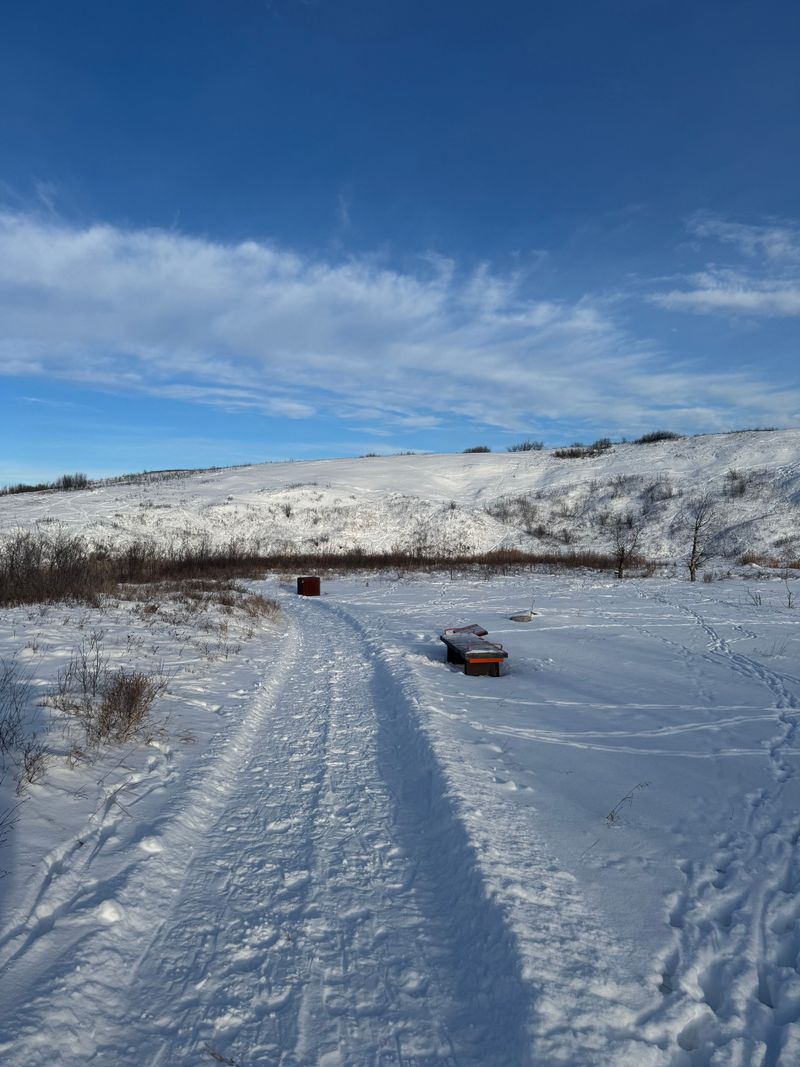
Some trails nap for winter. The Sleeping Bear Heritage Trail grabs its skis instead.
Normally, it’s a paved multi-use path that links different areas of Sleeping Bear Dunes National Lakeshore. It lets people explore without hopping back in a car every few minutes.
In winter, portions of the trail get groomed for skiing. Both classic track and skate skiing are part of the plan.
Classic skiing uses set tracks, like rails for your skis. Skate skiing uses a wider, smoother lane and a side-to-side push.
If you’re new, classic track usually feels easier to learn. Skate skiing burns more energy, so pace yourself.
The paved base underneath helps make the trail a friendly choice. It’s generally gentler than steep backcountry routes.
That makes it a nice option for mixed groups. Skilled skiers and curious beginners can share the same outing.
Check which sections are groomed before you go. Conditions change with snowfall and temperatures.
A summer bike path turned winter ski lane? That’s what I call a hardworking trail with a great attitude.
Rangers Light the Way on Candlelight Nights
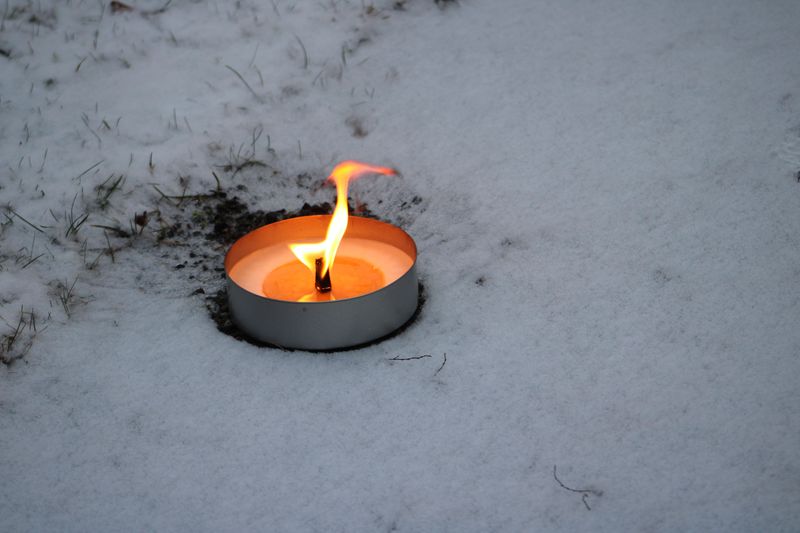
Darkness, snow, and a trail glowing with candlelight. Candlelight hikes are a special winter event at Sleeping Bear Dunes National Lakeshore.
These outings let you see the dunes area at night in a calm, quiet setting. It’s a totally different mood from a sunny afternoon.
Ranger-led programs run throughout the year, not just in summer. Topics have included geology talks at the dunes and Indigenous history walks.
Night sky tours have also been offered. The park’s International Dark Sky Park status makes stargazing a natural fit.
Rangers sometimes lead snowshoe hikes in winter too. Those are a good way to learn the basics with someone who knows the land.
Program schedules change, so ask at the visitor center or check the park calendar. Popular events can be seasonal and limited.
Bring a warm hat and a small flashlight for the walk to your car. Parking lots get very dark after sunset.
Kids may love the glowing path most of all. Grown-ups might like the quiet even more.
Either way, it beats another evening on the couch.
Wildlife Watching Gets Better When the Seasons Shift
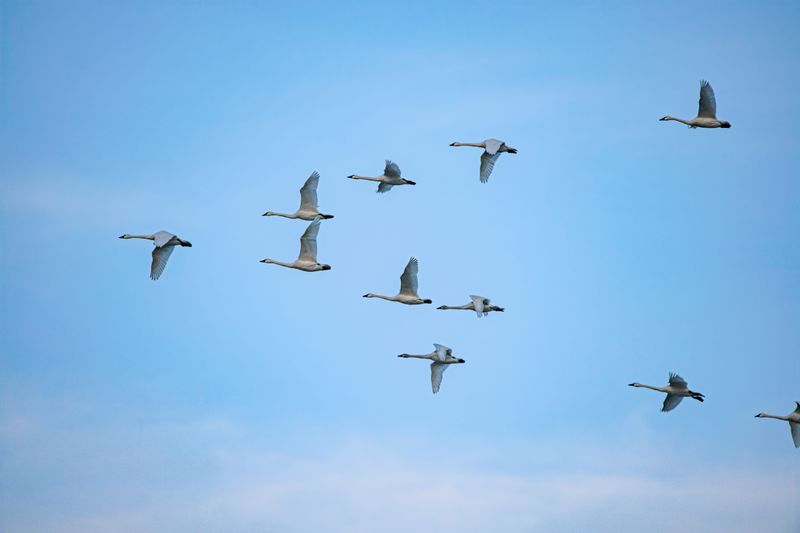
Migrating birds don’t care about beach season. Fall and spring are excellent times for birdwatching here as species pass through.
The lakeshore is home to more than 50 mammal species. Reptiles, amphibians, and nearly 100 fish species round out the cast.
Bird lovers know one resident especially well. The endangered Great Lakes piping plover lives along this shoreline.
Winter adds a fun detective game. Fresh snow shows animal tracks, so you can guess who wandered by before you.
Bring a simple track guide or a phone app. Kids usually get hooked once they spot their first set of prints.
Binoculars are worth packing in any season. They help you enjoy animals without getting too close.
Give wildlife plenty of space, especially in cold months. Animals need their energy to get through Michigan winters.
North Manitou Island, part of the lakeshore, supports a large population of white-tailed deer. That’s a fun fact to share on the drive home.
Patience pays off with wildlife. Move slowly, stay quiet, and let the woods introduce themselves.
Old Stories and Glacier Sand Make Quiet Days Richer
Glaciers shaped this place more than 12,000 years ago. They left behind perched dunes sitting high above Lake Michigan.
The park’s name comes from an Ojibwe legend of the Sleeping Bear. The visitor center’s presentation is a good place to learn more.
Sleeping Bear Dunes National Lakeshore was established on October 21, 1970. Its goal was to protect these natural wonders for future visitors.
In 2014, 32,500 acres were set aside as the Sleeping Bear Dunes Wilderness. That’s a lot of land kept wild on purpose.
History buffs should look into the Port Oneida Historic District. Its old farmsteads give a peek at how families once lived here.
Out on South Manitou Island stands a lighthouse dating to 1871. It’s a reminder of how busy these waters once were.
Back in 2011, Good Morning America called this The Most Beautiful Place in America. Michigan folks probably weren’t shocked.
Want to stay longer? The Platte River Campground stays open year-round, first-come, first-served in winter.
Quiet seasons give you room to soak up these stories. Fewer crowds, more time to wonder.