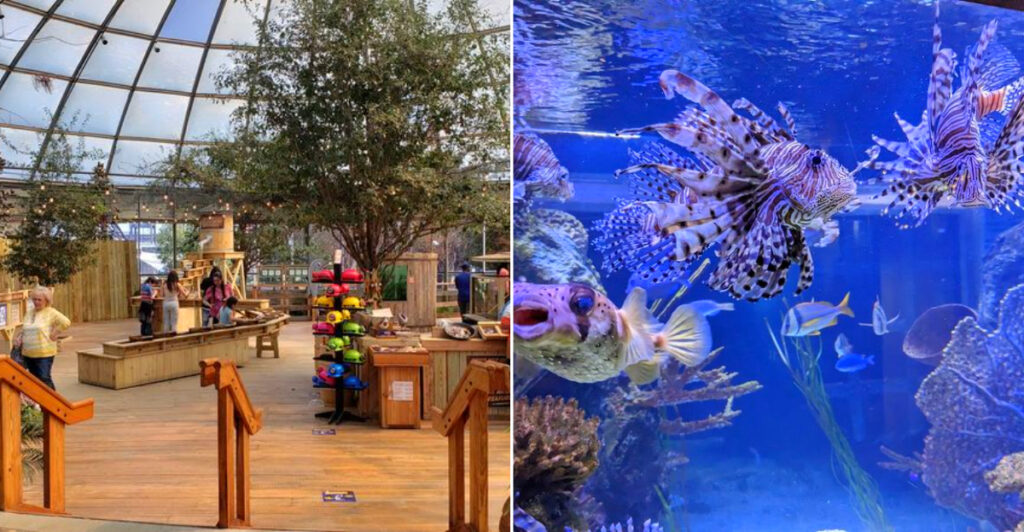
Most aquariums stop at fish tanks. This one hands you a sifting screen and points you toward a thirty-five-foot indoor sluice where running water washes away sediment to reveal real gemstones, fossilized shark teeth, and ancient marine specimens hiding in the gravel.
The gem mining experience inside turns a standard aquarium visit into something closer to a treasure hunt, and visitors keep every stone they find.
A take-home fact card identifies each discovery, turning a handful of gravel into a small personal collection that kids carry out with the kind of pride usually reserved for trophies.
Monthly featured crystals keep regulars coming back, and the climate-controlled environment means the dig happens in comfort regardless of Louisiana weather.
The best treasures are not always hiding at the bottom of the ocean; this Louisiana aquarium proves that some are waiting to be sifted from the gravel right indoors.
Bring Curiosity Not Expectations
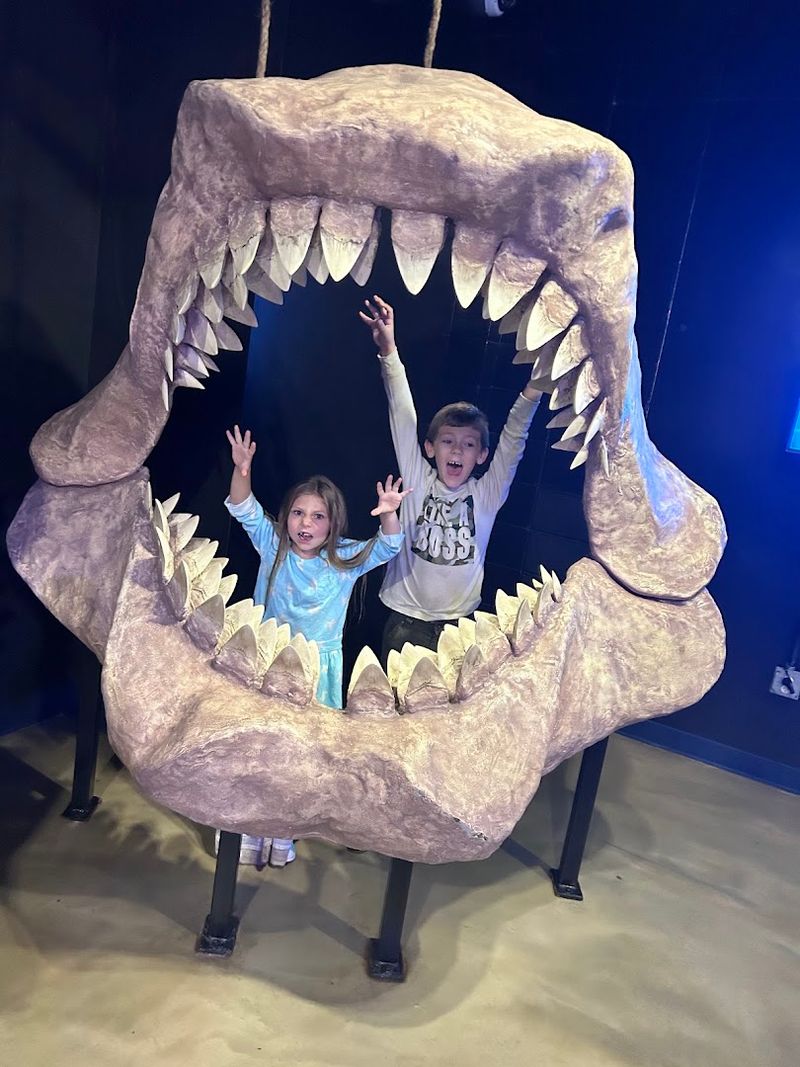
Go in with curiosity rather than a checklist of what you must find, because the mine’s charm lies in surprise. Bags of mining rough are curated to yield a mix of polished gemstones, common fossils, and occasional special finds like shark teeth; however, results vary and patience pays off.
I’ve found that people who enjoy the process itself report a richer experience than those fixated on a single prize.
Kids especially love the tactile ritual of washing and sorting, and the provided ID cards help translate each piece into a story about ancient seas.
Treat discoveries as conversation starters rather than trophies, and you’ll leave with something meaningful even if the haul is modest.
The Blue Garage Marks The Start Of The Treasure Hunt
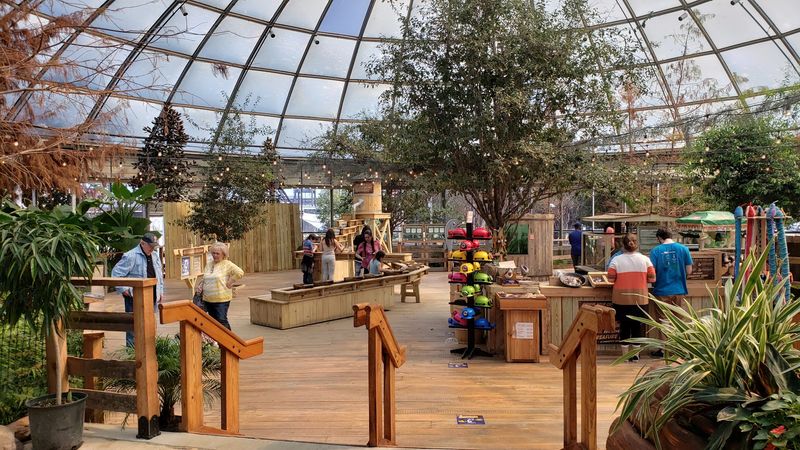
Red River Treasure Mine is inside Shreveport Aquarium at 601 Clyde Fant Parkway in downtown Shreveport, Louisiana, beside the Red River. Approach along Clyde Fant Parkway and use the aquarium building as the arrival point.
The final stretch follows the downtown riverfront, with the aquarium entrance facing the parkway. There is no separate roadside sign or exterior entrance for the mine, so head through the aquarium’s main entrance and follow the indoor exhibit route.
Free parking is available on the second floor of the blue city garage directly across the street; the garage is locked at 6 p.m. After crossing Clyde Fant Parkway, enter the aquarium and follow signs inside toward Red River Treasure Mine.
Budget For Mining Supplies
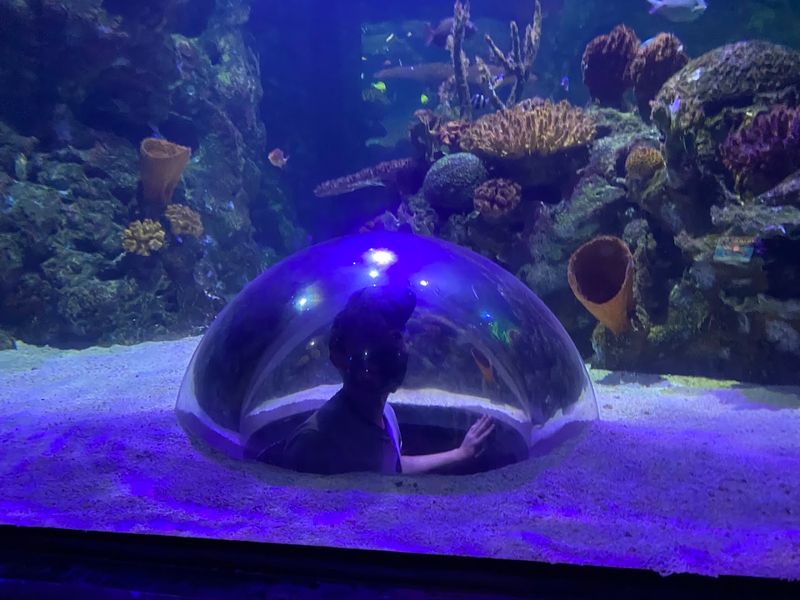
The Red River Treasure Mine is an add-on attraction with its own pricing, so set aside a small budget beyond general admission. Different sizes of mining rough are offered, and choosing a mid-sized bag usually balances the thrill of discovery with a reasonable cost.
I’ve observed families comparing options at the counter and deciding based on how much time they planned to spend at the sluice.
If you’re visiting with children, one larger bag shared among siblings often works well and becomes a cooperative activity. Keep small bills handy and check the aquarium’s website or front desk for current prices and any package deals that might include mining with other experiences like touch pools.
Wear Comfortable Clothing
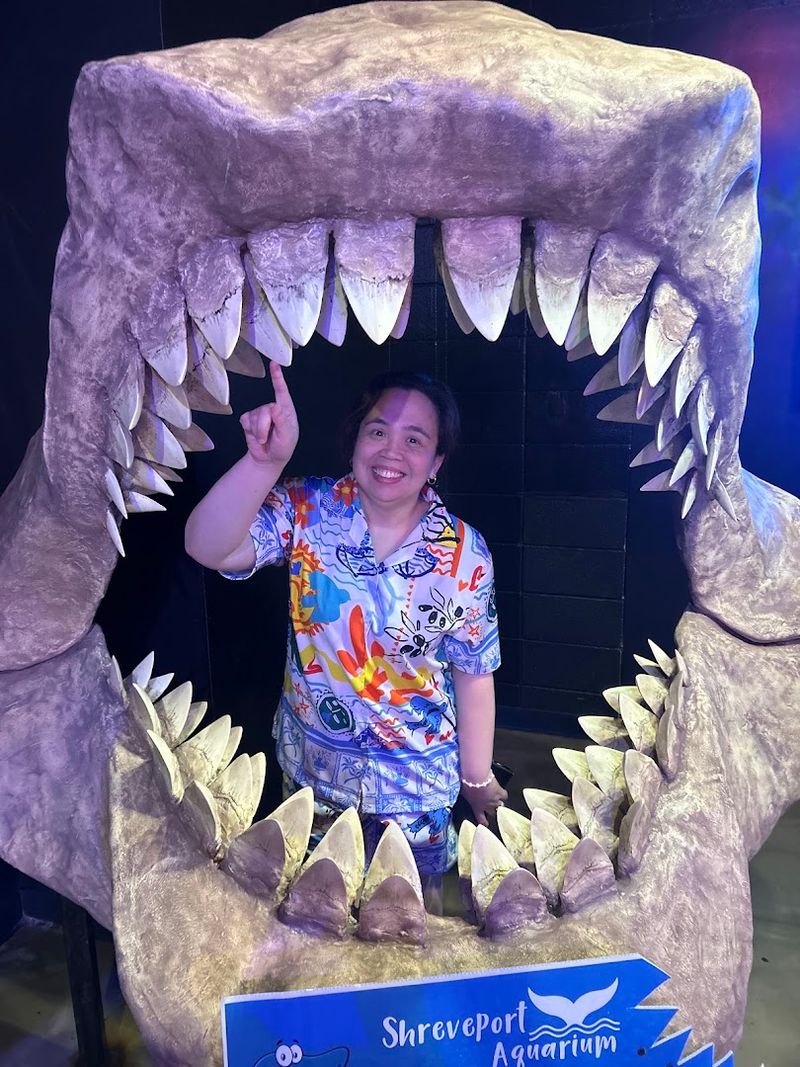
Comfort matters because you’ll bend, lean, and reach as you work the sluice and inspect finds. Light layers are practical in the aquarium’s climate-controlled interior, and shoes with good traction help on occasionally damp floors near the mining area.
Some visitors bring a small towel for drying hands, though staff usually provide disposable wipes or paper towels.
Because the activity is indoors, weather won’t affect your choice much, but practical clothing makes the experience more pleasant. Avoid anything too precious or restrictive; you want to focus on the hunt, not on keeping a favorite shirt pristine.
A small crossbody bag or pocket works well for holding ID cards and tiny finds during the session.
Bring A Small Container For Keepsakes
Although the aquarium provides bags for initial finds, bringing a small container or compartmentalized box lets you organize treasures on the spot. Sorting items by type, fossils, gemstones, curios, makes identification clearer and keeps fragile pieces from scratching.
I’ve seen parents use small pillboxes or reusable craft organizers to separate items for each child, which also minimizes arguments later.
Labeling with a sticky note or masking tape helps track where and when you visited, turning a modest haul into a mini collection with provenance. If you don’t have a container, the gift shop often sells small display boxes suitable for display or travel-friendly storage.
Talk To Staff For Identification
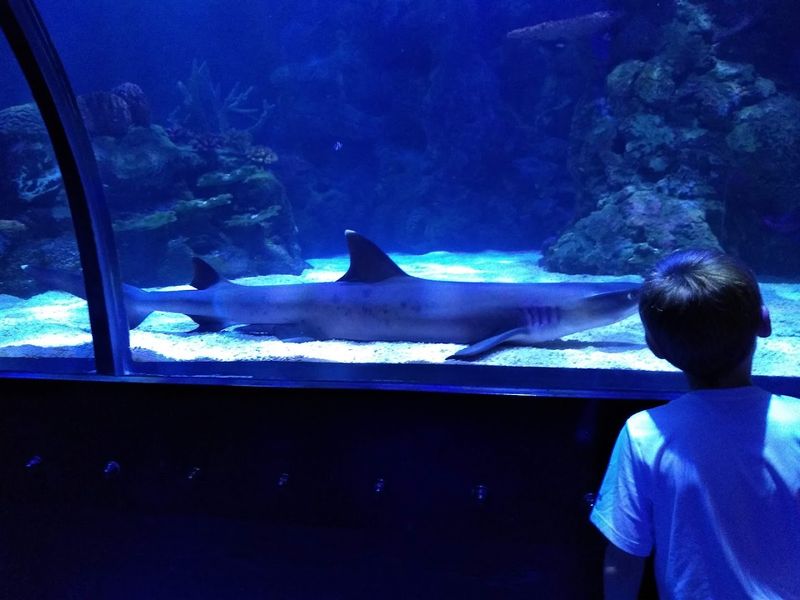
Staff at the Red River Treasure Mine are knowledgeable and usually happy to help identify discoveries, so take advantage of their expertise. During my visit a guide explained the difference between a shark tooth and other triangular fossils, and offered quick context about the regional geology that produced those pieces.
A short conversation can transform a small object into a memorable lesson about ancient ecosystems.
If staff are busy, ask about scheduled times when someone will be available for longer identification sessions. The aquarium’s friendly team often includes educators who enjoy turning a casual find into teachable moments for curious visitors of all ages.
Use The Educational Cards
Every mining session includes educational ID cards that translate each find into accessible facts about origin and age. I like to compare a discovered item against the card right away; it’s gratifying when the little paper card confirms a tentative guess.
These cards were clearly designed to be kid-friendly while still offering solid information for adults who want more context.
If you’re traveling with a budding paleontologist, collect the cards as a souvenir of the visit or photograph them for later study. They make the activity feel less like a game and more like a short field lesson in local natural history.
Combine Mining With Touch Tanks
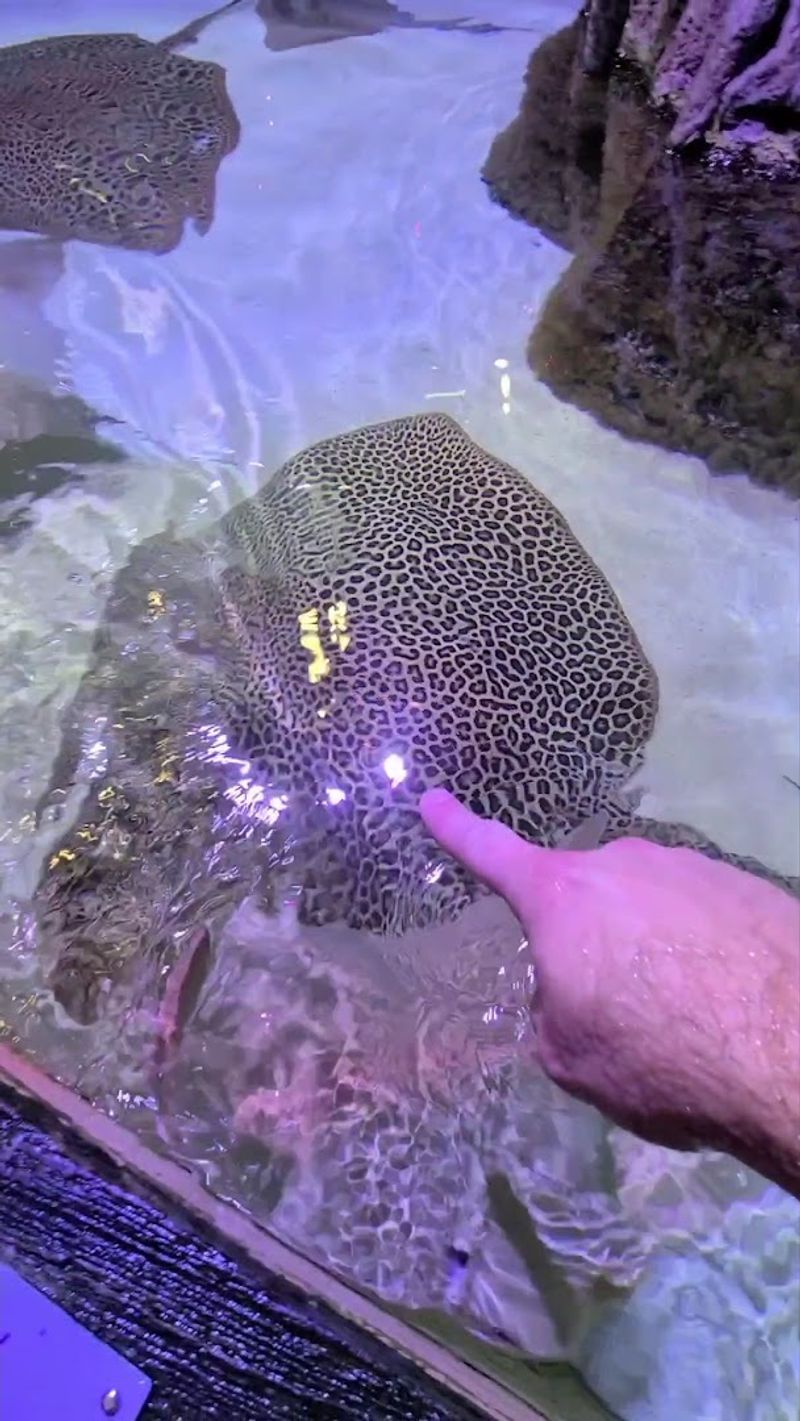
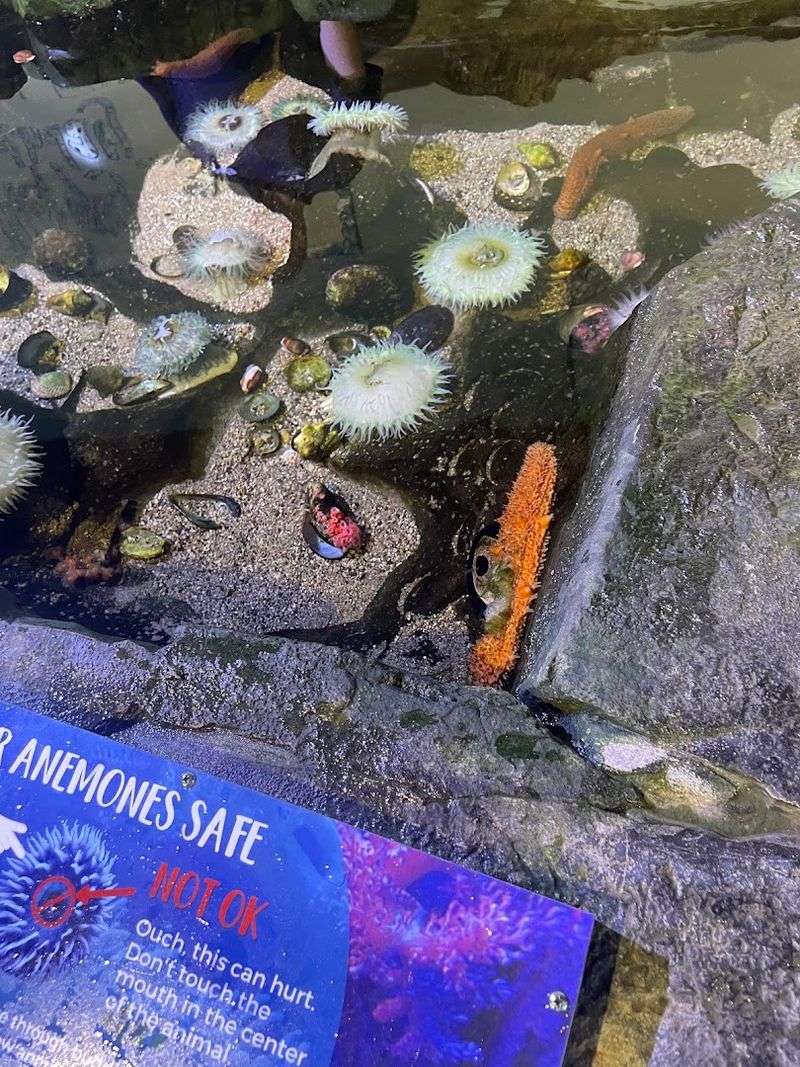
Plan your visit so mining and touch tanks complement each other for a richer experience. Sinking into the tactile world of stingrays or jellyfish before trying the sluice shifts your attention from living creatures to ancient remains, creating a satisfying contrast.
On my visit the rhythm of moving between touch pools and the mining area kept younger visitors engaged longer and gave adults a chance to alternate between active supervision and relaxed observation.
Check feed times and staff schedules; short waits at touch tanks often line up nicely with quieter moments at the mine, letting you sequence activities without rushing and making the most of your admission time.
Mind The Timed Ticketing
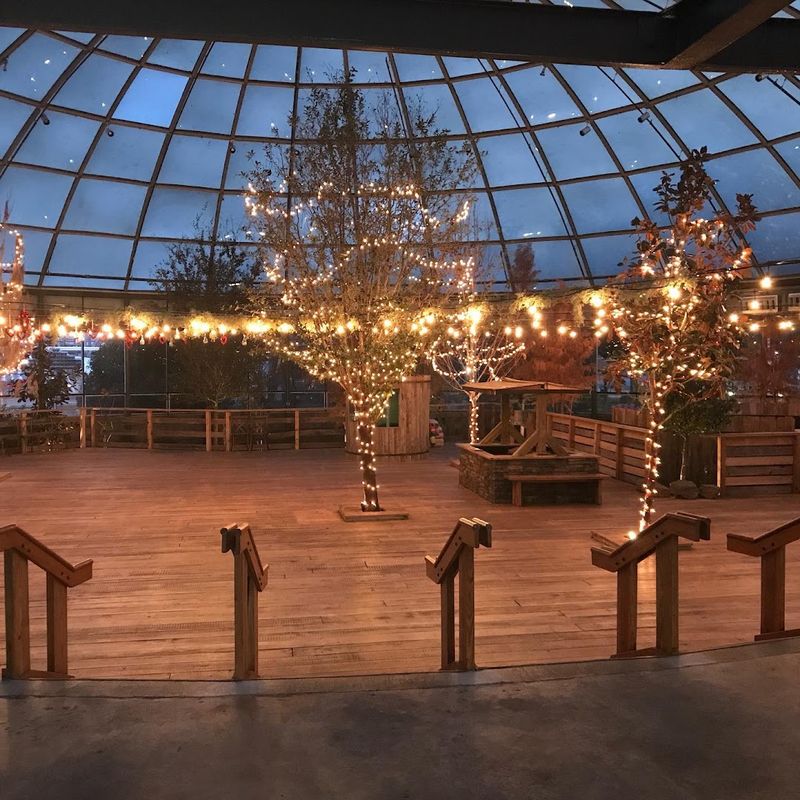
The aquarium sometimes uses timed ticketing, so coordinate your mining plans with your scheduled entry window to avoid disappointment. If the mine is a priority, arrive a bit earlier than your ticket time to buy mining rough or reserve a spot in case of small queues.
I learned that timed entry helps manage crowding, but it also means tight sequencing when the venue gets busy on weekends.
Keep your confirmation emails or printed tickets handy and ask staff about the best flow through exhibits to reach the sluice promptly. A little planning goes a long way toward a relaxed, unhurried mining experience.
Capture Finds With A Macro Photo
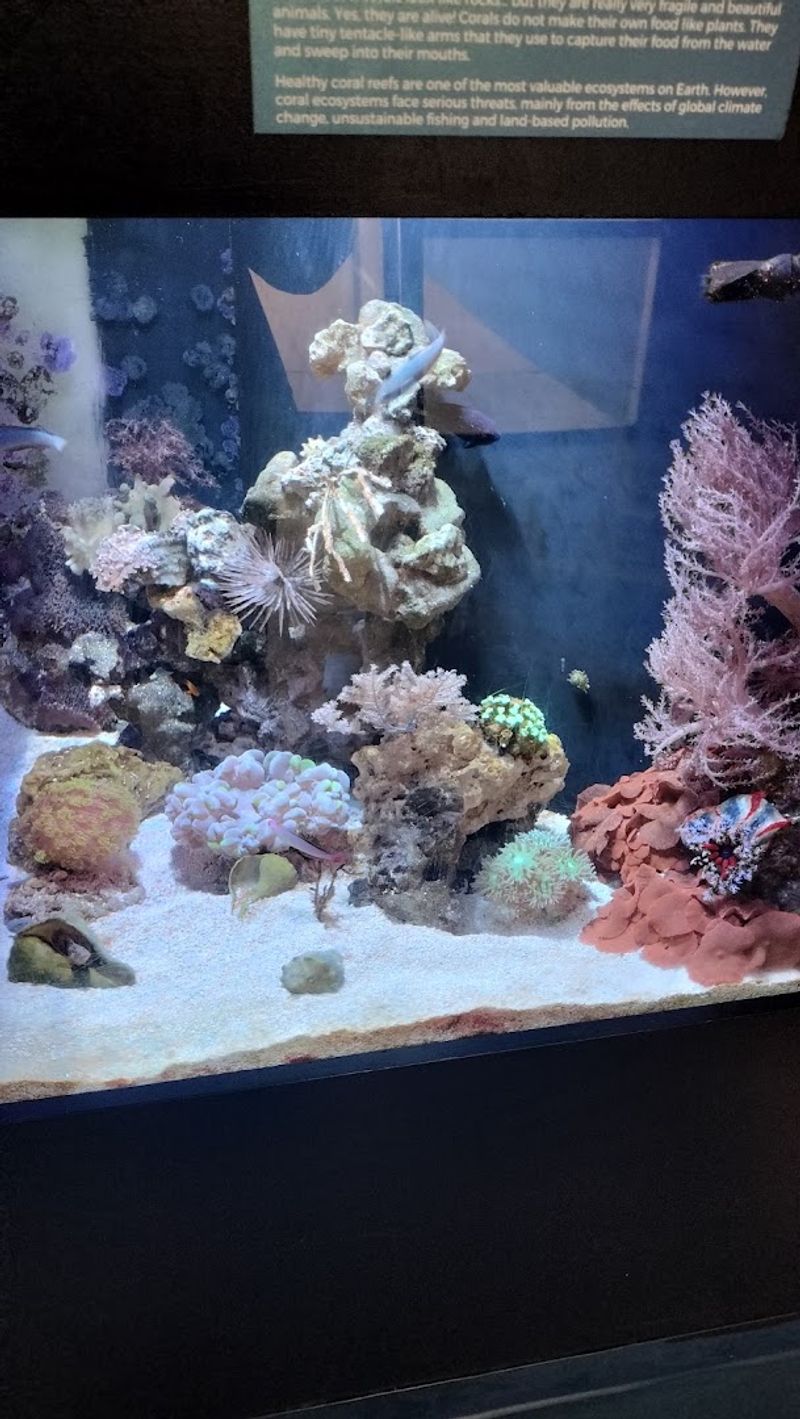
Documenting your discoveries with macro photos preserves detail and helps later identification or display. A phone on macro mode or a small clip-on lens captures texture, color, and diagnostic features that the naked eye might miss.
I often photograph each find next to the provided ID card; the pairing tells the story visually and is handy for social sharing or follow-up research.
Good lighting helps, so step near well-lit displays or windows. If you plan to photograph a lot, bring a tiny prop like a coin for scale and a soft cloth underneath to reduce reflections on polished gems.
Respect The Rules And Creatures
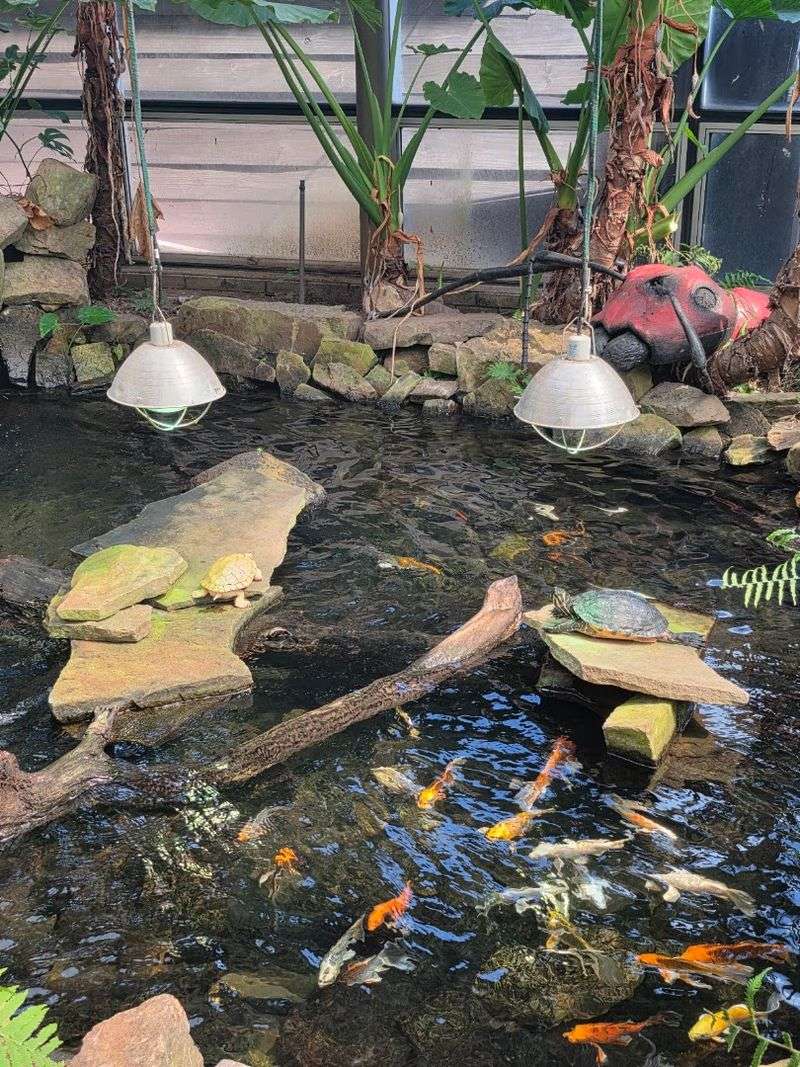
Observe posted rules and staff instructions to keep both the animals and visitors safe. The aquarium balances interactive experiences like touch tanks with conservation and welfare priorities, and the mining area is part of that careful curation.
During my visit staff gently reminded miners to handle specimens respectfully and to keep the sluice area tidy, which kept the activity enjoyable for everyone.
Follow basic hygiene practices after touching tanks or handling finds, and discourage any rough play near displays. Being mindful of rules helps preserve the experience for future guests and supports the aquarium’s educational mission.
Turn Finds Into A Learning Project
Extend the visit by turning your haul into a small home learning project that reinforces what you discovered. Sorting specimens, labeling them with the date and place, and creating a simple display can spark ongoing interest in geology and paleontology.
I once helped a child mount a tiny label for a shark tooth and watched their eyes light up as they recalled the sluice and the educator who explained it.
Use the aquarium’s ID cards or online resources to add accurate context, and consider a small binder or shadow box to keep the collection organized. It becomes a compact travel memento and a springboard for future curiosity.