Butter hit me before the door even closed behind me, a warm, sugary cloud that seemed far too big for such a small storefront. From the sidewalk, the little bakery looked like any other neighborhood cafe in California, the kind you might walk past on the way to somewhere else.
Inside, though, bakers were turning out a Breton pastry so flaky it crackles like autumn leaves when you bite it. One visit is all it takes to understand why people climb a steep city hill just for a taste.
A Small Storefront at 2821 California Street
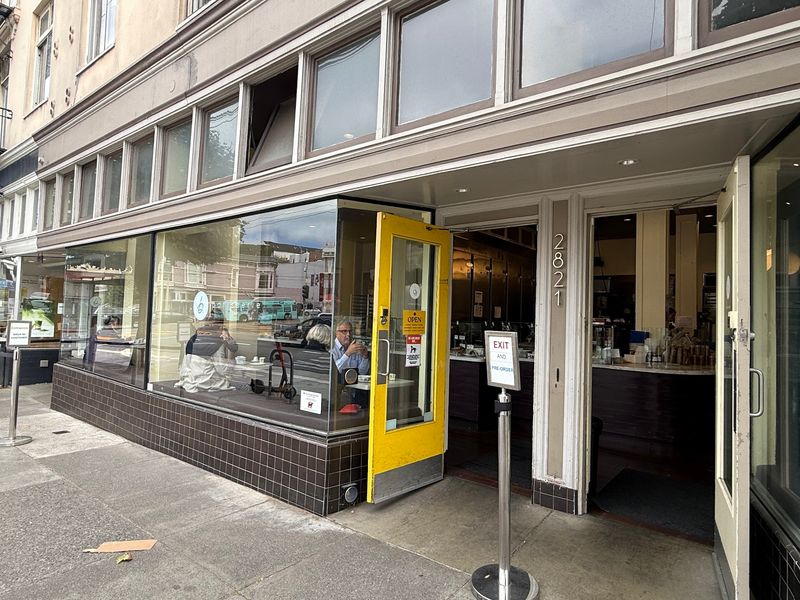
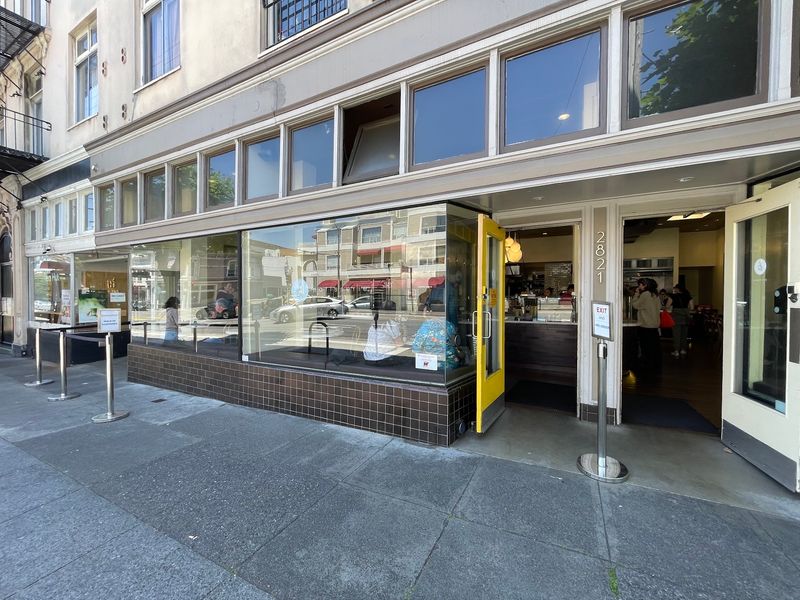
Blink while driving up the hill and you might miss it. The sign out front is modest enough that some first-time visitors walk right past before doubling back, noses leading the way.
b. patisserie sits at 2821 California Street in San Francisco, in the 94115 zip code that covers the Lower Pacific Heights area. It calls itself a patisserie, and that label fits.
Think of a European-style bakery and cafe where Parisian and Viennese pastries share the counter with sandwiches and coffee, all served in a bright, modern room with an open kitchen.
The neighborhood around it is classic San Francisco. California Street climbs at a steep angle here, so arriving on foot can feel like a small workout before breakfast.
Alta Plaza Park is only a short stroll away, which turns out to matter later in this story.
So what makes a compact neighborhood shop worth a special trip? One pastry, mostly.
The kouign-amann here has become the thing people talk about, far more than any other item on the menu. Plenty of other treats earn their spot too, but that caramelized Breton round is the reason many visitors first make the climb.
A Honolulu Detour That Leads Back Home
Here’s a twist most people don’t see coming. Some travelers first taste b. patisserie’s baking not in San Francisco at all, but in Honolulu, where the pastries show up at a coffee shop in Waikiki.
Those island visitors often end up treating the California Street shop as the mother ship, the original home base they simply have to see in person. It’s a funny kind of pilgrimage.
You eat a croissant under palm trees, then fly across the Pacific to find where it all started.
That reach says something about the bakery’s reputation. Longtime locals describe coming here since the day it opened, and many call it a staple for both neighbors and international guests.
In a city packed with serious bakeries, earning that kind of loyalty takes steady work.
The style itself leans European. Parisian classics like croissants and tarts sit beside Viennese-style treats, the whole family of sweet yeasted, buttery doughs the French call viennoiserie.
Sandwiches round things out for anyone who needs something heartier.
Walking in, you get the sense of a place that knows exactly what it wants to be. It doesn’t chase trends so much as polish a set of classics until they gleam.
Breton Roots of a Butter Cake
Around 1860, bakers in Brittany, in the far northwest of France, came up with a pastry that would eventually travel all the way to a San Francisco hillside. They called it kouign-amann, pronounced roughly like queen a-mahn.
The name is refreshingly honest. In the Breton language, kouign means cake and amann means butter, so the whole thing translates to butter cake.
Anyone who has held one knows that description is not an exaggeration.
People often compare it to a mix between a croissant and a palmier, and sometimes to a sticky bun. The dough is laminated, meaning butter gets folded into it again and again.
Sugar joins the party during the final folds, and in the oven that sugar melts and caramelizes into a golden, crackly shell.
Traditionally, kouign-amann was baked as one large cake and sliced. Many modern bakeries make smaller individual rounds, sometimes called kouignettes, so each person gets a full ring of crunchy edges and a soft middle.
Fun fact: Brittany is famous for its salted butter, so it makes sense that a region so proud of dairy would build a whole pastry around it.
Anatomy of a Shattering Kouign-Amann
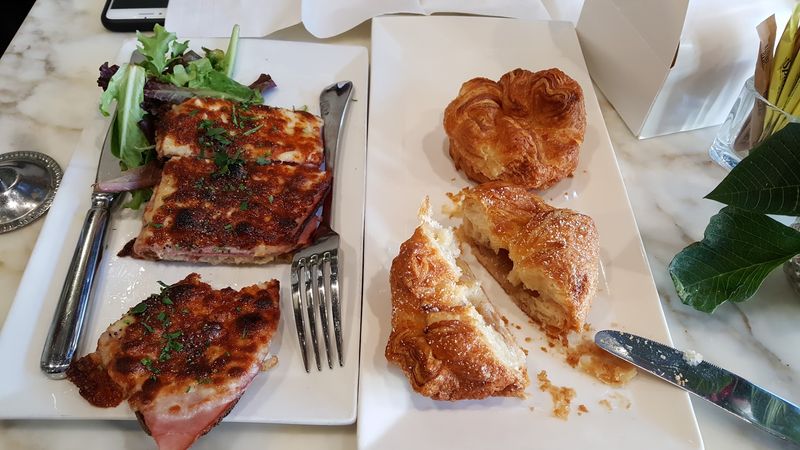
Crack. That’s the first sound, and it’s loud enough to make the person next to you glance over.
The caramelized sugar shell gives way under your teeth, and suddenly there are golden shards on the table, on your shirt, maybe in your hair.
Underneath that crunch sits the real prize. Layer after thin layer of buttery dough pulls apart in delicate flakes, tender and a little gooey toward the center.
Visitors describe the house version as perfectly buttery and flaky without being overly sweet, which is harder to pull off than it sounds when sugar is baked right into the dough.
Getting there takes patience. Lamination means rolling the dough out by hand, spreading it with butter, folding it, chilling it, and repeating those turns until hundreds of whisper-thin layers form.
The butter has to stay at just the right temperature the whole time, or the layers smear together instead of puffing apart.
With an open kitchen, you can sometimes catch a glimpse of that rolling and shaping in action. It’s a reminder that nothing about this pastry is rushed.
No surprise, then, that the kouign-amann is by far the most talked-about item here.
Chocolate, Apple Pear, and Other Twists
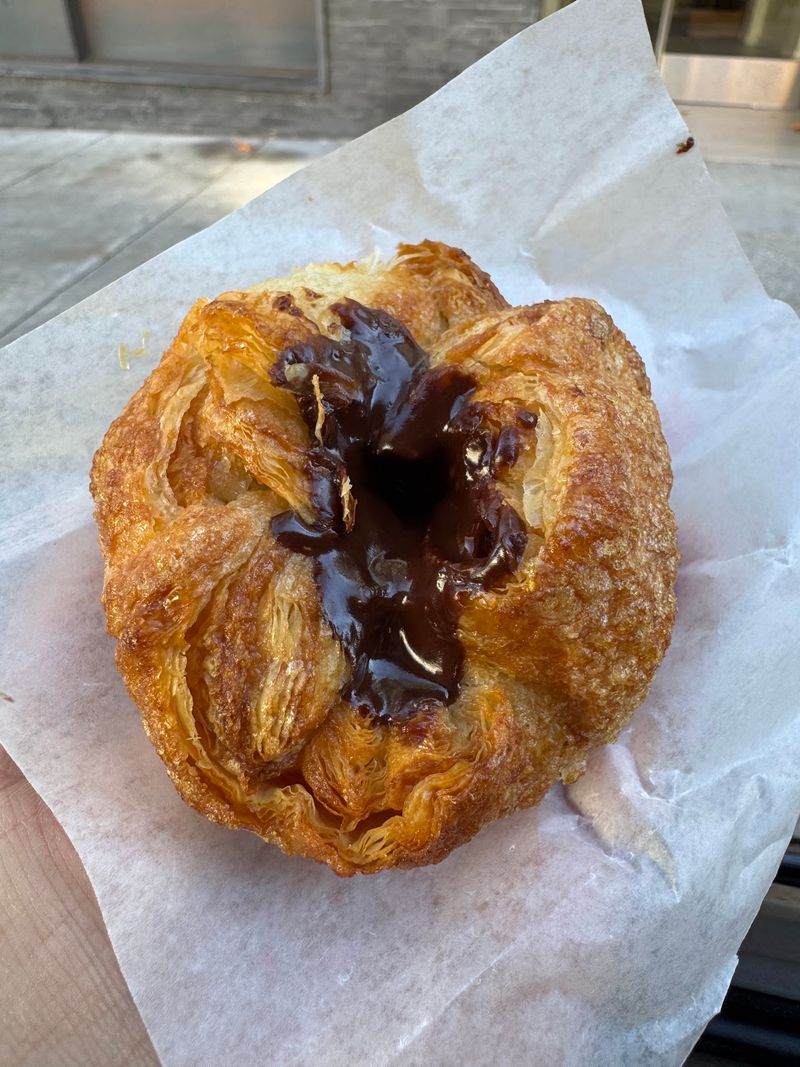
Purists, feel free to stop at the classic. Everyone else, keep reading, because the bakery likes to play with its star.
The chocolate kouign-amann is the most common variation, and fans say it is just as good as the original. The chocolate inside runs rich and dark against the crackly sugar crust, turning a breakfast pastry into something that feels closer to dessert.
One visitor admitted the chocolate version was more treat than morning meal, and memorable because of it.
Seasonal flavors show up too. An apple pear version has appeared on the counter, bringing a gentle fruitiness that plays nicely with all that caramel.
Guests who tried it alongside the classic described both as a big step up from an ordinary croissant.
Because seasonal options come and go, it helps to look over the pastry case carefully before you order. Autumn is a natural time for orchard fruit flavors, so a fall visit might reward you with something new.
A smart strategy for groups? Order one classic, one chocolate, and whatever seasonal round is available, then cut them into pieces and share.
You’ll taste the full range without committing to a single favorite.
The Banana Chocolate Almond Croissant Obsession
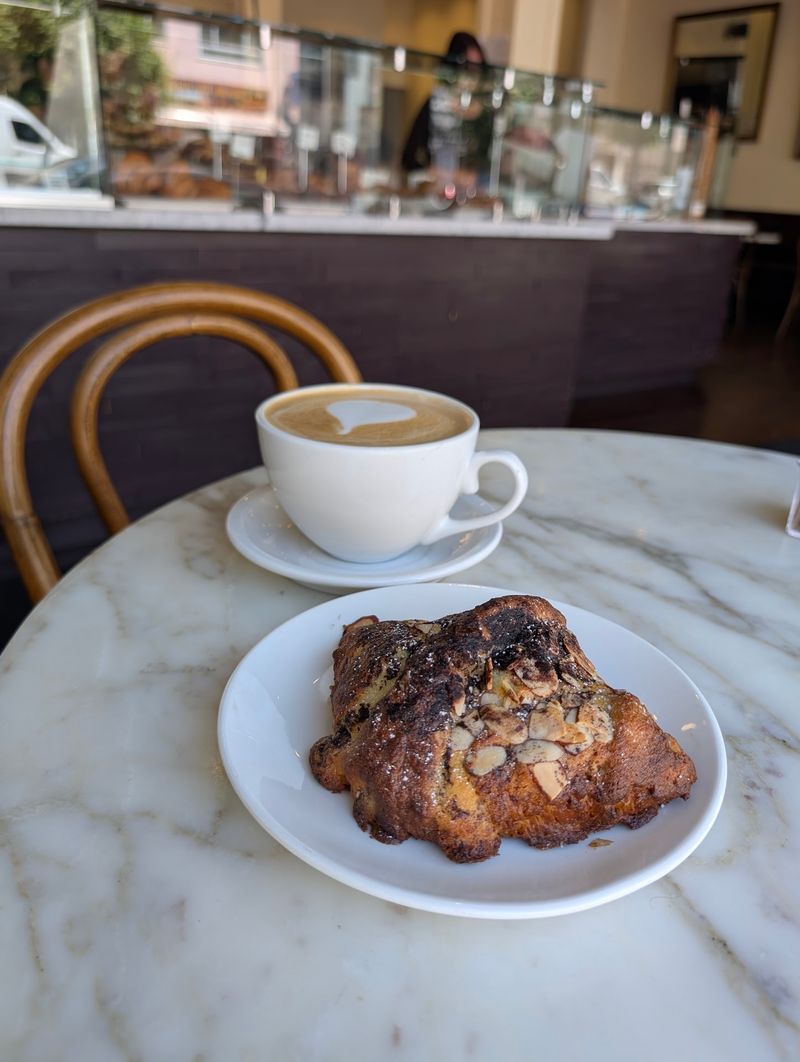
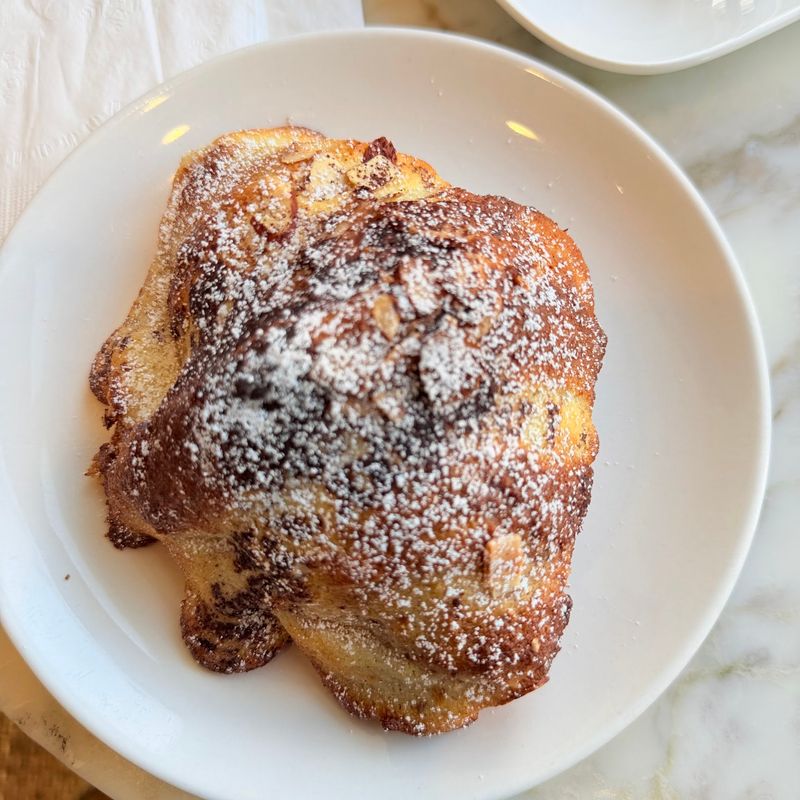
Ask a regular what to order after the kouign-amann, and there’s a good chance you’ll hear about bananas. The chocolate banana almond croissant is one of b. patisserie’s signature pastries, and several longtime fans say they’ve never found anything quite like it elsewhere.
The construction is clever. A croissant gets filled with something close to warm, gooey chocolate chip banana bread, then finished with an almond crust that bakes up crisp and fragrant.
The outside stays buttery and crackly while the inside turns soft and cozy.
Even people who normally avoid twice-baked almond croissants say this one changed their minds. The almond topping is especially good when the pastry is fresh from the oven, still warm enough to fog up your paper bag.
Nut allergy folks should take note, though. Almonds appear in many pastries across the case, so ask questions before ordering and speak up clearly about any allergy.
For everyone else, this croissant makes a great second pick. Pair it with the classic kouign-amann and you’ve basically covered the two items that define the shop.
Just maybe bring a napkin or three, because the banana filling has a way of escaping.
Pain Suisse, Bostock, and the Deep Pastry Bench
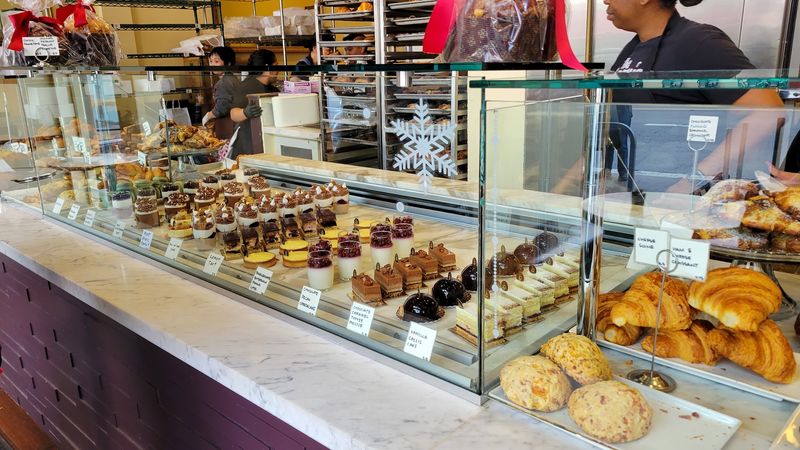
Plenty of bakeries have one great item and a supporting cast of filler. That’s not the case here, and the pastry case proves it.
Take the pain suisse. It’s croissant dough baked around French custard and chocolate chips, a combination that tastes like a pastry and a pudding decided to become friends.
Fans often list it right after the kouign-amann as a must-try.
Then there’s the bostock, which some visitors call one of the most delicious things they’ve ever eaten. Bostock starts with day-old brioche that gets a second life in the oven, and the bakery has offered creative versions such as a peanut condensed milk bostock.
Rich, nutty, and gently sweet, it’s the kind of pastry that makes you want to try every flavor.
Tarts deserve a mention too. Apple and lemon versions appear regularly, and tarts in general rank among the most talked-about items after the laminated pastries.
Classic butter croissants and chocolate croissants round out the lineup. Opinions on those are a bit more mixed, with some guests loving them and others preferring to focus on the specialties.
Following the crowd, most first-timers get the best results by leaning into the laminated favorites.
Savory Bakes for the Salt-Leaning Crowd
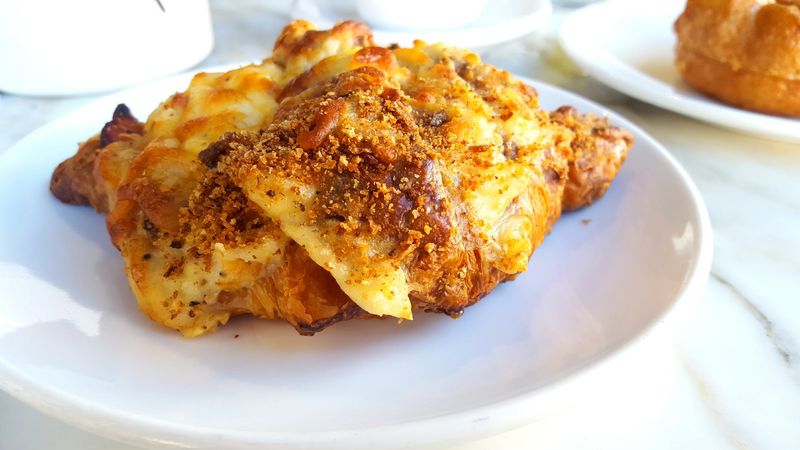
Sugar at 8 a.m. isn’t for everyone, and the bakery seems to understand that. Alongside all the sweet laminated dough, the counter holds a solid selection of savory options.
The ham and cheese croissant is a popular pick, flaky and filling enough to work as a light lunch. Visitors also recommend a savory croissant more generally, noting that the same buttery layers carry salty fillings just as well as sweet ones.
Scones get their own following. The cheese scone has fans, and a blueberry scone offers a middle ground for anyone who wants something fruity but less rich than a kouign-amann.
One guest ordered a zucchini, tomato, and cheese pastry and asked staff to heat it up, which they happily did.
That small detail matters. A warm savory pastry on a foggy San Francisco morning feels like a hug, and it’s nice to know you can ask.
Sandwiches appear on the menu too, which helps if you’re bringing along someone who wants a more traditional meal. Some regulars do suggest sticking with laminated pastries over the tartines and plated desserts, so consider the flaky savory items your safest bet.
Espresso, Cookies, and Chocolate Showpieces
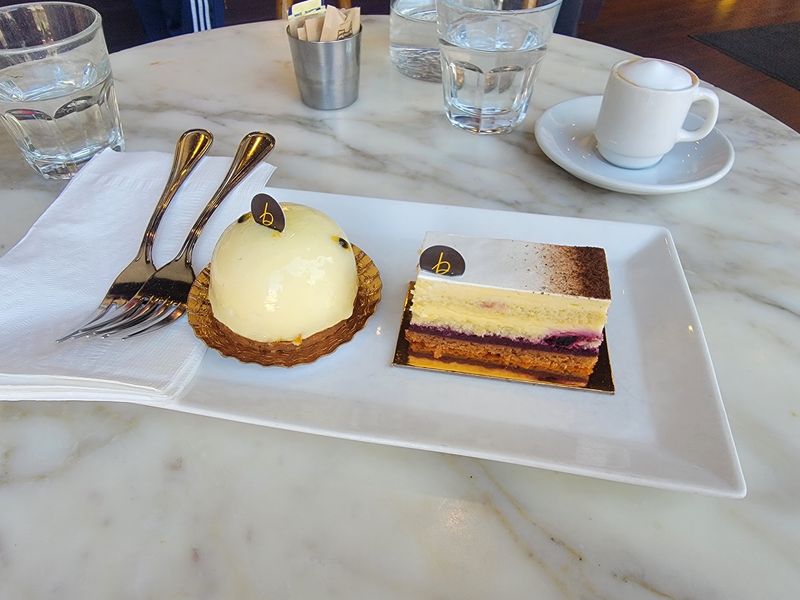
Coffee at a pastry shop can be an afterthought. At b. patisserie, it holds its own.
Guests praise the espresso drinks, describing them as the perfect bitter counterpoint to all that butter and sugar.
A chocolate chip cookie also earns steady attention, which is saying something in a place surrounded by croissants. It’s a simple treat, but a good one to grab for later or to hand to a kid who isn’t sold on flaky pastry yet.
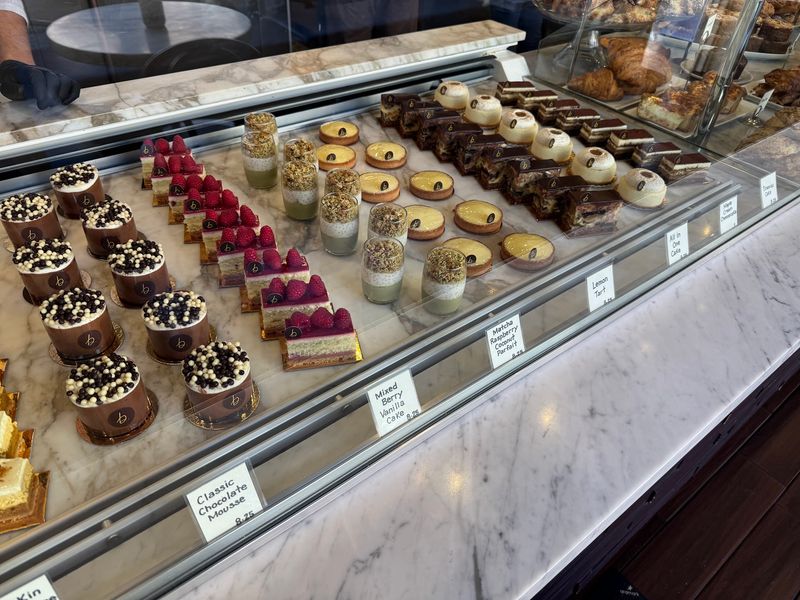
For something more dramatic, look toward the plated desserts. One visitor described a dark chocolate cylinder wrapped in a delicate shell and topped with chocolate crumbles and white pearls, plus a layered glass of cream, dark chocolate, and cookie crumbs.
Treats like these look almost too pretty to eat, though a hungry toddler reportedly had no trouble at all.
The glass dessert is a fun sharing option if you’re sitting down with family. Just know that small hands move fast.
Pairing tip: a simple espresso next to a chocolate kouign-amann is hard to beat. The coffee cuts the richness, and the caramel lingers a little longer between sips.
It’s a small ritual that turns a quick pastry stop into a proper cafe break.
Marble Tables, Natural Light, and a Whimsical Wall
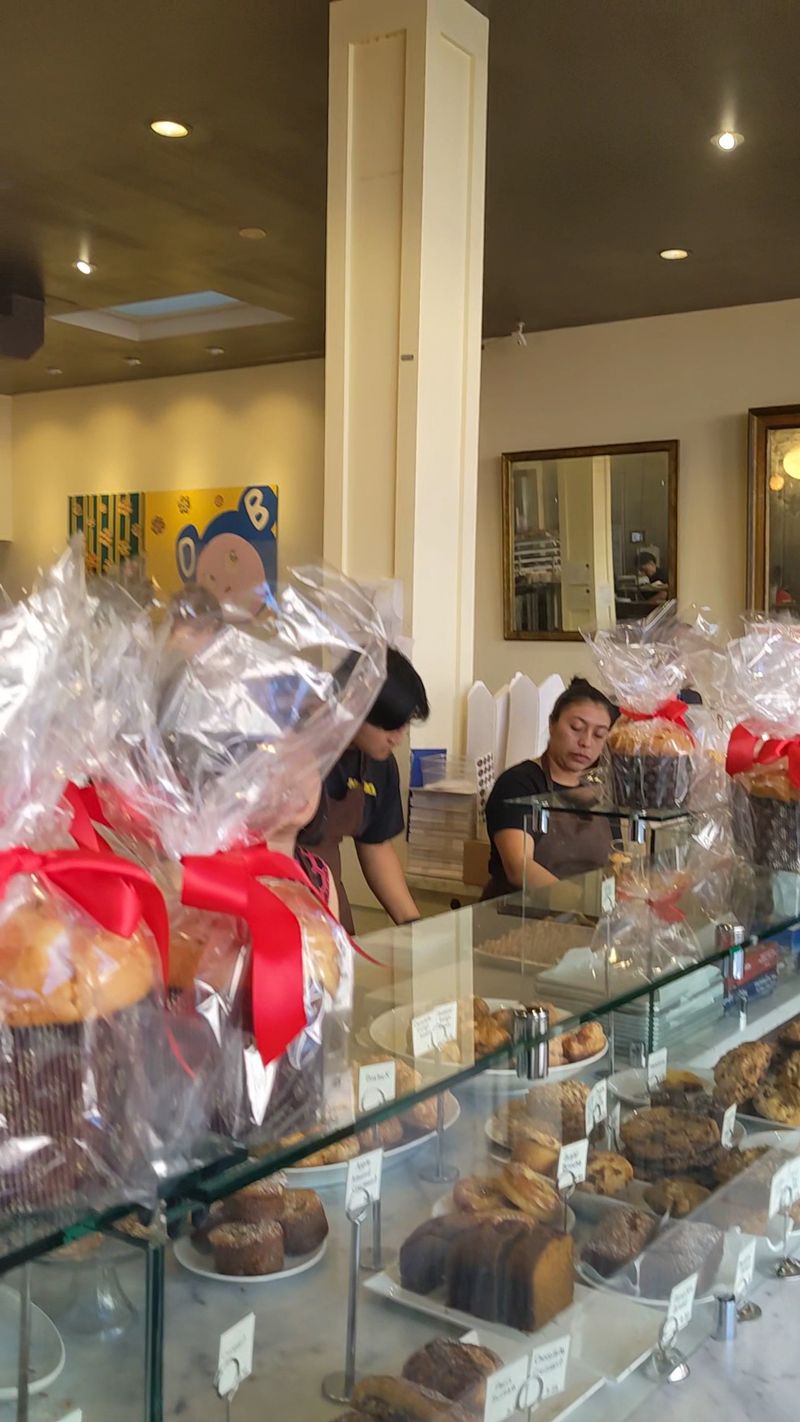
The whole room smells like butter. That’s the first thing guests tend to mention, and honestly it’s the best possible welcome.
Inside, the space feels airy, clean, and bright. Natural light pours in and bounces off marble tables, making the room look cheerful even on gray days.
Cushioned indoor seating adds a cozy touch, and a few outdoor seats give you the option of eating in the fresh air.
The open kitchen is part of the charm. Watching bakers work turns the wait in line into a bit of a show, and it connects the pastries in the case to the people who made them.
Keep an eye on the walls. A playful piece of art features a blue-eared creature surrounded by macarons arranged like flowers, alongside colorful mushrooms.
It’s quirky, a little wild, and seems to grin at you while you eat.
Seating can feel tight, especially on weekends, so don’t be surprised if you have to hover for a table. The overall mood is light and friendly, more neighborhood hangout than fancy salon.
Best Company for a Pastry Date
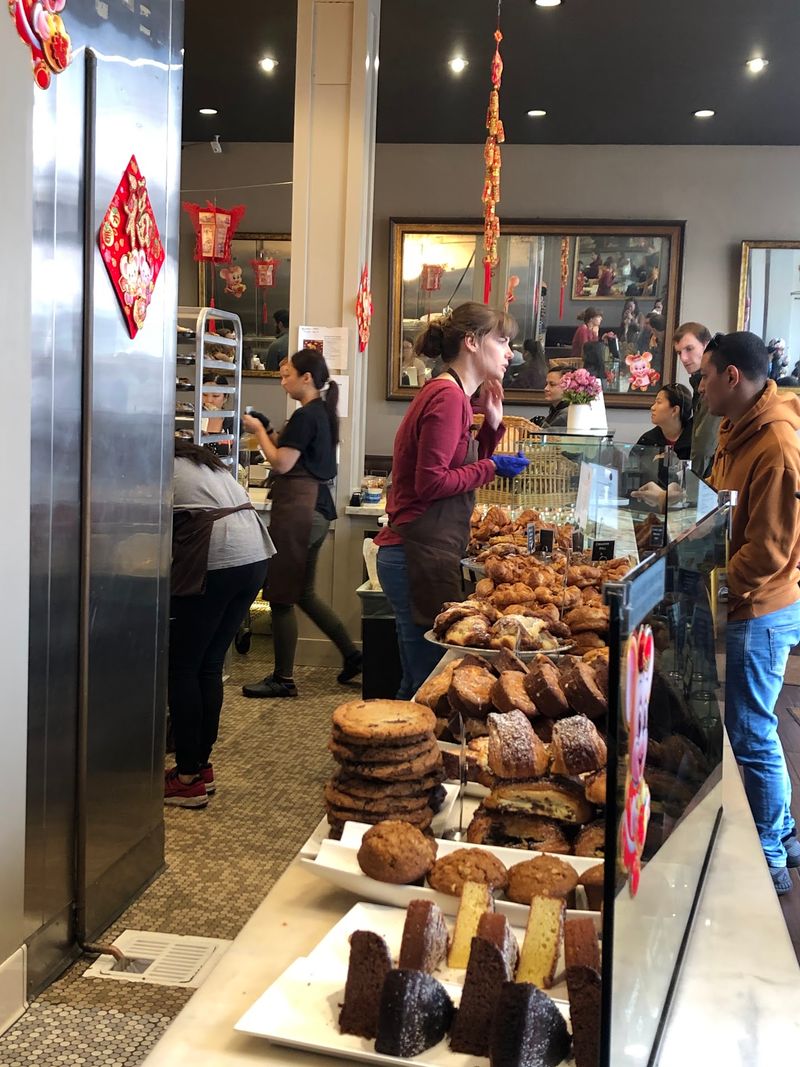
Friends catching up over coffee will feel right at home here. Guests describe the room as cute, light, and ideal for a good chat, the kind of place where conversation flows as easily as the espresso.
Remote workers, on the other hand, should plan elsewhere. There’s no wifi, and the vibe isn’t built for laptops and long work sessions.
Honestly, that’s part of the appeal, since people look up from screens and actually talk to each other.
Families do well too, especially with an adventurous little eater in tow. Shared plated desserts and a chocolate chip cookie keep younger guests happy, while grown-ups work through a box of croissants.
Pastry students and serious home bakers tend to love it as well, since the open kitchen offers a peek at real technique.
Visitors with allergies need a bit more caution. Almonds show up across much of the menu, and at least one guest felt staff were unsure which items were completely nut-free.
Asking a baker directly, or choosing simpler items, may help reduce the risk.
Out-of-town visitors make up a big part of the crowd. Many treat it as a must-stop on any San Francisco trip.
Hours, Lines, Prices, and Parking
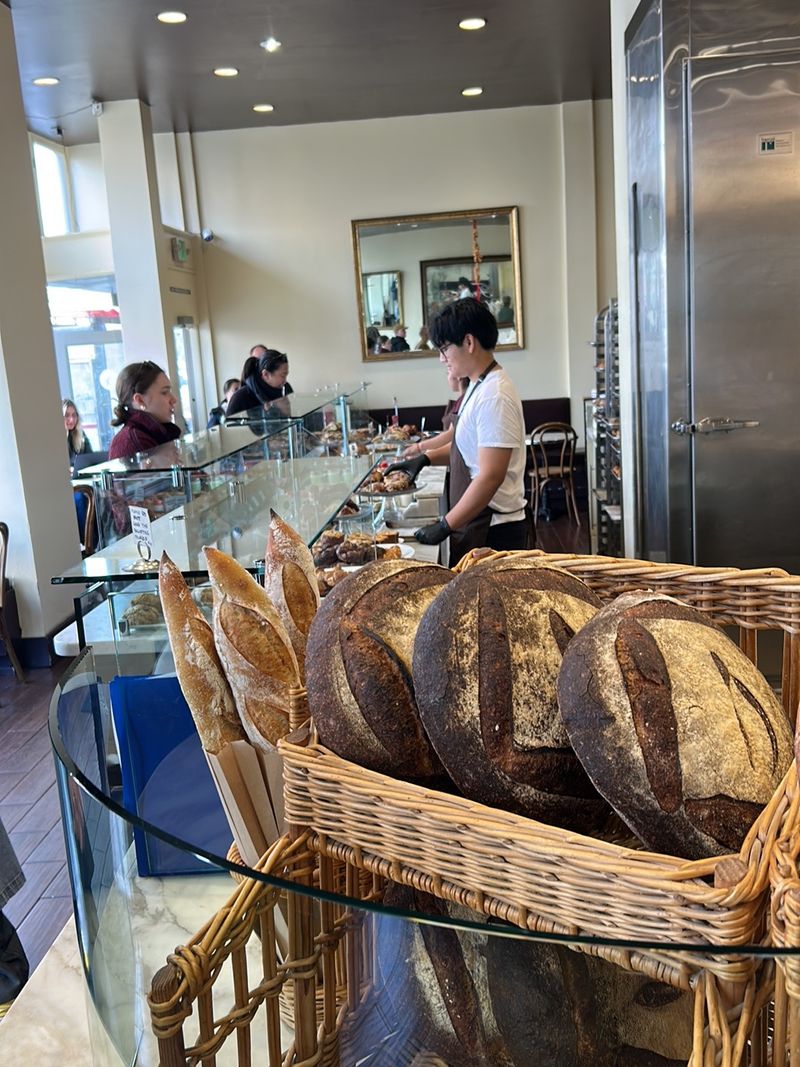
Timing makes a huge difference here. b. patisserie opens at 8 AM Wednesday through Sunday, closing at 4 PM on Wednesday, Thursday, and Friday and at 5 PM on Saturday and Sunday. It’s closed on Mondays and Tuesdays.
Lines can stretch out the door at peak times, especially weekend mornings. The good news is that the line usually moves quickly, though some guests find ordering slows down when it’s busy.
One group arriving around 11 AM found no line at all.
Prices sit on the higher side for a bakery, but most people feel the quality justifies it. A lemon tart runs about $8, for example, while others describe the overall value as reasonable for pastry this carefully made.
Parking takes patience. Expect to hunt for street parking nearby, which is normal for the neighborhood.
Keep an eye out for the small sign so you don’t stroll past the entrance.
Pro move: get your order to go and walk a few minutes to Alta Plaza Park. A pastry picnic on the grass beats squeezing into a crowded table any day.
A Soft Verdict From the Top of the Hill
Is every item perfect? No bakery can promise that, and a few longtime fans feel certain batches haven’t matched their memories.
Service can be hit or miss during rushes, too, with some guests finding staff friendly and helpful and others wishing for more patience at the register.
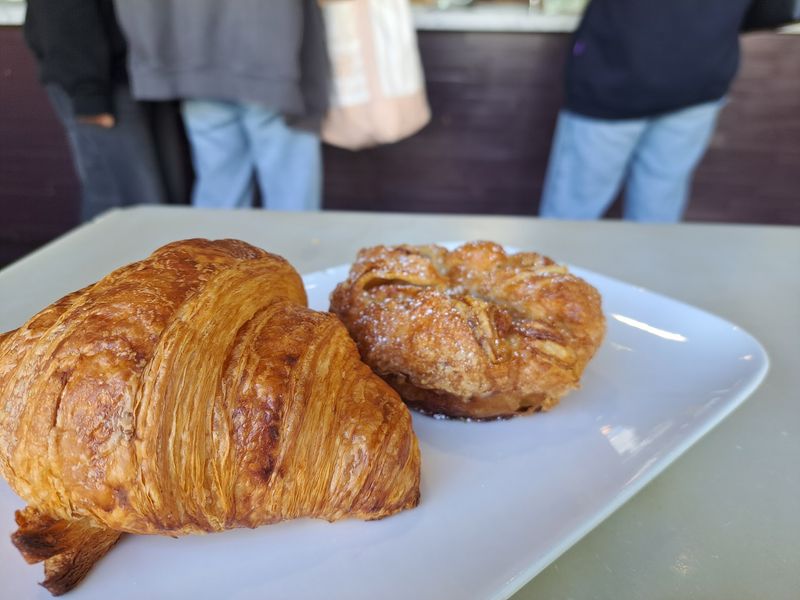
Still, the heart of the matter is that kouign-amann. Crackling, buttery, not too sweet, and layered so finely it flakes apart in your hands, it’s the reason people climb California Street, fly in from Honolulu, and come back again and again.
Add the chocolate banana almond croissant, the pain suisse, and a strong espresso, and you’ve got a morning worth planning around.
For a day trip into San Francisco, this makes an easy anchor. Arrive early, grab a box, and wander to Alta Plaza Park, or settle in at a marble table and let the smell of butter do its thing.
Crisp fall mornings and foggy summer days both suit a warm pastry, so there’s really no wrong season. Why not make this weekend the one?
Just remember it’s closed Monday and Tuesday, and pack an appetite bigger than you think you’ll need.