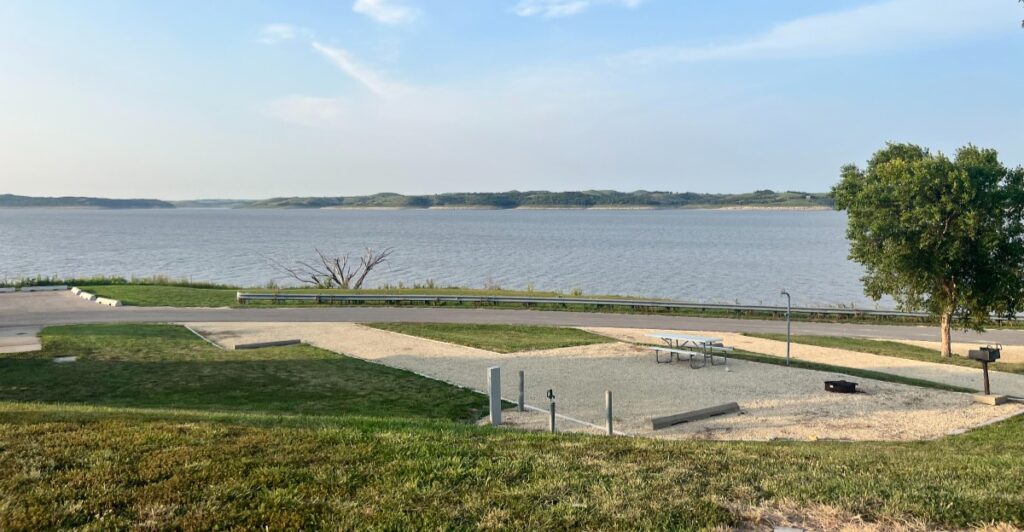
Night changes everything at a waterfront campground.
The conversations get quieter, the shoreline turns dark, and every little sound seems to travel farther than it did during the day.
That is part of what makes camping beside the water so memorable in Kansas. Once the sun drops, the setting does most of the work.
You can sit near the lake, watch the last light disappear, and enjoy the kind of calm that is hard to recreate anywhere with streetlights and traffic.
A simple campsite can start feeling like the best seat in the state.
My favorite camping nights are the ones when nobody wants to be the first person to head to the tent.
I remember sitting by the water with friends long after we had run out of things to say, just listening to the lake and watching the sky get darker.
Nobody checked the time. I did not want to either.
That silence ended up being the part of the trip I remembered most.
1. Minooka Park Campground at Wilson Lake, Sylvan Grove
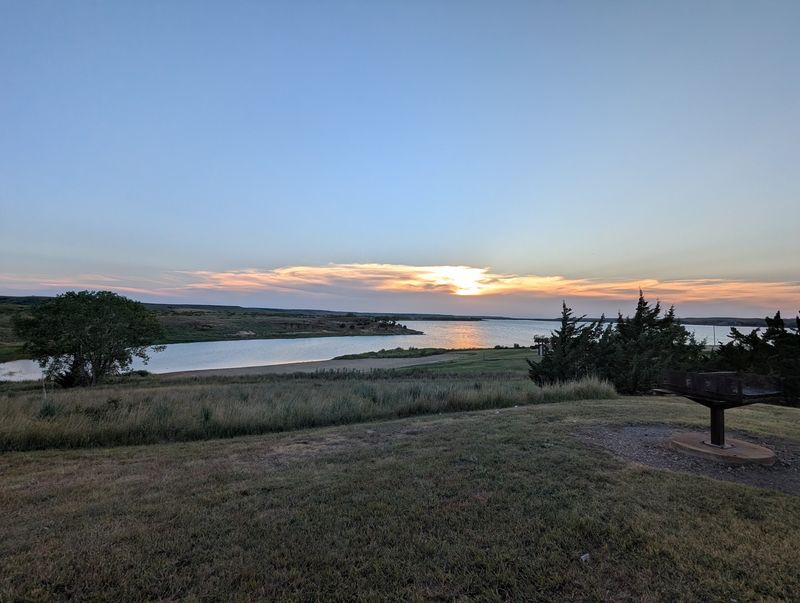
Crystal blue water in the middle of Kansas sounds like a tall tale, but Wilson Lake is real.
Locals often call it one of the clearest lakes in the state. Minooka Park Campground sits on the south shore, surrounded by the rolling Smoky Hills.
The land here is rocky and rugged, with red cedar trees and sandstone outcrops that glow orange at sunset.
Many campsites face the water, so you can sip cocoa while watching sailboats drift by. Wilson Lake has a reputation for steady winds, which makes it a favorite for sailing and windsurfing.
Anglers come here for striped bass, walleye, and white bass. Bring a sturdy rod, because the stripers can put up a serious fight.
Minooka Park offers electric hookups, a swimming beach, and boat ramps during its season.
Off-season camping continues after September 15, though shower buildings close until May 15 under U.S. Army Corps management.
Nearby, the Rocktown Natural Area Trail leads hikers to tall sandstone pillars along the shore. The walk is worth every step.
This area is also known as Post Rock Country, where early settlers carved fence posts out of limestone. You can still spot them lining old roads.
Find Minooka Park Campground on Wilson Lake near Sylvan Grove, Kansas, in the heart of the Smoky Hills region of the United States.
2. Cottonwood Point Campground at Marion Reservoir, Marion
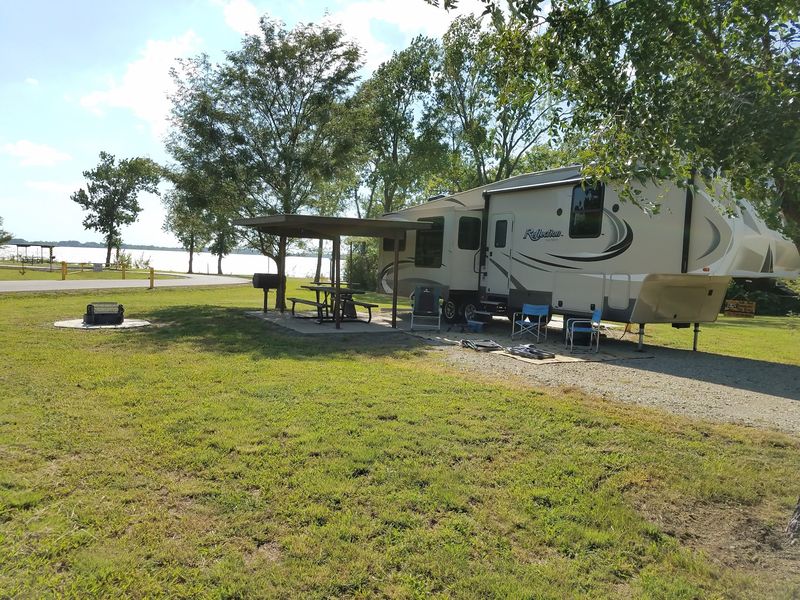
Prairie breezes and big open skies make Marion Reservoir a peaceful place to slow down.
Out here, the loudest sound at night might be a coyote chatting with the moon. Cottonwood Point Campground sits on a point that pokes into the lake, so water surrounds much of the park.
That means more shoreline sites and more chances for sunrise and sunset views in the same weekend.
The campground is managed by the U.S. Army Corps of Engineers.
You will find paved pads, electric hookups, showers, and a boat ramp that makes launching easy.
Marion Reservoir is a favorite with anglers chasing walleye, white bass, and crappie. Early spring and fall tend to bring the best bites, and the crowds are smaller too.
Kids love the playground, and there is plenty of room to toss a frisbee or fly a kite. Kansas wind is basically free kite fuel.
One tip is to check lake conditions before you go. Like many Kansas lakes, Marion Reservoir sometimes posts summer algae advisories, so it helps to know if swimming is a good idea.
Birdwatchers should pack binoculars, since pelicans and bald eagles visit the lake during migration season.
Look for Cottonwood Point Campground on the shores of Marion Reservoir near the town of Marion, Kansas, in the central part of the state.
3. Tuttle Creek Cove Campground at Tuttle Creek Lake, Manhattan
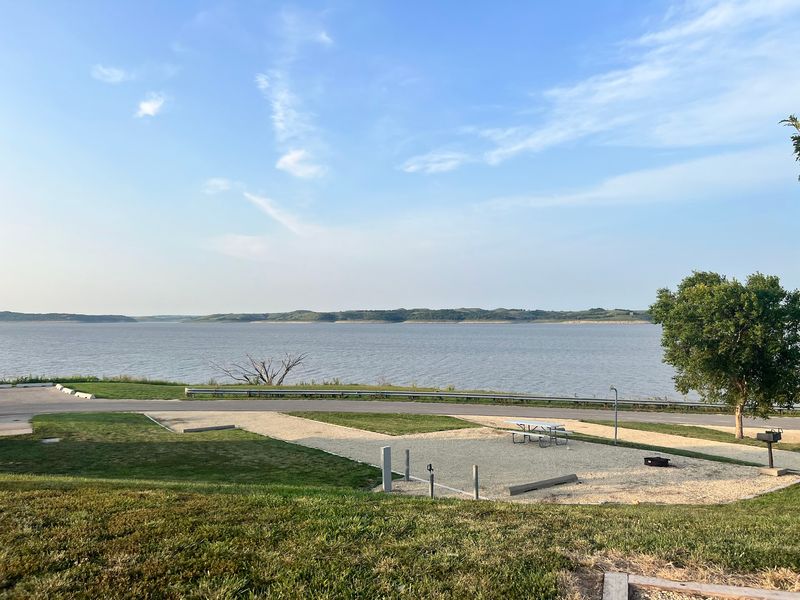
Flint Hills sunsets have a way of turning the sky every shade of orange you can imagine.
At Tuttle Creek Cove Campground, you get to watch them reflect right off the water.
Tuttle Creek Lake is one of the largest lakes in Kansas, formed by a dam on the Big Blue River.
The campground rests in a quiet cove, which keeps the water calmer than the open lake.
That calm water is great news for paddlers. Kayaks and canoes glide easily here, and early mornings are often glassy smooth.
Many campsites offer electric hookups, and a boat ramp sits nearby. Shade trees help a lot during hot July afternoons.
Hikers have lots of options close by. The Konza Prairie trails are a short drive away, showing off one of the largest pieces of unplowed tallgrass prairie left in North America.
College town fun is also within reach, since Manhattan is home to Kansas State University. You can grab supplies, catch a game, or visit the Flint Hills Discovery Center on a rainy day.
Fishing is solid too, with crappie, catfish, and white bass swimming around Tuttle Creek Lake.
Set up camp at Tuttle Creek Cove Campground on Tuttle Creek Lake, just north of Manhattan, Kansas, in the Flint Hills region of the United States.
4. Bloomington East Campground at Clinton Lake, Lawrence
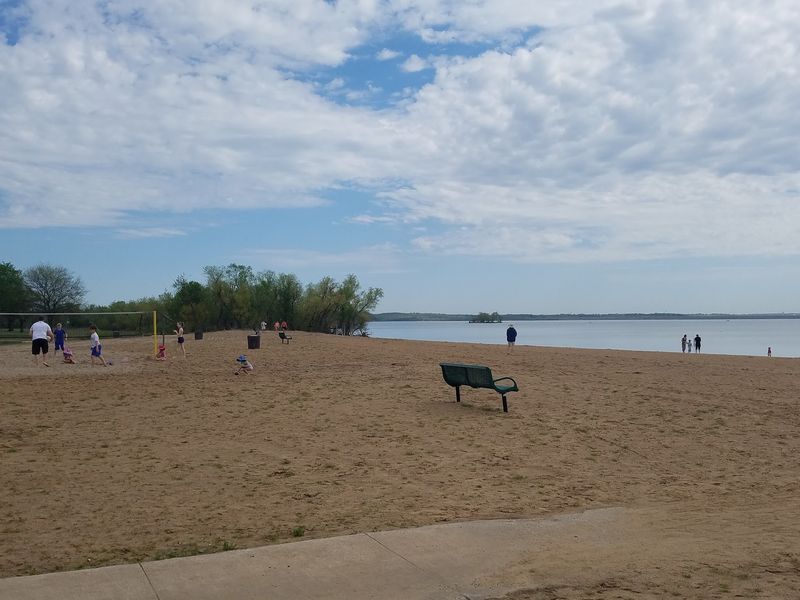
Some campgrounds come with a history lesson, and this lakeside spot near Lawrence does.
Bloomington East Campground sits inside Bloomington Park on the shores of Clinton Lake. Before the lake was built, small towns stood in this valley.
The Clinton Lake Museum, located in the same park, shares stories about those communities and their role in the Underground Railroad.
After the museum, the water is waiting. Clinton Lake has a sandy swimming beach at Bloomington Park, plus boat ramps for anyone bringing a kayak or fishing boat.
Trail lovers are in luck here. The North Shore trails around Clinton Lake stretch for miles and are popular with hikers, trail runners, and mountain bikers.
Campsites at Bloomington East offer electric hookups, and many sit under shady trees close to the shoreline. Weekends in summer fill fast, so reserve early.
Lawrence is only a short drive away. The town is home to the University of Kansas and a lively downtown on Massachusetts Street, which is perfect for an ice cream run.
Anglers can try for crappie, walleye, and largemouth bass in the coves. Early morning is usually the best time to cast a line.
Plan your stay at Bloomington East Campground on Clinton Lake, just southwest of Lawrence, Kansas, in the northeast corner of the state.
5. Slough Creek Campground at Perry Lake, Perry
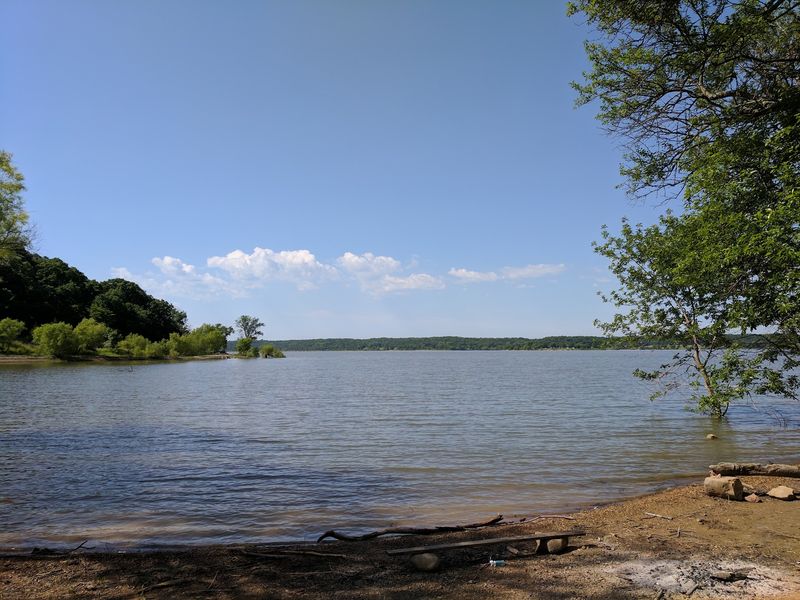
Marshmallows taste better when a heron is fishing a few yards away from your campfire.
Moments like that happen often at Slough Creek Campground on Perry Lake.
The park is run by the U.S. Army Corps of Engineers and sits among thick oak and hickory trees.
Many sites back right up to the shoreline.
Perry Lake was built on the Delaware River, and its edges are full of quiet coves and wooded hills. It shows off a hilly, leafy side of Kansas that surprises many visitors.
Hikers can hop on the Perry Lake Trail, a long path that winds along the eastern shore. Expect little creek crossings and plenty of chances to spot deer and wild turkeys.
Campsites offer electric hookups, and the park has shower houses and boat ramps. Fall is a special season here, when the trees blaze gold and red above the water.
Crappie fishing is a big deal at Perry Lake, especially in spring when the fish move into shallow brush.
Pack a blanket for stargazing, since the woods block much of the glow from nearby cities.
Find Slough Creek Campground along the shore of Perry Lake, near the small town of Perry in northeast Kansas.
6. Venango Park Campground at Kanopolis Lake, Marquette
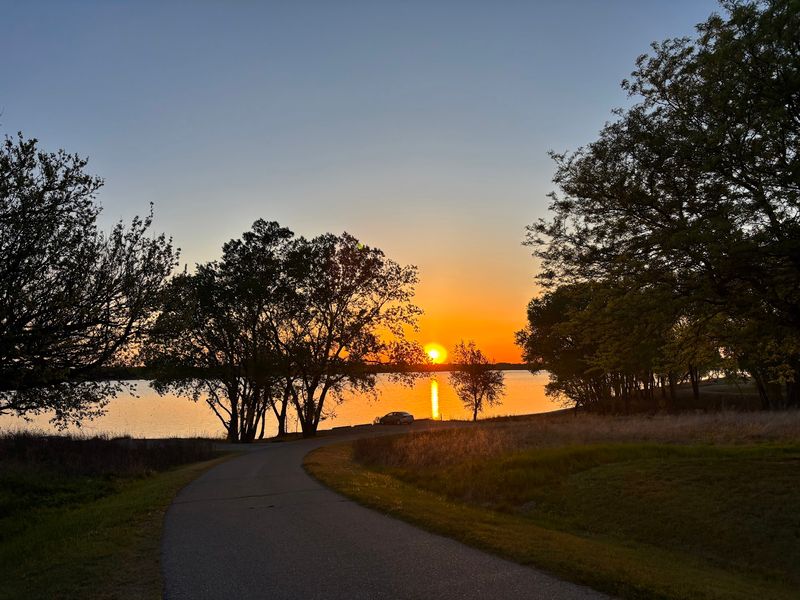
History buffs and sunset chasers can agree on one thing about Kanopolis Lake in Kansas.
It is the oldest reservoir in the state, finished back in 1948 on the Smoky Hill River.
Venango Park Campground sits along the shore of Kanopolis Lake, with big views of the water. The park is managed by the U.S.
Army Corps of Engineers.
The scenery around here is wilder than many people expect. Sandstone cliffs, red canyons, and grassy hills surround the lake.
Hikers should not miss Horsethief Canyon in nearby Kanopolis State Park. The trails lead past rock bluffs and small caves carved into the sandstone.
A short drive away, Mushroom Rock State Park shows off giant rock formations shaped like, well, mushrooms. It is one of the smallest state parks in Kansas.
Back at Venango Park, you can swim at the beach, launch a boat, or cast for walleye and white bass. Campsites offer electric hookups, and shower houses are close by.
The town of Marquette is worth a quick visit too. It is home to the Kansas Motorcycle Museum, a fun stop for anyone who loves shiny chrome and old engines.
Point your map toward Venango Park Campground on Kanopolis Lake, just a short drive from Marquette in central Kansas.
7. Page Creek Campground at Cedar Bluff Reservoir, Ellis
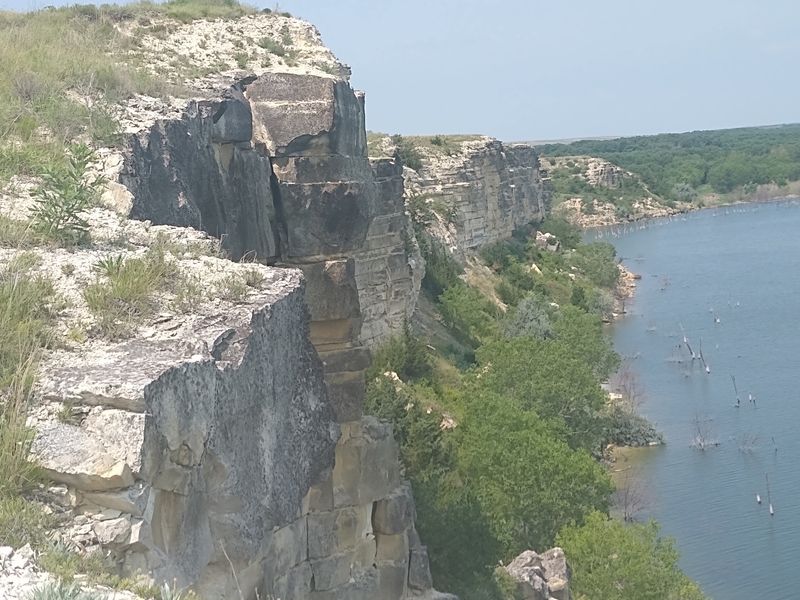
Towering limestone bluffs rise above the water here, and they look even better at dusk.
That dramatic backdrop is what gives Cedar Bluff Reservoir its name.
Page Creek Campground is part of Cedar Bluff State Park, which sits on the Smoky Hill River in western Kansas.
The bluffs along the south shore climb around a hundred feet high, and cedar trees cling to their sides.
This is big-sky country, with fewer crowds and wide-open views. At night, the stars shine so brightly that you may spot the Milky Way without trying.
Campsites at Page Creek offer a mix of electric and primitive spots, plus showers and restrooms. Cabins are also available in the state park for folks who prefer a real bed.
Fishing is a top draw at Cedar Bluff Reservoir. Walleye, wipers, and channel catfish all swim here, and the clear water makes the hunt fun.
Wildlife is everywhere too. Keep an eye out for mule deer, wild turkeys, and pheasants roaming the grasslands around camp.
Water levels can rise and fall a lot from year to year. Checking the latest lake conditions before your trip is a smart move, especially if you plan to launch a boat.
Point your wheels toward Page Creek Campground at Cedar Bluff Reservoir, within an easy drive of Ellis in western Kansas.
8. Woodson Cove Campground at Toronto Lake, Toronto
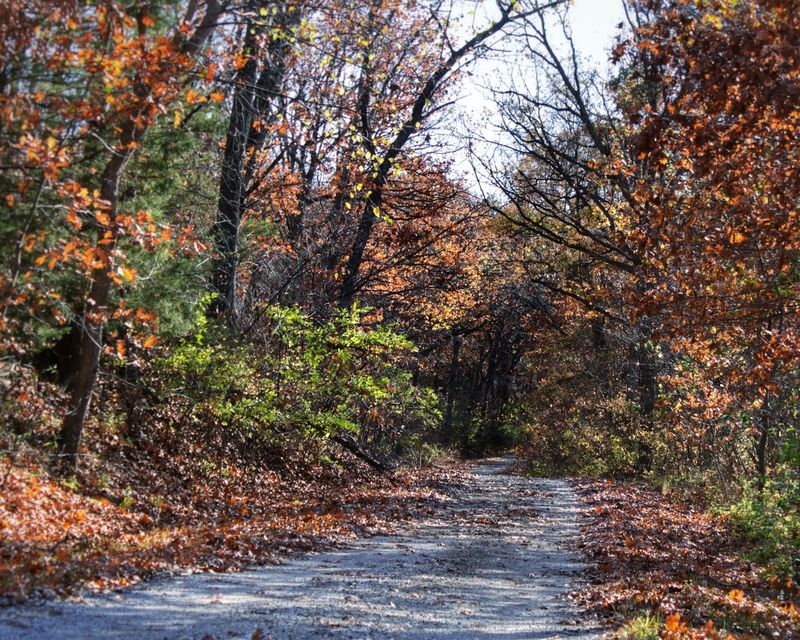
Some of the oldest trees in Kansas stand quietly over the campsites along Toronto Lake.
Post oaks in this area can be hundreds of years old, and they have seen a lot of history.
Woodson Cove Campground is part of Cross Timbers State Park, which sits in the hilly southeast corner of Kansas.
The park gets its name from the Cross Timbers, a strip of rugged forest that stretches down into Oklahoma and Texas.
Hikers should try the Ancient Trees Trail. Along the path, you can see gnarled oaks that were growing long before Kansas became a state.
Toronto Lake sits on the Verdigris River, and its quiet coves are perfect for kayaks. Crappie and catfish fishing is excellent, especially in spring and early summer.
The campground itself feels calm and shady. Sites include electric hookups, and there are showers, a boat ramp, and easy lake access nearby.
Autumn is a showstopper here. The hardwood forest turns bright orange and red, and the cooler air makes campfire nights extra cozy.
Wildlife sightings are common, so keep your camera ready for deer, turkeys, and even bald eagles in winter.
Plan a trip to Woodson Cove Campground on Toronto Lake, near the small town of Toronto in southeast Kansas.
9. Bluestem Point Campground at El Dorado Reservoir, El Dorado
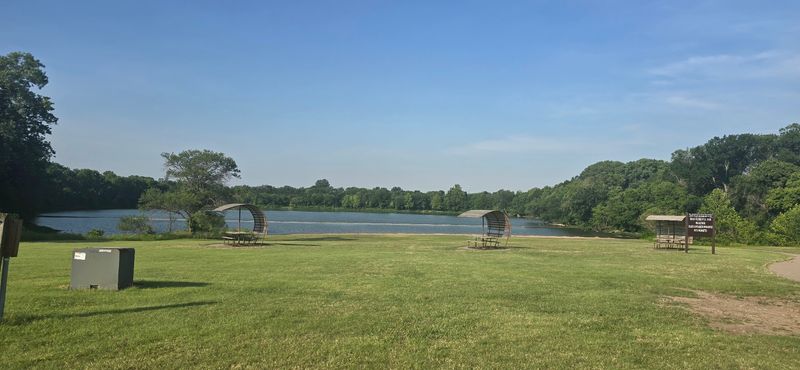
Big lakes deserve big parks, and El Dorado State Park happens to be the largest in Kansas.
Bluestem Point Campground is one of its most popular areas, and it is easy to see why.
The campground wraps along the shore of El Dorado Reservoir, where the Flint Hills meet the water.
Tallgrass prairie rolls right up to the lake, and the grass ripples in the wind all summer long.
Bluestem Point has hundreds of campsites, with options for tents, RVs, and cabins. Many sites have electric and water hookups, and shower houses are spread around the park.
A sandy swimming beach is a big hit with families. On hot days, it is the best place to cool off before dinner.
El Dorado Reservoir is known for walleye, white bass, and crappie. Shoreline fishing is easy too, so you do not need a boat to join the fun.
Trails wind through the prairie and along the water, great for walking or biking. Keep an eye out for wildflowers in late spring.
The town of El Dorado has its own fun stop too. The Kansas Oil Museum tells the story of the oil boom that shaped this part of the state.
Book a site at Bluestem Point Campground on El Dorado Reservoir, just outside El Dorado in south-central Kansas.
10. Curtis Creek Campground at Milford Lake, Junction City
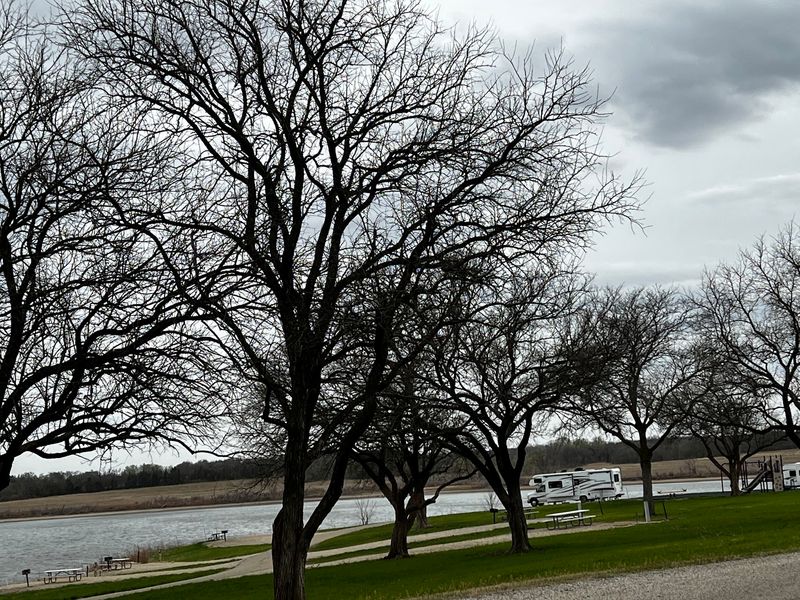
Size matters at Milford Lake, which holds the title of largest lake in all of Kansas.
With more than 15,000 acres of water, there is room for everyone to spread out.
Curtis Creek Campground sits on the shore of Milford Lake and is run by the U.S. Army Corps of Engineers.
It feels quieter than some of the busier parks, which makes it great for a relaxing weekend.
The lake was built on the Republican River, and its long arms reach deep into the countryside. Sunsets over the water are often jaw-dropping.
Anglers head here for walleye, white bass, smallmouth bass, and big catfish. Early mornings in spring and fall tend to be the best time to cast.
Campsites offer electric hookups, and there is a boat ramp for easy launching.
Families should save time for the Milford Nature Center and Fish Hatchery near the dam. Kids can see live animals, learn about local wildlife, and watch how fish are raised.
Junction City is close by and has groceries, gas, and restaurants. Nearby Fort Riley also offers museums that share stories of the frontier cavalry.
Summer algae advisories sometimes pop up, so check lake conditions before swimming.
Wrap up your trip at Curtis Creek Campground on Milford Lake, just northwest of Junction City in the Flint Hills region of Kansas.