July in Louisiana does not hide indoors. It moves slowly through riverfront towns where the shade hits the boardwalk at just the right angle, through Cajun country where the hot sauce factory is also the main tourist attraction, plus through fishing villages at the end of the highway where the Gulf breeze makes the heat bearable for exactly long enough.
Thirteen small towns across the state offer the kind of summer charm that big cities spend millions trying to replicate: brick streets in Natchitoches, roadside oddities in Abita Springs, oak-lined drives in St. Francisville, plus a world heritage site in Pioneer that predates the pyramids.
Each stop rewards the detour with something a highway exit cannot offer, whether that means crawfish tamales in Breaux Bridge, a pepper sauce tasting on Avery Island, or a sunset over Lake Pontchartrain from a park bench. Unhurried charm that makes you turn off the highway.
13. Natchitoches Historic District
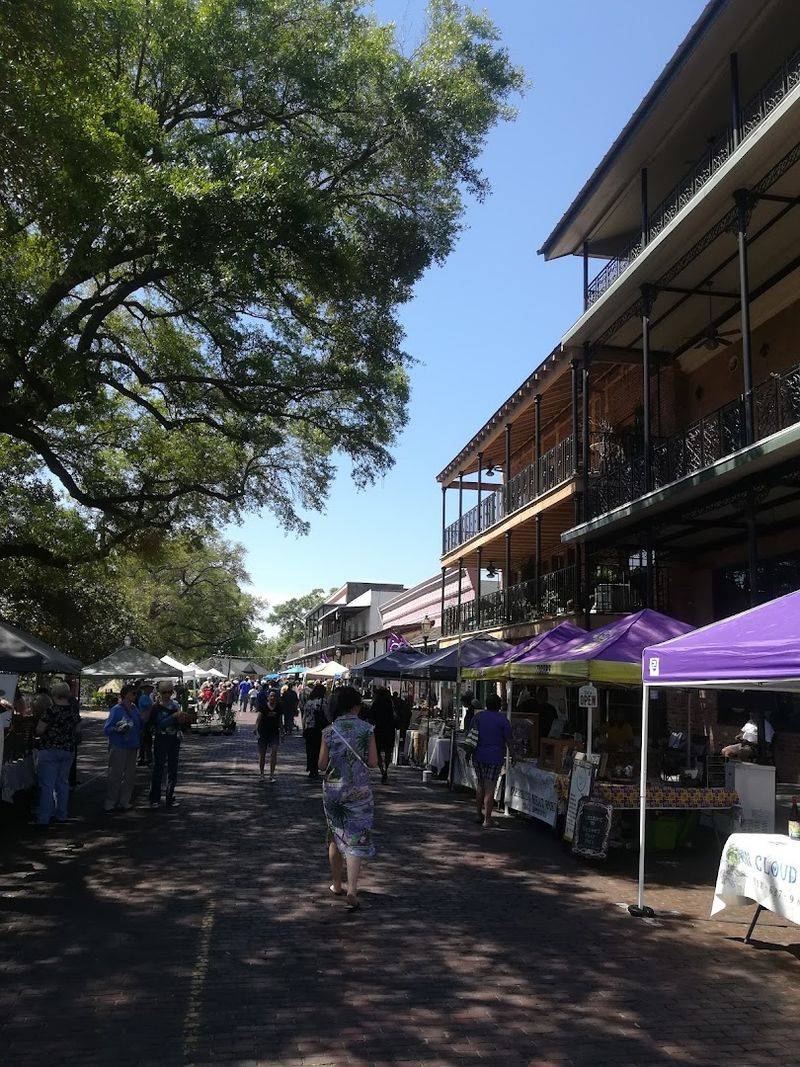
Brick streets, iron balconies, and slow Cane River views make this one of Louisiana’s easiest small-town trips to romanticize in July. Natchitoches was founded in 1714, and the historic district still carries that layered sense of age without feeling frozen.
Front Street gives you the best first impression, with shops, galleries, restaurants, and riverfront scenery arranged in a way that invites wandering rather than rushing.
Summer heat changes the pace here, but it does not ruin the experience. It simply tells you to move intelligently: browse indoors during the hottest part of the afternoon, stop for a cold drink, and save the riverfront stroll for morning or early evening.
A meat pie is the obvious local food move, especially if you want the trip to taste as specific as it looks.
The historic district works because it gives visitors several versions of charm at once. Architecture lovers can study the buildings, casual shoppers can drift through boutiques, and anyone who just wants a pretty small-town walk can follow the brick sidewalks until the river pulls them back.
In July, the town feels slower, warmer, and somehow more cinematic, as if every shaded bench was placed there for exactly this season.
12. St. Francisville Historic District
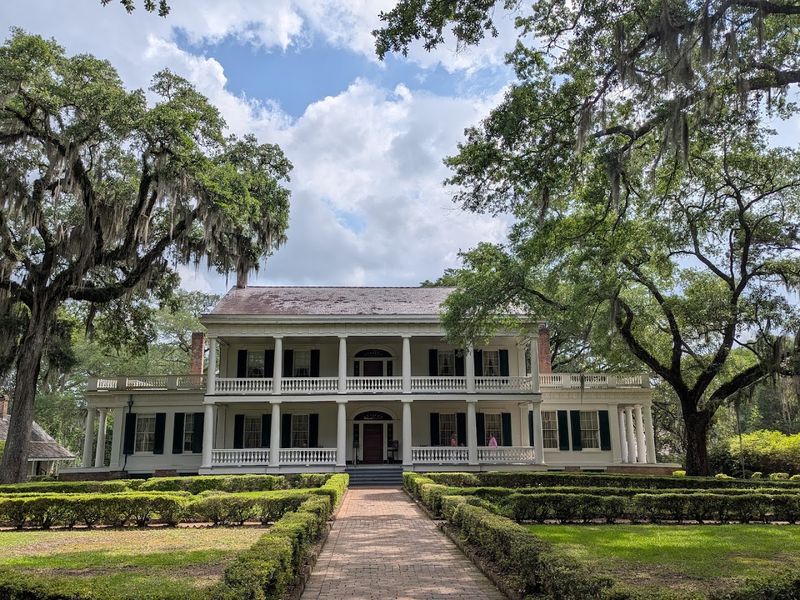
High ground above the Mississippi floodplain gives this town a quietly dramatic setting before you even reach the historic homes. St. Francisville feels especially appealing in July because the trees, porches, and older streets create pockets of shade that make slow exploration possible.
The town’s historic district blends antebellum, Creole, and Victorian architecture with a ridge-top layout that feels different from flatter river towns elsewhere in Louisiana.
Rosedown Plantation State Historic Site is one of the strongest nearby anchors, especially for visitors who want formal gardens, old-house history, and a more structured stop between downtown wandering and lunch.
The gardens alone can justify the detour, though July makes early arrival smart if you want to avoid the hardest heat.
The town rewards a patient pace. Instead of trying to see everything quickly, build the day around a few historic sites, a café break, and a shaded walk past old houses and live oaks.
St. Francisville does not need a loud festival atmosphere to feel summery. Its charm is quieter: garden paths, preserved facades, mossy branches, and that sense of being slightly above the river world rather than swallowed by it. In July, that calm feels like the whole point.
11. Breaux Bridge Downtown
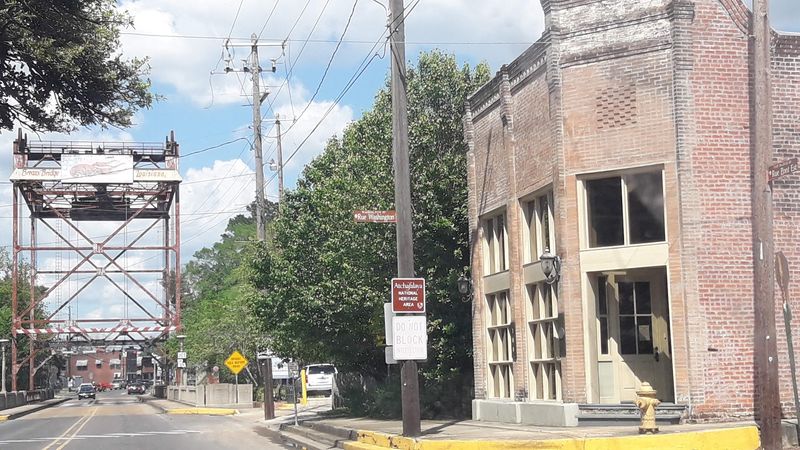
Bayou Teche gives this town its rhythm, and July turns that rhythm into something slow, humid, and unmistakably Cajun. Breaux Bridge is known as the Crawfish Capital of the World, but the town’s appeal goes beyond a single dish.
Downtown has antique shops, restaurants, music energy, colorful storefronts, and a bayou-centered layout that makes wandering feel natural even when the heat tells you to take breaks.
The bridge itself is part of the story. Breaux Bridge grew around crossings over Bayou Teche, and that history still gives the town a strong sense of place.
You feel it when you move between shops, pause near the water, or settle into a restaurant where crawfish étouffée, gumbo, boudin, or a zydeco breakfast feels less like a tourist choice and more like regular life.
July is not the coolest time to visit, but it may be one of the most atmospheric. The air is thick, the music feels right, and the bayou’s presence makes the town feel rooted.
Pair downtown with nearby Lake Martin if you want birds, swamp scenery, or a second outdoor stop. Breaux Bridge works because it turns Cajun culture into something walkable, edible, and easy to love.
10. Abita Mystery House
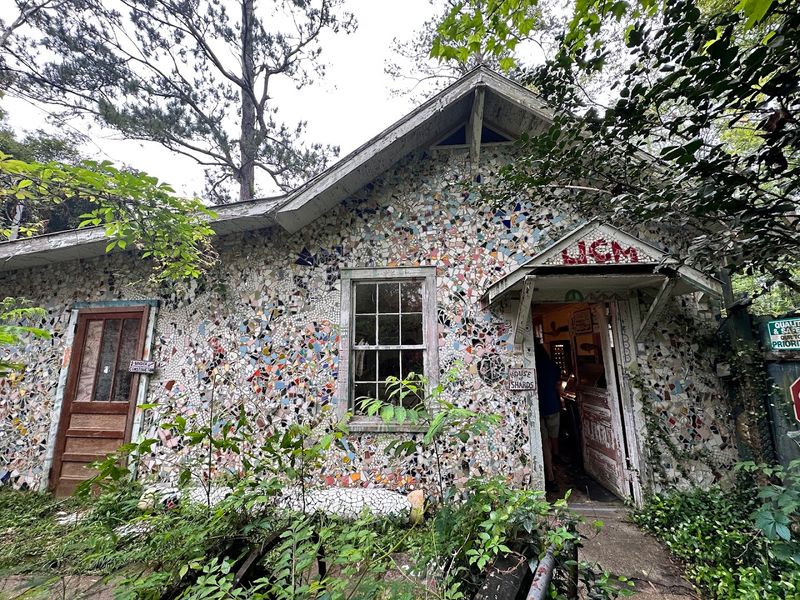
Roadside weirdness feels better in summer, and Abita Mystery House understands that perfectly.
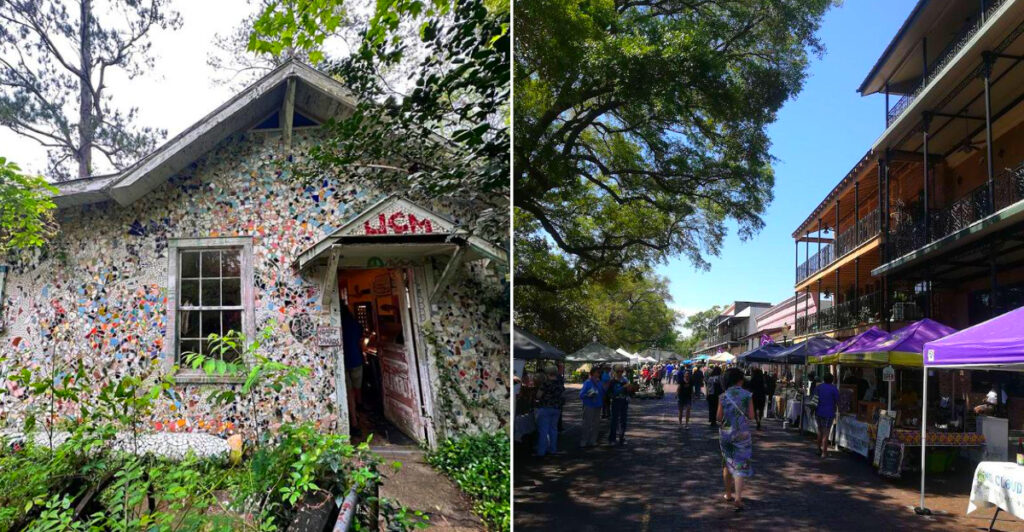
This Abita Springs attraction, also known as the UCM Museum, turns a former gas station into a folk-art cabinet of curiosities filled with homemade oddities, strange collections, interactive displays, miniature scenes, and enough visual jokes to keep visitors leaning closer.
The charm is not polished, and it should not be. The whole point is that the place feels handmade, eccentric, and slightly impossible to summarize.
One corner might hold a strange creature sculpture, another might sparkle with the House of Shards, and another might invite you to press a button just to see what happens. It is the kind of stop that rewards people who still enjoy being surprised by low-tech imagination.
July makes it even more useful because the Abita Springs area pairs well with other Northshore stops. You can visit the Mystery House, walk around town, grab something cold, and then connect the day with the Tammany Trace or nearby Covington.
The attraction is small enough to fit easily into a day trip but memorable enough to become the thing everyone talks about afterward. It is proof that small-town Louisiana can be charming by being proudly, gloriously odd.
9. Covington Trailhead Museum
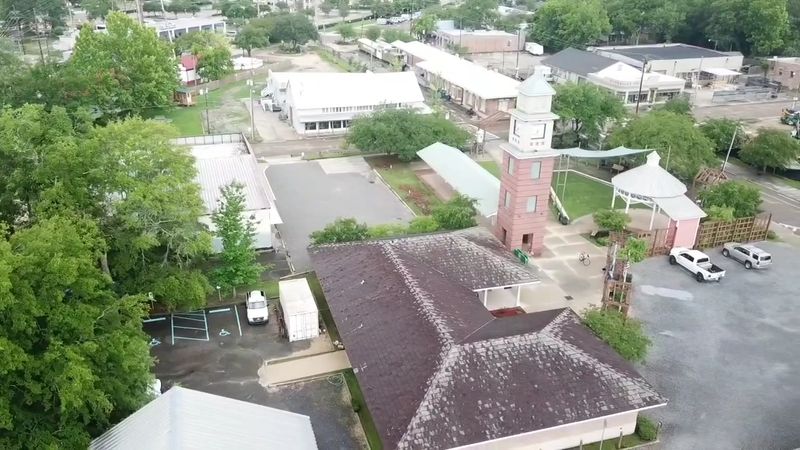
A little depot-style museum can anchor an entire Northshore afternoon when it sits in the right place.
The Covington Trailhead Museum works because it is both an orientation point and a small-town gathering space, giving visitors a friendly introduction to Covington before sending them toward the Tammany Trace, downtown shops, restaurants, and shaded streets nearby.
The building’s railroad-inspired design fits the setting, especially because the Tammany Trace itself grew out of a former rail corridor. Inside, exhibits and local-history material help explain the area in a compact, approachable way.
Outside, the trailhead often feels more like a community plaza than a simple starting point, with open space, events, markets, music, and cyclists moving through.
July makes the trailhead especially useful if you plan carefully. Morning is best for biking or walking the Trace before the heat builds, while midday can be saved for cafés, antique shops, bookstores, or restaurants in Covington’s walkable core.
The whole stop feels practical and charming at once: learn a little, move a little, cool off, then keep exploring. Covington’s appeal is not one single landmark but the way trail culture, historic streets, and local businesses connect around this welcoming center point.
8. Fontainebleau State Park
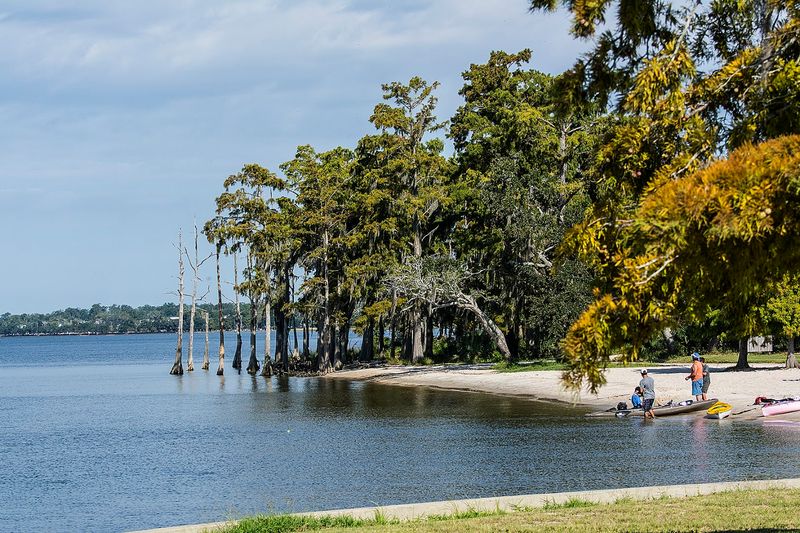
Lake Pontchartrain looks especially inviting in July, and Fontainebleau State Park gives Mandeville one of the Northshore’s easiest summer escapes.
The park spreads across 2,800 acres along the lake, with a sandy beach, live oaks, marsh boardwalks, trails, picnic areas, and the ruins of an 1829 sugar mill adding history to the shoreline.
The mix is what makes the stop work. You can cool off at the beach, walk under moss-draped trees, ride or stroll part of the Tammany Trace, and still have time to sit near the water watching sailboats move across the lake.
The old sugar mill ruins give the park a more layered personality than a standard beach stop, reminding visitors that this landscape holds plantation-era history as well as natural beauty.
July requires common sense: bring water, sun protection, insect repellent, and a willingness to move slowly. Early morning or late afternoon visits are more comfortable, especially if you want to combine a walk with beach time.
Fontainebleau is not a hidden place, but it feels like a shortcut because it gathers so many summer pleasures in one easy stop: shade, lake air, sand, trails, and a quiet sense of Northshore calm.
7. Madisonville Maritime Museum
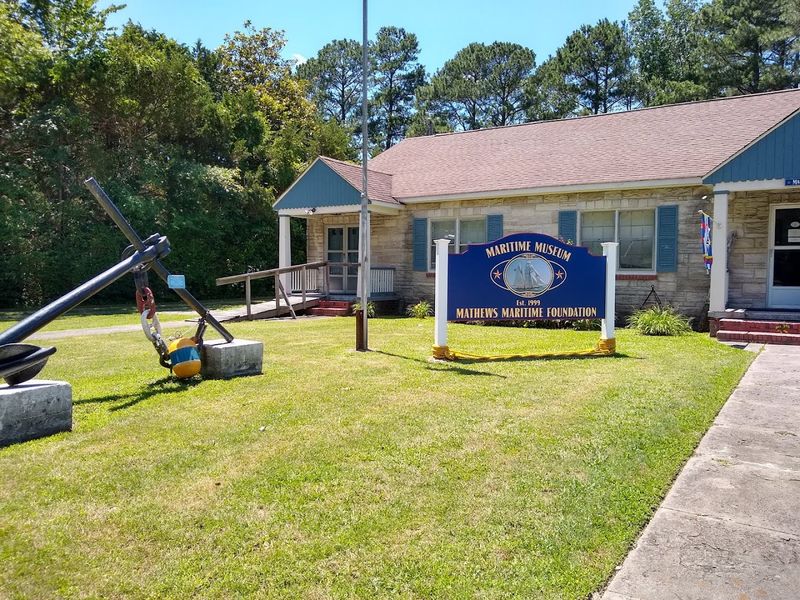
River towns make more sense when you understand the boats, and Madisonville’s maritime museum gives visitors that context without making the stop feel heavy.
Maritime Museum Louisiana, located near the Tchefuncte River, tells the story of regional water travel, boatbuilding, Lake Pontchartrain traditions, and the communities shaped by the basin.
The museum is compact enough for a relaxed visit but specific enough to give the town more depth. Boat models, exhibits, historical material, and local maritime interpretation help connect Madisonville’s pretty riverfront setting to real working history.
Instead of simply admiring boats from a distance, you get a better sense of why this area developed around water and how that identity still shapes the town.
July is a good time to pair the museum with a riverfront meal, a shaded walk, or a slow drive through the Northshore. The museum’s indoor setting also gives you a welcome break from the heat, which matters when a summer day gets heavy by noon.
Madisonville’s charm is not loud; it is riverine, tidy, and calm. The museum helps sharpen that charm by turning the water from scenery into story.
6. Grand Isle State Park
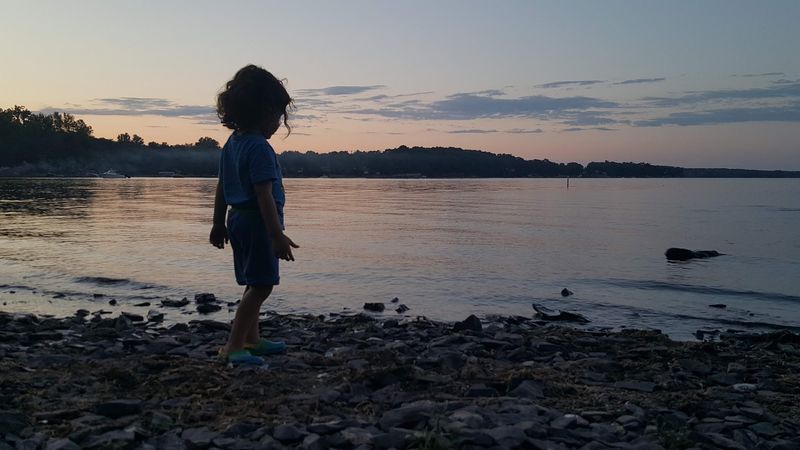
Reaching Grand Isle already feels like an event because the road carries you farther and farther toward the Gulf until Louisiana starts to feel like water, wind, and horizon.
Grand Isle State Park gives that journey a clear destination, with beach access, fishing, birding, coastal views, and the unusual pleasure of visiting Louisiana’s only inhabited barrier island.
July brings the full coastal mood. The sun is strong, the breeze matters, and the Gulf gives the day a sense of openness that inland towns cannot imitate.
The beach is good for walking, shelling, swimming when conditions allow, and watching the shifting relationship between sand, birds, and water. Anglers have even more reason to linger, especially around the island’s fishing culture and access points.
The beauty here is fragile, and that should shape the visit. Storms, restoration work, nesting areas, and changing beach conditions are all part of Grand Isle’s reality, not distractions from it.
Bring serious sun protection, check weather and park status before driving, and respect posted closures. The reward is a summer trip that feels elemental: hot sand, Gulf air, fishing boats, birds overhead, and a community that keeps returning to the edge of the state.
5. Rip Van Winkle Gardens
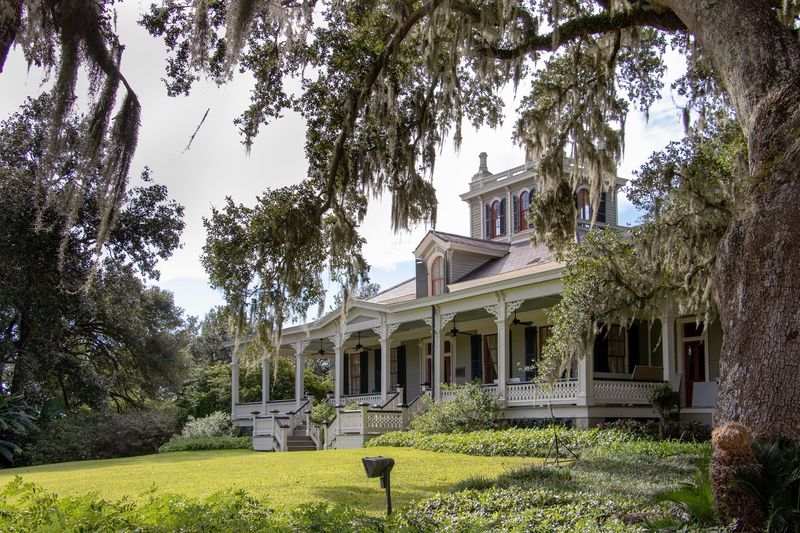
A garden on Jefferson Island feels like a small Louisiana dream sequence, especially when July heat pushes you toward shade and water views.
Rip Van Winkle Gardens sits at 5505 Rip Van Winkle Road near New Iberia, centered around the Joseph Jefferson Mansion and surrounded by 15 acres of landscaped beauty, sculpture, tropical plantings, and dramatic live oaks.
The property has a slightly surreal quality. Bamboo, palms, flowers, peacocks, lake views, and old-house history all share the same space, giving the visit more texture than a simple garden walk.
The Joseph Jefferson connection adds theatrical history, while the gardens themselves offer the real summer pleasure: shaded paths, visual surprises, and enough greenery to make the humidity feel almost intentional.
July is not the mildest season for a garden visit, so timing matters. Go early, bring water, and move slowly under the trees rather than trying to conquer the property at full speed.
The reward is atmosphere. Rip Van Winkle Gardens feels cultivated but not sterile, historic but not sleepy, and lush enough to justify the detour even if you only came for a quiet walk.
It is one of those Louisiana stops where the landscape seems to be performing.
4. TABASCO Factory Tour
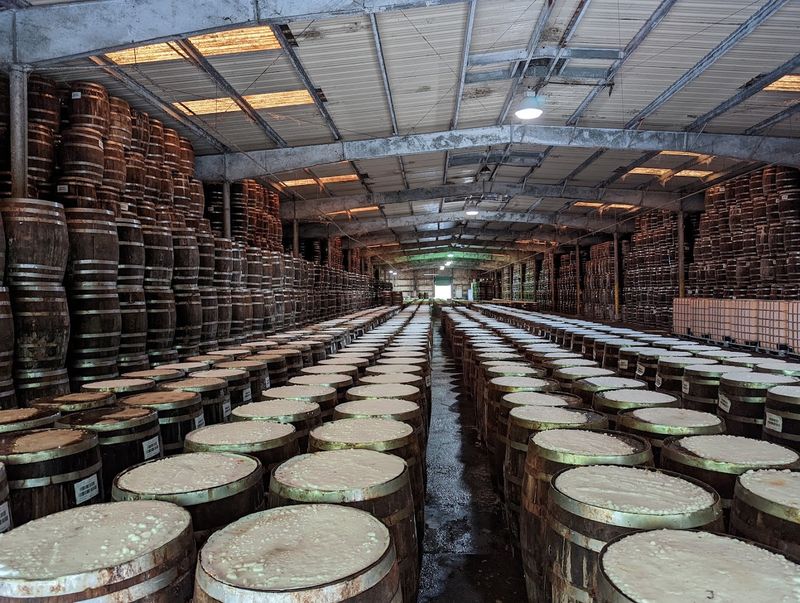
Avery Island turns hot sauce into a full small-town-style outing, and that is much more entertaining than it sounds. The TABASCO Factory Tour gives visitors a self-guided look at the brand’s history, pepper-growing process, barrel aging, salt dome setting, country store, and broader Avery Island landscape.
It is food history, agricultural tourism, and Louisiana brand mythology wrapped into one tidy stop.
The tour works because it does not rely only on nostalgia. You see how the sauce connects to peppers, salt, vinegar, barrels, family history, and place.
The Country Store adds the playful part, with tastings and products that make even casual hot sauce fans start comparing flavors more seriously than expected. Jungle Gardens nearby turns the trip into something larger, adding birds, water, trees, and scenic wandering to the pepper-sauce pilgrimage.
July gives the visit a fitting heat, though you will want to pace yourself. Do the indoor or shaded portions during the hottest part of the day, drink water, and leave time for both the factory experience and the grounds.
Avery Island’s charm comes from being unlike anywhere else: a salt dome, a hot sauce empire, a garden landscape, and a Louisiana day trip that tastes exactly like its reputation.
3. Poverty Point World Heritage Site
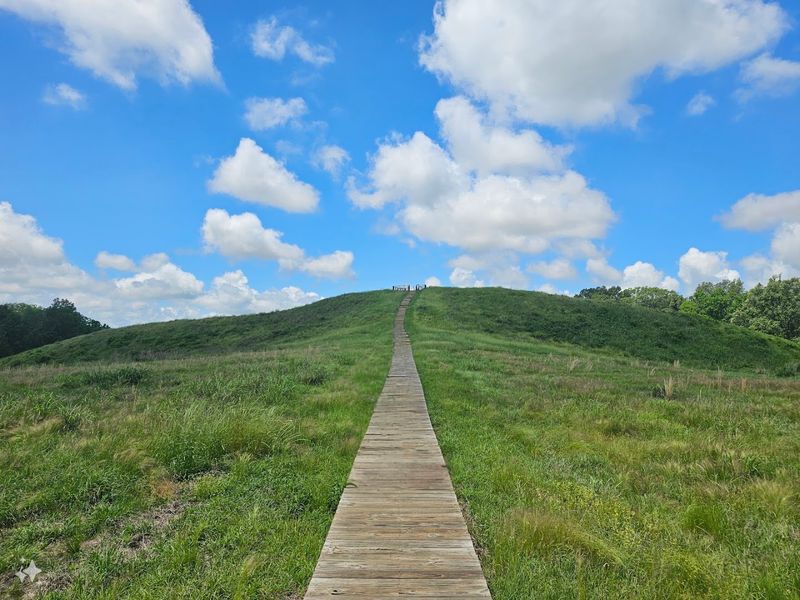
Ancient earthworks in northeast Louisiana can make a July road trip feel unexpectedly profound.
Poverty Point World Heritage Site near Pioneer is more than 3,400 years old, with massive earthen ridges, mounds, and archaeological evidence of a complex Indigenous society that built on a scale that still feels astonishing when you stand there.
The site’s power comes from space. Photographs help, but walking the grounds or taking a tram tour makes the geometry and ambition easier to grasp.
Mound A, the concentric ridges, artifacts, and interpretive center all reveal a place that was a trading hub, engineering achievement, and cultural landscape long before European contact. It shifts the day from casual sightseeing into something much larger.
July visits require planning because the heat is real and shade can feel limited. Bring water, sunscreen, a hat, and patience.
Start with the interpretive center, then walk or tour the grounds with the landscape already in mind. Poverty Point is not charming in the same way as a boutique-lined downtown; it is humbling.
It belongs on a small-town Louisiana trip because it changes your sense of the state’s timeline. Suddenly the road, the fields, and the horizon feel much older.
2. Washington Museum & Tourist Center
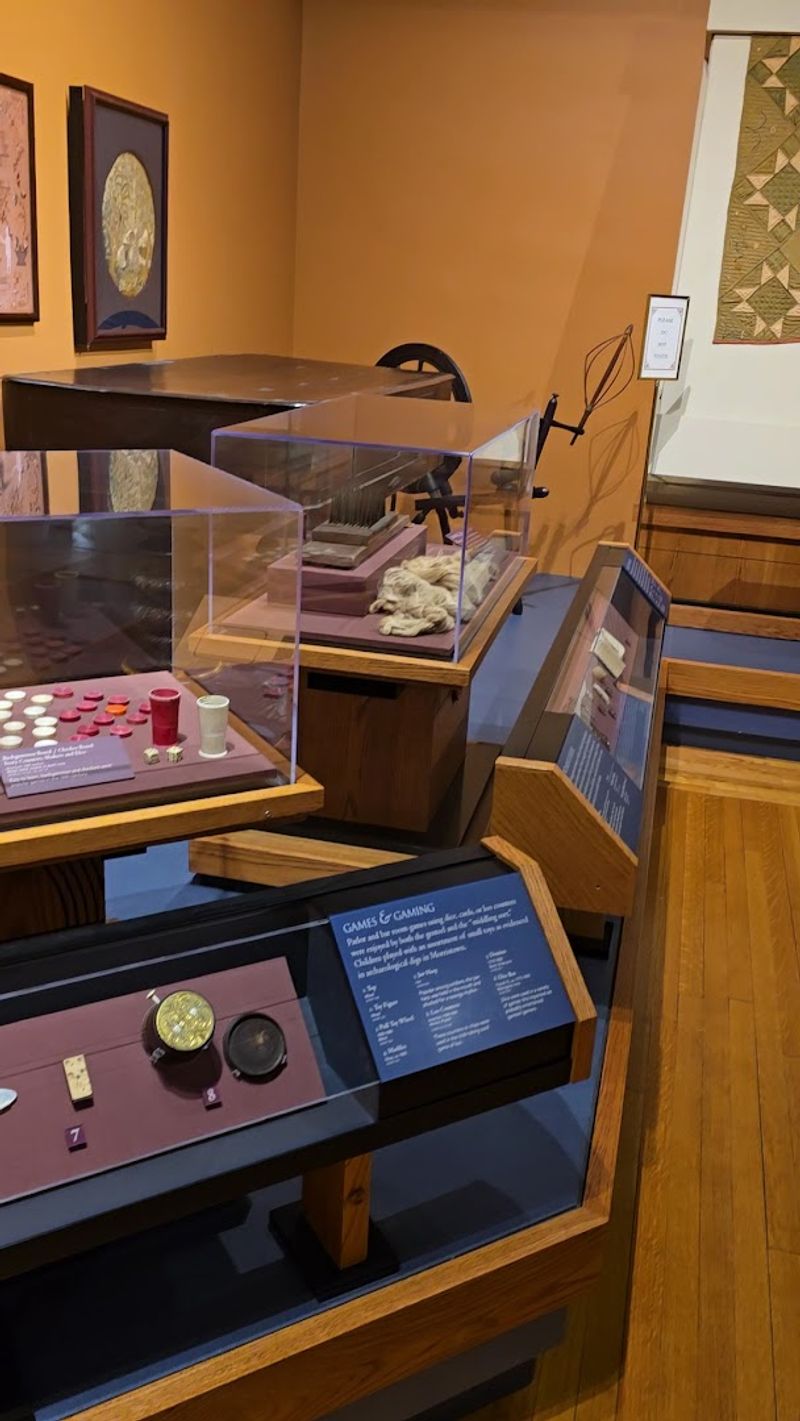
Small museums can be easy to underestimate until they explain a town in exactly the right amount of detail. The Washington Museum & Tourist Center, located at 404 North Main Street in Washington, introduces visitors to a community that once played a major role as an inland steamboat port.
That river-and-trade history gives the town more weight than its quiet streets might initially suggest.
The building itself adds interest, with its connection to materials salvaged after a fire, and the museum functions as a practical first stop for anyone wanting to understand what to see nearby. Maps, exhibits, local stories, and visitor guidance help turn a casual drive-through into a real historic walk.
Main Street, old homes, churches, cottages, and nearby sites become easier to appreciate once you know what Washington once was.
July gives the town a sleepy, sunlit quality that works if you lean into the pace. Visit the museum, take a slow stroll, stop for food or a bakery treat if available, and avoid trying to rush through the heat.
Washington’s charm is understated, which is precisely why the museum matters. It helps you see the town not as a quiet leftover, but as a place with a deep commercial past and a still-readable historic character.
1. Church Of St. Charles Borromeo
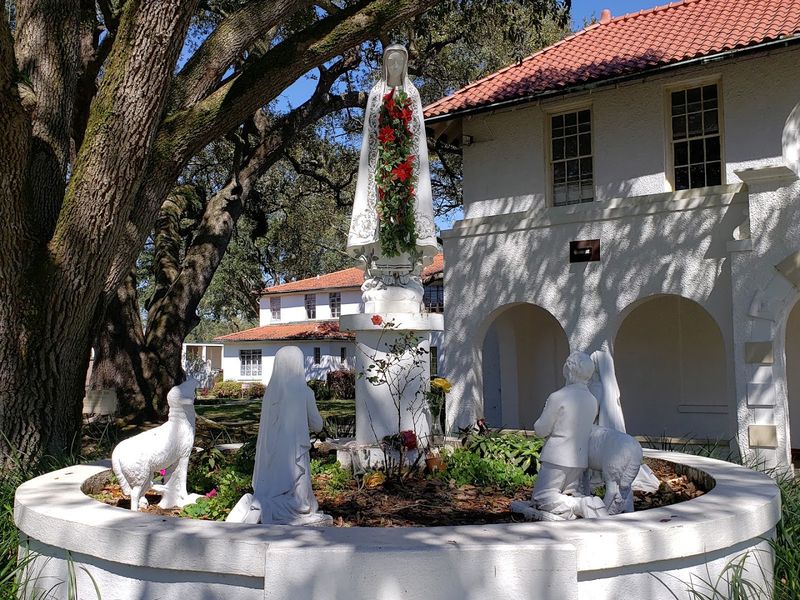
Grand Coteau feels like one of Louisiana’s most quietly atmospheric small towns, and the Church of St. Charles Borromeo gives it a striking spiritual and architectural center.
The wooden church, designed by New Orleans architect James Freret, is one of the town’s signature landmarks, with a rare Second Empire-style belfry, stained glass, carved details, and a setting tied closely to the area’s Catholic and Jesuit history.
The stop works best when paired with a walk through Grand Coteau’s broader historic district. The town is known for trees, religious institutions, old homes, and a rural historic character that feels slower than more commercial destinations.
The church adds vertical drama and stillness to that landscape, especially when the light catches the wood, glass, and decorative interior details.
July makes the shaded grounds and quiet streets feel especially valuable. This is not a loud summer stop, and it should not be treated like one.
It is a place for careful looking, respectful visiting, and noticing how faith, education, architecture, and small-town history shaped the community. Grand Coteau’s charm is subtle but strong. The church helps explain why: beauty here is not hurried, and the town’s best details reveal themselves slowly.