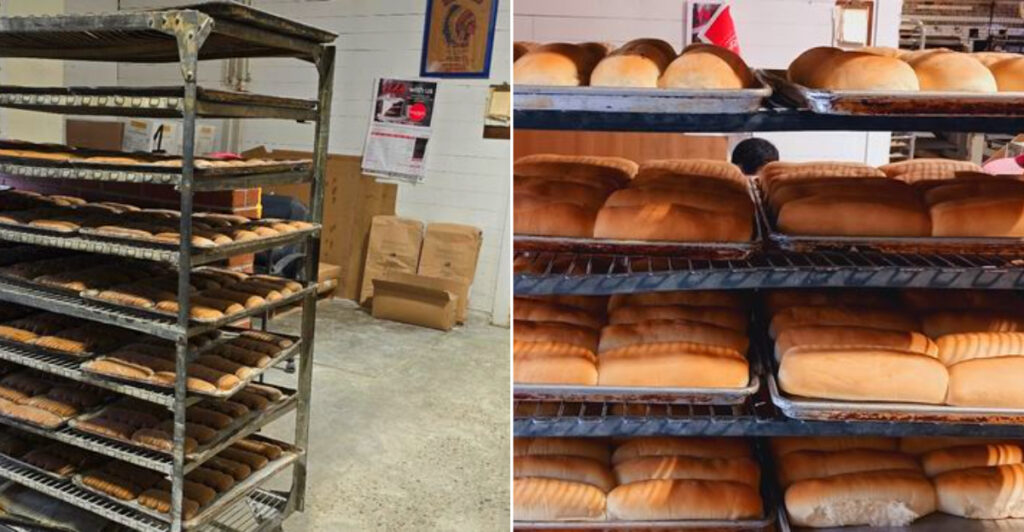
Driving through the small towns along the Bayou Teche, the landmarks that matter most are the ones without a billboard. A hand-painted sign on a whitewashed building. A parking lot full of cars on a weekday morning.
A screen door that opens onto the smell of frying dough. Bakeries like this one operate on a different clock, one set by the ovens rather than the calendar.
The recipes came from a grandmother who learned them from her grandmother, and the cast-iron kettles that turn out the signature sweet dough pies have been on the stovetop longer than anyone currently working there has been alive.
The menu has not expanded much. It does not need to. People drive from across the parish for a box of turnovers still warm from the oil, and the line at the counter moves the way lines move in places where the product speaks for itself.
Ginger Cake Tradition
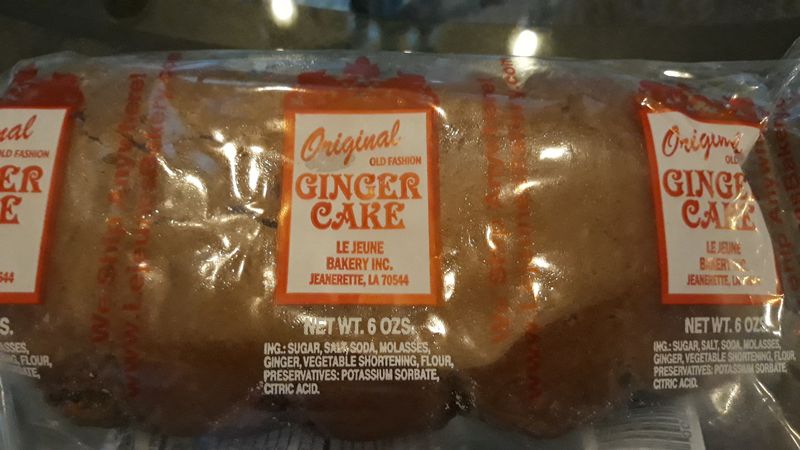
The ginger cakes are stories in molasses and memory, dense but tender and made to travel. LeJeune’s uses cane sugar from the family farm in a recipe handed down for generations, which gives the cake a deep, warm spice married to a restrained sweetness.
Because it keeps longer than the French bread, ginger cake became the bakery’s ambassador, shipped across the state and nation. People ration slices or crumble it into milk for breakfast; others toast it and spread a little butter.
Either way, the cake’s staying power is practical and sentimental, it’s how small-town baking reached faraway tables without losing its character or the family touch.
Follow Main Street Until The Air Smells Like Bread
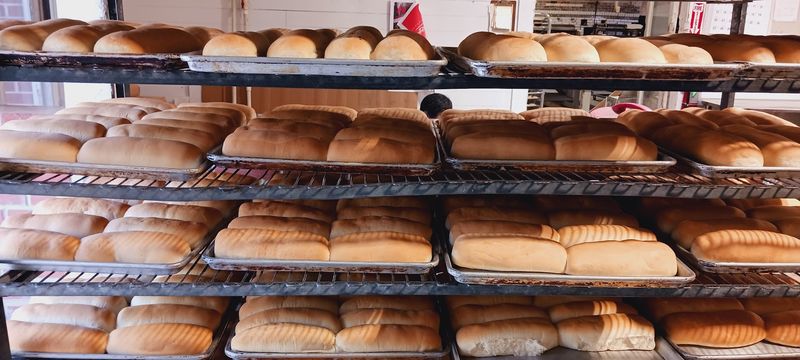
LeJeune’s Bakery is at 1510 Main Street in Jeanerette, Louisiana, along the historic route through the center of town. Approach from US-90 by following the Jeanerette exit toward Main Street and continuing into the older business district.
The final blocks pass modest storefronts and historic buildings before the bakery’s century-old property appears close to the road. The exterior is quieter than a modern bakery plaza, so look for the LeJeune’s name rather than expecting a large roadside sign.
Use a legal space near the bakery and walk directly to the Main Street entrance. The shop is generally open Monday through Friday, and free bakery tours are offered by appointment, so arrange one before making a special trip.
How They Make Pistolettes
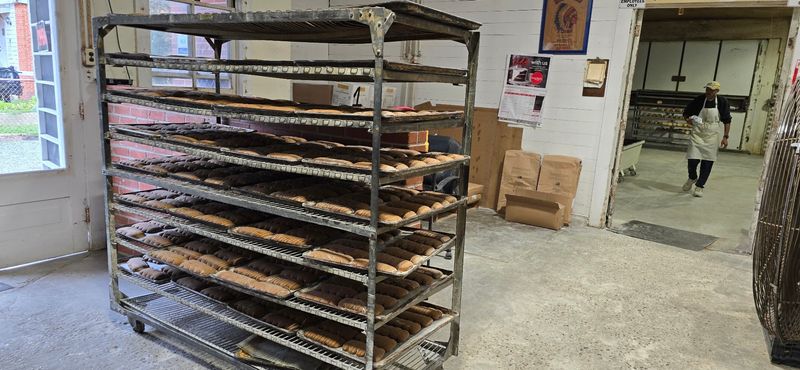
Pistolettes at LeJeune’s are tiny, crisp on the outside and cloud-like inside, lively enough to revive even the simplest meal. The technique is almost ceremonial: dough mixed by hand, rolled into small balls, and baked until the crust sings.
These bite-sized rolls have regional roots and pair beautifully with soups and gumbo, soaking up broth without collapsing. Because the bakery resists modernization, every pistolette carries the feel of craft; you can spot subtle variability from batch to batch, the hallmark of handwork.
My advice is to buy more than you think, freeze what you need, and reheat briefly to revive that just-baked texture and the faint tang of long-fermentation.
Garlic Bread That Travels Well
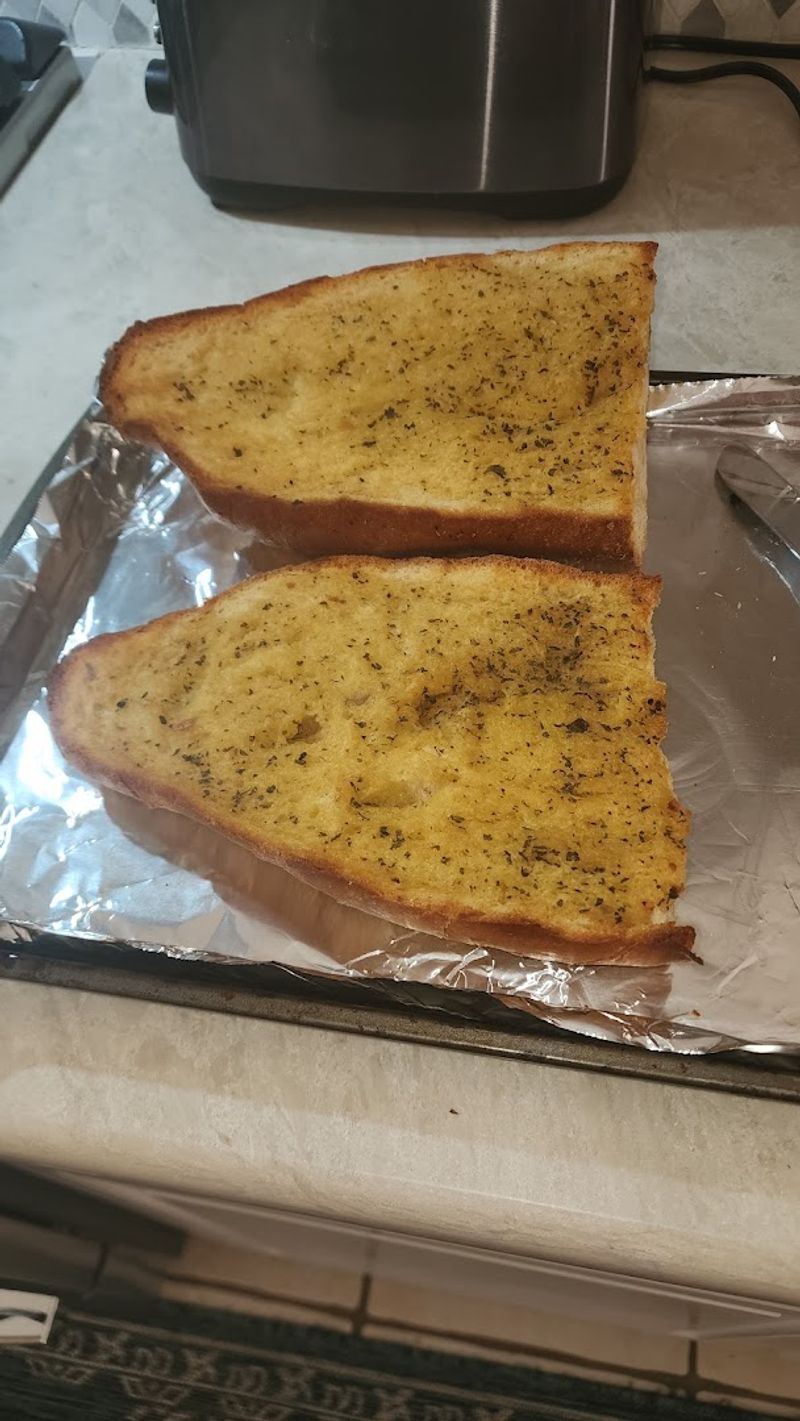
LeJeune’s garlic bread is a practical marvel: bold garlic flavor married to the bakery’s signature crust that stays resilient during travel. The garlic and butter penetrate the crumb without turning the exterior soggy, which is why visitors bring loaves home for dinners or picnics.
Given the bakery’s limited hours and regional draw, buying ahead or calling in an order helps, especially on weekends. Because they primarily bake for commercial accounts as well, quantities can vanish quickly; locals often stash loaves in freezers for later.
This bread performs best when warmed briefly so the butter re-liquefies, releasing that irresistible aroma and restoring the contrast between crust and soft interior.
Why They Still Bake By Hand
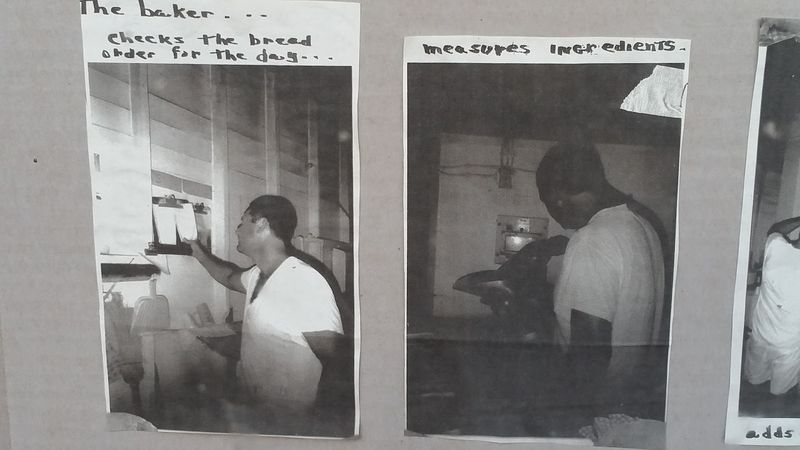
The choice to avoid machines is not nostalgic theater, it’s the bakery’s operational core and a quality control decision.
LeJeune’s family maintains that handmade dough and hand-rolled loaves yield a texture and crust machines cannot reproduce, and their output, several hundred loaves daily, matches demand without sacrificing that character.
This approach shaped the bakery’s identity through wars, economic shifts, and changing markets. It also explains the modest scale and why expansion never seemed desirable; preserving method is as important as profit.
For a visitor, it means what you buy is the product of skilled hands and decades of refinement, not an assembly line.
Ordering For Shipping
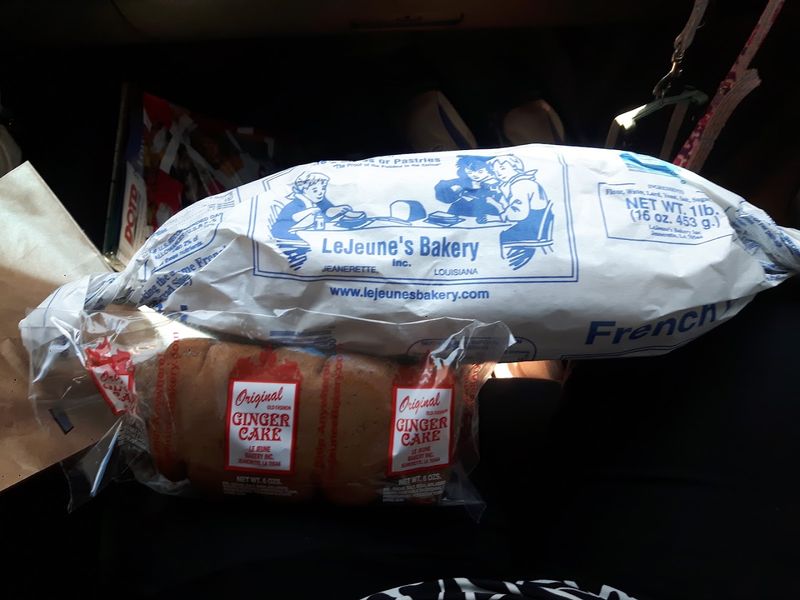
Shipping day at LeJeune’s is a Tuesday ritual that keeps their bread on far-flung tables without losing too much freshness. Orders packed for UPS are chosen to travel well; ginger cake for its shelf life and French bread whose crumb tolerates short transit when packed properly.
If you plan to order, place it early and verify shipping windows; customers praise their packaging and the arrival of loaves in good condition. Remember that bread is best consumed quickly or frozen, so coordinate deliveries around when you can be home.
That small effort rewards you with authentic loaves that otherwise would be impossible to taste so far from Jeanerette.
The Sugarcane Connection
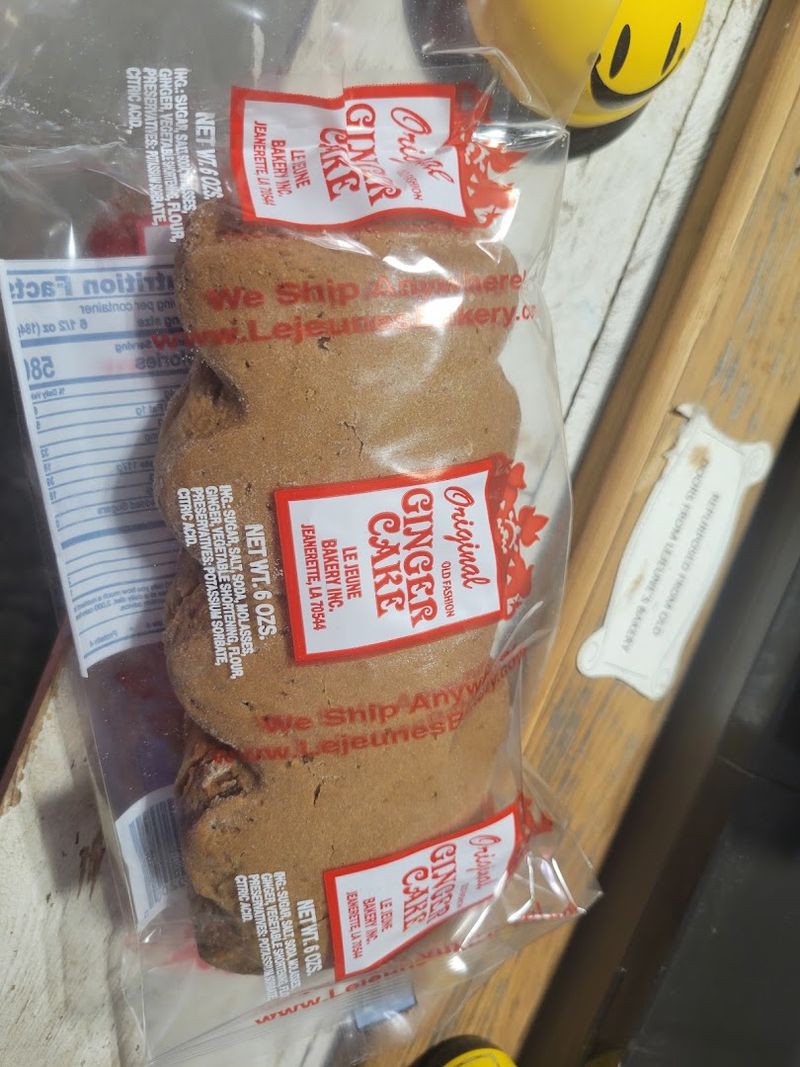
The bakery’s ginger cakes taste of place partly because Ricky LeJeune brings cane sugar from his own fields into the recipe. That farm-to-oven link is tangible: the molasses depth and sugar profile shape the cake’s caramel notes and longer shelf life.
It’s a concrete example of vertical integration in a small business, ingredients grown, processed, and baked within a family orbit. That connection supported the bakery through leaner decades and informs current flavor.
When you bite into a slice, you’re tasting a patch of Louisiana farmland translated through sugar and heat into a memorably rustic dessert that respects provenance and tradition alike.
Visiting Without Seating
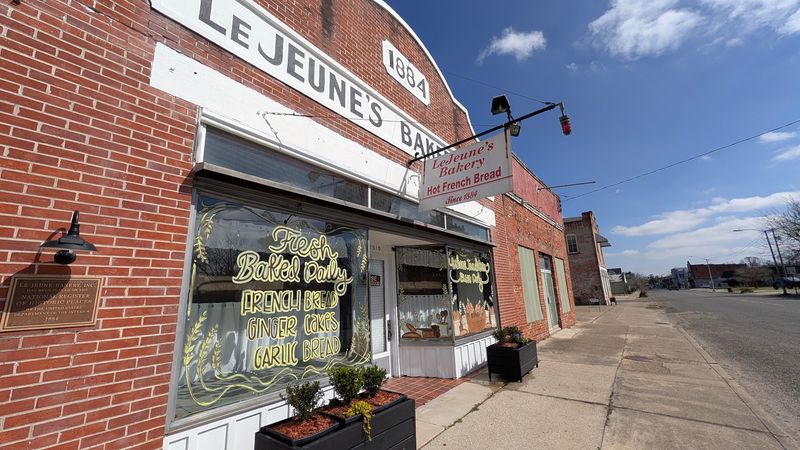
LeJeune’s doesn’t offer seating or coffee, so visits are transactional and purpose-driven; you come, buy, and leave with provisions. That constraint shapes how people experience the place, lines form, conversations happen on the sidewalk, and hot bread is often transferred to cars or nearby picnic spots.
The lack of a linger space keeps the bakery focused on production and wholesale accounts, while still welcoming tourists who want a quick taste of local craft.
If you prefer a sit-down moment, plan to bring your bread to a nearby park or your next meal; the loaves travel well enough to become the centerpiece of a picnic or to enhance a restaurant dinner elsewhere.
How To Store And Reheat
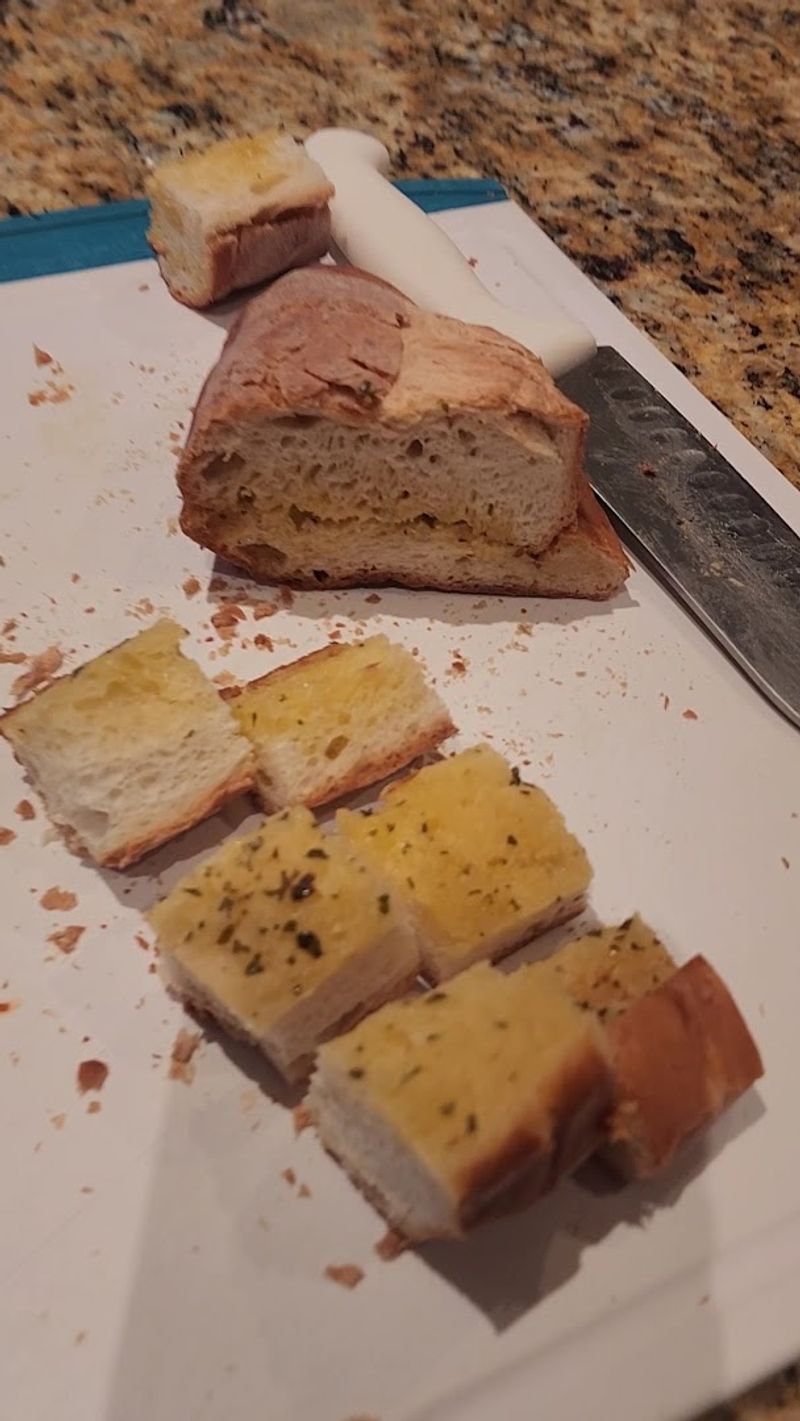
Proper storage stretches the life of LeJeune’s delicate French bread without losing texture or flavor. For immediate use, keep a loaf in a paper bag at room temperature for a day, or freeze slices wrapped tightly in foil for longer.
To revive a frozen or day-old loaf, a quick bake at moderate heat will crisp the exterior and soften the crumb. Ten minutes at 350 degrees usually does it.
Avoid plastic storage at room temperature which can collapse the crust. These simple steps preserve the contrast between thin, crackling crust and tender interior that defines their signature loaf and makes each reheated bite feel freshly baked.
Local Rituals And The Flashing Light
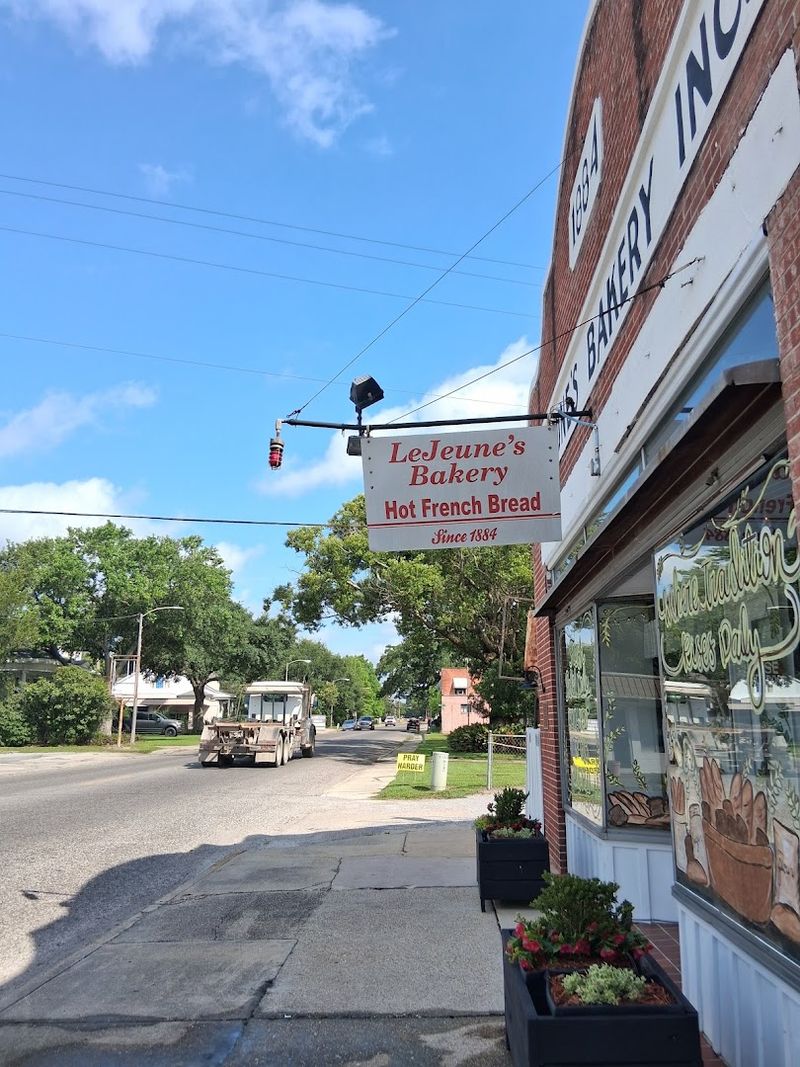
The flashing red light is a communal cue and part of Jeanerette folklore. Locals time errands and meals around that blink.
It’s a friendly signal that ties strangers into a shared rhythm: when the light flashes, people know fresh loaves are available and often converge to buy enough for family dinners. It’s also practical, given the bakery’s mix of retail and wholesale customers and limited open hours.
For a visitor, spotting the light is both a helpful hack and a charming local experience. Arrive when it’s on and you’ll see how a small signal can concentrate warmth, conversation, and excellent bread on a quiet Main Street.
Why The Building Matters
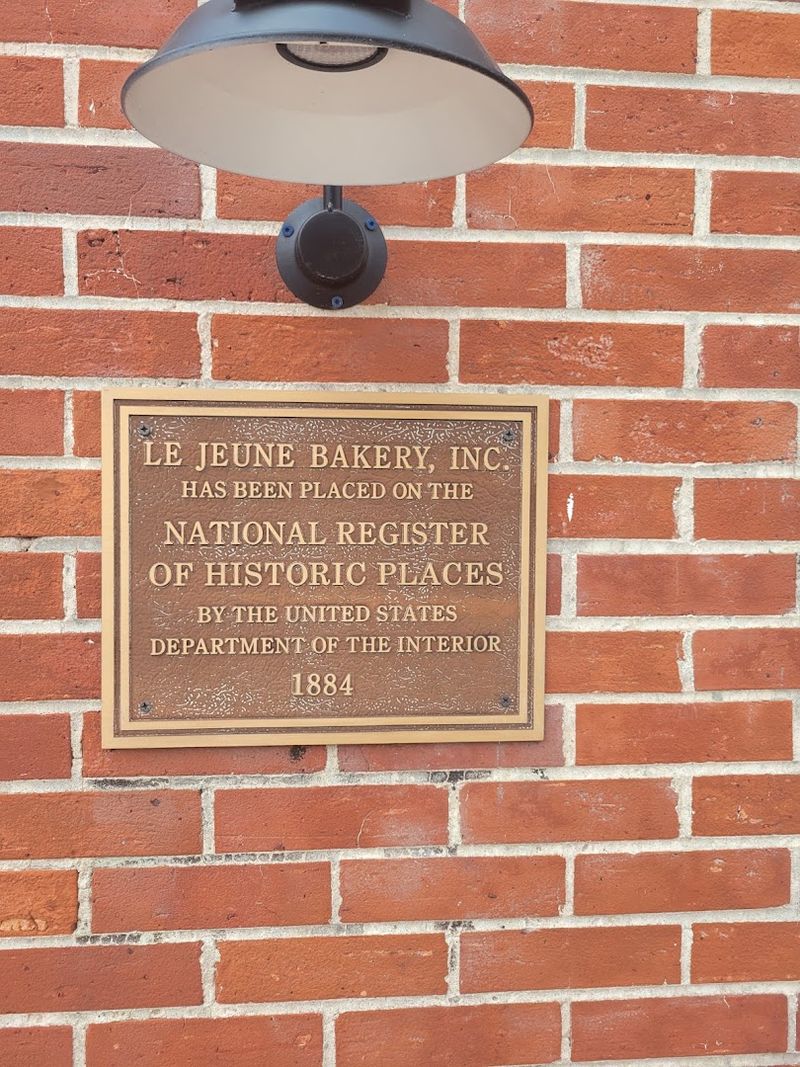
The bakery’s building is listed on the National Register of Historic Places and that status is palpable in the worn counters, original tools, and continuity of use. Being the first bakery in Louisiana added to the register confers a responsibility the family takes seriously, preservation of place as well as recipes.
That environment influences how the bread feels; oven rooms and surfaces seasoned by generations contribute subtle flavor and workflow that new facilities rarely match. Visitors sense this authenticity even if they can’t name the reasons.
The structure is not a museum piece frozen in amber but a living workspace where history and daily work produce something you can taste.
Best Items To Bring Home
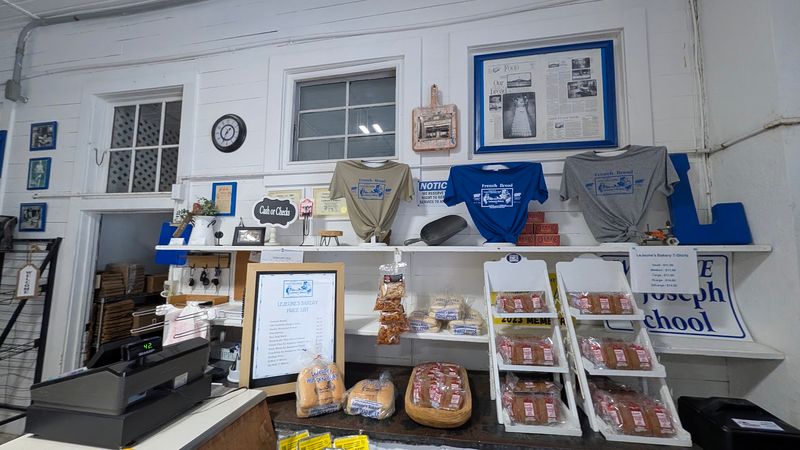
When deciding what to take, prioritize French bread and ginger cake for complementary experiences, one for day-of warmth and crusty texture, the other for longer enjoyment and transportability. Hot dog buns and pistolettes are perfect for feeding groups, while garlic bread adds instant dinner drama.
If you have freezer space, freeze extra loaves to extend the joy and plan meals that showcase the bread’s strengths like easy toasting or dipping. Buying multiple items lets you test how each performs in your kitchen.
Small choices make for big rewards: thoughtful selection ensures you bring home a balanced taste of LeJeune’s century-old craft.