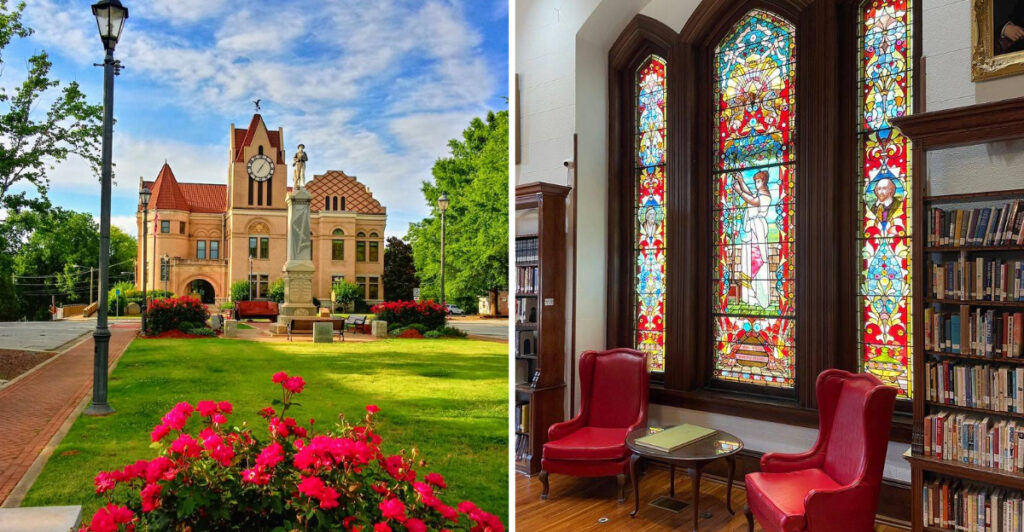
This town has been around long enough to make the history books nervous.
Dating to 1780, it is widely regarded as the first U.S. town named for George Washington. The community was later incorporated in 1805, and its nineteenth-century character still shows up in streets you can explore today.
Cotton shaped much of the local economy for generations, and the wealth it created.
More than one hundred historic houses, churches, and other buildings remain in and around town, so the past is not limited to one polished block or museum stop.
Take your time, look around, and ask yourself: how much Georgia history can one walk hold?
Cotton Once Rolled Straight Through The Heart Of Town
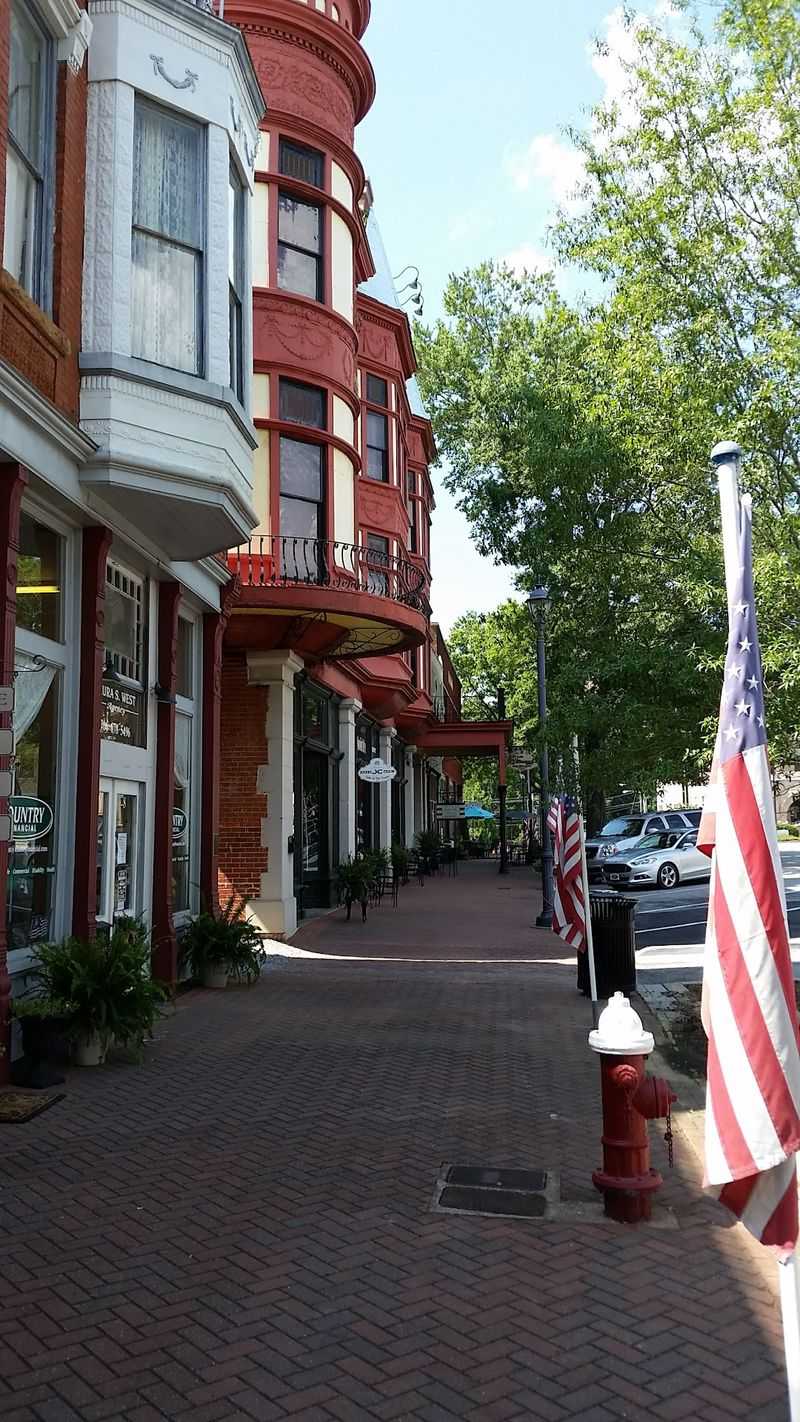
A photograph from around 1900 captures a wagon loaded with bales of cotton on West Main Street in Washington.
Cotton was a major cash crop in Wilkes County throughout the nineteenth century and into the early twentieth century, and Washington developed as an important commercial center for the surrounding agricultural region.
Before the Civil War, that cotton economy depended heavily on farming. Plantations and smaller farms produced the crop, while merchants, transportation routes, mills, and other businesses connected local agriculture to wider markets.
After emancipation, cotton remained economically important, and the rural economy changed dramatically.
The crop’s influence lasted into the twentieth century before boll weevil damage contributed to a major decline. That history still appears in the town’s museums, historic sites, and surviving buildings.
As you walk through Washington, keep West Main Street in mind. The traffic looks very different now, but the old cotton photograph gives you a specific scene to connect with the streets around you rather than treating the town’s agricultural past as something abstract.
History here becomes easier to understand when you can match an old image to a place that still exists.
More Than One Hundred Historic Buildings Keep The Past Close
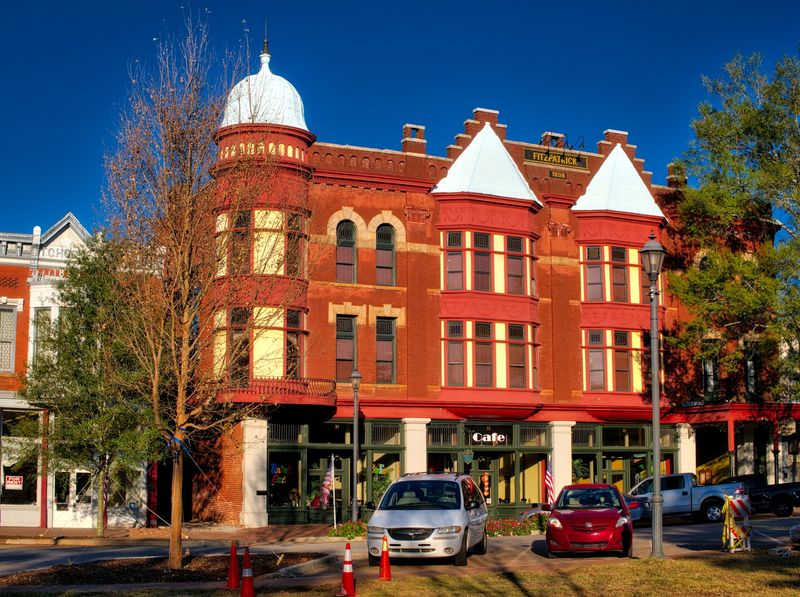
You do not have to search for one isolated historic house in Washington.
More than one hundred historic homes, churches, and other buildings are included in the town’s architectural landscape.
Walking and driving routes make it possible to see many of them from public streets.
The collection stretches across several styles and periods. Federal-era houses, Greek Revival architecture, Victorian buildings, cottages, churches, and later commercial structures sit within the same small city.
Some properties predate the nineteenth century, while others show how Washington continued changing long after the cotton era reached its height.
Many of the historic houses remain private residences, so the best way to enjoy them is from sidewalks and public rights-of-way unless a property is specifically open for tours.
That still gives you plenty to examine. Columns, porches, brickwork, rooflines, windows, and additions reveal how tastes and uses changed across generations.
The surviving buildings also let you choose your own pace. Follow a walking route closely, take a driving tour, or simply head out from downtown and see what appears around the next block.
If architecture is the reason you came, give yourself time to look beyond the largest houses. Smaller homes, churches, and commercial buildings add just as much to the town’s nineteenth-century character.
The Downtown Square Still Anchors The Historic Core
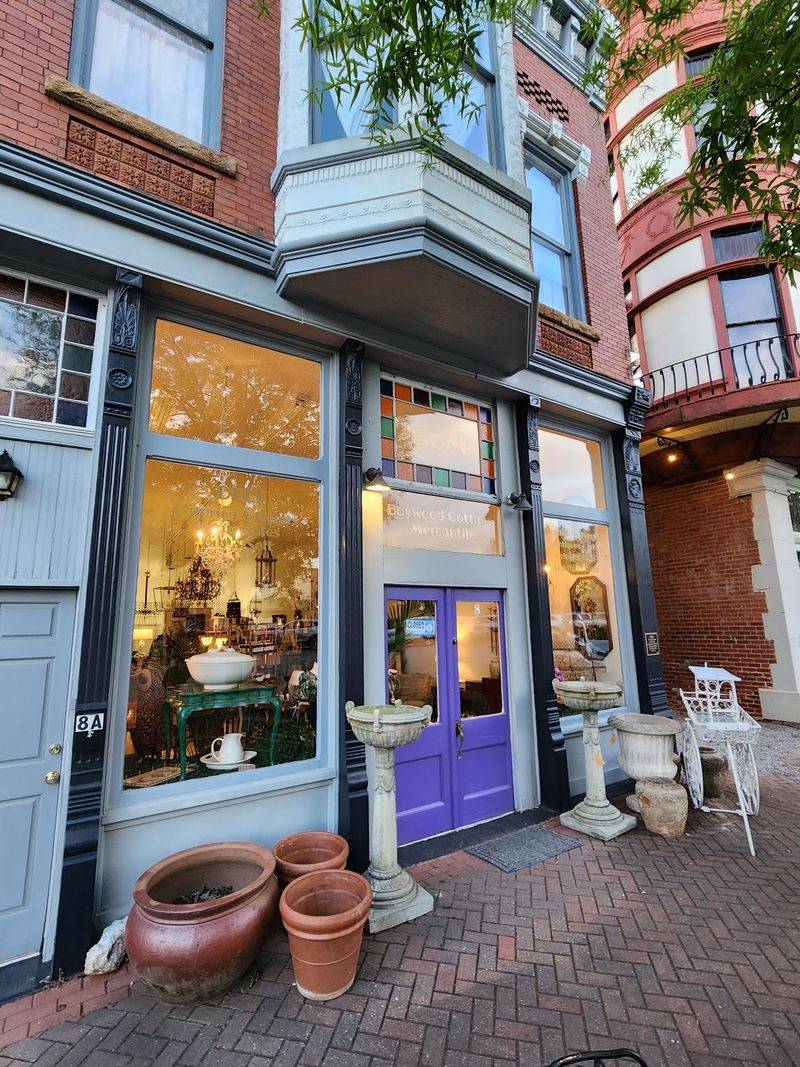
Washington’s downtown square gives you an easy center point for exploring the city. Historic commercial buildings surround the area, while shops, restaurants, civic spaces, and visitor services keep the district active rather than turning it into a closed historic exhibit.
That combination makes the square useful at the beginning and end of a walk. You can get oriented, head toward nearby historic streets, then return when you want a break or another look at the storefronts.
The broader downtown historic district contains dozens of preserved commercial buildings along with nearby Federal-era, antebellum, and Victorian homes.
You do not have to cover every block to notice the change from newer road travel to a street pattern that developed long before automobiles dominated everyday transportation.
Take a slower lap around the square before moving on. Look at upper-story windows, cornices, brick facades, and the way older buildings meet later storefront alterations. Those details reward more than a quick drive through town.
From here, several of Washington’s best-known historic sites are only a short trip away, so the square works naturally as your starting point without requiring a rigid itinerary.
Robert Toombs House Reaches Back To 1797
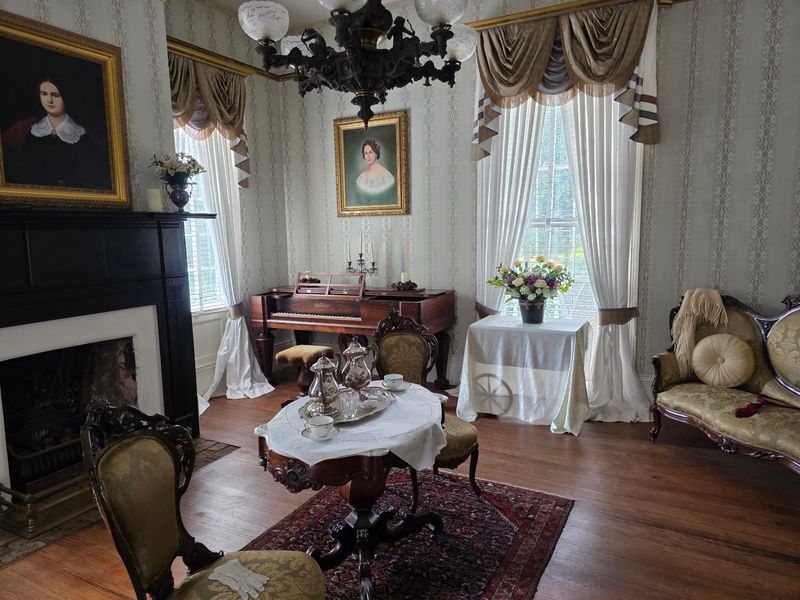
One of Washington’s oldest major houses was under construction by 1797, decades before Robert Toombs made it his home.
He purchased the property in 1837 and expanded it over time, adding wings and the prominent colonnade that helped create the appearance visitors see today.
That layered construction matters when you look at the building. The house is not a single untouched example from one year.
Its architecture developed through Federal, Greek Revival, and Victorian influences as owners changed the structure across the nineteenth century.
Toombs was a lawyer, planter, U.S. representative and senator, Confederate secretary of state, and Confederate brigadier general. After the Civil War, he also participated in creating Georgia’s Constitution of 1877.
The historic site uses the house, furnishings, exhibits, and grounds to present that complicated political and social history.
The property is open for tours, letting you move beyond the exterior and see furnished period rooms.
Pay attention to the changes from room to room. They help show how a house first built in the eighteenth century continued to evolve as Washington itself changed around it.
Mary Willis Library Opened Its Doors In 1889
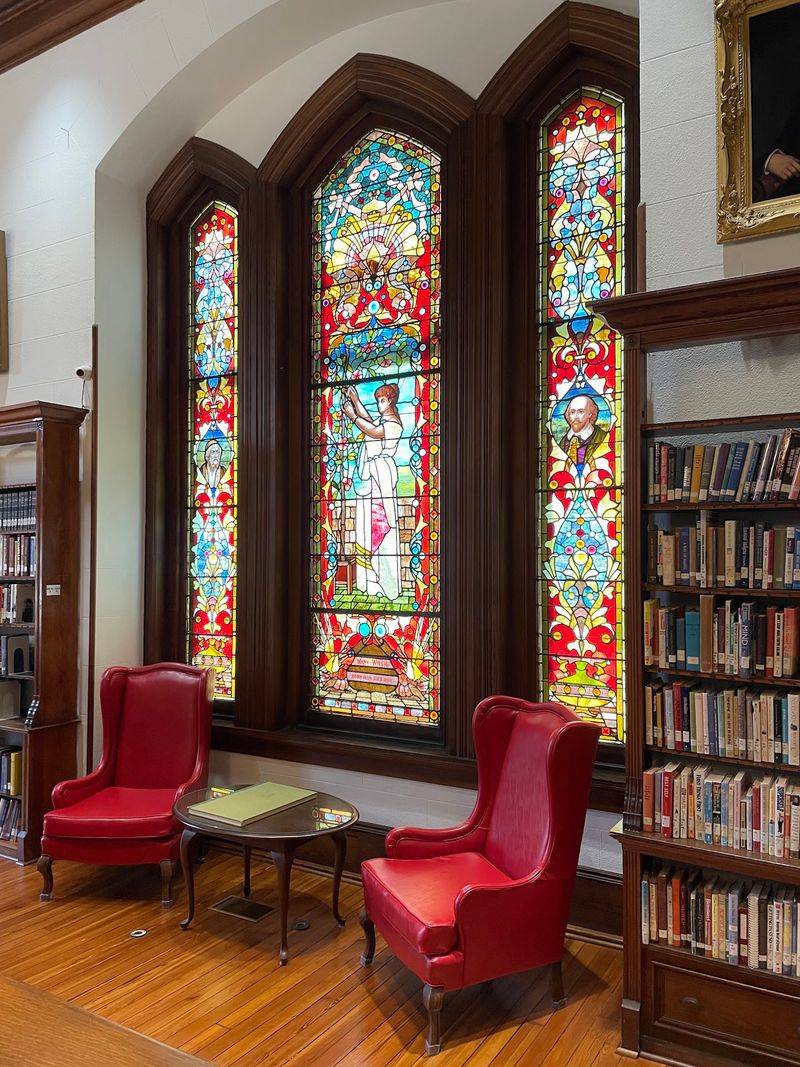
A very different piece of Washington’s history stands on East Liberty Street. Mary Willis Library was founded in 1888 by Dr. Francis T. Willis in memory of his daughter, Mary, and opened to the public in 1889.
Its importance goes beyond age. It was Georgia’s first free public library, meaning readers did not need to pay a subscription fee for access. The building still operates as a public library.
Architect Edmund Lind designed the original building in a High Victorian, Queen Anne-influenced style.
Brick walls, decorative details, and stained glass give it a different profile from the columned houses elsewhere in town. A central memorial window was made by Tiffany Studios.
The library was added to the National Register of Historic Places in 1972. Later additions expanded the facility, but the original historic building remains easy to recognize.
The building is not simply preserved as a museum object; it still serves the public purpose for which it was created. People still use it for the same basic reason it was created: access to books, information, and local history.
Pause long enough to study the stained glass and exterior details before moving on. They give the late nineteenth century its own visual chapter in Washington.
Callaway Historic Site Preserves The Agricultural Story
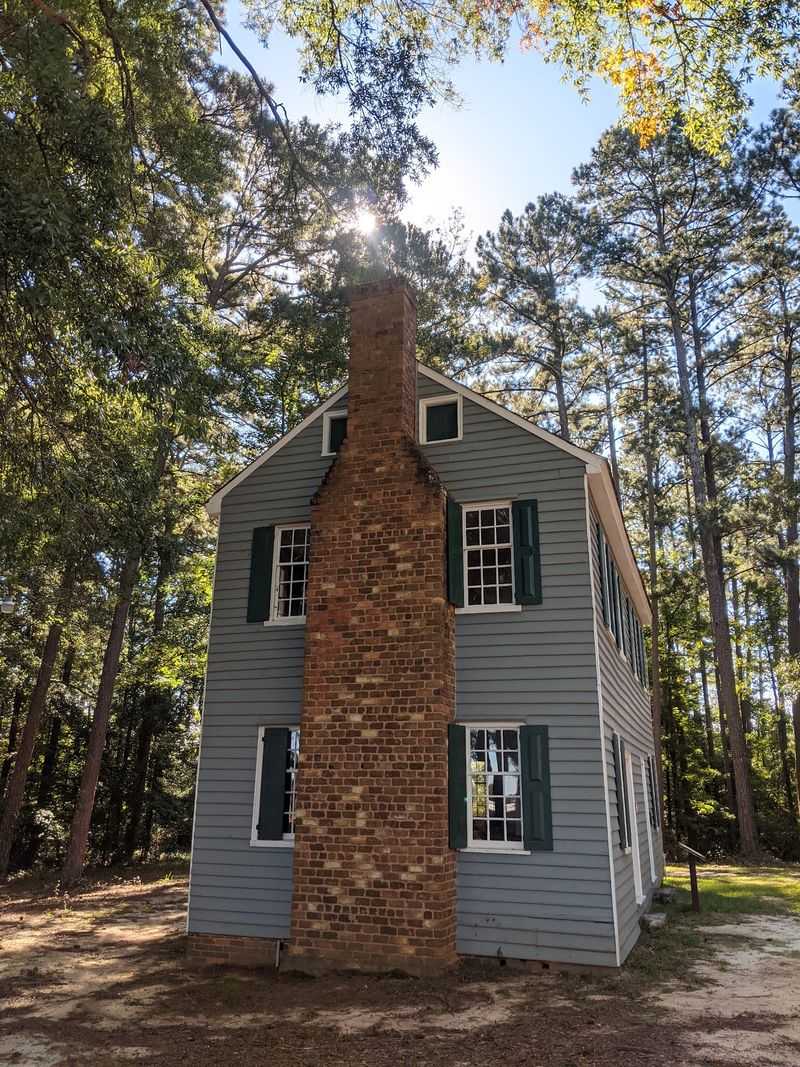
A short drive from downtown takes you into a different setting. Callaway Historic Site preserves a group of structures connected with generations of agricultural life, with buildings dating from the late eighteenth century into the twentieth century.
The site includes buildings from different periods rather than one frozen moment. Among them are an eighteenth-century log cabin, an early nineteenth-century house, a nineteenth-century Greek Revival brick house, and a one-room schoolhouse dating to about 1840.
Seeing domestic, agricultural, educational, and commercial buildings together gives you a broader picture of how life changed across generations.
Back in town, the Washington Historical Museum adds another layer. It occupies a house begun around 1835 and contains artifacts spanning more than two centuries of local history connected with people who shaped Washington and Wilkes County.
Together, the two sites move beyond decorative architecture. They show you how farming, household life, technology, and commerce all fit into the region’s past.
Washington Gives You Plenty Of History To Explore On Foot
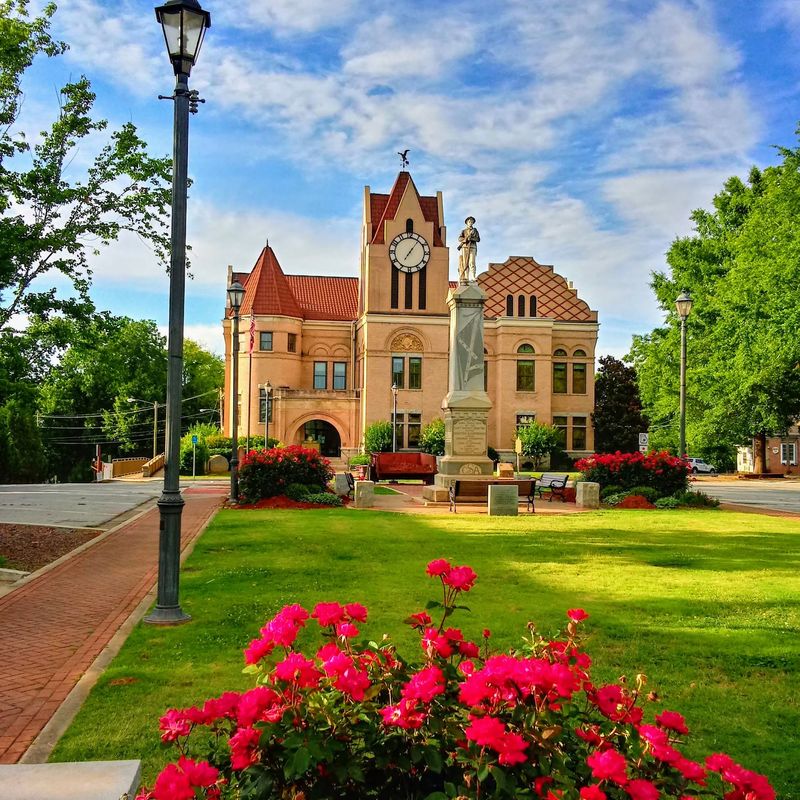
Washington is easy to explore when you leave time between the major landmarks.
The historic square, residential streets, and architecture are close enough that walking can become part of the experience rather than simply a way to get from one attraction to another.
A self-guided route lets you decide what deserves attention. You might spend longer than expected studying one house, stop at the library, circle the square twice, or save the larger historic sites for later in the day.
Not every historic property is open to the public, so keep to sidewalks and public areas unless a site clearly invites visitors inside. Comfortable shoes also help, especially if you plan to combine downtown streets with several blocks of residential architecture.
For maps and current local information, the Washington-Wilkes Chamber and Visitor Center is at 26 West Square, Washington, GA 30673, on the northwest corner of the historic downtown square.
That makes it an easy place to begin before choosing a walking or driving route. Once you have the basic layout, you can let the architecture guide the rest of the day.
Many layers of Washington’s history remain visible at once. An eighteenth-century house, a nineteenth-century library, cotton-era history, old commercial buildings, and an active town square can all fit into the same outing without making the day feel rushed.