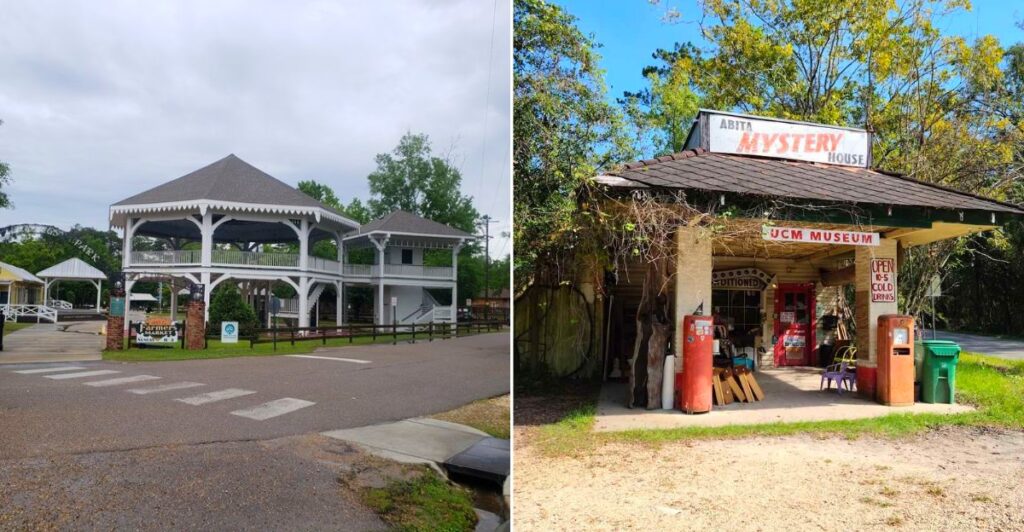
The spring that gave this town its name still flows from beneath an old pavilion in the center of the historic district. Musicians gather under oak trees on weekend afternoons without a schedule or a stage, playing until the light fades or the crowd thins.
Storytellers fill the gaps between sets with tales that stretch back generations, blending fact plus folklore until the distinction stops mattering. Art galleries line streets wide enough for porches, rocking chairs, plus conversations that carry across the sidewalk without effort.
The pace moves slower than the cities on either side of the lake, which is exactly the point. Visitors arrive expecting a day trip plus end up staying through dinner because the town has a way of extending visits that nobody plans for.
Music plus storytelling define this hidden Louisiana town, where every visitor feels like they arrived just in time.
Arrive Early For Porch Music At Town Hall
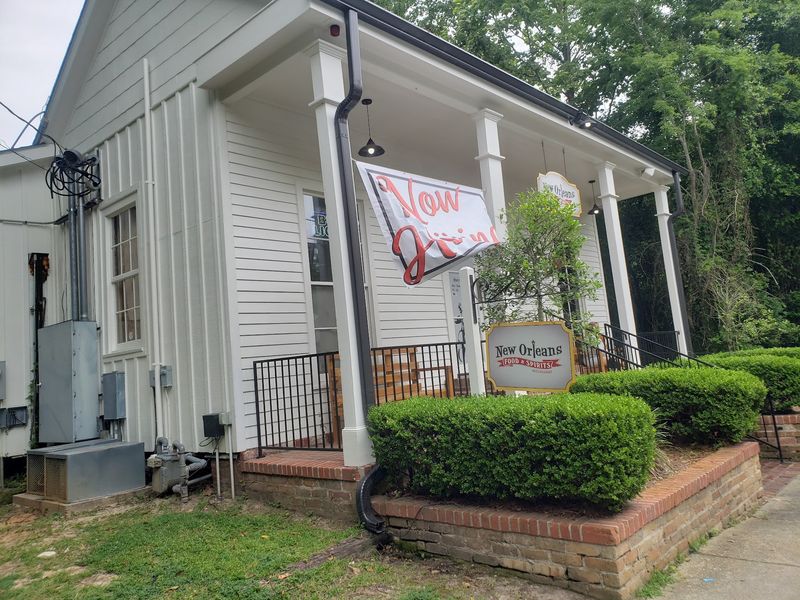
Before the formal set begins, something lovely happens outside Town Hall. Musicians often gather on the porch and play informal tunes without much fuss, and those moments can feel more revealing than the ticketed show.
You hear picking, harmonies, and scraps of conversation drifting through the evening air, with no barrier between performer and listener. It is relaxed, neighborly, and very Abita Springs.
I like this part because it teaches you how the town listens. People do not rush in with phones raised high.
They hover, smile, tap a foot, and leave space for the music to arrive naturally. Show up early, stand back if the porch is crowded, and keep your ears open.
Small scenes like this are where a place starts telling on itself. Later, the hall sounds richer because you already met the songs outside first there.
The Trailhead Is Abita’s Center Of Gravity
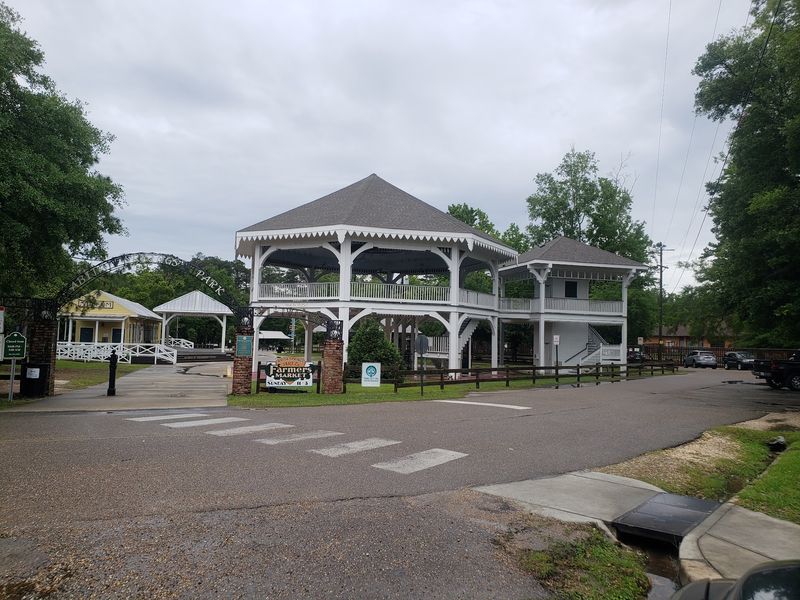
Abita Springs sits on Louisiana’s Northshore, about five miles north of I-12 via LA-59. Follow LA-59 into town toward the downtown traffic circle, then aim for Main Street and the Trailhead Park at 22049 Main Street.
Once you reach the center of Abita Springs, the Trailhead is the easiest place to get oriented. The Tammany Trace cuts directly through town here, with the park, pavilion, museum, and nearby downtown streets all clustered around the same walkable area.
Look for marked parking around Main Street and the Trailhead area, then leave the car behind and continue through central Abita Springs on foot or by bike. The town is actively maintaining Main Street parking and pedestrian access around the park, making this a practical base for exploring.
Ride The Tammany Trace Into Town
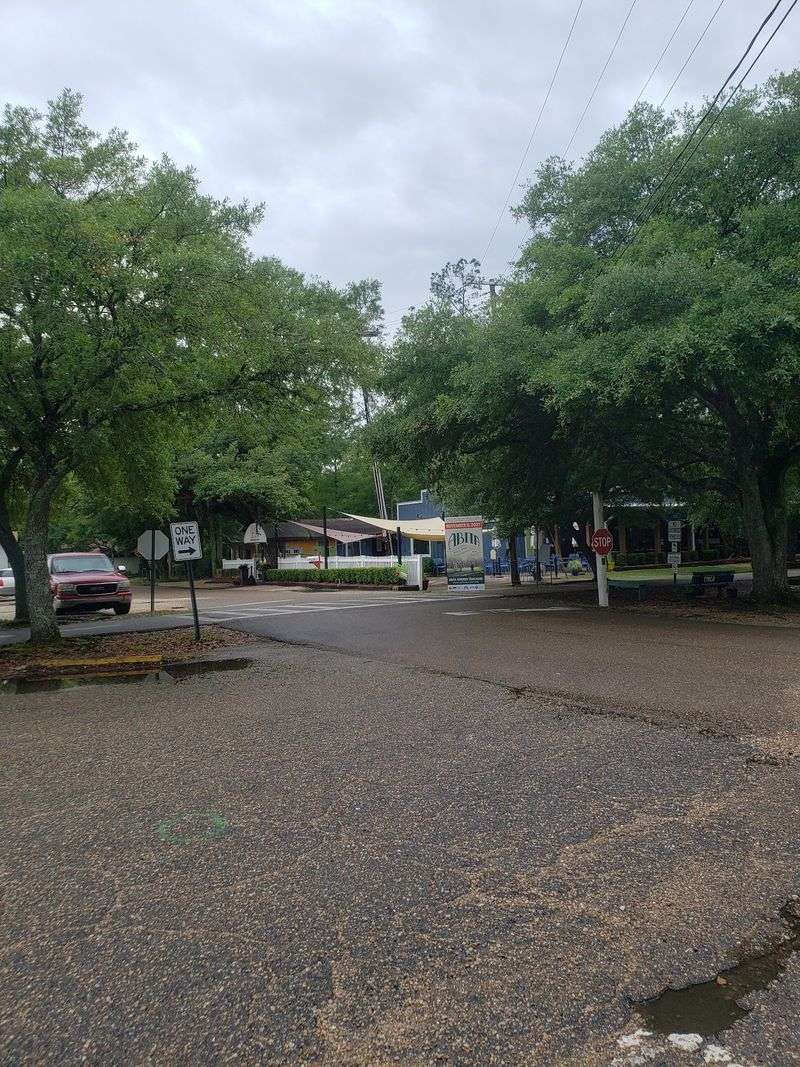
A bike path is not usually where a town reveals its personality, yet the Tammany Trace does exactly that. This 31-mile paved trail runs from Covington to Slidell, and Abita Springs sits at its geographic center.
Riders roll in under old oaks, walkers pause near the park, and the whole scene feels stitched together by movement rather than traffic. It is one of the easiest ways to understand the town’s calm rhythm.
If you want music and stories in the same day, use the Trace as your entry route. Start early before the heat builds, carry water, and lock your bike near the trailhead when you stop.
From there, you can move straight into shops, public spaces, and conversation without ever breaking the easy mood. Even on a short stretch the ride frames Abita Springs as approachable, social, and unhurried.
Wander The Abita Mystery House Slowly
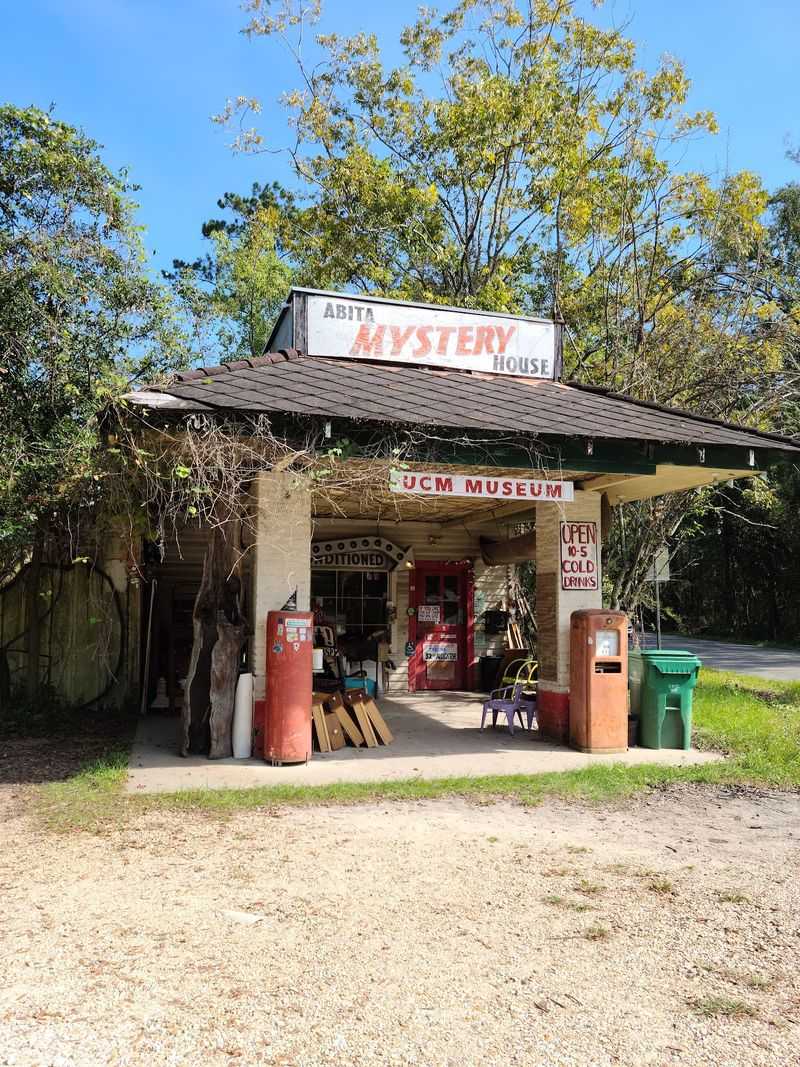
Nothing in Abita Springs prepares you for the Abita Mystery House, which is exactly the point. Since 1993, this folk-art attraction has gathered found objects, homemade machines, odd collections, and witty displays into a place that feels both chaotic and carefully composed.
Old phones, bottle caps, signs, miniatures, and inventions crowd the rooms, yet the effect is less junk pile and more handmade universe. You keep looking because every shelf seems to wink.
For music lovers and storytellers, the appeal is easy to explain. The Mystery House understands rhythm, surprise, and timing, only it works in objects instead of notes.
Give yourself more time than you think you need, slow your pace, and read the details. The jokes land better when you stop trying to make strict sense of everything.
Leave grinning, puzzled, and ready to recount the place later.
Learn The Story Of The Springs At Trailhead Park
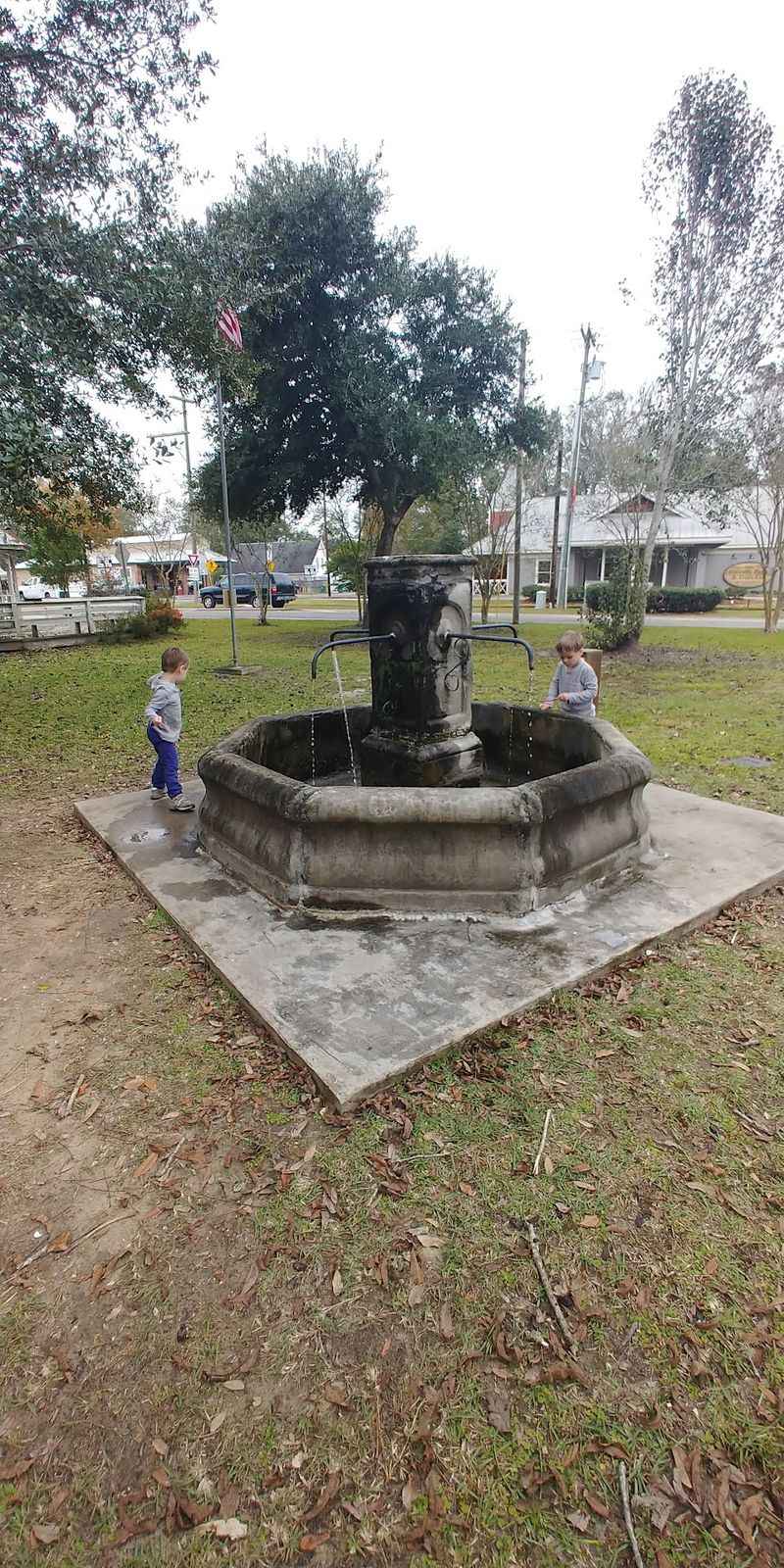
Water built the story here long before galleries, bikes, and weekend music. The springs drew Choctaw people centuries ago, and the word ibetap is understood to mean fountain.
In the nineteenth century, visitors came from New Orleans for fresh air and mineral water, hoping the place could help them feel better. That older belief still shapes the town’s identity, even if you arrive just looking for a pleasant afternoon.
At Trailhead Park, the Choctaw princess statue and the spring-centered landscape help connect legend, memory, and local pride. I found it useful to pause here before exploring anything else.
Read the markers, notice how often water appears in the town’s symbols, and let the history reset your pace. Abita Springs makes more sense once you realize healing is part of its original plot.
That idea lingers quietly even on modern mornings.
Browse The Sunday Art And Farmers Market
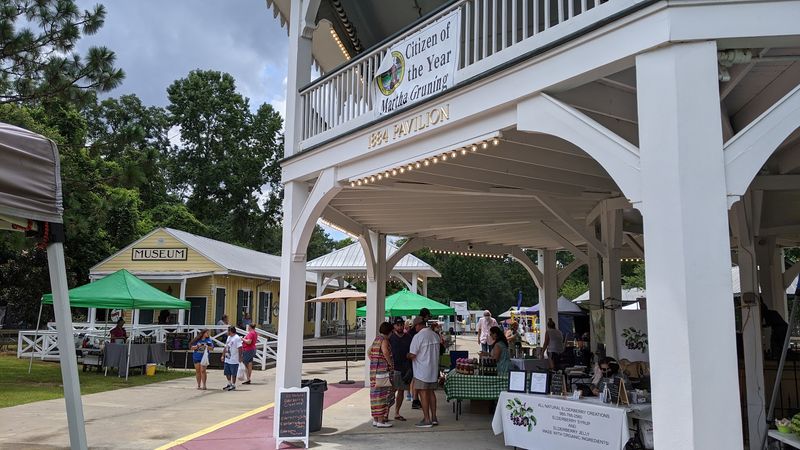
Sunday morning in Abita Springs has its own soundtrack: footsteps on the pavement, a few greetings, and live music floating across Trailhead Park. The Art and Farmers Market runs from 10 AM to 2 PM and mixes fresh produce, wild-caught seafood, handmade crafts, and local art in one easy loop.
Nothing feels rushed. You can browse, snack, listen, and talk to makers without the hard sell that sometimes shadows bigger markets.
What I like most is how clearly the town shows itself here. Families linger, cyclists stop off the Trace, and visitors get a real sense of local creativity instead of a staged version.
Bring cash just in case, arrive before the hottest part of the day, and look twice at the handmade work. Abita Springs rewards slow browsing more than efficient shopping.
You leave carrying stories along with produce.
Pause Under The Historic Pavilion
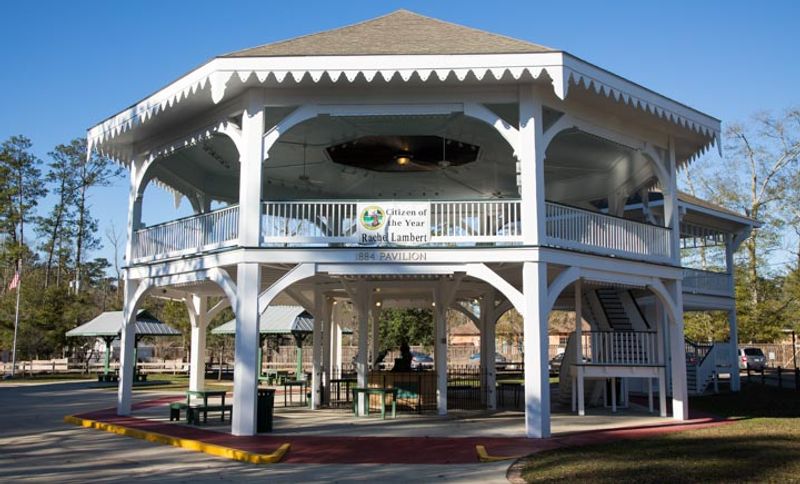
At first glance, the pavilion in Trailhead Park looks like a pretty shelter for shade and conversation. Then you learn it was designed by Tomas K.
Sully for the 1884 Cotton Centennial Exposition in New Orleans, later taken apart and rebuilt over the springs in Abita Springs. Suddenly the structure feels less decorative and more like a traveler with a long memory.
Its latticework, proportions, and placement turn local history into something you can stand inside.
On a busy day, the pavilion works like a town living room. Community events gather around it, and ordinary visitors end up orbiting it too.
Find a bench nearby, look up at the details, and imagine the generations who came for water, relief, and company. Architecture rarely explains a place this gently, but here it does.
Stay a while, and the story starts aligning.
Join A Cajun Dance Night At Town Hall
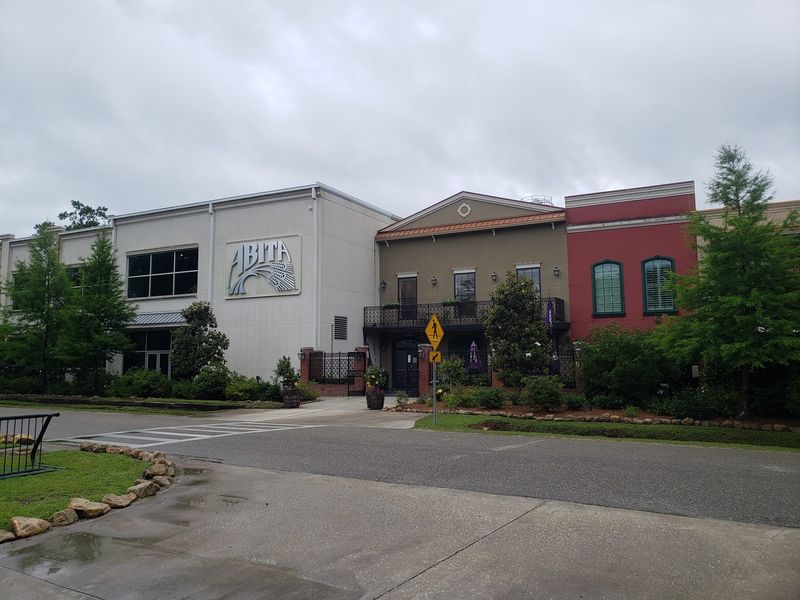
Not every music memory comes from sitting still. On monthly Cajun dance nights at Town Hall, the Northshore Cajun Dancers pair live music with lessons that welcome beginners before the band really gets moving.
The room loosens up fast. People who looked shy near the wall start stepping, turning, and laughing as the patterns click into place, and suddenly Louisiana culture feels physical, not abstract.
Even if you never become graceful, the lesson is worth taking. Dance is one of the clearest ways to understand how community music works here, because rhythm becomes shared behavior instead of background sound.
Wear comfortable shoes, arrive on time for instruction, and do not worry about mistakes. In Abita Springs, willingness counts for more than polish, and that makes the night feel generous rather than intimidating.
Leave smiling and newly tuned in afterward.
Plan Around The Abita Springs Water Festival
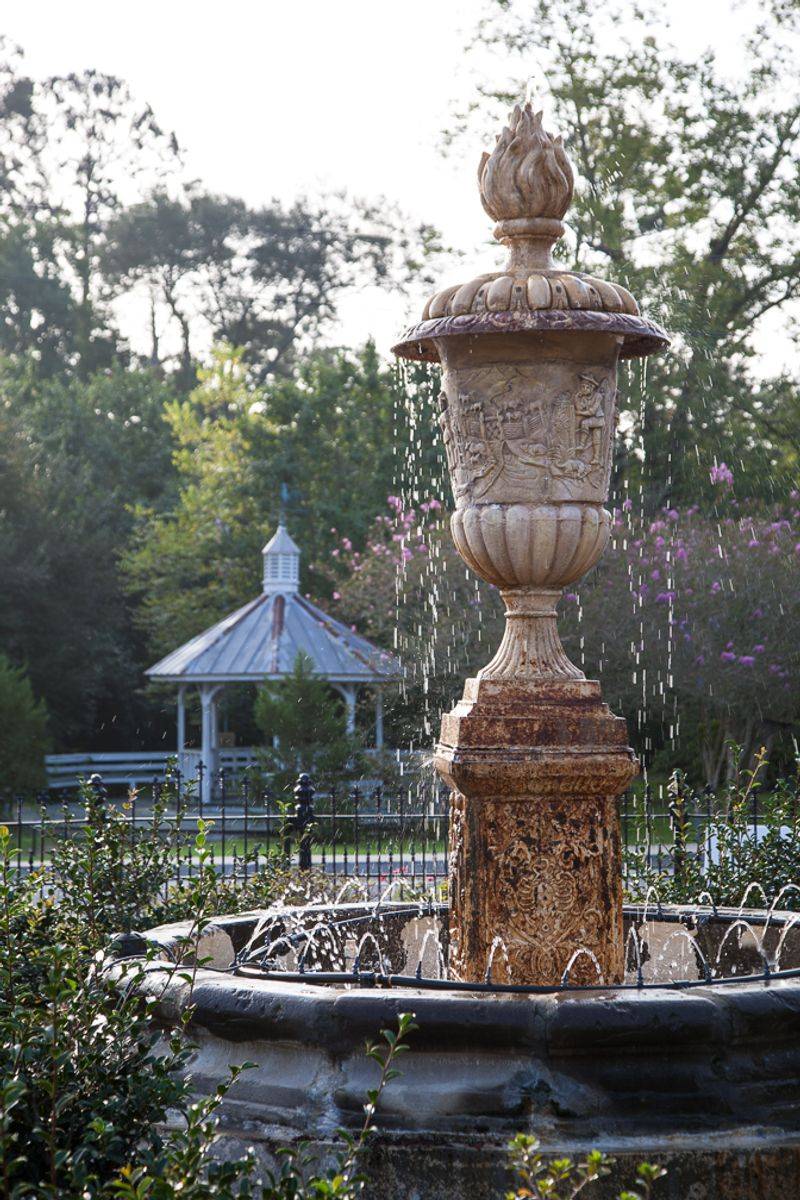
If your calendar is flexible, aim for October and catch the Abita Springs Water Festival. Held around the historic pavilion and park, the event celebrates the town’s defining resource with community spirit rather than flashy spectacle.
Because water is the reason Abita Springs exists at all, the festival feels rooted, not random. Music, gathering, and place finally click together in one scene, and the town’s personality becomes wonderfully plain to see.
Festivals can sometimes flatten a destination, but this one actually sharpens it. You notice how history, public space, and local pride fit together.
Plan ahead, since special event days are busier than usual, and give yourself time to walk beyond the main activity too. The best understanding comes from seeing celebration and everyday life side by side.
That contrast is where Abita Springs stops performing and starts feeling true.
Leave Room To Walk And Listen
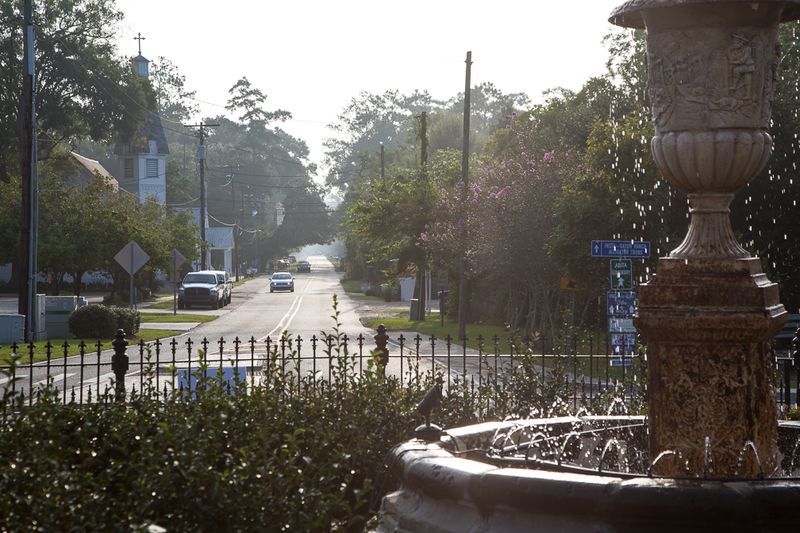
The trick to Abita Springs is not hurrying from one named stop to another. Between the museum, Town Hall, park, and small downtown streets, the town reveals itself in porch talk, shaded sidewalks, and bits of handmade character that never ask for applause.
Storytellers tend to love places with room for pauses, and Abita Springs has that in abundance. Even the quiet feels edited with care.
Set aside an hour with no agenda except walking and noticing. Look for old buildings, public art, bicycles resting near the Trace, and the way live music seems to drift into ordinary errands.
I kept finding details that made the larger attractions feel richer. The best tip may be the simplest one: leave gaps in your schedule so the town can speak in its own voice.
Patience is rewarded here more reliably than efficiency.