License plates from multiple states line the spaces closest to the entrance, plus a stream of customers carries foam containers to their vehicles while newcomers sit in their cars confirming they have arrived at the right building.
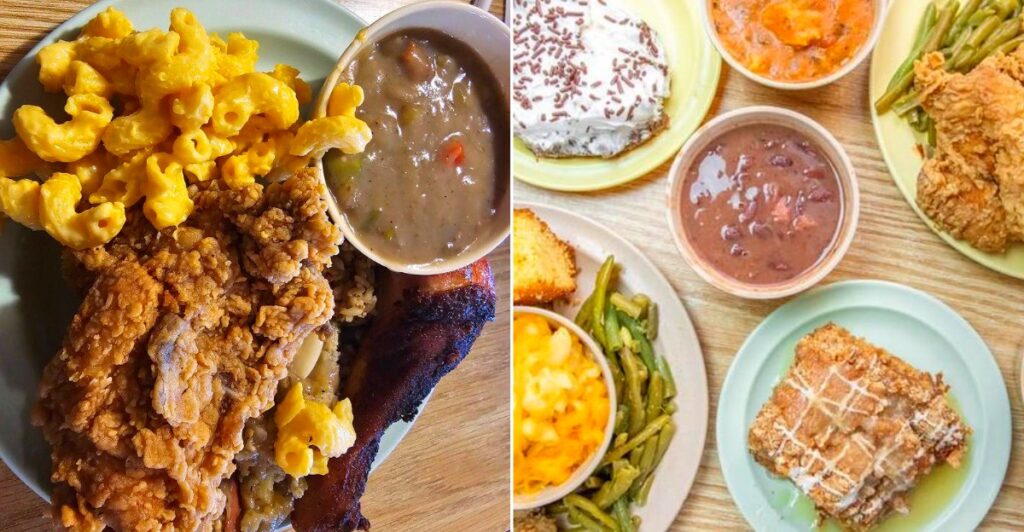
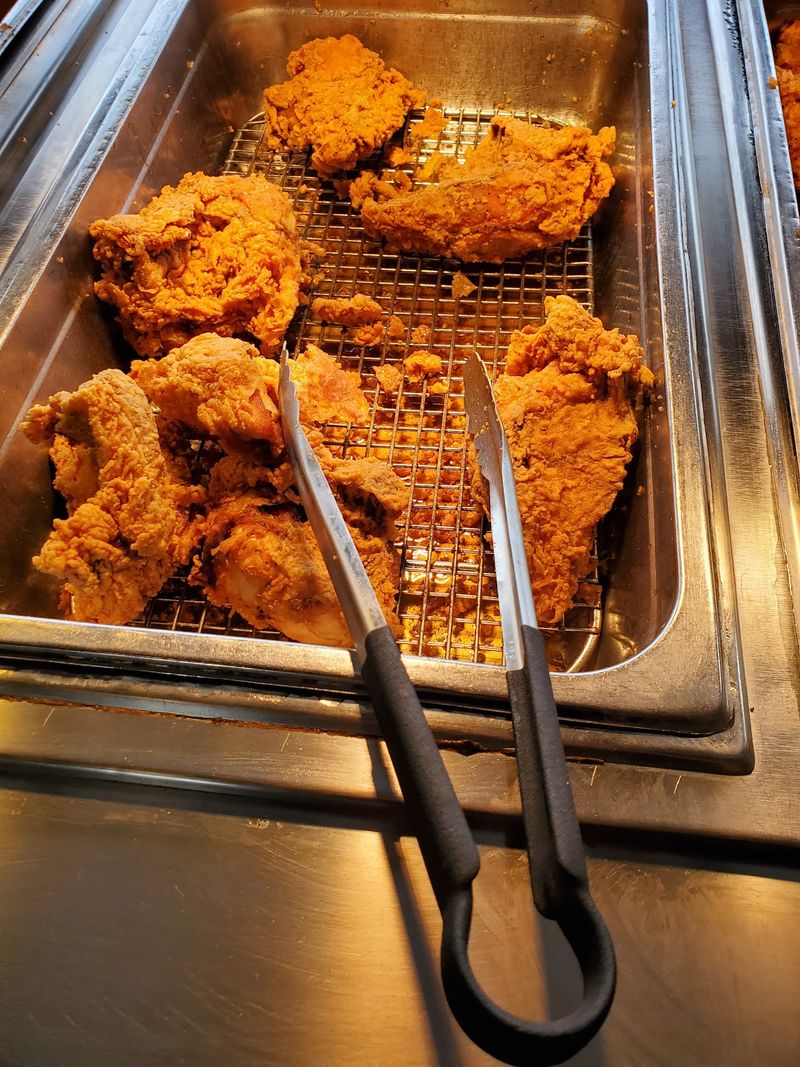
The buffet stretches longer than any restaurant this size should reasonably support. Fried catfish, stuffed shrimp, gumbo, red beans, plus a bread pudding section that occupies an entire table by itself.
The decor makes no attempt at atmosphere, which turns out to be the correct decision because the food demands attention without any help from the walls. Plates pile high by default.
Portions arrive measured by appetite rather than by policy.
The line wraps around the building on weekends because word travels fast when a place serves this much food this well. A no-frills buffet built its reputation on portions large enough to explain why people drive across Louisiana for a plate.
Save Room For Carrot Soufflé
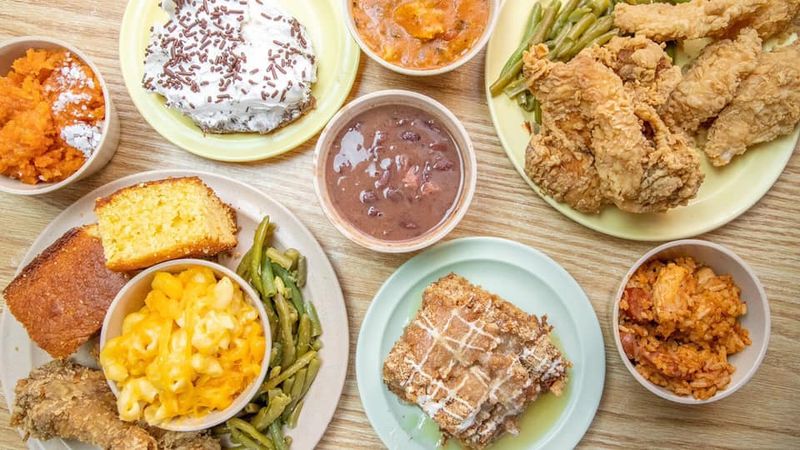
Among pans of deeply savory food, the bright orange carrot soufflé looks almost mischievous. Its soft texture and natural sweetness place it somewhere between vegetable side and dessert, which makes the first bite unexpectedly memorable.
Spoon a modest amount beside fried chicken, baked chicken, or fried fish. The sweetness softens salty, peppery flavors without covering them, and its creamy body adds welcome contrast to crisp breading.
Guests who usually avoid cooked carrots may find this preparation more approachable than plain slices.
Do not mistake sweetness for lightness, however. A small scoop is enough during an all-you-can-eat meal, especially when macaroni, potatoes, and bread pudding are still waiting.
Buffet selections can change, so scan the full line before planning your plate around any single side. When available, the soufflé shows how Louisiana Purchase Kitchen turns an ordinary ingredient into something playful, comforting, and distinctly suited to its generous homestyle spread for curious first-time diners.
Veterans Boulevard Is The Whole Game
Louisiana Purchase Kitchen sits at 8853 Veterans Memorial Boulevard in Metairie, Louisiana, along one of the area’s long commercial corridors. Once you are on Veterans Memorial Boulevard, the final approach is mostly about staying with the strip until you reach the 8800 block.
The last stretch is classic suburban Metairie: broad roadway, low-slung businesses, and parking lots opening directly off the boulevard. There is no dramatic downtown landmark to hunt for here, so the restaurant frontage and street number are the most useful clues as you close in.
Turn into the restaurant property from the Veterans Memorial Boulevard corridor and use the parking around the building. From there, it is a short walk across the lot to the entrance.
Build A Proper Gumbo Bowl
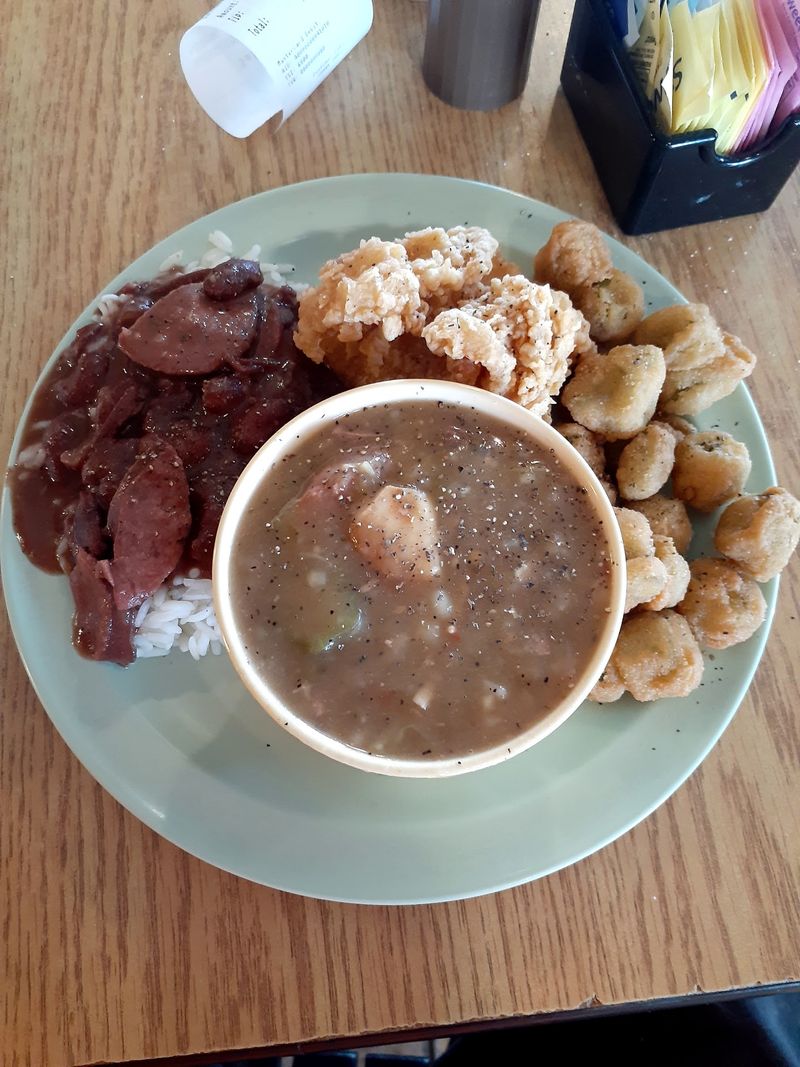
A dark, nutty aroma rising from the gumbo signals the work of a cooked roux. Chicken and sausage give the stew its hearty character, while slow-blended flavors make a small bowl feel more substantial than its size suggests.
Begin with less rice than you think you need, then ladle gumbo over it. Too much rice can bury the broth and fill valuable plate space before you explore the buffet.
A piece of cornbread nearby is useful for catching the final spoonfuls.
Gumbo is also a sensible early taste because bold seasoning can guide later choices. Follow it with milder white beans or vegetables if your palate wants a pause.
Ingredients may include meats that do not suit every diet, so ask staff about the current preparation rather than making assumptions. Served in a casual room lined with Louisiana touches, this bowl captures the restaurant’s purpose neatly: familiar cooking, generous flavor, and no unnecessary ceremony at lunch or dinner.
Honor The Red Beans Tradition
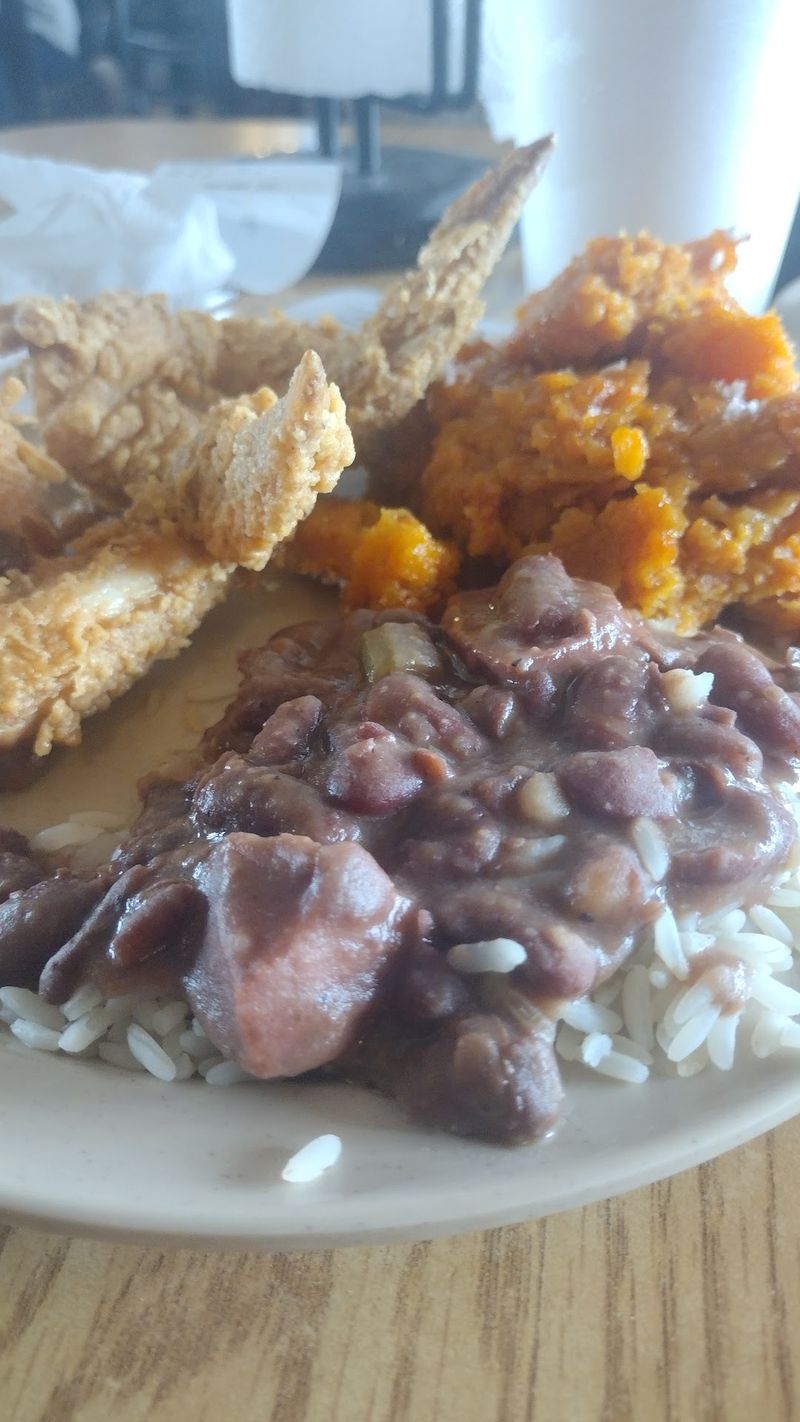
Mondays and red beans share a long friendship in Louisiana kitchens, born from the practical habit of letting beans simmer while household work continued. Louisiana Purchase Kitchen keeps that comforting spirit alive with creamy beans, rice, and savory meat.
Give the beans their own corner instead of pouring them across everything. Their rich texture deserves attention, and a restrained scoop prevents rice from dominating your meal.
Fried fish or chicken adds crunch, while cabbage brings a softer vegetable note beside the beans.
Because recipes commonly contain sausage, ham, or other meat, guests with dietary limits should confirm ingredients with the staff. Labels identify dishes, but a quick conversation provides better guidance.
The buffet changes across the week, so availability and preparation can vary. When red beans appear, taste them as part of the restaurant’s larger story, not merely as filler.
They represent patient, economical home cooking, served in a bustling dining room where second helpings remain pleasantly normal for hungry groups.
Let Jambalaya Stand Alone
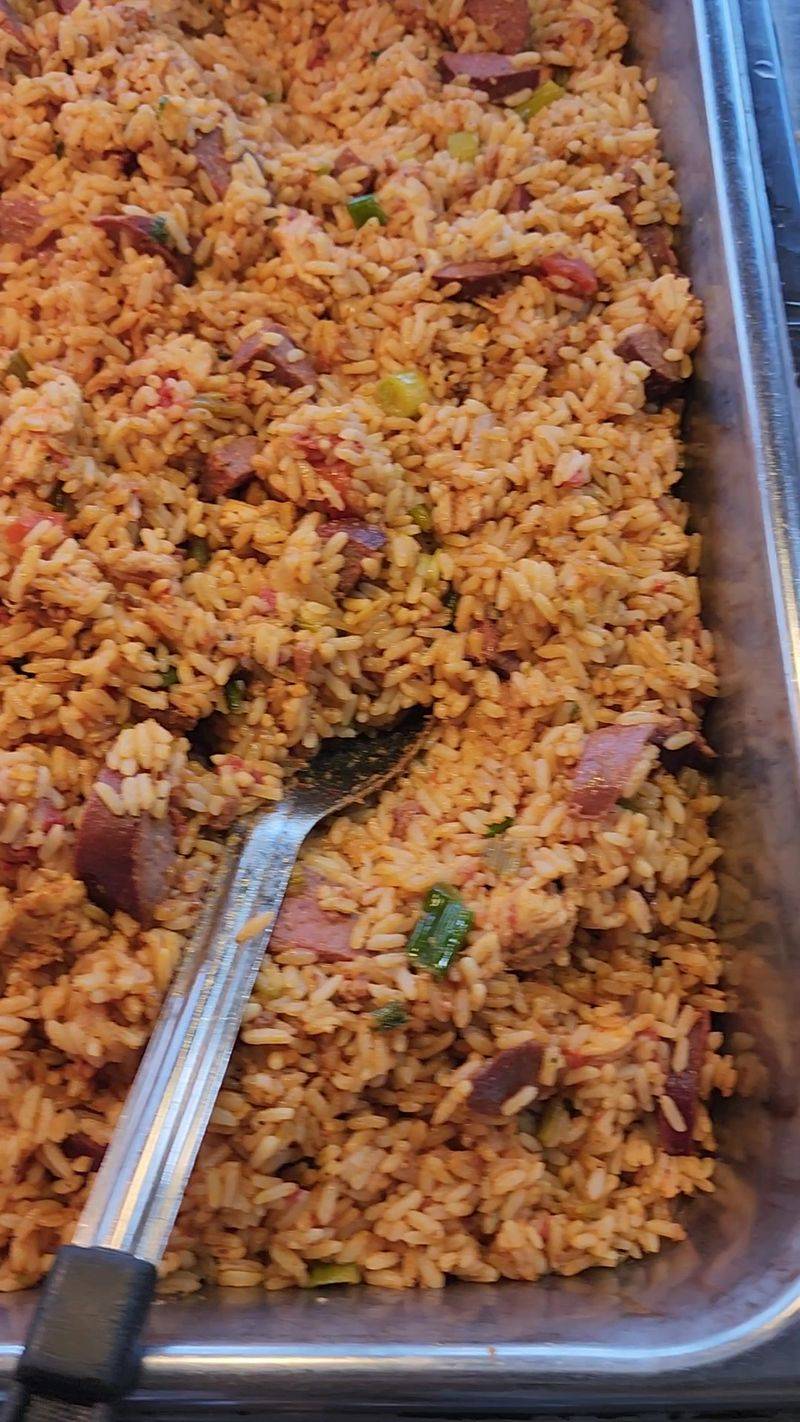
Jambalaya arrives as a complete story in one spoonful: seasoned rice, meat, and vegetables cooked into a unified dish. Onion, bell pepper, and celery form the familiar Louisiana flavor base, while chicken or sausage may add deeper savory notes.
Resist using it as a bed for several gravies. Unlike plain rice, jambalaya already carries its own seasoning and texture, and piling wet dishes on top can turn its distinct character muddy.
Place a small portion beside the main items and taste it separately first.
Heat levels and featured meats may change with the day’s buffet, so checking the line before loading your plate is wise. If the seasoning feels bold, macaroni and cheese or creamy white beans can provide a quieter follow-up.
I like to revisit jambalaya on a second trip rather than squeezing it onto an overcrowded opening plate. That pause makes its peppery, earthy details easier to notice, and it keeps the buffet experience from becoming one large mixture.
Use White Beans As A Reset
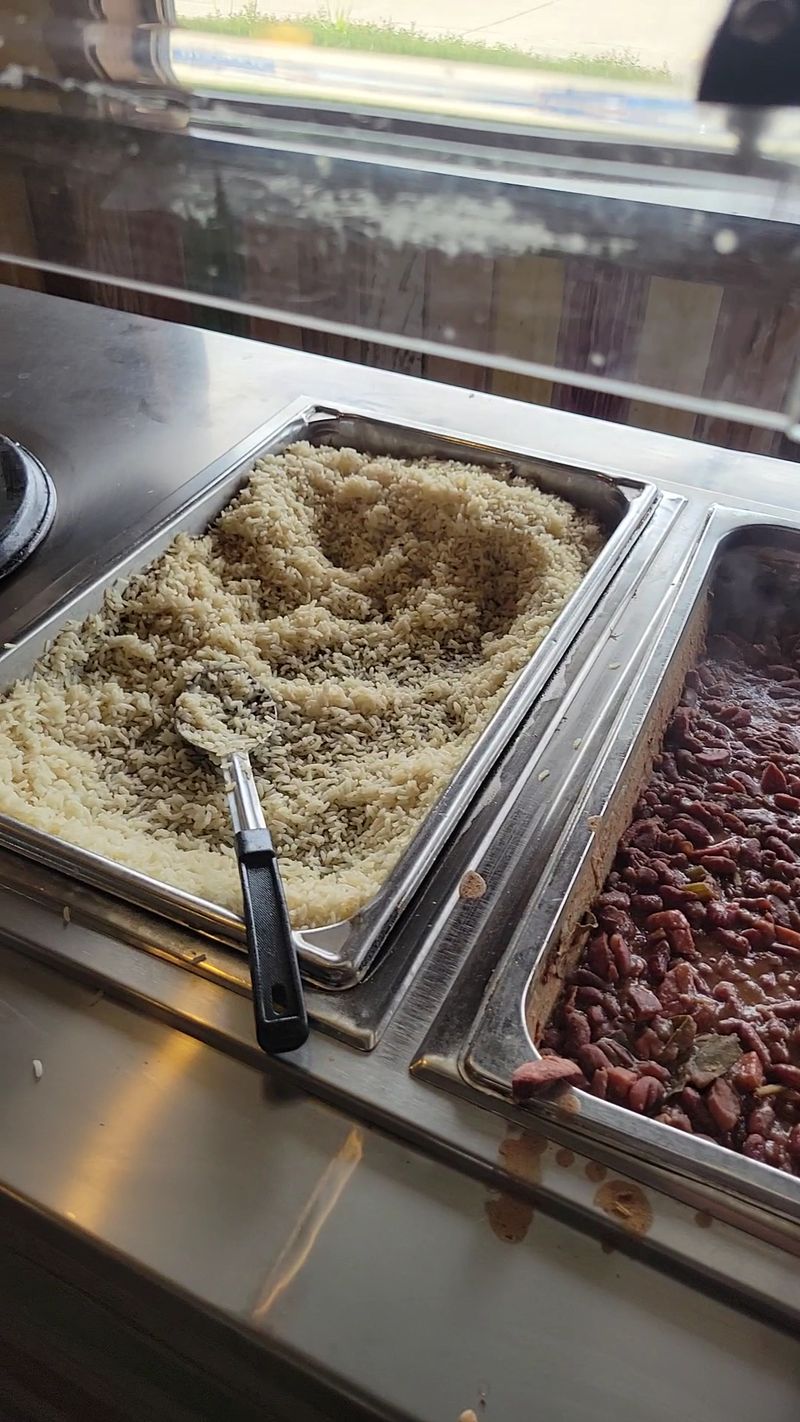
After gumbo or jambalaya, creamy white beans can feel like the buffet’s quiet conversation. Their mild, soothing character offers relief from sharper spices, yet slow simmering and pieces of savory meat keep them far from bland.
Try a small spoonful with fried chicken or fish, where the soft beans answer crisp breading without competing for attention. They also sit comfortably beside green beans or cabbage.
Adding plain rice stretches the combination, although a buffet visit rarely requires help creating a larger meal.
White beans may contain sausage, ham, or both, so ask about ingredients when dietary needs matter. Daily offerings can rotate, and the staff is the best source for what is currently in each pan.
Their presence reveals something useful about Louisiana Purchase Kitchen: not every dish needs to shout. Some earn repeat helpings through texture, warmth, and familiarity.
Pace yourself, because a modest-looking scoop can be surprisingly filling once it joins meat, rice, cornbread, and other sides.
Catch Shrimp Creole When Available
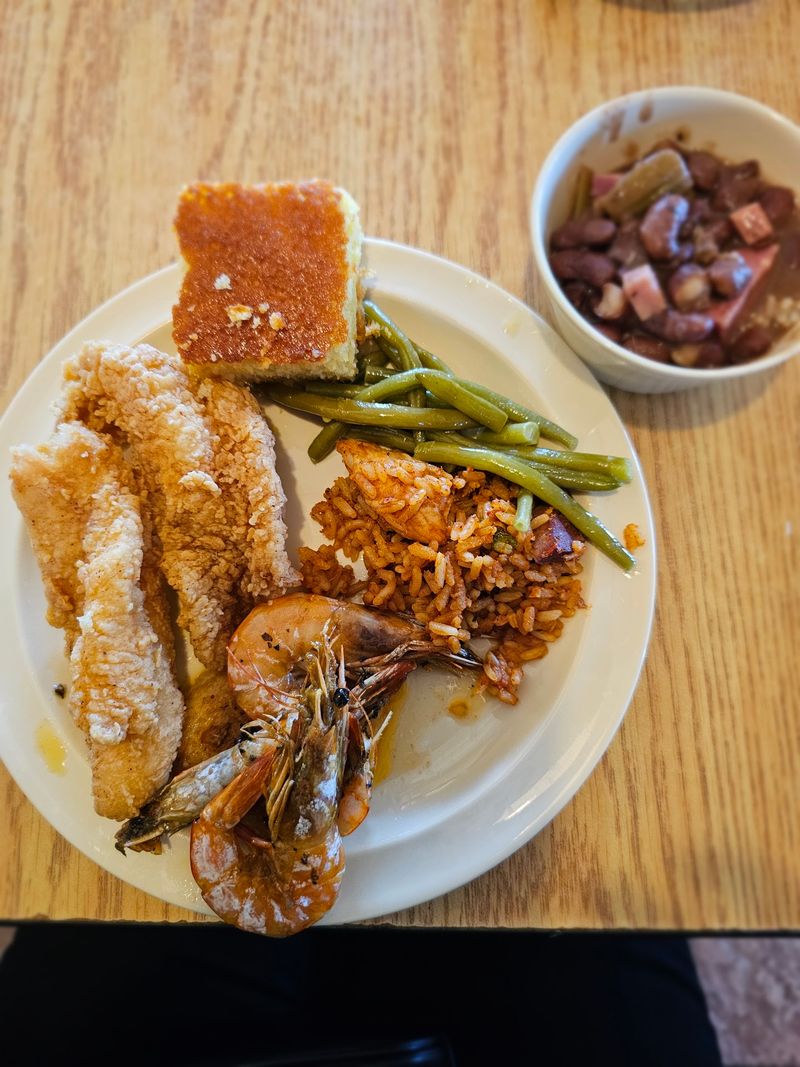
Bright tomato color makes shrimp Creole easy to spot among the buffet’s brown gravies and golden crusts. Plump shrimp simmer with onion, bell pepper, and celery, producing a tangy dish that brings Gulf Coast character to the table.
Spoon the sauce beside white rice rather than flooding it immediately. That approach lets you judge the balance first, then add more if the lively tomato flavor suits your plate.
Fried food benefits from the brighter contrast, while cornbread can collect any sauce left behind.
Seafood offerings and recipes may rotate, so confirm what is available during your visit. Anyone with a shellfish allergy should speak with staff about ingredients, handling, and shared cooking equipment before approaching the line.
Freshness matters greatly with shrimp on any buffet, making a newly replenished pan an appealing moment to serve yourself. Keep the portion sensible at first.
Shrimp Creole is flavorful enough to remember, yet it should share the stage with other Louisiana specialties.
Keep Macaroni In Its Lane
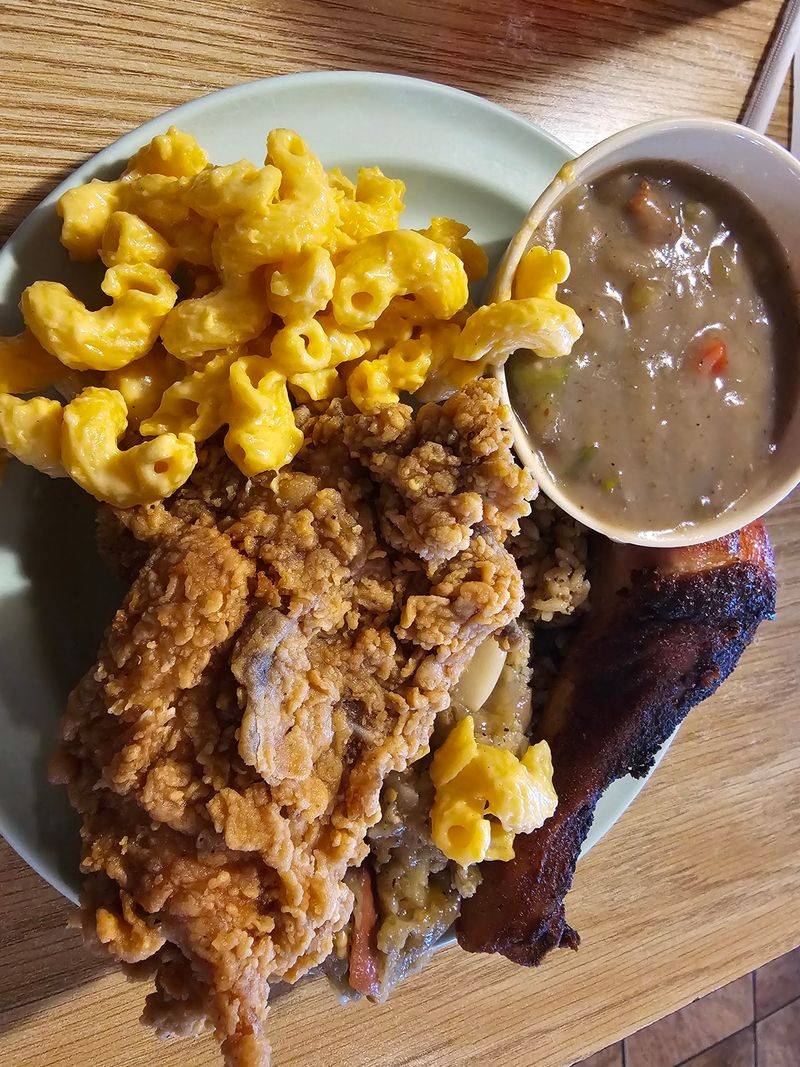
No velvet rope surrounds the macaroni and cheese, and that suits it perfectly. The dish is straightforward comfort food, served generously and designed to support fried chicken, baked meats, or vegetables rather than compete with the Creole specialties.
A narrow scoop works better than a broad mound. Pasta fills space quickly, and the buffet includes many dishes that visitors cannot sample as easily elsewhere.
Pair macaroni with something crisp or peppery, allowing its creamy texture to calm stronger seasoning.
Families may find it especially useful for children who are still learning their way around gumbo, jambalaya, and Creole sauces. Adults should not dismiss it, though.
Familiar food can act as a useful anchor on a plate crowded with new flavors. Since pans and daily choices may vary, take a quick walk along the buffet before serving anything.
That short survey prevents the classic buffet mistake: discovering a favorite after carbohydrates have already occupied nearly every available inch on your plate.
Match Pork With The Right Side
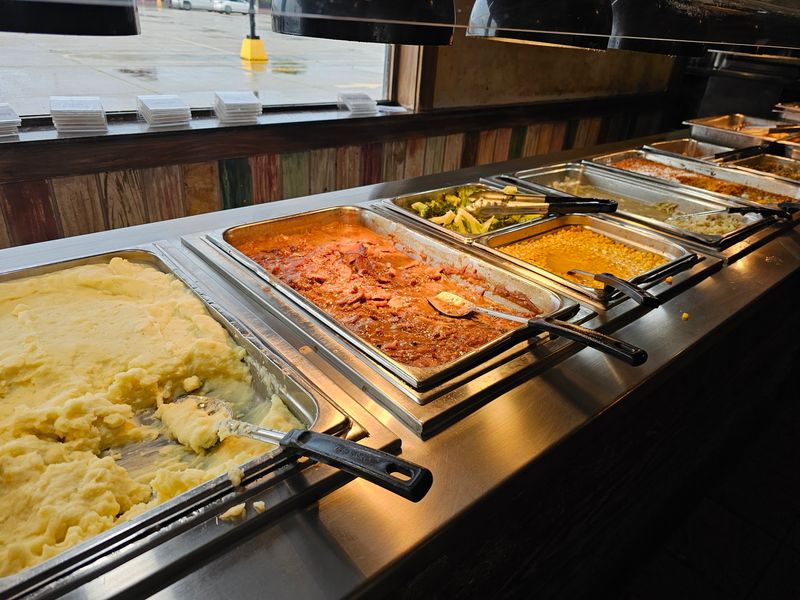
Brown gravy has a habit of wandering, so give roast pork a well-planned section of the plate. Tender slices and rich gravy make a hearty centerpiece, especially when rotating meat selections include this Southern-style favorite.
Mashed potatoes are the obvious partner because they hold the sauce neatly, but plain rice also works. For contrast, add smothered cabbage or green beans rather than another heavy starch.
The result feels balanced while remaining firmly within comfort-food territory.
Look at the carving or serving pan before committing to a large portion, since the buffet offers plenty of competing mains. A small slice tells you whether you want more and reduces waste.
Availability can change by day, making the current buffet line more reliable than an old menu photograph. Guests avoiding pork should also ask about beans, vegetables, gumbo, and gravies, where pork products may appear less visibly.
Clear questions help the attentive staff guide you toward choices suited to your needs.
Put Cornbread To Work
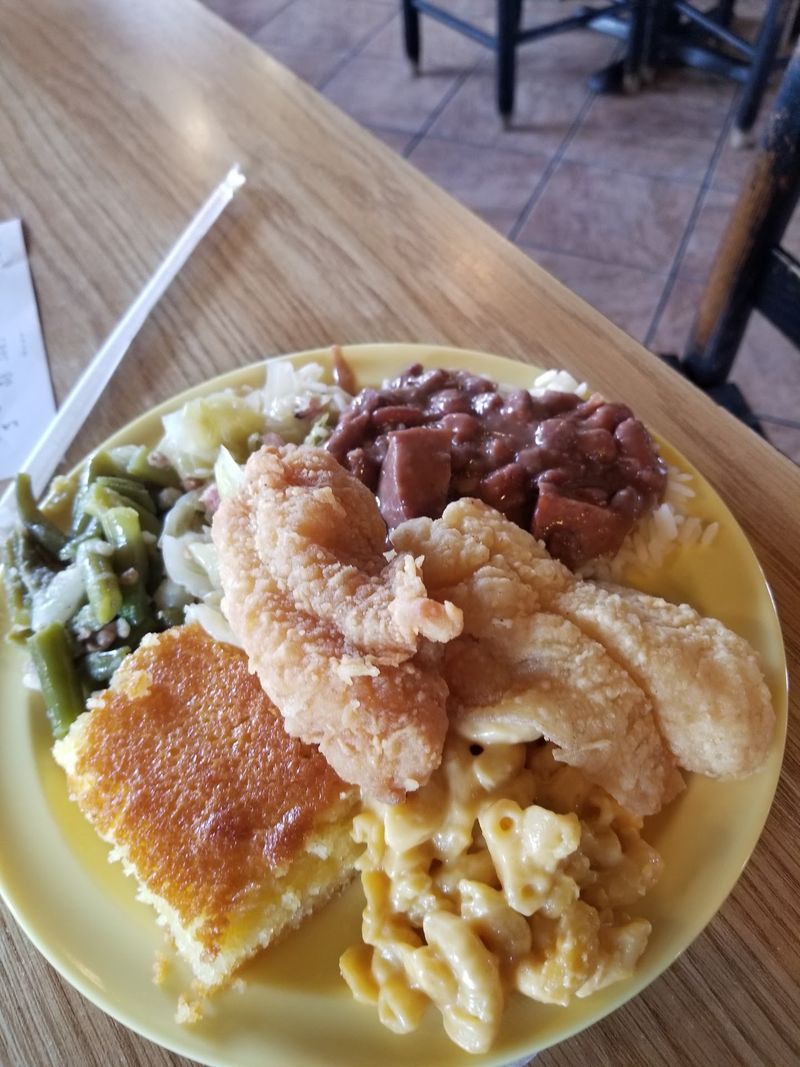
A crumb or two on the table is the honest signature of good cornbread. At Louisiana Purchase Kitchen, the golden side brings a slightly sweet note and enough structure to soak up gumbo, bean broth, or brown gravy.
Take one piece early, but resist eating it before the saucy dishes arrive. Cornbread works best as a tool, catching flavors that a fork leaves behind.
Break off small bites for different pairings instead of dropping the whole piece into one bowl.
Its sweetness also makes a pleasant bridge between savory food and dessert, although bread pudding still deserves separate room. Because buffet items may rotate and fresh pans appear throughout service, ask whether more cornbread is coming if the basket is temporarily empty.
The dining room’s family-style energy makes this humble bread feel completely at home. Nothing about it aims for spectacle.
It simply performs several useful jobs, tastes comforting, and helps every spoonful of gravy avoid an undeserved ending on the plate.
Finish With Bread Pudding
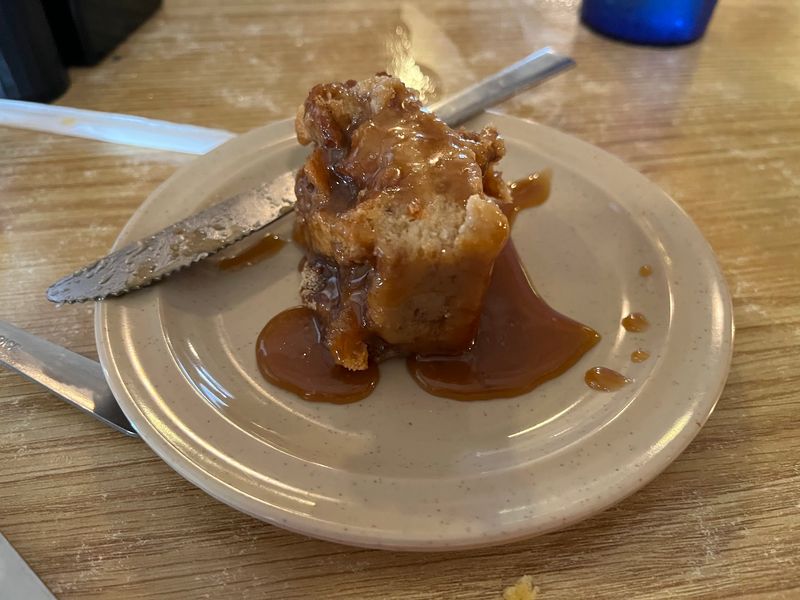
The smartest buffet decision may happen before the first plate: reserve space for bread pudding. Warm, custardy, and comforting, this Southern dessert provides a softer finish after crisp chicken, peppery gumbo, seasoned rice, and rich gravies.
Start with a modest square because the pudding is more filling than it appears. Add only a little of the available sweet sauce at first, then return for more if needed.
Controlled pouring lets the baked texture remain noticeable instead of becoming submerged.
Bread pudding is frequently associated with the restaurant, but dessert choices and presentation can change. Check the station during your first walk around so you know what awaits later.
Saving it for the end also creates a natural pause from the buffet’s organized bustle and repeated plate trips. By then, the exposed brick, wooden beams, photographs, local memorabilia, and artwork have likely faded into the comfortable background.
One measured serving closes the meal warmly without turning satisfaction into regret on the ride home.