A black bear in the neighborhood can turn one ordinary afternoon into the only thing anyone talks about.
That is becoming a little less unusual in Tennessee. Most bears still stick to East Tennessee and the Cumberland Plateau, but sightings have stretched farther west as the population expands into parts of its historic range.
Some 2026 reports came from places where a bear still counts as a genuine surprise.
That does not mean every sighting signals a new local population. Sometimes a bear is simply passing through.
The smart response stays the same: give it room, remove easy food sources, and keep anything with a strong food smell secured.
These counties show just how far Tennessee bear sightings have reached this year.
1. Cheatham County
A bird feeder became the main attraction during a June visit to Kingston Springs. Residents captured photos and video of a black bear moving through yards, climbing onto a deck, and checking porches. Another sighting followed in nearby Pegram during the same stretch.
Those encounters put Cheatham County into a broader cluster of Middle Tennessee bear activity.
Wildlife officials said multiple animals were traveling through the region at the time, although neighboring reports do not necessarily mean every sighting involved a different bear.
The birdseed detail is the part homeowners should remember. Bears have an excellent sense of smell, and something as ordinary as a feeder can give a passing animal a reason to slow down. Garbage, pet food, grills, and other outdoor food sources can do the same.
If a bear appears near your home, resist the temptation to move closer for a better photo. Bring pets and children inside, keep your distance, and leave the animal a clear route away.
One small change can make the next visit much less interesting: remove the easy meal before the bear decides the yard deserves a second look.
2. Dickson County
Some wildlife sightings happen once and disappear from the local conversation. The 2026 activity around this part of Middle Tennessee was harder to dismiss that quickly.
A black bear was recorded in a yard on Jesse Work Road in early June. Another report followed near Charlotte in July, and Dickson County was among the areas wildlife officials specifically identified as having recent bear activity.
The restaurant-area sighting offers a useful reminder that homes are not the only places with strong food smells. Garbage, cooking residue, pet food, and outdoor storage can all hold a bear’s attention if they are easy to reach.
Around your own property, the simplest defense is also the least dramatic. Keep trash secured, bring pet dishes inside, and clean outdoor cooking equipment instead of leaving food residue overnight.
If one crosses the yard, distance does more good than confrontation. Let it keep moving rather than following it or trying to force it in a particular direction.
For residents around Charlotte and the surrounding countryside, the 2026 reports are a reason to be prepared, not a reason to assume every patch of woods now holds a bear.
3. Sumner County
After years with few documented encounters, trail-camera footage near Westmoreland drew plenty of attention in April 2026. The animal was not the first recent visitor, either. Bears had also been documented in the county during 2025.
Then June brought a different problem. A bear reached property near Bethpage and damaged beehives while searching for food.
That puts Sumner County residents in two very different bear scenarios: one animal simply passing a camera in a rural area, another discovering a concentrated food source worth investigating.
Beehives require more planning than an ordinary trash can. Electric fencing is commonly used where bears are active, while homeowners without hives should still pay attention to birdseed, pet food, compost, and garbage.
Here is the useful rule: if a bear finds calories with little effort, it has more reason to remember the location.
Do not feed it, even indirectly. Let the yard become boring again.
For people near Bethpage or Westmoreland, the recent reports show that sightings are possible across different parts of the county without proving that bears have suddenly become permanent neighborhood residents.
4. Robertson County
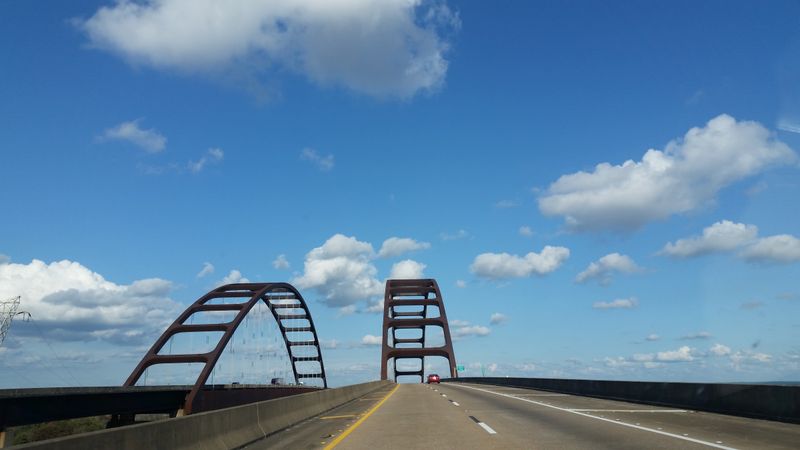
A bear near Interstate 65 is a very different problem from one wandering behind a rural house. Drivers have traffic to consider, and an unexpected wildlife sighting is not a good reason to stop suddenly for a photograph.
On June 15, a black bear was reported near Horseshoe Road and I-65 in Cross Plains. It was identified as Robertson County’s first confirmed report of 2026, although bears had been documented around the area in earlier years.
Later reports in and around White House added to the broader northern Middle Tennessee pattern.
Because White House extends into both Robertson and Sumner counties, those sightings are better viewed as part of a regional cluster rather than casually assigned to one side of the county line.
At home, the familiar checklist still matters: secure garbage, remove accessible birdseed, bring pet food inside, and clean up outdoor cooking areas.
On the road, keep the priority even simpler. Slow safely if necessary, stay aware of other vehicles, and give wildlife room to move away.
Robertson County’s 2026 visitor may have been unexpected, but the best response does not need to be complicated.
5. Hickman County
Not every county needs a dramatic porch video or trail-camera image to make the list. Wildlife officials themselves identified Hickman County among Middle Tennessee areas reporting black bear activity during spring and early summer 2026.
The likely explanation is less mysterious than it sounds. Younger bears can travel considerable distances while dispersing and searching for suitable territory. That movement can carry them through rural areas where sightings remain unusual.
This is where residents can help by doing almost nothing, at least from the bear’s point of view.
A property with no accessible garbage, pet food, birdseed, or cooking residue gives a traveling animal little reason to pause. A yard offering several easy meals tells a very different story.
If you see one crossing open ground or moving along the edge of woods, give it space rather than following it for a closer look. Most transient bears are better off continuing their route without learning that homes mean food.
Hickman County’s reports fit the wider expansion of bears across Tennessee, but one passing animal does not turn every rural road into established bear country.
6. Wilson County
A bear sighting can be especially surprising when you live well west of the state’s main concentrations. That is part of what made the 2026 reports here notable.
Wilson County joined Hickman, Dickson, and Sumner among Middle Tennessee counties wildlife officials identified as having recent activity.
Bears can appear seasonally or as transient visitors outside areas with well-established populations, so a rural sighting near Lebanon should not automatically be treated as evidence of a new permanent population.
Think first about what the animal can smell.
An open garbage container, pet bowl, bird feeder, or recently used grill can turn a quick pass through the property into a much longer inspection. Secure those items before a bear arrives rather than trying to solve the problem while one is standing in the yard.
Neighbors can make a difference too. If a bear is moving through an area, tell nearby households so everyone can remove attractants at roughly the same time.
One secured yard beside three overflowing trash cans will not accomplish much.
For Wilson County residents, awareness is useful precisely because bears are still uncommon enough to catch people off guard.
7. Rutherford County
Seeing a bear near Murfreesboro sounds unusual enough to become the day’s main story, but wildlife officials have a broader explanation for why reports are reaching more of Middle Tennessee.
Tennessee’s bear population has expanded into parts of its historic range, and young animals can travel far from areas where bears are seen routinely. Reports around Rutherford County during 2026 fit that larger movement.
That does not mean every wooded subdivision suddenly has a resident bear.
What residents can control is the food around the house. Open compost, garbage, pet dishes, birdseed, and cooking residue can all reward a passing animal for getting too comfortable around people.
If one appears, bring pets and children inside and watch from somewhere secure. Give the bear a clear route away rather than approaching, chasing, or surrounding it.
Rutherford County is also a good example of why reporting sightings matters. A single neighborhood story tells you where one bear was seen.
Multiple reliable reports help wildlife biologists understand whether animals are simply passing through or appearing repeatedly in the same area.
Your best contribution may be a secure trash can and an accurate report.
8. Putnam County
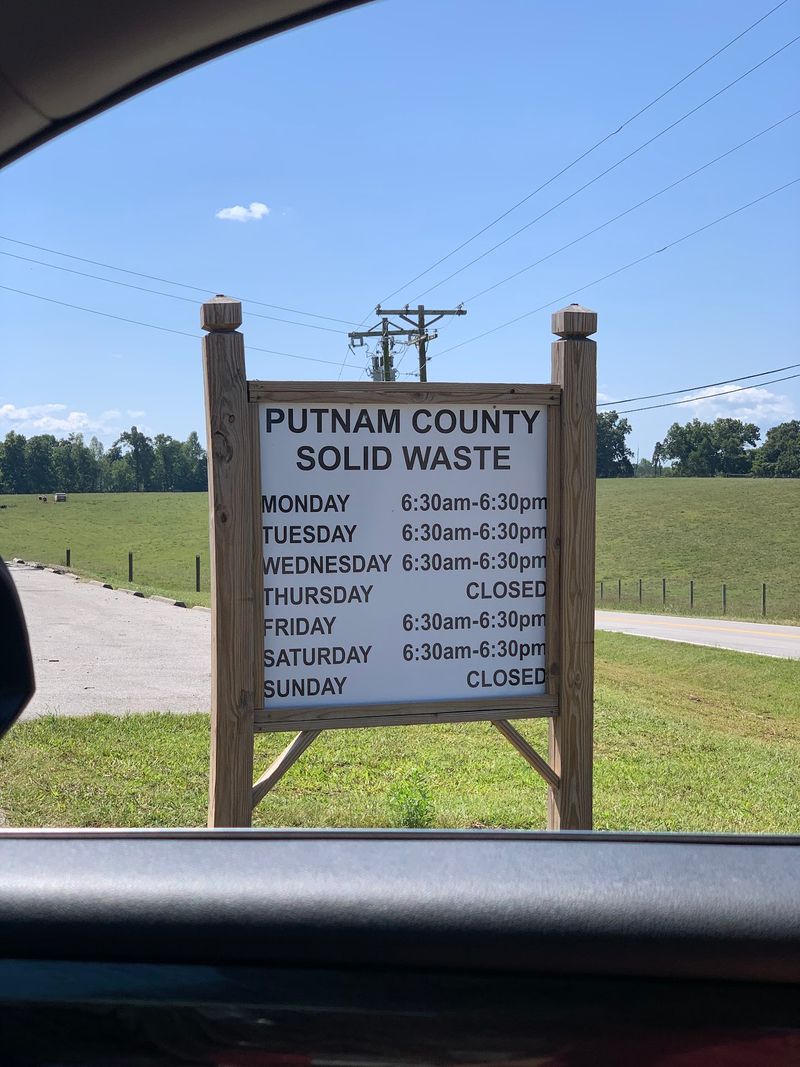
Algood residents received a very specific warning in May. A young black bear was reported near Dogwood Lane and Phillips Cemetery Road after moving through neighborhoods and getting into garbage.
Police noted that the animal had not shown aggressive behavior, which is an important distinction. Its interest in trash made it a management problem, not proof that it was seeking conflict with people.
Residents were told to stay away, bring pets inside, and remove food sources.
Putnam County is also different from several Middle Tennessee counties on this list because part of the county east of Highway 111 already falls within one of Tennessee’s established bear hunt zones.
A bear in the wider region is therefore less surprising than a sighting deep into the Nashville suburbs.
The Algood report still carries a clear neighborhood lesson.
Trash was part of the attraction. Secure it, and the same street becomes much less rewarding for a young bear exploring unfamiliar ground.
If one turns up again, let wildlife officers handle the situation while residents focus on making sure the animal finds fewer reasons to stay.
9. Stewart County
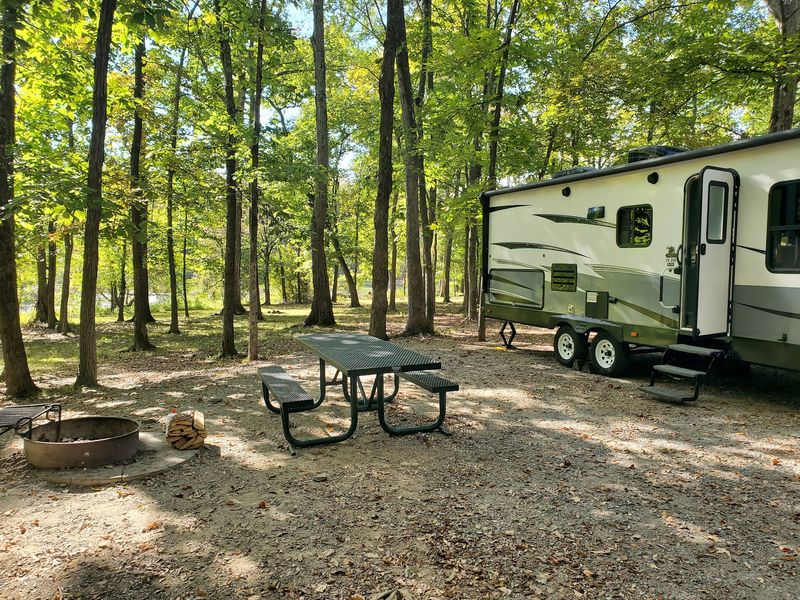
A trail camera can reveal wildlife long before a person ever crosses paths with it. That is exactly what happened in the Tennessee portion of Land Between the Lakes during 2026.
Images showed a young black bear near Piney Campground and the Fort Henry Trail System, with later reports placing bear activity elsewhere around the Dover area. That gave Stewart County some of the westernmost notable bear evidence on this list.
For campers, the rules change slightly because food is traveling with you.
Keep meals and scented items stored where wildlife cannot reach them. Dispose of scraps and trash properly rather than leaving them around a campsite, and never leave food inside a tent.
On the trail, spotting a bear does not require turning around and sprinting away. Keep your distance, allow plenty of room, and let the animal choose its route.
Land Between the Lakes contains enough undeveloped habitat that a bear can move through without needing anything from visitors. Clean campsites help keep it that way.
The best bear encounter may be the one captured quietly on a trail camera while everyone else wakes up to an untouched campsite.
10. Davidson County
Nashville may not be the first place people picture when black bears come up, but the northern edge of Davidson County joined the conversation in June.
A bear was reported in Whites Creek during the same period that produced sightings in Bethpage, White House, and Cross Plains. Rather than standing alone, the Davidson County report fit a wider burst of movement across northern Middle Tennessee.
Whites Creek also helps explain how that can happen. Wooded areas, creeks, open land, and developed neighborhoods meet along the city’s edges, creating routes a traveling animal can use without needing anything resembling a mountain wilderness.
For residents, the city address does not change the basic bear rules.
Keep garbage secured. Bring pet food indoors. Remove bird feeders when bear activity is being reported nearby.
Clean grills rather than leaving food smells outside overnight.
If a bear does appear, give it a clear route away and keep people and pets back. Then report the sighting so wildlife officials have a reliable record.
Davidson County’s 2026 visitor is a reminder that wildlife follows habitat, food, and travel corridors, not the mental map residents use to separate city from countryside.