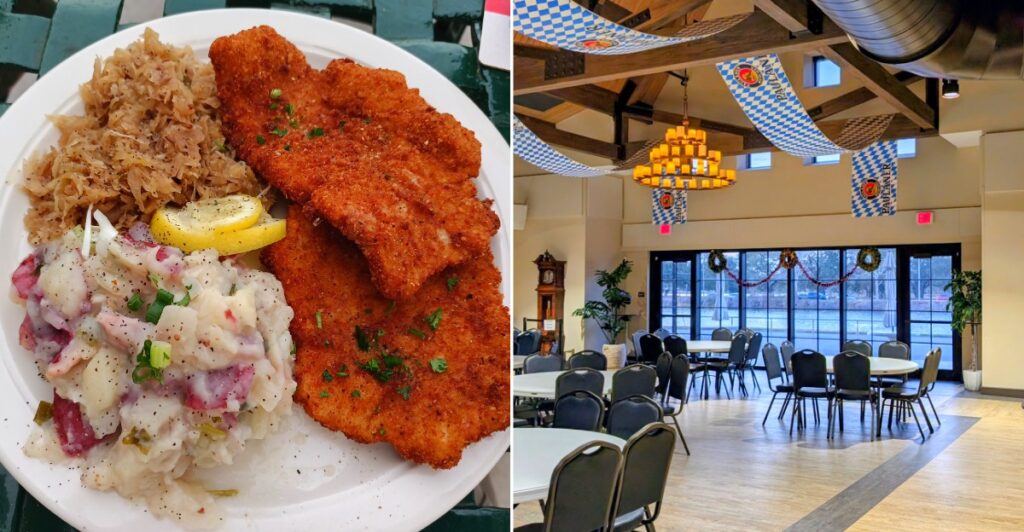
New Orleans knows French and Creole food better than any city in the country. German food rarely gets a mention. This cultural center on Bayou St. John has been fixing that gap since the nineteen twenties.
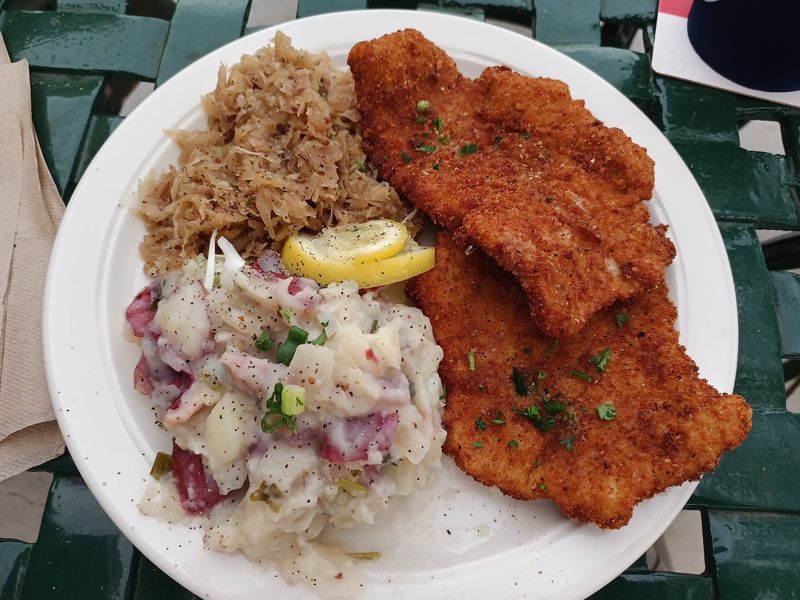
Wiener schnitzel and jaeger schnitzel share the menu with bratwurst, spaetzle, sauerkraut, and German potato salad. Drinks flow from the taps at twenty-seven degrees.
The bar top was built from the original bowling alley floor of the nineteen thirties location. Hurricane Katrina flooded the old building with six feet of water. The state took the property for a hospital.
Seven years in a temporary spot followed. Then the organization opened a new home on Bayou St. John under century-old oaks on the exact anniversary of its founding. Dachshund races happen during Oktoberfest.
A choir still rehearses on Tuesday nights. Louisiana may be famous for gumbo but schnitzel has had a home here longer than most people realize.
Big Lake Is The Landmark Across The Bayou
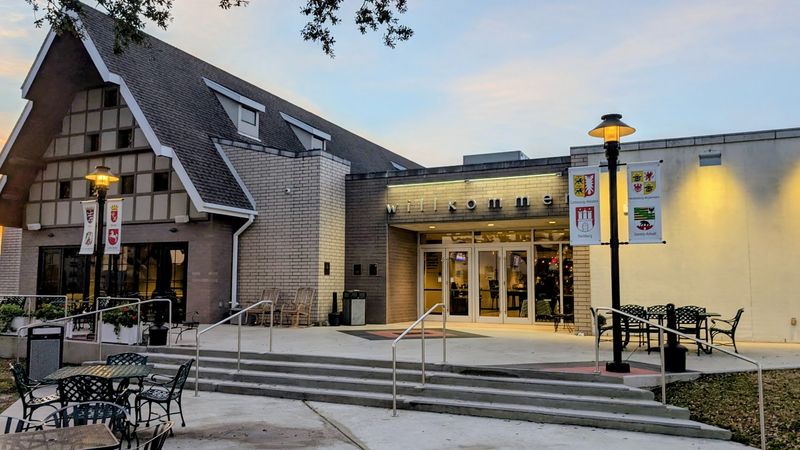
Deutsches Haus sits at 1700 Moss Street in New Orleans, Louisiana, right on Bayou St. John across from Big Lake in City Park. Moss Street is the final approach, and once the water opens up beside you, the Haus is close.
The last stretch is easy to read by landscape rather than street numbers.
Bayou St. John runs beside the property, while the green edge of City Park sits across the water, so the setting feels more open than the tighter neighborhood streets nearby.
Turn into the Deutsches Haus property from Moss Street and use the on-site parking when space is available. For major events such as Oktoberfest, parking can be limited, so follow event-day signs and overflow directions instead of assuming a normal visit setup.
Listen For The Bratwurst Snap
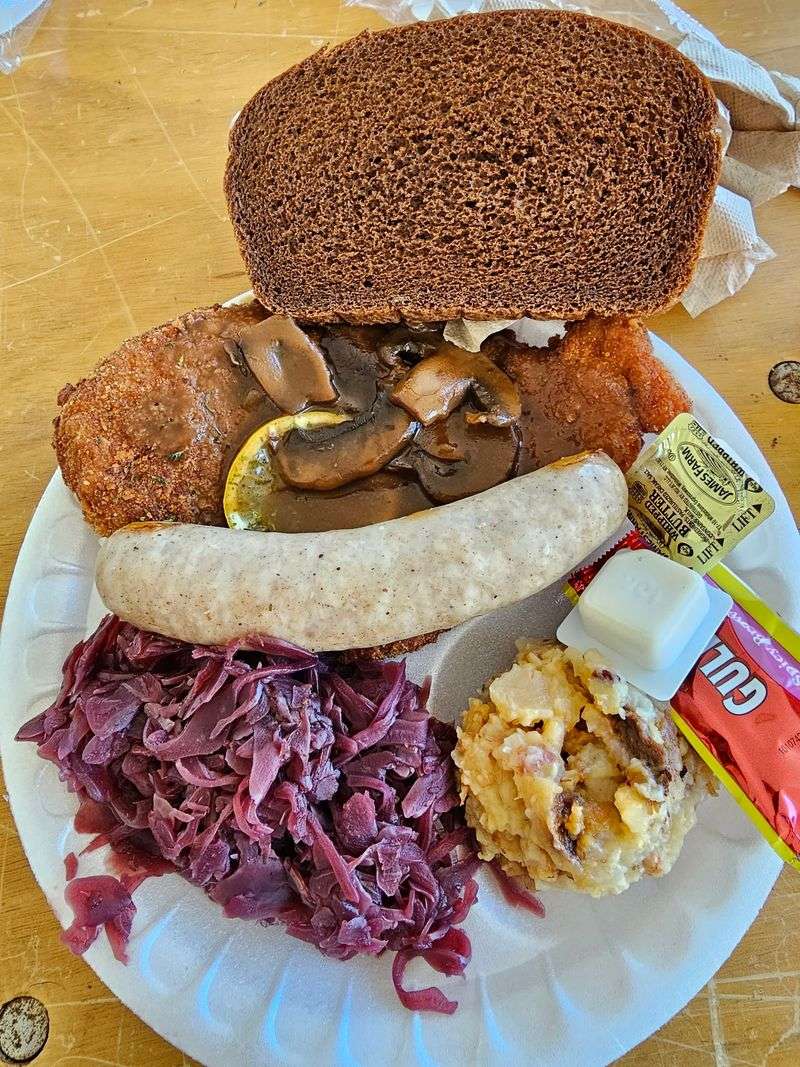
That first bratwurst bite should answer an important question: does the casing snap? At Deutsches Haus, the sausage is known for that clean pop, followed by a savory filling cooked with care.
Tangy sauerkraut and sharp German mustard bring acid and heat, keeping the plate balanced rather than simply rich.
A pretzel bun turns the brat into easy handheld food, sometimes joined by sauerkraut or caramelized onions. The grilled entree is better for diners who want room for separate sides and a slower pace.
Take one bite before adding extra mustard so you can notice the casing and seasoning. Then use condiments in small amounts, not as camouflage.
Weekly events may vary in format and menu, so check the Haus calendar before promising yourself a certain version. Arriving hungry is sensible, but sharing a pretzel first can make waiting easier.
Save Space For Spaetzle
Spaetzle looks modest beside a bold main dish, yet the little German noodles quietly hold the plate together. Their soft, irregular shapes are part of the appeal, offering a tender contrast to crisp schnitzel or firm sausage.
At Deutsches Haus, spaetzle may accompany comforting dishes such as goulash or chicken paprikash. Let some sauce settle into the noodles instead of mixing the whole plate immediately.
That approach gives you plain bites, sauced bites, and a clearer sense of how every part tastes.
Because event menus can rotate, confirm availability before making spaetzle the main reason for your visit. If it appears as a side, order it with something that has gravy or a deeply seasoned sauce.
The noodles are especially useful for younger diners or anyone meeting German cooking for the first time because the flavor is approachable, while the handmade appearance keeps the dish interesting.
Check The Event Calendar First

A craving does not control the calendar, unfortunately. Deutsches Haus is a cultural center rather than an ordinary restaurant, and its programs include Kulturabend evenings, German KINO film nights, and special dinners organized by the Ladies Auxiliary.
Food is served during regular operating periods, but featured dishes and event arrangements may change. Visit the official website or contact the Haus before leaving home, especially if schnitzel, spaetzle, or a chef-prepared German dinner is your goal.
Planning also helps you distinguish regular hours from major festivals, when crowds, admission rules, parking, and service can work differently.
The usual schedule lists Tuesday through Friday from 4 to 10 p.m., Saturday from 1 to 10 p.m., and Sunday from 1 to 7 p.m. Monday is closed.
Treat those times as a starting point, then verify current details because private functions, holidays, or special programming may affect access.
Warm Potato Salad Changes The Rules
Cold picnic potato salad has trained many people to expect one thing, then the German version arrives warm and rewrites lunch. At Deutsches Haus, the traditional side is known for richness from pork fat and the earthy lift of caraway seed.
Try it before reaching for any added seasoning. Warmth makes its savory character more noticeable, while caraway adds a flavor that can seem peppery, herbal, and faintly sweet.
A small forkful beside schnitzel works particularly well because the soft potatoes contrast with crisp breading.
Rich sides reward pacing, so alternate them with sharper foods such as sauerkraut or red cabbage when available. Sharing is also smart if you are ordering a pretzel, sausage, and dessert during one visit.
Since offerings can shift around cultural programs and special dinners, ask whether the potato salad is on the day’s menu. It deserves attention, not automatic treatment as plate filler.
Let Sauerkraut Do The Balancing
Sauerkraut brings the useful sour note that a sausage plate needs. Its acidity cuts across rich bratwurst, while its softer texture sits neatly between a crisp casing and a chewy pretzel bun.
The version served at Deutsches Haus may also carry richness from pork fat.
Avoid piling it onto every bite at once. Taste the bratwurst alone, follow with sauerkraut, then add a small amount of sharp German mustard.
That simple order reveals how smoke, tang, salt, and spice support one another rather than blending into a single loud flavor.
On a sandwich, keep the sauerkraut centered so the bread remains easier to handle. With an entree, move it beside the sausage and use it almost like a bright condiment.
People uncertain about fermented cabbage should begin with one forkful. German meals often depend on contrast, and this humble side explains that idea more clearly than a long lecture.
Share A Bavarian Pretzel

A Bavarian-style pretzel makes an excellent opening move when several people arrive hungry. The broad twists and browned surface invite tearing rather than careful cutting, which suits the communal mood inside Deutsches Haus.
Cheese sauce may accompany the pretzel, depending on the offering. Start by tasting an uncoated piece because the crust, salt, and chewy center should have their own character.
Dip later, and lightly, to keep the bread from becoming soggy. Pretzel portions can be substantial, so sharing protects your appetite for schnitzel, bratwurst, or spaetzle.
Order early if the room is busy, then use the waiting time to study the German decor or settle at a long wooden table. During large festivals, popular foods may draw longer lines or sell quickly.
Regular weekly visits generally provide a calmer setting, but checking event details remains sensible. One pretzel can turn strangers at a table into temporary cousins.
Look Beyond The Famous Three

Schnitzel, bratwurst, and spaetzle may receive top billing, but the supporting cast can make a visit more adventurous. Deutsches Haus menus and special dinners have featured flammkuchen, German meatloaf, red cabbage, potato pancakes, goulash, and chicken paprikash.
Flammkuchen resembles a thin German pizza, traditionally built on a creamy white base with toppings that may include ground meat and onions. Potato pancakes travel in another direction, pairing crisp edges with sour cream and applesauce.
Ordering one familiar dish and one less familiar option gives the table both comfort and discovery.
Do not assume every specialty appears each week. Cultural events, chef-led dinners, and seasonal celebrations can bring different selections, so read announcements carefully.
When several dishes are available, divide them among the group instead of guarding separate plates. Sharing creates more tastes without demanding several full meals, and it fits the Haus spirit of togetherness remarkably well.
Stay For The Culture
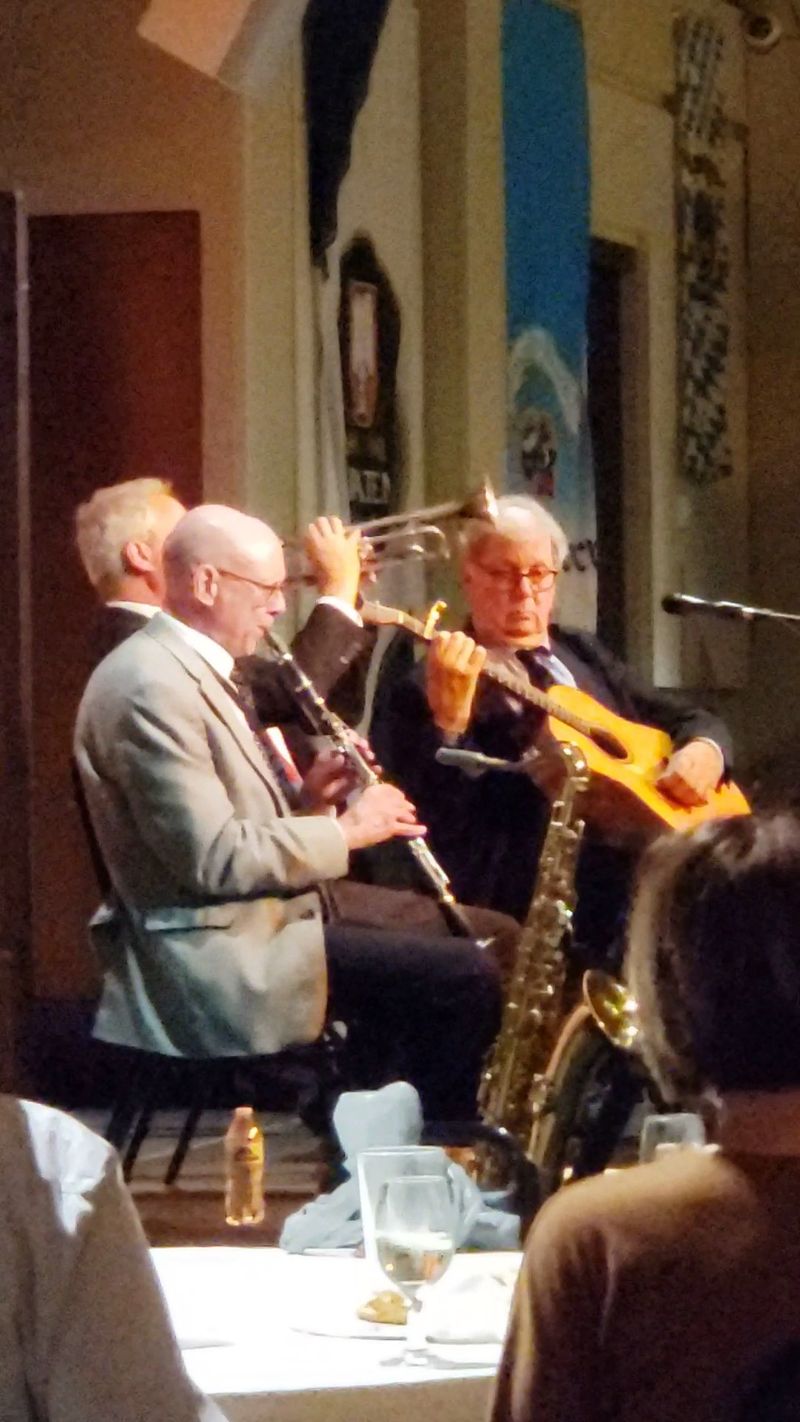
Dinner gains another layer when a speaker, film, or musician is part of the evening. Deutsches Haus exists to preserve and foster Germanic heritage across the Gulf South, so food is connected to language, history, music, and community rather than presented alone.
Kulturabend programs may feature authors, speakers, or musicians, while German KINO nights are scheduled twice monthly. Arrive with enough time to order without missing the program’s opening.
If a meal is served near an activity, choose food that is manageable at the table and silence distracting devices.
Reading the event description beforehand helps families judge whether a program suits younger visitors. It also explains ticketing, start times, or special arrangements that differ from regular service.
I find the long tables especially fitting here because they encourage conversation after a presentation. Listen first, eat thoughtfully, and leave knowing more than the proper use of German mustard.
Choose Your Seat With Care
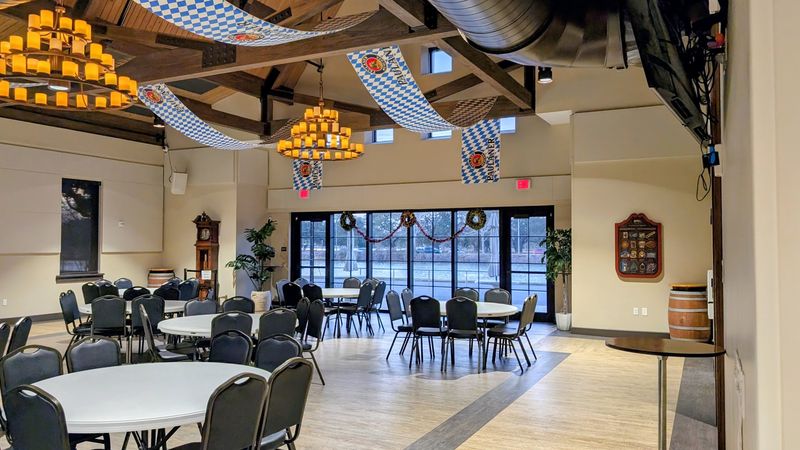
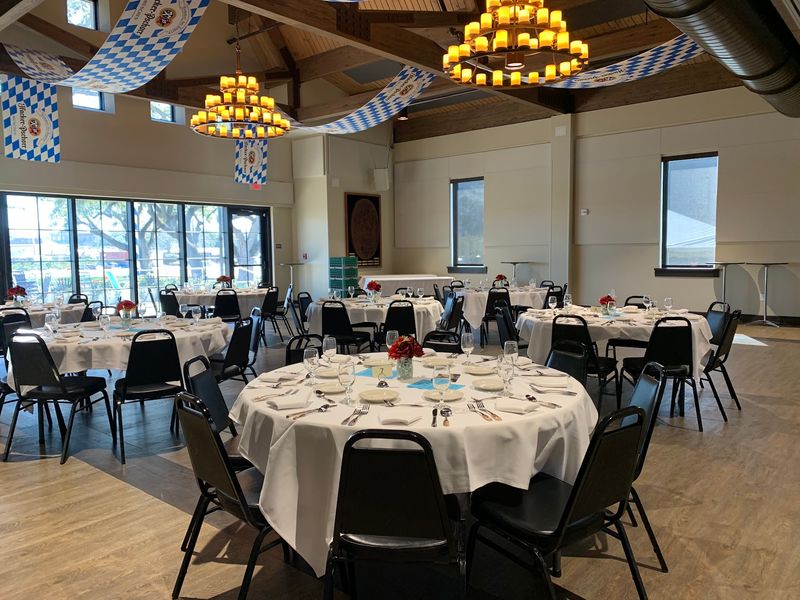
Long wooden tables make the indoor room feel less like a private dining booth and more like a neighborhood gathering. Vintage German decor strengthens that mood, while the broad outdoor seating area offers another option near Bayou St. John.
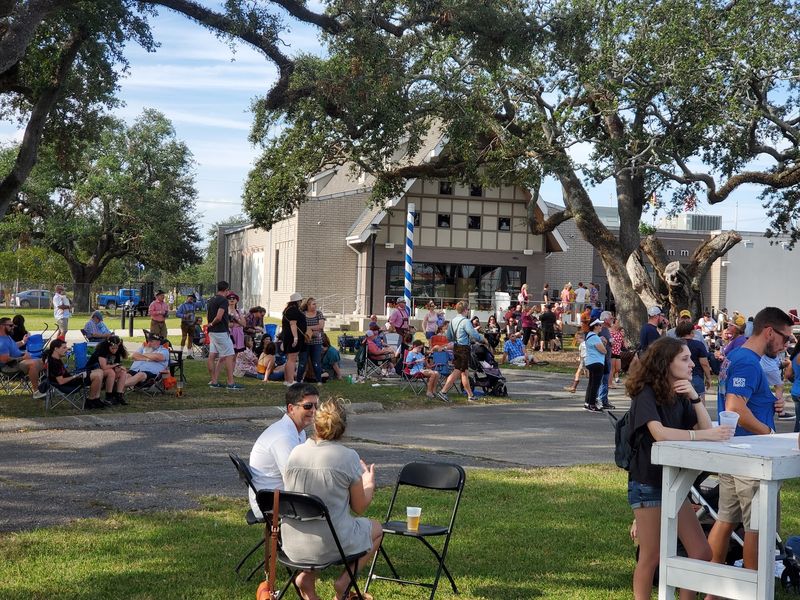
Pick indoors when you want a closer look at the cultural details or need to follow a scheduled presentation. Outside works well during pleasant weather, especially for families and groups who appreciate extra breathing room.
New Orleans heat and sudden rain can change that calculation quickly, so check conditions before claiming a table.
Large events naturally create more movement and noise than an ordinary afternoon. Anyone seeking a quieter meal should consider regular opening hours rather than a major festival date.
Keep pathways open, collect food promptly, and be ready to share table space politely. Gemütlichkeit, the German idea of warmth and togetherness, becomes practical here through simple courtesy.
Finish With Apple Strudel
Apple strudel offers a gentler ending after mustard, sauerkraut, sausage, and fried breading have occupied center stage. Its apple filling and pastry shift the meal toward fruit, spice, and sweetness without abandoning the German theme.
Availability can depend on the event or current menu, so ask about dessert before ordering too many starters. If strudel is offered, consider sharing a portion after a hearty entree.
Waiting several minutes after the main plate also helps you decide whether you truly saved room or merely admire the idea of pastry.
Notice the contrast between the soft apple center and layered exterior rather than rushing through it. A warm serving feels especially comforting during cooler seasonal programs, including holiday gatherings.
Dessert also buys a little more time to enjoy the decor and conversation. At a cultural center built around fellowship, lingering respectfully seems more appropriate than treating the final course like an exit signal.