Dinner gets complicated fast when the butcher counter starts making better suggestions than you did.
You may walk in thinking ribeye and leave reconsidering the entire evening.
In Asheville, North Carolina, one shop works with whole animals and dry-ages its beef for around 21 days before cutting. That already gives the steak crowd plenty to talk about.
But I would not lock myself into one idea too early.
Sometimes the right cut is the one that changes dinner completely. Maybe tonight needs a hot pan and ten minutes. Maybe Sunday suddenly looks like roast territory.
That is where a good butcher earns its keep.
The counter is not just about picking meat. It is about matching dinner to the amount of patience you actually have.
And let’s be honest, some nights your ambition is ribeye.
Other nights, sausage wins on a technicality.
Start With The Clock Before You Pick The Beef
Dry-aged beef sounds like a special-occasion decision, but the first question can be much simpler: how much time do you actually have?
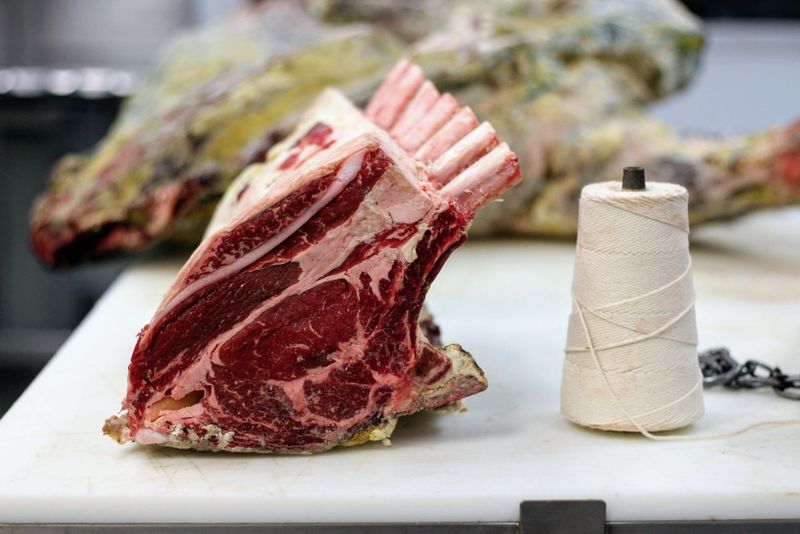
All of The Chop Shop’s beef spends around 21 days dry aging before it reaches the cutting room.
During that period, moisture loss concentrates the beef flavor while natural enzymatic changes help tenderize the meat.
That process applies across the beef program rather than to one showcase steak.
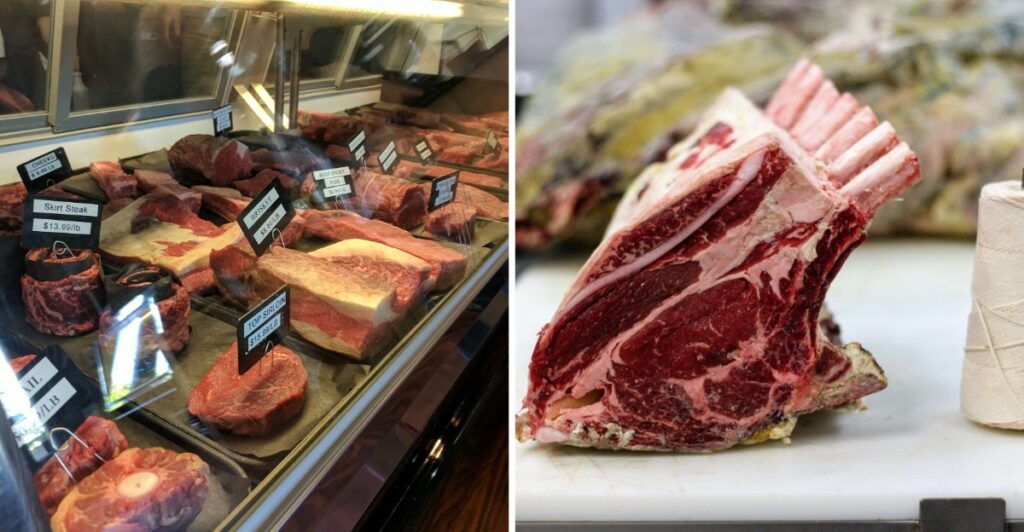
Now picture the case. Ribeye, New York strip, tenderloin, flank steak, skirt steak, short ribs, chuck roast, and ground beef sit among the familiar choices. Bavette, coulotte, Denver steak, teres major, beef cheeks, and cross-cut shanks can take the decision in a different direction.
A Tuesday night probably does not need a three-hour cooking project. Ribeye, strip, flank, or skirt steak can keep things moving. Saturday afternoon changes the equation.
Chuck roast, cheeks, short ribs, or shanks make more sense when the stove has time to do some work.
First dry-aged steak? Keep the plan calm. Choose a cut that already suits the pan or grill at home, season it simply, and let the beef carry more of the meal.
Save the complicated sauce experiment for another night. Then notice which direction you want to go next time: quicker, richer, leaner, or built for a slow afternoon.
Asheville Gives This Shop Its Home Base
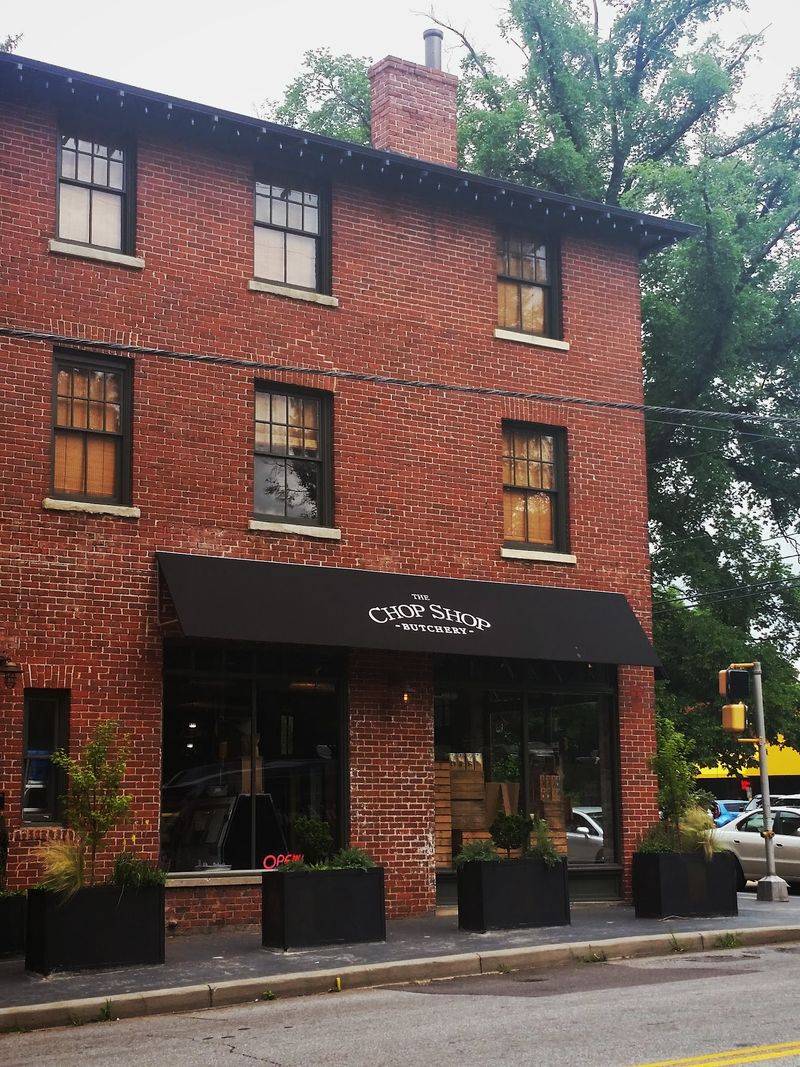
The Chop Shop’s Asheville location is where the business developed its whole-animal approach and regional farm relationships.
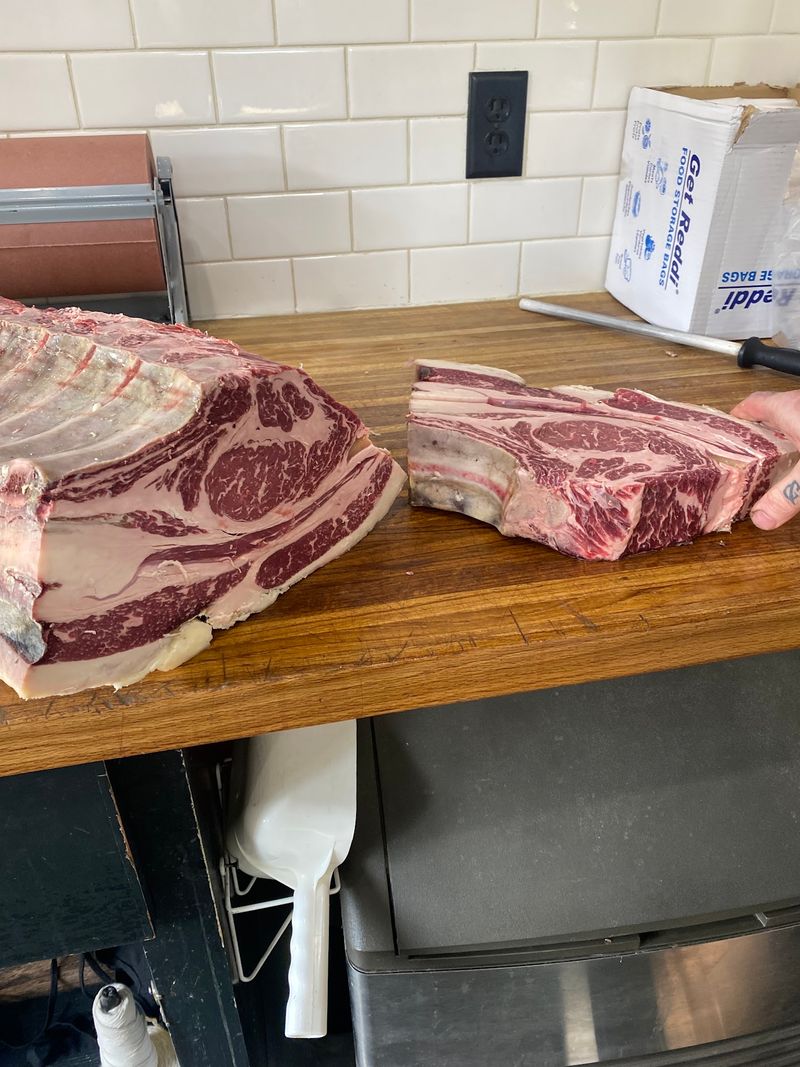
That sounds tidy on paper, but the more useful part happens behind the counter: entire carcasses are broken down in-house, custom cutting requests are available, and familiar pieces share space with cuts that many grocery cases skip.
This is where arriving with a plan can help. Maybe a recipe calls for a particular thickness. Maybe dinner needs six equal portions.
Maybe all you know is that the oven is free and you would rather not eat the same steak again.
The counter can handle each of those moods.
The shop is at 100 Charlotte Street, Asheville, NC 28801. Work it into a day around town, then make the food decision before hunger starts negotiating on your behalf.
There is also no rule saying the original plan has to survive the visit. A steak may look right until pork shoulder catches your attention. A roast may lose the argument to sausage when you remember what time dinner needs to happen.
Let the evening settle the debate.
Whole-Animal Butchery Gives Curious Cooks More To Work With
Here is a useful way to approach a whole-animal butcher case: do not ask which cut sounds fanciest. Ask what you want the cut to do.
The Chop Shop uses more than the premium pieces. Bones can become stocks, trim can become sausages, and fat can be used for cooking fats and charcuterie.
That keeps more of the animal in play and also creates a broader set of options for shoppers who like to cook beyond steaks and chops.
Pork alone can send dinner in several directions. The selection can include belly, cheeks, chops, jowl, loin roast, shank, shoulder, spare ribs, tenderloin, trotters, and bones. Beef brings quick-cooking steaks, larger roasts, braising cuts, ground meat, and bones of its own.
Standing there with no recipe? Pick the method first. Fast sear, slow roast, braise, stockpot, grill.
Once that part is settled, the case becomes much easier to read.
A pork chop does not ask for the same evening as a shoulder. Beef cheeks are not competing with tenderloin for the same job. Bones are not a backup choice when broth is the goal.
That is the useful rhythm of whole-animal shopping. Instead of asking what is “best,” you can ask what fits tonight.
Regional Farms Sit Behind Many Of The Choices
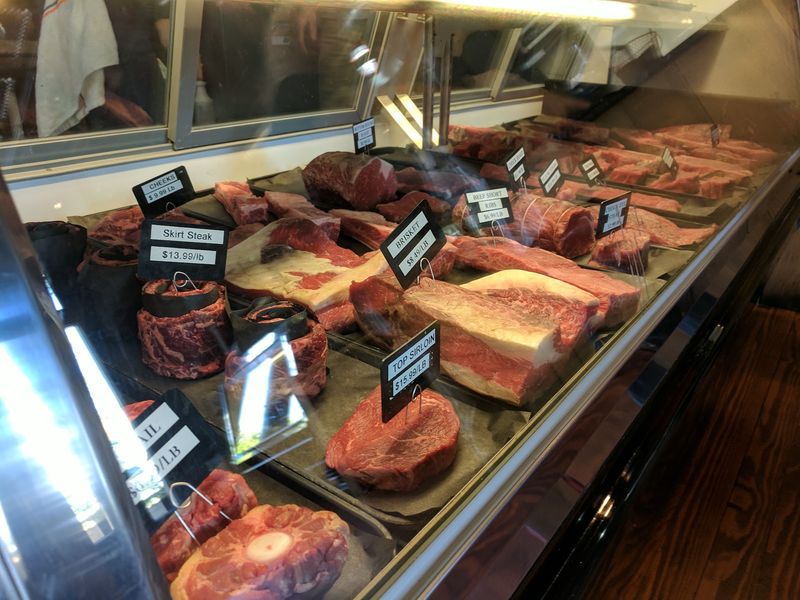
The meat case has geography behind it, too. The Chop Shop works directly with regional producers, including Apple Brandy Beef in Wilkesboro and Warren Wilson College Farm in Swannanoa.
Apple Brandy Beef supplies beef, while Warren Wilson College Farm is a pork partner. Poultry comes through D’Artagnan, which works with small farms for its birds.
The poultry range can include whole chicken, breasts, thighs, wings, leg quarters, backs, feet, whole duck, and duck breast.
That gives the shopping trip another useful fork in the road. Beef for a steak night? Pork for a slow Sunday meal?
Chicken when everyone at home wants something familiar? Duck when dinner can take a slightly different turn?
The shop also works with regional and local producers for other foods, including eggs, cheese, grains, fermented vegetables, mustard, hot sauce, spices, and rubs. That can shorten the rest of the shopping list, especially when the main dish is already decided.
The smart move is to keep the meal from becoming a puzzle. Pick the protein first. Add only what it needs.
A roast can carry dinner without six side dishes competing for attention, and sausage does not need an elaborate supporting cast to make sense on a weeknight.
Custom Cuts Turn Recipes Into Easier Decisions
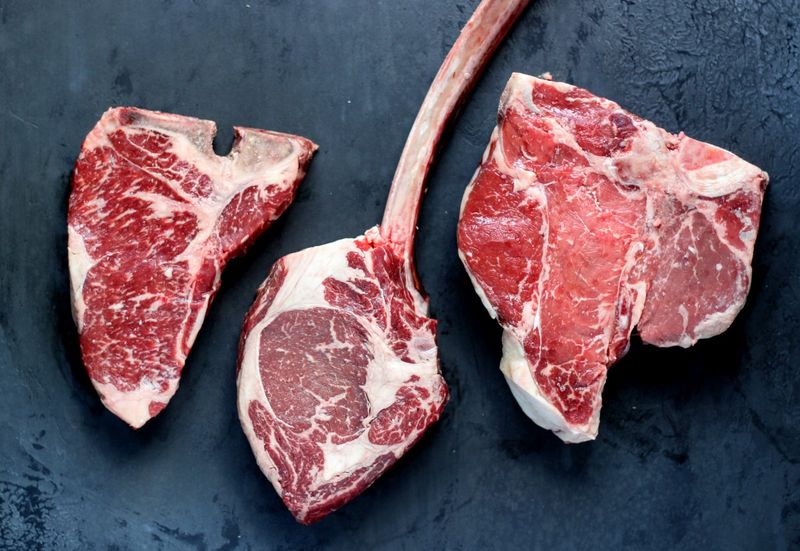
Some recipes forgive improvisation. Others become much less friendly when the meat is too thick, too lean, too small, or simply the wrong shape.
Custom cuts are available at The Chop Shop, which makes the counter useful when a recipe has specific needs. Steak thickness, portion size, and the exact cut can all matter once heat enters the equation.
Bring the recipe in your head and work backward. Is the steak going into a cast-iron pan? Does the roast need to feed four people or ten?
Are you cooking quickly over high heat, or giving a tougher cut several hours to soften?
Those little decisions can save a lot of kitchen guesswork later.
There is still room to change course. Beef, pork, lamb, poultry, house-made sausages, and rotating specialty cuts all sit within the shop’s range. A cook arriving for beef may decide pork makes more sense.
Someone planning a long braise may remember that the evening schedule does not agree.
When that happens, let practicality win. The right cut is the one that matches the meal you can actually cook, not the meal you imagined at breakfast.
Sausage Is The Shortcut For Nights That Need One
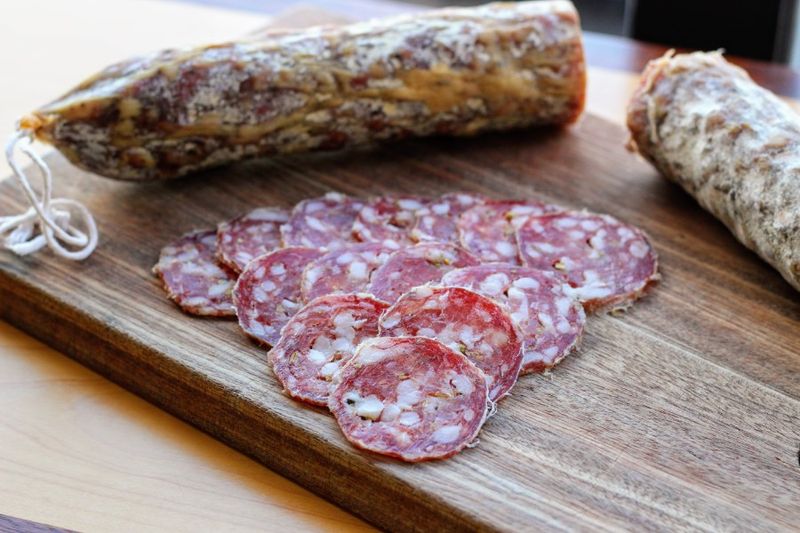
There are evenings for dry-aged steak, and there are evenings when the cutting board is already asking too much of you.
House-made sausage gives the butcher case a quicker lane. The current range can include andouille, bratwurst, breakfast sausage, Carolina Classic, chorizo, currywurst, kielbasa, spicy Italian, sweet Italian, Toulouse, and smoked beef hot dogs.
The formats vary. Some sausages are raw links, some are bulk, and some are smoked, so the cooking plan should follow the specific product you bring home.
Breakfast sausage can head toward eggs or biscuits. Linked sausage works easily with potatoes, vegetables, beans, or grains. Smoked beef hot dogs offer another route into the shop’s dry-aged beef program without committing to a steak or roast.
This is also where dinner can become pleasantly uncomplicated. Pick a sausage, choose one or two sides, and stop planning. Not every meal needs a dramatic centerpiece.
A bigger weekend appetite can return to the roasts and steaks. Tonight, though, ten fewer decisions may be exactly what the kitchen needs.
Sunday Hours Make An Earlier Stop The Smarter Move
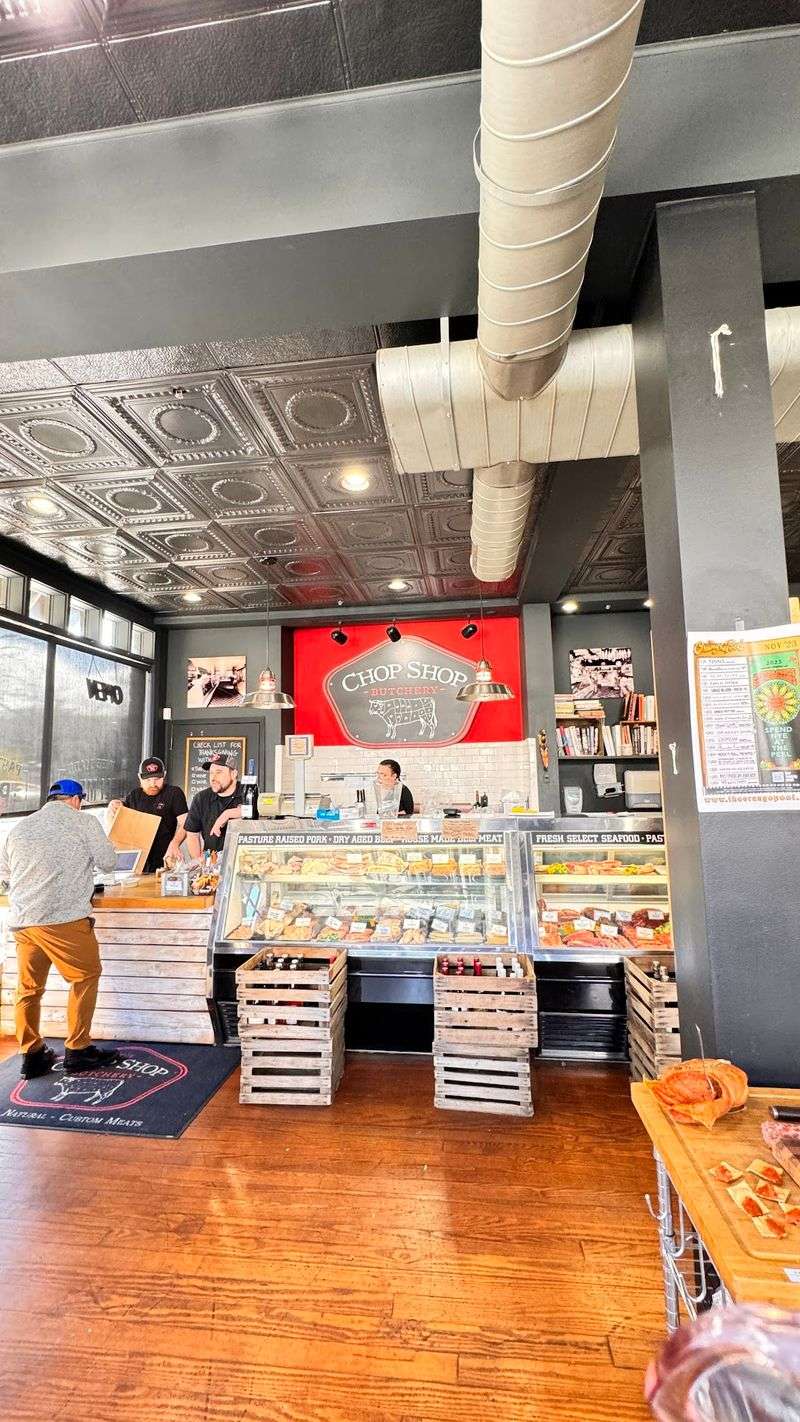
The clock matters twice here: once for cooking and once for shopping.
The Asheville shop is closed Monday. Tuesday through Saturday, it is open from 10:30 a.m. to 6 p.m. Sunday hours are shorter, running from 10:30 a.m. to 3 p.m.
That makes Saturday the easier day for a leisurely counter decision. You can compare cuts, think about a custom request, change your mind once, then change it back. Sunday rewards a more decisive approach.
Heading in on a Sunday? Go earlier, especially when dinner depends on a particular cut. Midweek can be even simpler.
Know roughly what the meal needs, stop in before the evening rush at home, and let the case narrow the choices.
The Chop Shop also hosts occasional butchery classes and events, adding another way to explore techniques beyond an ordinary shopping visit.
The everyday draw, though, stays practical: dry-aged beef, whole-animal cuts, house-made sausages, custom cutting, and a case broad enough to keep dinner from feeling repetitive.
The final choice can be as simple as this: how hungry are you, how much time do you have, and how ambitious is the kitchen tonight? Answer those three questions, and the counter gets a lot easier.