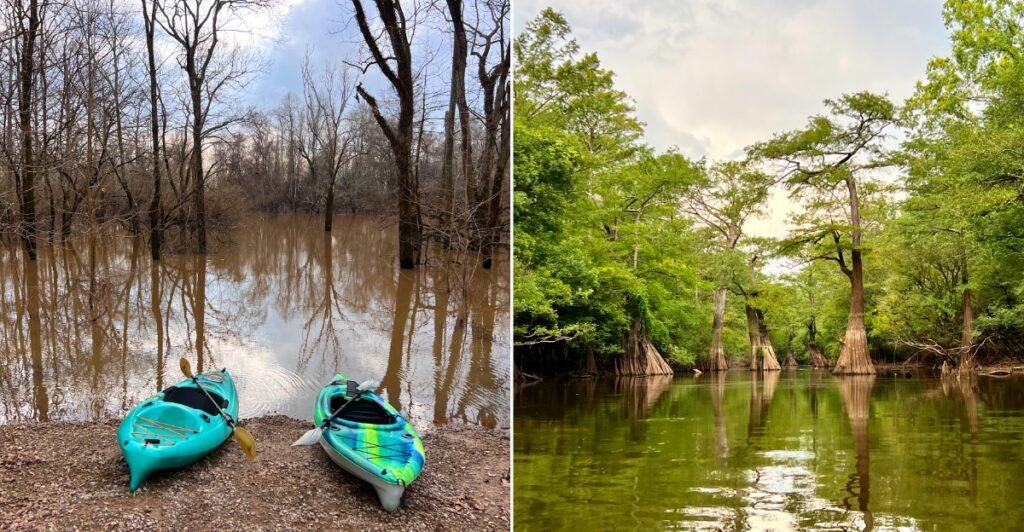
Deep in the bottomland hardwood forest of northeastern Louisiana, a cypress tree has been standing for roughly a thousand years. Its base is so wide that twenty feet of trunk curve around a hollow opening big enough to glide a kayak through.
The tree sits along Bayou Bartholomew, recognized as the longest bayou in the world. A state park charges three dollars for admission. It feels like stepping into a prehistoric landscape.
Other named trees along the paddle route include a twin-trunked giant with crossing crowns. A narrow tunnel features younger cypress still hundreds of years old creating a canopy overhead.
The park was developed by the Civilian Conservation Corps in the thirties. The ancient trees have witnessed everything from early explorers to the modern age.
Paddling through a Louisiana bayou to reach a thousand-year-old tree with a cave inside is an experience that belongs on every outdoor itinerary.
Launch Early For Calmer Water
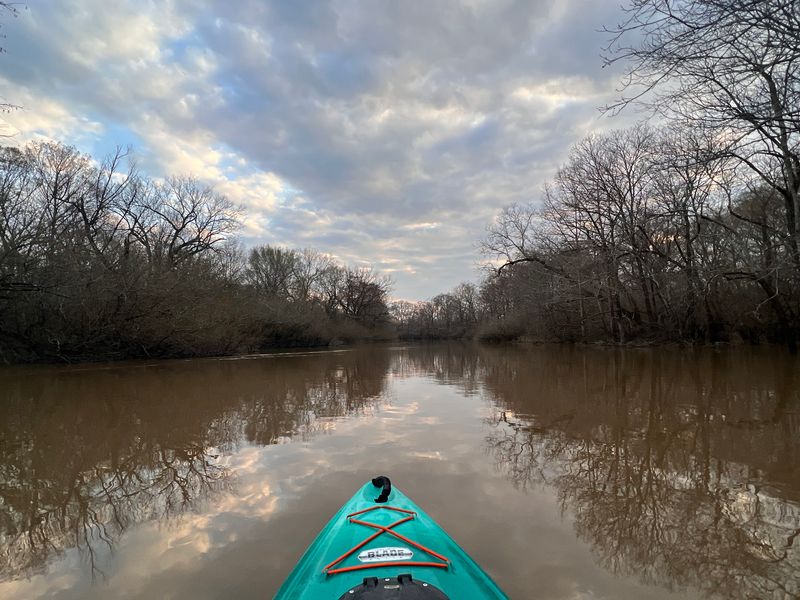
Mornings give this paddle its best mood. Bayou Bartholomew often feels slow and calm, but starting early helps you avoid heat, humidity, and the tired feeling that sneaks up after a long upstream push.
The softer light also makes the cypress trunks and reflections look almost painted.
Wildlife tends to be easier to spot when the day is quieter. Birds move through the trees, and the banks feel less busy, which is useful when you are trying to stay alert and follow the right channel.
An early launch also builds in extra time if water levels slow you down. Since the Castle Tree route can take effort, especially heading upstream, beginning the day sooner gives you more flexibility and a much better chance of an easy return.
The Bluff Country Starts Before The Park Gate
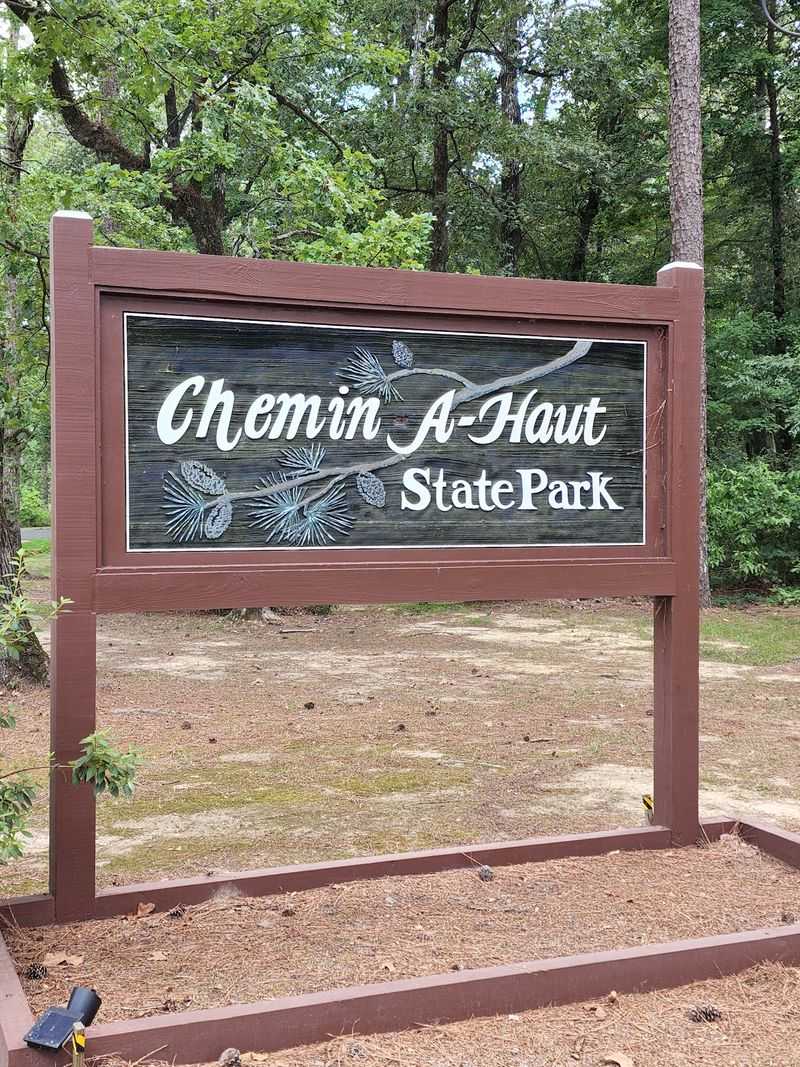
Chemin-A-Haut State Park sits north of Bastrop, Louisiana, at 14656 State Park Road near Bayou Bartholomew. The final approach leaves the more developed side of Bastrop behind and heads into quieter country before State Park Road carries you toward the entrance.
The landscape starts doing the navigating as you get close, with mixed woods, creek bottoms, and the higher ground that gives the park its name replacing the flatter roads around town. Once the park signage and entrance station appear, you are at the right gateway rather than just another rural turnoff.
Stop at the entrance station first, then continue along the internal park roads toward the day-use area, campground, trails, or boat access depending on your plans. Parking is handled inside the park near those individual visitor areas rather than at one single central lot.
Know The Route Before You Paddle
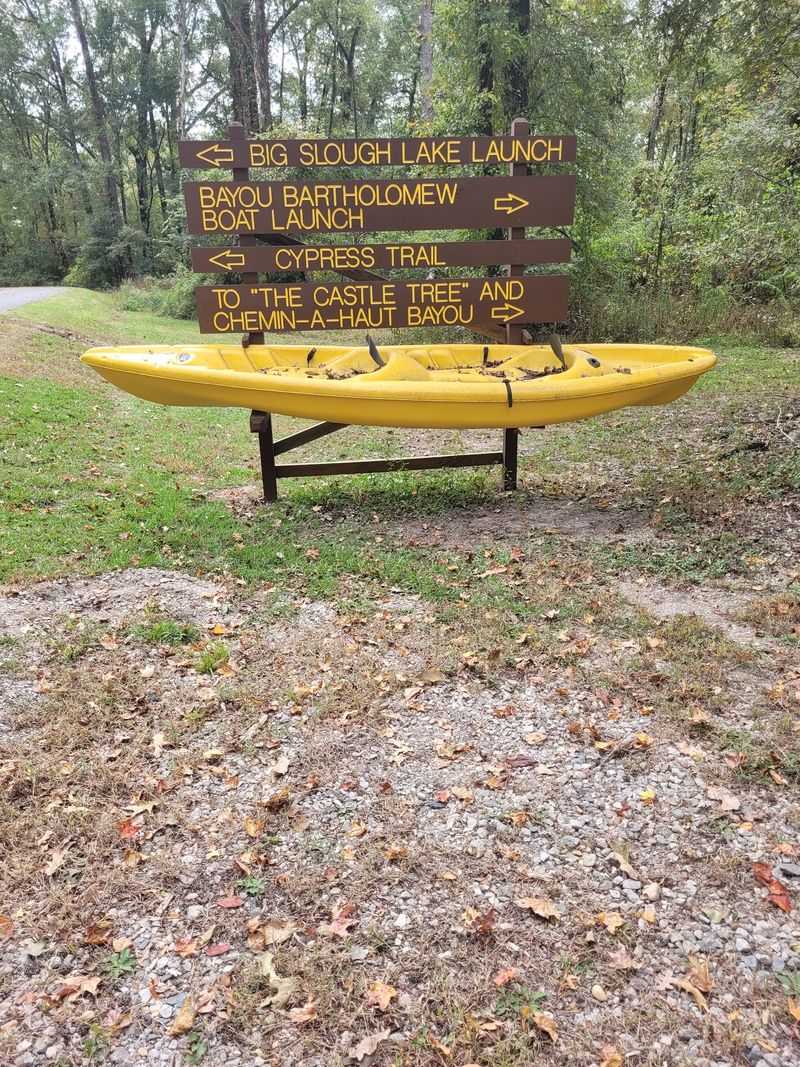
One of the trickiest parts of this adventure is not paddling. It is knowing where to turn.
From the park’s boat launch on Bayou Bartholomew, paddlers head roughly two miles upstream, then look for a left-hand channel leading toward Chemin-A-Haut Bayou, around 2.5 miles from the ramp.
That sounds simple until you are actually out there, surrounded by water, trees, and bends that all start looking alike. The route is not famous for big obvious markers, so checking directions before launch matters.
I would not treat this as a casual guess-and-go trip. Save the location on your phone, bring a backup map if possible, and pay attention on the upstream leg.
Confidence on the route makes the whole paddle feel much more enjoyable.
Check Water Levels Before Committing
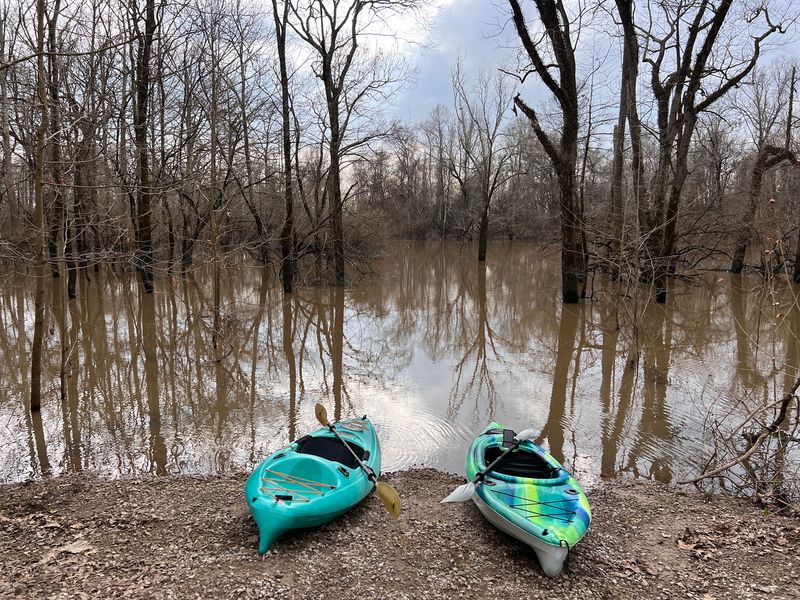
Water level can completely change the trip. After rain, Bayou Bartholomew may move faster and feel harder for beginners on the upstream paddle.
During lower water, shallow spots can force you to step out briefly and drag a kayak or canoe before reaching deeper pools again.
The Castle Tree itself also looks different depending on conditions. If the water is very high, its famous hollow may be harder to see clearly.
If the water is lower, the tree’s shape and base can stand out more dramatically.
That is why a little planning goes a long way here. Call the park if you need current conditions, ask about paddling ease, and do not assume one season always looks the same.
The bayou changes, and smart timing can rescue your whole day.
Rent Simple, Pack Smarter
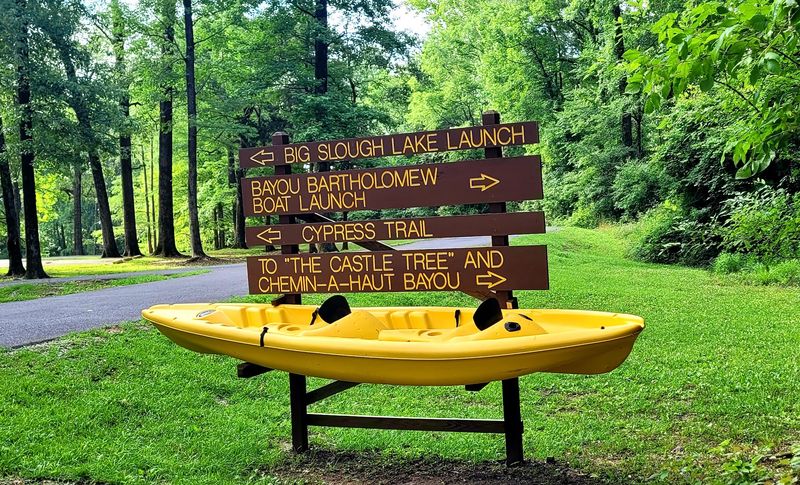
You do not need fancy gear to enjoy this park, which is part of its charm. If you do not bring your own boat, Chemin-A-Haut State Park seasonally offers canoe rentals, typically from April 1 through September 30, with paddles and a life jacket included.
What matters more is what goes in your small day bag. Bring water, snacks, insect repellent, and sturdy shoes.
The launch area, the shoreline, and any shallow spots can be slippery or uneven, so flimsy footwear is not your friend.
Pack lightly, but do not underpack just because the route sounds peaceful. The bayou may be calm, yet the trip still takes time and effort.
A simple setup works best here, especially when you keep both comfort and safety in mind from the start.
Expect A Bayou That Feels Ancient
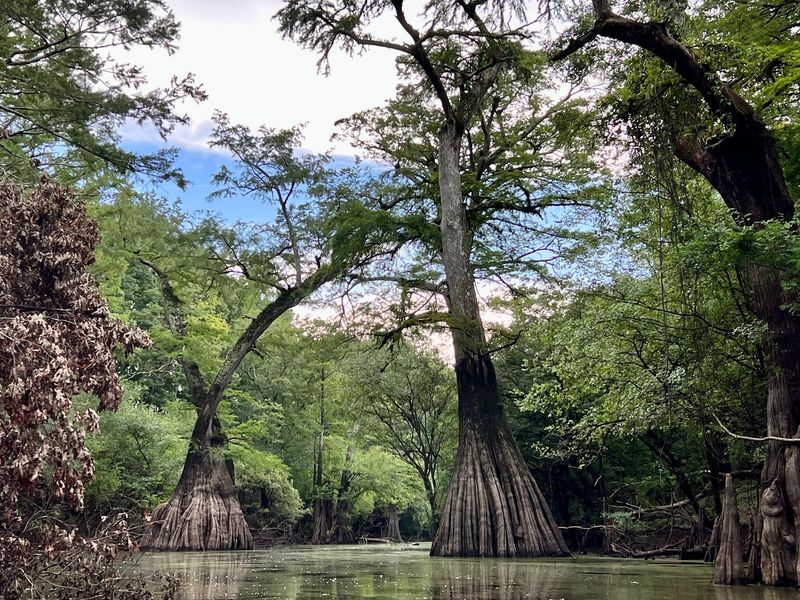
The scenery changes as you move deeper into the channels, and suddenly the paddle feels older than the calendar. Tannin-dark water, crowded cypress trunks, and strange root shapes create a setting that is quiet but never dull.
It is one of those places that makes you lower your voice without meaning to.
The left-hand channel near the Castle Tree is known for very large cypress, and some stretches may be brushy. That only adds to the hidden-world feeling, as if the path is letting you in carefully rather than all at once.
I liked that the beauty here is not polished. It feels swampy, a little mysterious, and deeply Louisiana.
If you arrive expecting a broad open lake, you may miss the point. The magic is in the narrow, shadowy details all around you.
Treat The Castle Tree Like A Rare Find
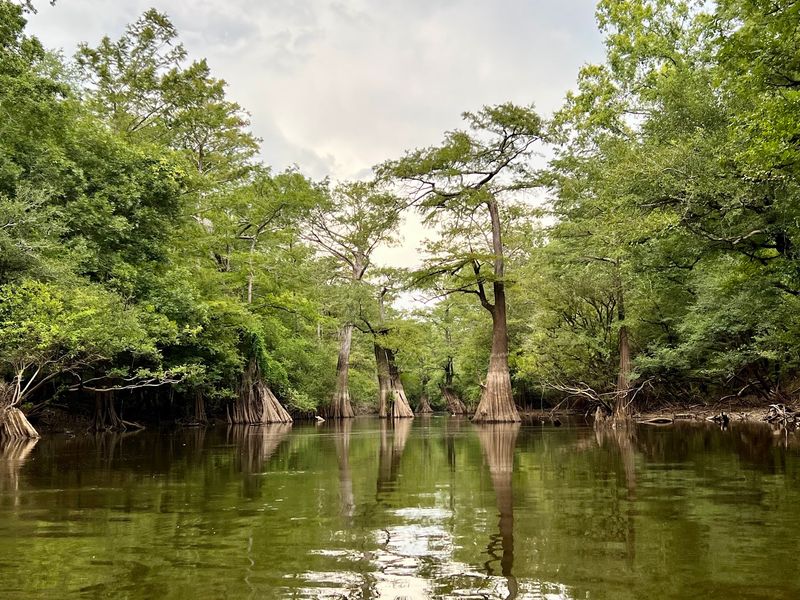
Then comes the reason people make the trip. The Castle Tree is a massive cypress estimated at roughly 800 to 1,500 years old, with a base nearly twenty feet across.
Its hollow trunk is large enough for a kayak to enter, which sounds unbelievable until you are staring at it.
What struck me most was not just the size. It was the sense of age.
This tree has stood through centuries of storms, migrations, and enormous changes in Louisiana, yet it still waits in a hidden pocket of water.
When you reach it, slow down. Give other paddlers room, avoid scraping roots, and take photos without turning the stop into chaos.
Places like this feel exciting partly because they are unusual, and they deserve a little patience and respect from everyone who visits.
Watch The Banks As Much As The Water
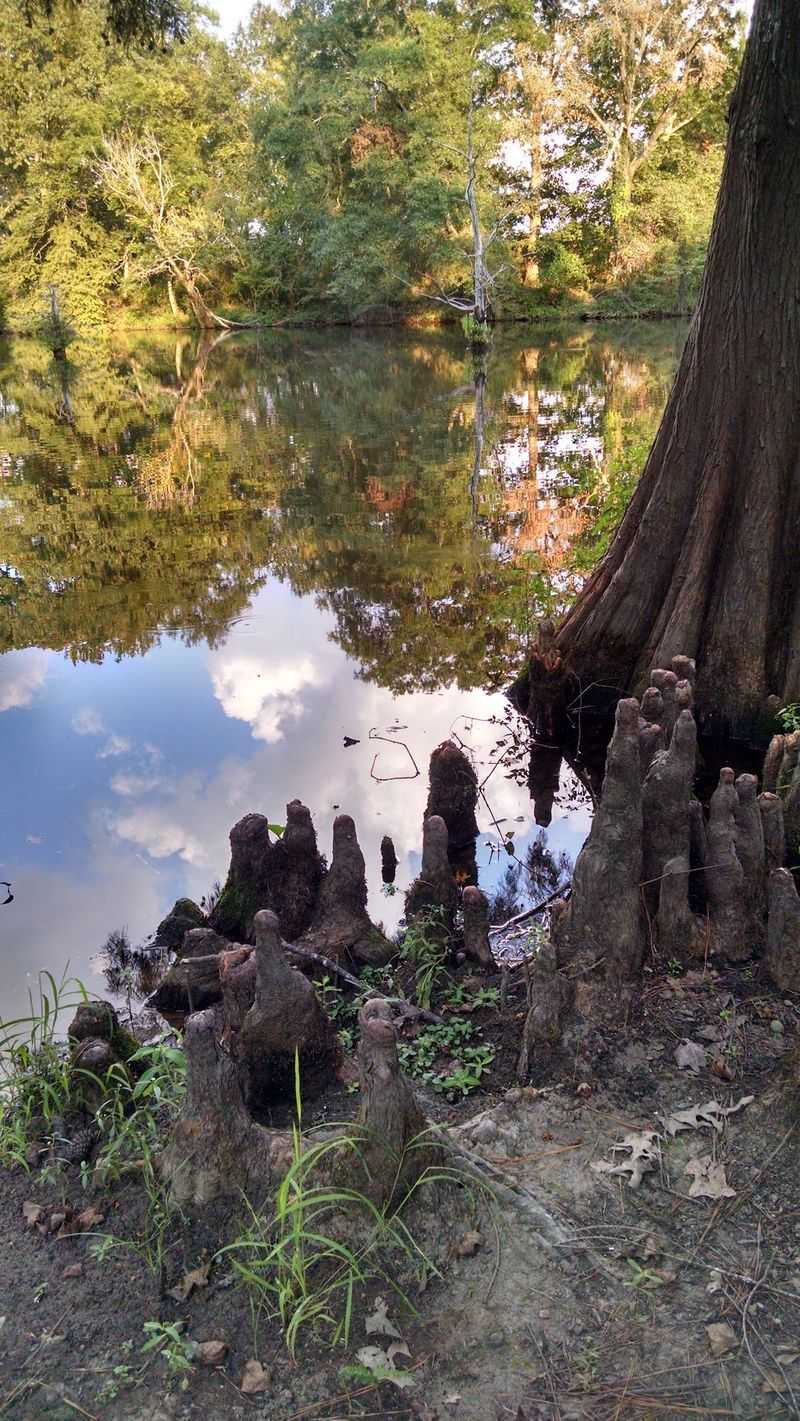
A lot of visitors focus so hard on reaching the tree that they forget to look sideways. The park protects a mix of upland pine forest, hardwoods, and bottomland cypress habitat, so the shoreline can be full of movement if you pay attention.
Deer, wild turkeys, and many bird species all use this landscape.
Along the bayou, the best sightings often happen in the quiet moments between strokes. A sudden flutter, a shape at the water’s edge, or a distant call can turn the ride into something richer than a simple destination trip.
Keep your pace steady and your eyes open. You are moving through one of the longest undammed waterways on the Lower Mississippi River system, and its edges feel alive in subtle ways.
The banks tell their own story if you let them.
Pick Spring Or Fall If You Can
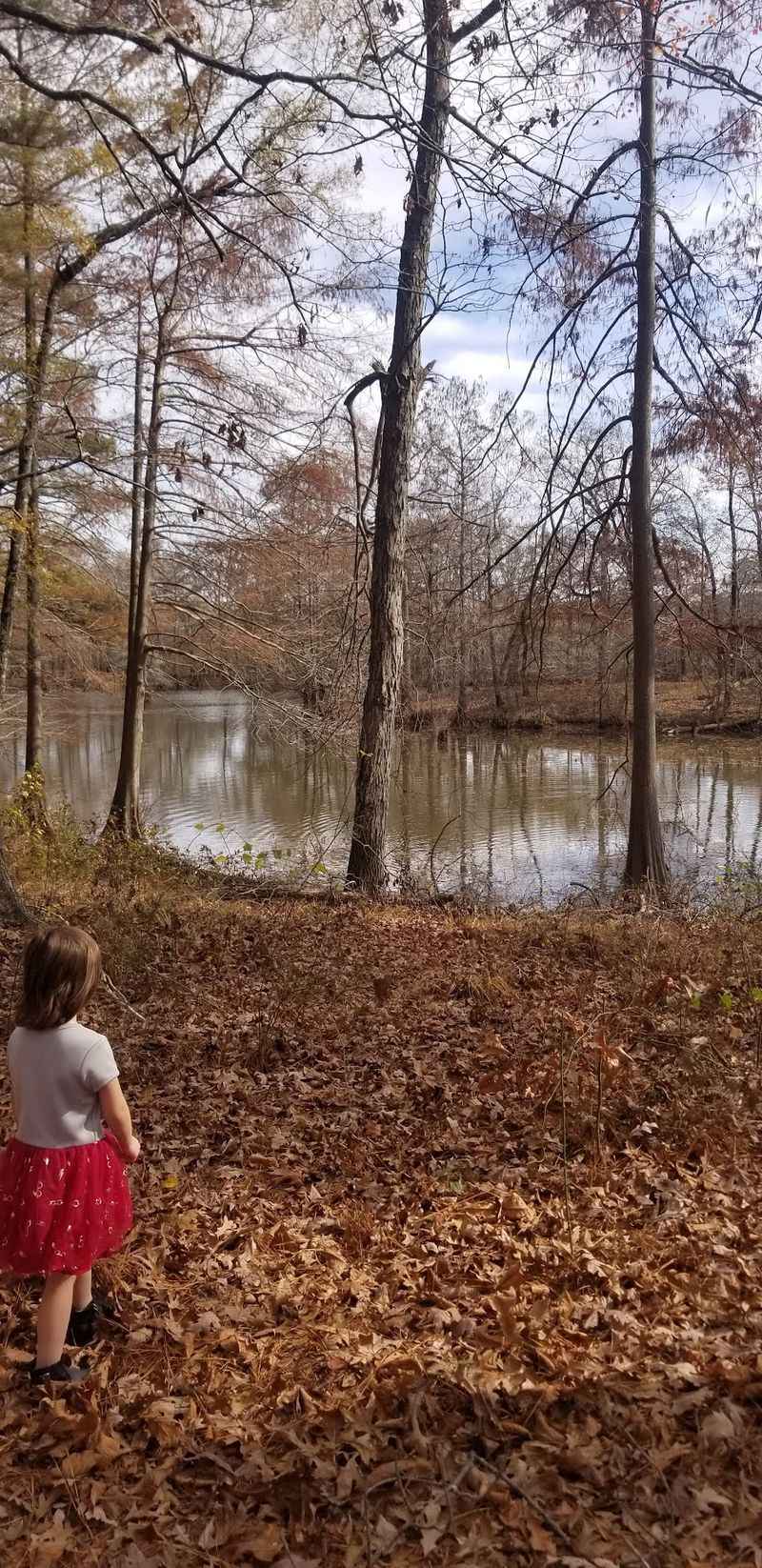
Season matters here more than many first-time visitors expect. Spring and fall usually offer the most comfortable temperatures for paddling and walking, and the hardwood forest can look especially handsome when cooler weather arrives.
Fall color is not something everyone associates with Louisiana, yet this park makes a convincing case.
Summer can still be fun, especially if you want to combine paddling with the park’s seasonal pool, but heat and humidity are real factors. A long upstream paddle feels much longer when the air is heavy and still.
If your schedule is flexible, aim for the shoulder seasons and give yourself time to explore beyond the launch. The park’s bluff, trails, and bayou scenery all feel easier to enjoy when you are not racing the weather or wilting in the middle of the day.
Stay Long Enough To See More Than One Side
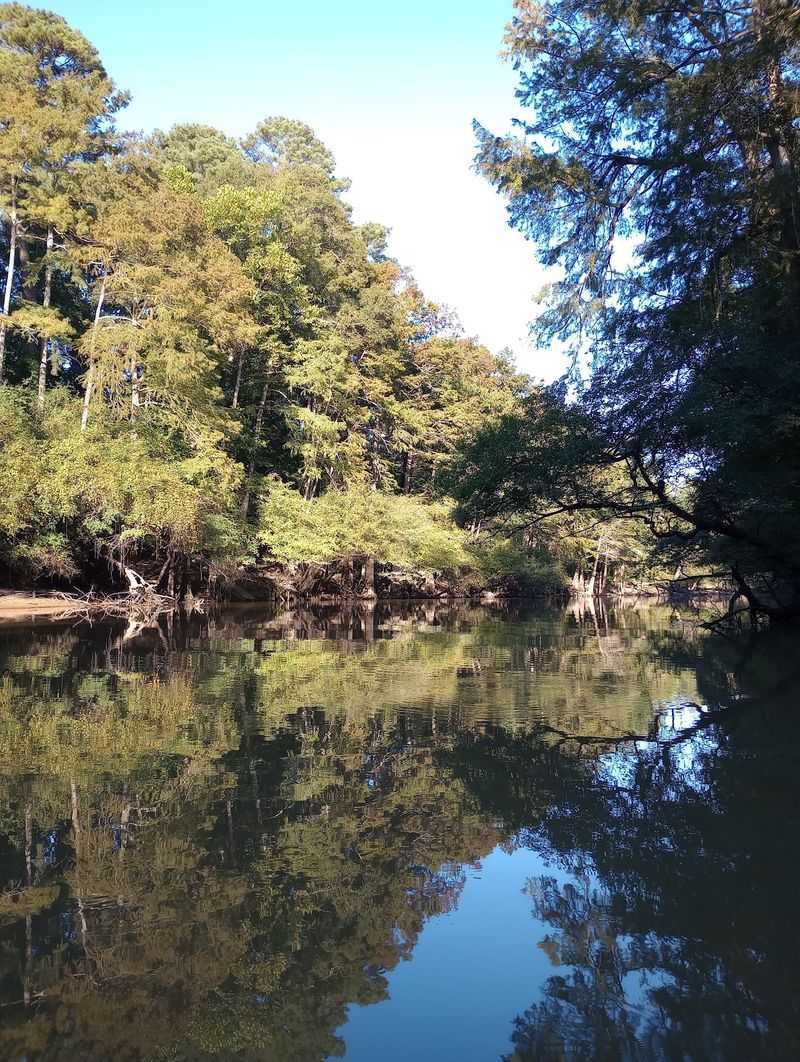
The paddle may be the headline, but the park is easier to appreciate when you do not rush out right after. Chemin-A-Haut offers cabins, campsites, picnic areas, trails, fishing access, and a seasonal swimming pool, which means you can turn a single outing into a relaxed overnight or weekend stay.
That slower pace helps the place open up. One part feels bluff-top and wooded, another feels watery and hidden, and the shift between them is part of what makes the park interesting.
Even the easy-to-moderate trails add a different view of the landscape.
I think the Castle Tree works best as one chapter, not the entire book. Staying longer lets you enjoy the quiet evenings, the open spaces, and the odd pleasure of realizing how many different moods fit inside this fairly compact state park.
Plan For A Peaceful, Low-Cost Adventure
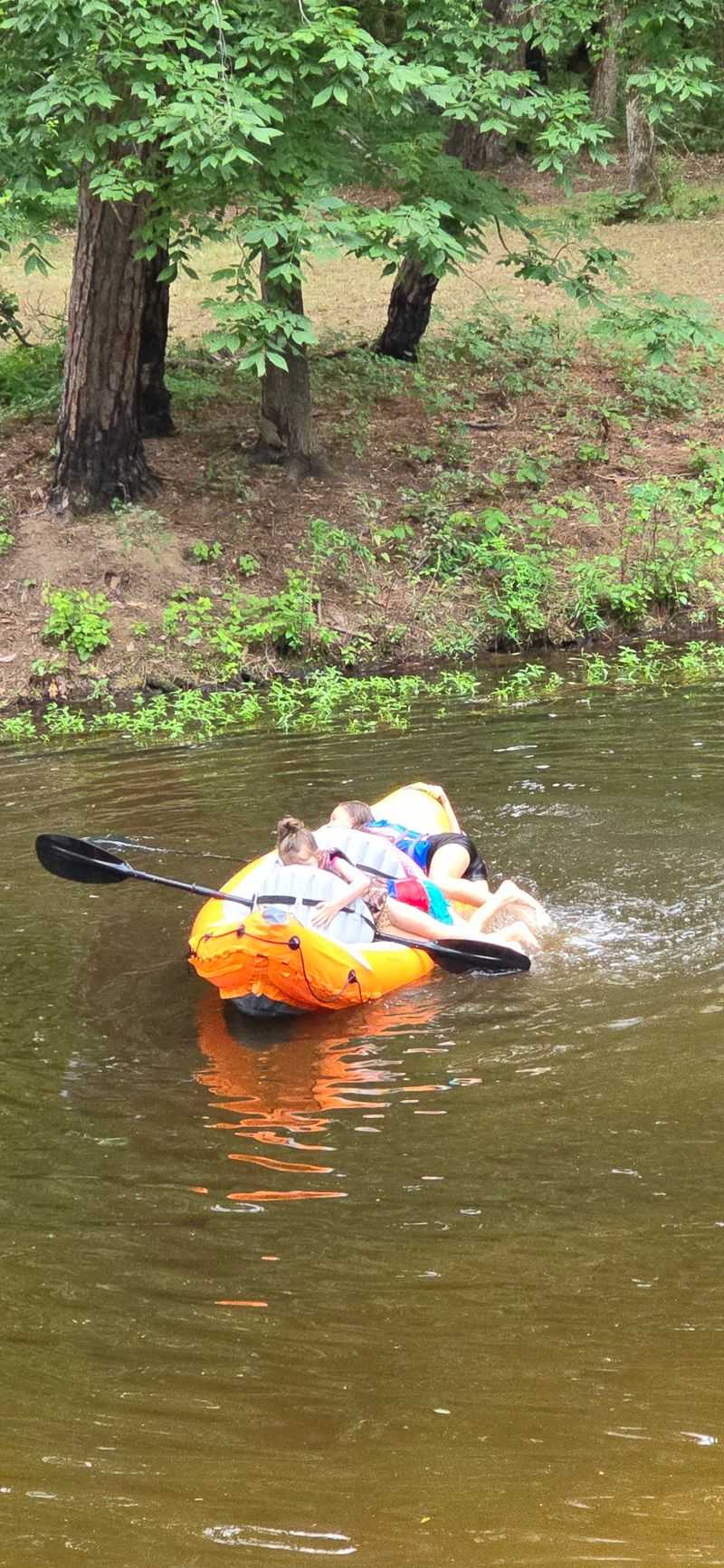
One reason this trip feels so satisfying is that it does not demand much drama or much money. The park’s entrance fee is modest, generally $3 per person, with free admission for seniors age 62 and older and for children age 3 and younger.
That makes it one of the more approachable outings in the region.
Even so, a little practical planning smooths everything out. Keep the park phone number handy, confirm rental or seasonal amenity details if needed, and remember that dogs are welcome only in designated areas and must stay leashed.
The reward is a day that feels far away without being complicated. You get a hidden ancient tree, a historic Louisiana park, and one remarkably memorable paddle, all from a place that still feels quiet enough to surprise people who have never heard of it.