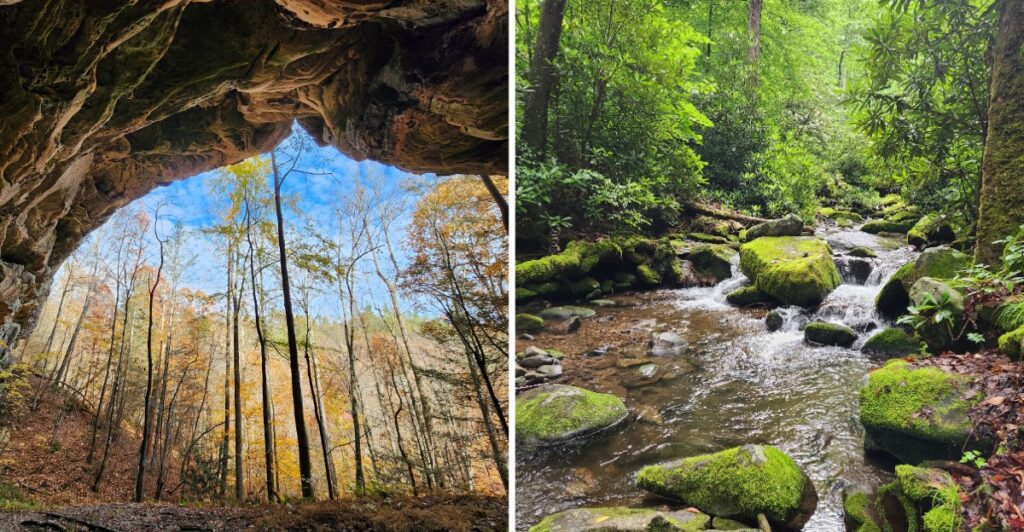
Black bears are apparently not reading the same Tennessee travel guides we are.
Their range stretches well beyond the few mountain counties most people immediately associate with them.
Part of the population follows the Appalachians near North Carolina. Another occupies the northern Cumberland Plateau, while seasonal and transitional areas fill in more of the map between them.
That does not mean every hike comes with a bear sighting.
It does mean some counties have a much stronger connection to black bear country than you might guess from a weekend itinerary.
The counties ahead each show a different piece of that range. Some hold established habitat. Others sit where bear territory is still shifting or overlapping with major public lands.
So keep your distance, give wildlife plenty of space, and take another look at the map.
Tennessee bear country is bigger than the postcard version.
1. Sevier County
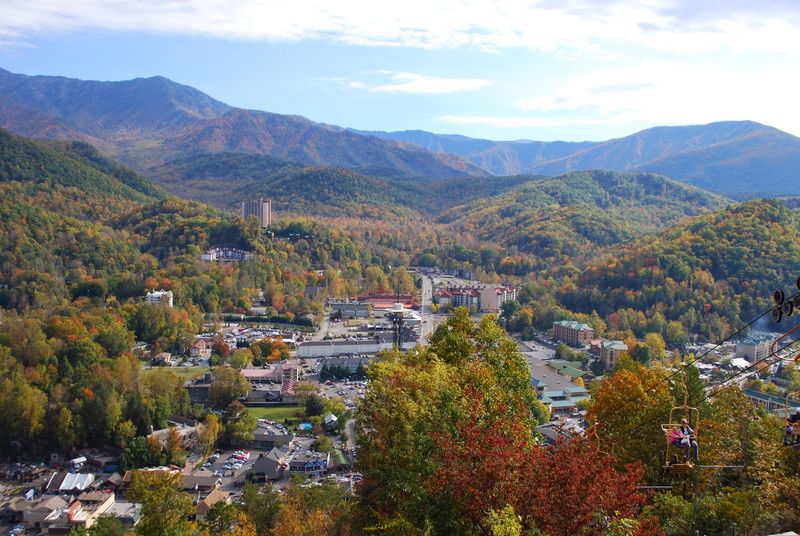
Gatlinburg traffic can have plenty of explanations, but occasionally the reason has fur.
Great Smoky Mountains National Park supports a well-established black bear population, and its Tennessee side overlaps one of the most heavily visited mountain areas in the state.
Hiking trails, scenic roads, campgrounds, cabins, and busy gateway communities all sit close to genuine bear habitat.
That puts Sevier County in an unusual position. It belongs to Bear Hunt Zone 2, yet much of what visitors experience here happens in a national park where wildlife rules take priority over getting a closer photograph.
Inside the park, intentionally approaching within 50 yards of a black bear is prohibited. The rule also applies at greater distances if a visitor’s presence causes the animal to change its behavior.
That second part is easy to overlook. Fifty yards is not permission to keep advancing until an imaginary line appears beneath your shoes.
Fall brings another wrinkle. Bears enter hyperphagia, an intense period of feeding before winter.
Great Smoky Mountains National Park notes that animals may become more visible near roads as they move in search of natural foods such as acorns.
So spotting one from the car can be exciting. Creating a roadside spectacle around it is considerably less helpful.
A little patience usually produces the better wildlife moment anyway. Give the bear space, let traffic move, and allow the mountains to continue without an audience directing the scene.
2. Blount County
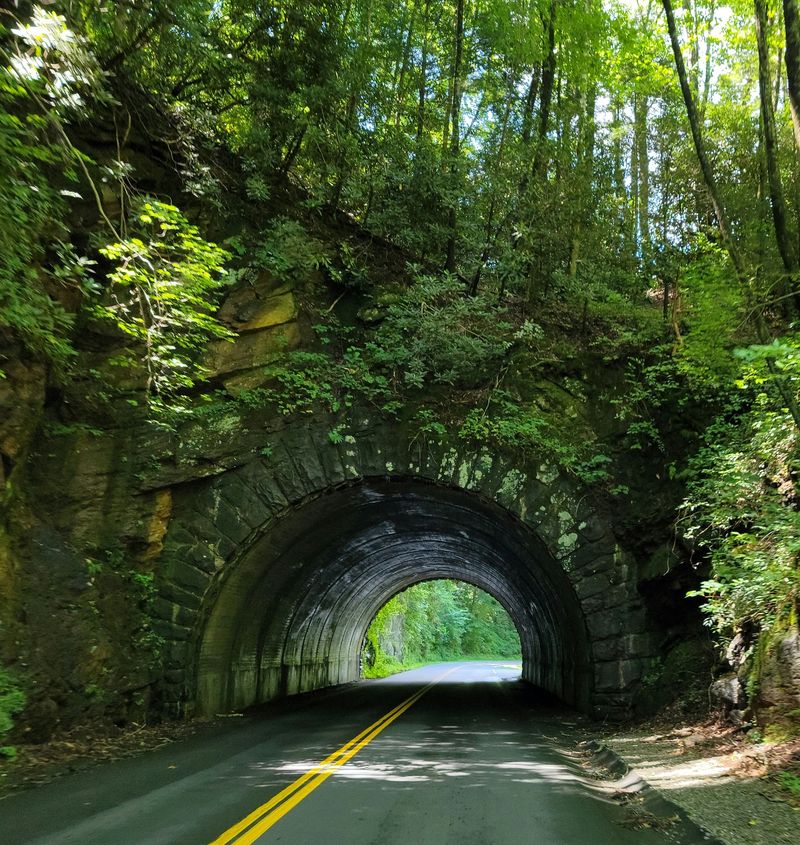
Cades Cove already has plenty competing for your attention.
Historic buildings sit inside a broad valley, mountain ridges rise around it, and wildlife can appear without consulting anyone’s sightseeing schedule. Black bears are among the animals living within this part of Great Smoky Mountains National Park.
The county containing Cades Cove, Townsend, and a long stretch of the park boundary is Blount County. TWRA places it in Bear Hunt Zone 2 as part of Tennessee’s Appalachian bear region.
Here, one of the most useful things a visitor can bring is restraint.
A bear crossing a field does not need people spreading out for a better angle. An animal near a road does not need a growing line of spectators creeping closer.
National park rules require at least 50 yards of separation from bears, and visitors must stay farther away whenever their presence affects the animal.
Dogs add another consideration. Great Smoky Mountains National Park allows them on only two trails, neither of which is in the Cades Cove area. That matters because the park specifically warns that dogs can complicate encounters between people and bears.
There is a nice simplicity to wildlife watching when you stop trying to improve the scene.
Take the view you were given. A distant bear moving naturally through a field is far more interesting than one surrounded by people trying to manufacture a perfect photograph.
Cades Cove can handle the rest.
3. Cocke County
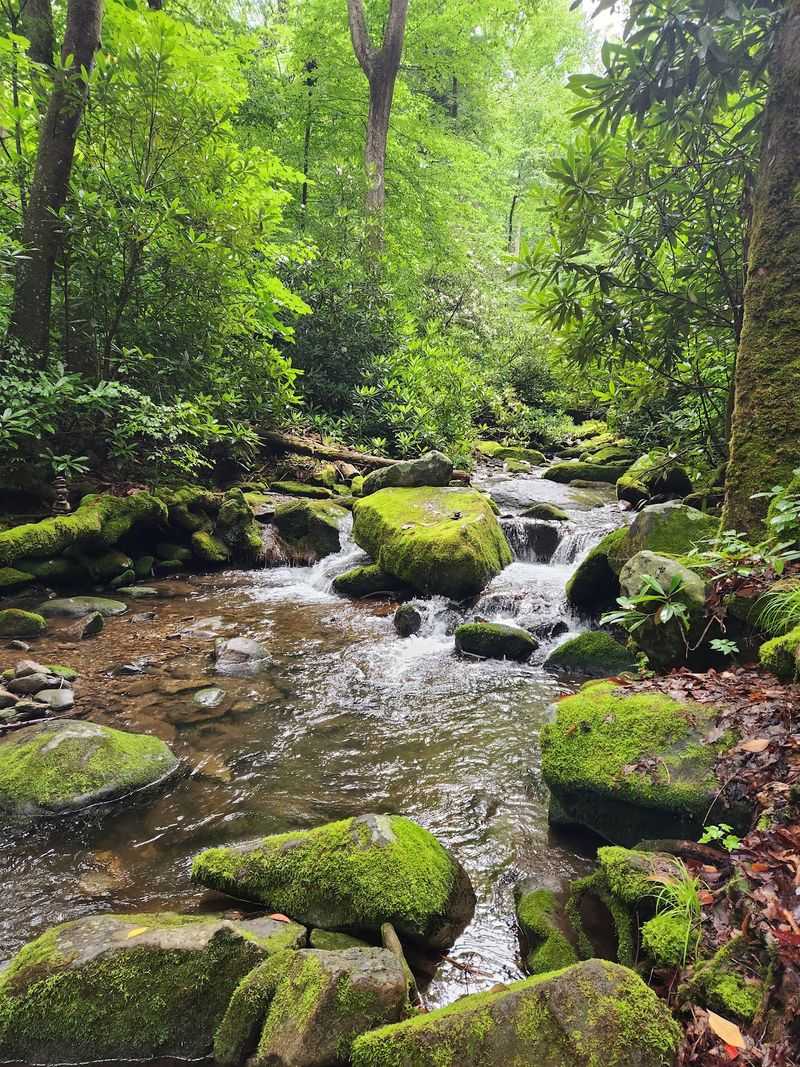
You can cross from one Tennessee bear hunt zone into another without turning off the interstate.
Cocke County is divided by I-40 for TWRA bear management. Territory north of the highway belongs to Bear Hunt Zone 1, while the portion south of I-40 belongs to Bear Hunt Zone 2.
That is a wonderfully specific bit of geography hiding inside an otherwise ordinary highway drive.
Both sides connect with the broader Appalachian bear landscape of East Tennessee, but the southern half also reaches toward the Cosby section of Great Smoky Mountains National Park.
Compared with some of the park’s busier entrances, Cosby has its own rhythm of wooded trails, camping, creeks, and mountain terrain.
This is one section where trip preparation really does deserve a food-storage mention. Backcountry campers in Great Smoky Mountains National Park must use designated food-storage cable systems for food, garbage, and scented items.
Then the advice can stop there.
The county is more interesting for what its map tells us. A major interstate passes through established bear country and doubles as an official management boundary, while protected mountain habitat spreads beyond it.
Next time I-40 feels like nothing but curves, trucks, and exits, remember that another map has been drawn over the same pavement.
The bears, unsurprisingly, are not checking which side of the line they occupy.
4. Monroe County
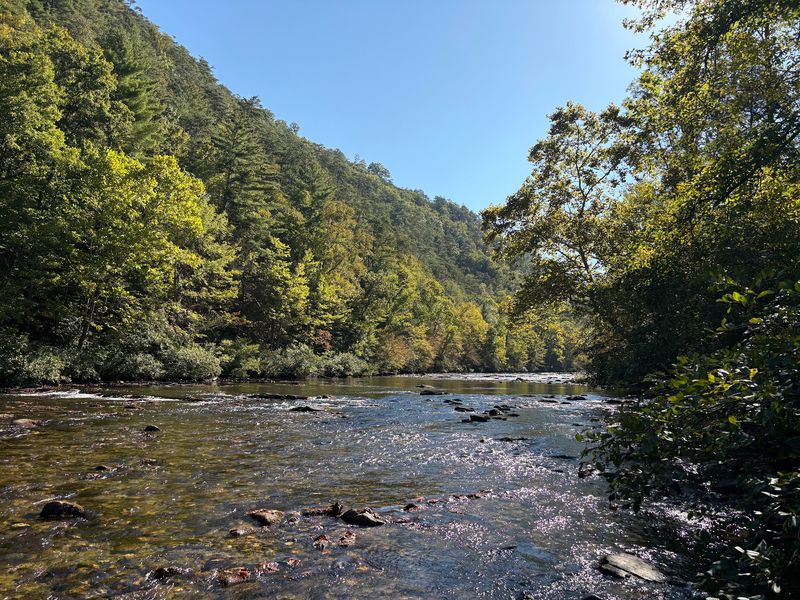
Monroe County Adds A Bear Reserve To The Appalachian Picture
Not every patch of bear country is managed exactly the same way.
Tennessee also has designated black bear reserves, large areas that have played an important role in management of the Appalachian population. Unless otherwise stated, bear reserves are closed to bear hunting.
One of them is the Tellico Bear Reserve.
Monroe County belongs to Bear Hunt Zone 3, and the Tellico landscape gives this part of southeastern Tennessee a particularly strong connection to bear management. TWRA lists the reserve at 22,957 acres.
Numbers are useful here because they make “bear country” feel less like a vague mountain slogan. More than twenty thousand acres is substantial ground.
The wider area is also part of the Cherokee National Forest landscape, where mountain roads, trails, streams, forest, and recreation sites spread across a large chunk of southeastern Tennessee.
For visitors, that changes the mood of an ordinary outing. You are not visiting a wildlife enclosure where an animal is expected to appear on cue.
You are moving through a working ecosystem where seeing nothing unusual can be just as normal as catching a brief glimpse of something moving through the trees.
That is worth remembering when a trail feels quiet.
Black bears do not need to be visible to make a place bear habitat, and Tellico has a management history that makes the connection especially clear.
5. Polk County
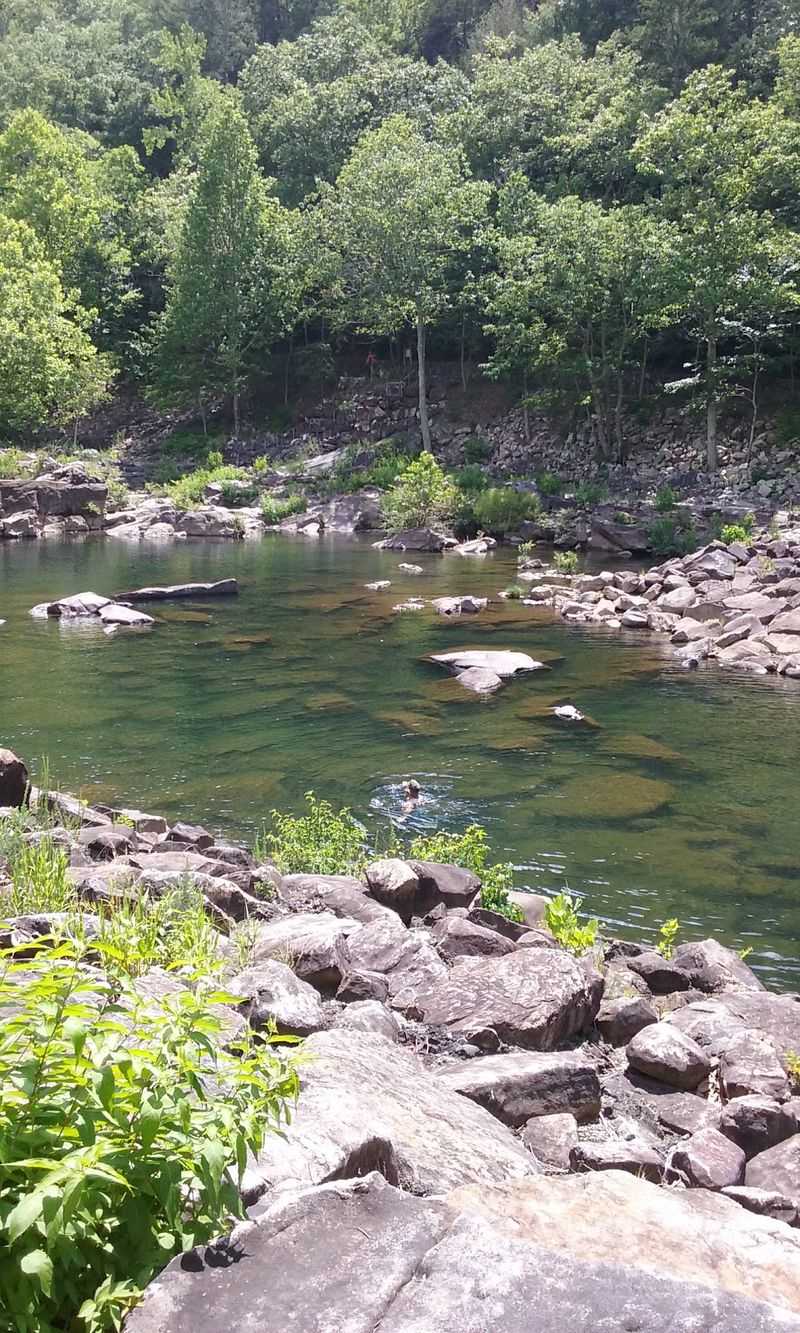
Most people arrive thinking about the water.
The Ocoee River is built for distraction, with rapids, forested slopes, paddling access, and roads that keep pulling your eyes toward the next bend. It would be easy to treat wildlife as background scenery.
The management map says otherwise.
Polk County belongs to Bear Hunt Zone 3, the same zone that contains both the Ocoee and Tellico bear reserves. TWRA lists the Ocoee reserve at 56,465 acres, making it substantially larger than Tellico.
That gives this corner of Tennessee two identities at once. It is major outdoor recreation country, and it is part of a landscape deliberately managed with black bears in mind.
If one appears near a trail, road, or recreation site, the interesting choice is often the least theatrical one. Stop advancing. Give it room.
Let it decide where it is going.
Black bears are highly mobile animals, and TWRA emphasizes that Tennessee’s populations connect with animals in neighboring states. They are not confined to the places where people most expect to encounter them.
That is part of what makes the Ocoee landscape fun to think about differently.
The river may be why you came. The surrounding forest has an entirely separate schedule running in the background, and wildlife has been using these ridges longer than anyone has been checking water levels for a weekend outing.
6. Carter County
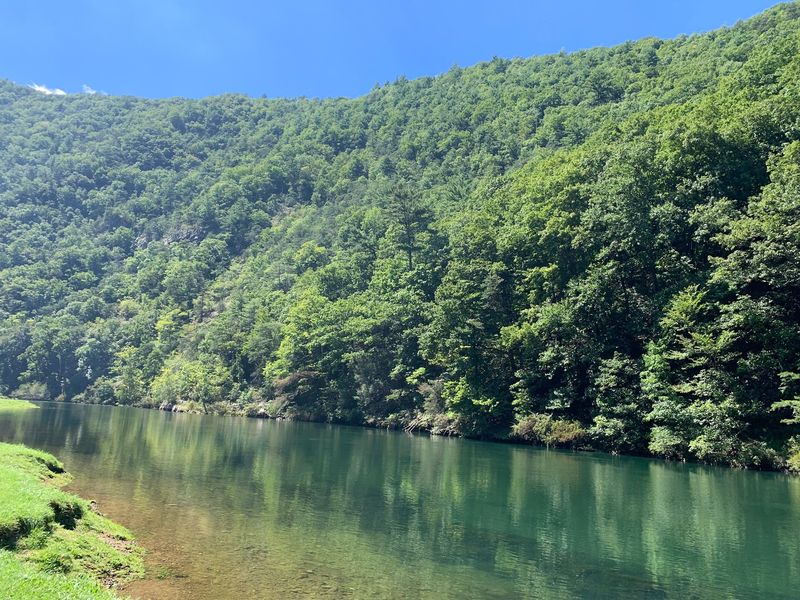
By autumn, black bears become extremely serious about eating.
The behavior is called hyperphagia, an intense seasonal feeding period before winter. In a September 2026 reminder, Great Smoky Mountains National Park noted that bears may spend most of the day searching for food during this phase.
That behavior is not limited to one national park boundary.
Carter County sits in Bear Hunt Zone 1 within Tennessee’s Appalachian bear region. Mountain terrain around Roan Mountain and the wider northeastern corner of the state connects with a much larger forested landscape.
Fall therefore changes more than the leaves.
Bears move as food availability changes, and natural foods such as acorns become particularly important. A person may be admiring the same oak-covered slope for color while a bear is evaluating it for entirely different reasons.
There is something wonderfully grounding about that.
The forest is not arranging itself exclusively for scenic drives and hiking photographs. Autumn is also a working season for wildlife preparing for colder months.
If you do encounter a bear, distance remains the useful rule. There is no need to follow it down a trail or creep closer because the first photograph looks disappointingly small.
Zoom buttons were invented for a reason.
Carter County’s place on this list is not about a new arrival or a surprising expansion story. It lies within established Appalachian bear country, and fall simply makes some of that ecology easier to notice.
7. State Lines
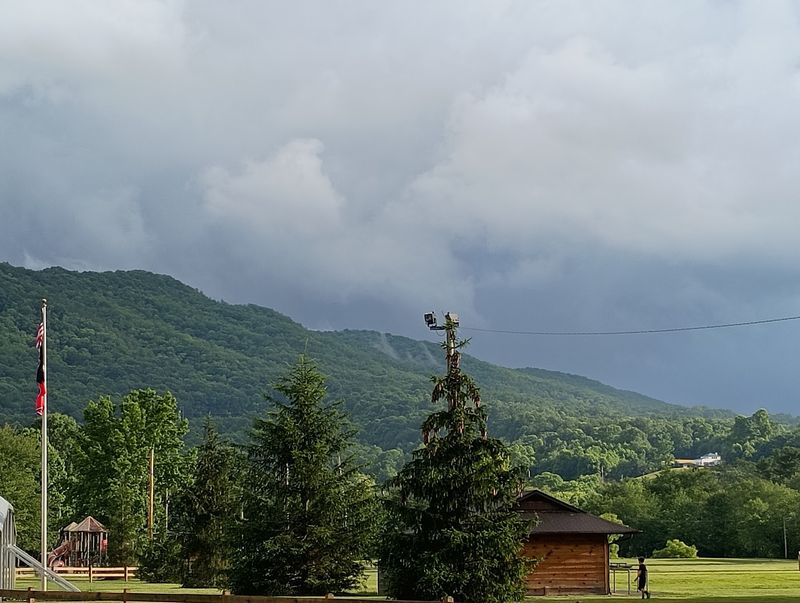
Humans put up welcome signs.
Bears keep walking.
Johnson County occupies Tennessee’s northeastern corner, where Virginia sits to the north and North Carolina wraps around the eastern and southern edges. TWRA places the entire county in Bear Hunt Zone 1.
That border location also helps explain a bigger piece of Tennessee’s bear story.
The state does not manage an entirely isolated population. Black bears move across political boundaries, and TWRA describes the broader group shared with Kentucky, North Carolina, South Carolina, Virginia, and Georgia as the Southeastern Black Bear Population.
Suddenly, a county line feels pretty small.
Mountain City and the surrounding countryside sit among wooded ridges, farms, streams, and forest connections that do not stop because a highway sign announces another state.
This mobility matters when people picture bear range too rigidly. A management map is useful for understanding populations, seasons, and established habitat, but an individual animal does not carry the map.
If a bear appears around a populated area, TWRA advises giving it an escape route rather than surrounding it. Crowds can make a simple situation more complicated by leaving an animal with fewer options.
That is one piece of advice worth remembering even far from a trail.
Sometimes the most helpful thing people can do is create more empty space.
Johnson County has plenty of borders on paper. Wildlife makes the landscape look much more connected.
8. Scott County
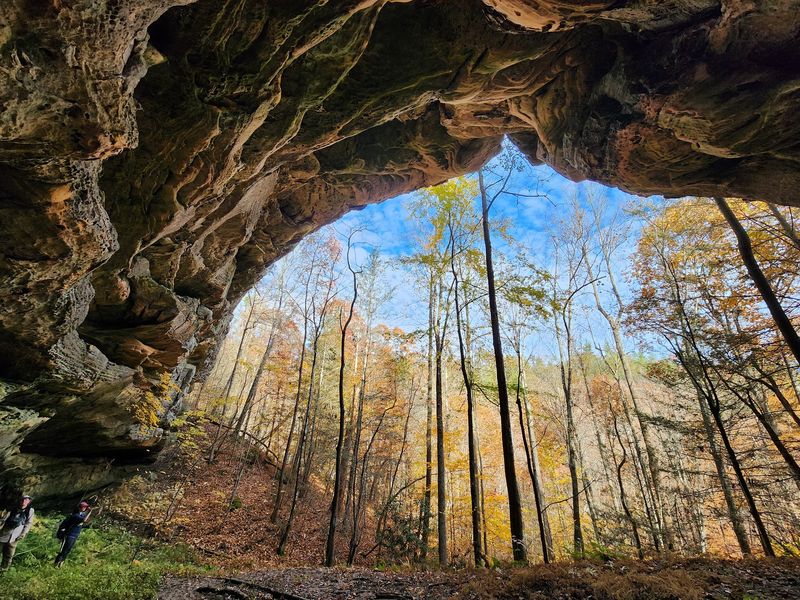
Here is where the mental map needs to slide west.
Tennessee’s second major black bear population occupies the northern Cumberland Plateau near the Kentucky border. Scott County falls within Bear Hunt Zone 4 and sits squarely inside that broader story.
Big South Fork National River and Recreation Area makes the connection especially easy to see.
The protected landscape spans Tennessee and Kentucky, combining river gorges, sandstone features, forest, trails, backcountry, and developed recreation areas. Black bears live within and around the recreation area.
That means the Smokies do not own Tennessee’s entire bear narrative, despite doing an excellent job of grabbing the publicity.
Big South Fork has its own bear-country rules and practical realities. Campers need to follow current food-storage requirements, while anyone encountering a bear should give it room and report unusual behavior to park staff.
The larger point is geographic.
Tennessee’s Appalachian and Cumberland populations occupy different parts of the state, and the plateau population explains why counties along the northern Cumberland Plateau belong in conversations that too often stop at Gatlinburg.
Scott County is particularly useful for resetting expectations.
Deep gorges and broad forest can look very different from the classic Smokies postcard, yet they still provide black bear habitat.
A bear does not need misty blue mountain layers behind it to qualify as a Tennessee bear.
Sometimes sandstone cliffs and the Big South Fork of the Cumberland River work perfectly well.
9. Campbell County
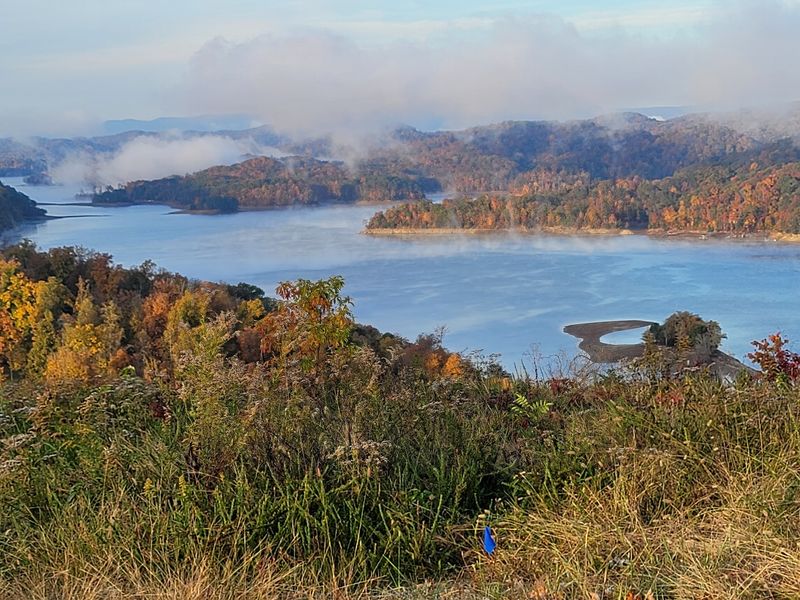
Every list needs one county that makes the map slightly annoying.
This is it.
Campbell County does not sit entirely within a single TWRA bear classification. The portion north of Highway 63 and west of Interstate 75 belongs to Bear Hunt Zone 4. South of Highway 63 and east of I-75, the designation changes to seasonal or transitional range.
That second phrase deserves careful handling.
TWRA defines seasonal or transitional range as areas where bear sightings may occur, particularly when animals roam in search of food or attempt to establish home ranges.
It is not the same as saying every part of that territory supports a long-established sustainable population.
That distinction makes the county more interesting, not less.
One side connects more directly with the established Cumberland Plateau bear population. Other areas function as places where animals may appear while moving beyond stronger population centers.
So a resident who rarely sees bears and a visitor who thinks the whole county is solid bear habitat can both walk away with an incomplete picture.
LaFollette, Jacksboro, Norris Lake country, interstate corridors, forest, and rural land all sit inside this patchwork.
Wildlife maps often look satisfyingly precise from far away. Campbell County is what happens when you lean closer and realize the edges are doing most of the interesting work.
The bear range here is not a neat block. It is a transition.
10. Cumberland County
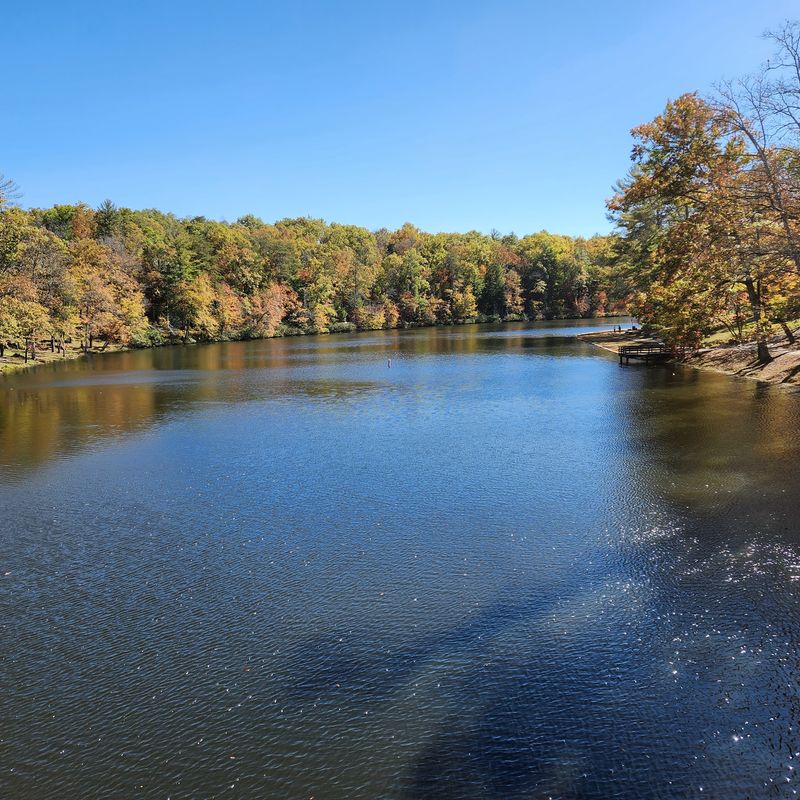
By the final county, one thing should be clear: this is not a Smokies-only list wearing different ZIP codes.
Cumberland County falls entirely within Bear Hunt Zone 4 and sits within the northern Cumberland Plateau region associated with Tennessee’s second major black bear population.
Crossville provides the familiar human center, while forests and recreation lands spread outward around it.
Cumberland Mountain State Park adds an easy public-land reference point. Hiking, picnicking, camping, and time near wooded habitat are ordinary parts of a visit, which means wildlife awareness belongs in the day even when no bear ever appears.
And most days, that may be exactly what happens.
Bear country is not a promise of bear sightings. It is habitat.
That distinction keeps expectations sensible and makes an unexpected encounter easier to handle. Stay back, do not crowd the animal, and allow it room to move away.
The plateau also changes the visual ending of this list. Instead of finishing among the famous ridges along the North Carolina line, we are west of the Appalachian population, looking at a separate Tennessee stronghold.
TWRA’s current distribution tells a broader story than many travelers realize. Established populations occupy two major regions, while recolonization of former range continues elsewhere in the state.
Cumberland County helps make that geography visible.
You can come for a trail, a picnic, a lake, or an ordinary afternoon outside. The fact that you are also standing in established black bear country simply adds another layer to the landscape.