Blackberry cobbler served at almost 10,000 feet was not on my list of things to expect from a slow day in northern New Mexico. Yet that is where this story ends up, after hours of rolling past aspens, gorges, and quiet ridges no car can reach.
The ride looks humble at first glance, just an old steam train chugging out of a small mountain town. By the time the whistle sounds on the way home, most riders are already planning their next trip.
A Steam Railroad in Chama, New Mexico
Way up in the northern corner of New Mexico, the little town of Chama wakes up to the sound of a steam whistle. The Cumbres & Toltec Scenic Railroad runs from its yard at 500 Terrace Ave, and for many visitors it is the whole reason to make the drive.
Here is the big picture. The line covers 64 miles of narrow-gauge track between Chama and Antonito, Colorado.
It is known as the longest, highest, and most authentic steam railroad in North America, which is a lot of bragging rights for a town this small.
One rider put it simply, saying Chama exists for this adventure. That feels about right once you see the depot, the coal-black engines, and the pine-covered hills waiting beyond the tracks.
Trips come in a few shapes. Full-line rides link both towns and last roughly six to eight hours, often with a bus covering one direction.
Shorter options head to the midway point and back, so families with younger kids can still get a big taste of the mountains.
Either way, the day moves slowly on purpose. That calm pace is part of the charm, and it sets the tone for everything that follows.
Living History on Narrow Rails
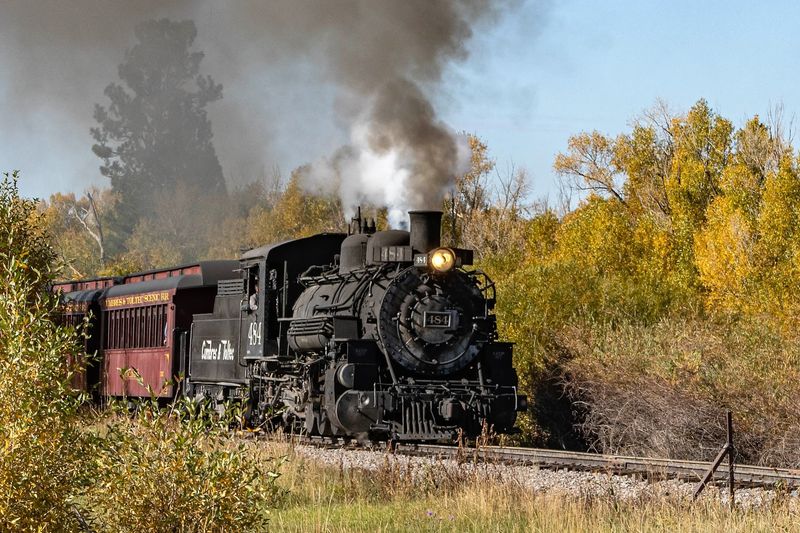
Old railroads usually live in museums, behind ropes and glass. On this line, the history still moves, smokes, and blows its whistle every morning of the season.
The railroad is a National Historic Landmark, and riding it feels like stepping back into the late 1800s. The narrow tracks, the rugged engines, and the wooden details all hint at how people once crossed these mountains before highways existed.
Volunteer docents often ride along and share stories about the route. Travelers regularly mention how much they enjoyed learning the history, and several describe the onboard guide as knowledgeable and easy to listen to.
You get facts without feeling like you are sitting in a classroom.
Fun detail: the line crosses the New Mexico and Colorado border 11 times during its run. Kids love counting the switches back and forth, and adults tend to join in by the third or fourth crossing.
Visitors who come for trains alone often leave with a new respect for the workers who built and ran this route. Others simply enjoy the feeling of time slowing down.
Either way, the past feels close enough to touch here, and that is something a modern tour bus can never quite offer.
Engines Up Close in the Chama Yard
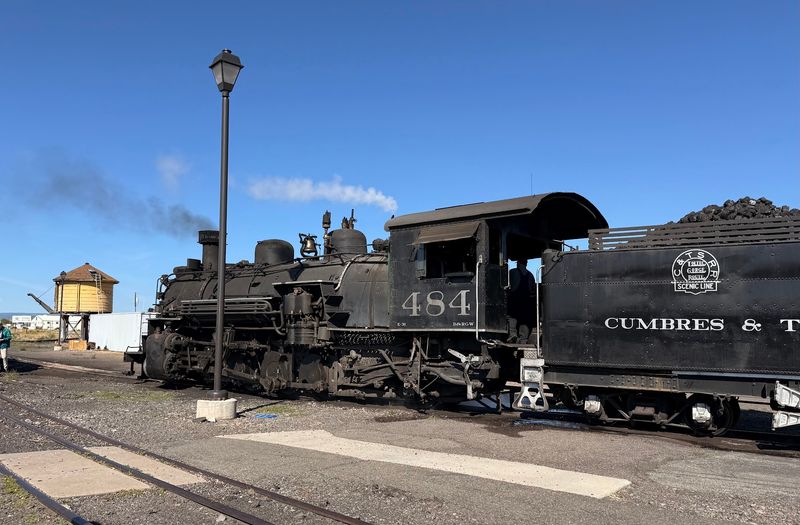
Before the train even leaves, the yard puts on its own show. Rail fans say it is easy to get close to the engines and equipment for photos and videos, which is not true at every heritage railroad.
There are places to sit and watch the action around the depot. Trees on parts of the property also frame the locomotives nicely, so photographers tend to arrive early and wander.
One family shared that they toured two steam engines, one burning coal and one burning oil. They also met a friendly worker in the metal shop who showed them movie and historical memorabilia.
Moments like that make the railroad feel less like an attraction and more like a working community.
Steam engines come up again and again in visitor chatter. For kids, seeing one breathe and hiss can be pure magic.
One parent even said the trains made a daughter’s dreams come true.
A few families left talking about volunteering or becoming members, which says a lot about how welcome they felt. So give yourself extra time in Chama before boarding.
The quiet minutes spent watching crews ready the engines might end up being a favorite memory of the whole day.
Slow Miles Through Wild Country
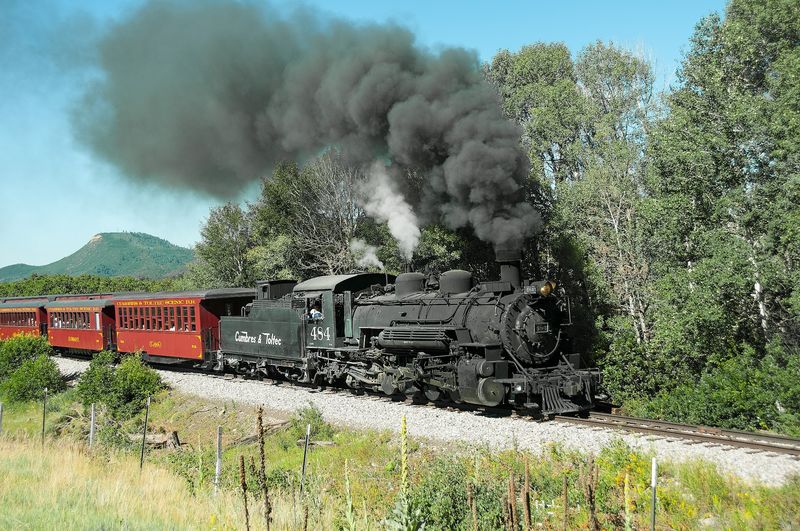
Twelve miles per hour. That is about how fast the train travels, and honestly, nobody aboard seems to want it any quicker.
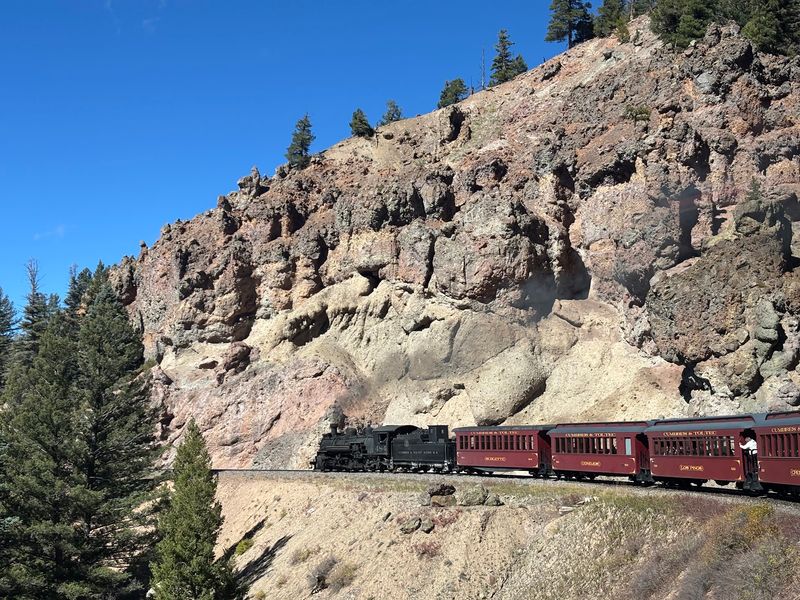
The slow pace gives you time to really look. Deep forests of aspens and evergreens roll by, then open up into high plains dotted with wildflowers.
Rocky gorges appear without warning, and the views shift around nearly every bend.
Much of the route passes through wilderness that no road reaches. That means the scenes outside your window are ones most travelers in New Mexico and Colorado never get to see from a car.
It feels a bit like being let in on a secret.
Scenery is the single thing visitors bring up most often. Some riders said certain views looked so perfect they seemed unreal.
Others described the whole day as peaceful and relaxing, the kind of trip where you forget to check your phone.
Wildlife adds extra surprises. Passengers often spot deer, and there are chances for elk, antelope, fox, eagles, and even bear.
One fall rider counted plenty of deer and a pair of hawks. Bring binoculars if you have them, because the mountains tend to reward anyone patient enough to watch closely.
Cumbres Pass, Toltec Gorge, and Cascade Trestle
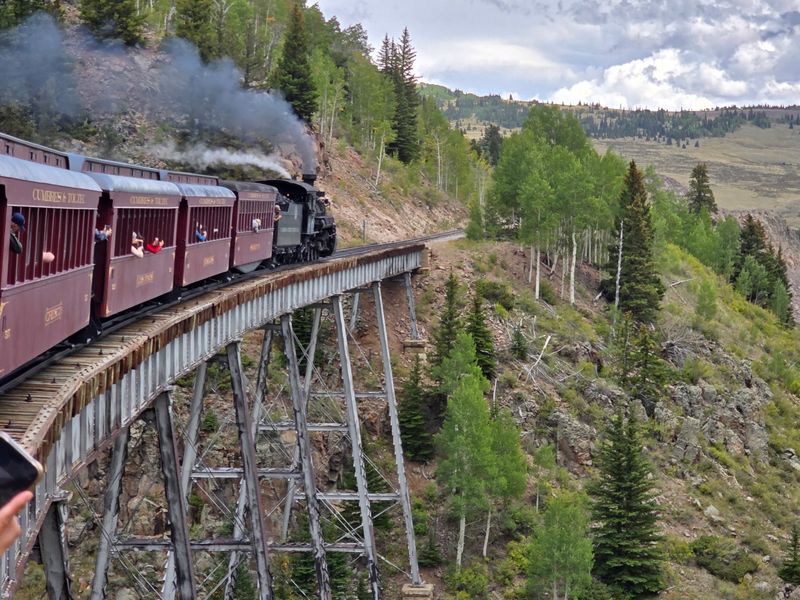
Three landmarks turn this ride from pretty into jaw-dropping. Each one arrives at a different point in the journey, so the excitement keeps building.
First comes Cumbres Pass, sitting at 10,015 feet. It is the highest railroad pass in the United States, and you can feel the thin, cool air as the engine works hard to climb it.
Hearing a steam locomotive push up that grade is a treat all on its own.
Next up is Toltec Gorge, a dramatic canyon about 800 feet deep. Looking down from the train can make your stomach flip in the best way.
The rock walls and river far below are a highlight for photographers.
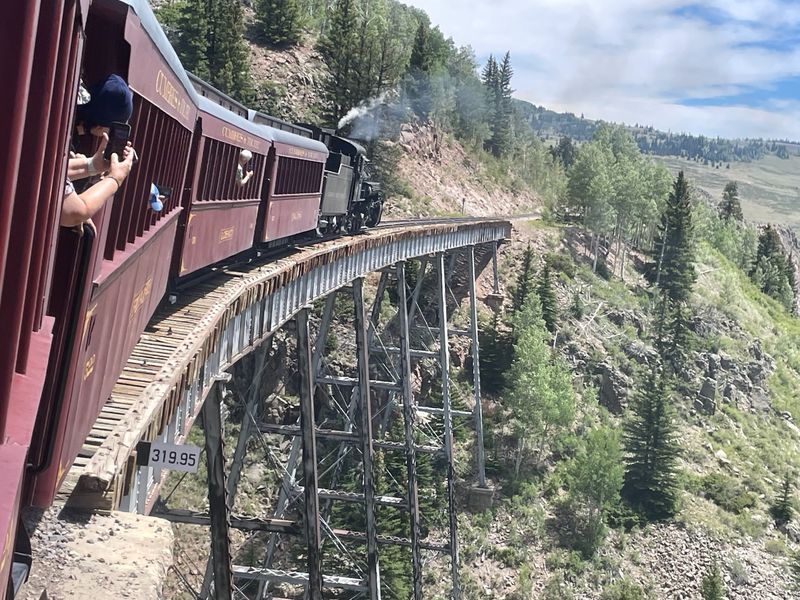
Then there is Cascade Trestle, standing 137 feet tall. Crossing it gives riders a floating feeling over the forest.
Travelers also mention the tunnels and trestles along the route as memorable parts of the day.
Timing your camera is tricky, so keep it handy the whole way. Some of the best shots come from the open car, where nothing blocks the view.
Just hold onto your hat when the wind picks up high in the pass.
Lunch at Osier Station
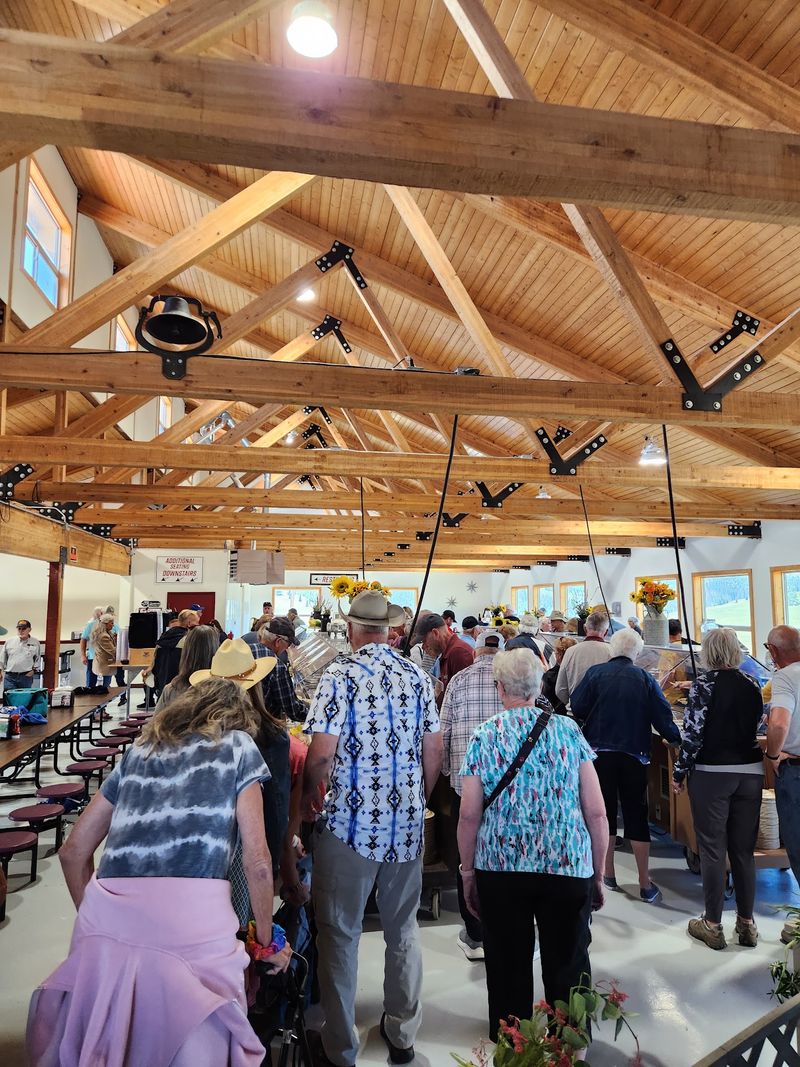
Halfway through the ride, the train pulls into Osier Station, and appetites wake up fast. Sitting at 9,637 feet, this mountain stop hosts an all-you-can-eat buffet in its dining hall.
The spread leans hearty. Riders describe meatloaf, sliced turkey, mashed potatoes, green beans, stuffing, soup, and a fresh salad bar.
Desserts like cobblers, cakes, and brownies round things out, with iced tea, lemonade, and water to drink.
One rider called the blackberry cobbler exactly what they needed. Another said the meal was so good they wanted to warn others to save room.
Many describe the lunch as filling and far better than expected for a stop in the middle of nowhere.
Some menus include barbecued pork, grilled chicken, enchiladas, pinto beans, and cornbread, a nice nod to Southwest comfort food. Vegetarian, vegan, and gluten-free options are available on request.
Starting in the 2026 season, a group called From the Wagon handles the cooking with a chuckwagon, ranch-style approach.
Tastes vary, of course, and one traveler preferred packing their own snacks. Still, most folks leave Osier happily full.
The stop usually lasts about an hour, leaving time to stretch and breathe that crisp air.
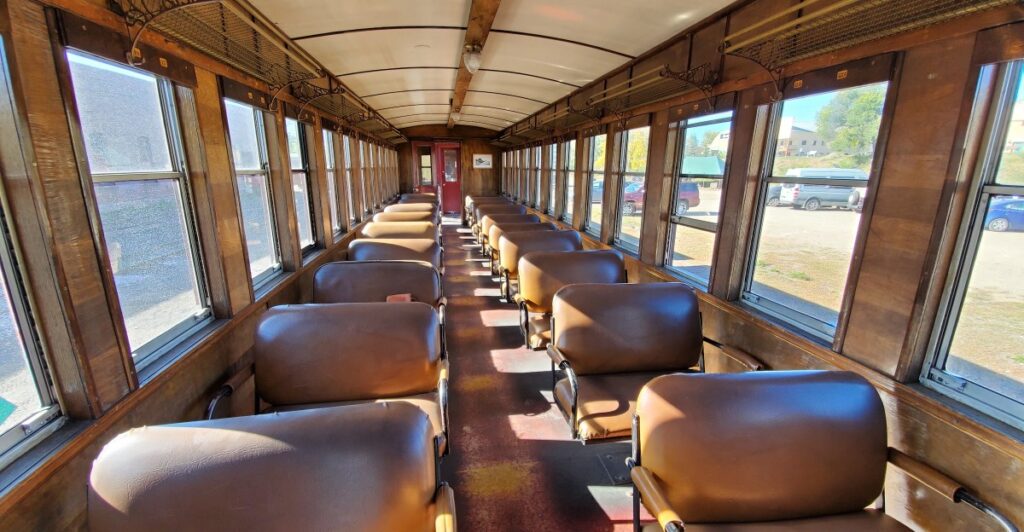
Parlor, Deluxe, and Coach Seating
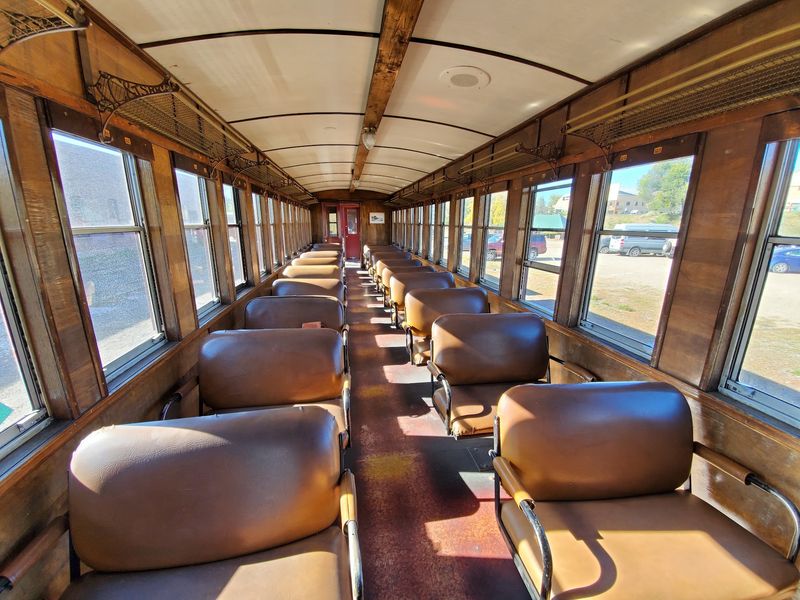
Choosing a seat might be the biggest decision you make all day. Each class offers a slightly different flavor of the same great ride.
Parlor cars get a lot of love. One couple visiting from Santa Fe said booking the parlor was a huge win, since they could gaze out the window right from their seats.
Another rider called the premium parlor experience a real treat and promised to return for a longer trip.
Deluxe seating is another favorite. Guests mention unlimited beverages and access to the open car for sightseeing.
Some even received special souvenirs, and one rider still talks about the best strawberry danish they ever tasted.
Coach is the budget-friendly pick, and it holds up well. A traveler noted that even the coach car was comfortable, making the whole trip feel peaceful.
Clean cars, bathrooms, and snacks on board also make the long day easier for everyone.
One visitor thought the price seemed high at first but decided the value was clearly there after riding. So think about how you like to travel.
If window time matters most, splurging a bit may pay off in views you will remember for years.
Fresh Air From the Open Gondola
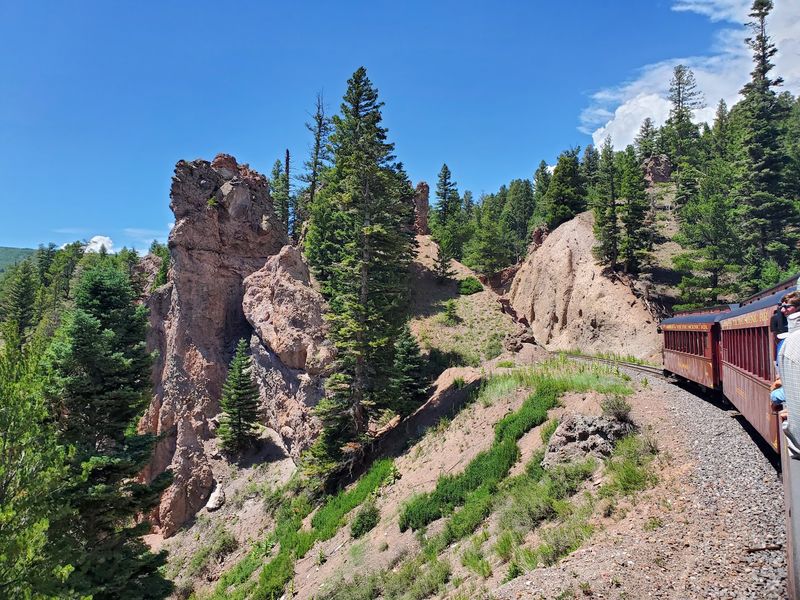
Wind in your hair, cinders drifting by, and nothing between you and the mountains. The open-air gondola car is where many riders spend their happiest minutes.
Passengers can move freely about the train, so you do not have to stay glued to your assigned seat. Walking to the open car lets you catch unblocked views and gulp that fresh mountain air.
It also gives a clearer sound of the steam engine working up ahead.
Travelers often mention the open car as a highlight, especially for photos. Canyons, trestles, and forest edges look different when there is no glass in the way.
Kids tend to love it most, pointing at every animal and cliff they spot.
A smart tip from one rider: wear sunblock. At high elevation, the cool breeze tricks you into forgetting how strong the sun really is.
A hat and sunglasses help too.
Layers are wise as well, since temperatures change as the train climbs. One family noted how nice and cool it felt in July.
Pack a light jacket, grab a spot on the rail, and let the scenery do the rest.
Planning Your Ride: Seasons, Routes, and Tips
Timing is everything for a mountain railroad. The operating season generally runs from late May or early June through mid to late October, so winter visits are off the table.
Fall is the showstopper. Late September into early October brings brilliant aspen colors, and visitors rave about seeing hillsides turn gold.
Summer offers wildflowers and cool temperatures, a welcome break from desert heat elsewhere in New Mexico.
Route options matter too. The Chama Limited runs from Chama to the midway point and back in about six hours and 20 minutes.
Full-line trips take six to eight hours, and many riders pair the train with a bus. One traveler caught the 8:30 bus from Chama to Antonito, then rode the train back.
For booking and current prices, call +1 888-286-2737 or visit cumbrestoltec.com. Fares vary by car type, so check details before choosing.
Pack smart: sunscreen, layers, a camera, and maybe binoculars. The gift shop is described as affordable if you want a souvenir.
Arriving early gives time to explore the yard and snap engine photos before departure.
Worth the Trip North
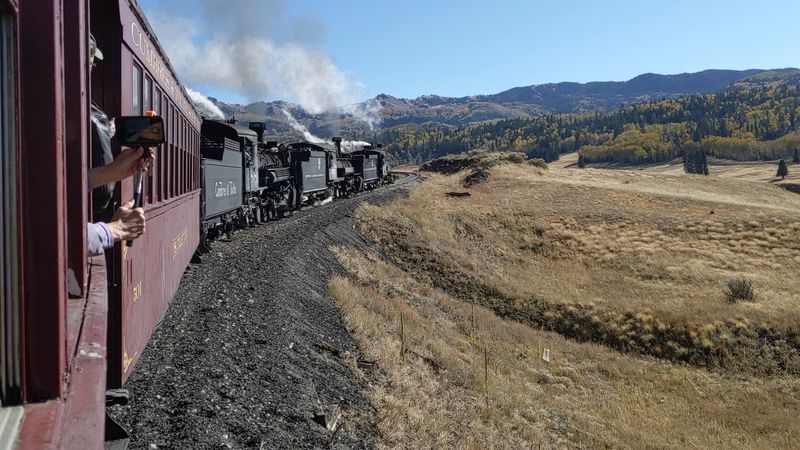
Some days out leave you tired. A day on this railroad tends to leave you strangely rested, full of good food, and a little proud you found it.
Everything adds up in a gentle way. Historic engines, wild canyons, the thrill of Cumbres Pass, and that hearty lunch at Osier all fit into a single unhurried day.
Add a crew that treats riders like guests, and it is easy to see why people return.
Is it perfect for everyone? Folks who hate long days might prefer the shorter midway ride.
Picky eaters can pack snacks. But for most travelers, the balance of comfort and adventure feels just right.
Many visitors call it a must-see, and several first-timers say they are already planning a second ride. Even experienced rail fans who have tried other famous trains say this one holds its own, with its own special character.
So next time you are near Santa Fe or planning a northern New Mexico road trip, point the car toward Chama. Listen for the whistle, find a window, and let the mountains roll by.
The slow pace may be exactly what you have been missing.