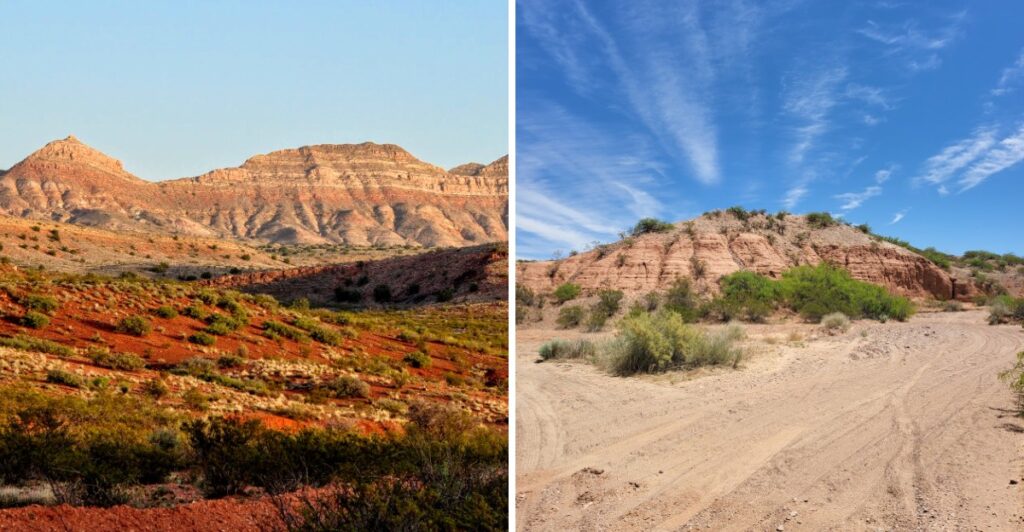
Who knew 24 miles of dirt road could look this incredible? Out in the desert, red cliffs tower above the track, purple hills rise in the distance, and every bend seems to reveal another scene worth photographing.
It is the kind of drive that makes you forget how long you have been in the car. This remarkable route in New Mexico winds through rugged country east of the Rio Grande, passing rock formations that have been shaped over millions of years.
The landscape feels surprisingly different from one stretch to the next. You might find yourself stopping more often than you planned just to take it all in.
Of course, this is no ordinary paved scenic highway. The road can get rough, and a high-clearance vehicle is recommended.
But with a little preparation and an adventurous spirit, these 24 miles offer a road trip that is difficult to forget.
A 24-Mile Drive Through Another World
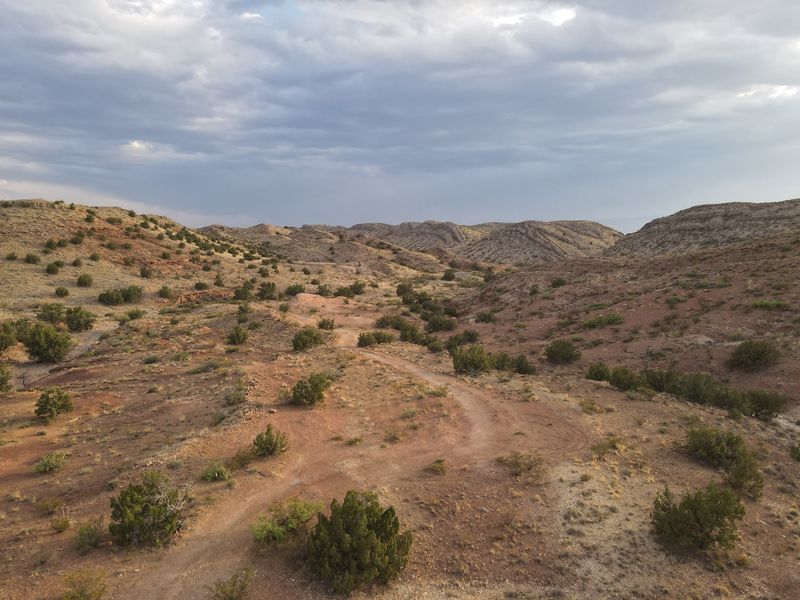
Some roads exist just to get you somewhere, and others exist to slow you down on purpose. This one belongs firmly in the second group, stretching roughly 24 miles across rugged public land.
The route is a graded dirt road rather than smooth pavement. Its surface can turn soft and sandy, with ruts that test low-clearance cars after storms or long dry spells.
Many drivers find that a high-clearance vehicle makes the trip far more relaxed. A 4×4 is a smart choice, though it is not always strictly required when conditions are dry.
Once you start, there are few ways to leave the road until you reach the other end. Planning for that commitment means carrying plenty of water, snacks, and a full tank of gas.
Cell service can be spotty in this remote country, so a paper map is a handy backup. Rains can make the road impassable, so checking weather before heading out matters a lot.
I love that a road this short can feel like a full expedition. Expect around one to two hours of driving, longer if you stop for photos and short hikes.
This quiet adventure is the Quebradas Back Country Byway near Socorro, New Mexico. Its northern entrance is accessible via Interstate 25 Exit 152, while its southern entrance can be reached from US Highway 380 via County Road A-129.
The Desert Road With Endless Views
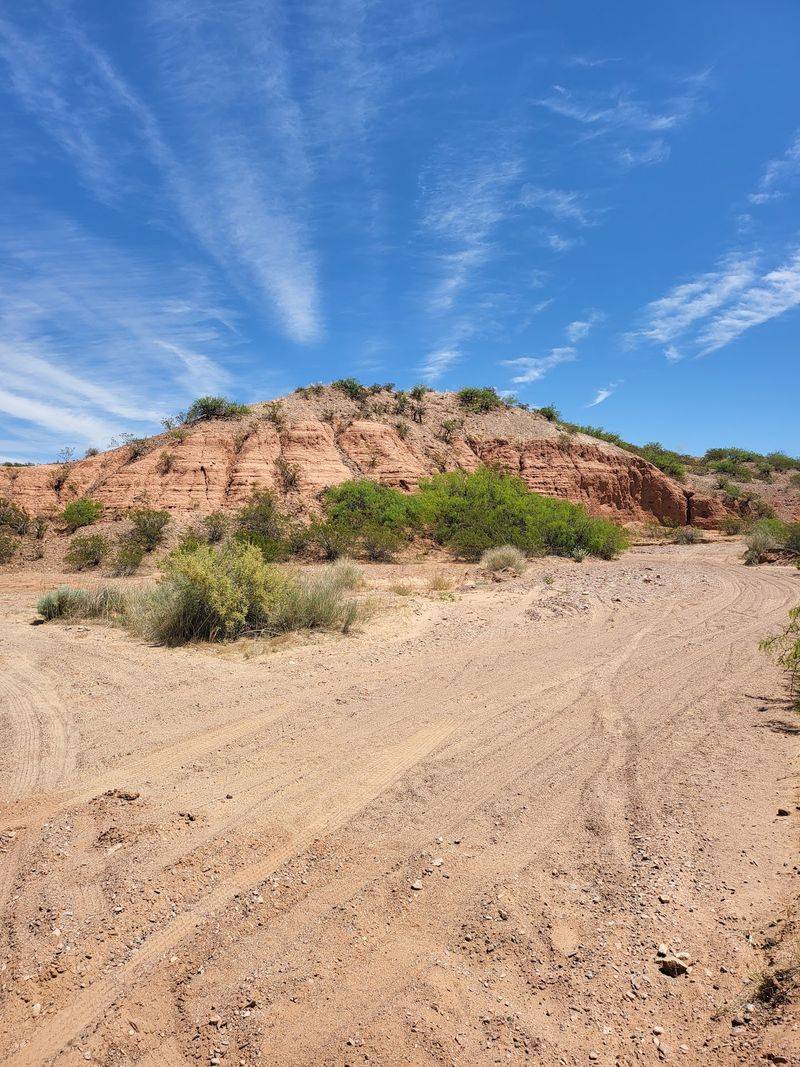
Horizons out here do not end so much as fade politely into blue mountains. The road climbs and dips across open desert, and each rise reveals a new stretch of land.
Distant ranges line the edges of the scene, giving your eyes something big to rest on. Scrubby plants like creosote and mesquite dot the slopes in soft green patches.
Sunsets get special attention from people who drive this route in the evening. The sun often drops behind the western mountains, painting the hills in warm orange light.
Getting back to paved road before full dark is a sensible goal, though. Sharp turns and narrow spots become harder to judge once the light disappears.
Pullouts appear along the way, so stopping for a long look is easy. Photographers tend to love the long shadows of early morning and late afternoon.
Honestly, I think the lack of guardrails and signs makes the views feel even bigger. Nothing stands between you and the scenery except a little dust on the windshield.
Binoculars are a fun addition for spotting far ridges and wildlife. Even without them, the view keeps changing faster than a toddler’s mood.
Patience pays off here, one bend at a time.
Red And Yellow Cliffs That Steal The Show
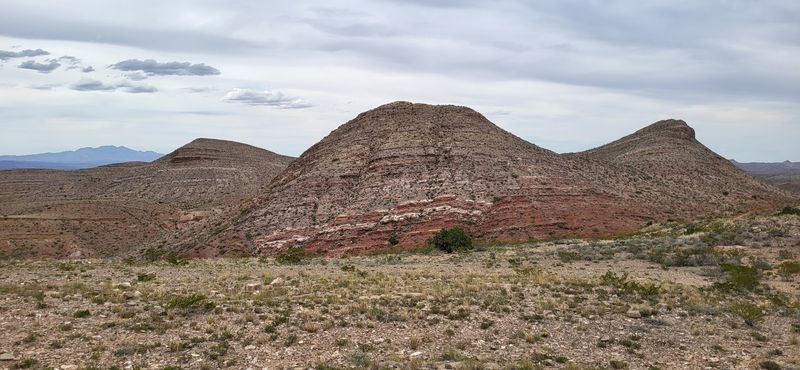
Color is the real headliner on this drive. Bands of red, yellow, and even purple run through the cliffs like stripes on a giant candy.
These shades come from minerals in the rock, especially iron, which can turn stone rusty red. Lighter yellows and tans mark layers with different ingredients and different histories.
Light changes the whole performance throughout the day. Midday sun can flatten the colors, while early and late hours make them glow.
Clouds add their own drama by sweeping shadows across the slopes. One minute a cliff looks bright gold, and the next it turns a deep rusty brown.
I have to admit the cliffs seem a little show-offy, and they earned it. Few dirt roads can boast scenery this dressed up.
Camera batteries tend to drain fast here, so a spare is wise. Wide shots capture the stripes best, while close-ups reveal small crusty textures and tiny crystals.
Staying on established roads and paths helps protect these fragile surfaces. Desert soils recover slowly, and tire tracks can last for many years.
The cliffs never charge for tickets, yet they put on a matinee daily.
Ancient Rock Layers In Every Direction
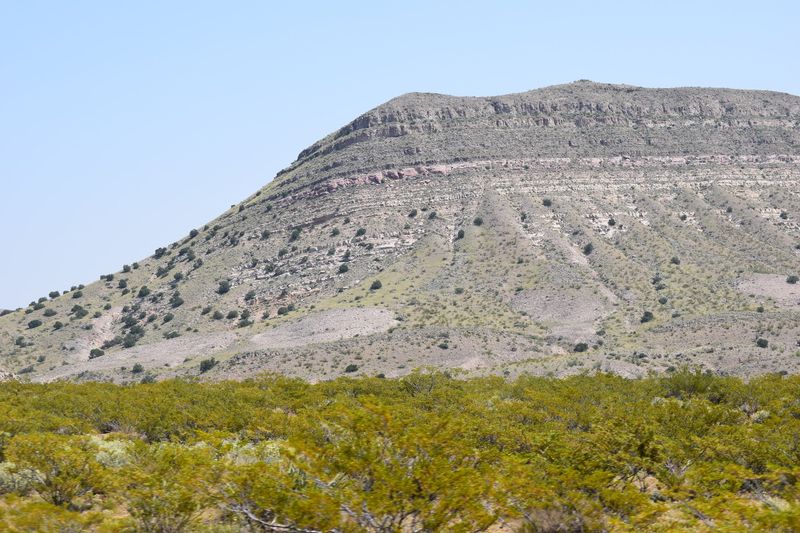
Geology fans, this road is basically a textbook you can drive through. Rock layers here record hundreds of millions of years of earth history.
Some layers formed when shallow seas covered the area long ago. Fossils of ancient sea creatures can show up in limestone, which is pretty wild for a desert.
Movement deep underground tilted and folded many layers over time. Faults cut through the land, so rocks sit at odd angles instead of lying flat.
A helpful companion for curious drivers is a book called A Geologic Guide to the Quebradas Back Country Byway. It explains what can be seen at numbered posts along the route.
The New Mexico Bureau of Geology and Mineral Resources in Socorro has a mineral museum worth visiting nearby. Its exhibits can make the rocks outside even more meaningful.
Setting the trip odometer at the start makes the numbered stops easier to find. Some posts are small and easy to miss.
I find it oddly comforting that these stones have waited so patiently. They were around long before any road, and they are in no hurry.
Collecting rocks or fossils on public land has rules, so leaving them in place is safest.
Winding Through Rugged Desert Canyons
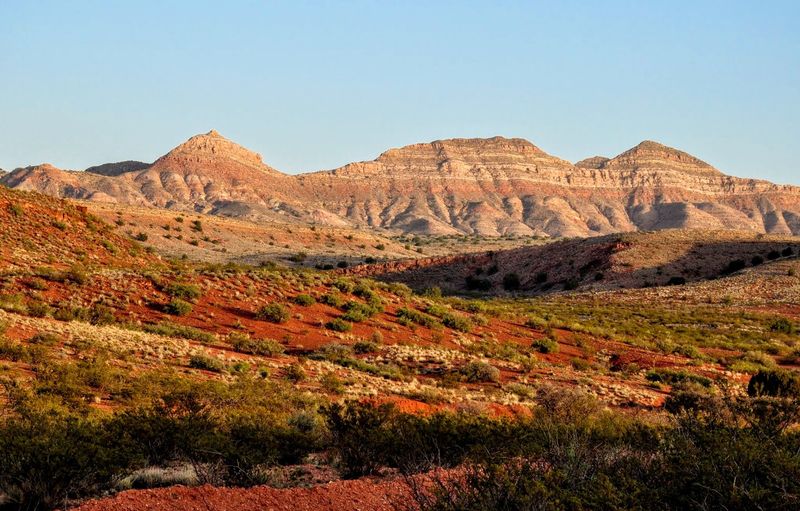
Quebradas is a Spanish word that roughly means breaks or ravines. The name fits nicely, because the road snakes through a maze of rugged arroyos and canyons.
Several of these drainages make great short hikes from the road. Most have no marked trails, so hikers often navigate by landmarks and careful attention.
Sturdy shoes are a must on loose rocks and sandy washes. A small daypack with water, sun protection, and a snack makes these outings far more pleasant.
Some canyons are deep enough to feel totally hidden from the outside world. After rains, small pools of water can collect at the bottom of shaded spots.
Flash floods are a real concern in desert canyons during storms. Staying out of narrow washes when clouds build is a smart habit.
I enjoy how each side canyon seems to ask a quiet question. Where does this go, and what is around the next bend?
Old mining spots also appear in parts of the area. Old mine sites can be unstable, so viewing them from a distance is the safer move.
Every twist in the canyon walls keeps your curiosity well fed.
Colorful Badlands That Look Almost Unreal
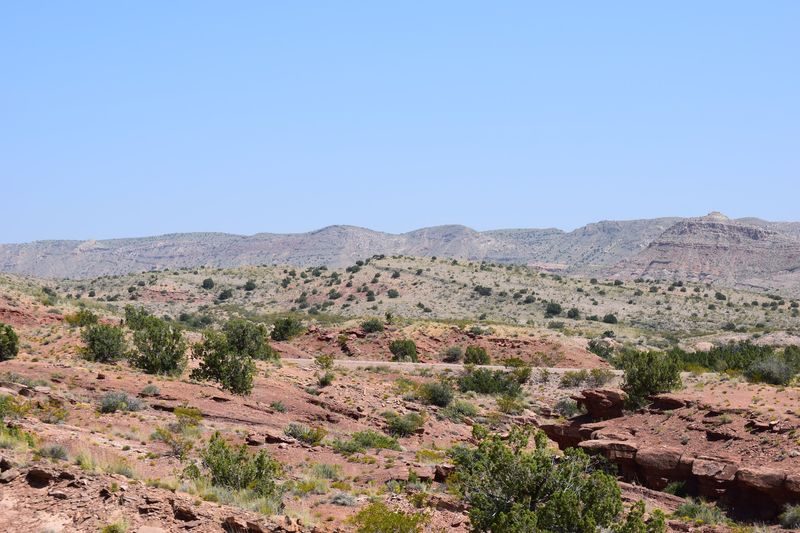
Badlands sound grumpy, but these ones are surprisingly cheerful. Eroded hills in red and purple shades rise along parts of the route.
Wind and rare heavy rains slowly carve these soft slopes. Over time, the water leaves ridges, gullies, and rounded humps that look sculpted by hand.
Little plant life grows on the steepest surfaces, which keeps the colors bare and bold. That openness makes the shapes stand out against the sky.
The ground on badland slopes can crumble easily under boots. Walking on firm surfaces and avoiding steep, loose edges keeps hikers steady.
Visitors sometimes describe these spots as forgotten by the modern world. With no crowds and few signs, the feeling of discovery comes easily.
I will happily say the purple hills are my favorite surprise here. Purple rocks just seem like a fun twist for a desert.
Photos rarely capture the true depth of these forms. Shooting from low angles can help show how the ridges ripple across the land.
Bring curiosity and a little humility, because these hills have outlasted plenty of visitors before you.
Sweeping Views Above The Rio Grande Valley
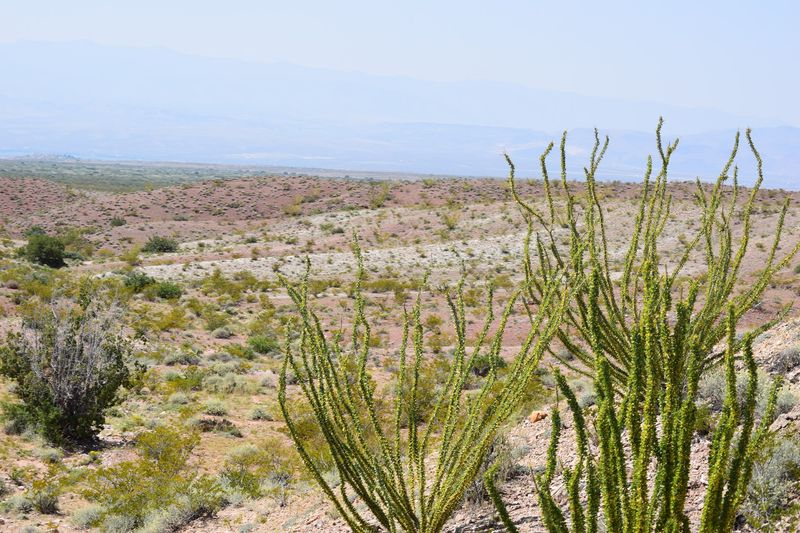
Green might be the last color you expect on a desert drive. Yet higher points along the byway look west toward the Rio Grande Valley, where trees trace the river.
The contrast between dry hills and the leafy river corridor is striking. It shows how much life depends on water in this region.
Beyond the valley, mountain ranges stack up in layers of blue and gray. On clear days, the view stretches far enough to make maps feel small.
The northern entrance is reached near Escondida, using Interstate 25 Exit 152 and local roads. The southern entrance connects with County Road A-129, accessible from US Highway 380 east of San Antonio.
Driving north to south or the reverse both work fine. Each direction frames the valley views a little differently.
I like that the river is never in a rush, even when travelers are. Its lazy curve feels like a gentle reminder to breathe.
Morning light often makes the valley glow softly. Afternoon haze can mute colors, but it adds a dreamy feel to the distance.
Up here, the whole valley seems to be taking a long nap.
A Peaceful Stretch Of Untouched Desert
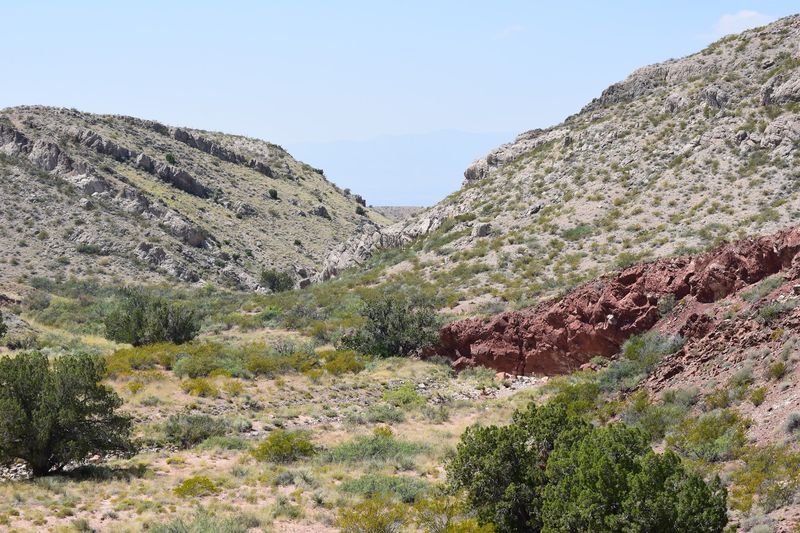
Silence is the souvenir most people carry home from this road. With little traffic and no towns along the way, quiet takes over quickly.
Wildlife adds small surprises to the calm. Lizards, birds, and the occasional free-roaming cow may share the scene.
Seasons shape the experience in a big way. Fall, winter, and early spring bring cooler temperatures that suit hiking and long stops.
Summer heat can be intense and risky in this part of the state. Anyone visiting then should travel early, carry extra water, and limit time in the sun.
Facilities are basically nonexistent, so planning ahead matters. Packing out all trash keeps the land clean for the next visitor and the local critters.
The byway is open around the clock, though daylight travel is far easier. Pavement with its lights feels far away once evening settles in.
I find it kind of wonderful that free public land can feel this calm. No ticket booth needed, just a willingness to slow down.
Long after the dust settles on your car, the stillness tends to linger in your memory.